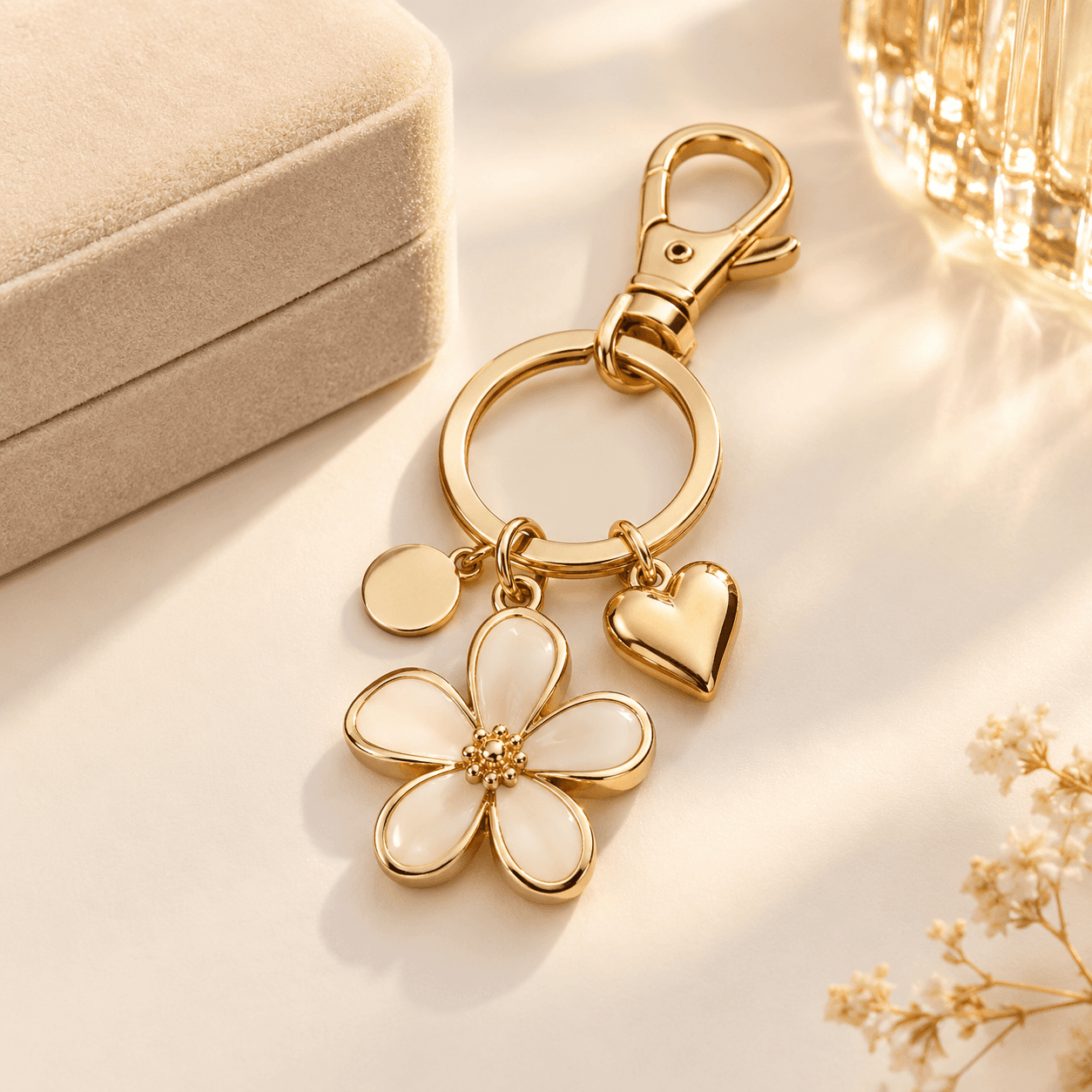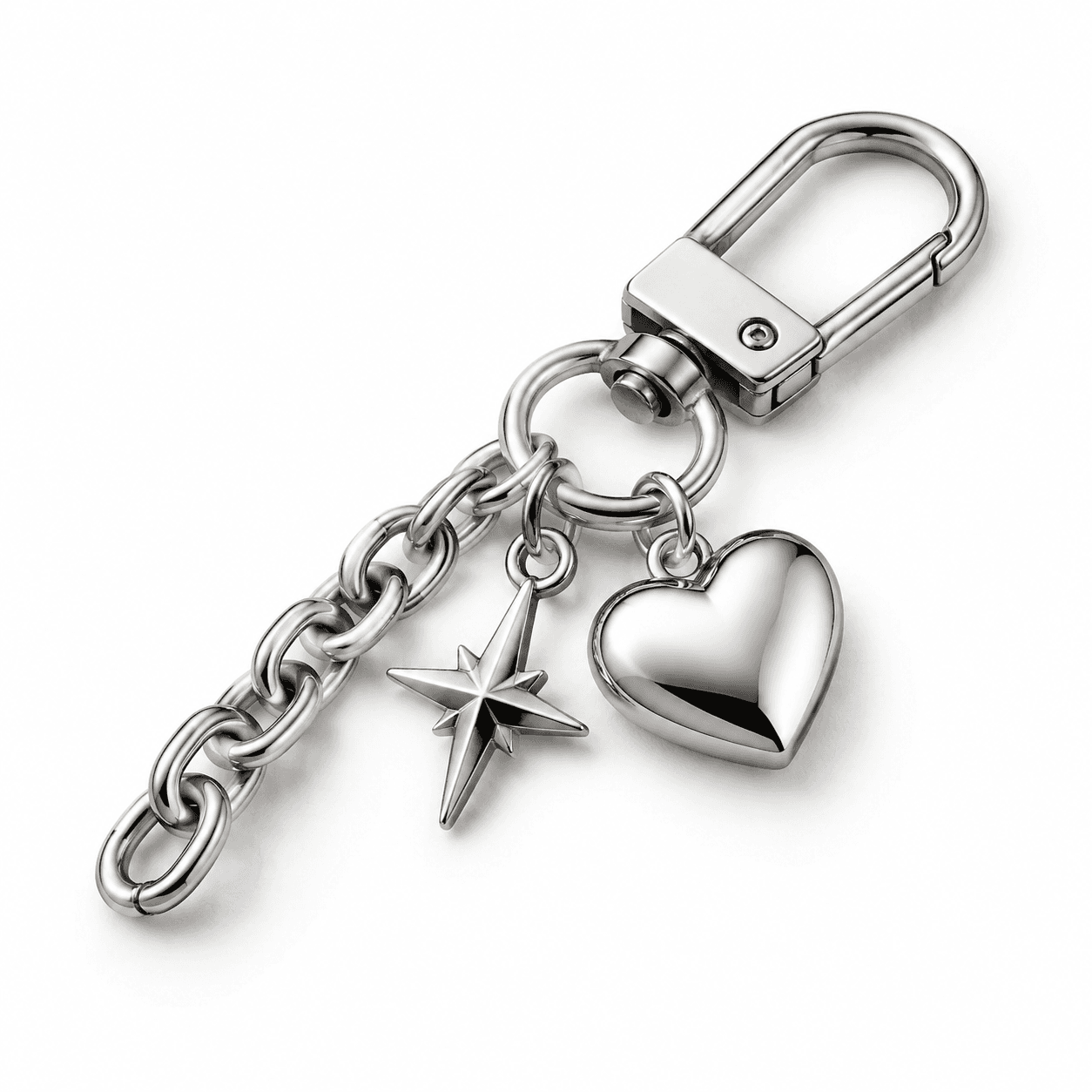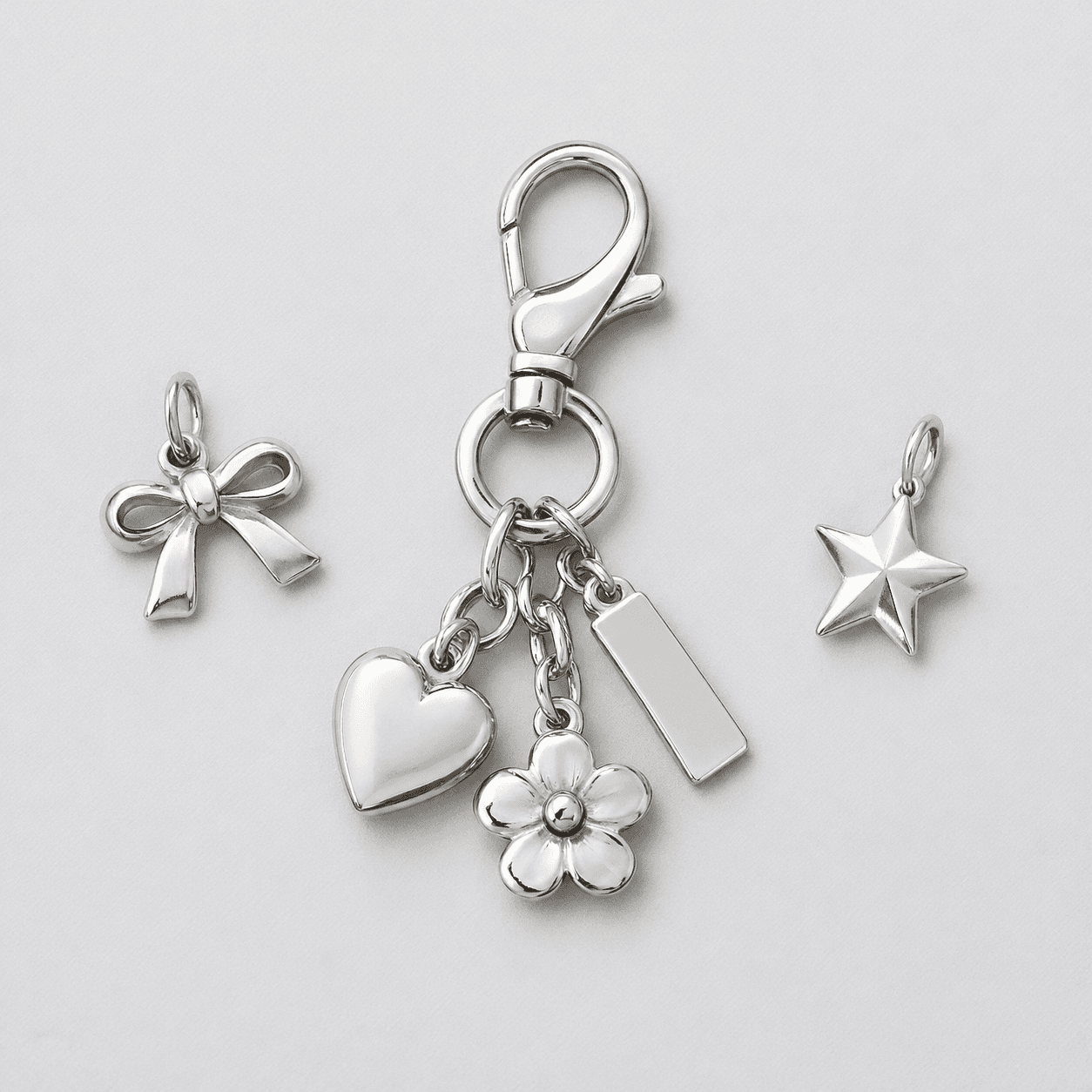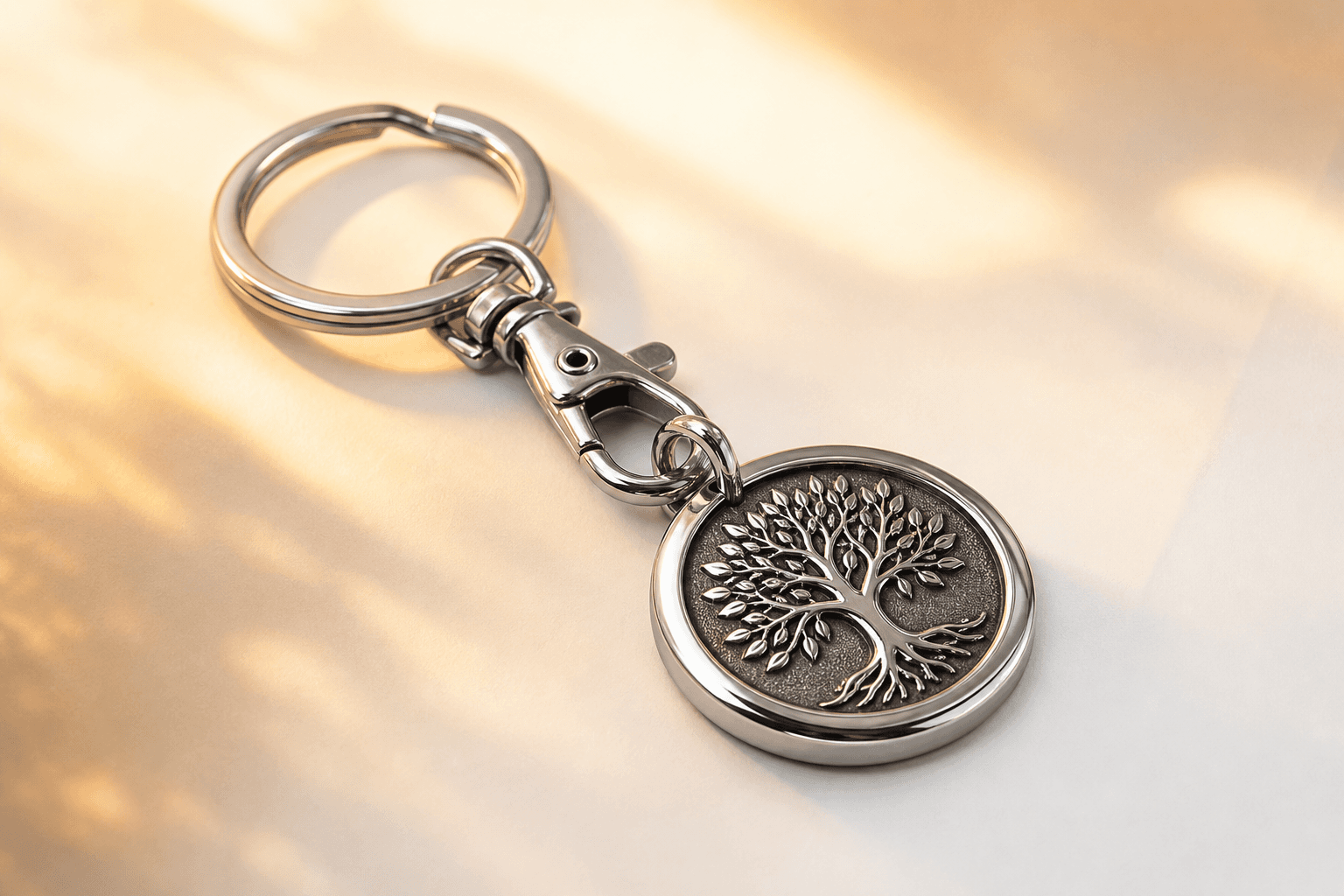
Hook: For experienced brand managers building private-label programs around charms, the path from concept to boutique-ready products requires a deep understanding of 316L stainless steel, finishing methods, and rigorous quality controls. This advanced guide delivers a practical framework tailored for OEM/ODM teams seeking to optimize private-label stainless steel charm lines and keychain programs. From material fundamentals to manufacturing execution, the guide provides strategic considerations, measurable targets, and risk mitigation tactics that translate across US, EU, UK, AU, CA, and beyond.
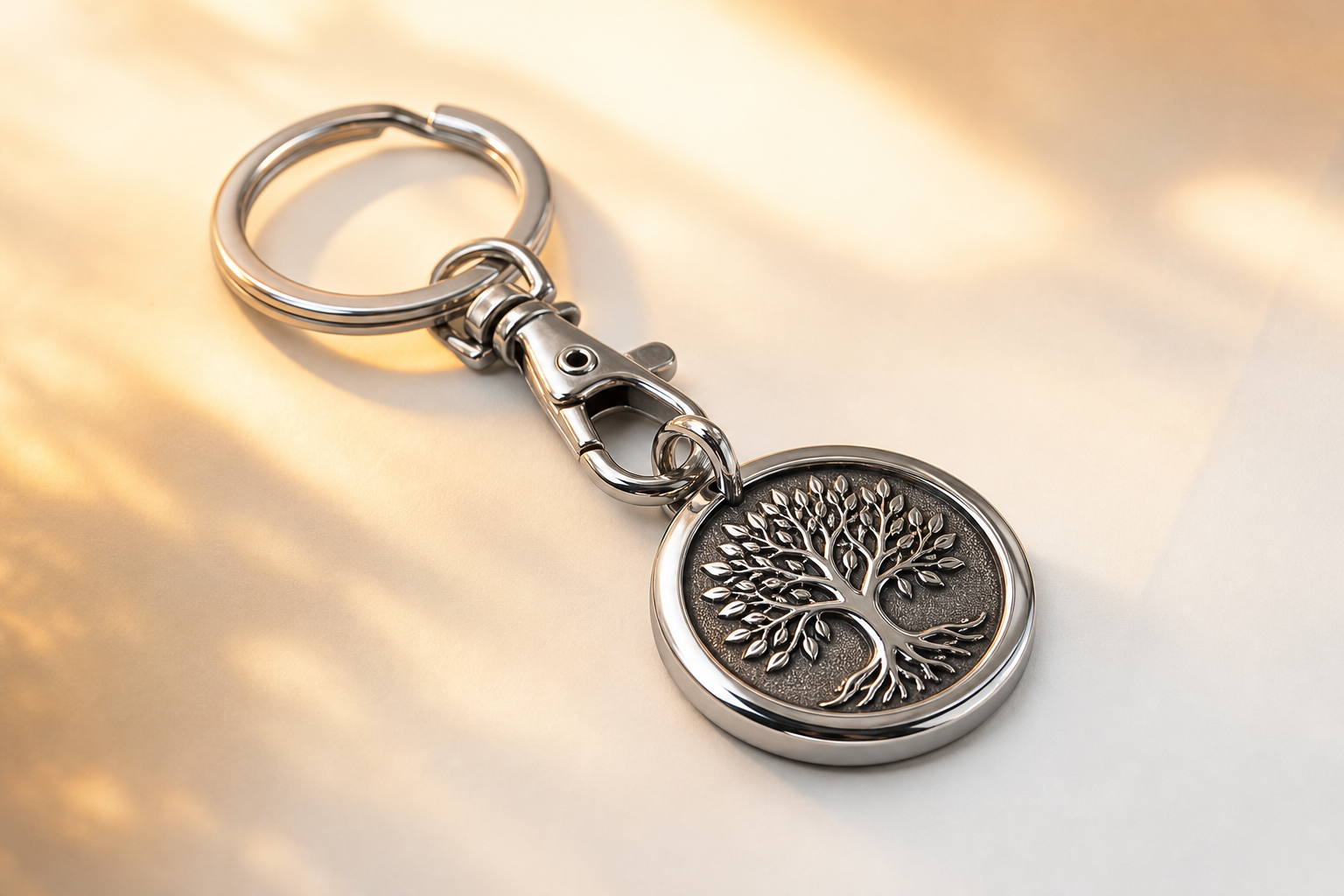
Stainless Steel Charms for OEM/ODM: Why 316L Matters for Charms
316L stainless steel offers a balanced combination of corrosion resistance, mechanical strength, and biocompatibility that suits mass customization in boutique brands. For keychain and charm applications, 316L provides robust plating compatibility, reliable enamel filling, and durable crystal inlay performance under daily handling. From a manufacturing perspective, 316L enables consistent material behavior across high-volume runs and private-label packaging programs, aligning with the needs of OEM/ODM collaborations where brand owners demand repeatable results and reliable supply.
Material stability and process compatibility
316L stainless steel is a low-carbon stainless steel with added molybdenum to boost corrosion resistance in chloride environments. The low carbon content reduces sensitization during welding and multiple fabrication steps (laser cutting, welding, polishing). The typical composition emphasizes iron, chromium, nickel, and modest amounts of molybdenum and other trace elements. Understanding surface chemistry and deposition behavior helps predict plating adhesion, enamel fill performance, and crystal seating across finishes such as PVD gold plating, silver finish, and rose gold.
Composition and surface interactions
With a clean microstructure, 316L supports consistent adhesion of coatings and finishes. For private-label programs, predictable deposition thickness, enamel fill behavior, and crystal hold are essential for repeatable aesthetics across launches and seasonal collections. By aligning material specs with finishing capabilities, brands can minimize rework and maximize first-pass yields during sample development and bulk production.
Corrosion resistance and surface chemistry
316L offers strong resistance to ordinary atmospheric corrosion and many cleaning chemistries used in jewelry production. In long-term private-label programs, corrosion resistance translates into stable appearance, minimal tarnish, and predictable performance in salt spray tests and environmental exposure. Surface chemistry interactions influence how well a PVD coating adheres, how enamel colors fill into micro-crevices, and how crystals seat into settings. For brand managers, this means fewer field failures and smoother scale-up from samples to bulk orders.
Enamel and crystal inlay compatibility
When enamel fills or crystal inlays are used, 316L’s clean surface supports uniform color fill and secure crystal seating. The compatibility of enamel pigments, the mechanical hardness of the substrate, and the polish grade all affect final appearance and durability. Private-label programs benefit from a predictable process window for enamel lines and crystal settings, enabling consistent aesthetics across launches and seasonal collections.
Benefits of 316L Charms in Private-Label Programs
Key benefits in practice
- Low MOQ support and scalable production for boutique brands
- Consistent plating quality across PVD, gold plated, silver finish, and rose gold options
- Boutique-ready series planning that reduces time-to-market
- Private-label packaging and labeling options to match brand positioning
- Fast sample development cycles to accelerate RFQ and approval timelines
Certifications and quality assurance
Leading programs benefit from SGS certification coverage, including RoHS, REACH, Nickel Release EN1811, and Salt Spray 240H. These certifications underpin cross-market confidence, especially for US, EU, UK, and AU consumer bases. For OEM/ODM collaborators, SGS credentials support compliance audits, supplier qualification, and ongoing quality surveillance, aligning with the needs of global sourcing teams.
Detailed Analysis and Step-by-Step Guide
Step 1: Define material spec and compliance
Begin with a formal material specification for 316L stainless steel charms. Define the base material as 316L stainless steel, confirm carbon content limits, and establish acceptable tolerances for microstructure, surface finish, and dimensional accuracy. Align with RoHS/REACH compliance as a baseline for global markets. Document testing protocols for nickel release, salt spray, bend tests, and wear resistance to minimize post-launch quality issues.
Step 2: Design for manufacturability and finish options
Design for manufacturability involves establishing cutting parameters, hole placements for bail and jump rings, and fillet radii to reduce stress concentrations. Consider finish options such as PVD gold plating, silver finish, and rose gold plating, alongside enamel color filling and crystal settings. Each finish influences thickness requirements, adhesion, and post-plating passivation steps. Collaborative design reviews with the factory ensure tolerances align with machining capabilities and plating equipment constraints.
Step 3: Finishing options and color treatment
PVD plating provides durable, color-stable surfaces suitable for private-label lines. For visual impact, combine PVD with enamel accents or crystal inlays to achieve brand-specific aesthetics. Ensure color matching across batches and implement a color approval protocol with controlled pigment lots and color-matching standards. Document plating thickness targets to maintain consistency between samples and bulk orders, and track any color drift across production runs.
Step 4: Crystal setting and enamel filling processes
Crystal inlay and enamel color filling require controlled curing environments and precision alignment. Define process windows for enamel cure times, drying temperatures, and post-cure polishing to preserve surface integrity. Establish acceptance criteria for crystallized settings, including seating depth, crystal alignment, and resin or adhesive compatibility with the 316L substrate. Record process deviations and implement corrective actions to prevent recurrence in mass production.
Step 5: Quality control and testing
Inspection protocol
Adopt multi-stage QC, including incoming material verification, in-process checks during cutting and welding, and final inspection for size, weight, finish, and charm assembly integrity. Use calibrated gauges to verify bail hole alignment, jump ring fit, and thread compatibility if applicable. Include salt spray corrosion tests and nickel release measurements for cross-market suitability.
Certifications and supplier qualification
Document SGS certification status and maintain supplier qualification records. Use traceability for raw materials, plating batches, enamel pigment lots, and crystal sources to support audit readiness. This documentation is critical for private-label programs where partners require reproducible, auditable manufacturing data across many SKUs and collections.
Step 6: Private-label packaging and labeling
Packaging design should reflect brand identity while protecting the charm during shipping. Offer private-label packaging options, including branded blister cards, hang tags, and anti-tarnish pouches. Ensure packaging materials meet regulatory requirements in target markets and that labeling clearly communicates material, care instructions, and any warranty terms. Integrate packaging with your OEM/ODM project timelines to deliver a cohesive product experience to distributors and boutique brands.
Step 7: Sampling workflow and lead times
Establish a structured sample development pipeline with clear milestones, from 3D proofing to prototype fabrication and evaluation. Target fast-tracking for first samples to accelerate RFQ responses and private-label proposals. Track sample lead times, costs, and acceptance criteria to manage expectations with sourcing managers and brand teams.
Step 8: Cross-market insights and universal trends
Global markets share common drivers: reliable supply, consistent finishes, and private-label flexibility. US and EU buyers value traceability and compliance; UK buyers emphasize packaging elegance and inventory agility; AU and CA buyers seek durable finishes for outdoor and lifestyle applications. Leverage these trends to plan a globally scalable charm program that remains adaptable to boutique brand storytelling and seasonal campaigns. For cross-market success, coordinate with a single-provider OEM/ODM partner who can deliver consistent performance across regions.
FAQ
Q1: What makes 316L stainless steel ideal for charms?
A1: 316L provides strong corrosion resistance, good formability, low carbon content to minimize sensitization during fabrication, and compatibility with finishes like PVD plating, enamel, and crystal inlays. This combination makes it a reliable base for private-label charm programs.
Q2: How long does sample development typically take?
A2: Depending on complexity, sample development can range from 1 to 3 weeks for initial prototypes, followed by refinement cycles. An efficient OEM/ODM partner keeps clear milestones, provides rapid feedback, and uses a structured QC checklist to accelerate approval and move to bulk production.
Q3: What is the typical MOQ for private-label charm programs?
A3: Many programs benefit from a low MOQ to support boutique brands and seasonal launches. A reputable factory can tailor MOQs to align with private-label packaging runs, initial sample orders, and pilot collections while maintaining consistent plating and finish quality across batches.
Q4: What finishes and treatments are available for 316L charms?
A4: Finishes include PVD gold plating, silver finish, and rose gold plating, with enamel color filling and crystal inlay as optional accents. Each finish has its own process controls for adhesion and durability; discuss your target look and durability requirements with your OEM/ODM partner to select the best combination for your brand.
Partner With Us
As a modern, factory-direct manufacturer, Lancy Jewelry specializes in OEM and ODM solutions for boutique brands and private-label buyers. Our capabilities span CNC, laser cutting, laser marking, welding, and polishing, with SGS-certified processes ensuring compliance and reliability across global markets. We invite brand managers to explore collaboration opportunities, request samples, or discuss private-label packaging and per-SKU pricing. Get started by visiting our product lines or contacting our team to begin an RFQ and obtain a formal quote.
Internal resources: All Products | OEM Service | Request a Quote | Contact