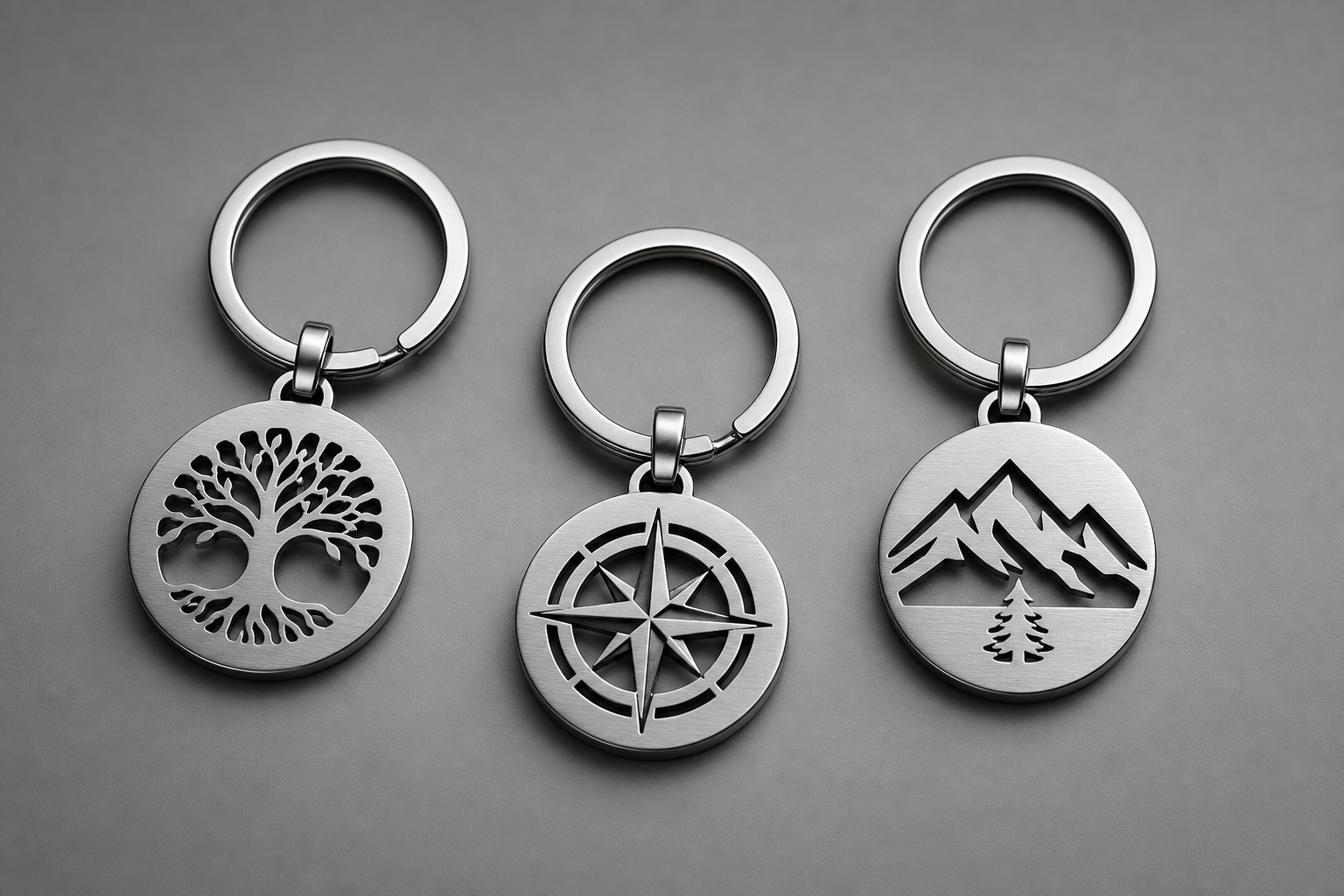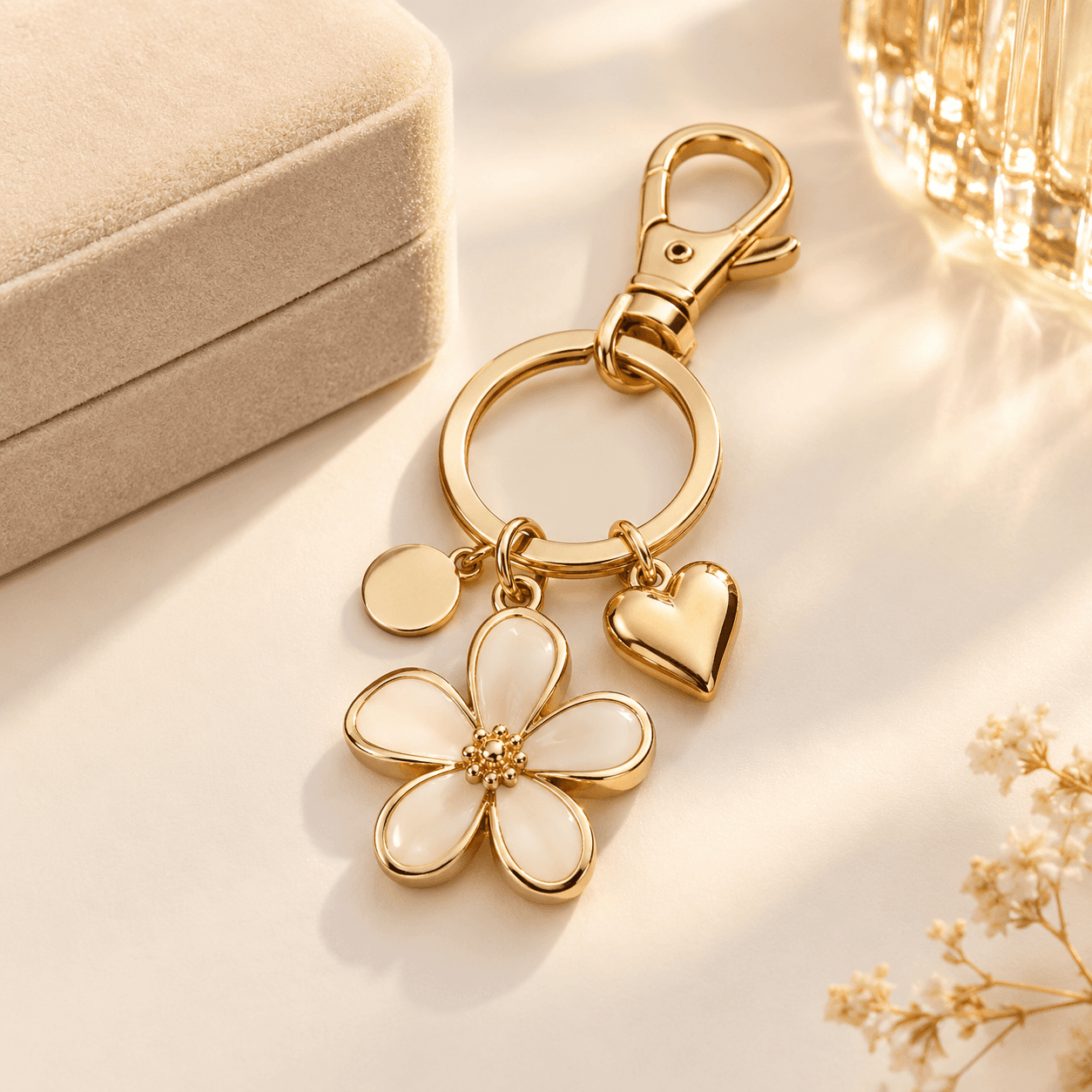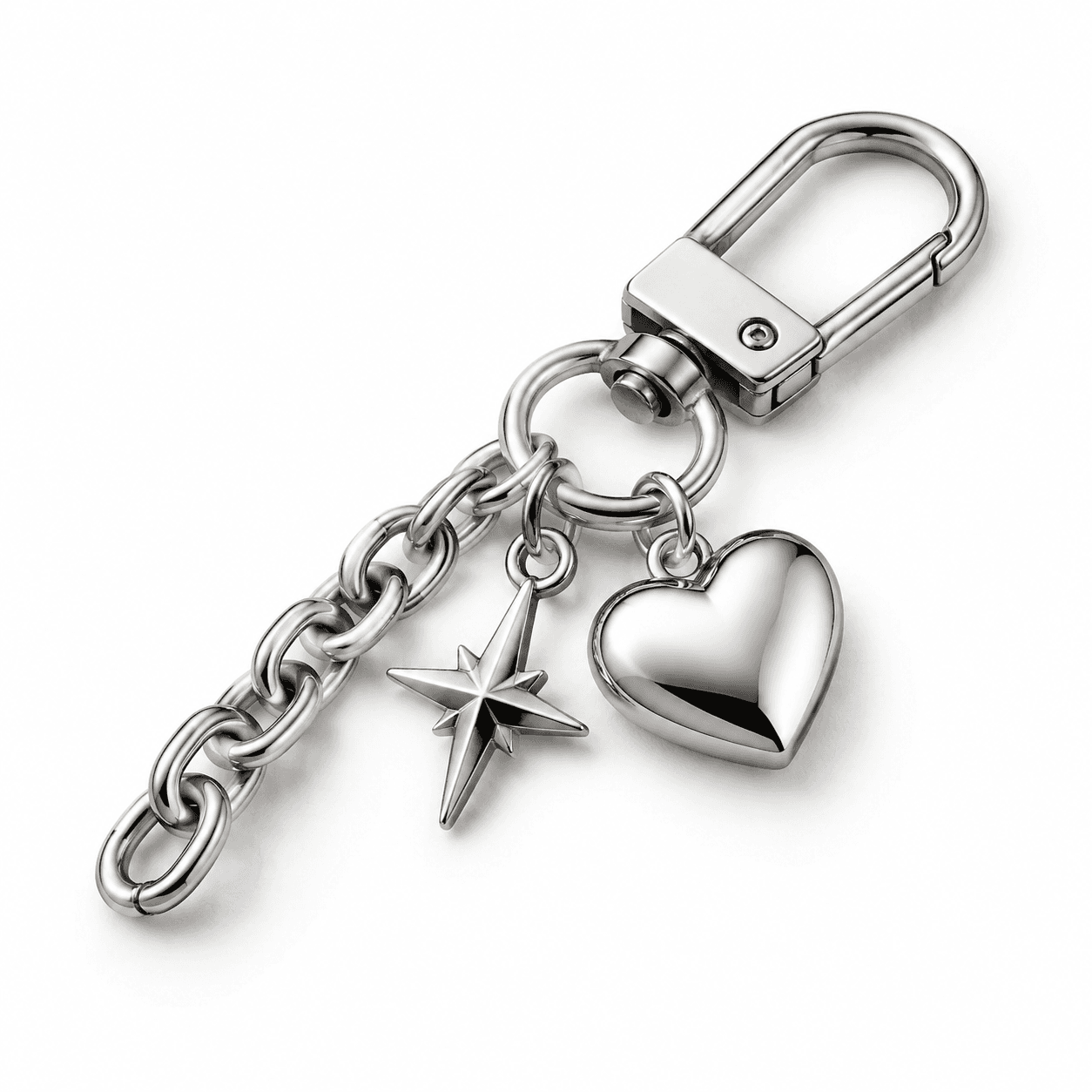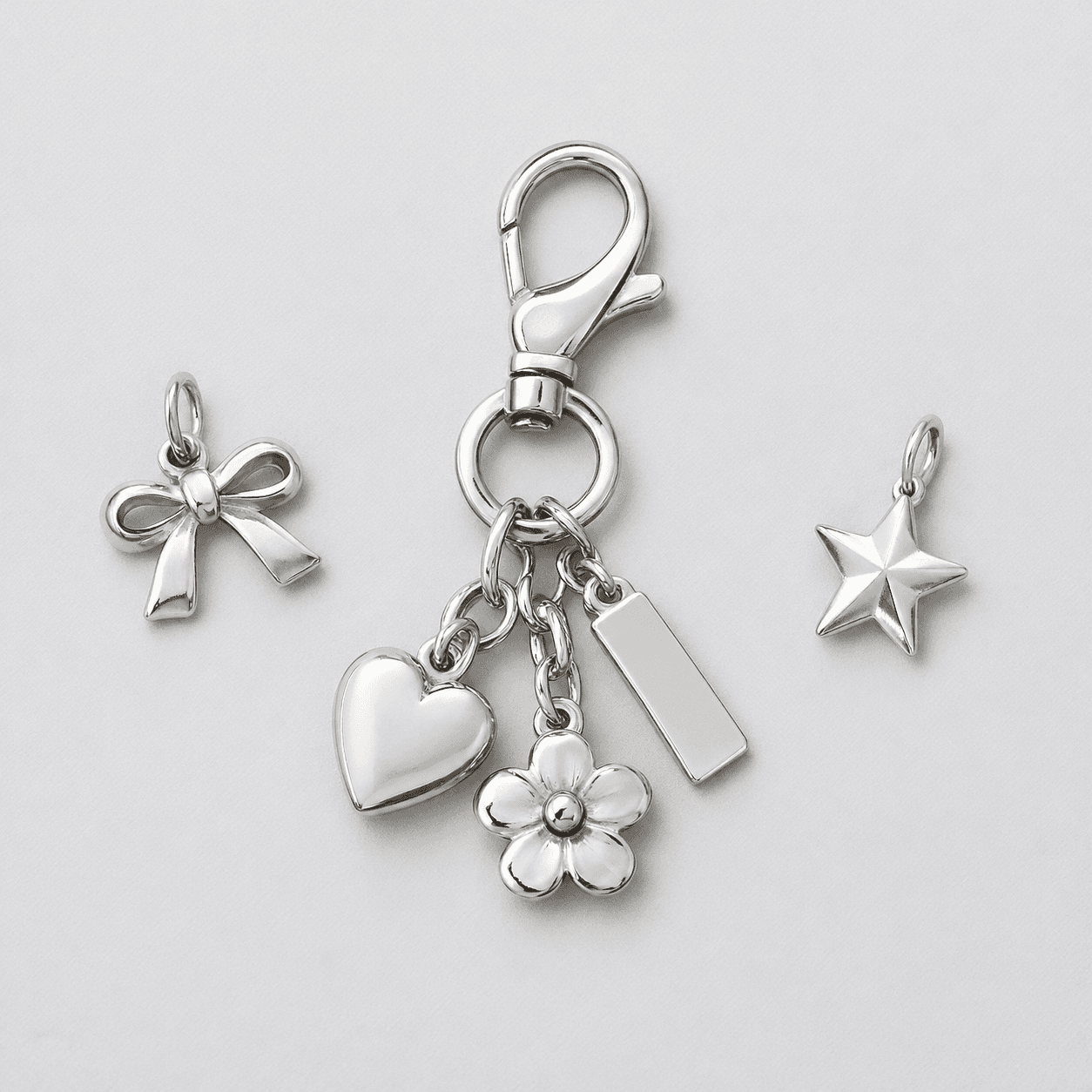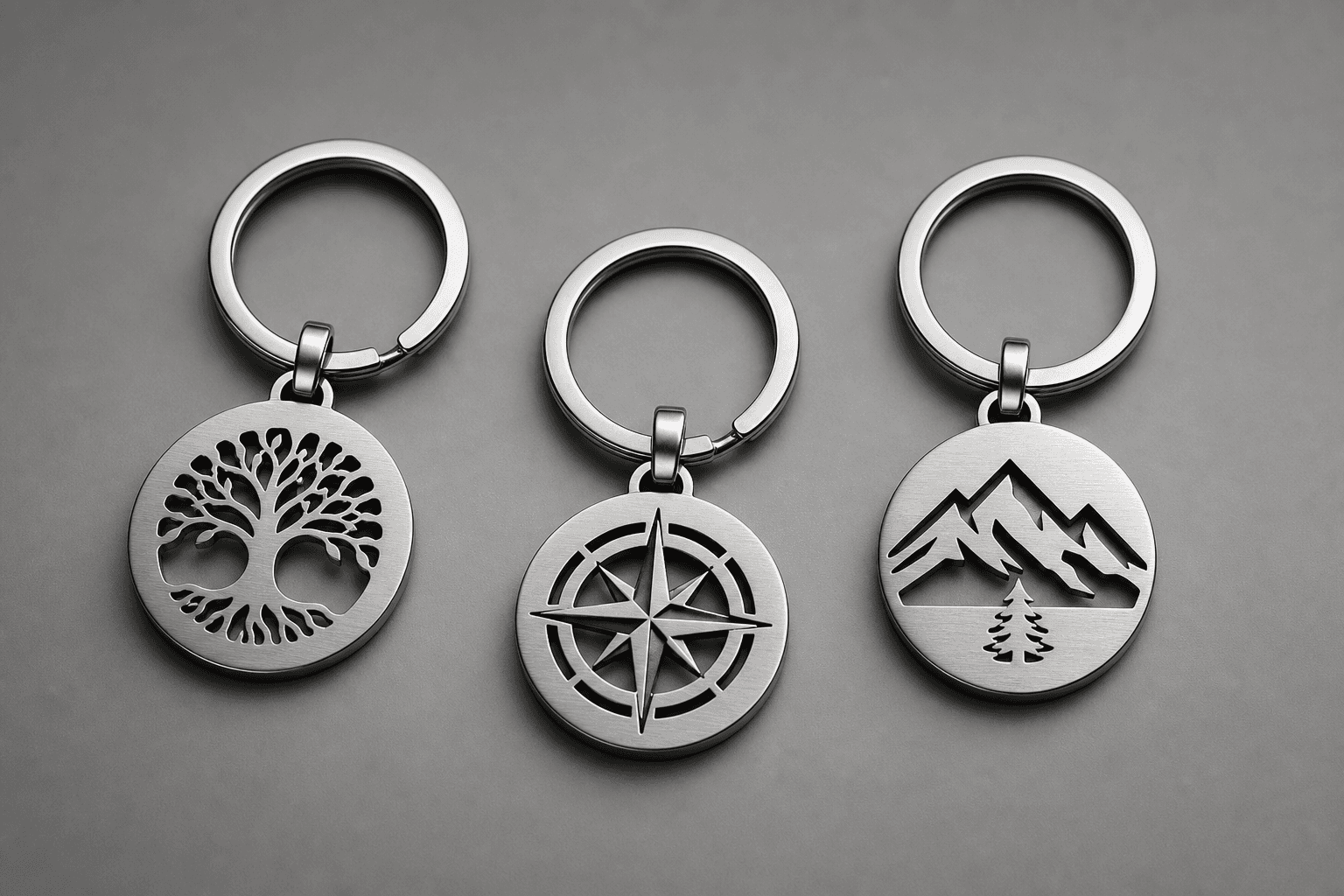
Designing stainless steel personalized charm keychains for OEM/ODM programs starts with a robust base: 316L stainless steel charms. This guide delivers manufacturing-led insights for private-label packaging, wholesale programs, and multi-market rollouts. It emphasizes material science, finishes, engraving, and scalable production, aligned with factory-direct collaboration you expect from Lancy Jewelry. Lancy operates as a stainless steel charms manufacturer and specializes in 316L stainless steel charms for OEM/ODM programs, supporting private-label buyers and boutique brands with low MOQ charm production and rapid sample development.
Stainless Steel Personalized Charm Keychain Design: 316L
The core proposition remains straightforward: create durable, aesthetically versatile keychains on a 316L stainless steel base, then tailor finishes, engravings, and assembly to suit OEM/ODM programs. 316L stainless steel is a mainstream choice for precision charm manufacturing due to its corrosion resistance, formability, and consistency in plating. Lancy Jewelry emphasizes the base material as 316L stainless steel charms to ensure reliable performance across finishes such as PVD plating, enamel color filling, and crystal inlays. This approach supports scale with low MOQ arrangements and aligns with wholesale stainless steel charms supply channels.
316L stainless steel as a base material
316L is a low-carbon austenitic stainless steel alloy with chromium and nickel, plus molybdenum to boost corrosion resistance in chloride environments. Its low carbon content improves weldability and reduces sensitization, which is advantageous during laser engraving, logo marking, and post-process finishing. From a design perspective, 316L yields strong depth of color under PVD plating and robust enamel fill performance. The chemistry supports stable plating adhesion, uniform hue, and long-term color stability, crucial for boutique-ready series and private-label lines.
Customization options and constraints
Customization in 316L stainless steel charms spans geometry, hole and bail dimensions, surface finish, color filling, crystal inlay, and branding engraving. Each option must be assessed for manufacturability and finish durability. For example, deep engraving may affect surface texture or plating layer if not engineered carefully, while enamel fills require precise recess geometry to prevent bleed over time. Lancy Jewelry offers OEM/ODM development with logo engraving, PVD plating, enamel color filling, and crystal setting, all under private-label packaging programs. This alignment ensures designs stay within the capabilities of CNC, laser cutting, and micro-welding processes, while meeting strict SGS-certified RoHS, REACH, Nickel Release EN1811, and Salt Spray 240H requirements.
Design for manufacturability in a global context
Global manufacturability requires the same base design to translate across regions with consistent plating quality and finishing tolerances. Attention to tolerances, hole diameters, and bail thread sizes ensures reliable assembly in high-volume runs and under private-label packaging. Designers should consider standard lead times, low MOQ programs, and parallel development tracks for branding and packaging artwork. For motifs such as birthstones or alphabet themes, pairing 316L bases with PVD plating and enamel fills delivers vivid color and durable wear, while enabling branding through laser engraving of letters or symbols. This approach aligns with the needs of boutique brands and private-label buyers seeking a scalable charm program.
Benefits/Why it matters
Key benefits (with certifications)
316L stainless steel charms offer a predictable, scalable path from concept to market. The material’s corrosion resistance, biocompatibility, and non-reactive surface support long-wearing charms and gift-ready packaging. SGS certifications (RoHS, REACH, Nickel Release EN1811, Salt Spray 240H) demonstrate global compliance and reliable performance in US, EU, UK, AU, CA, DE, FR, ES, NE, RU markets. These certifications underpin private-label and wholesale programs, reducing compliance risks for boutique brands and gift companies. In practice, this means smoother RFQ processes, fewer compliance surprises, and faster approvals for cross-border programs.
From a commercial standpoint, partners benefit from OEM/ODM workflows, low MOQ support, consistent plating quality, and private-label packaging. The capacity to execute sample development rapidly accelerates product introductions, while factory-direct production helps maintain competitive pricing for bulk orders. For designers evaluating collections like birthstone, alphabet, or nature-inspired motifs, having a robust metal science foundation plus access to enclosure packaging, logo engraving, and color-enameling options makes the difference between a solid line and a scalable global program.
Detailed analysis / Guide
Step 1: Define performance targets
Start with performance requirements: wear resistance, exposure to moisture and cosmetics, colorfast enamel or crystal inlay, and expected service cycle for gift programs or charm bars. Align targets with final packaging and branding concept. For global programs, synchronize targets with market expectations and SGS-compliant testing standards. Define tolerances for bail holes, thickness, and plating thickness. Typical PVD layers are measured in microns. The outcomes guide the finish choice, whether a gold-plated, rose-gold, or silver finish best supports brand aesthetics while remaining durable under normal use.
Step 2: Material and alloy selection
Leverage 316L’s chemistry to optimize finishes and pigment compatibility. The low carbon content helps minimize grain-boundary defects during laser engraving and improves consistent plating adhesion. When designing for enamel fills, anticipate recess geometry and sealing requirements to prevent enamel bleed. For crystal inlays, define seating depth and setting style that hold stones securely while preserving surface integrity. The alloy’s uniform microstructure also facilitates reproducible results across production lots, essential for wholesale programs and private-label lines across multiple markets.
Step 3: Finishes and surface treatments
PVD plating is central to boutique aesthetics and color stability. Options include gold plated, silver finish, and rose gold plating, each with favorable wear resistance when paired with a robust base like 316L. Enamel color filling adds branding opportunities, while crystal inlays introduce premium texture without compromising durability. Work with your partner to select plating thickness, process controls, and post-plating cleaning to minimize micro-scratches that affect branding marks. SGS compliance remains a key checkpoint for each batch to ensure pigment safety and finish consistency across global shipments.
Step 4: Geometry and tolerances
Geometric specifications are critical for reliable assembly: bail diameter, hole size, distance between holes, and overall silhouette. Maintain tolerances that accommodate manufacturing realities, such as plating thickness and engraving depth. If a design includes fine enamel details or small crystals, ensure the recess geometry supports consistent pigment deposition and secure setting. Design-for-manufacture criteria should guide all CAD-to-Proto steps, ensuring every feature can be accurately produced by CNC, laser cutting, and micro-welding within the production envelope used by a modern charm factory.
Step 5: Prototyping and sample development
Sample development is a critical early gate. It allows designers to validate fit, finish, and branding before committing to production. A streamlined sample development program reduces rework, shortens lead times, and helps secure faster RFQ approvals. The sample phase should include engraved branding, plating on test coupons, enamel color verification, and crystal-setting trials. Lancy Jewelry’s capabilities support fast sample cycles and private-label packaging tests, with options to reference and compare variations across multiple finishes and colors.
Step 6: Branding and engraving
Logo engraving and laser marking are essential for private-label programs. Metal-etching should be designed to work with the chosen finish, preserving legibility and preventing flaking. When branding on 316L charms, consider engraving depth, visibility against the finish, and the impact on surface integrity under wear. If branding involves multiple marks, ensure the design accommodates them without compromising the charm’s silhouette or edge definition. Engraving-ready programs are a core capability in OEM/ODM workflows and are supported by precise laser equipment and controlled process documentation.
Step 7: Plating, enamel, and crystal options
Coordination among PVD plating, enamel filling, and crystal inlays is essential for visual fidelity. A well-executed combination offers a broad palette of brand aesthetics while maintaining durability. PVD plating provides superior wear resistance and color stability on 316L substrates, effective for gold and rose-gold finishes. Enamel fills deliver vibrant color but require tight recess geometry to prevent channeling. Crystal inlays add premium texture and sparkle but require robust seating and protective tolerances to withstand daily use. All processes should be validated under SGS testing to ensure colorfastness and adhesion across lots.
Step 8: Packaging and supply chain
Private-label packaging is a strategic channel for boutique brands. Packaging considerations include protective transit, tamper-evident seals where appropriate, and branding-ready inner packaging with insert cards. A well-defined packaging strategy reduces damage risk and supports faster shelf-ready deployment in stores or charm bars. The supply chain should support low MOQ charm production while maintaining quality controls, consistent plating, and on-time delivery to major markets. For cross-market rollout, packaging design should accommodate language localization and regulatory labeling requirements in target regions.
Step 9: QA and compliance
Quality assurance at every stage—from incoming material checks to final packaging—is essential for global programs. Lancy Jewelry maintains SGS-certified practices covering RoHS, REACH, Nickel Release EN1811, and Salt Spray 240H. This ensures consistent material performance and safe levels of regulatory compliance for US/EU markets and beyond. Implement process controls, traceability, and documented test results to support RFQ submissions and ongoing production audits. Documentation should accompany shipments, especially for wholesale and private-label orders, to expedite customs clearance and market introductions.
FAQ
Q1: What makes 316L stainless steel ideal for charm keychains in OEM/ODM?
A1: 316L stainless steel offers excellent corrosion resistance, formability, and stable plating adhesion, enabling reliable logo engraving, enamel fills, and crystal settings. Its low carbon content improves weldability and supports consistent production across lots, which is essential for private-label and wholesale programs. Lancy Jewelry specializes in 316L stainless steel charms for boutique brands and private-label buyers, backed by SGS-certified processes.
Q2: How does PVD plating influence durability and color options?
A2: PVD plating provides a hard, uniform coating that enhances wear resistance and color stability, especially for gold plated and rose gold finishes on 316L bases. Unlike traditional electroplating, PVD exhibits lower susceptibility to chipping and dulling under normal use. This is crucial for charm bars and gift programs where daily handling and packaging abrasion are expected. The choice of PVD color, thickness, and process controls should align with brand aesthetics while maintaining scratch resistance and longevity under cross-market conditions.
Q3: What is the typical MOQ and lead time for private-label charm keychains?
A3: MOQ and lead times vary by finish complexity, engraving requirements, and packaging options. Lancy Jewelry offers low MOQ support for OEM/ODM programs to help boutique brands test concepts and scale gradually. Lead times depend on design complexity and sample approval cycles, but a robust private-label program can be tiered to support ongoing wholesale or bulk orders while preserving consistent plating quality and packaging standards. For a precise quote, initiate an RFQ through the standard channels on the site.
Q4: What is the typical sample development process and cost?
A4: Sample development typically includes CAD-to-Proof iterations, laser engraving tests, plating and enamel trials, and a final physical prototype for evaluation. Costs are tied to the scope of customization and the number of variants. A streamlined sample plan helps minimize costs and speed up decision-making for OEM/ODM programs. If you need a fast track, discuss timeline expectations with the OEM service team to ensure alignment with global market launches and packaging readiness.
Partner With Us
For advanced, factory-direct collaboration on 316L stainless steel charm keychains, connect with Lancy Jewelry. Our modern facility supports full OEM/ODM development, private-label packaging, and fast sample development. Certifications attest to global compliance, reducing risk as you expand into new markets. Explore how our integrated program can support your boutique brand or private-label initiative by visiting the OEM service page here, or request a quote through our RFQ channel here. To browse related product families and reference points, you can review our Birthstone Collection collection page or Alphabet Series collection page. For general catalog access, see All Products here, and contact our sales team for tailored solutions here.