In the world of boutique brands and private-label programs, precision, reliability, and speed to market matter as much as design. This step-by-step guide from Lancy Jewelry walks product developers through the end-to-end production of 316L stainless steel charms for OEM/ODM programs. We’ll translate concept into production-ready parts, highlight our capacity and lead times, and share practical tips to keep projects on track in a global market. All steps align with Lancy’s modern facility capabilities, including CNC, laser cutting, laser marking, welding, and polishing, backed by SGS-certified quality controls.
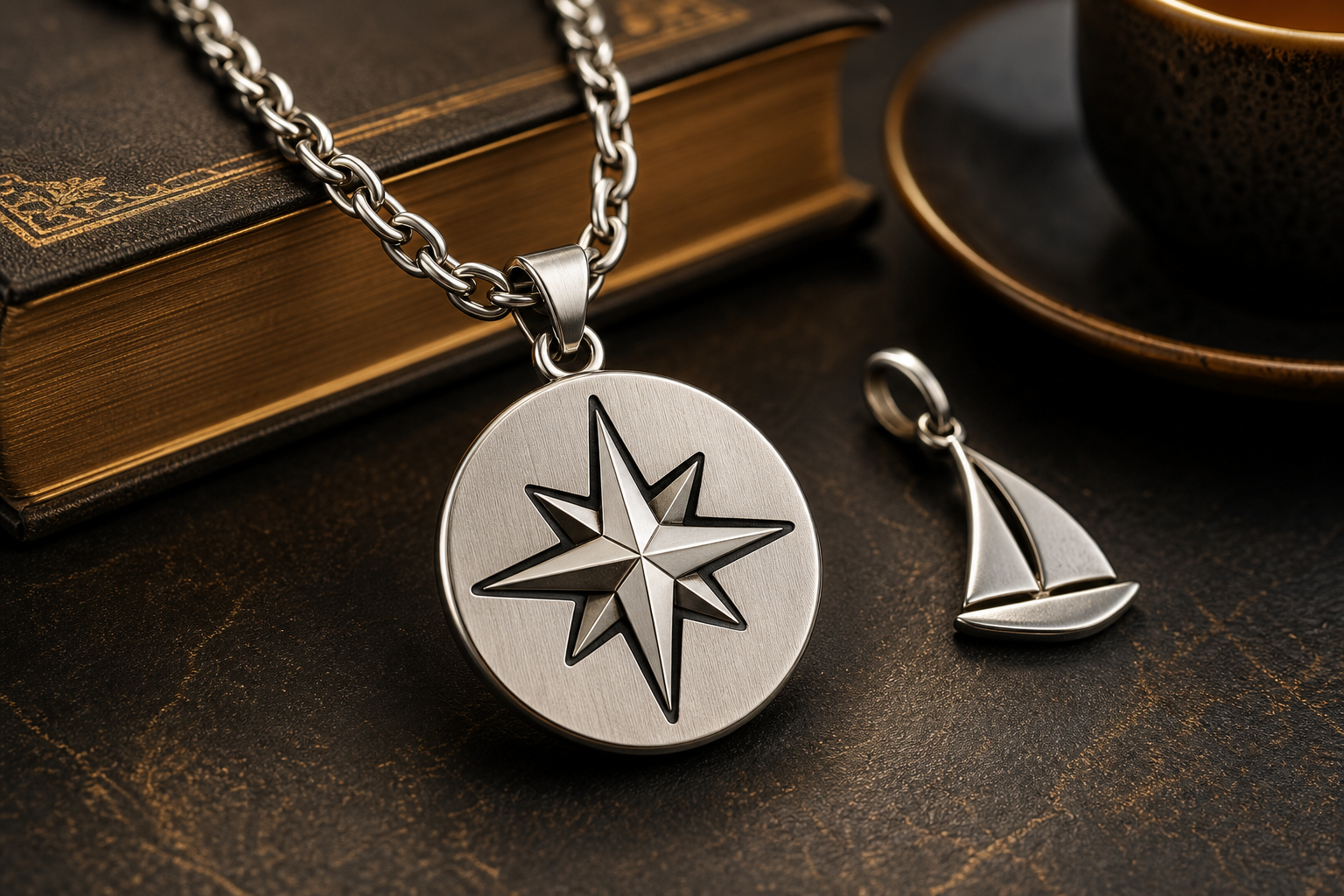
Custom Stainless Steel Charms Production: Step-by-Step for OEM/ODM
Overview: What you are building and why it matters
At the core, you are producing 316L stainless steel charms that meet your design intent while remaining robust for cross-market selling. The process emphasizes compatibility with multiple finishes (PVD gold plating, silver finish, rose gold plating, enamel, and crystal inlay), precise tolerances, and scalable capacity. As a stainless steel charms manufacturer with a modern facility, Lancy supports OEM/ODM development, logo engraving, private-label packaging, and fast sample development to shorten time-to-market. Throughout this guide, we reference our ability to provide low MOQ charm production, consistent plating quality, and reliable private-label packaging as part of our value proposition. For context, you can explore our OEM/ODM manufacturing services and review sample development timelines, then return here to map your steps. You can also browse our catalog to align your design with available finishes and process options.
Sub-point: Design intent and requirements
Before touching metal, compile a design brief that defines the key attributes: shape silhouette, target size range (8–18 mm is typical for charms), hole/loop geometry for bail compatibility, required finishes (PVD plating, enamel fill, crystal inlay), and any private-label packaging instructions. Clarify your lead times and whether you require low MOQ charm production to test market reception. These inputs drive tooling, process planning, and the first article inspection plan. In all cases, anchor decisions to 316L stainless steel as the base material in alignment with Lancy’s manufacturing scope and certifications.
Sub-point: Material strategy and specifications
Base material choice is 316L stainless steel, chosen for corrosion resistance and biocompatibility in many markets. Our team validates material traceability, surface finish consistency, and plating compatibility for each batch. If you require colored finishes, plan for PVD plating sequences, ensuring adhesion between base metal and coating. Include any enamel color mapping or crystal inlay patterns in the design package so downstream processes can align with your aesthetic targets and QA requirements.
Sub-point: Prototyping and first article planning
Prototyping translates your design into manufacturable geometry. We recommend a staged approach: initial CAD/CAx files, 3D-printed or machined samples for fit checks, and then the first metal prototype. For OEM/ODM projects, you can start with a sample development plan that targets a tangible first article within a defined timeframe. The objective is to validate geometry, bail connectivity, and the overall silhouette before committing to full production.
Sub-point: Tooling, setup, and process planning
Tooling decisions—jigging, fixtures, laser marks, and engraving paths—drive production efficiency and consistency. Our CNC and laser systems enable high repeatability, while welding and polishing steps ensure surface quality. Plan the sequence: cut, form bail holes, engrave logos if required, perform surface finishing, and then apply plating or enamel/stone inlays. Process planning also includes quality checkpoints at critical stages to ensure we meet your specifications and regulatory requirements.
Sub-point: Finishes and decorative options
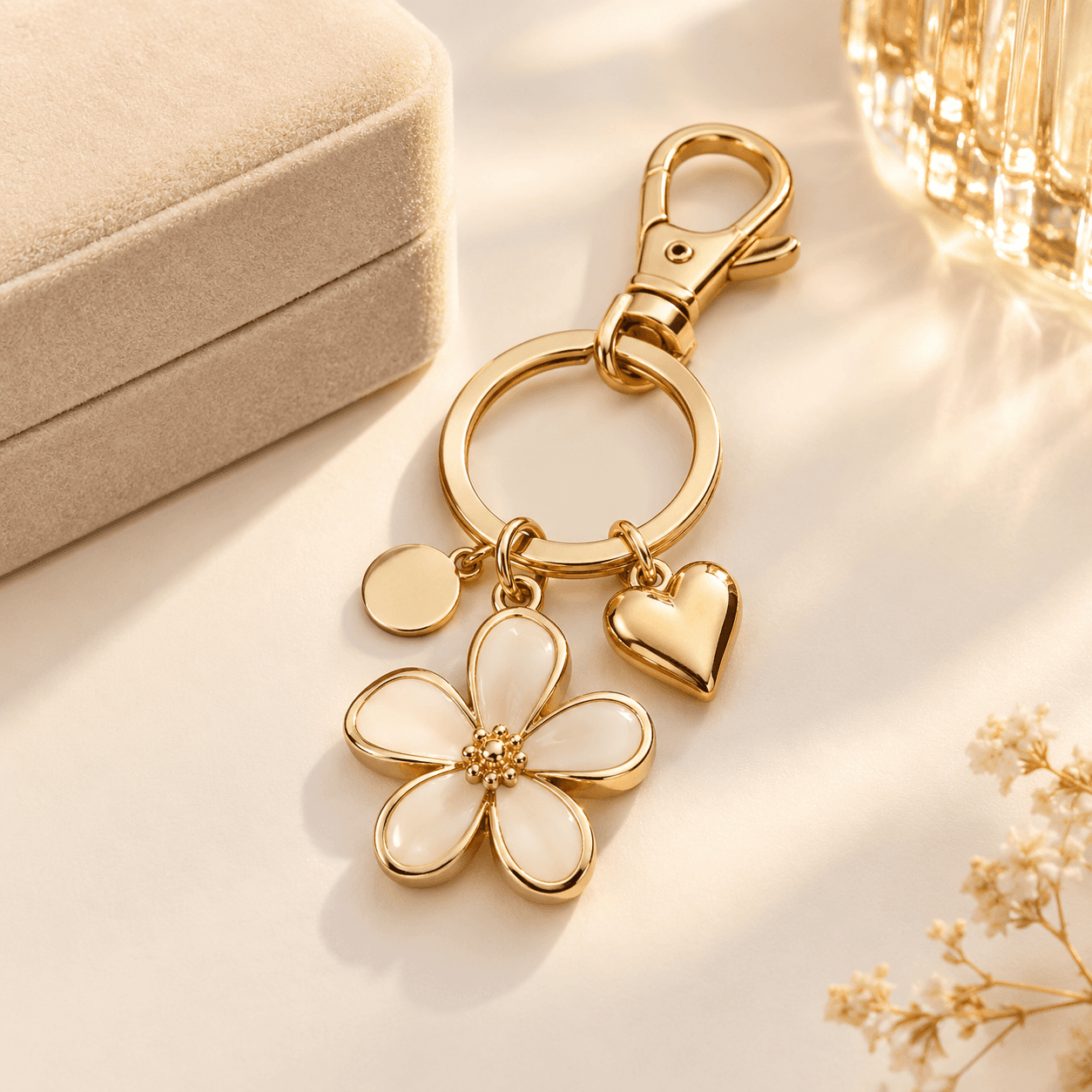
Finishes significantly influence perceived value and wear resistance. Options include PVD plated stainless steel charms (gold, rose gold, or silver tones), enamel color filling, and crystal inlay. Each finish has compatibility considerations with base geometry and edge definition. In your plan, specify the finish map, depth of enamel, crystal setting method, and any masking steps to protect adjacent areas during plating. This clarity helps us meet your uniform plating quality across batches.
Sub-point: Privacy, labeling, and private-label packaging
Private-label packaging requires packaging artwork, label content, and product-ready packaging formats. We support private-label packaging programs and can align packaging design with your brand guidelines, using your logo engraving where applicable. This step ensures your Charm Factory output is ready for sale under your label, reducing post-production handoffs and improving time-to-market. See our OEM/ODM capabilities for more detail on packaging options and label customization.
Sub-point: Quality systems and certification alignment
Quality control is integrated into every step. Our SGS-certified facilities verify RoHS compliance, REACH, Nickel Release EN1811, and Salt Spray 240H results, among other checks. Design a quality plan that includes material traceability, dimensional tolerances, plating adhesion tests, enamel integrity checks, and crystal setting security. With these controls, you minimize risk as you scale across markets like the US, EU, UK, AU, CA, and beyond.
Sub-point: Lead times and capacity planning
Understanding lead times is essential for synchronized product launches. Initial prototyping, first articles, and validation typically take several weeks, depending on complexity and finishes. Once approved, mass production lead times depend on quantity, finish mix, and packaging requirements. We communicate capacity windows and contingency plans up front, enabling you to plan global launches with confidence. For global programs, our capacity scales to support bulk charm orders while preserving plating consistency and finish uniformity.
Sub-point: Sample development and approval cycle
Fast sample development is a core value at Lancy. We offer expedited prototyping and a clear approval cycle to keep your project moving. After you approve the first article, we transition to production with established QA gates and a defined batch release plan. Your feedback loop—via RFQ, revised specs, and approved samples—keeps the project aligned with your timeline and budget constraints.
Sub-point: Shipping, logistics, and global reach
Global supply chains require predictable logistics. We provide scalable production capacity, regional QA checks, and packaging options suited for mass distribution. Our objective is to deliver consistent 316L stainless steel charm quality with reliable lead times for wholesale or private-label orders, while keeping final pricing competitive for worldwide markets.
Benefits and Why It Matters
Key benefits for product developers
- Fabrication reliability from a modern charm factory equipped with CNC, laser cutting, laser marking, welding, and polishing capabilities.
- Consistent plating quality across lots, powered by our documented processes and SGS-certified controls.
- Comprehensive OEM/ODM support including custom logo engraving, enamel fills, crystal settings, and private-label packaging.
- Low MOQ options to test market response and validate concepts before larger commitments.
- Transparent lead times and capacity planning to align with launches across US, EU, UK, AU, CA, DE, FR, ES, RU, and other markets.
Certifications are a pillar of trust. SGS certification covers RoHS, REACH, Nickel Release EN1811, and Salt Spray 240H testing, demonstrating compliance with global standards and safety expectations for 316L stainless steel charms. This compliance supports your private-label strategy across multiple jurisdictions and retailer requirements.
Detailed Analysis / Guide: From concept to bulk orders
Step 1 — Define product concept and performance targets
Begin with a clear concept (shape, size, motif) and performance targets (finish durability, colorfast enamel, precision in engraving). Document expected tolerances and the intended usage scenarios (necklace, bracelet, bag charm, or key ring) to guide tooling and process decisions. Consider how the design translates across markets, ensuring universal appeal while maintaining manufacturability as a 316L stainless steel charm.
Step 2 — Materials selection and base geometry
Confirm 316L stainless steel as the base material for all production. Specify wall thickness, hole size for bail, and the exact geometry that ensures reliable threading and assembly during later steps. Align material specs with plating compatibility (PVD, enamel, or crystal inlay) to optimize adhesion and finish quality across batches.
Step 3 — Design finalization and dossier creation
Finalize CAD drawings, 3D renders, and a manufacturing dossier that includes coatings, tolerances, engraving vectors, and finish maps. Create a BOM (bill of materials) and a process flow that details each operation from blanking to final inspection. This dossier becomes the reference for both OEM and ODM workflows and is essential for smooth production handoffs.
Step 4 — Tooling and process setup
Develop the tooling and fixtures required for cutting, forming, engraving, and assembly. Define laser engraving parameters if a logo is needed, and set up the polishing and buffing sequences to achieve uniform surface brightness. Establish fixture tolerances to ensure repeatability across lots and avoid misalignment during bail insertion or chain compatibility checks.
Step 5 — Prototyping and first article inspection
Produce a first article that reflects intended finishes and overall aesthetic. Conduct a thorough inspection of shape, hole diameters, bail clearance, and surface finish. Validate plating adhesion, enamel fill integrity, and crystal settings if used. Capture feedback and iterate until the first article passes your acceptance criteria before moving to full production.
Step 6 — Finishing passes: plating, enamel, and inlay
Execute plating and decorative processes in defined sequences to prevent corrosion or finish failures. For enamel fills, verify color consistency and fill depth. For crystal inlays, confirm seat depth and secure setting. Maintain color tolerance across production lots to avoid shade variation that can disrupt private-label branding alignment.
Step 7 — Quality control and regulatory alignment
Implement inline and end-of-line checks, including dimensional checks, plating thickness verification, and visual inspection for surface defects. Leverage SGS-certified testing results to demonstrate compliance and product safety to retailers and distributors. Maintain a clear traceability path from raw stock to finished charms for every batch.
Step 8 — Packaging, labeling, and private-label readiness
Prepare packaging and labeling that aligns with your brand. If your program demands logo engraving, ensure the relationship between engraving depth and overall charm dimensions is preserved. Private-label packaging should be tested for durability during transport and designed to showcase the finish and craftsmanship of the 316L stainless steel charm, making it easy for retailers to present in-store or online.
Step 9 — Sample development to bulk orders ramp
Use a structured transition from sample to bulk production. Leverage a defined ramp plan that allocates capacity, quality gates, and inspection criteria for large runs. The ramp plan should maintain plating uniformity and finish consistency to avoid batch-to-batch variation that could affect customer satisfaction on wholesale orders.
Step 10 — Logistics and post-production support
Coordinate packaging, labeling, and shipping requirements for cross-border distribution. Ensure your supply chain is equipped to meet fluctuating demand and to handle replenishment orders smoothly. Our team provides ongoing post-production support, updates on process improvements, and ongoing QA feedback to sustain long-term wholesale partnerships.
FAQ: Frequently Asked Questions
1. What lead times can I expect for 316L stainless steel charms production?
Lead times vary with complexity, finishes, and volume. Prototyping and first articles typically span several weeks, followed by production cycles that depend on capacity and finish mix. For standard OEM/ODM projects, a typical cycle from concept approval to ready-for-market production can range from 4 to 8 weeks for initial runs, with faster options available through prioritized scheduling when capacity permits. We provide transparent schedules and update you as milestones shift.
2. Do you offer private-label packaging and labeling?
Yes. Lancy supports private-label packaging and labeling programs. We can align packaging formats with your brand guidelines and prepare product-ready packaging to accelerate in-market launches. This is especially valuable for private-label buyers and distributors seeking a consistent retail presentation across markets.
3. What MOQ do you offer for OEM/ODM projects?
We offer low MOQ charm production to accommodate testing and pilot programs, reducing risk for new collections. The exact MOQ is discussed during RFQ and depends on finish options, packaging requirements, and lead-time targets. Our goal is to provide a scalable path from prototype to bulk orders while maintaining plating consistency and process stability.
4. What certifications and compliance should I expect?
Our SGS-certified facility verifies RoHS, REACH, Nickel Release EN1811, and Salt Spray 240H, among other regulatory checks. These certifications support global distribution and retailer requirements for 316L stainless steel charms, ensuring material safety and finish durability across markets.
Call to Action: Partner With Us
Ready to turn your concept into mass-market charm programs with reliable supply, private-label packaging, and scalable OEM/ODM capabilities? Partner with Lancy Jewelry, a OEM and ODM partner that specializes in 316L stainless steel charms for boutique brands and private-label buyers. Our modern facility and SGS-certified processes deliver consistent results, quick sample development, and flexible MOQs to support global launches. Explore our OEM/ODM services, review feasibility during RFQ / Request a Quote, or contact us directly at our sales team to begin discussions. For catalog references and finish options, visit our product catalog and align your design with available finishes and capabilities.
Partner with Lancy today to secure a reliable supply chain for 316L stainless steel charms that meet your private-label standards and cross-market demands. We are ready to support sample development and large-volume production with a clear, predictable lead-time plan and a factory-direct pricing model.
Related resources
- OEM / ODM Services
- 2026 Custom 316L Stainless Steel Charm Guide: Materials & Quality
- 2026 Private Label 316L Stainless Steel Alphabet Charm Guide
- 2026 Material Guide: Custom 316L Charms OEM ODM Private Label
- Ocean Life Stainless 316L Seahorse Charm: Wholesale Boutique
- Stainless Steel Custom Enamel Charms Manufacturer Materials