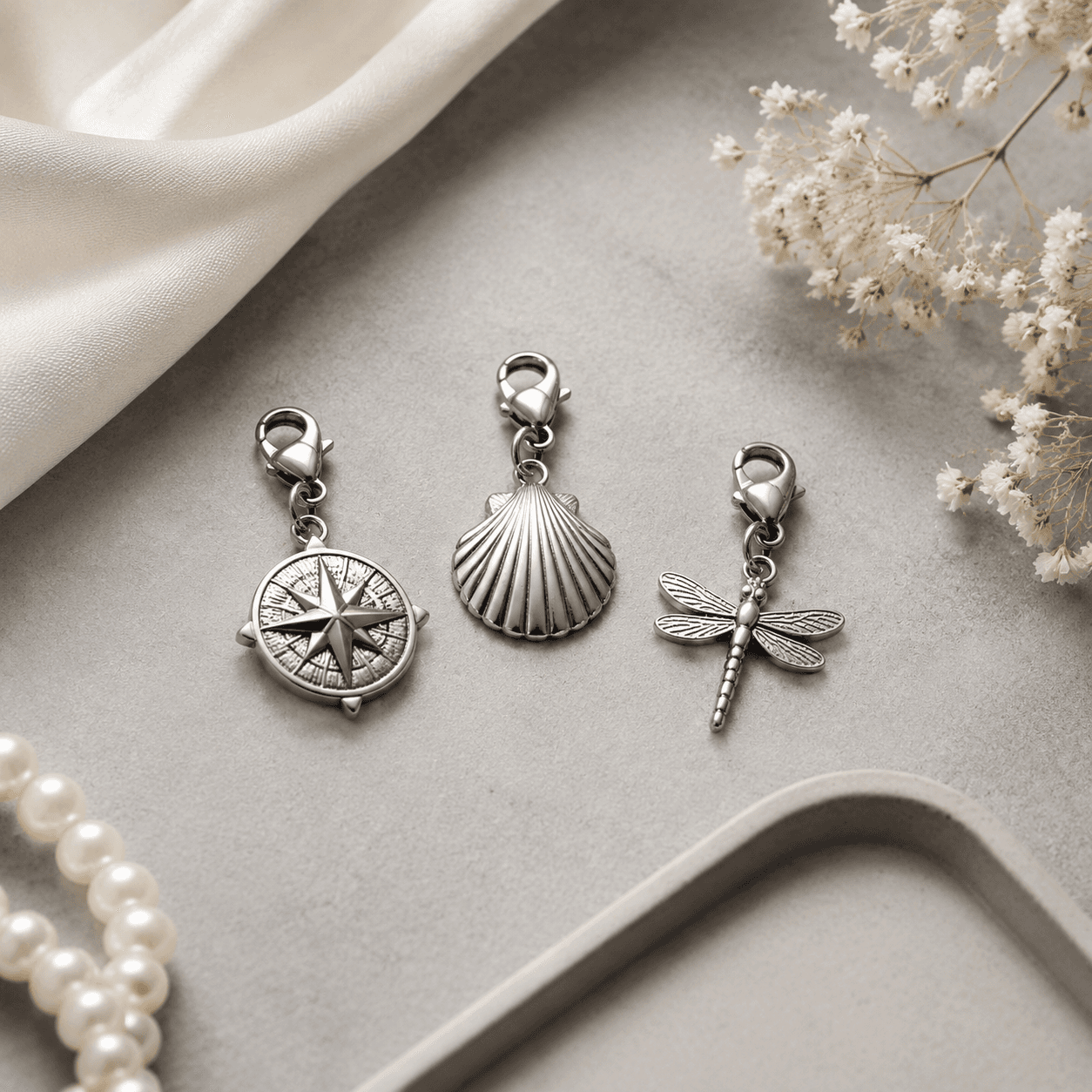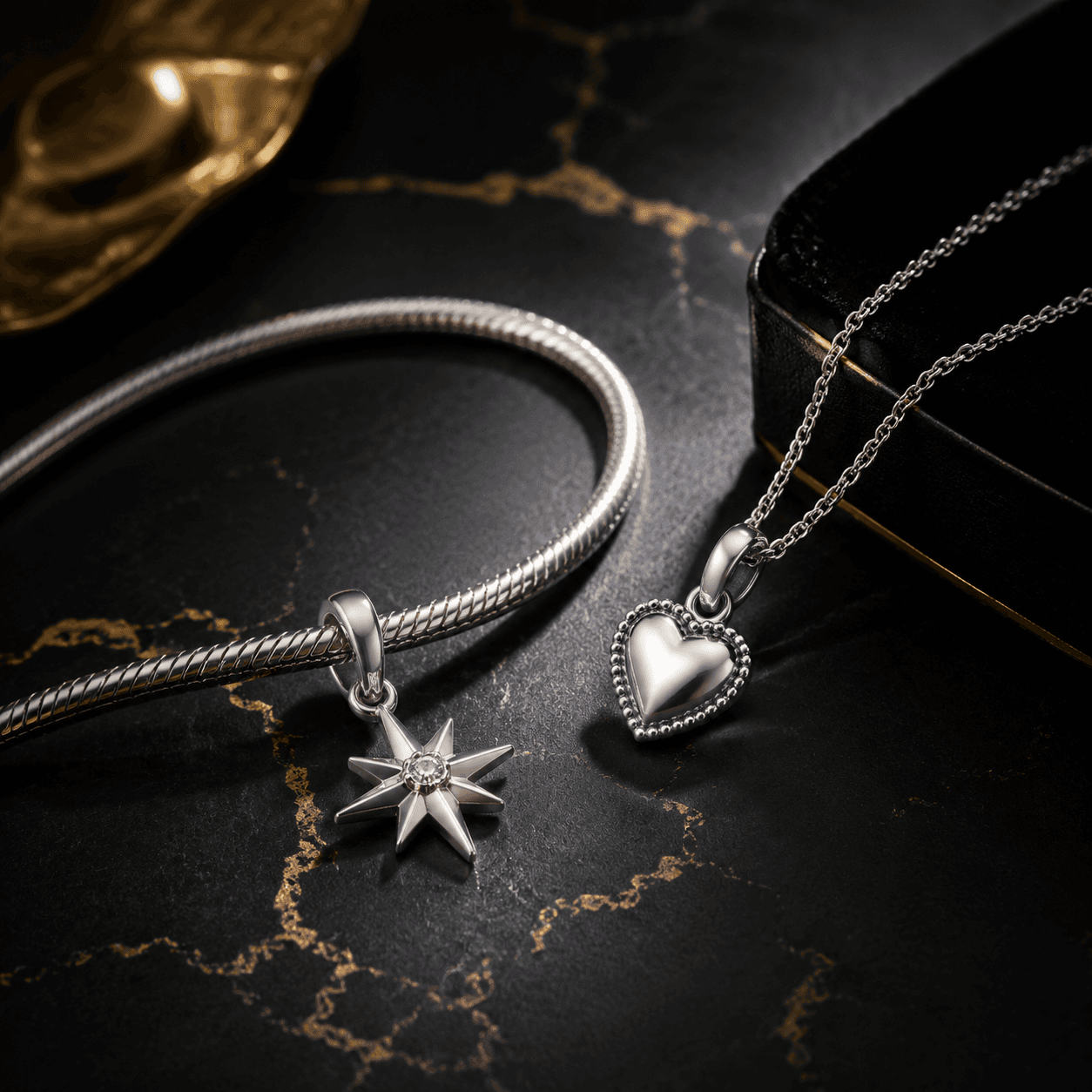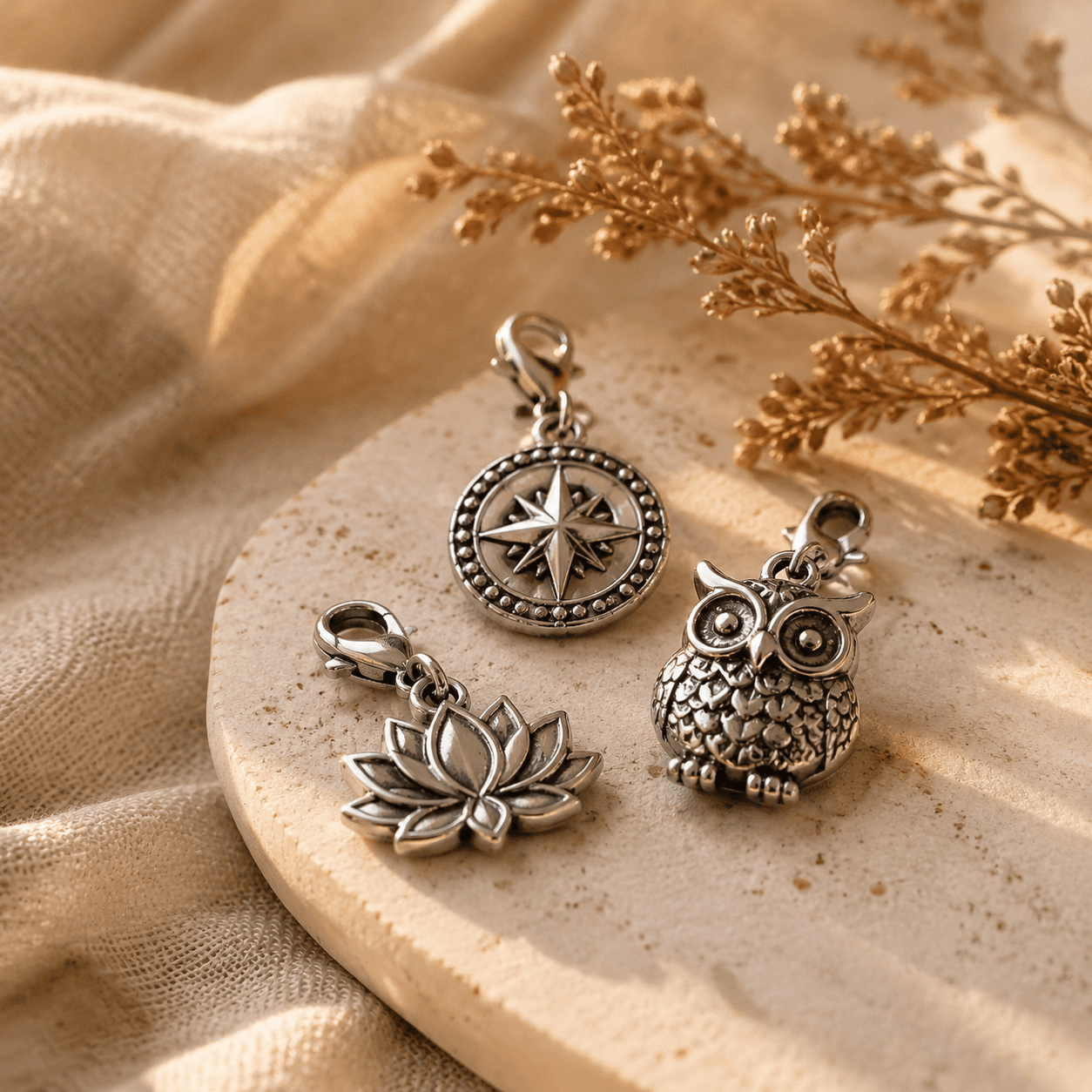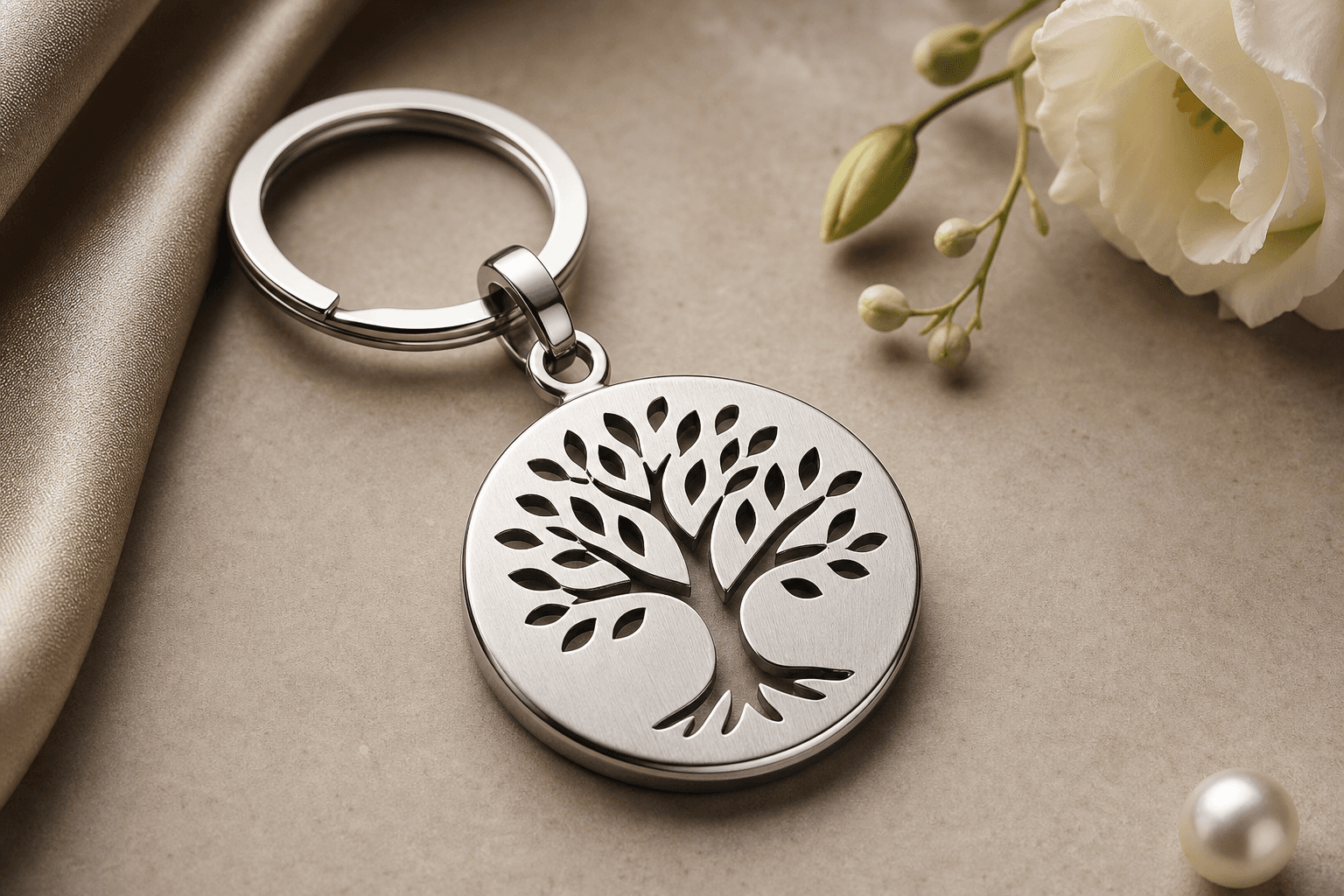
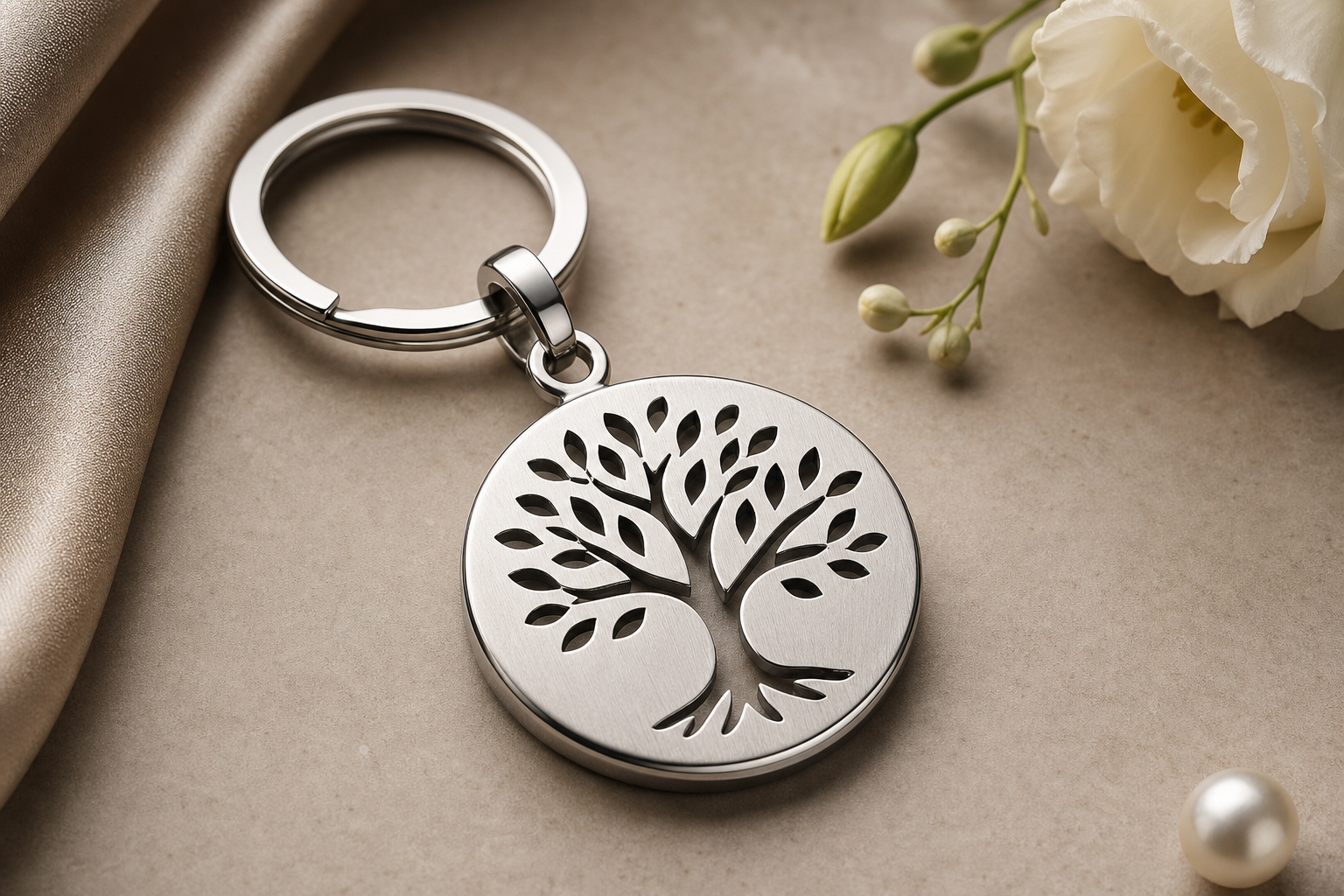
In today’s design-forward accessory market, designers seeking stainless steel keychain bag charms want a sourcing partner that can deliver consistency, quality, and flexibility at scale. This guide outlines a practical, step-by-step approach to finding and evaluating suppliers for 316L stainless steel charms, with a focus on applications like key rings, bag charms, and accessory sets. As a trusted 316L stainless steel charms manufacturer and OEM/ODM partner, Lancy Jewelry shares a clear pathway from initial idea to finished product, covering material science, process capabilities, and private-label options.
Stainless steel keychain bag charms: a sourcing guide for designers
Sub-points: why 316L stainless steel matters and what to look for in a supplier
316L stainless steel offers excellent corrosion resistance, strong formability, and robust performance in everyday wear. For designers, this material translates to durability in tote bags, backpacks, and fashion accessories under varying climates. When evaluating suppliers, consider not only the base material but also production capabilities and quality systems. Look for a partner that can support CNC machining, laser cutting, laser marking, welding, and polishing—capabilities that align with a boutique, OEM/ODM workflow. At Lancy Jewelry, our modern facility leverages these processes to produce precise 316L stainless steel charms with consistent finishes.
From a buyer’s perspective, the supplier’s ability to provide design customization—like logo engraving, enamel color filling, and crystal inlay—directly impacts creative freedom and time-to-market. For global brands, it’s essential to select a supplier with transparent material sourcing, reliable plating (such as PVD), and test results that can be shared with buyers and QA teams. When you choose a supplier, you’re not just selecting a factory—you’re selecting a partner for ongoing product development, packaging, and supply reliability. Learn more about our OEM service at /oem and how it fits your design brief. OEM service | Request a Quote | Contact.
Benefits and why it matters
Key benefits (including certifications)
Choosing the right 316L stainless steel supplier brings tangible advantages:
- Consistent plating quality and surface finish across production runs, including PVD gold plating, silver finish, and rose gold plating options. Consistency reduces rework and protects margins in wholesale orders.
- Proven material compliance and certifications. SGS-certified for RoHS, REACH, Nickel Release EN1811, and Salt Spray 240H, ensuring your products meet global regulatory expectations and market requirements.
- Private-label packaging and branding support. From concept to finished packaging, you can align the product presentation with your boutique brand’s identity.
- Low MOQ support. Flexible production planning helps smaller brands grow and scale without sacrificing quality or lead times.
- Fast sample development and iterative prototyping. The ability to evolve designs quickly accelerates your design cycle and reduces time-to-market for new collections.
These benefits come from a robust combination of material science and manufacturing discipline. 316L stainless steel is the backbone, and the chemistry of the alloy—its composition, microstructure, and finishing processes—determines corrosion resistance, formability, and plating compatibility. A reputable supplier will share material specs and test results, enabling you to compare options confidently. For designers aiming to launch private-label programs globally, the combination of 316L material, PVD plating capabilities, and certified processes provides a strong foundation for reliable, fashion-ready charm lines.
Detailed analysis and step-by-step guide
Step 1 — Define your project scope and requirements
Begin with a concise design brief: target markets, end-use scenarios (jewelry charms, key rings, bag charms), required finishes (PVD gold, silver, rose gold, enamel, or crystal inlay), and any branding or packaging preferences. Clarify the expected volumes, timeline, and whether you need a private-label program or pure OEM production. For the materials, specify 316L stainless steel as the baseline, since it is the only base material accepted for 316L charm production at Lancy. This step helps prevent scope creep and sets the stage for accurate quotes and prototypes.
Step 2 — Confirm material properties and compatibility
Review the alloy composition, corrosion resistance, and compatibility with finishes such as PVD plating and enamel filling. 316L stainless steel is widely chosen for its balance of strength, ductility, and biocompatibility, and it offers reliable performance across climates. Ask for a material spec sheet and recent test results (including plating adhesion, salt spray, and nickel-release testing) to verify long-term durability. For global product lines, ensure the supplier can reproduce consistent surface textures and tolerance across runs. If you need imagery for presentations, ask the supplier for consistent sample sets representing the various finishes you plan to offer.
Step 3 — Evaluate the supplier’s capabilities
Assess whether the factory has CNC, laser cutting, laser marking, welding, and polishing capabilities—these are critical for high-precision 316L charms with custom logos or crystal inlays. Confirm whether the supplier can support logo engraving, enamel color filling, crystal setting, and private-label packaging. A manufacturer with a full-service workflow helps reduce lead times and ensures better control over quality. If you require ongoing product development, confirm the provider’s capacity for iterative samples and design refinements before production.
Step 4 — Request a formal quote and compare terms
Submit an RFQ that includes quantity bands, finish options, packaging requirements, and lead-time expectations. Ensure the quote addresses MOQ, unit pricing, tooling charges if any, and sample costs. Compare quotes not only on price but on total cost of ownership, including sampling cycles, packaging, and QA checks. Look for an OEM charms manufacturer that can align price with your private-label ambitions and provide transparent terms for bulk orders.
Step 5 — Initiate sampling and prototype development
Approve a first-run prototype set to validate geometry, bail/loop compatibility, and finish quality. In this stage, request 316L samples with your logo engraving, enamel fill, or crystal inlay to verify aesthetics and durability. A supplier that offers rapid sample development supports fast design iterations and reduces risk before committing to full production. This step is where the ODM mindset shines, enabling you to co-create unique designs while keeping material and process controls tight.
Step 6 — Establish quality control and testing plan
Agree on inspection criteria, material verification, plating thickness targets, and finish uniformity. Demand documented QA checkpoints across production and a process for handling non-conforming units. With SGS-certified processes, you gain confidence in compliance and consistency—critical when supplying gift programs or boutique retailers.
Step 7 — Finalize packaging, branding, and labeling
Align private-label packaging with your brand guidelines, including hang tags, anti-tamper seals, and packaging cards. Confirm whether the supplier can provide branded packaging and whether any co-branding is allowed under your agreement. Packaging considerations impact customer perception at point-of-sale and can differentiate your line in crowded wholesale channels.
Step 8 — Plan for production and ongoing supply
After prototype validation and packaging alignment, finalize the contract for bulk orders. Discuss lead times, production slots, and replenishment planning to avoid stockouts. A reliable partner should offer continuous support, inventory planning, and a smooth RFQ-to-production cycle that accommodates seasonal demand and new collection launches. If you are expanding to new markets, ensure the supplier’s capabilities and certifications cover your target regions and compliance needs.
FAQ
What exactly is 316L stainless steel, and why is it ideal for charms?
316L stainless steel is a low-carbon version of 316 stainless steel, known for excellent corrosion resistance, good formability, and strong durability. Its nickel content and protective alloy matrix help resist rust in typical environments where charms may be exposed to moisture and sweat. For designers, this means lower risk of tarnish and longer-lasting appearance, which is especially important for private-label programs and gift collections. When partnering with a supplier, request a material specification and RoHS/REACH testing results to confirm compliance with global market standards.
How do I evaluate a stainless steel charms supplier?
Start with material integrity and process capability: confirm CNC, laser cutting, welding, and polishing capabilities; verify PVD plating capacity; and request a sample portfolio showing logo engraving, enamel fills, and crystal settings. Check certifications like SGS and review lead times, MOQ flexibility, and private-label packaging options. It’s also wise to discuss a clear sample development timeline, cost, and the possibility of bulk orders for future seasons. Consider the supplier’s willingness to share testing data and factory audit findings to support your QA process.
What about MOQs, sampling, and lead times?
Many manufacturers offer low MOQ options to accommodate boutique brands and new lines, while still ensuring production efficiency for large orders. A well-managed supplier will provide transparent sample development timelines, quote costs for prototypes, and a predictable lead-time ladder from sample approval to mass production. If your design cycle is tight, confirm whether the partner can prioritize your project and provide expedited sampling or production slots. This is where engaging with an OEM/ODM partner that understands private-label needs can greatly simplify your timeline.
How should I start a project with Lancy Jewelry?
You can initiate a project by contacting our team through our site and requesting an RFQ. Lancy Jewelry operates as a dedicated OEM/ODM 316L stainless steel charms manufacturer with a modern facility capable of CNC, laser, and finishing work. We support logo engraving, enamel filling, crystal inlay, and private-label packaging, with a focus on low MOQ and fast sample development. For a formal inquiry, use the OEM service page to align your design brief and receive a structured quote; you can also begin the process by submitting a request via /cart. For direct engagement, our sales team is reachable through /contact.
Call to action — Partner with Lancy Jewelry
Ready to turn your ideas into consistently high-quality 316L stainless steel charms? Partner with Lancy Jewelry, a trusted OEM/ODM charms manufacturer with SGS-certified processes and a modern fabrication facility. We provide private-label packaging, low MOQs, and fast sample development to support boutique brands and private-label buyers worldwide. Start your project today by visiting our OEM page OEM service or by requesting a quote through Request a Quote. For any questions or design consultations, contact us at Contact and learn how we can help you achieve reliable, scalable stainless steel charm programs for your collections.