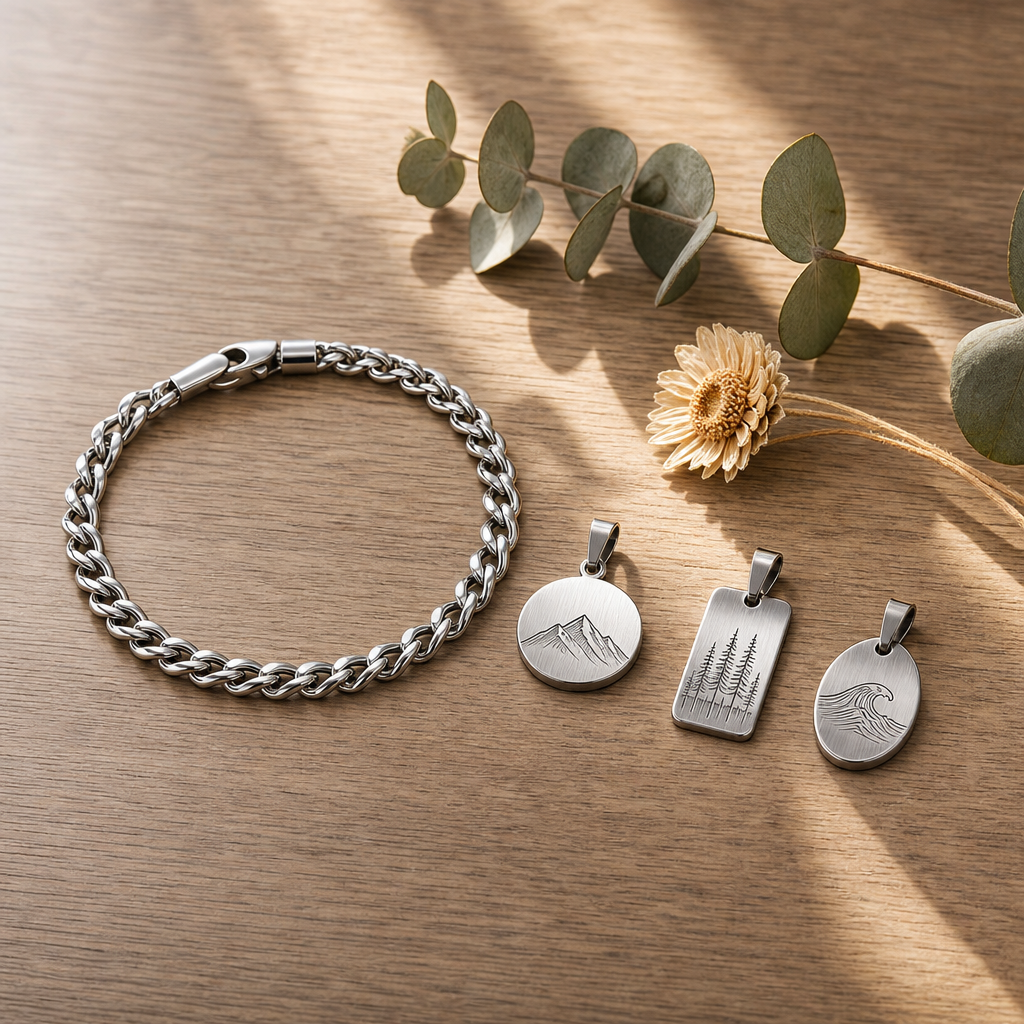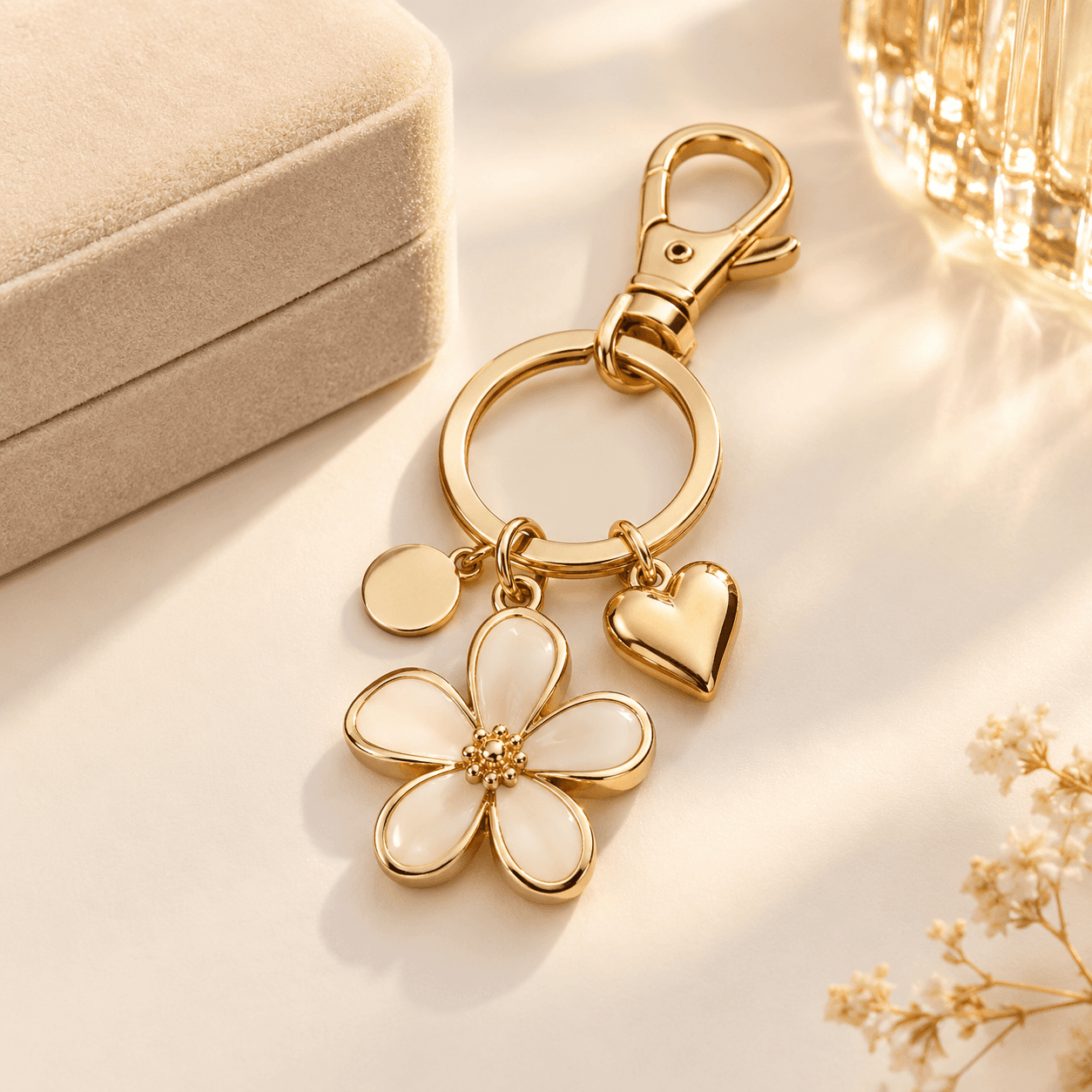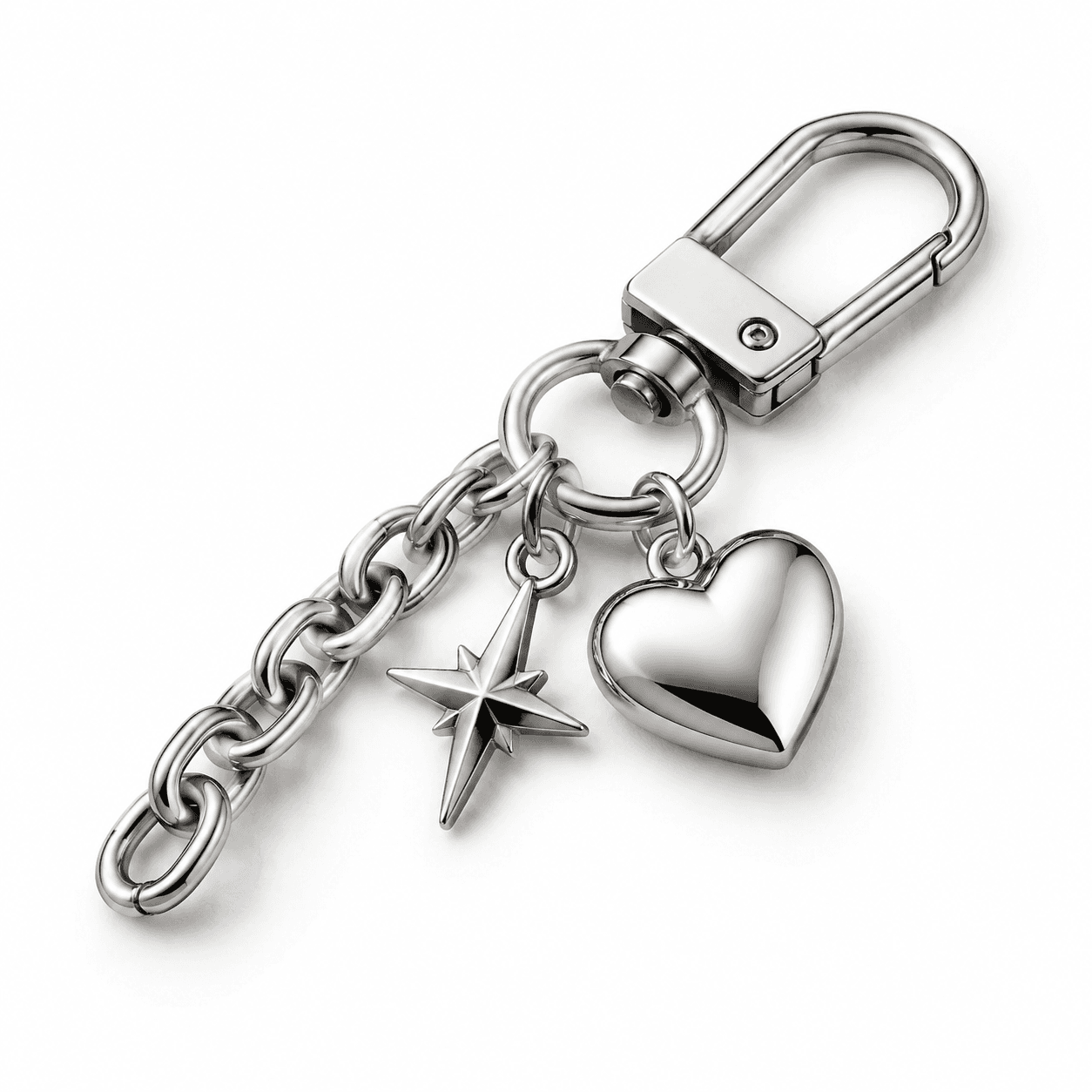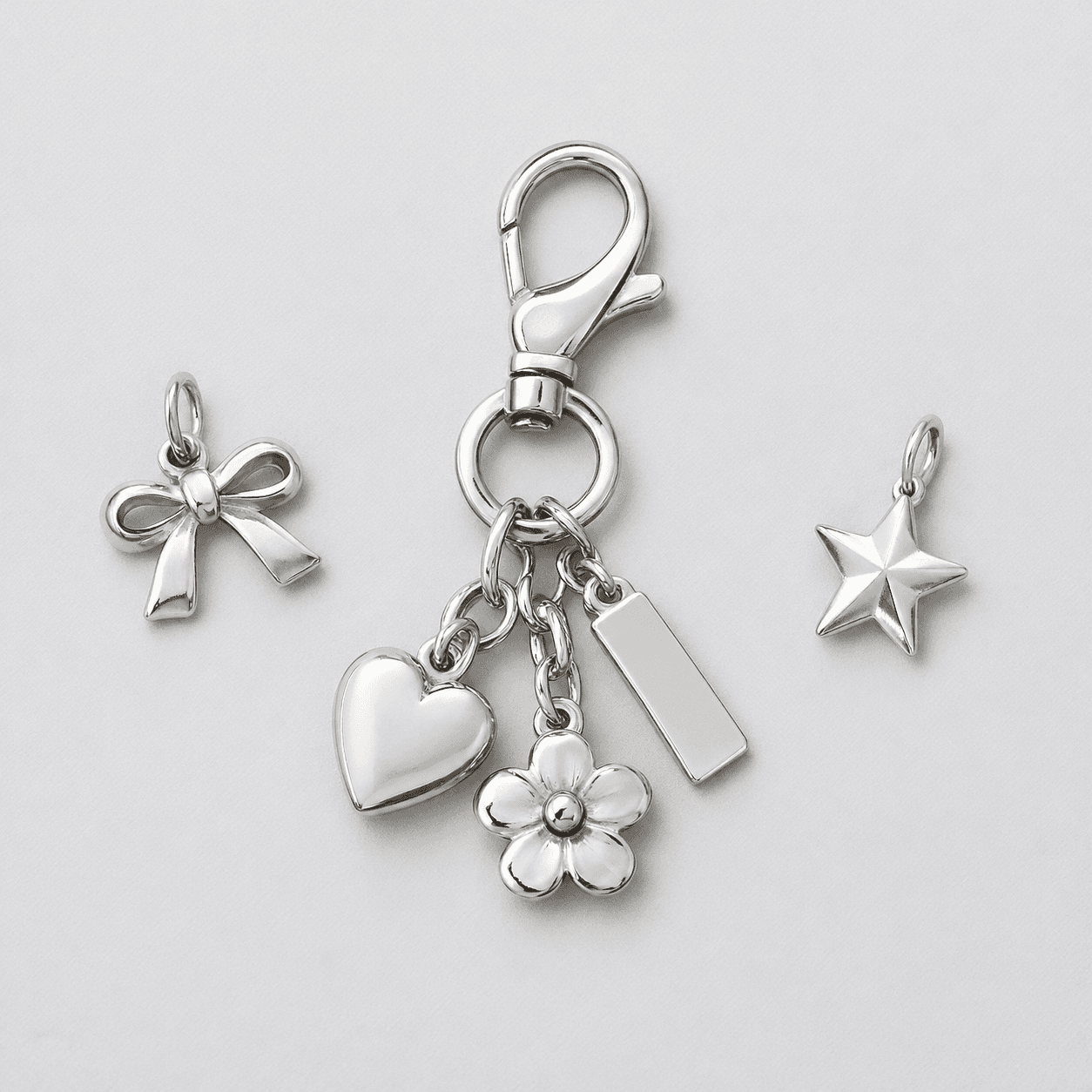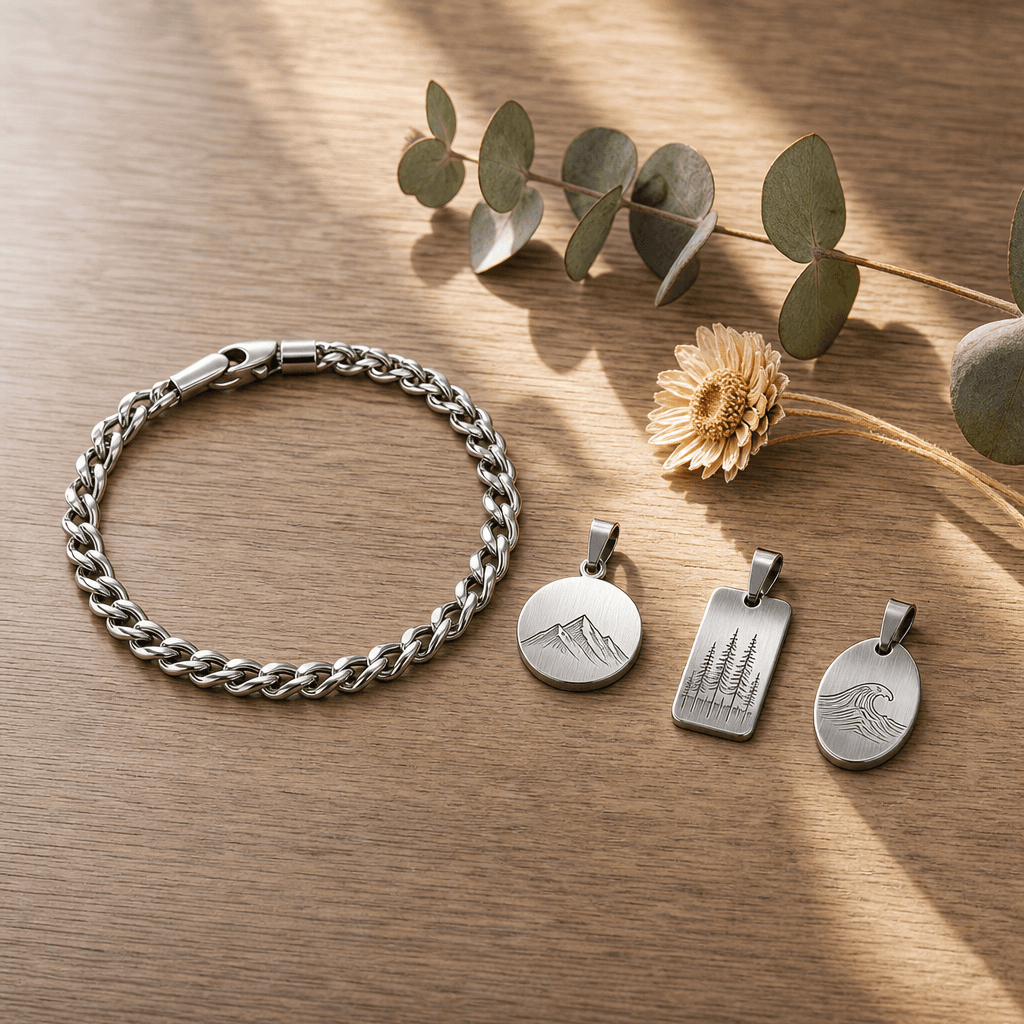
Engraving is where quality, traceability, and compliance either come together—or break down. For procurement teams sourcing custom stainless steel charms with precise logo engraving, the supplier “look” is only the start. The real risk sits in documentation gaps, inconsistent process controls, and uncertain chemical/safety compliance across batches—especially when you scale from samples to bulk charm orders for global markets.
Checklist: Factory-Direct Stainless Steel Charms Custom Engraving
This guide is written for procurement teams who must reduce vendor risk during sourcing and vendor vetting. It focuses on Certifications & Compliance for 316L stainless steel charms, engraving execution, and audit-ready documentation. Use it to qualify a stainless steel charms manufacturer for OEM or ODM production, including custom logo charms and boutique-ready series planning.
Supplier readiness & scope control (start here)
Certifications & compliance evidence (do not accept verbal claims)
Target outcome: a supplier file that you can present to compliance, legal, and retail partners across the US/EU/UK/AU/CA/DE/FR/ES/NE/RU markets.
Engraving process control (how suppliers prevent defects at scale)
Documentation & audit package checklist (procurement-ready)
Benefits/Why it matters for 316L stainless steel charms OEM/ODM sourcing
Key benefits
- Lower compliance risk: evidence-backed RoHS, REACH, and safety data supports audits and reduces return likelihood tied to safety concerns.
- Predictable nickel release performance: verified testing (e.g., EN1811 nickel release) helps you meet consumer safety expectations across markets.
- Corrosion confidence: salt spray testing evidence (e.g., 240H) supports longer-term quality perception in retail channels.
- Better engraving consistency: procurement gets measurable controls for legibility and dimensional stability—critical when you scale beyond samples.
- Faster approval cycles: audit-ready documentation shortens internal review for OEM/ODM approvals and reduces supplier back-and-forth.
Where procurement teams typically lose control
- Accepting “engraving looks good” without verifying the full compliance bundle tied to the finishing stack.
- Under-specifying process control: not defining engraving depth/contrast criteria, stroke thickness limits, or tolerance targets.
- Missing traceability requirements: no lot mapping from material to finished charm, which complicates incident investigations.
- Allowing finish-order changes without re-validation of test applicability (nickel release and corrosion evidence must match the intended process).
Detailed analysis/Guide: Step-by-step vetting for factory-direct engraving
Step 1: Pre-RFQ alignment (prevent scope drift)
- Define the charm form and size targets: confirm expected charm dimensions (typical range 8–18mm unless your product spec requires otherwise) and specify where engraving will appear.
- Lock the base material: confirm only 316L stainless steel is used for charm bodies to keep chemical and performance expectations consistent.
- Specify the finish stack: if you need PVD gold plated, silver finish, rose gold plating, enamel, or crystal inlay, document the sequence (engraving pre- or post-finish) to control edge integrity.
- Request an engineering review: ask the supplier to review your logo vector for minimum stroke width, scaling rules, and legibility constraints for laser engraving.
Step 2: Compliance evidence verification (build your audit file)
- RoHS and REACH: verify scope includes relevant substances tied to finishing processes used around the charm.
- SGS reports: confirm test dates, sample preparation details, and whether the report applies to the same production configuration you plan to order.
- Nickel release: confirm test results against EN1811 and ensure test applicability to your final finishing stack and consumer use profile.
- Corrosion: request salt spray evidence (e.g., 240H) tied to your finish selection.
Step 3: Process capability review (CNC/laser + inspection)
- Laser marking/engraving capability: confirm stable marking parameters, calibration methods, and how the supplier handles fine text or dense logo marks.
- Metal handling: verify how cutting/welding/polishing affects engraving contrast and edge finish (especially on narrow features).
- Inspection gates: require examples of in-process checks: readability checks, surface defect checks, and sample selection logic for bulk charm orders.
- Rework and scrap: confirm how they control nonconforming units while protecting compliance consistency.
Step 4: Sampling strategy (prove before you commit)
Step 5: Scaling controls for OEM/ODM and bulk orders
- Define acceptance sampling for bulk: request the supplier’s QC sampling plan for production volumes relevant to your forecast.
- Maintain compliance applicability: require written confirmation that nickel release and salt spray evidence remains applicable when production is scaled and engraving is performed at the same stage of the process.
- Lock artwork master files: store the approved vector master and change-control process for revisions (especially for private-label buyers managing seasonal drops).
- Set communication cadence: confirm how supplier shares production updates, QC photos, and final inspection evidence before shipment.
FAQ (procurement teams)
1) Which compliance documents should we request for engraved 316L stainless steel charms?
Ask for RoHS and REACH compliance documentation, plus third-party evidence such as SGS test reports. For safety assurance, also request nickel release testing aligned with EN1811 and corrosion evidence such as salt spray testing (e.g., 240H) that matches your planned finishing stack.
2) Do engraving results depend on whether we engrave before or after plating?
Yes. Engraving stage affects edge quality, readability contrast, and finish integrity. Specify the sequence in your RFQ and require sample development that confirms engraving clarity and compliance applicability for your final configuration.
3) How can we verify engraving consistency for OEM/ODM production?
Request process details (laser marking parameters approach, artwork scaling rules, acceptance criteria) and require a documented sample development cycle. For bulk orders, ask for QC gates, traceability by lot, and an inspection sampling plan.
4) What should be included in our audit-ready supplier file?
Compile: RoHS and REACH docs, SGS reports, nickel release evidence, corrosion test evidence, plus traceability documentation covering material-to-finished charm steps. Include first-run measurement proof and packaging/labeling documentation for private-label shipments.
Partner With Us
If your procurement team needs a stainless steel charms manufacturer that can deliver factory-direct custom stainless steel charms with reliable custom logo charms engraving—supported by RoHS, REACH, SGS documentation and nickel release/salt spray evidence—Lancy Jewelry is built for OEM/ODM sourcing.
Send your RFQ and artwork requirements, and we’ll support sample development, documentation preparation, and scalable production planning for your bulk charm orders and private label programs.
Next steps: Use these routes to move faster—OEM Service, Request a Quote, or Contact our sales team.