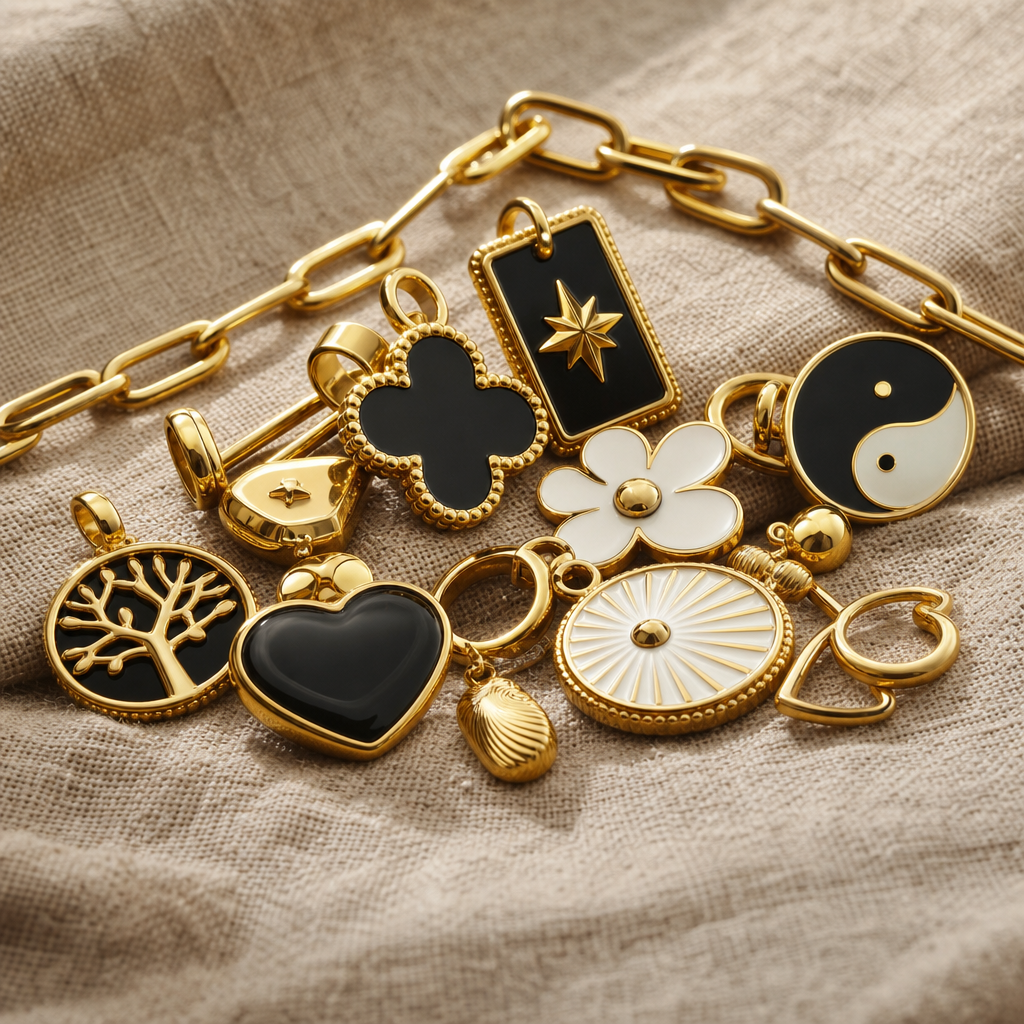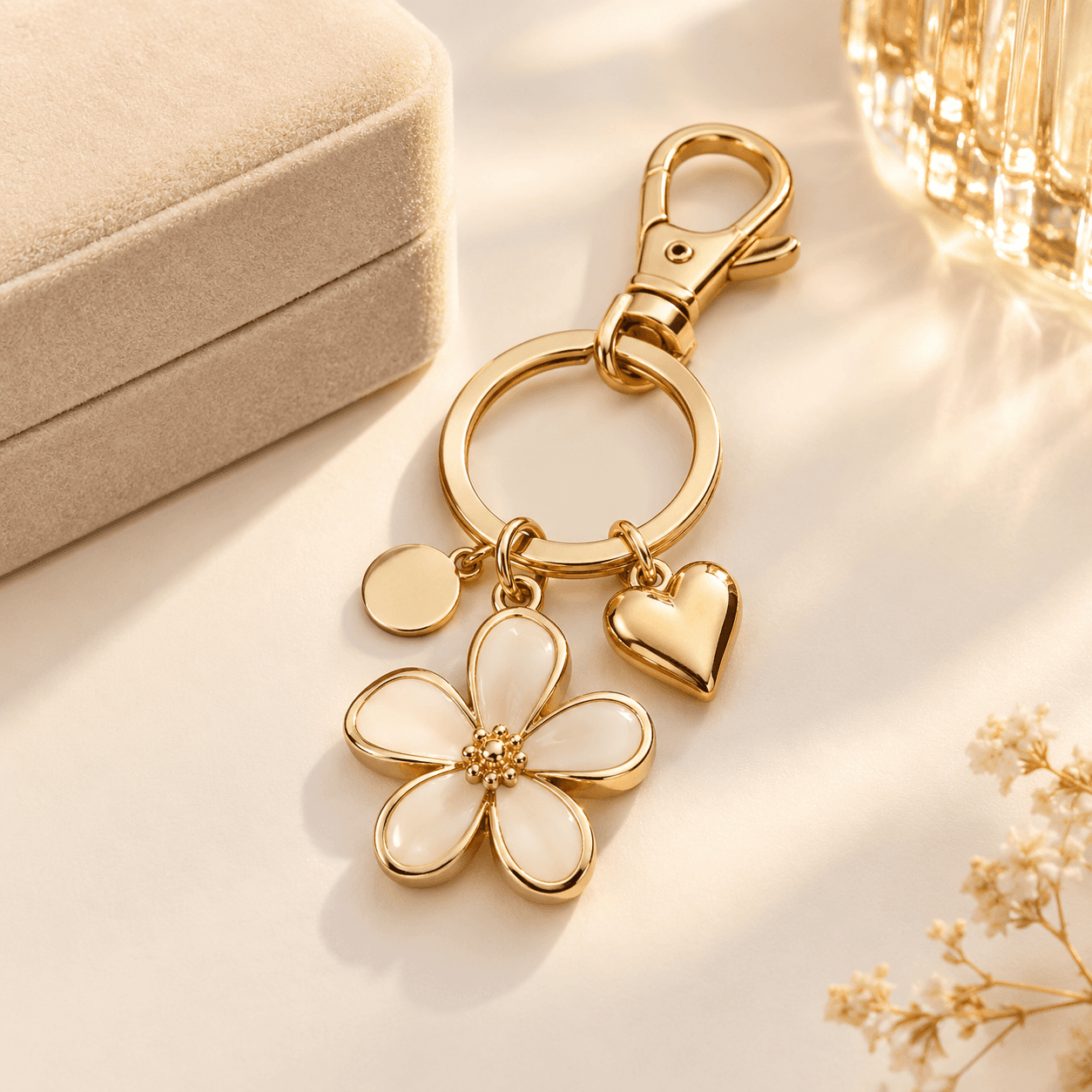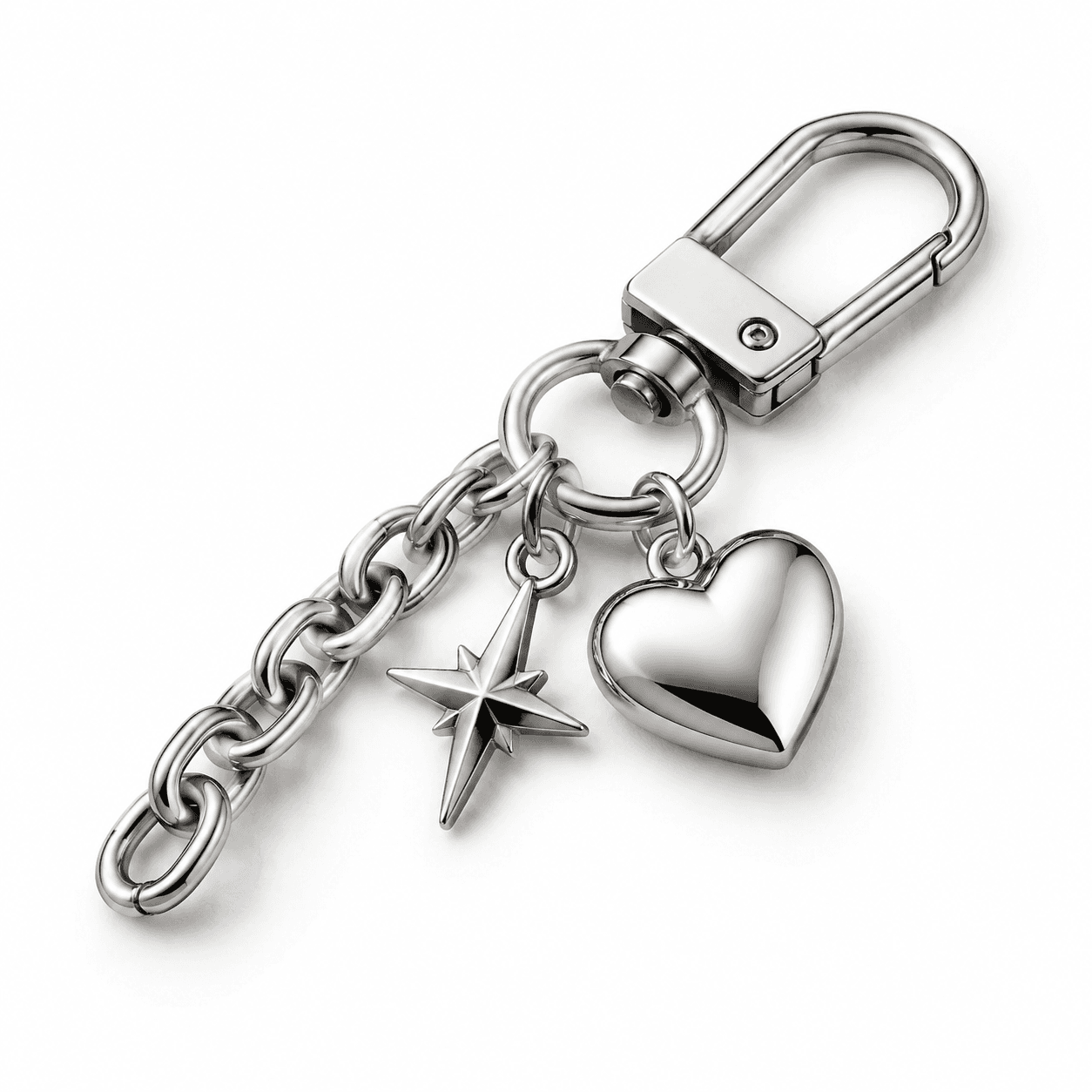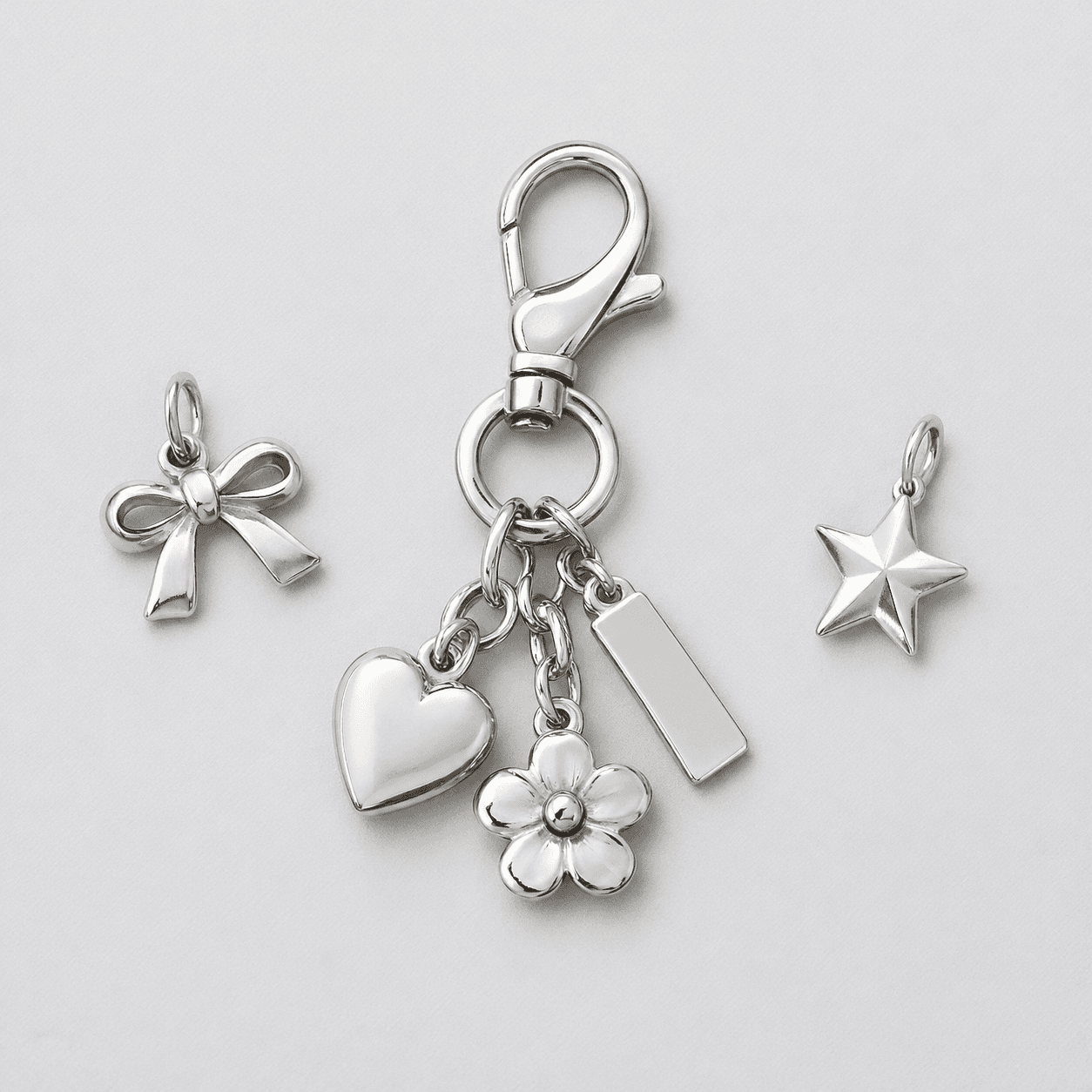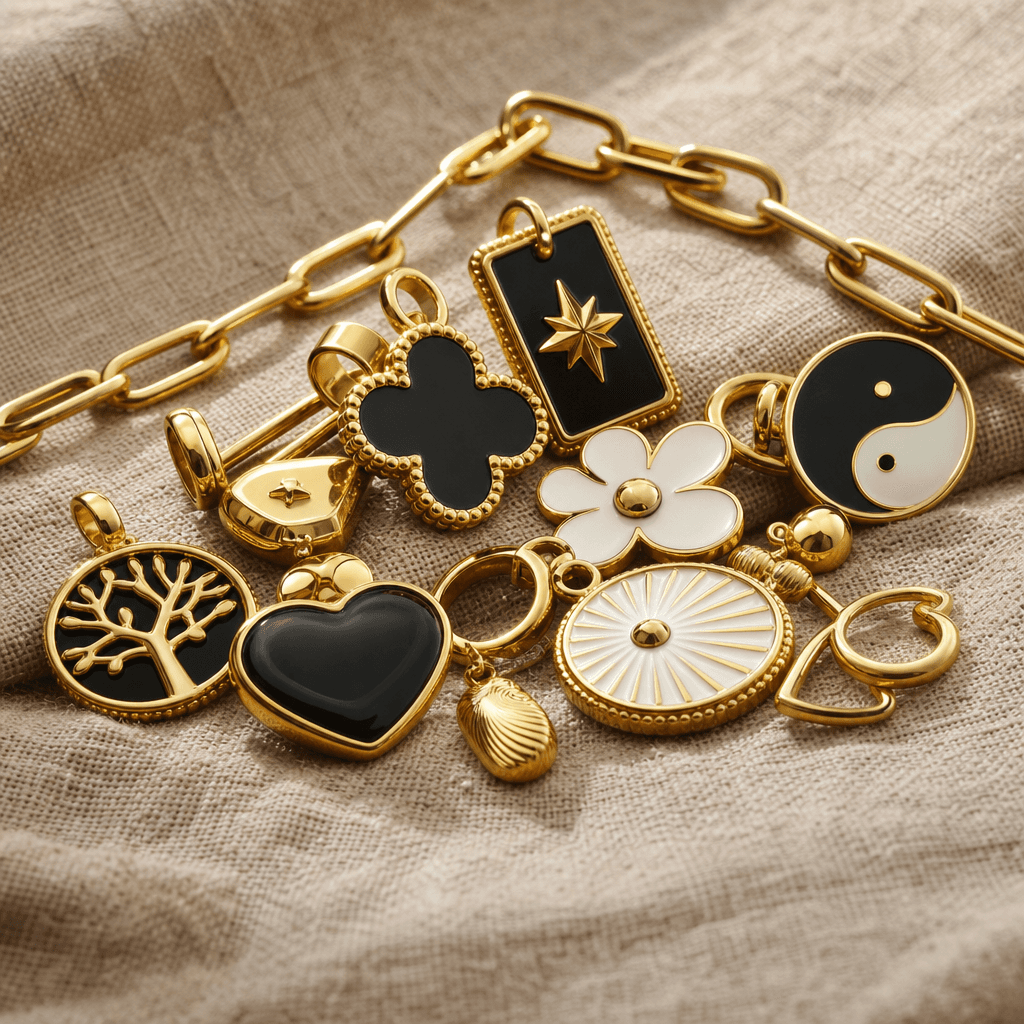
Choosing a stainless steel charms manufacturer for enamel-filled pieces isn’t just about aesthetics. For procurement teams, it’s about risk control: regulatory compliance, measurable safety tests, stable production repeatability, and documentation you can defend in audits. Lancy Jewelry supports 316L stainless steel charms programs with OEM/ODM development—so your private-label workflow moves fast without sacrificing compliance certainty.
316L Stainless Steel Enamel Charms OEM ODM Quality Checklist: RoHS, REACH & Nickel Release
Use this checklist during vendor vetting, sample evaluation, and pre-bulk sign-off. It’s written for procurement and quality stakeholders who need evidence, not claims.
Before you request samples (vendor readiness)
When you receive samples (evidence + inspection)
For compliance documentation (audit-ready packet)
Durability & safety verification (practical acceptance criteria)
Benefits/Why it matters
Reduce regulatory risk and returns
- RoHS & REACH clarity: Your compliance team gets actionable evidence that helps speed approvals and reduces late-stage document gaps.
- Nickel release assurance: For sensitive-skin concerns, nickel release testing is a cornerstone requirement; Lancy provides Nickel Release testing under EN1811 with SGS certification support.
- Durability confidence: Salt spray endurance data (supported with Salt Spray 240H) supports expectations around coating/enamel performance under real-world exposure.
Improve sourcing speed for OEM/ODM programs
- Faster sample development: When documentation and material specs are aligned early, sample rounds shrink and bulk sign-off becomes smoother.
- Consistent plating quality + enamel stability: Stable processes reduce variation between batches—critical for wholesale stainless steel charms programs and private label launches.
- Low MOQ charm production support: Starting with controlled sample quantities allows you to validate compliance before scaling to bulk charm orders.
Detailed analysis/Guide
Step 1: Lock the technical spec for 316L enamel charm builds
Procurement should require a written technical specification that confirms 316L stainless steel as the base material and defines the enamel system approach (fill method, color process, and inspection points). Ask for a “spec sheet” that includes:
- Material confirmation: 316L stainless steel charms
- Surface stack definition: stainless base + enamel finishing approach (and any additional finishing layers if used)
- Expected tolerances: dimensional checks and visual acceptance criteria
- Inspection checkpoints: what the factory measures at each production stage
Step 2: Audit compliance documentation like a quality manager
Don’t accept “certificate summaries.” Build your compliance pack workflow around traceable evidence. For each compliance topic, verify:
- RoHS: Does the report clearly address the charm system and materials used in production?
- REACH: Is the reporting current and consistent with your time of purchase and market needs?
- Nickel release: Does the documentation reflect Nickel Release EN1811 with clear sample identification?
- SGS report validity: Ensure the report number, test dates, and sample traceability are present and match your program’s sample references.
Step 3: Validate durability using test-backed acceptance thinking
Enamel is sensitive to stress concentrations, edge transitions, and finishing adhesion. Use a durability lens to reduce long-term returns:
- Salt spray endurance: Confirm the factory can support performance data such as Salt Spray 240H. Use it as a risk-reducer for exposure scenarios (humidity, storage conditions, shipping routes).
- Chipping and delamination review: During sample evaluation, inspect edges and enamel boundaries with controlled lighting.
- Batch-to-batch control: Ask how the charm factory maintains repeatability across enamel color filling and finishing steps.
Step 4: Confirm production process capability before scaling to bulk orders
For OEM/ODM charm programs, the “can you manufacture it?” question matters less than the “can you reproduce it reliably?” question. A modern facility matters operationally because it supports stable output. Lancy Jewelry operates with CNC and laser cutting, laser marking, welding, and polishing—processes that support consistent charm geometry and finishing outcomes.
During sourcing, request answers to these practical procurement prompts:
- How are designs translated into production-ready specs?
- What controls exist for enamel color consistency during filling?
- How is logo engraving quality checked for sharpness and longevity?
- How does the factory manage QC when moving from sample development to bulk charm orders?
Step 5: Use RFQ language that forces clarity (instead of promises)
When preparing your RFQ or purchase evaluation, structure your questions so documentation gaps surface early. Example language procurement teams commonly use:
- “Provide the latest SGS reports for RoHS and REACH for this specific charm material system.”
- “Provide nickel release EN1811 test results with sample traceability for the enamel charm build.”
- “Provide salt spray performance data for the relevant finishing/enamel system, including the test duration and outcome.”
- “Confirm base material is 316L stainless steel and specify any deviations that could affect compliance.”
If you want Lancy to support your audit-ready documentation and bulk readiness, start with a structured inquiry aligned to your timeline, private label schedule, and target regions.
FAQ
1) What compliance documents should a procurement team request for enamel charms?
Request evidence covering RoHS, REACH, and nickel release testing. Lancy provides SGS-certified documentation support, including Nickel Release under EN1811 and salt spray data such as Salt Spray 240H, aligned to the 316L stainless steel enamel charm material system.
2) How do you evaluate nickel release for 316L stainless steel enamel charms?
Nickel release assessment should be based on the applicable standard and supported by traceable test reporting. Confirm the report includes sample identification and clear outcomes for Nickel Release EN1811.
3) Why does salt spray 240H matter for enamel charms?
Salt spray results help estimate endurance under environmental exposure. For procurement, it supports durability expectations—especially for coatings/finishes and enamel adhesion integrity—before committing to bulk charm orders.
4) Can OEM/ODM support low MOQ charm production while staying compliance-ready?
Yes. Lancy supports OEM/ODM programs with low MOQ charm production and structured sample development so you can validate compliance and finishing quality early. This reduces risk when scaling into wholesale stainless steel charms or private label charms programs.
Partner With Us
If you’re sourcing 316L stainless steel enamel charms for boutique jewelry brands, charm bar accessories, gift programs, or private label launches, Lancy Jewelry can help you move from sample development to bulk with documentation you can audit.
Next step: Send your RFQ and target markets so our team can align material specs, enamel color needs, and compliance evidence for your procurement workflow.
OEM Service | Request a Quote | Contact Sales