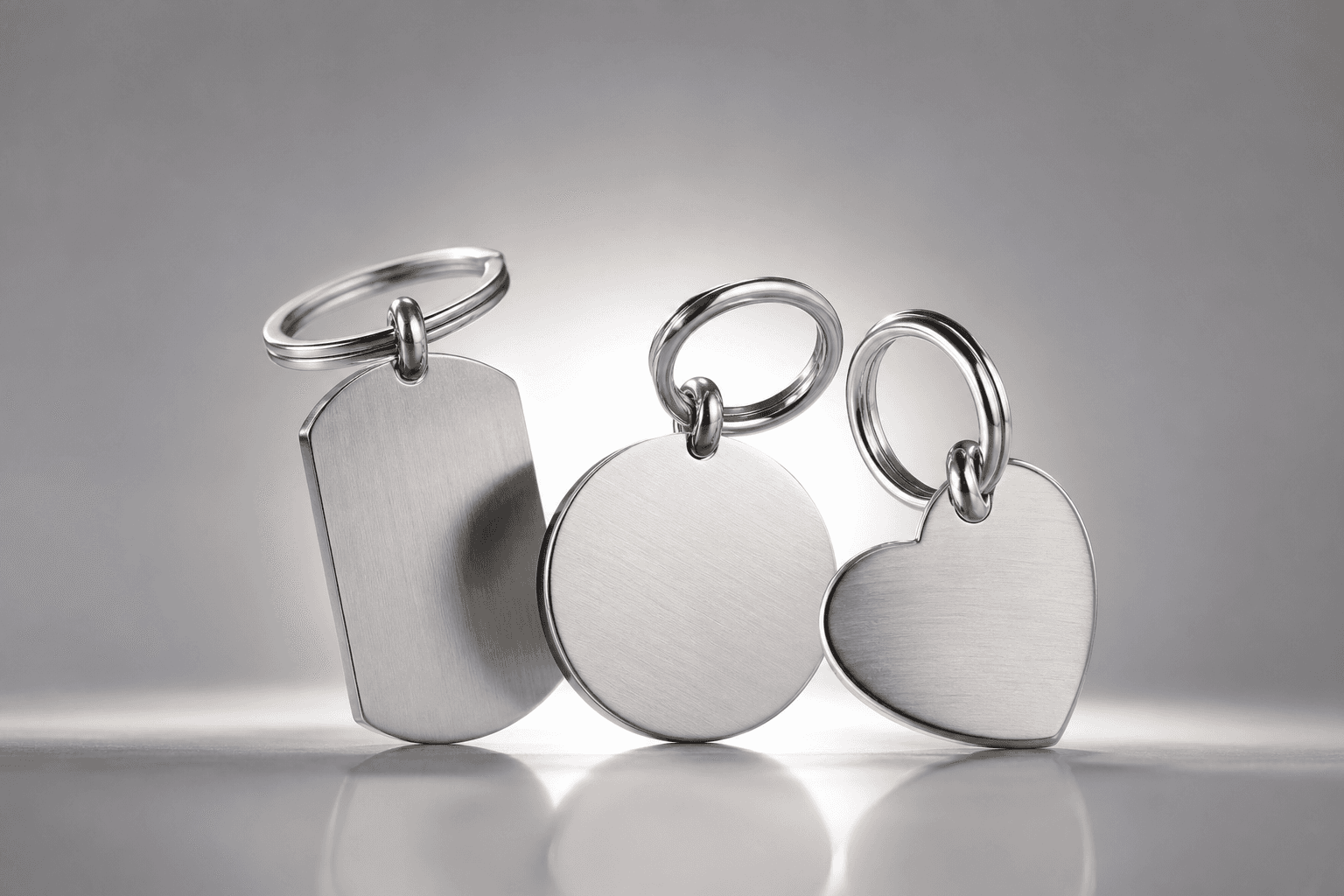
Hook: For procurement teams steering private-label programs, a reliable, scalable workflow for stainless steel blank keychain charms is essential. This guide distills the full manufacturing lifecycle from a leading OEM/ODM partner, highlighting what to verify, how to plan capacity, and how to reduce risk across global supply chains.
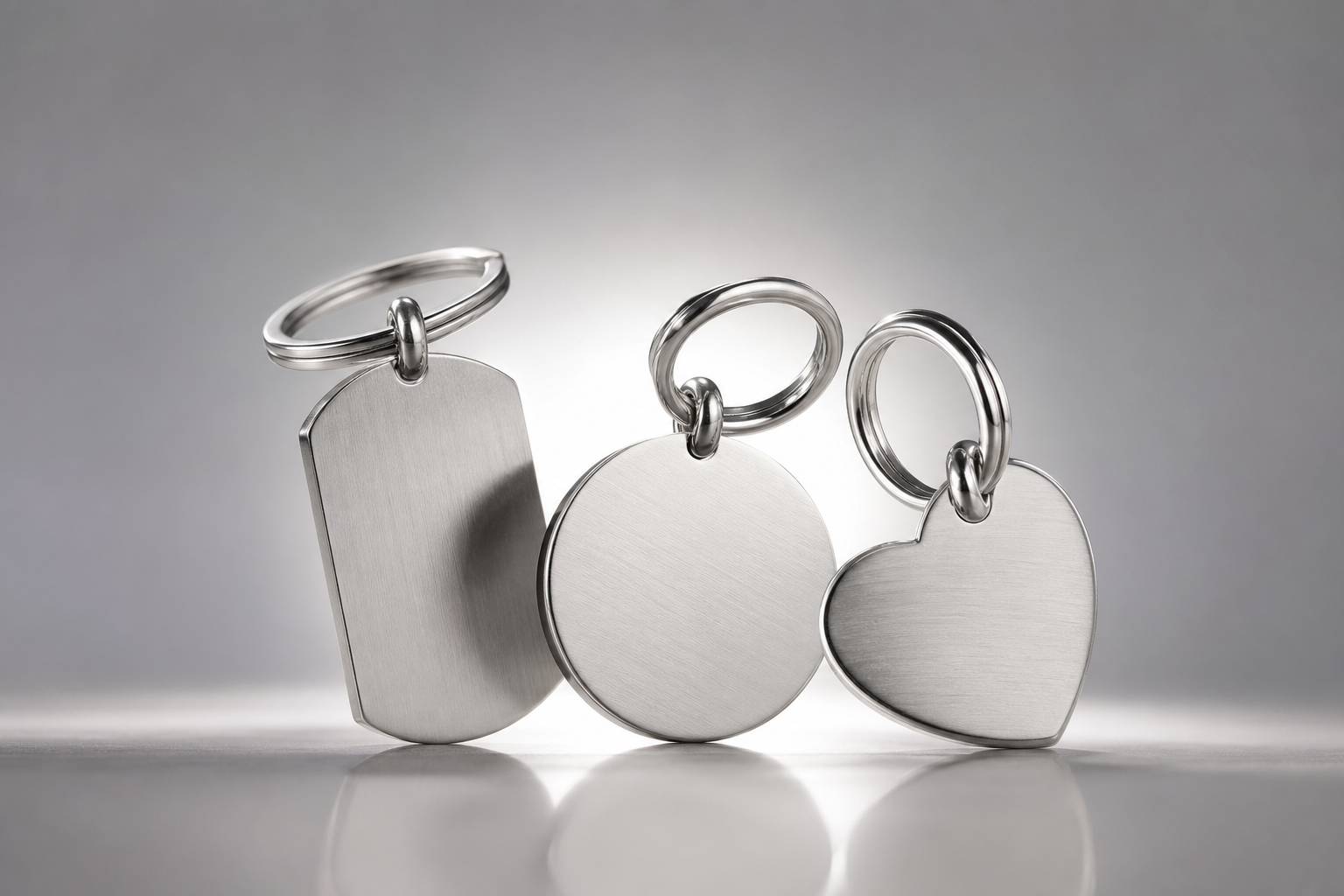
Stainless Steel Blank Keychain Charm Manufacturing Process
As a trusted 316L stainless steel charms manufacturer, Lancy Jewelry combines a modern facility with CNC, laser cutting, laser marking, welding, and polishing to deliver private-label capabilities at scale. This section outlines the end-to-end process in a structured, step-by-step format to support compliant vendor vetting, documentation, and audits across markets from the US to the EU and beyond. Expect predictable lead times, consistent plating quality, and clear capacity planning at each stage.
Overview of the process
The production of stainless steel blank keychain charms follows a repeatable, quality-driven sequence: specification alignment, tooling readiness, blank formation, surface finishing, engraving and decoration, plating and color filling or crystal inlay (when requested), assembly and rigorous QC, and finally packaging. Each stage has explicit input requirements, acceptance criteria, and traceability checkpoints that support OEM and ODM programs, as well as wholesale and private-label orders. This structure is designed for cross-market applicability, while maintaining strict base-material discipline around 316L stainless steel and PVD finishing options such as gold plated, silver finish, and rose gold plating.
To support a compliant, audit-ready supply chain, we emphasize low MOQ options, transparent lead times, and robust sample development. Our SGS-certified facility ensures RoHS, REACH, Nickel Release EN1811, and Salt Spray 240H compliance across processes, including material handling, finishing, and packing. This is critical when undergoing supplier qualification, vendor audits, or new-program approvals in regulated markets.
Benefits/Why it matters
Key benefits (with compliance focus)
- Consistent plating quality across batches: With PVD and post-plating processes, clients achieve boutique-ready finishes that survive everyday wear and tear in retail environments.
- Global lead-time visibility: Our process mapping provides accurate capacity planning and predictable schedules, enabling clients to commit to private-label launches with confidence.
- Documentation and audits: SGS certifications (RoHS, REACH, Nickel Release EN1811, Salt Spray 240H) support compliance demands and simplify procurement checks for cross-border sourcing.
- Private-label packaging and labeling: Integrated packaging options streamline private-label programs and reduce the overhead of outsourcing packaging separately.
- Low MOQ support and sample development: We accommodate early-stage programs with small runs and rapid prototyping to accelerate decision-making.
Detailed analysis/Guide
The following steps are designed as a sequential, action-oriented checklist. Each step includes practical actions, typical decision points, and performance criteria that procurement teams can reference during audits or vendor qualification visits. The content reflects a global context and universal manufacturing best practices applicable to boutique brands, charm bars, and gift programs that rely on 316L stainless steel charms as a base.
-
1. Define program scope and requirements
Begin with a formal requirements brief that captures target markets, expected volumes, lead-time windows, finish options (PVD gold plated, silver finish, rose gold plating), and any decoration needs (enamel fill, crystal inlay, or laser engraving). Establish the base material standard as 316L stainless steel and confirm tolerance bands for blank charms (thickness, hole diameter, and overall silhouette). Documentation should include a Bill of Materials (BOM), dimensional drawings, and engraving area specifications. Align on packaging format for private-label programs (bulk packaging vs. retail-ready packaging) and the certificate of conformity expectations for each market. This phase is critical for OEM/ODM alignment and for reducing change-order risk downstream. OEM Service and Request a Quote can help lock in these baseline requirements before tooling starts.
-
2. Material specification and supplier qualification
Approve 316L stainless steel base material with defined chemical composition and mechanical properties. Verify supplier qualifications, material traceability, and alloy batch control to guarantee consistent corrosion resistance and strength. For procurement governance, request material data sheets and test reports that confirm low nickel release profiles and compatibility with PVD plating chemistry. This stage also covers heat-treatment or passivation steps that may influence surface finish and plating adhesion later in the process. Documentation supporting RoHS/REACH compliance should be attached to the supplier file for audits and RFQ reviews. As a practical rule, only 316L material should be used as the base for charm production, ensuring universal cross-market compatibility and risk reduction across supply chains.
-
3. Tooling readiness and process validation
Prepare the tooling set, including CNC programs, laser cutting files, laser marking templates, and any fixture hardware required to hold blanks during finishing. Validate process windows for critical dimensions (hole diameter, edge radius, and thickness) and confirm that the tooling tolerances align with client tolerances. Run a pilot batch to validate stability of the process and to establish baseline process capability indices (Cpk) for each finishing and decoration line. This stage should also include a risk assessment for potential bottlenecks in laser cutting, welding, and polishing. The goal is a proven, repeatable process before full-scale production, reducing rework and warranty costs later in the program.
-
4. Cutting, forming, and deburring of blanks
Execute precision cutting of 316L blanks using CNC and laser cutting where appropriate, ensuring clean edges and consistent wall thickness. Deburr and edge-round the blanks to remove sharp burrs and improve downstream plating adhesion. Implement a standardized inspection plan to verify outer silhouette, hole diameter, and any engraved features on the blank stage. Deburring quality is essential to prevent plating defects and to minimize post-plating finishing work. This stage benefits from inline metrology tools and sample checks against the design spec to avoid drift in subsequent processes.
-
5. Surface finishing and pre-polish
Perform surface finishing to achieve a uniform base for plating. This includes mechanical polishing, passivation, and surface conditioning to improve corrosion resistance and plating adhesion. A controlled polishing protocol ensures consistent luster across lots and reduces the likelihood of streaks or micro-scratches that can affect final appearance. Documentation should note the finishing grade and any passes required to meet the target finish (e.g., bright, satin, or mirror). The goal is a reproducible surface ready for decoration or plating without introducing surface defects that will show through the final finish.
-
6. Logo engraving and marking
Engraving or marking is often performed after the blank is polished but before plating to ensure clear, durable logos and design elements. Use laser engraving for durable, precise markings that tolerate subsequent plating and cleaning cycles. Confirm engraving depth, contrast against the substrate, and any required back-side marks for traceability. When a client provides artwork, run a validation print on a representative sample before mass production, ensuring compatibility with the chosen finish and substrate. All engraving files should be version-controlled and archived for audits and re-orders.
-
7. Plating and color finishes
Apply PVD plating to achieve the desired finishes: gold plated, rose gold plating, or silver finish. Maintain strict control of plating thickness, uniformity, and adhesion. Post-plating inspection should include visual checks for color consistency, coverage gaps, and edge effects. For colored finishes or two-tone options, enforce strict color-midelity standards to minimize customer rejection on color mismatch. If enamel filling or crystal inlay is requested, coordinate with the decoration line to ensure substrate compatibility and long-term durability of fillers. Documentation should include plating process parameters, batch records, and plating thickness verification data.
-
8. Enamel color filling or crystal inlay (optional)
Where enamel or crystal inlay is specified, establish a controlled filling or setting process. Enamel filling requires clean cavities, proper pigment formulation, and curing parameters to prevent cracking or fading. Crystal inlay adds visual depth but requires careful setting to avoid dislodgement during handling. Validate filler hardness, adhesion, and resistance to environmental exposure. Post-process inspection should confirm color integrity, fill uniformity, and any required sealing or protective coatings. Document color codes and resin or pigment suppliers in the BOM for traceability.
-
9. Assembly, cleaning, and quality control
Assemble any required components and conduct a multi-stage QC protocol. Dimensional checks verify hole sizes and silhouette, while plating quality checks assess adhesion, uniformity, and corrosion resistance. Nickel release testing and salt spray tests (per EN-based standards used in compliance) help ensure that the final product meets global safety expectations. Non-conformities are logged with clear disposition codes (rework, repair, or scrap) and tied back to the lot traceability records. The assembly stage should also confirm that each charm meets the recognized chain compatibility and attachment requirements, including a plausible bail/jump ring interaction if applicable.
-
10. Private-label packaging, labeling, and documentation
Coordinate packaging design and labeling to meet private-label requirements. Packaging should protect the charm during transit, support shelf-ready presentation, and include any needed compliance labels. Documentation such as certificates, material declarations, and care instructions should accompany the finished product to facilitate easy market entry and retailer compliance. The packaging workflow often integrates with branding guidelines, enabling a seamless handoff to marketing and distribution teams. This step is a critical lever for reducing time-to-market for new programs and maintaining consistent quality control across shipments.
-
11. Lead times, capacity planning, and risk mitigation
Develop a master production schedule that aligns with client demand forecasts, supplier lead times, and the capacity of CNC, laser, and finishing lines. Build buffer plans for raw materials, plating consumables, and packaging components to minimize disruption from supply delays. Establish escalation paths for capacity shortfalls, and implement weekly status updates to stakeholders. Transparent lead-time information supports procurement teams in negotiating realistic orders, managing MOQ expectations, and executing bulk orders with confidence.
-
12. Sampling and pre-production for client approvals
Before full production, deliver pre-production samples for client review and sign-off. The sample development phase tests design fidelity, finish accuracy, and decoration quality under real-use conditions. Collect client feedback, run final verifications, and adjust tooling or processes if required. Once approved, schedule mass production with a clear ramp plan and a documented change-control protocol to capture any subsequent modifications. The sample development loop is essential for risk reduction and for meeting strict private-label launch timelines.
FAQ
Q1: What is the typical lead time for producing 316L stainless steel blank keychain charms?
A: Lead times vary by scope, volume, and finishing options. For a standard program with engraving and a single plating finish, plan from 4 to 8 weeks after design finalization and tool validation. For low MOQ runs or fast-track sample development, accelerated options may reduce this window. The OEM/ODM team will provide a detailed schedule once the BOM, design files, and packaging requirements are confirmed. See our OEM service page for collaboration options and scheduling methods.
Q2: Do you offer logo engraving and private-label packaging?
A: Yes. Logo engraving is a core capability, and private-label packaging is integrated into our manufacturing flow. We can provide packaging prototypes aligned to brand guidelines and ensure that labeling, branding, and care instructions meet regional regulatory needs. This streamlines the process for boutique brands and private-label buyers seeking a ready-to-sell product.
Q3: What is the MOQ and how does sample development work?
A: We support low MOQ options to fit early-stage programs and pilot launches, with scale-up plans for bulk orders. The sample development phase involves producing a small batch of pre-production samples based on approved artwork and BOM. Clients evaluate fit, finish, and durability, and provide final sign-off before full production. The process emphasizes rapid iteration and clear documentation to minimize downstream revision cycles.
Q4: How do you ensure plating quality and compliance?
A: Plating quality is ensured through process controls, thickness verification, and adhesion tests. Our SGS-certified facility maintains RoHS, REACH, Nickel Release EN1811, and Salt Spray 240H compliance, supporting cross-market approvals. Regular internal audits, batch traceability, and supplier qualification help sustain consistency across lots and shipments.
Call to action
Ready to start a stainless steel blank keychain charm program with a proven OEM/ODM partner? Partner with Lancy Jewelry to leverage a modern manufacturing facility, rigorous QA, and private-label packaging capabilities. Explore our OEM service for tailored development, submit your RFQ via Request a Quote, or contact our team to discuss private-label options and lead-time planning. For ongoing programs, consider scheduling a capacity review to align production with your seasonal demand and to minimize risk across global supply chains.