Finishing is the quiet driver of premium 316L stainless steel keychain charms. For base material 316L, coating, polish, and surface treatment determine colorfastness, corrosion resistance, and brand perception across markets. At Lancy Jewelry, a modern facility supports CNC, laser cutting, laser marking, surface finishing, and coating lines to deliver repeatable finishes for OEM charms manufacturer programs and ODM charm supplier collaborations, with low MOQ charm production and rapid sample development.
Stainless steel custom keychain charm finishing: overview
This guide centers on 316L stainless steel charms as the base material and surveys coating technologies, surface treatments, and QC checkpoints that matter to design teams, sourcing managers, and factory partners.
Material characteristics
- 316L stainless steel offers corrosion resistance and durability under daily wear, while supporting diverse surface treatments such as PVD plating, enamel fills, and crystal inlays.
Coating strategies
- PVD plating, electroplating, enamel fills, and crystal inlays each offer distinct aesthetics and performance profiles. Choosing the option set depends on color, hardness, and wear expectations for OEM/ODM programs and private-label campaigns.
Surface preparation
- Pretreatment steps (degumming, degreasing, micro-etching, and passivation) set the stage for durable adhesion and color uniformity across production runs.
Quality control
- Finish uniformity, color consistency, adhesion testing, and nickel-release checks are essential for global distribution and compliance.
Private-label packaging considerations
- Finishing works in concert with packaging to deliver boutique-ready series planning and private-label readiness.
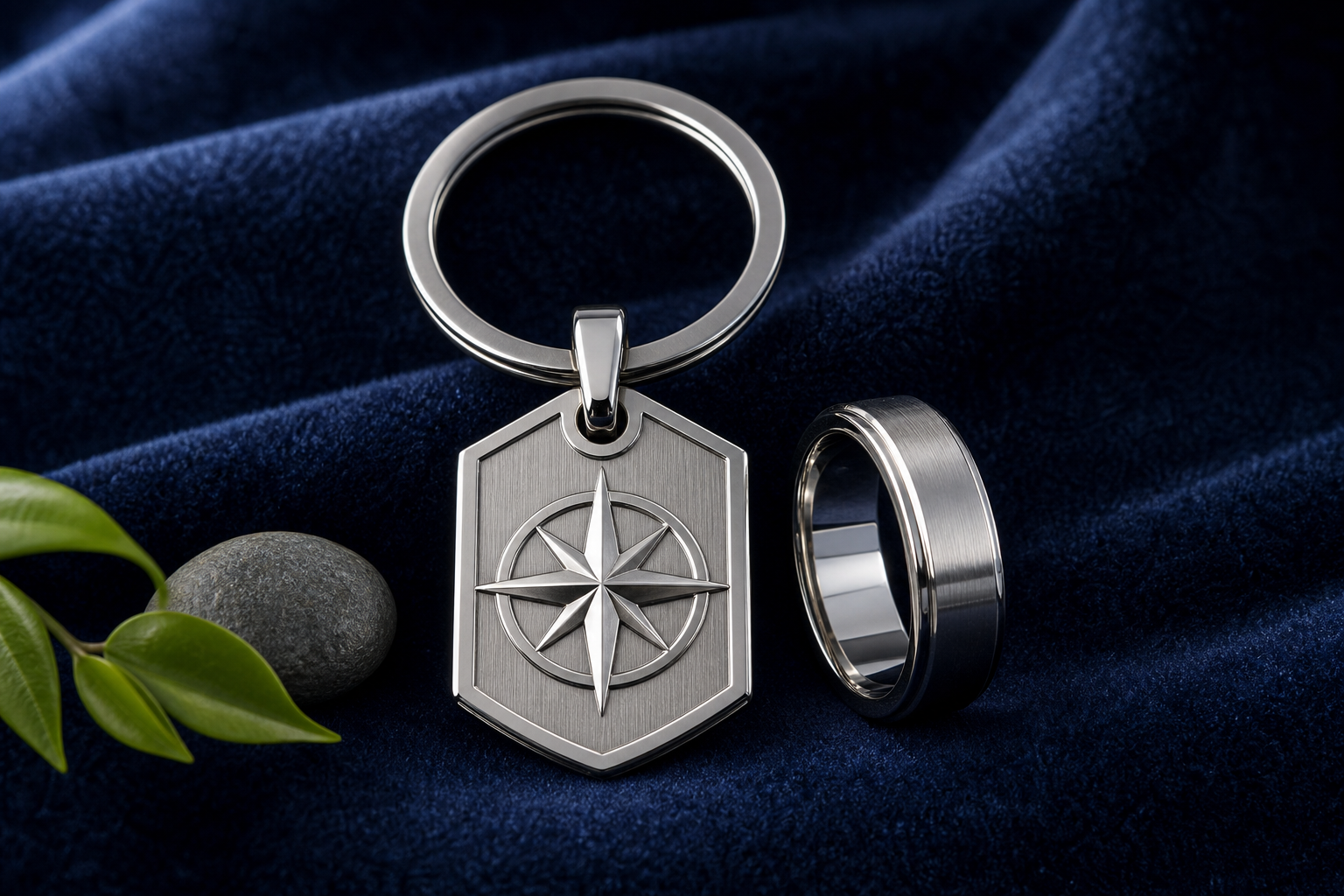
Benefits of finishing for boutique charm programs
Finishing directly impacts brand perception, repeat orders, and cross-market consistency. Key benefits include:
- Consistent plating quality across batches with reliable processes and traceability.
- Colorfast, wear-resistant finishes suitable for private-label packaging and boutique campaigns.
- Flexibility for OEM/ODM development with options like PVD plating in gold, silver, and rose gold tones, plus enamel and crystal accents.
- Streamlined sample development and fast prototyping to accelerate time-to-market for new collections.
- Documentation and traceability supporting MOQs, private-label programs, and bulk orders.
In practice, finishing choices align with the broader manufacturing workflow. Lancy Jewelry operates a modern facility that supports OEM charms manufacturer and ODM charm supplier collaborations, with a focus on low MOQ charm production and reliable sample development cycles. For buyers evaluating partners, assess how finishing integrates with certifications and packaging options to meet private-label requirements.
Detailed analysis and practical guide
Step 1: Surface preparation for 316L stainless steel
Preparation starts with thorough cleaning to remove oils, residues, and oxides. Processes typically include degreasing, alkaline cleaning, acid etching or micro-etching, and passivation to stabilize the surface. Cleanliness is critical for adhesion of subsequent coatings and uniform color distribution. At Lancy, surface prep is integrated with CNC and laser-marked components to ensure consistent mechanical tolerance prior to finishing.
Step 2: Choosing the coating pathway
The two primary coating pathways are PVD plating and electroplating, each with distinct advantages. PVD (physical vapor deposition) yields hard, thin, uniform films with excellent adhesion and color stability. It is ideal for gold, rose gold, and silver tones that resist wear in daily use. Electroplating builds thicker coatings and can deliver deeper color hues with wide finish options. For designers, pairing PVD with enamel or crystal inlays can produce durable, boutique-ready effects that stay vivid under daily use.
Step 3: PVD plating and color options
PVD plating offers consistent color across parts and excellent abrasion resistance. Typical finishes include gold plated, rose gold plated, and silver finishes. The process is highly controllable, enabling custom decorative charms programs that align with brand color stories. When specifying PVD, confirm coating thickness targets, adhesion criteria, and post-treatment steps to prevent micro-scratches and tarnish risk during assembly.
Step 4: Electroplating and color tuning
Electroplating provides robust color depth and cost efficiency for larger runs. Plating thickness, bath chemistry, and agitation control all affect final appearance and wear. For private-label bodies seeking distinct metallic hues, electroplating can be paired with post-polish steps to achieve a high-gloss or satin finish. Always verify compatibility with any enamel fills or crystal inlays planned for the charm.
Step 5: Enamel color filling and crystal inlay
Enamel filling adds vibrant color to recessed areas of the charm. High-temperature enamel must be market-relevant surrounding metals and coatings. Crystal inlays bring sparkle but require precise seating and secure setting to prevent chipping. These decorative techniques should be considered in the initial design phase to ensure holes, posts, and frames accommodate finish-related tolerances.
Step 6: Post-finish processing and surface treatments
Post-processing may include light buffing, protective clear coats, or anti-tarnish treatments. Surface treatments also address corrosion resistance under salt spray and humidity conditions. A robust QC protocol—visual inspection, adhesion tests, and nickel-release screening—helps ensure compliance with RoHS, REACH, and EN1811 (Nickel Release) standards.
Step 7: Quality control and packaging alignment
QC checks should verify color uniformity, coating adhesion, and dimensional accuracy. Packaging alignment should safeguard the finish during transit and support private-label branding. For designers aiming to scale, discuss OEM/ODM packaging options and how to align packaging with finish choices for a consistent consumer experience.
Step 8: Sample development to bulk production
Sample development is a critical step in validating finish choices before mass production. A typical cycle includes ideation, prototype finishes, functional tests, and a formal sign-off. Lancy supports rapid sample development cycles and clear documentation to minimize rework in bulk charm orders. See our Request a quote workflow for initiating sample requests.
In practice, a successful finish strategy for a 316L stainless steel charm blends material science with design aesthetics. Designers should collaborate early with the supplier to validate finish compatibility with enamel, crystals, and any attachment hardware (bail, jump rings, clasps) to ensure a seamless end product.
FAQ
Q1: What finishes are available for 316L stainless steel keychain charms?
A1: Available finishes include PVD plated gold, PVD rose gold, PVD silver, enamel color fills, and crystal inlays. Each option has a distinct wear profile and color stability, and can be combined with protective topcoats or satin/post-polish treatments for enhanced durability.
Q2: How does PVD plating differ from electroplating for charm finishes?
A2: PVD plating yields a harder, highly durable film with excellent adhesion and color stability, ideal for long-term boutique use. Electroplating deposits a thicker layer, enabling deeper color tones and typically lower cost for large-volume runs. Both can be paired with enamel and crystal accents when designed cohesively.
Q3: What certifications support finish quality and safety?
A3: SGS-certified processes cover RoHS, REACH, EN1811 nickel release, and Salt Spray testing, ensuring regulatory alignment and reliable performance across global markets for OEM/ODM collaborations.
Q4: How can I start a private-label finishing project with Lancy?
A4: Contact our OEM/ODM team to discuss finish options, MOQs, and packaging. We support low MOQ charm production, sample development, and private-label packaging to align with your brand requirements.
Call to action: Partner with Lancy Jewelry for finishing excellence
If you’re a jewelry designer or sourcing manager seeking a reliable stainless steel charms manufacturer for 316L charms with advanced finishing options, Lancy Jewelry is your factory-direct partner. We offer end-to-end finishing capabilities—from surface prep and PVD plating to enamel filling and crystal inlays—backed by regulatory certifications and a culture of OEM/ODM collaboration. Explore our OEM services, browse our product catalog at All Products, and reach out to our team via Contact for detailed quotations and private-label packaging options.