In the fast-moving world of boutique brands and private-label programs, the reliability of clasps and jump rings is non-negotiable. This deep-dive guides procurement teams through 316L stainless steel options, plating choices, QA documentation, and vendor vetting to ensure compliance and consistent performance across markets.
Clasps and Jump Rings for Stainless Steel Charms
316L stainless steel fundamentals
316L stainless steel offers a low-carbon variant of the 316 alloy, balancing formability with elevated corrosion resistance. Its typical composition includes chromium in the 16–18% range, nickel around 10–14%, and molybdenum near 2–3%, with carbon limited to 0.03% or less. The low carbon content minimizes carbide precipitation during welding or heat exposure, yielding stronger, more dependable joints for components such as clasps and jump rings. For factory-direct manufacturing, this alloy provides predictable behavior under CNC and laser processing, ensuring consistent wall thickness, roundness, and edge finish across batches.
Clasp and jump ring typologies and specs
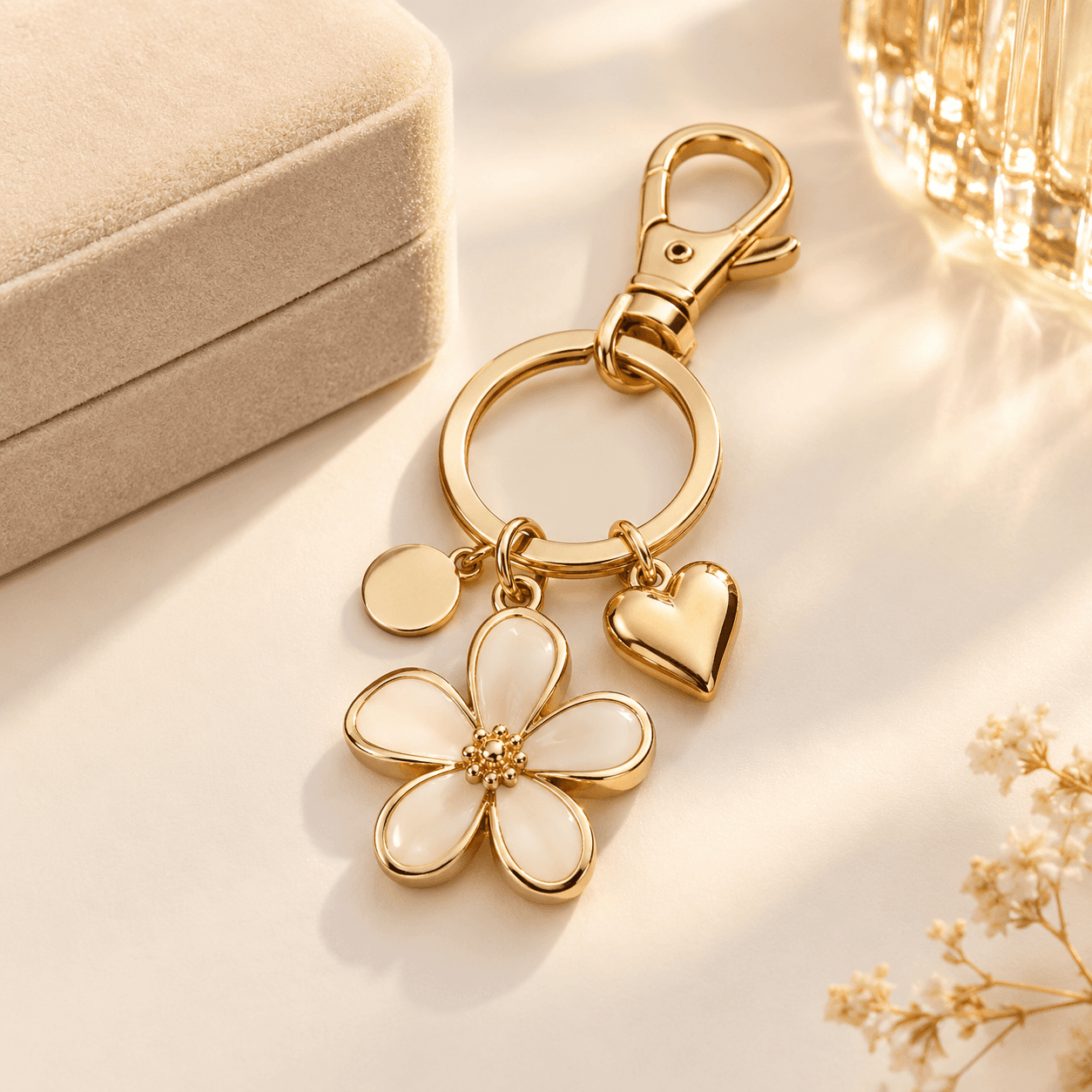
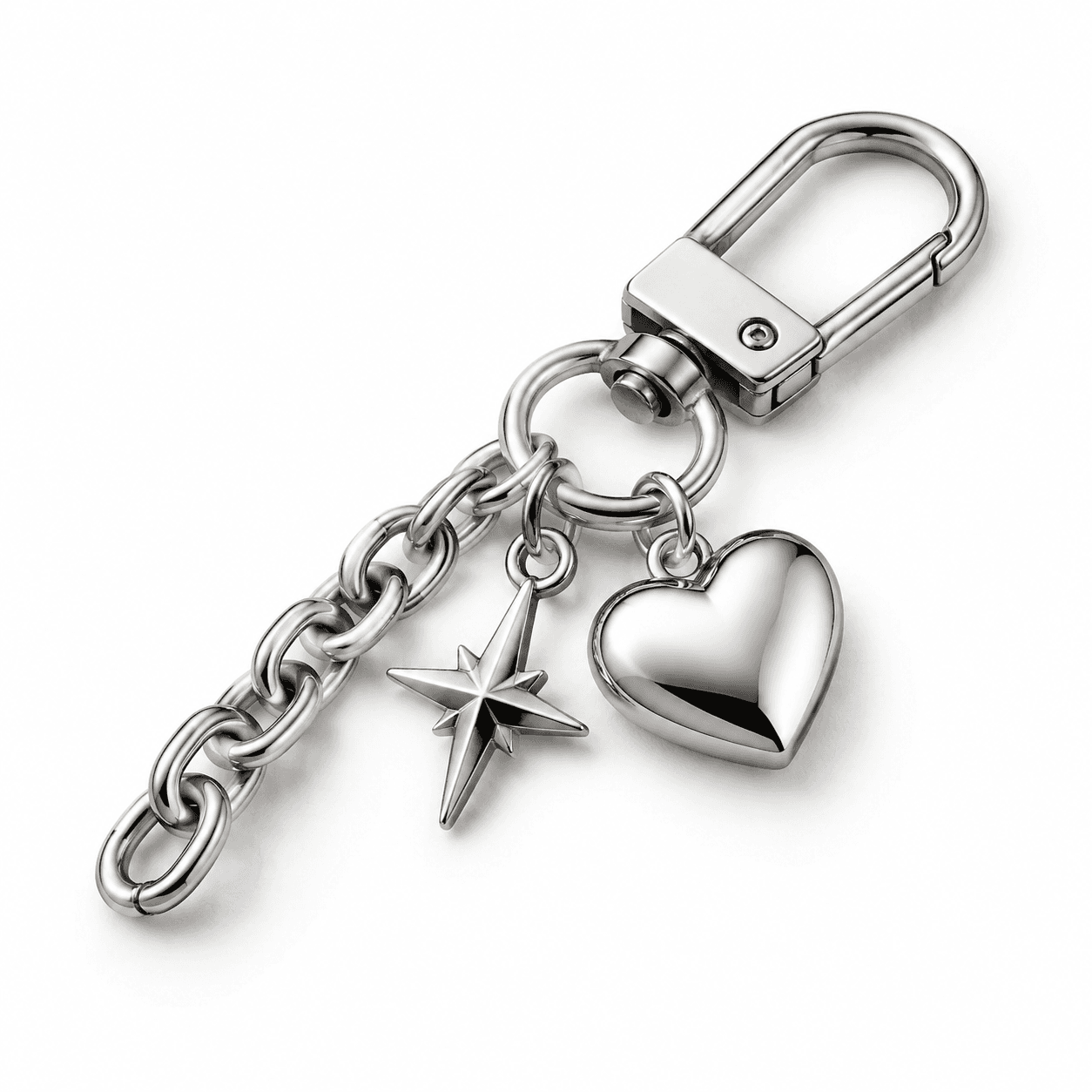
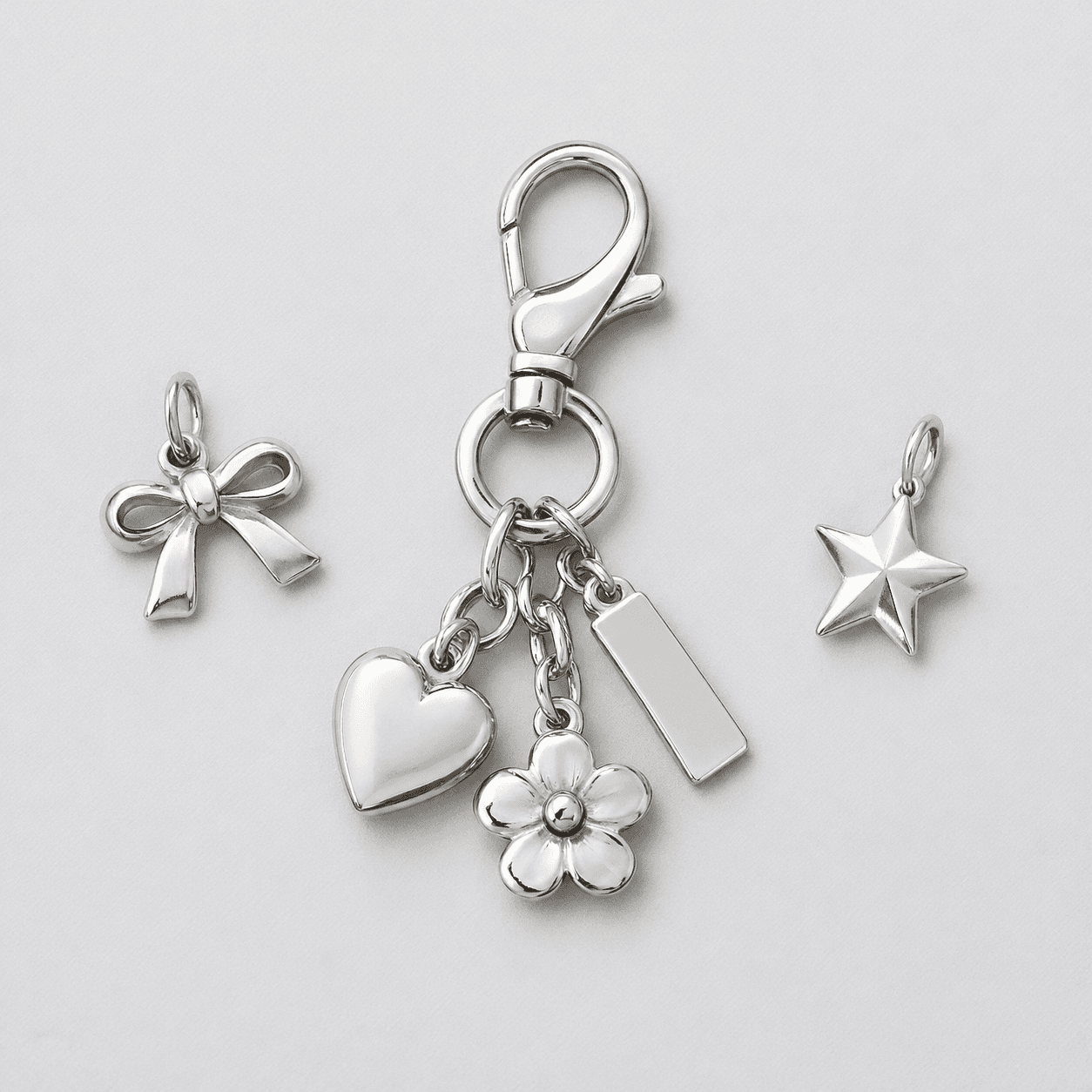
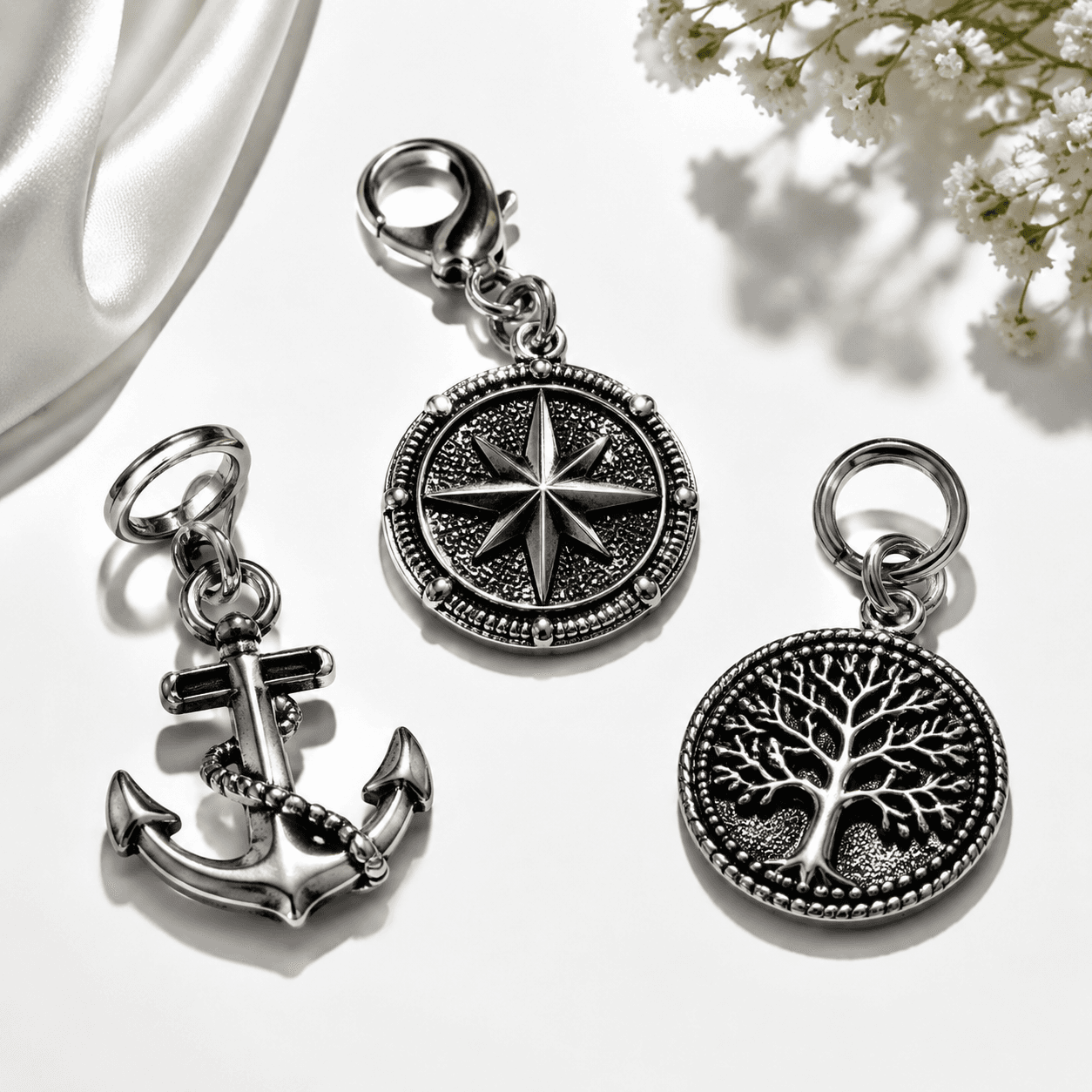
For stainless steel charms, typical options include lobster clasps, trigger clasps, and spring-ring clasps. Jump rings come in various gauges and internal diameters to match different charm hole patterns and chain contexts. When evaluating suppliers, pay attention to:
- Wall thickness and internal diameter tolerances to ensure smooth threading through a jump ring or chain link
- Average pull strength and hinge/torque resistance for active use scenarios
- Finish compatibility with plating options (PVD plated stainless steel, gold plated, rose gold, silver finish)
- Size ranges: common jump rings and clasps in 6–22 mm overall diameter; charm-compatible wall thickness typically 0.8–2.0 mm depending on the application
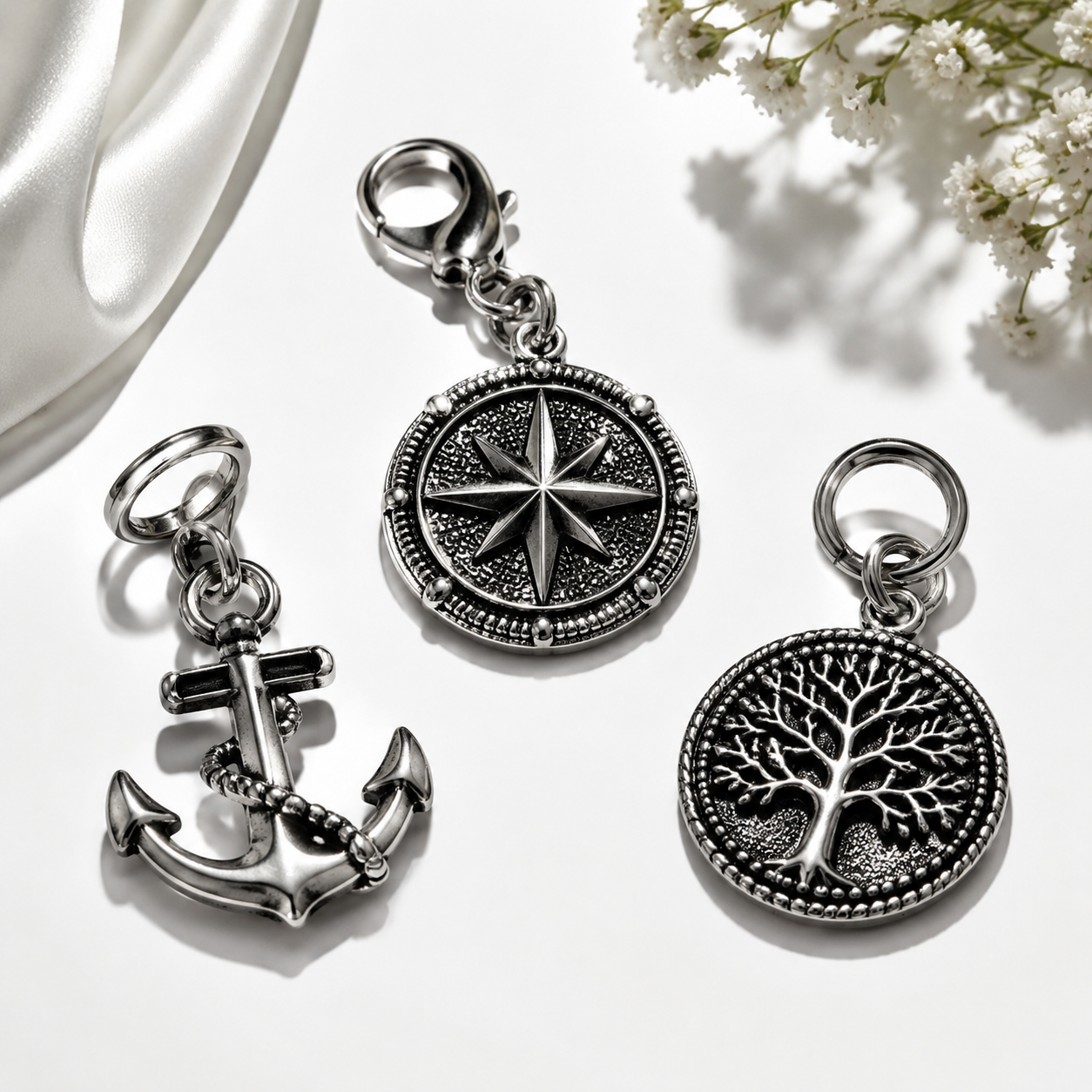
From a sourcing perspective, consider that the OEM/ODM partner should offer a cohesive catalog of clasp and jump-ring options that thread through real holes or loops in a plausible and fully closed manner. This ensures reliability in actual wear scenarios and aligns with private-label packaging standards.
Finishes and compatibility: plating, enamel, and crystal inlay
316L stainless steel clasps and jump rings can be finished in PVD plating, which delivers durable color fastness and abrasion resistance. If you plan enamel color filling or crystal inlays in adjacent components, ensure that the base metal surface preparation is robust to prevent flaking or cracking at the clasp edge or ring welds. PVD gold plating, silver finish, and rose gold plating are common options and should be specified with plating thickness guarantees (often expressed in microns) and adhesion criteria. For enamel-filled surfaces, note compatibility with heat or chemical bath processes used during finishing. A reputable supplier will provide process documentation that demonstrates adhesion, corrosion resistance, and long-term color stability in typical environmental exposures (sweat, humidity, salt spray).
Compliance, sourcing criteria, and vendor vetting
To satisfy global audits and regulatory expectations, prefer a partner with SGS certifications covering RoHS, REACH, Nickel Release EN1811, and Salt Spray testing (240H). Such documentation supports compliance across US, EU, UK, AU, CA, DE, FR, SP, NE, and RU markets. A modern facility with CNC, laser cutting, laser marking, welding, and polishing capabilities — as described in Lancy Jewelry’s profile — offers predictable lead times and repeatable finishes for clasps and jump rings used in private-label programs and wholesale orders.
Benefits/Why it matters
Key benefits for procurement teams
- Consistent plating quality across batches, reducing returns and QA hurdles in cross-market launches
- Verified material integrity with SGS certified RoHS/REACH/Nickel Release EN1811 and Salt Spray testing
- Low MOQ support and scalable production through OEM/ODM arrangements suited to private-label programs
- Private-label packaging options and streamlined sample development for rapid market entry
Why this matters for audits and documentation
Auditors increasingly scrutinize supplier documentation, material declarations, and finish specifications. With a 316L stainless steel base and clearly defined processes (CNC, laser, plating, finishing), you obtain traceable material data, finish tolerances, and test results that support compliance in multiple jurisdictions. Having a verified supplier that can provide a detailed Bill of Materials (BOM), material safety data, and test certificates reduces risk during supplier qualification and annual audits.
Detailed analysis / Guide
Step 1 — Define mechanical and compatibility requirements
- Determine the intended application context (charms, charm bar, or gift program) and load expectations
- Specify clasp type (lobster, trigger, or spring ring) and jump ring inner diameter to fit your chains and hole patterns
- Set tolerance bands for diameter, wall thickness, and overall weight to ensure consistent pairing with chain specs
Step 2 — Material and chemical considerations
Confirm 316L stainless steel as the base material and document its chemical composition. Ensure supplier data sheets reflect Cr, Ni, Mo ranges, carbon content, and heat treatment practices that impact corrosion resistance and weldability. For private-label programs, verify that all bare metal surfaces meet corrosion and nickel-release standards prior to finishing.
Step 3 — Finishes and surface treatments
- Choose PVD plating options (gold, rose gold, silver) with documented thickness ranges and adhesion specs
- If using enamel or crystal inlays adjacent to clasps and rings, confirm surface preparation and edge sealing to prevent chip-out
- Assess compatibility with multi-component finishing processes to maintain color uniformity across a product set
Step 4 — Tolerances, QC, and testing
- Establish dimensional tolerances for inner diameter, outer diameter, and clasp gate clearance
- Require plating adhesion tests (crosshatched tape, wipe tests) and salt spray exposure data for integrity under sweat and humidity
- Request EN1811 nickel-release data to support sensitive supply-chain requirements
Step 5 — Documentation and compliance
Collect and verify a robust data package: material spec sheet, process flows, test certificates, and packaging guidelines. This documentation is essential for vendor audits and cross-border shipments. It also supports e-commerce and gift-program packaging with consistent branding across markets.
Step 6 — Supplier vetting and audits
Prefer partners with transparent quality-management practices, traceable lot data, and visible capacity for scale. A modern facility that can demonstrate CNC precision, laser marking, and consistent polishing is better suited to meet the demands of global buyers who require repeatable finishes and stable supply (see OEM/ODM capabilities in the profile).
Step 7 — Sample development and lead times
Request a sample development plan tied to your product line and packaging strategy. The typical cadence includes design confirmation, prototype sampling, first production run, and pre-shipment testing. For private-label or mass-market launches, emphasize fast sample development to minimize time-to-market.
To start a program or discuss specific requirements, leverage the OEM service channel or contact the team directly. You can explore all product options and ordering terms via our site navigation, including the OEM service page at OEM Service, the product catalog at All Products, and the quote flow at Request a Quote. For general inquiries, reach out through Contact.
FAQ
1. What should I consider when selecting clasps and jump rings for 316L stainless steel charms?
Evaluate the material chemistry, plating compatibility, mechanical strength, and QA documentation. Prioritize suppliers that offer SGS-certified reports (RoHS, REACH, EN1811), low MOQ options, and a clear sample-development timeline to support private-label packaging and wholesale programs.
2. Do your clasps and jump rings meet RoHS/REACH and nickel-release standards?
Yes. Our SGS-certified processes cover RoHS, REACH, Nickel Release EN1811, and Salt Spray testing, ensuring compliance for global markets.
3. What is the typical MOQ, and can you support private-label programs?
We offer low MOQ options to support private-label and small-batch launches, with scalable manufacturing for bulk orders as programs expand. This alignment helps mitigate risk during early-market introductions.
4. How long is the sample development process?
Sample development timelines vary by design complexity, but a typical cycle spans design confirmation, prototype sampling, and initial testing within a few weeks. Accelerated schedules can be discussed during the RFQ process as part of our ODM/charm factory capabilities.
Partner With Us
Partner with Lancy Jewelry as your 316L stainless steel charms manufacturer for reliable clasps and jump rings that meet global compliance, QC, and packaging needs. Our factory-direct approach, private-label packaging options, and low MOQ support are designed to align with OEM/ODM and wholesale requirements. Ready to start? Discuss your project with our OEM team, explore the full catalogue at All Products, or request a formal quote via Request a Quote. You can also contact our sales team to initiate audits and supplier qualification.
Related resources