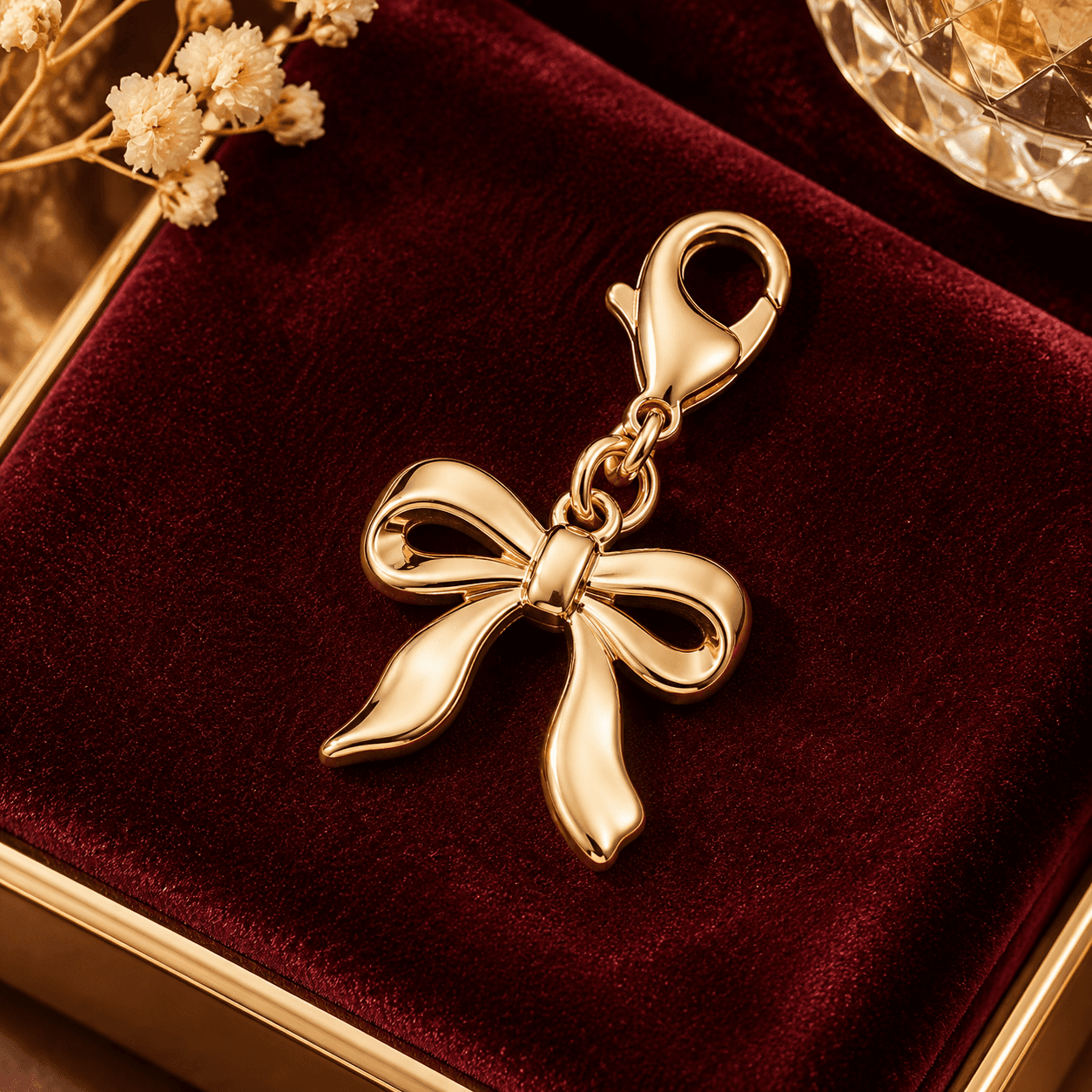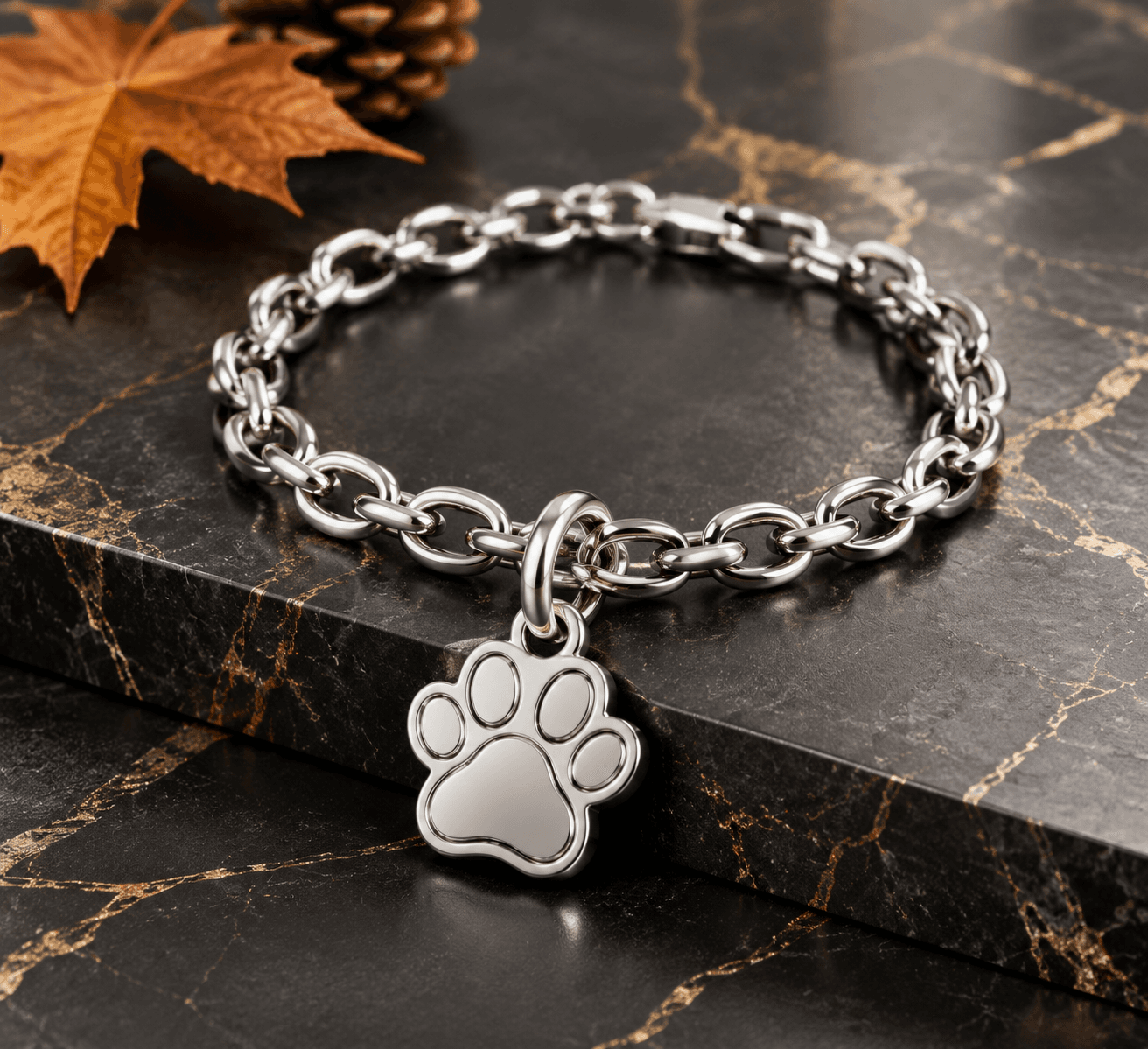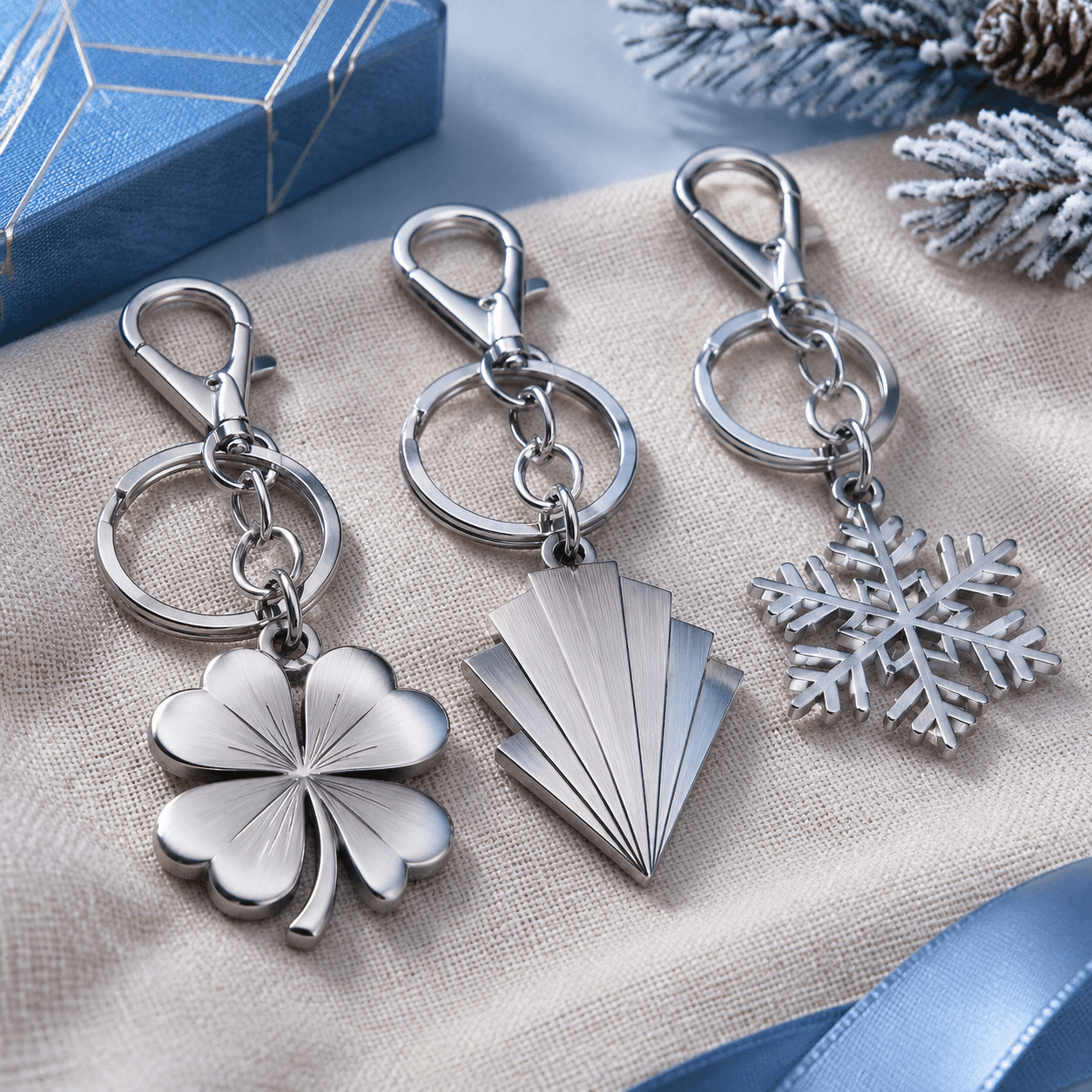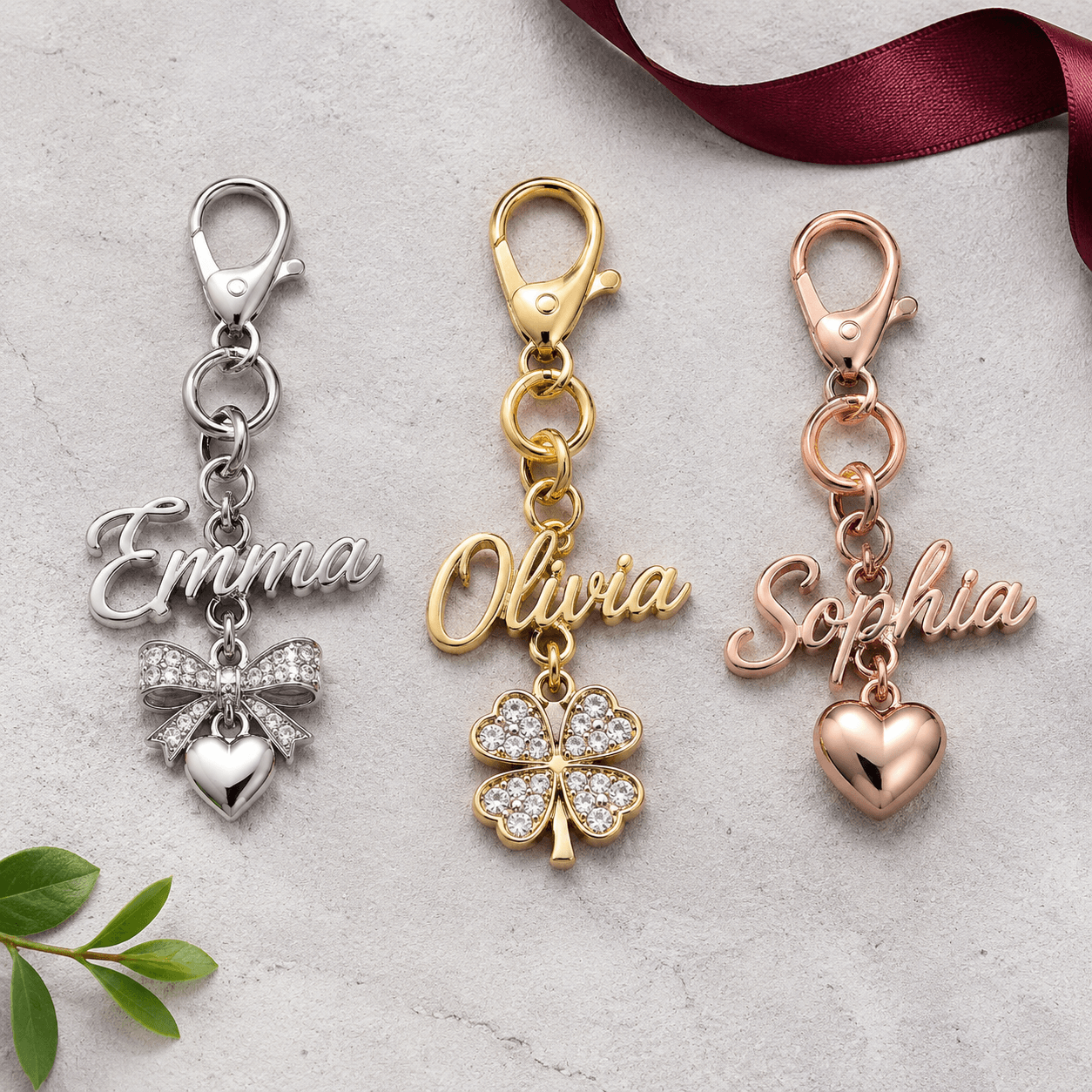
For North American procurement teams, sourcing a stainless steel custom bag charm name program is a quality decision, not a price exercise. A bag charm that fails at the bail, loses its PVD finish after weeks of use, or arrives without documented material compliance creates returns, brand damage, and sourcing delays. This checklist gives you an authoritative framework to vet a stainless steel charms manufacturer on durability, testing standards, and production consistency.

Stainless Steel Custom Bag Charm Name Supplier Quality Checklist
Use this checklist during sample development and supplier audits. Each item is written for procurement teams that need evidence, not assurances.
1. Material and Base Metal Verification
- ☐ Confirm the base material is 316L stainless steel, not a lower-grade stainless steel or alternative base material.
- ☐ Request mill certificates or material test reports that trace the 316L stainless steel sheet or wire to a known supplier.
- ☐ Verify that custom stainless steel charms are stamped, cut, and polished to the specified dimensions and thickness.
- ☐ Check that the bail, jump ring, or connector is made from 316L stainless steel and is integrally formed or welded, not glued.
- ☐ Review the factory's process for separating 316L stainless steel from other metals to prevent cross-contamination.
2. Plating and PVD Durability Checks
- ☐ Require PVD plated stainless steel charms for gold plated, rose gold plating, or silver finish programs, and confirm the PVD process is done in-house or by a qualified subcontractor.
- ☐ Ask for Salt Spray 240H test results on the specific finish and color you are ordering.
- ☐ Test wear resistance with a rub test or abrasion test that simulates daily contact with bags, keys, and clothing.
- ☐ Inspect for plating thickness consistency at edges, recesses, and attachment points where failure often begins.
- ☐ Confirm that enamel color filling and crystal inlay, if used, are specified with adhesion and retention tests.
3. Attachment, Bail, and Connector Integrity
- ☐ Confirm the bail or jump ring is fully closed, properly threaded through a real hole or loop, and sized for the intended bag charm use.
- ☐ Pull-test the attachment to the manufacturer's stated load limit and request the test method and pass/fail criteria.
- ☐ Inspect the connector for sharp edges, weak weld points, or gaps that could open during normal use.
- ☐ Verify that the charm hangs straight and that the attachment does not bind or twist when attached to a bag strap or ring.
- ☐ Require a mechanical integrity check on every bulk charm order, not only on the sample.
4. Compliance and Testing Documentation
- ☐ Obtain SGS certification documents for RoHS, REACH, Nickel Release EN1811, and Salt Spray 240H.
- ☐ Confirm the test reports match the exact material, plating, and enamel or crystal specifications you are sourcing.
- ☐ For US and Canadian buyers, document skin-contact material safety and include FDA and Health Canada considerations where applicable.
- ☐ Check that the supplier can provide declarations of conformity and material safety data sheets for your vendor file.
- ☐ Verify that the factory maintains an audit trail for material lots, plating batches, and final inspection results.
5. Sample Development and Bulk Order Readiness
- ☐ Evaluate the supplier's sample development speed and whether they provide pre-production samples before bulk manufacturing.
- ☐ Confirm the MOQ for 316L stainless steel charms and whether low MOQ charm production is available for boutique launches.
- ☐ Review the OEM and ODM process for logo engraving, custom shapes, private label packaging, and color matching.
- ☐ Ask how the factory controls plating consistency across multiple bulk orders and repeat production runs.
- ☐ Require a written quality agreement that covers inspection standards, AQL levels, and corrective action timelines.
Why This Checklist Protects Your Brand and Margins
Procurement teams in the US and Canada are accountable for supplier performance, compliance documentation, and brand risk. A charm program that looks simple at the sample stage can become a costly quality issue at scale if the supplier lacks tested processes.
Quality and Durability Benefits
316L stainless steel charms offer strong corrosion resistance and everyday durability when the base metal and finish are controlled. PVD plating adds wear resistance and color consistency, which matters for private label charms sold through boutique channels. Salt Spray 240H testing gives you a measurable standard for finish longevity, while Nickel Release EN1811 supports skin-contact compliance. These tests turn vague durability claims into documented performance.
Compliance and Vendor Vetting Advantages
A stainless steel charms manufacturer that provides SGS certification for RoHS, REACH, Nickel Release EN1811, and Salt Spray 240H is easier to approve in North American vendor systems. Procurement teams can attach those reports to supplier onboarding files, audit packages, and customer compliance requests. For OEM and private label programs, this documentation reduces approval friction and supports retail readiness.
Lancy Jewelry operates a modern facility with CNC, laser cutting, laser marking, welding, and polishing. Our SGS certification covers RoHS, REACH, Nickel Release EN1811, and Salt Spray 240H, giving your procurement team the documentation needed for vendor vetting and quality audits.
Detailed Supplier Evaluation Guide for North American Buyers
Use this three-step guide to move from initial inquiry to validated bulk production. The goal is to confirm that the supplier can repeat quality, not just produce one good sample.
Step 1: Pre-Qualify the Manufacturer
Start with a focused RFQ that asks for material certificates, test reports, MOQ, sample lead time, and private label capabilities. Compare responses against the checklist above. A qualified OEM charms manufacturer should answer with specific test standards, not general claims. Confirm the factory handles 316L stainless steel charms as a core product and can show related production experience.
Step 2: Audit Samples and Test Reports
Order pre-production samples in the exact finish, size, and attachment style you plan to sell. Inspect the bail, jump ring, plating edges, and enamel or crystal retention. Match the test reports to the sample specifications. If the supplier sends a report for a different finish or plating batch, treat it as a documentation gap. For North American programs, request English-language reports and declarations that your compliance team can review.
Wear Resistance and Longevity Guarantees
Ask the supplier to define wear resistance in measurable terms. Salt Spray 240H is a useful baseline for plating durability, but you should also request abrasion or rub test results for high-contact areas. Confirm how the supplier handles plating consistency across repeat bulk orders. A written longevity guarantee should specify what is covered, how claims are evaluated, and what corrective action is offered if finish failure occurs.
Documentation and Audit Trail
Review the supplier's batch records, inspection logs, and corrective action process. The factory should be able to trace a finished charm back to the material lot and plating batch. This audit trail is essential for procurement teams managing vendor compliance and customer inquiries. If the supplier cannot produce traceable records, the quality system is not mature enough for repeat bulk charm orders.
Step 3: Validate Production Consistency
Before scaling, request a pilot run or a pre-production batch. Compare it to the approved sample for dimensions, finish color, attachment strength, and surface quality. Confirm that the supplier uses the same 316L stainless steel grade, PVD process, and inspection standard for bulk orders. For private label charms, check packaging, labeling, and logo engraving against the approved specification. A supplier that passes sample development but fails pilot production is a risk you should not carry into a retail launch.
FAQ: Stainless Steel Custom Bag Charm Name Sourcing
What should I verify first when sourcing a stainless steel custom bag charm name program?
Verify the base material first. Confirm the supplier uses 316L stainless steel and can provide mill certificates or material test reports. Then review PVD plating, attachment integrity, and compliance documents. Material verification is the foundation for durability and skin-contact compliance.
Which test reports should a stainless steel charms manufacturer provide?
Request SGS certification for RoHS, REACH, Nickel Release EN1811, and Salt Spray 240H. Ask for reports that match your exact finish, plating color, and enamel or crystal specifications. For North American vendor files, confirm the reports are current and traceable to the production batch.
How do I evaluate wear resistance and longevity guarantees?
Use Salt Spray 240H as a baseline for plating durability, then add abrasion or rub testing for high-contact areas. Ask how the supplier controls plating consistency across bulk orders. A credible longevity guarantee should define coverage, claim evaluation, and corrective action in writing.
Can Lancy Jewelry support low MOQ charm production and private label packaging?
Yes. Lancy Jewelry supports OEM and ODM development, low MOQ charm production, custom logo engraving, PVD plating, enamel color filling, crystal setting, and private-label packaging. Our team provides sample development support and documented quality testing for boutique brands and private-label buyers.
Partner With Lancy Jewelry for Reliable OEM and Private Label Charms
If you need a stainless steel charms manufacturer with documented quality, Lancy Jewelry is ready to support your next bag charm program. We focus on 316L stainless steel charms with PVD plating, enamel, crystal inlay, and private-label packaging. Our factory combines CNC, laser cutting, laser marking, welding, and polishing with SGS certified testing for RoHS, REACH, Nickel Release EN1811, and Salt Spray 240H.
Browse our product catalog, review our OEM service, or request a quote for your custom bag charm name project. For vendor vetting and sample development, contact our sales team with your specifications, target market, and compliance requirements.