Cute Stainless Steel Bag Charm Factory: Compliance Guide
You have a product idea, a small budget, and a launch date. You want cute bag charms that feel boutique-ready, not risky. The right factory can help you test the market with low MOQ, protect your brand with clear compliance documents, and scale only when orders grow. This beginner-friendly checklist explains how jewelry startup founders in North America can evaluate a cute stainless steel bag charm factory before spending on samples or bulk orders.

Use this guide as a sourcing conversation script. It focuses on certifications and compliance, because those details protect your customers, your importer responsibilities, and your brand reputation.
What a Cute Stainless Steel Bag Charm Factory Should Prove First
A factory that only sends photos is not enough. You need a stainless steel charms manufacturer that can explain material grade, plating process, attachment hardware, and test reports in plain language. For startup buyers, the best partner is also honest about low MOQ limits and sample development timelines.
It Uses 316L Stainless Steel as the Base Material
Ask for written confirmation that the base material is 316L stainless steel. This grade is a practical choice for charms because it can be polished, PVD plated, enamel-filled, and set with crystals while keeping a consistent metal look. Lancy Jewelry focuses on 316L stainless steel charms, so your compliance questions start from a clear material base.
It Controls PVD Plating and Surface Finish
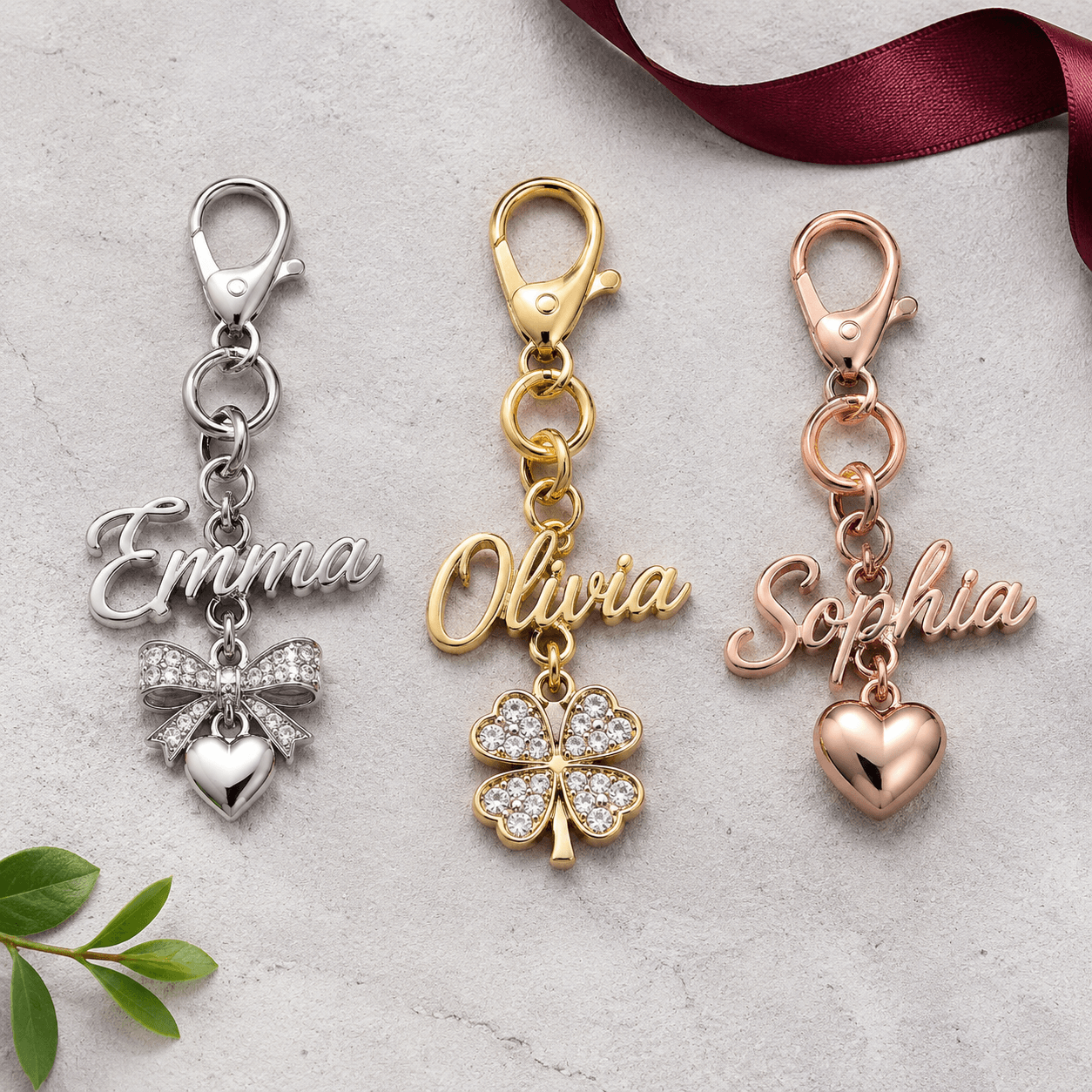
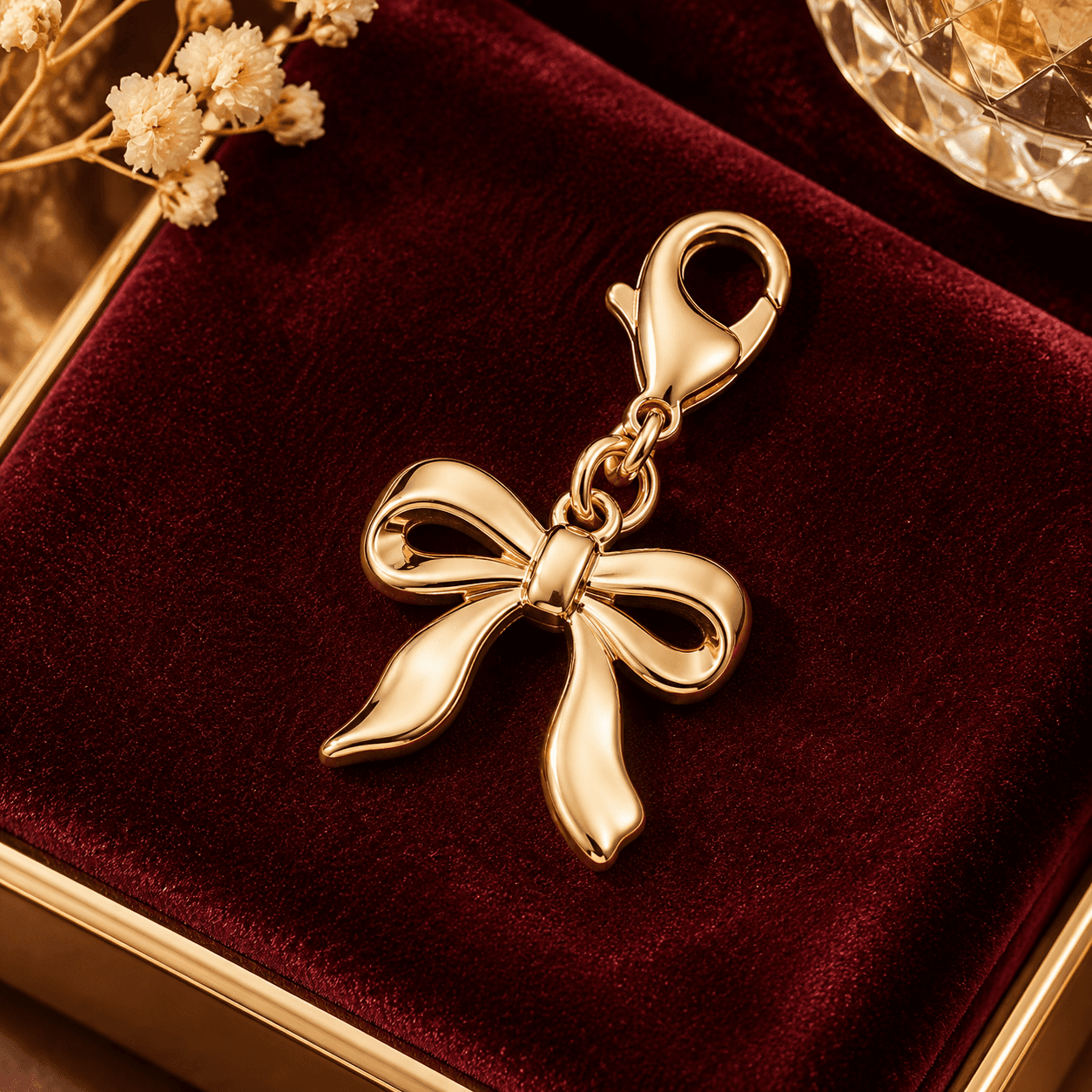
Cute designs depend on clean color and consistent finish. Ask how the factory manages gold plated, rose gold plating, silver finish, and enamel color filling. A good OEM partner will show sample photos under neutral light and explain how it checks plating adhesion and color batch-to-batch.
It Treats Compliance as Part of Sample Development
Compliance should not be a last-minute email. During sample development, ask for the material declaration, plating information, and available test reports. If a supplier cannot answer basic questions before you pay a sample fee, treat that as a warning sign.
Why Certifications and Compliance Matter for North American Launches
North American buyers often ask for proof that jewelry materials meet restricted substance rules and skin-contact expectations. You do not need to be a chemist, but you do need to know which documents to request and what they cover.
RoHS and REACH Help Screen Restricted Substances
RoHS is commonly requested for electrical and electronic products, but jewelry buyers also use it as a restricted substance reference. REACH covers chemical safety in the EU and is widely requested by international buyers. Ask for current SGS reports for RoHS and REACH, and confirm the report matches the material and finish you plan to order.
Nickel Release EN1811 Matters for Skin Contact
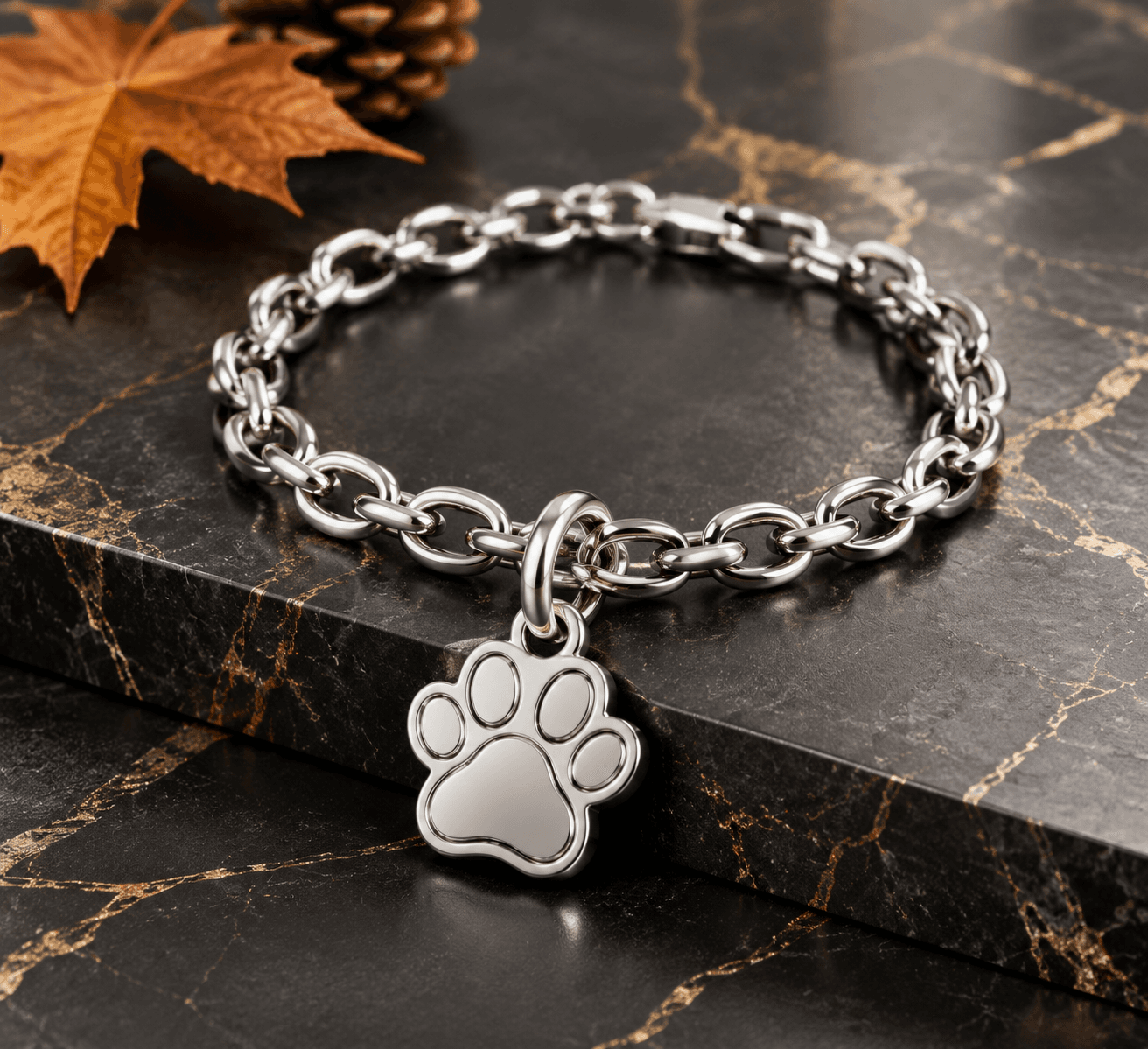
Bag charms may touch hands, bags, and clothing, and some buyers also wear them as jewelry charms. Nickel release testing under EN1811 is a common requirement for items intended for prolonged skin contact. Ask whether the factory can provide nickel release test documentation for the relevant 316L stainless steel and finish combination.
SGS Reports and Salt Spray 240H Support Durability Claims
SGS certification for RoHS, REACH, Nickel Release EN1811, and Salt Spray 240H gives your sourcing team a clearer picture of material safety and finish durability. Salt spray testing is especially useful for PVD gold plated and rose gold plating because it helps you discuss wear expectations with your customers.
FDA and North American Buyer Expectations
In the US, jewelry is not FDA-approved in the way medical products are. Instead, buyers should focus on material safety, nickel release, labeling, and importer responsibility. Canadian buyers may ask similar safety questions. Use compliance documents as part of your due diligence, and ask your factory to explain what each report covers rather than assuming one certificate answers every requirement.
Beginner Checklist: How to Vet a Cute Stainless Steel Bag Charm Factory
Use this checklist before you approve a sample or place a bulk order. Save it as a simple scorecard and ask every candidate factory the same questions.
Step 1: Define the Charm Brief and Budget
☐ Confirm the charm size, design style, finish, and attachment type. ☐ Decide whether you need enamel, crystal inlay, logo engraving, or private label packaging. ☐ Set a realistic sample budget and ask for low MOQ options that let you test the market before scaling.
Step 2: Confirm the Base Material in Writing
☐ Ask for written confirmation that the base material is 316L stainless steel. ☐ Request the material specification and finish details for gold plated, silver finish, or rose gold plating. ☐ Make sure the quotation clearly states the material so there is no confusion later.
Step 3: Request Current Compliance Documents
☐ Ask for SGS reports for RoHS, REACH, Nickel Release EN1811, and Salt Spray 240H where relevant. ☐ Check that the report date, material, and finish match your order. ☐ Keep copies in your sourcing file and ask the factory how often reports are updated.
Step 4: Review Sample Development and Attachment Logic
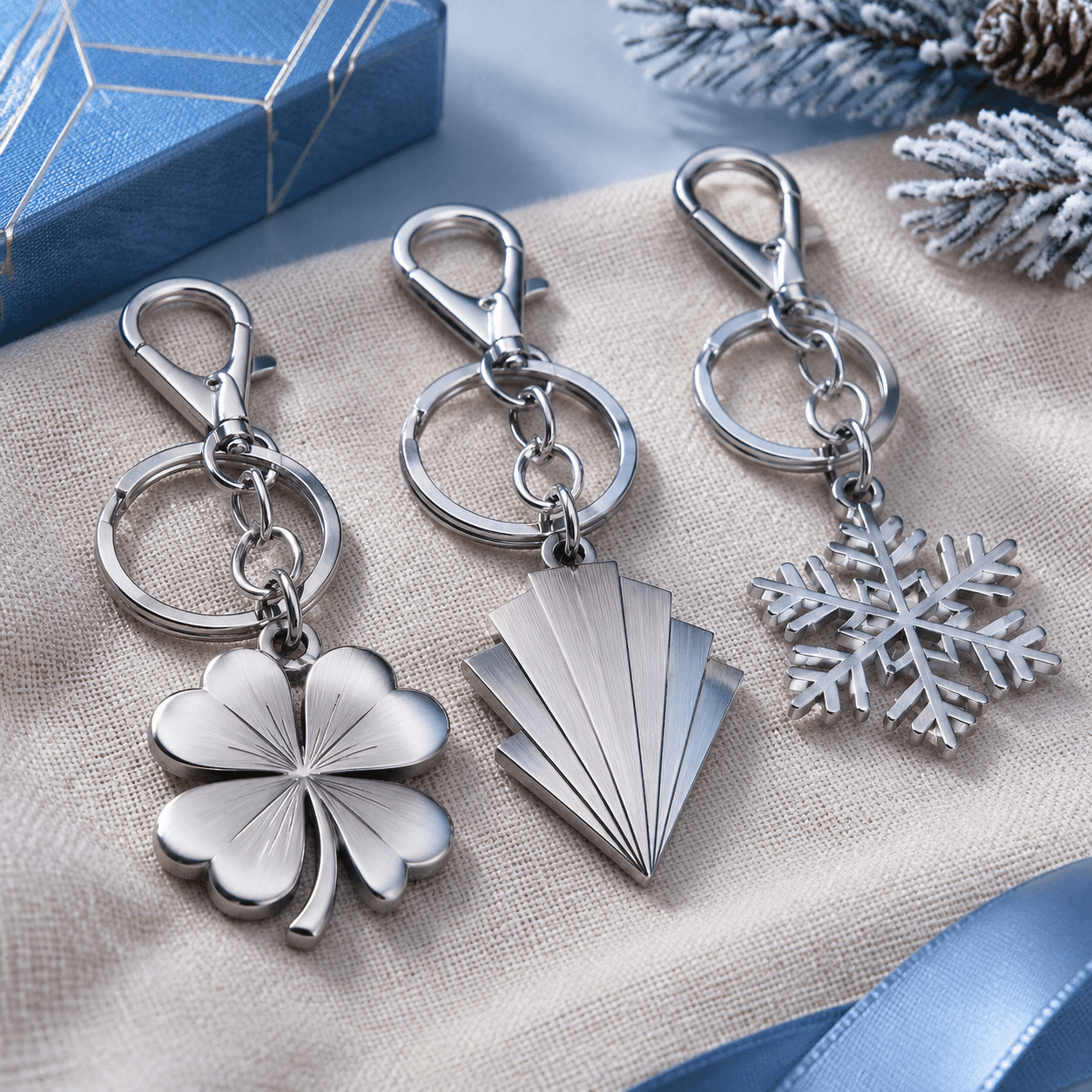
☐ Ask how the factory will show the bail or jump ring in the sample. ☐ Confirm that connectors are physically plausible and pass through real holes or loops. ☐ Review front design, metal finish, and surface quality in close-up photos before approving bulk production.
Step 5: Compare MOQ, Lead Time, and Bulk Order Terms
☐ Ask for the lowest MOQ for your chosen design and finish. ☐ Confirm sample lead time, production lead time, and packaging lead time. ☐ Request a clear RFQ with unit price, tooling or setup fees, payment terms, and shipping terms.
Step 6: Confirm Private Label and Packaging Support
☐ Ask whether private label packaging is available, such as cards, pouches, or display trays. ☐ Confirm logo engraving limits and artwork requirements. ☐ Request a packaging mockup if your brand relies on retail-ready presentation.
Step 7: Test Communication Before You Commit
☐ Send a short RFQ with 3 to 5 questions and see how quickly the factory responds. ☐ Ask for a named contact and a clear sample development schedule. ☐ Choose a supplier that explains compliance simply and gives you written answers you can share with your own buyers.
Frequently Asked Questions
Do I need SGS reports for every cute bag charm order?
Ask for reports that match the material and finish you are ordering. Keep current SGS reports for RoHS, REACH, Nickel Release EN1811, and Salt Spray 240H in your sourcing file. If a finish or material changes, request updated documentation.
Is 316L stainless steel a good base for bag charms?
Yes, 316L stainless steel is a practical base for charms because it supports PVD plating, enamel, crystal inlay, and logo engraving. It also gives buyers a clear material story for North American customers.
How can a startup test the market with low MOQ?
Start with a small series of best-selling shapes, simple finishes, and one or two packaging options. Ask the factory for low MOQ production and sample development support before you invest in a large bulk order.
What should I ask before approving a sample?
Check the base material, finish, attachment hardware, and compliance documents. Look closely at the bail or jump ring, front design, and surface quality. Approve only when the sample matches your brief and the factory answers your questions in writing.
Partner With Lancy Jewelry for Compliant 316L Stainless Steel Charms
Lancy Jewelry is a B2B OEM/ODM 316L stainless steel charms manufacturer for boutique brands, charm bar retailers, gift companies, and private-label buyers. Our factory supports custom stainless steel charms, logo engraving, PVD plating, enamel color filling, crystal setting, and private-label packaging with low MOQ options and fast sample development. We are SGS certified for RoHS, REACH, Nickel Release EN1811, and Salt Spray 240H. Explore our All Products, review OEM Service, or send your brief through Request a Quote. You can also Contact our sales team for a sourcing checklist and sample discussion.