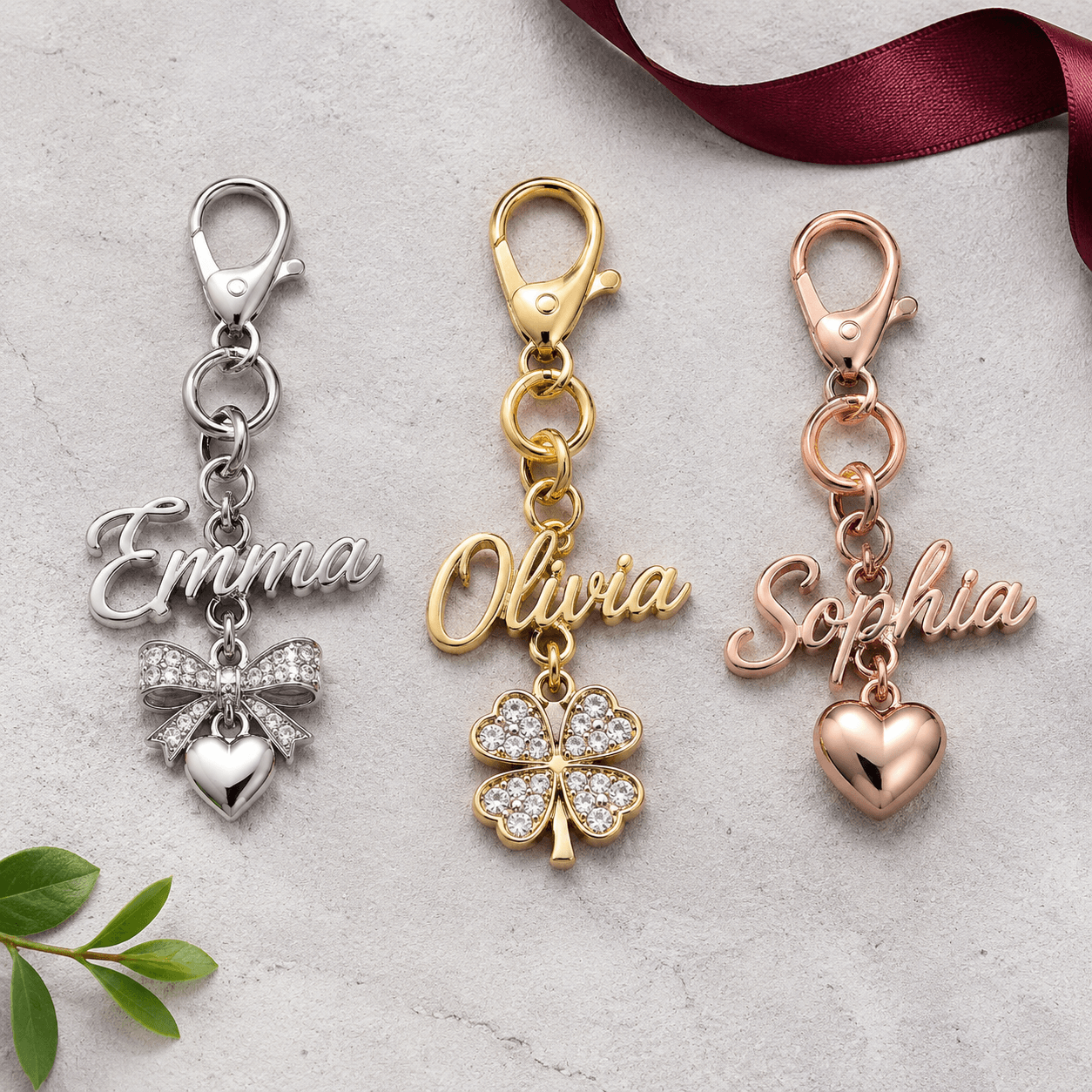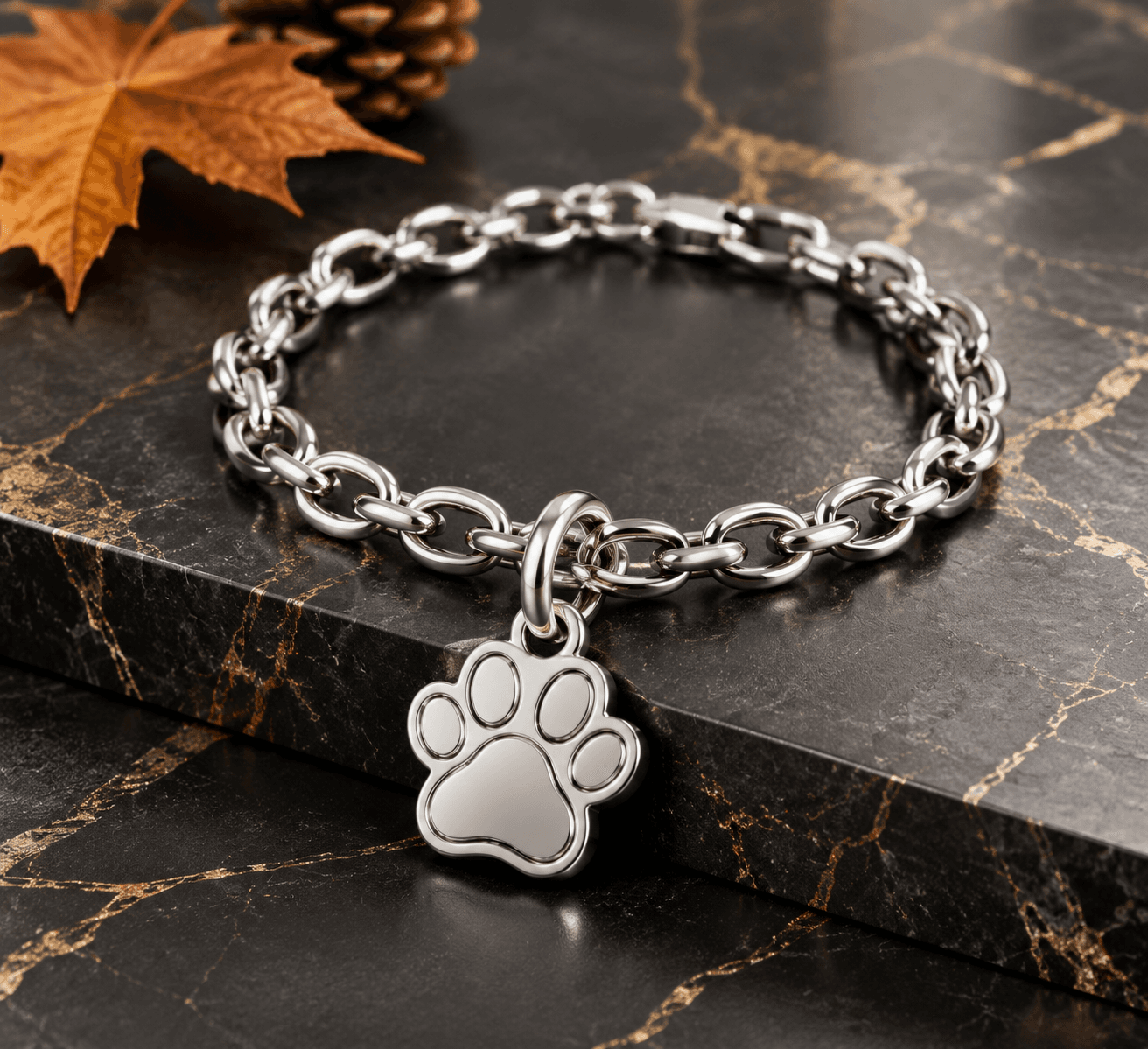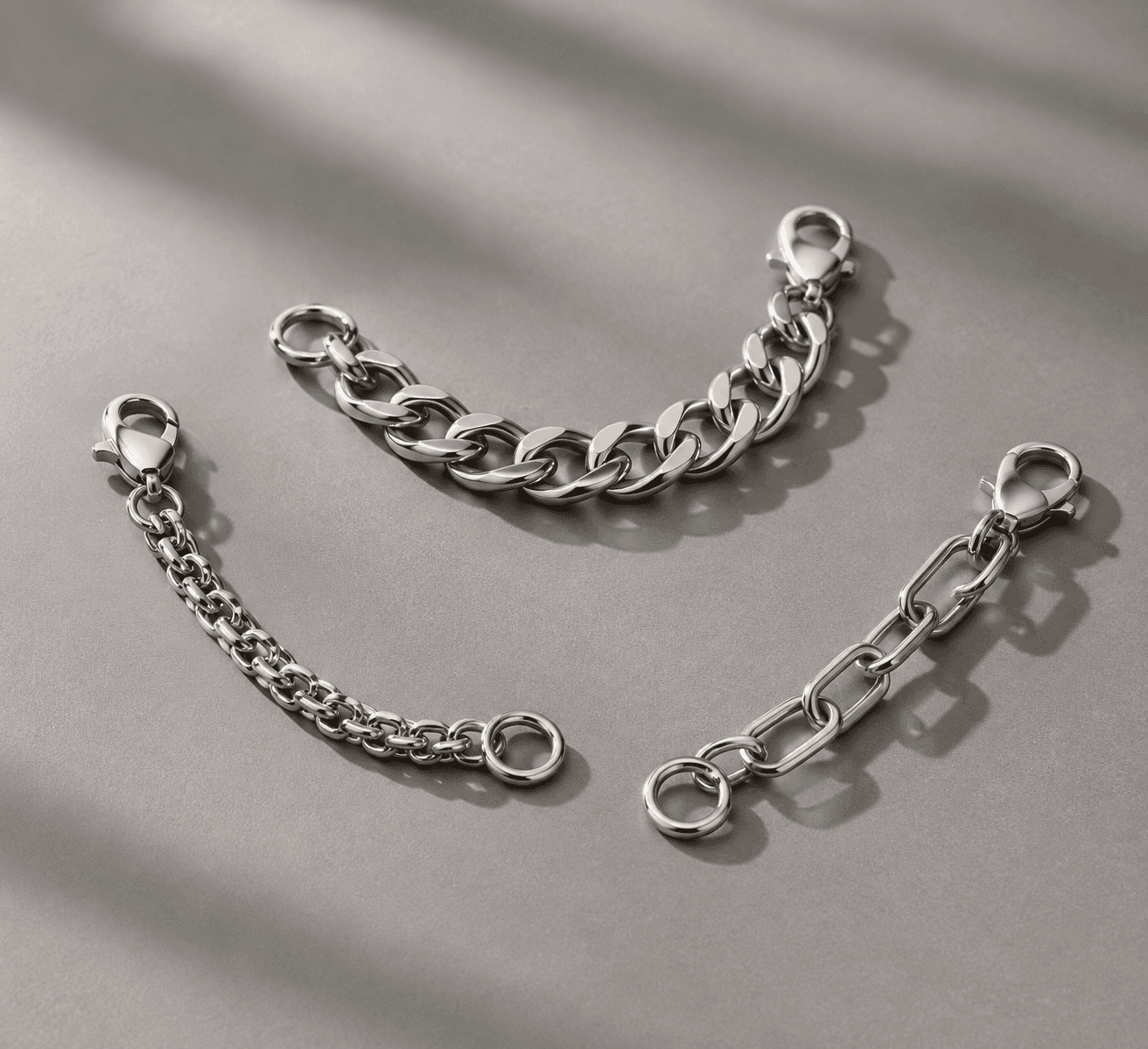
Choosing a supplier for custom bag charm keychains is a procurement decision that affects product durability, regulatory compliance, customer satisfaction, and long-term sourcing costs. A competitive quotation means little if the delivered products have inconsistent dimensions, unstable plating, unreliable attachment hardware, or incomplete compliance documentation.
For North American boutique brands, gift companies, distributors, and private-label buyers, supplier qualification must go beyond reviewing product photographs and comparing unit prices. Procurement teams need objective evidence that a factory can control material quality, reproduce approved samples, maintain production consistency, and support commercial orders over time.
This advanced sourcing checklist explains how to assess stainless steel custom bag charm keychain suppliers, verify manufacturing claims, evaluate durability testing, and establish a practical vendor approval process. Use it before issuing an RFQ, approving samples, or committing to bulk production.
How to Vet Stainless Steel Custom Bag Charm Keychain Suppliers
1. Verify the Supplier's Actual Manufacturing Capabilities
Start by determining whether the supplier operates a manufacturing facility, manages production through qualified partners, or primarily handles trading and order coordination. These business models can all serve legitimate sourcing needs, but procurement teams must understand who controls critical production processes.
A qualified stainless steel charms manufacturer should be able to explain its production workflow, equipment capabilities, quality checkpoints, and responsibility for corrective actions.
- ☐ Request a company profile showing the factory's actual manufacturing capabilities.
- ☐ Confirm whether CNC machining, laser cutting, laser marking, welding, and polishing are performed in-house.
- ☐ Ask which processes are outsourced and how external production partners are qualified.
- ☐ Review production capacity, normal lead times, and peak-season order planning.
- ☐ Identify the person responsible for quality assurance and production approvals.
- ☐ Request photographs or a live walkthrough of relevant production equipment and inspection areas.
Do not accept equipment lists as sufficient evidence. Ask the supplier to explain how each process affects the final product. For example, laser cutting influences dimensional accuracy, polishing affects edge quality, and laser marking determines the consistency of custom logos.
2. Confirm 316L Stainless Steel Material Traceability
Material verification should be a mandatory supplier qualification requirement. The supplier must demonstrate that the approved product uses 316L stainless steel as its base material and that the same specification is maintained throughout production.
Request the following documentation before approving the first production order:
- ☐ Material specification identifying 316L stainless steel.
- ☐ Available material mill certificates or supplier declarations.
- ☐ Batch or lot identification records connecting incoming material to production orders.
- ☐ Material verification procedures and inspection records.
- ☐ Written confirmation that production substitutions require buyer approval.
- ☐ Records showing how nonconforming incoming material is identified and isolated.
Where material identity is critical, discuss appropriate verification methods with the supplier. Positive material identification using suitable analytical equipment can help establish material composition. However, procurement teams should understand the limitations of each method and confirm that the selected test can distinguish the required grade.
Do not rely exclusively on a product description, invoice statement, or verbal assurance. Material traceability must connect the documented specification to the actual production lot.
3. Inspect Product Engineering and Attachment Reliability
Bag charm keychains experience repeated movement, handling, pulling, and contact with other objects. Their attachment systems therefore require the same engineering attention as the decorative component.
- ☐ Inspect jump rings, loops, attachment holes, and connector dimensions.
- ☐ Confirm that every connector passes through a genuine opening or loop.
- ☐ Check that closed connectors have consistent gaps and secure connections.
- ☐ Inspect welded joints for visible defects and inconsistent finishing.
- ☐ Verify that the attachment mechanism moves correctly without excessive looseness.
- ☐ Check edges and corners for burrs, sharp transitions, and surface irregularities.
- ☐ Confirm that the charm remains correctly oriented during normal use.
Request dimensional drawings for important components, including outer dimensions, thickness, hole diameter, connector dimensions, and acceptable tolerances. These specifications should become part of the approved product reference.
A supplier should also explain its mechanical inspection procedure. Pull testing, repeated attachment testing, and connection integrity assessments can help identify weaknesses before commercial production. Establish test loads, cycle counts, sample quantities, and acceptance criteria according to the intended application rather than relying on undefined statements such as strong or durable.
Why Supplier Quality Verification Matters
1. Reduce Product Returns and Long-Term Sourcing Costs
The lowest quotation is not necessarily the lowest-cost purchasing decision. A supplier with inconsistent polishing, variable dimensions, or unstable surface finishing can create additional inspection costs, customer complaints, replacements, and delayed product launches.
Procurement teams should evaluate total landed and quality-related costs instead of comparing unit prices in isolation. Consider these factors:
- ☐ Sample development and engineering charges.
- ☐ Inspection and laboratory testing expenses.
- ☐ Defect rates and replacement policies.
- ☐ Packaging damage and transportation risks.
- ☐ Production lead-time reliability.
- ☐ Rework, sorting, and corrective-action costs.
A supplier with documented production controls and repeatable finishing standards can offer better commercial predictability, particularly for recurring bulk charm orders.
2. Establish Verifiable Compliance and Safety Documentation
North American procurement teams should request current, relevant test documentation rather than treating a generic certificate as proof of universal compliance. The correct requirements depend on product construction, intended users, marketing claims, distribution channels, and applicable regulations.
Lancy Jewelry supports supplier documentation and testing for relevant requirements, including SGS-certified RoHS, REACH, Nickel Release EN1811, and Salt Spray 240H documentation.
Review each document against the actual product and its intended market:
- ☐ RoHS documentation: Check the applicable scope, tested components, and restricted-substance requirements.
- ☐ REACH documentation: Confirm the relevant regulatory requirements, substance scope, and reporting date.
- ☐ Nickel Release EN1811: Verify the test method, tested configuration, result, and applicable product category.
- ☐ Salt Spray 240H: Review the test conditions, sample preparation, exposure duration, and evaluation results.
- ☐ SGS documentation: Confirm report authenticity, issuing laboratory, sample identification, and report number.
Important: A laboratory report is evidence of a specific test under specified conditions. It is not an unlimited guarantee that every future production batch will achieve identical results. Procurement teams should confirm whether the tested sample represents the production specification and establish retesting triggers when materials, finishes, suppliers, or manufacturing processes change.
3. Understand US and Canadian Regulatory Responsibilities
For the US market, decorative bag charms are not automatically subject to every consumer-product regulation. Requirements depend on the product's intended use, composition, claims, and target consumer.
The Consumer Product Safety Commission (CPSC) is an important reference for applicable consumer-product safety obligations. If a product is designed or marketed primarily for children, additional requirements may apply under the Consumer Product Safety Improvement Act (CPSIA), including relevant lead-content, testing, certification, and tracking-label obligations.
For Canada, procurement teams should assess applicable requirements under Canadian consumer-product legislation and relevant chemical restrictions. Obtain product-specific advice when selling products intended for children or products carrying special safety claims.
FDA considerations also require accurate regulatory classification. The FDA is not a general-purpose certification authority for ordinary decorative bag charms. Its requirements may become relevant if a product falls within an FDA-regulated category or makes claims that bring it under FDA jurisdiction. Do not advertise FDA approval or certification without a valid, applicable regulatory basis.
Use this compliance checklist:
- ☐ Document the intended age group and product use.
- ☐ Identify the applicable US and Canadian regulatory requirements.
- ☐ Request test reports covering relevant product configurations.
- ☐ Review labeling, traceability, and documentation obligations.
- ☐ Maintain records supporting all product safety and marketing claims.
- ☐ Obtain qualified regulatory advice when classification is uncertain.
Detailed Supplier Evaluation Checklist: Quality and Durability
Step 1: Evaluate Surface Finish and Plating Performance
For custom 316L stainless steel charms, surface appearance and finish consistency directly influence perceived product quality. Buyers should evaluate the actual production finish rather than relying on digital renderings or isolated presentation samples.
When sourcing PVD plated stainless steel charms, ask the factory to document its surface preparation, plating process controls, color standards, and inspection criteria.
- ☐ Confirm the approved gold plated, silver finish, or rose gold plating specification.
- ☐ Request a physical finish reference for future production comparisons.
- ☐ Inspect color uniformity across flat surfaces, recessed details, and edges.
- ☐ Check for pinholes, discoloration, uneven coverage, and visible surface defects.
- ☐ Request coating adhesion and wear-resistance testing where appropriate.
- ☐ Establish acceptable appearance standards under consistent lighting conditions.
Ask the supplier how it evaluates finish performance after repeated handling and environmental exposure. Depending on the application, relevant tests may include coating adhesion assessment, abrasion resistance, artificial perspiration exposure, and corrosion evaluation.
Salt spray testing deserves particular attention. A 240-hour result can provide useful comparative information under a specified test protocol, but it should not be translated directly into a fixed number of years of real-world service life. Actual durability depends on exposure conditions, maintenance, wear, and product construction.
Step 2: Evaluate Enamel and Crystal Inlay Quality
Decorative features introduce additional quality risks. Enamel color filling requires controlled application, curing, and surface inspection. Crystal inlay requires consistent positioning, secure retention, and reliable finishing around the setting.
- ☐ Approve physical color references before mass production.
- ☐ Check enamel coverage, color consistency, and visible surface defects.
- ☐ Inspect the boundaries between decorative details and the surrounding surface.
- ☐ Check crystal positioning, setting security, and alignment.
- ☐ Request appropriate retention and handling tests.
- ☐ Define rejection criteria for missing, loose, damaged, or visibly misaligned decorative elements.
For repeat orders, retain an approved golden sample and documented visual standards. This makes it easier to identify gradual process changes and maintain consistent product presentation across different production runs.
Step 3: Examine the Factory's Quality Control System
Do not ask only whether the factory performs quality inspections. Ask when inspections occur, what characteristics are measured, who approves results, and how failures are handled.
A mature QC process should cover several production stages:
- ☐ Incoming inspection: Verify material identity, quantity, and documented specifications.
- ☐ First-article inspection: Confirm dimensions, construction, logo placement, and finishing before full production.
- ☐ In-process inspection: Monitor cutting, welding, polishing, marking, plating, and decorative operations as applicable.
- ☐ Final inspection: Check appearance, dimensions, attachment integrity, and order completeness.
- ☐ Packaging inspection: Verify protective packaging, labeling, and packing specifications.
Ask for sample inspection records and examples of nonconformity reports. The supplier should be able to demonstrate how defects are classified, investigated, corrected, and prevented from recurring.
For larger purchase orders, agree on a written inspection plan. Buyers may specify an appropriate sampling method, acceptance quality limit, critical defect classification, and pre-shipment inspection requirements. An AQL-based inspection can support decision-making, but it does not replace process controls or guarantee that every individual unit is defect-free.
Step 4: Verify Sample Development Before Bulk Production
Sample approval is one of the most important risk-control stages in custom manufacturing. Never treat a sample as a simple visual reference when the final order requires precise dimensions, consistent surface treatment, or customized decorative details.
- ☐ Submit complete drawings, dimensions, artwork, and logo requirements.
- ☐ Specify the exact 316L stainless steel material requirement.
- ☐ Define the required PVD finish and decorative specifications.
- ☐ Approve attachment hardware and mechanical construction.
- ☐ Evaluate the physical sample under realistic handling conditions.
- ☐ Record all approved specifications and revision numbers.
- ☐ Obtain written confirmation that bulk production will follow the approved reference.
Where modifications are necessary, maintain a revision history. Each approved sample should be identifiable by date, specification version, and project reference. This prevents misunderstandings when procurement, product development, and factory teams exchange updated files.
Step 5: Audit Packaging and Order Traceability
For North American boutique and gift programs, packaging quality is part of the delivered product experience. A technically acceptable charm can still generate complaints if it arrives scratched, tangled, incorrectly labeled, or inconsistently packed.
- ☐ Approve individual packaging and protective separation requirements.
- ☐ Confirm private-label packaging artwork and logo placement.
- ☐ Check barcode, SKU, and product identification accuracy where required.
- ☐ Review carton specifications and shipping protection.
- ☐ Confirm lot identification and order-level traceability.
- ☐ Establish procedures for investigating transit damage and missing items.
Packaging specifications should be included in the purchase order rather than handled as informal instructions near the shipping date.
Step 6: Evaluate Commercial Reliability and Production Flexibility
After technical qualification, evaluate whether the supplier can support the commercial structure of your business. Boutique brands and private-label buyers often require smaller initial orders, coordinated product series, and repeat production with consistent specifications.
Ask the supplier to clarify:
- ☐ MOQ requirements for standard and customized designs.
- ☐ Sample development lead times and approval procedures.
- ☐ Production lead times and available capacity.
- ☐ Pricing validity and potential cost adjustments.
- ☐ Reorder consistency and retained production specifications.
- ☐ Packaging customization and private-label support.
- ☐ Communication procedures for production delays or quality issues.
A qualified OEM charms manufacturer should be able to explain how customization affects tooling, processing, sampling, minimum quantities, and delivery schedules. Low MOQ support is valuable, but procurement teams should verify whether the quoted MOQ applies to each design, finish, color, or complete order.
Advanced Vendor Qualification: Documents Every Procurement Team Should Request
Before approving a new supplier, establish a controlled documentation package. The following records create a practical audit trail and help purchasing teams compare vendors objectively.
| Document | Purpose | Verification point |
|---|---|---|
| Company and factory profile | Confirms manufacturing scope | Actual equipment and process ownership |
| Material specification | Confirms 316L stainless steel requirements | Traceability to production lots |
| SGS test reports | Supports relevant compliance claims | Scope, sample identity, and report validity |
| Product drawings | Defines technical specifications | Dimensions and approved tolerances |
| Approved sample record | Controls production reference | Revision and buyer approval |
| QC inspection plan | Defines acceptance requirements | Inspection frequency and defect criteria |
| Corrective-action records | Demonstrates problem-solving capability | Root cause and preventive measures |
| Packaging specification | Controls presentation and shipment | Labeling and protection requirements |
For factory audits, use a consistent scoring framework. Consider assigning 25% to material and compliance control, 25% to manufacturing and QC capabilities, 20% to product durability, 15% to commercial reliability, and 15% to documentation and communication. These percentages are an example procurement framework, not a mandatory industry standard. Adjust the weighting to reflect your product risks.
Set minimum approval thresholds before reviewing quotations. A supplier should not compensate for missing material traceability or critical compliance evidence simply by offering a lower price.
Common Supplier Evaluation Mistakes to Avoid
- Approving suppliers based on photographs: Images cannot establish material identity, plating performance, or mechanical reliability.
- Accepting certificates without reviewing scope: A report for one sample does not automatically cover every design or production batch.
- Skipping attachment testing: A visually attractive charm can still fail through a weak connector or poorly finished opening.
- Ignoring sample-to-production differences: Written specifications and first-article approvals are necessary to control consistency.
- Using vague durability guarantees: Require measurable test methods, conditions, acceptance criteria, and documented responsibilities.
- Choosing solely by MOQ: Low minimum quantities have limited value if quality and repeat-order control are unreliable.
- Failing to document changes: Unapproved modifications to dimensions, finish, or decorative details can create serious purchasing disputes.
FAQ: Vetting Stainless Steel Custom Bag Charm Keychain Suppliers
1. What certifications should I request from a stainless steel bag charm supplier?
Request documentation relevant to the product and destination market. Commonly useful records include RoHS, REACH, Nickel Release EN1811, and applicable corrosion testing reports. Verify the issuing laboratory, test scope, sample identification, and report date. For children's products, assess additional applicable requirements separately.
2. How can I verify that custom bag charms use 316L stainless steel?
Request material specifications, available mill certificates, incoming inspection records, and production lot traceability. Where necessary, arrange suitable material identification testing. Ensure the documentation relates to the actual production material rather than an unrelated reference sample.
3. Does a 240-hour salt spray test guarantee long-term plating durability?
No. A Salt Spray 240H report demonstrates performance under specified laboratory exposure conditions. It does not establish a universal service-life guarantee. Buyers should also evaluate coating adhesion, wear resistance, surface preparation, and actual application conditions.
4. What should I include in an RFQ for custom stainless steel bag charm keychains?
Include product drawings, dimensions, 316L stainless steel requirements, PVD finish specifications, decorative details, attachment design, logo artwork, packaging requirements, target quantities, MOQ expectations, testing requirements, sample deadlines, and delivery destination. Ask suppliers to identify exclusions, tooling charges, and production lead times in their quotations.
Partner With Lancy Jewelry for OEM and ODM Stainless Steel Charms
Supplier qualification should lead to a manufacturing partnership built on measurable quality standards, transparent communication, and repeatable production processes. Lancy Jewelry supports boutique jewelry brands, charm bar retailers, gift companies, distributors, and private-label buyers seeking dependable 316L stainless steel charms manufacturing.
Our modern manufacturing facility integrates CNC machining, laser cutting, laser marking, welding, and polishing capabilities. Our OEM and ODM services support customized designs, logo engraving, PVD plating, enamel color filling, crystal setting, sample development, and private-label packaging.
We also support relevant SGS-certified documentation covering RoHS, REACH, Nickel Release EN1811, and Salt Spray 240H, helping buyers build a more structured supplier qualification process.
Whether you are developing a coordinated bag charm program, expanding a charm bar assortment, or preparing recurring wholesale stainless steel charms orders, our team can help translate your product requirements into a documented manufacturing specification.
Explore our 316L stainless steel product catalog to review available product directions. Learn more about our OEM and ODM manufacturing services for customized development and private-label projects.
Ready to evaluate a new manufacturing partner? Submit your RFQ with your drawings, estimated quantities, finish requirements, and target delivery schedule. You can also contact Lancy Jewelry to discuss sample development, MOQ requirements, testing documentation, and your next bulk production project.
Make supplier approval a documented process, not a purchasing guess. Choose a manufacturing partner that can demonstrate material control, measurable durability, and consistent production quality.