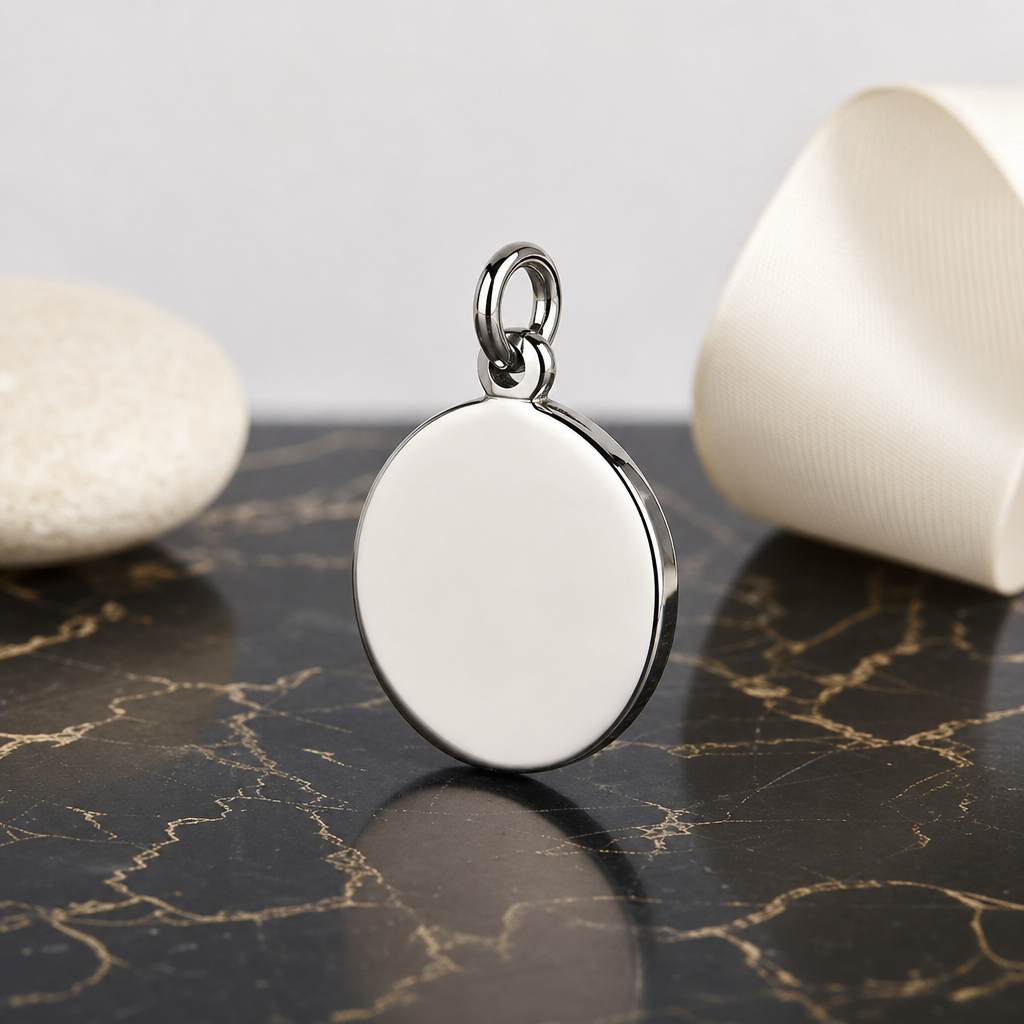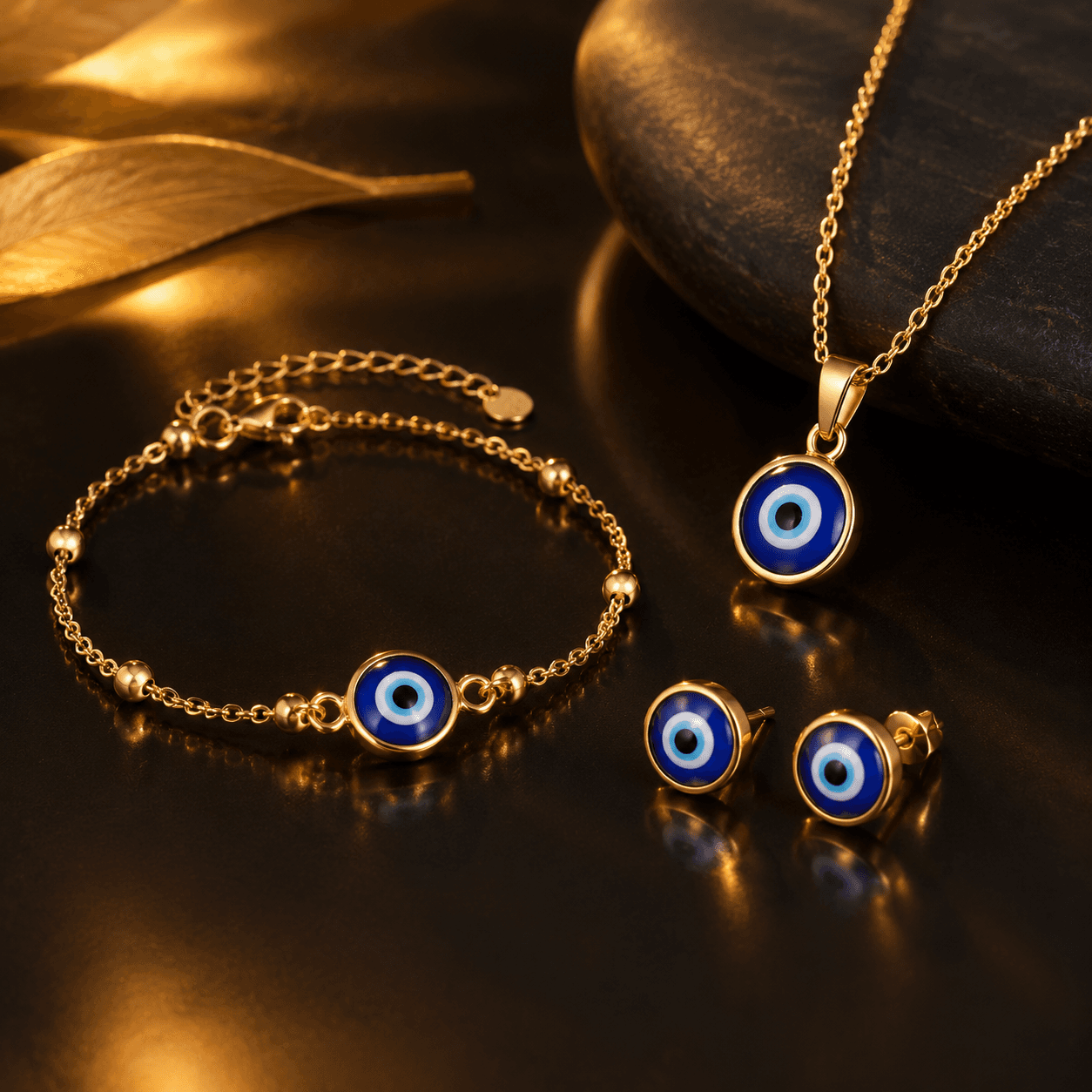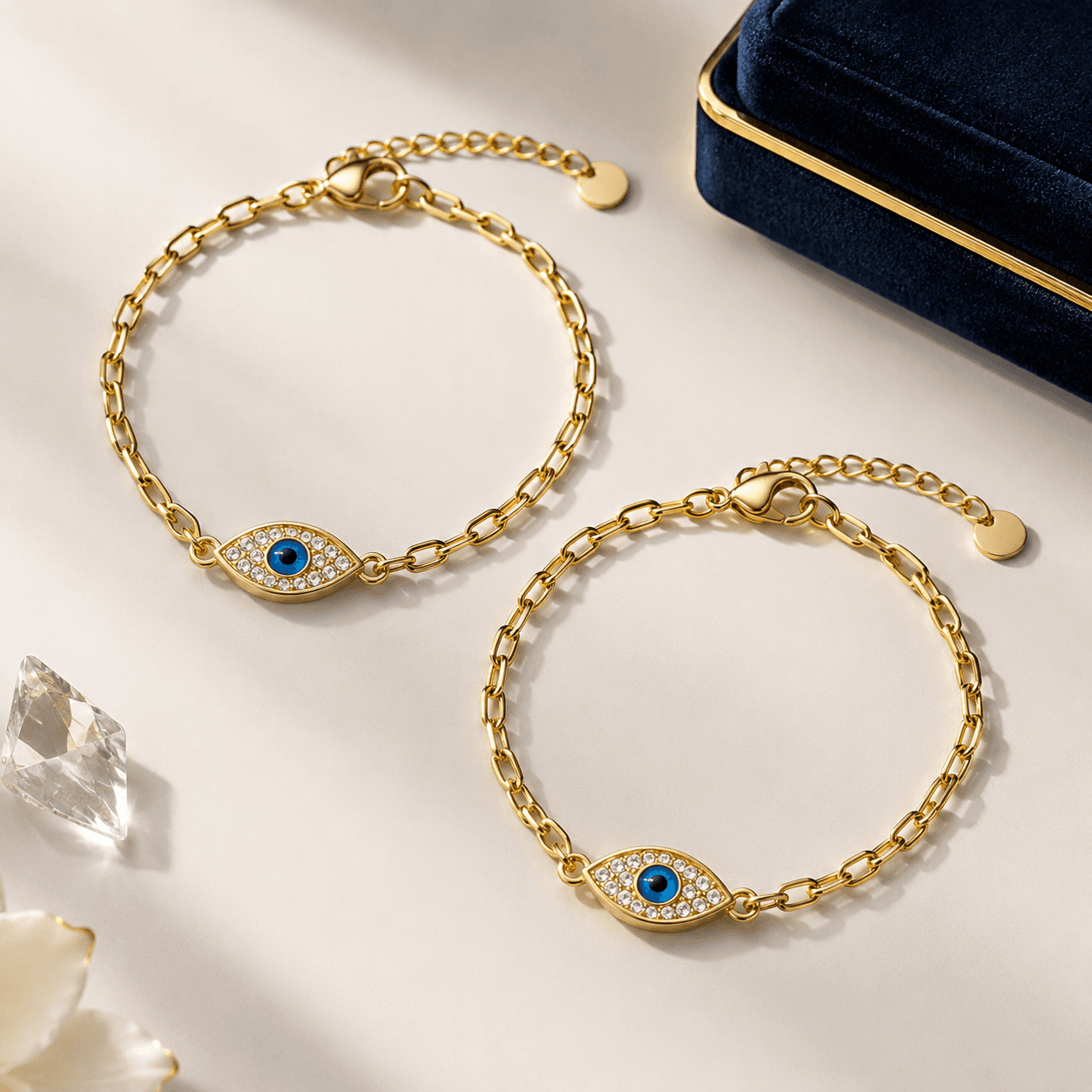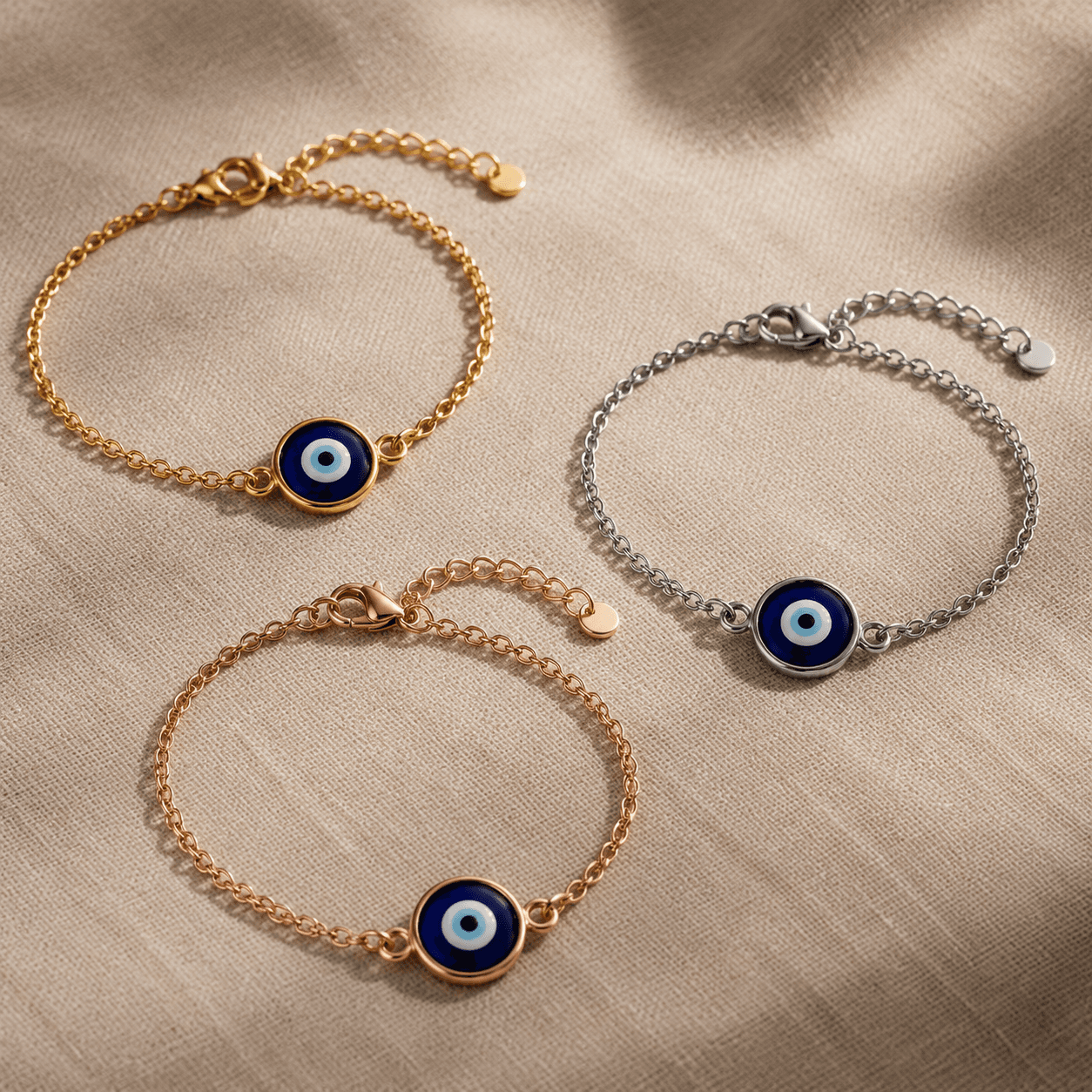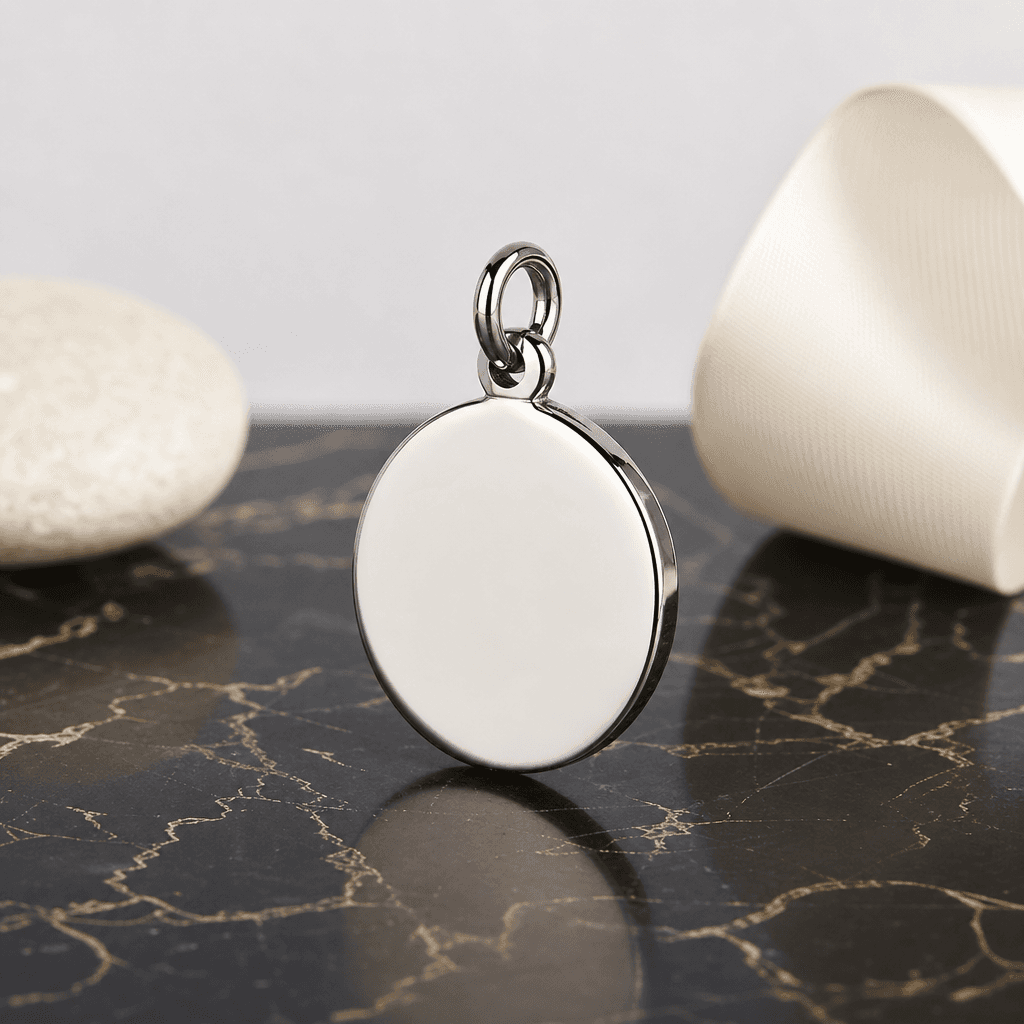
When you source wholesale charms for jewelry programs, compliance isn’t paperwork—it’s risk control. Buyers in the US and Canada increasingly expect proof for restricted substances, nickel release safety, and consistent manufacturing controls. This guide gives procurement teams an audit-ready checklist to verify certifications, test reports, and traceability for stainless steel wholesale charms for jewelry making, focused on 316L stainless steel charms and factory documentation.
Compliance Checklist for Stainless Steel Wholesale Charms (RoHS/REACH + Nickel Release)
Use the checklist below to standardize vendor vetting and shorten RFQ cycles. For best results, require documentation before bulk charm orders and validate that every production batch follows the same material and finishing route (including any enamel, crystal inlay, or plating steps).
1) Product Scope & Material Confirmation
- [ ] Confirm the base material is 316L stainless steel for every charm SKU in the program.
- [ ] Require a written statement of process steps relevant to compliance: cutting/laser processes, welding, polishing, surface finishing, and any restricted substance exposure points.
- [ ] Ask whether the finished charm includes PVD plated surfaces, enamel color filling, or crystal inlay—and request compliance documents that specifically cover these finishing components.
- [ ] Verify the charm application context you will use (e.g., charm bar accessories, gift accessories, bag charms, keychain charms, car charms) aligns with the intended contact and wear scenario described in safety documentation.
2) RoHS & REACH Documentation (Restricted Substances)
- [ ] Request RoHS documentation for the finished charm (not just a material COA). Ensure the report states what is tested and the compliance outcome.
- [ ] Request REACH documentation for substances of very high concern (SVHC) disclosures relevant to the charm’s full bill of materials and finishing steps.
- [ ] Verify whether the supplier can provide documentation tied to the exact SKU family (e.g., same design line, same finishing route, same plating/enamel formulation).
- [ ] Confirm test results are current for your procurement cycle (supplier date, report validity, and revision history).
3) Nickel Release Safety (EN1811) & Wear-Case Evidence
- [ ] Request nickel release test documentation using EN1811 (or the supplier’s stated equivalent method used for jewelry safety testing).
- [ ] Confirm the test report references the charm finished condition, including any plating and/or enamel layers.
- [ ] Ensure the supplier clearly distinguishes between material compliance and finished-product nickel behavior.
- [ ] For charm bar programs and retail display units, ask how results are validated for repeat runs and reorders (batch-to-batch consistency).
4) Third-Party Testing Evidence (SGS Reports)
- [ ] Require SGS testing reports that cover RoHS, REACH, nickel release, and any durability-related testing you need for the product lifecycle.
- [ ] Verify the report includes identifying information: product/part reference, test parameters, and outcomes that match your SKU request.
- [ ] Ask for salt spray performance documentation when your program includes customers in humid or coastal environments.
- [ ] Confirm the testing scope supports your geography: US/Canada procurement teams typically need clear, interpretable documentation for audits.
5) Durability & Corrosion Resistance (Longer Lifecycle = Lower Compliance Risk)
- [ ] Check salt spray performance expectations (e.g., the supplier’s provided 240H evidence) to reduce risk of coating degradation that can affect surface chemistry.
- [ ] Ask for information on polishing and finishing consistency—surface uniformity supports stable plating performance.
- [ ] Ensure the supplier can explain how they manage edge finishing and hole/loop areas where coating can wear faster.
- [ ] If your designs include jump rings/bails with threaded or physically integrated fittings, verify the compliance and durability documentation accounts for those components as part of the finished charm.
6) Traceability, Labeling, and Batch Control
- [ ] Require traceability for material batches and finishing batches (at minimum: process route, supplier batch references, and production lot number).
- [ ] Confirm the supplier can provide documentation that ties sample approval to bulk production.
- [ ] Ask how the supplier controls changes: design revisions, finishing updates, supplier changes for enamel/crystal components, and plating parameter changes.
- [ ] For private label programs, confirm private-label packaging is supported without substituting materials or changing finishing specs.
7) Audit-Ready RFQ Output (What You Should Receive)
- [ ] A compliance document pack: RoHS + REACH + nickel release + durability summary (SGS reports and related statements).
- [ ] Sample development documentation that identifies the exact finishing route for the approved sample.
- [ ] Written statement confirming the supplier’s capability as an OEM or ODM charm partner and the ability to support custom logo charms.
- [ ] Clear lead-time plan for sample development and bulk charm orders, aligned with audit timelines.
Why Compliance Matters for Procurement Teams (Benefits + Risk Reduction)
Procurement teams need more than “approved” status. Strong compliance systems reduce product recall risk, streamline customs and retailer onboarding, and protect brand trust across North America. For a reliable sourcing cycle, treat certifications as part of vendor performance—not as a one-time document request.
Key benefits you can audit
- RoHS + REACH confidence: reduces restricted substances risk for finished products and supports retailer documentation expectations.
- Nickel release safety assurance: aligns with jewelry safety testing expectations for skin contact scenarios common in US/Canada retail.
- Durability verification: consistent surface performance helps maintain compliance-relevant surface chemistry over time.
- Clear documentation for audits: SGS reports and supplier statements help procurement teams respond decisively during compliance reviews.
- Lower operational friction: structured RFQ + sample development reduces rework when specs are mismatched between concept and production.
Detailed Guide: How to Vet a 316L Stainless Steel Charms Factory Before Bulk Orders
This process is designed for teams running vendor qualification, RFQ comparisons, and recurring purchase programs. Use it as your internal SOP for custom stainless steel charms sourcing and to support wholesale, private label charms, and charm bar accessories rollouts.
Step 1: Align the spec to the compliance scope
- Define the base: confirm the factory supports 316L stainless steel charm production as the only allowed base material.
- List the finishing steps: whether your program includes PVD plated stainless steel charms, enamel stainless steel charms, or crystal inlay.
- Confirm the charm application context (e.g., gift accessories and decorative accessories) so safety expectations match wear and contact use.
Step 2: Request a compliance pack tied to the finished SKU
- Ask for RoHS, REACH, nickel release, and supporting durability evidence, ideally delivered as SGS reports.
- Confirm each document references the exact charm family, not only the general material.
- When you need it for North America audits, require a supplier’s statement that summarizes compliance outcomes clearly and consistently.
Step 3: Validate batch consistency through sample development
- Order samples and require confirmation that the finishing route matches production.
- Request custom logo charms options and ensure the added decoration method remains within the same compliance-tested process window.
- Evaluate the surfaces that affect wear: coating uniformity, edge finishing, and hole/loop hardware quality.
Step 4: Perform a quick durability sanity check
- Ask for salt spray evidence and how the factory maintains consistent finishing parameters.
- Confirm your reorders follow the same production control plan used during sample approval.
Step 5: Put it into procurement controls (auditable decision gates)
- [ ] Gate A: Material confirmation to 316L stainless steel scope.
- [ ] Gate B: RoHS/REACH document receipt and SKU match verification.
- [ ] Gate C: Nickel release EN1811 report confirmation for the finished charm.
- [ ] Gate D: Durability evidence and batch control statement.
- [ ] Gate E: Sample approval sign-off leading directly into bulk charm orders.
Factory-direct sourcing can be decisive when the documentation is consistent and the process route is controlled. If you’re evaluating a stainless steel charms manufacturer for recurring programs, prioritize suppliers that can deliver traceable compliance packs alongside reliable production.
FAQ: RoHS/REACH & Nickel Release for Wholesale Stainless Steel Charms
1) What documents should procurement request for 316L stainless steel charms?
Request RoHS and REACH documentation for the finished charm, plus nickel release testing documentation (commonly aligned to EN1811). If durability is relevant, ask for supporting evidence such as salt spray testing documentation and confirm the reports tie to your exact charm SKU family.
2) Does nickel release testing cover plated or enamel finished charms too?
Nickel release behavior should be assessed on the finished condition. Procurement should confirm that the nickel release report references the charm with the applicable finishing steps (e.g., PVD plated surfaces, enamel color filling, or any crystal inlay) rather than only the base metal material.
3) How do we ensure reorders stay compliant over time?
Require batch control and traceability documentation, and confirm the supplier follows the same production and finishing parameters used in sample development and initial sign-off. Ask how changes are handled (design revisions, finishing updates, supplier changes for components) and require updated reports when a meaningful change occurs.
4) What should we ask when running a private label charms program?
Ask for private-label packaging support, custom logo charms options, and a compliance pack that covers the full finished SKU—including the packaging program if it triggers any labeling or traceability requirements for audits. Also confirm the supplier supports consistent plating quality for bulk charm orders.
Partner With Us: Compliance-Ready Stainless Steel Charms for Wholesale Programs
For procurement teams running audits and onboarding new charm suppliers, choose a partner that can support documentation and production control—not just product samples. Lancy Jewelry provides factory-direct OEM/ODM manufacturing of 316L stainless steel charms with compliance support including SGS-certified testing for RoHS, REACH, nickel release (EN1811), and salt spray evidence. If you need a reliable ODM charm supplier for wholesale stainless steel charms, start with sample development and an RFQ package that matches your SKU scope.
OEM Service | Request a Quote | Contact