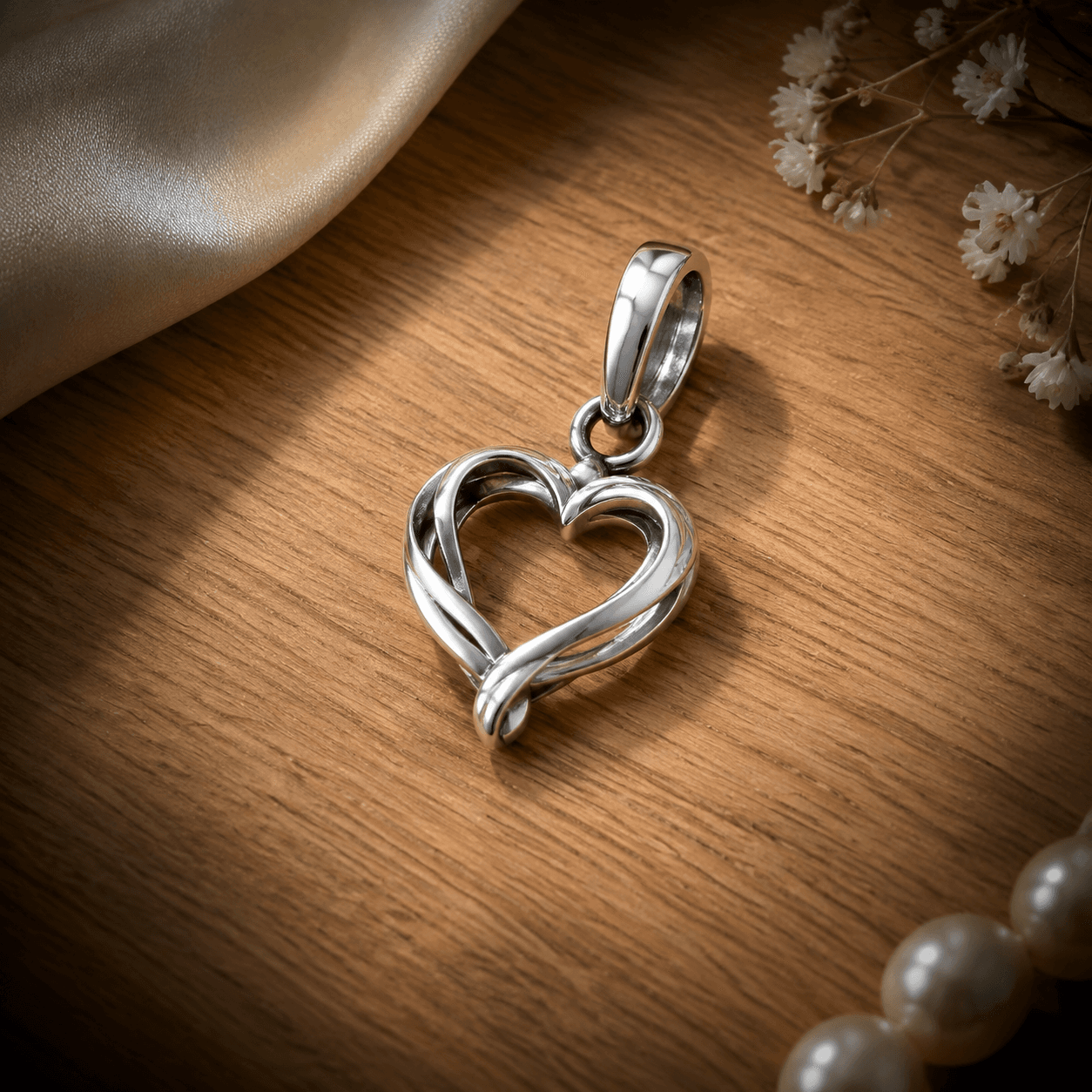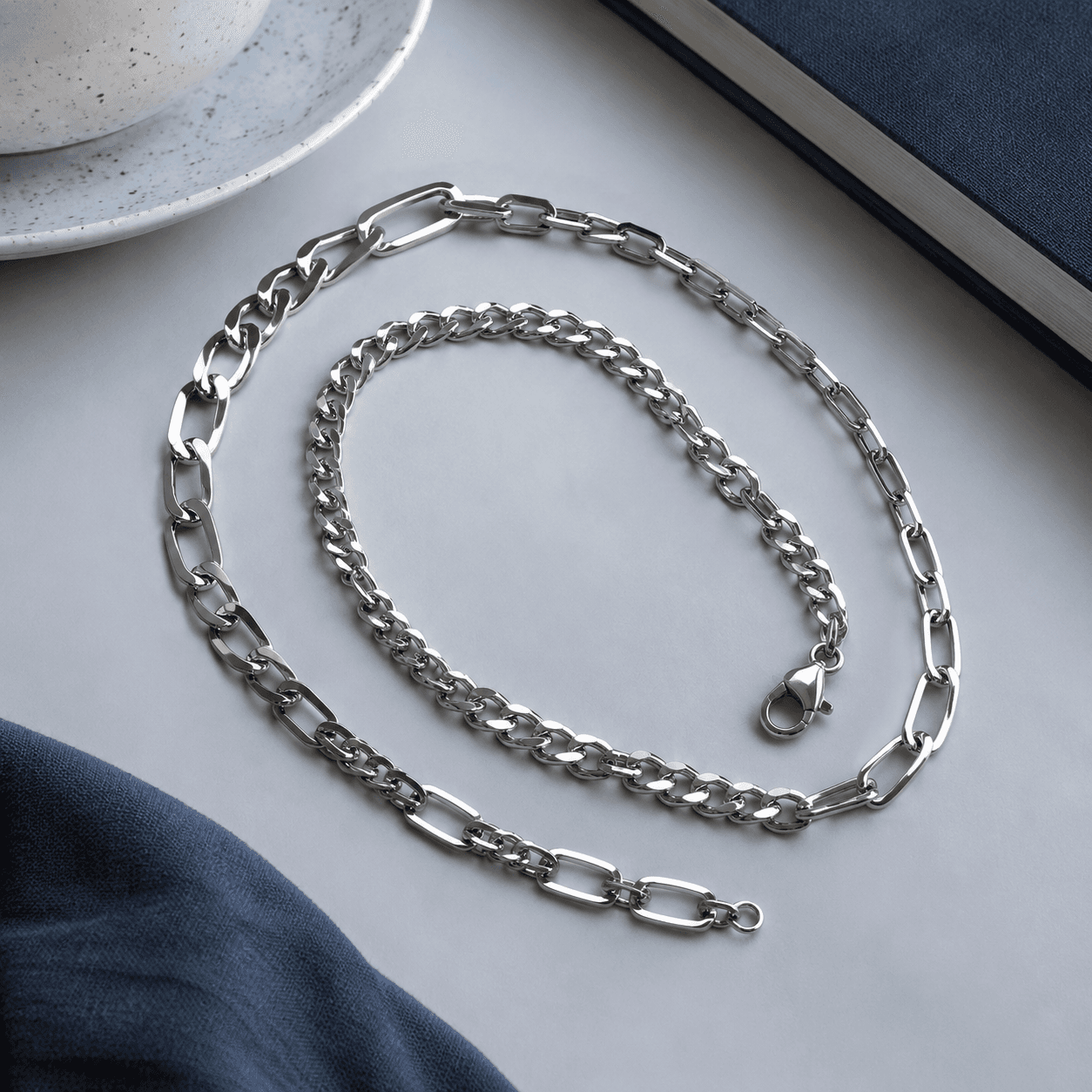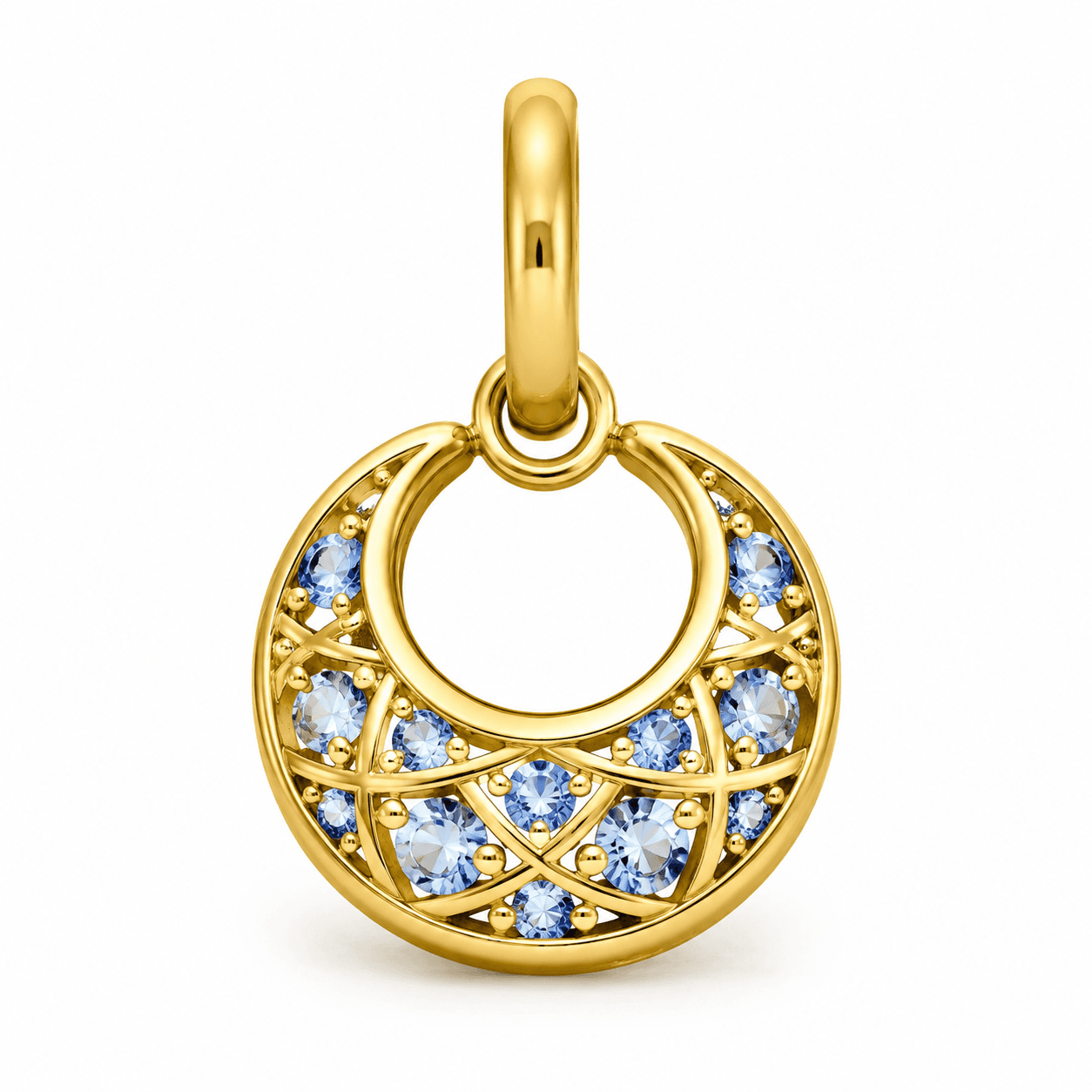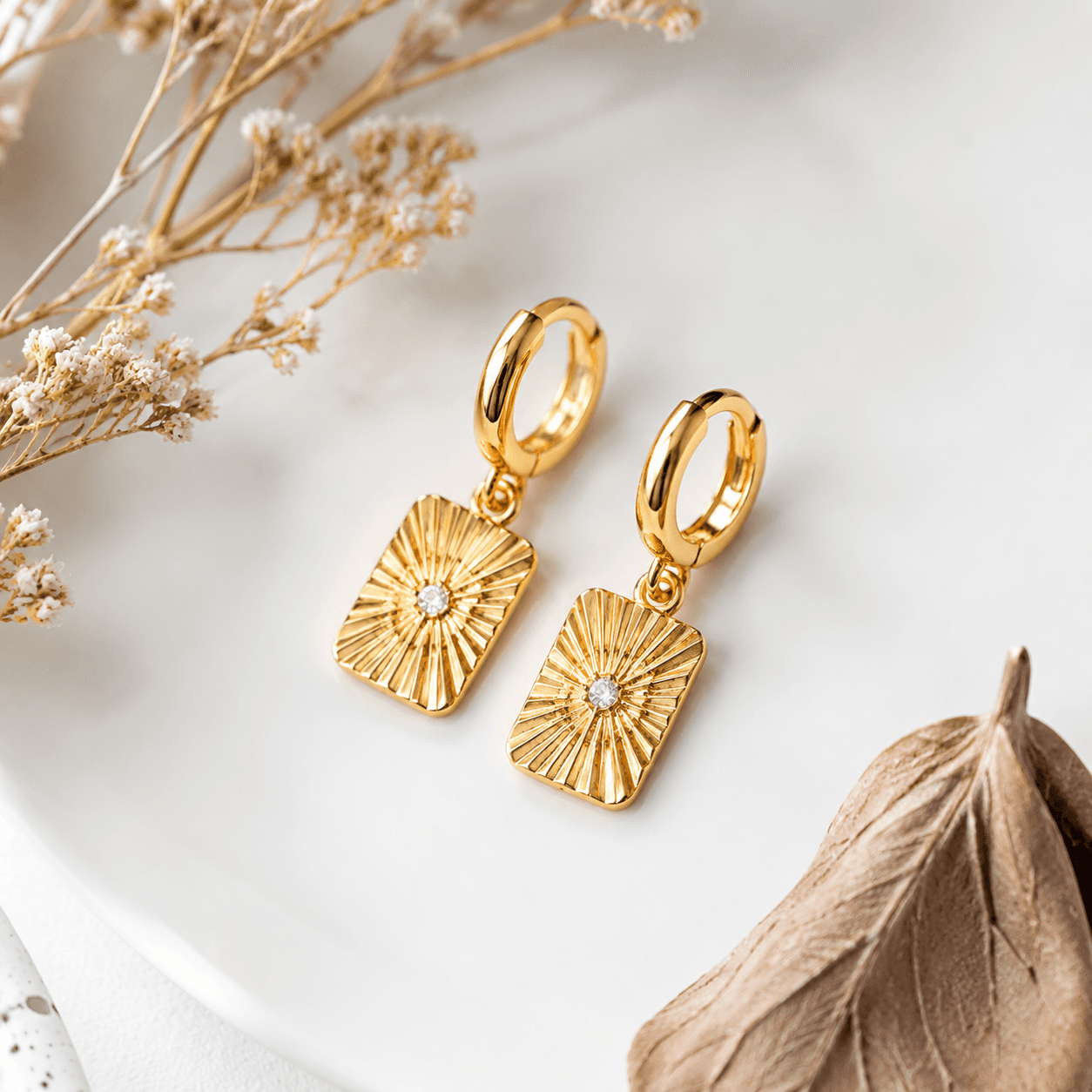
For jewelry designers and private-label buyers, color durability is one of the most important quality factors when developing charm collections. Gold plated stainless steel charms fade concerns usually come from inconsistent surface treatment, unsuitable finishing processes, or insufficient quality testing. Understanding how PVD coating, polishing, and surface preparation work helps buyers select a reliable manufacturing partner and create collections with stable appearance.
Lancy Jewelry supports boutique brands with professional OEM and ODM development for 316L stainless steel charms. With controlled production processes, advanced finishing methods, and practical sample support, Lancy helps buyers develop durable charm programs for global markets.
Gold Plated Stainless Steel Charms Fade: Understanding the Main Causes
Surface preparation affects finishing performance
A high-quality gold plated stainless steel charm begins with a carefully prepared surface. Before any color treatment is applied, the 316L stainless steel base requires precision polishing and cleaning. Small surface imperfections, residue, or uneven polishing can affect coating consistency and may lead to faster visual changes during use.
At Lancy Jewelry, production processes include CNC machining, laser cutting, laser marking, welding, and polishing to create stable charm surfaces. These steps help provide a consistent foundation for PVD finishing, enamel application, and crystal inlay details.
PVD coating provides enhanced surface protection
PVD is a modern finishing technology used to create durable surface colors on stainless steel charms. Compared with basic surface coloring methods, PVD can provide strong adhesion and a uniform finish when correctly applied. The final performance depends on multiple factors, including surface preparation, coating thickness control, equipment conditions, and quality inspection.
For buyers developing custom stainless steel charms, selecting a manufacturer with controlled PVD processes is essential. A professional stainless steel charms manufacturer should understand how finishing choices influence long-term appearance, customer satisfaction, and collection performance.
Usage conditions influence charm appearance
Even well-finished charms require suitable care. Frequent exposure to harsh environments, friction, and improper storage can influence surface appearance over time. Designers planning wholesale stainless steel charms collections should consider how customers will use the products and select suitable finishes for each application.
Why PVD Quality Matters for Boutique Jewelry Collections
Reliable color consistency across production batches
For brands ordering multiple designs, consistency is a key purchasing factor. A stable PVD process helps maintain similar gold plated, rose gold plating, and silver finish appearances across different charm designs and production batches.
This is especially important for buyers creating coordinated collections. Whether the project includes alphabet designs, nature themes, symbols, or seasonal concepts, consistent finishing helps maintain a professional brand presentation.
Testing supports long-term product confidence
Quality testing provides measurable information about finishing durability. Lancy Jewelry uses SGS certified testing support covering RoHS, REACH, Nickel Release EN1811, and Salt Spray 240H requirements. These evaluations help buyers understand product performance and support responsible sourcing decisions for international markets.
Material selection supports customer expectations
316L stainless steel is widely selected for charm manufacturing because it provides a strong and stable base for decorative finishing. For designers, this means more flexibility when creating custom logo charms, enamel stainless steel charms, and PVD plated stainless steel charms.
Choosing the correct manufacturing partner also supports efficient development. An experienced ODM charm supplier can guide buyers through design adjustments, finishing selection, sample review, and production planning.
PVD Finishing Guide: Steps to Improve Charm Durability
Step 1: Confirm the design and production requirements
Before manufacturing begins, buyers should define the design purpose, target market, size requirements, and finishing expectations. Clear specifications help manufacturers recommend suitable polishing levels, PVD colors, enamel options, and production methods.
For businesses planning private label charms, early communication reduces unnecessary revisions and helps create products that match their collection strategy.
Step 2: Prepare the 316L stainless steel surface
The surface preparation stage is essential because the coating quality depends on the condition of the base material. Precision polishing creates a smooth surface, while cleaning processes remove unwanted particles before finishing.
Manufacturers should maintain consistent procedures throughout production to avoid uneven results between samples and bulk charm orders.
Step 3: Apply PVD coating with controlled parameters
PVD finishing requires careful control of equipment settings and production conditions. Factors such as coating process stability, surface cleanliness, and inspection standards influence the final result.
For buyers requesting an OEM charms manufacturer, reviewing manufacturing capability is important. A capable factory should provide clear information about finishing processes, sample development procedures, and quality checks.
Step 4: Complete inspection before delivery
Before shipment, finished charms should be checked for appearance, attachment points, surface quality, and overall design accuracy. Professional inspection helps identify issues early and supports reliable delivery for international customers.
Lancy provides sample development support so buyers can review designs before moving into larger production quantities. This approach helps businesses manage MOQ planning while maintaining quality expectations.
Common Questions About Gold Plated Stainless Steel Charms Fade
Why do gold plated stainless steel charms fade?
Gold plated stainless steel charms may show color changes when surface preparation, coating control, or usage conditions are not properly managed. High-quality PVD finishing and careful manufacturing processes help improve durability.
How can designers choose better charm suppliers?
Designers should evaluate manufacturing experience, finishing capabilities, testing support, sample development services, and production communication. A reliable supplier should understand OEM, ODM, and private label requirements.
Is PVD suitable for custom stainless steel charms?
Yes. PVD is suitable for creating durable finishes on 316L stainless steel charms. It supports different collection concepts, including logo designs, decorative themes, and customized color requirements.
What should buyers check before placing bulk orders?
Buyers should review samples, confirm finishing expectations, understand MOQ requirements, and verify quality testing information before production. Clear planning helps reduce risks and improves final product consistency.
Partner With Us for Reliable Charm Manufacturing
Choosing the right manufacturing partner can make a significant difference in the success of a charm collection. Lancy Jewelry provides OEM/ODM support for boutique brands, distributors, and private-label buyers seeking dependable 316L stainless steel charms production.
From initial design review to sample development and bulk orders, Lancy combines modern production equipment, skilled finishing processes, and quality-focused manufacturing systems. Buyers can explore available products through our product catalog, learn about customization through our OEM service, or submit an RFQ request for project discussion.
With practical experience in PVD finishing, polishing, enamel, crystal inlay, and private-label packaging, Lancy helps global jewelry businesses build durable collections with confidence.