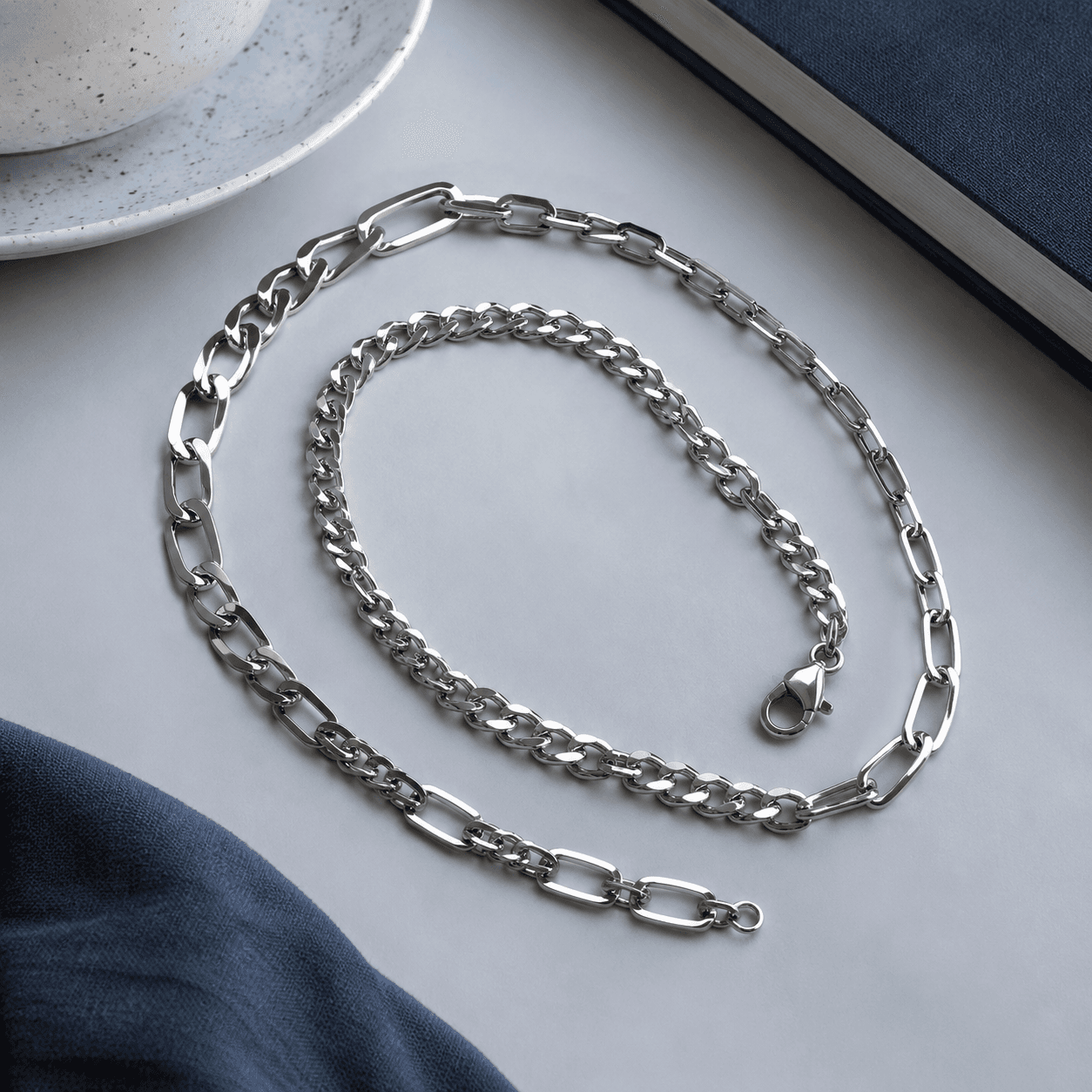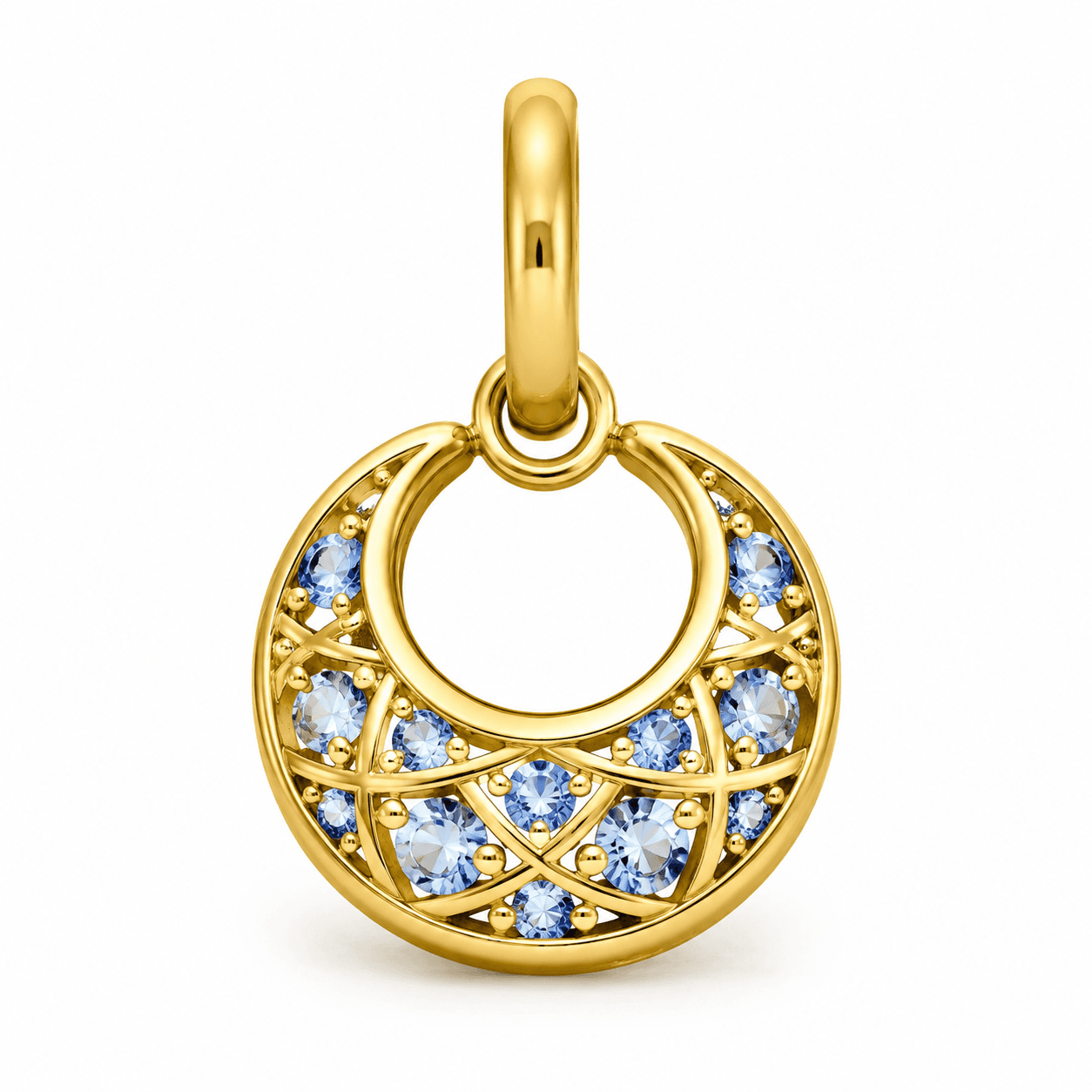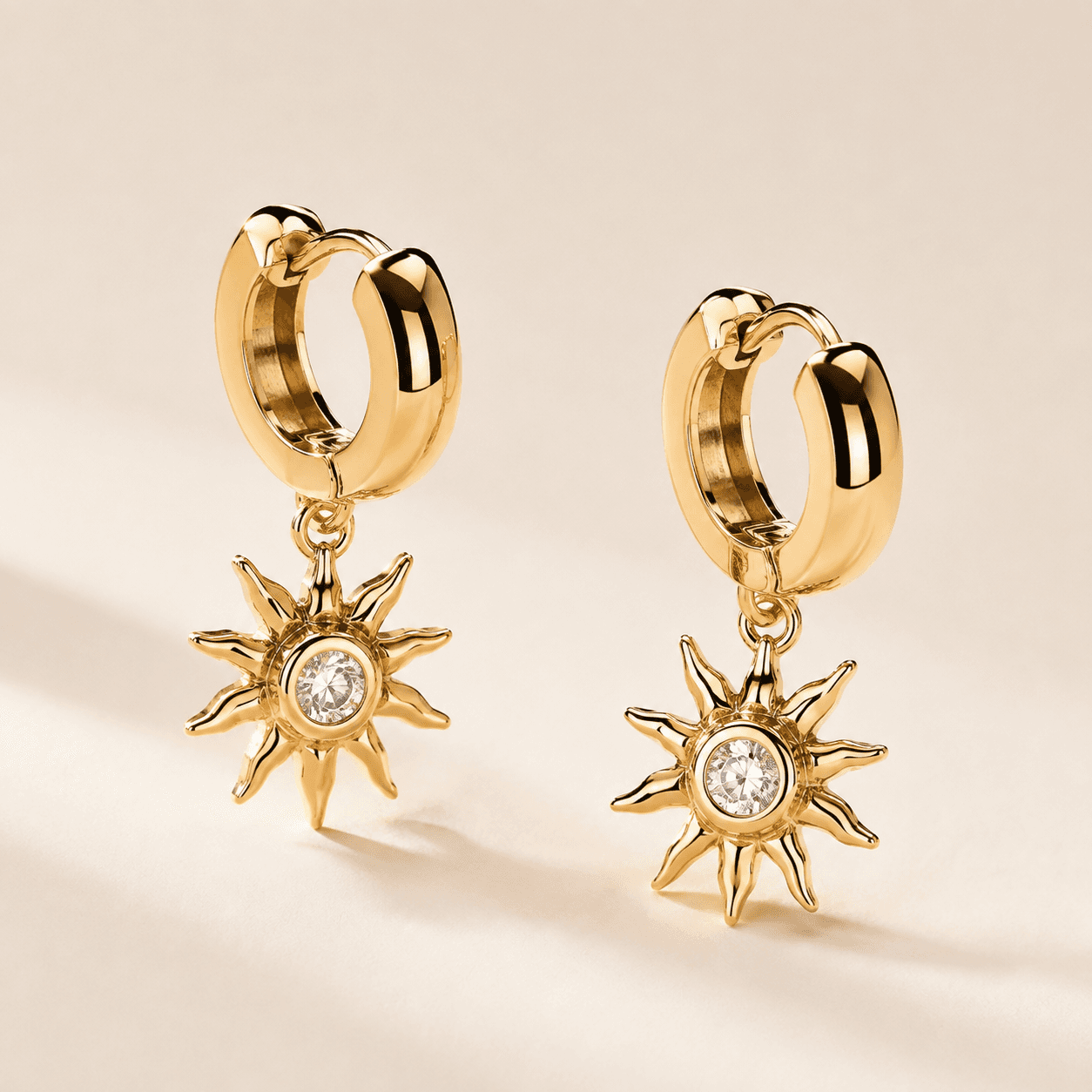
In the global boutique charm market, the finishing touches often distinguish a good collection from a selling one. For 316L stainless steel charms, passivation is more than a maintenance step—it's a critical surface treatment that defines long-term corrosion resistance, aesthetic luster, and compatibility with subsequent finishes such as PVD plating, enamel fills, and crystal inlays. This technical deep dive explores the science, practices, and practical applications of passivation within a modern OEM/ODM framework, enabling designers and sourcing managers to drive consistent, boutique-ready results across markets.
Passivation Treatment for Stainless Steel Charms
What is passivation and how does it apply to 316L stainless steel charms?
Passivation is a controlled surface chemistry process that enhances the naturally protective chromium-rich layer on stainless steel. For 316L stainless steel charms, passivation removes free iron and other surface contaminants, enabling the chromium to form a passive oxide film that resists rust and etching in everyday wear and exposure to sweat, humidity, and cleaning agents. Unlike decorative coatings that sit atop the base metal, passivation strengthens the metal surface itself, providing a stable foundation for subsequent finishes such as PVD plating, enamel color filling, and crystal inlay.
Why passivation matters for 316L stainless steel charms
316L stainless steel is selected for its corrosion resistance and biocompatibility, but without proper surface treatment, manufacturing residues and storage conditions can compromise its performance. Passivation improves: 1) corrosion resistance in harsh environments (saline, humid climates, and sweat exposure typical of gift programs), 2) matte-to-bright surface uniformity, and 3) long-term adhesion of subsequent finishes. For designers, this translates to more reliable color retention after PVD plating, tighter enamel fill containment, and reduced risk of pitting or dulling under bulk charm orders. Within a modern factory setting, passivation aligns with SGS-certified quality controls (RoHS, REACH, Nickel Release EN1811, Salt Spray 240H) to meet global market standards before the charm enters private-label packaging or a wholesale program.
Conventional vs. enhanced passivation approaches
Traditional passivation relies on acid-based formulations to remove free iron and generate the passive film. Enhanced approaches tailor chemistry, temperature, and dwell time to 316L’s specific alloy composition and surface finish. In a B2B environment, this translates into consistent batch-to-batch results, predictable production cycles, and traceability for OEM and ODM projects. Lancy Jewelry’s modern facility supports these approaches with CNC, laser cutting, laser marking, welding, and polishing capabilities, enabling controlled surface preparation before passivation and precise post-treatment inspection as part of a comprehensive finishing workflow.
Benefits of Passivation in Finishing Stainless Steel Charms
Key benefits
- Enhanced corrosion resistance and surface stability, critical for long shelf-life in boutique environments and gift programs.
- Improved uniformity of subsequent finishes, including PVD plating in gold, rose gold, or silver tones, and enamel fills with consistent color depth.
- Better adhesion for enamel, crystal inlay, and laser-engraved logos, reducing delamination risks during handling and end-use.
- Compliance with global safety standards verified through SGS certification (RoHS, REACH, Nickel Release EN1811, Salt Spray 240H).
- Material integrity maintained for private-label packaging and branding programs, supporting low MOQ charm production and sample development with reliable outcomes.
For manufacturers and brands pursuing private-label or wholesale partnerships, these benefits translate into fewer quality issues, faster times to market, and more predictable cost structures across OEM or ODM engagements. To learn how finish consistency can support your private-label program, explore our OEM service page at /oem and our sample development options through /cart.
Detailed Analysis and Step-by-Step Guide
Step 1: Surface preparation and cleaning
The foundation of effective passivation begins with a meticulous cleaning regimen. After CNC cutting, laser marking, or welding, charms undergo thorough degreasing and descaling to remove oils, cutting fluids, oxides, and any polishing residues. Precision cleaning ensures that the subsequent passivation chemistry interacts with a clean chromium-rich surface, not contaminants that could hinder oxide film formation. In a factory setting, this step is tightly controlled, and results feed into the quality metrics for private-label packaging and wholesale orders.
Step 2: Passivation chemistry options for 316L
For 316L stainless steel charms, passivation commonly employs acidified oxidizing solutions that facilitate the development of a stable chromium oxide layer. The choice of solution, bath temperature, and dwell time should be matched to the specific alloy, surface finish, and desired downstream processes (PVD, enamel, or crystal inlay). When optimized, passivation reduces residual free iron and creates a uniform protective layer across the entire charm surface. This prepares the base material for subsequent finishes and ensures compatibility with both decorative and functional elements in a boutique line. The passivation stage should be integrated with the factory’s SGS-compliant quality controls and traceable documentation as part of the OEM or ODM workflow.
Step 3: Electrochemical vs. chemical passivation approaches
Electrochemical passivation uses electrical potential to accelerate the growth of the passive oxide layer, often resulting in more uniform protection across complex geometries. Chemical passivation relies on chemical reactions in solution without external current. For complex charm geometries with cutouts and engravings, electrochemical methods are frequently preferred for uniform coverage. In a B2B production context, selecting the appropriate method depends on geometry, post-treatment plans (PVD vs. enamel), and required throughput. Lancy Jewelry maintains process control to ensure repeatability for OEM and private-label programs, with verifiable documentation suitable for wholesale char orders and sample development cycles.
Step 4: Verification and quality control
Verification is critical. Standard checks include surface appearance evaluation, color uniformity, contact angle measurements, and, where applicable, salt spray testing to simulate corrosive environments. Nickel release testing per EN1811 and other RoHS/REACH-related tests are part of the SGS-certified framework we maintain. The goal is to confirm that the passive film remains intact after subsequent finishing steps and during simulated end-use conditions. Documented QC results support private-label packaging claims and OEM supply commitments, reducing the risk of returns and ensuring consistency for bulk charm orders.
Step 5: Post-passivation finishing options
Passivation does not stand alone in a finishing program. It integrates with PVD plating (gold, rose gold, silver finishes), enamel filling for color accents, and crystal inlay insertions. The passivated surface promotes adhesion and color retention, contributing to a more uniform appearance across a series. For designers exploring color families or branding concepts, this step is essential for maintaining consistency across multiple SKUs within a boutique collection. In practice, a passivated base often yields superior outcomes when paired with shallow enamel fills and precisely controlled crystal inlays—especially in 316L stainless steel charms produced for private-label programs or wholesale distribution.
Step 6: Practical considerations for OEM/ODM and packaging
From a manufacturing and business perspective, passivation is a strategic step that affects yield, cycle times, and downstream packaging. Lancy Jewelry offers a factory-direct path for OEM charms manufacturer and ODM charm supplier needs, with services that cover logo engraving, PVD plating, enamel color filling, and private-label packaging. The process is designed to support low MOQ charm production and scalable sample development, enabling brands to test concepts quickly and move to bulk charm orders with confidence. For partners exploring a private-label route, the combination of passivation with reliable PVD finishes and packaging solutions helps ensure market readiness from day one. For more on how we structure these capabilities, visit our OEM/ODM sections and request a quote via /cart or contact our team through /contact.
FAQ: Passivation and Finishing for 316L Stainless Steel Charms
1) What is the primary purpose of passivation for 316L stainless steel charms?
Passivation enhances the naturally forming chromium oxide layer, improving corrosion resistance and surface stability. This creates a solid foundation for subsequent finishes like PVD plating and enamel fills, ensuring cosmetic consistency and long-term durability across OEM and private-label programs.
2) How does passivation interact with PVD plating?
Passivation improves the cleanliness and chemical compatibility of the surface, which promotes better adhesion and uniformity of PVD coatings. A well-passivated surface reduces the risk of coating defects and color variability, contributing to higher yield on wholesale orders and more consistent quality for private-label packaging.
3) What certifications should I look for in finishing processes?
SGS certifications (RoHS, REACH, Nickel Release EN1811, Salt Spray 240H) provide a baseline for safety, biocompatibility, and corrosion resistance. Choose partners whose passivation and finishing workflows are documented and auditable under these standards to support global markets.
4) How can I partner with Lancy Jewelry for private-label finishing and sample development?
We offer OEM and ODM capabilities, low MOQs, and robust sample development programs. Our modern facility supports CNC, laser cutting, laser marking, welding, and polishing, all integrated with passivation and finishing workflows. Learn more about our OEM services at /oem and start a conversation about private-label packaging, custom logo charms, and bulk charm orders via /cart or by contacting us at /contact.
Call to Action: Partner With Lancy Jewelry for Finishing and Private-Label Programs
For brands seeking a reliable 316L stainless steel charms manufacturer with end-to-end finishing capabilities, Lancy Jewelry provides a factory-direct path—from passivation and PVD plating to enamel fills, crystal inlays, and private-label packaging. Our SGS-certified processes, modern production facility, and flexible MOQs support a range of business models, including OEM charms manufacturer and ODM charm supplier arrangements. Whether you’re launching a new collection or expanding an existing line, our team works with you on sample development, tooling, and scalable production plans to meet wholesale and private-label needs. To begin discussions, explore our OEM services, request a quote, or contact our team—links to these resources are provided below to streamline your sourcing workflow: OEM, Request a Quote, Product Catalog, Contact.