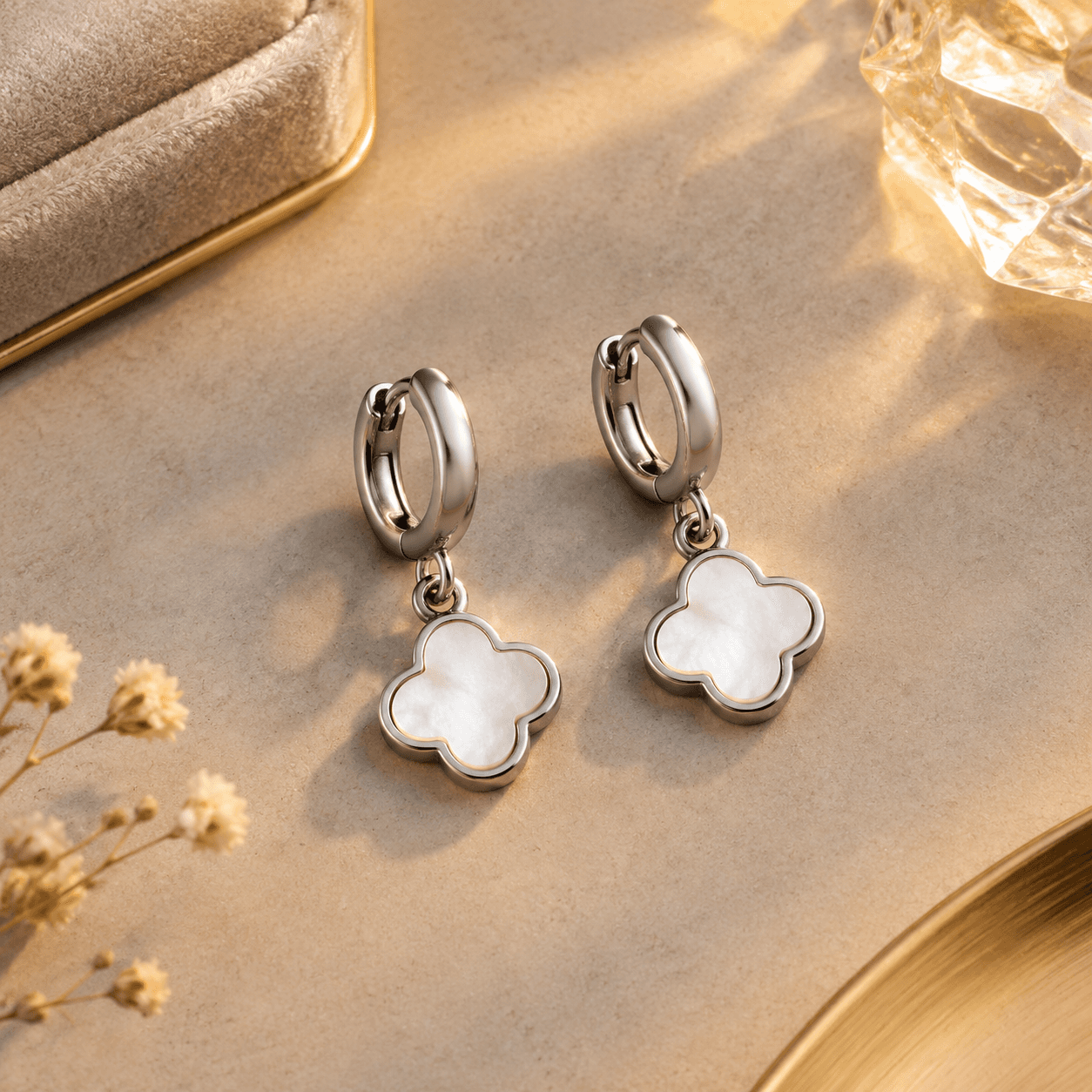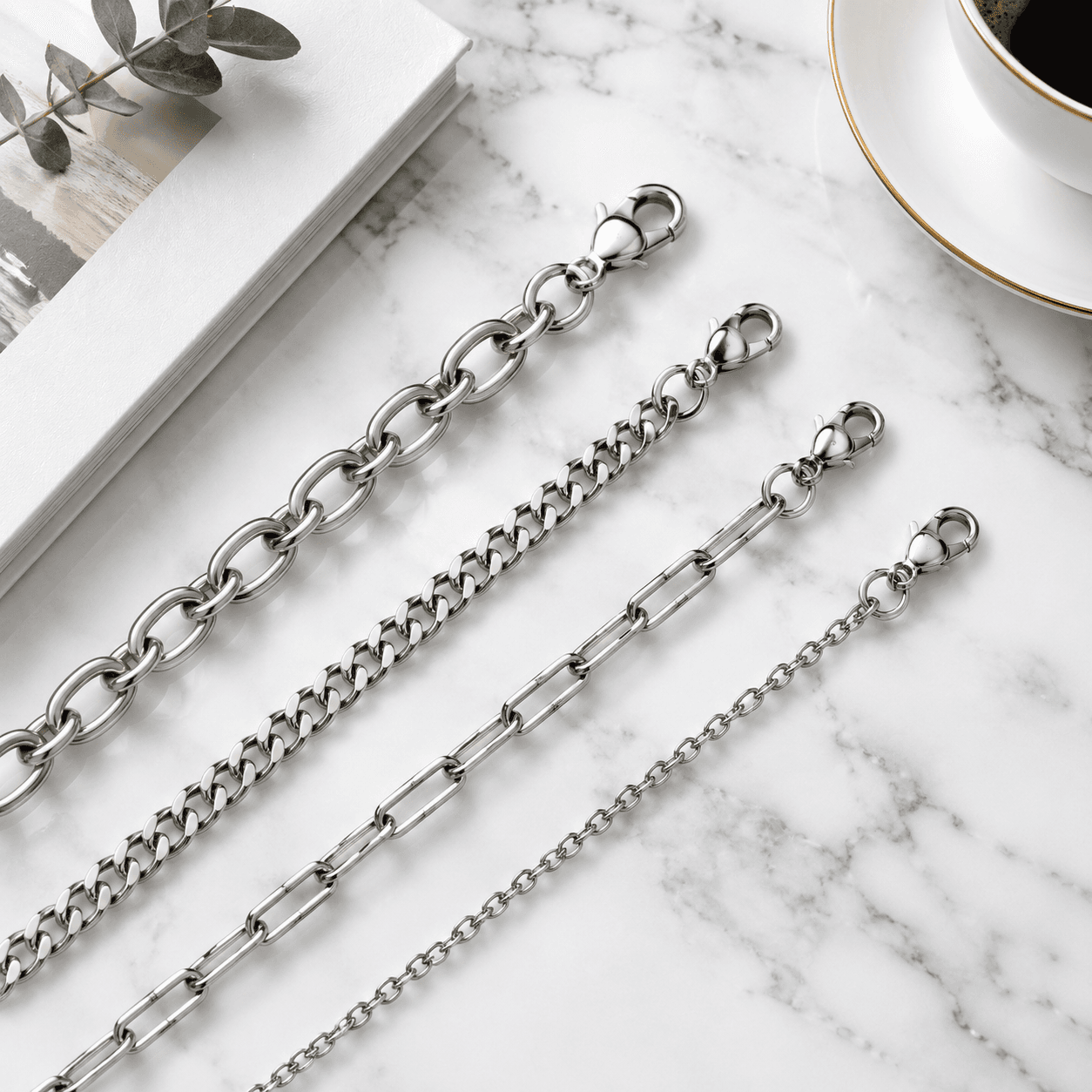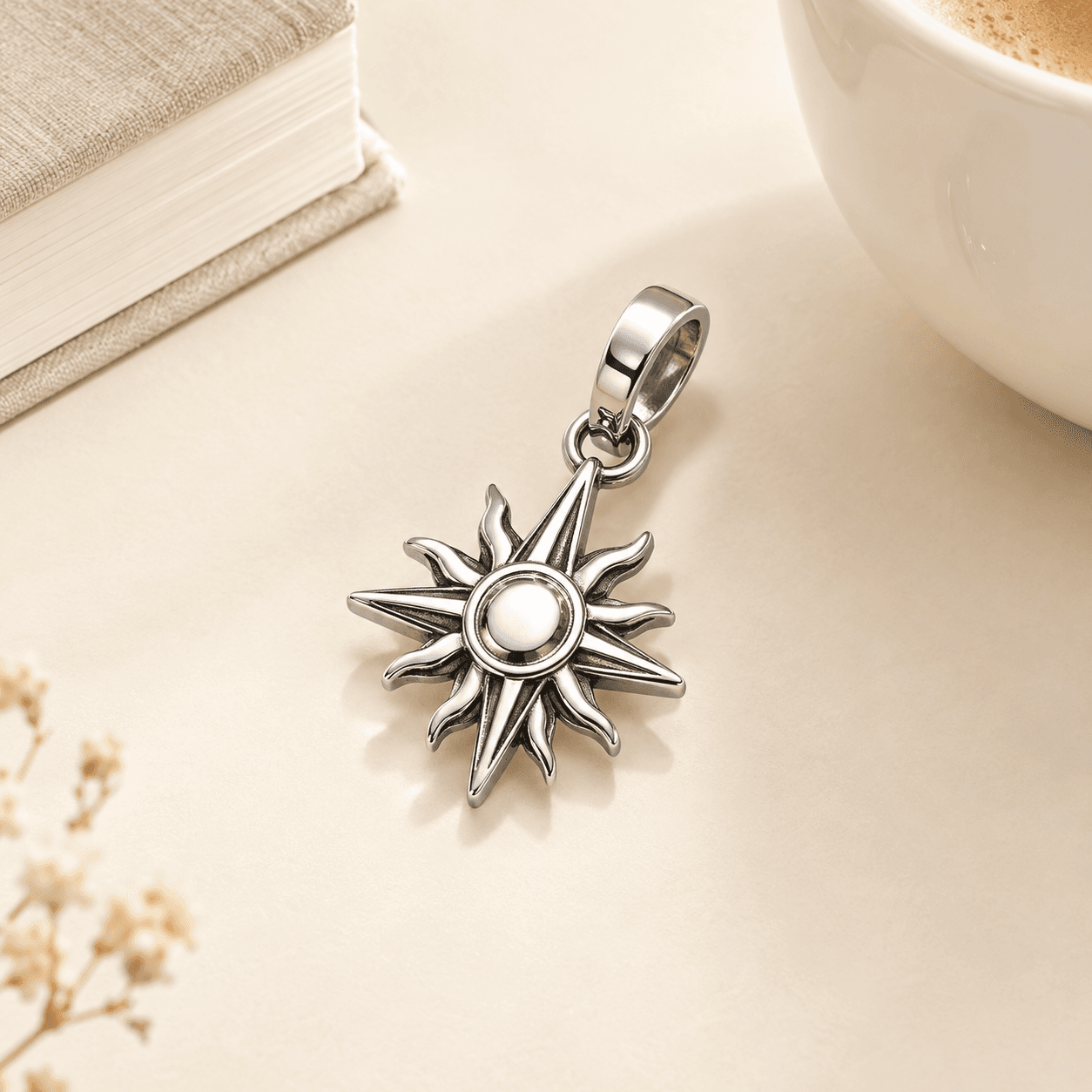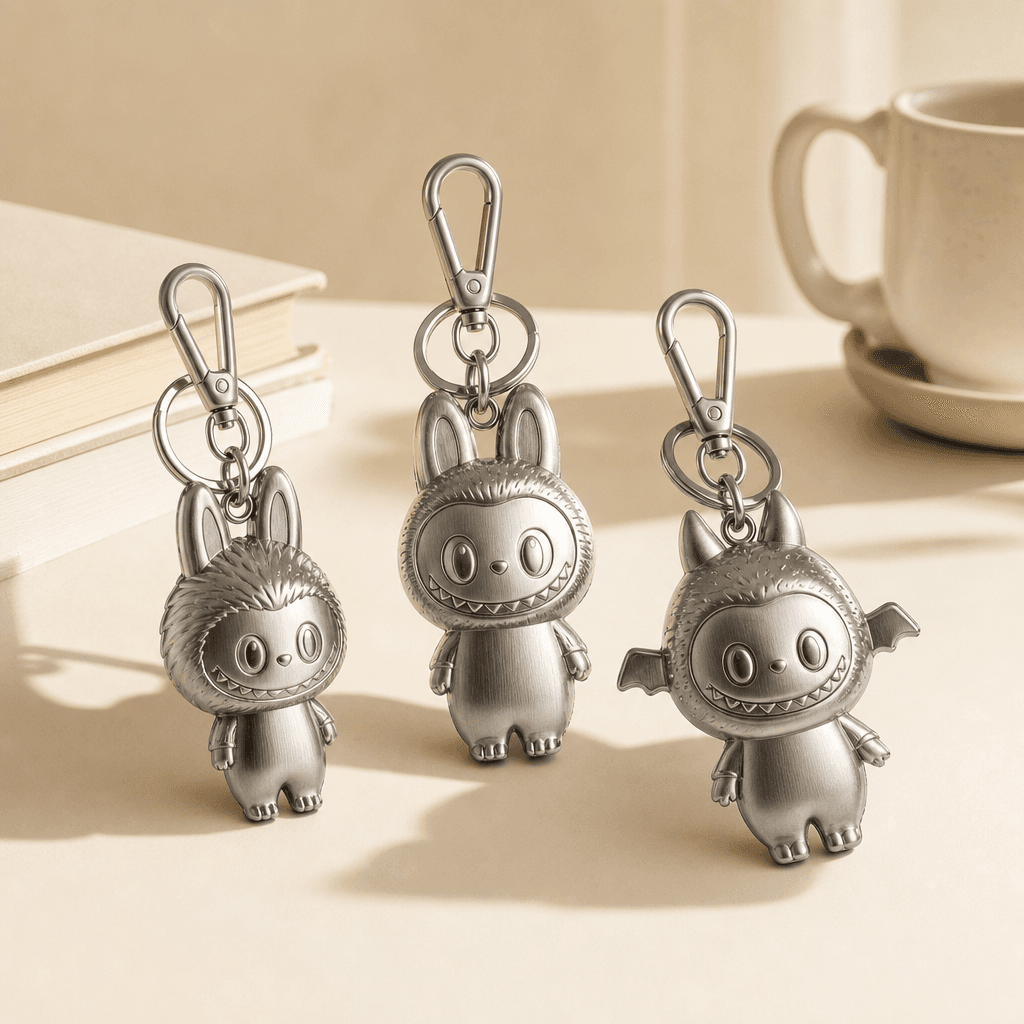
Design teams and sourcing managers seeking reliable charm components for private-label programs need more than pretty visuals. They require materials with predictable chemistry, durable finishes, and scalable manufacturing pathways. This deep-dive, aimed at jewelry designers and product developers, unpacks why 316L stainless steel charms are a robust choice for keychain applications, how alloy composition and metallurgy affect performance, and how to navigate OEM/ODM development, finishing options, and private-label packaging. The following guidance reflects Lancy Jewelry's modern factory capabilities—CNC, laser cutting, laser marking, welding, and polishing—and SGS-certified quality controls that support global markets.
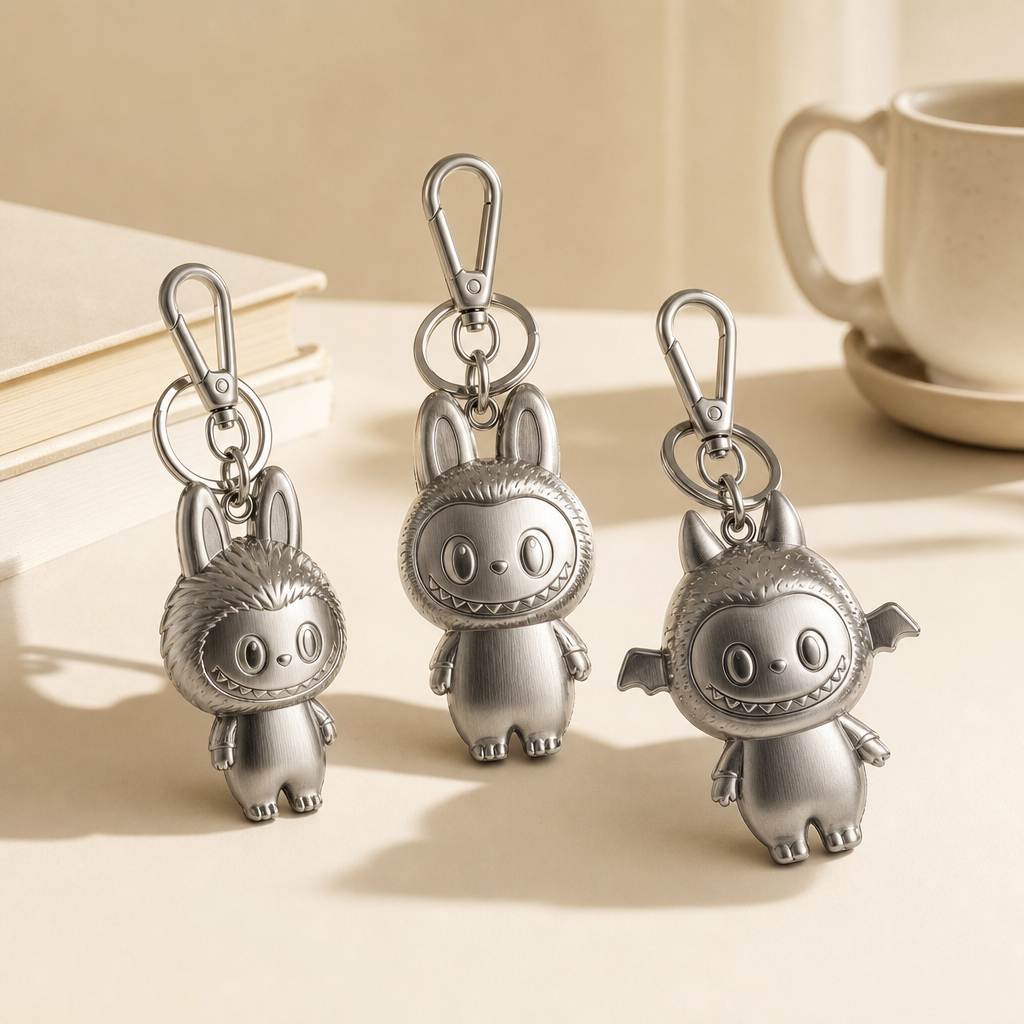
Stainless Steel Charms for Keychains: Why 316L Stainless Steel Matters
Core composition and grade 316L steel
316L stainless steel is a low-carbon variant of 316 stainless steel, designed to improve weldability and reduce carbide precipitation during annealing. In typical formulations, the alloy comprises chromium (Cr) around 16–18%, nickel (Ni) around 10–14%, and molybdenum (Mo) around 2–3%, with a carbon content (C) capped at approximately 0.03%. The low carbon content (the “L” in 316L) minimizes sensitization at welds, which is important for intricate charm components that may undergo welding, laser marking, or multiple assembly steps in OEM/ODM programs. This combination yields excellent corrosion resistance—critical for jewelry worn with sweat, lotions, or occasional moisture exposure—and makes 316L suitable for enamel fills, crystal inlays, and PVD plating, which are common on market-ready charm lines. For global production, this chemistry translates into predictable behavior across batches, enabling consistent plating adhesion and uniform color results at scale.
Corrosion resistance, biocompatibility, and cross-market viability
The austenitic structure of 316L offers high corrosion resistance in chloride environments, a practical advantage for giftable charms that travel through varied climates and consumer use contexts. While not a medical device, 316L’s biocompatibility profile supports broad consumer acceptance in jewelry and fashion accessories. For designers, this means lower risk of surface pitting, plating degradation, or enamel cracking over time, which is especially valuable for private-label lines that demand long shelf-life and reliable finish performance across regions including the US, EU, UK, AU, CA, DE, FR, ES, RU, and others. When paired with appropriate finishes, 316L provides a stable substrate for color fills and crystal inlays without sacrificing structural integrity during production or at end-use wear.
Machinability and finishing options critical to design intent
316L’s machinability supports precision features such as small bail holes, tiny engraving recesses for logos, and tight tolerances on keychain attachment points. In factory settings, CNC machining, laser cutting, and laser marking create consistent silhouettes and repeatable engravings for private-label branding. Finishing choices include:
- PVD plating in gold, rose gold, or silver tones for a boutique appearance with robust adhesion and color stability.
- Silver finish or natural brushed stainless for a minimalist aesthetic that highlights shape and texture.
- Enamel color filling to introduce brand-specific palettes or seasonal themes, with careful containment to prevent chipping at enamel edges.
- Crystal inlay to add subtle sparkle while maintaining a durable base suitable for daily use on keychains or bag charms.
These finishes are commonly applied in OEM/ODM workflows, enabling brand teams to tailor finish palettes for specific collections without compromising base material integrity. The combination of 316L with PVD plating and enamel/crystal options aligns with boutique-friendly aesthetics and mass-market capability alike.
Manufacturing capabilities you can rely on
Beyond material science, the manufacturing environment matters. Lancy Jewelry operates a modern facility with CNC, laser cutting, laser marking, welding, and polishing—providing end-to-end production for 316L stainless steel charms. Key capabilities include:
- OEM/ODM development to translate a design brief into production-ready charms
- Logo engraving and laser marking for branding or batch codes
- PVD plating with consistent color outcomes and thickness control
- Enamel color filling and crystal setting for enhanced visual appeal
- Private-label packaging and sample support to accelerate decision cycles
For buyers coordinating across markets, the ability to align design intent with consistent plating quality and packaging standards across regions is a meaningful differentiator in private-label programs. Lancy’s SGS certifications (RoHS, REACH, Nickel Release EN1811, Salt Spray 240H) further support compliance expectations in global supply chains.
Benefits/Why It Matters
Key benefits for design-led, globally distributed programs
- Durability across markets: 316L provides excellent corrosion resistance, enabling resilient charms for keychain and bag charm applications used in varied climates.
- Finish consistency: PVD plating delivers uniform color and resistance to wear, supporting robust private-label lines and repeated production cycles.
- Branding flexibility: logo engraving and laser marking enable private-label branding while preserving the integrity of the base material.
- Private-label packaging: tailored packaging options support discreet branding and simple retail presentation for wholesale orders.
- Low MOQ support: scalable production models and sample-led workflows reduce risk for new collections and private-label launches.
Certifications play a central role in global commerce. SGS-certified (RoHS, REACH, Nickel Release EN1811, Salt Spray 240H) status assures buyers that materials meet recognized safety and performance standards, aligning with regulatory expectations in many markets. This certification complement supports due-diligence processes for private-label programs and wholesale partnerships across continents.
Why material science translates to commercial advantage
From a buyer’s perspective, the material science behind 316L stainless steel charms translates into tangible business benefits. The low-carbon composition helps ensure weldability for intricate bail attachments, reduces risk of sensitization during heat treatments, and promotes stable performance in enamel and crystal inlays. For designers, this means more design freedom with reliable outcomes, fewer reworks, and faster iteration during sample development. For procurement teams, it translates into predictable lead times, consistent color and finish batches, and improved supply-chain traceability—key factors when negotiating with OEM partners or managing private-label lineups across markets.
Detailed Analysis/Guide: From Concept to Private-Label Production
Step 1 — Define the use case and design intent
Begin with the application: will the charm function primarily as a giftable keychain accessory, a bag charm, or a car charm? Specify size targets (default 8–18 mm for charms; 6–10 mm for smaller components; up to 25 mm for statement pieces) and determine whether a single charm, a small group, or a coordinated set will appear in the collection. Consider end-use scenarios (daily wear vs. occasional gifting) to influence choice of bail design, hole size, and attachment hardware. These decisions guide material choices, finishing options, and assembly sequencing in the OEM/ODM workflow.
Step 2 — Material selection and finish palette
With 316L as the base, pair the substrate with finishes that align with your brand story and pricing. Options include:
- PVD gold plating for warmth and premium feel
- PVD rose gold plating for contemporary aesthetics
- PVD silver finish for a clean, modern look
- Enamel in curated colorways for seasonal or collection-specific themes
- Crystal inlay for subtle sparkle and high-end appearance
Each finish has implications for wear resistance, color stability, and fluorescence under lighting. Aligning finish choice with production capabilities is essential; a well-scoped finish plan reduces rework and ensures consistent color across batches. In parallel, consider logo engraving or laser marking to extend branding capabilities for the private-label program.
Step 3 — Design for manufacturability and long-term quality
Charm design should strike a balance between aesthetic ambition and manufacturability. Practical considerations include: a robust bail or jump ring compatibility, clean loop clearance, and hole geometry that accommodates standard jump rings and charm chains. The 316L substrate is well-suited for precise CNC milling and laser-cut features, but designers should avoid overly fragile filigree in high-stress areas that could crack or chip during assembly or wear. Use finite-element-like thinking to anticipate stress points around holes and attachment points, especially for larger pendant-size charms intended as statement pieces.
Step 4 — Prototype, sample development, and feedback loops
Private-label programs rely on rapid iteration. The typical sample development cycle encompasses ideation, CAD-to-CAM translation, prototyping, and customer feedback. Lancy’s capabilities support fast sample turnaround and revisions. During this phase, verify that PVD coatings adhere evenly, enamel fills are uniform without bleed, and crystal settings are secure under typical handling. Ensure that final samples reflect the production environment to minimize post-launch surprises.
Step 5 — Packaging, labeling, and compliance
Private-label packaging should harmonize with brand identity while ensuring product protection. Labeling should be clear for multi-market distribution, including batch codes for traceability. Compliance considerations include RoHS and EN1811 nickel-release limits, particularly if the product will be distributed in regions with strict regulatory frameworks. Lancy’s SGS certifications support these requirements, providing an auditable trail for retailers and private-label buyers alike.
Step 6 — MOQ, pricing, and lead times
Private-label and OEM projects often benefit from a low MOQ approach to test new designs before full-scale commitments. Discussing MOQs early helps manage production capacity and pricing, enabling incremental scale as demand grows. When planning for wholesale orders, align the design and finish options with realistic lead times and buffer for coating cycles. Lancy’s manufacturing framework supports flexible MOQs while maintaining plating consistency across batches.
Step 7 — Supplier collaboration and cross-market considerations
Global programs require coordination across time zones, regulatory contexts, and consumer expectations. Clear documentation, change-control processes, and agreed-upon specs help ensure that designs translate accurately into production across markets. A strong OEM/ODM partnership should deliver predictable batch-to-batch results, robust packaging, and reliable logistics—critical for sustaining multi-market growth and wholesale partnerships.
FAQ: Practical Answers for Buyers and Designers
Q1: What is 316L stainless steel and why is it ideal for charms?
A1: 316L is a low-carbon variant of 316 stainless steel with excellent corrosion resistance and weldability. Its low carbon content reduces sensitization risk during heat treatment, making it well-suited for charms that may undergo finishing steps, engraving, enamel filling, or crystal setting. For global jewelry programs, 316L provides reliable performance in varied climates and consumer use scenarios.
Q2: What finishes are available for 316L stainless steel charms?
A2: Finishes commonly offered include PVD gold plating, PVD rose gold plating, and PVD silver finish, along with natural or brushed stainless aesthetics. Enamel color filling expands design palettes, while crystal inlays add subtle sparkle. Each finish should be chosen with attention to binding to the base metal and wear patterns, ensuring durability for private-label collections and wholesale orders.
Q3: What is the typical MOQ for OEM/ODM private-label orders?
A3: MOQs vary by design complexity, finish, and packaging requirements. Lancy supports low MOQ charm production to enable private-label launches and iterative testing, while maintaining plating quality and batch consistency. Early alignment on design scope, finishes, and packaging helps optimize MOQs for your collection and target markets.
Q4: How long does sample development take, and what should customers expect?
A4: Sample development timelines typically range from 1 to 3 weeks, depending on finish options, logo-engraving requirements, and enamel/crystal features. Expect iterative rounds of review, with improvements in finish thickness uniformity, engraving clarity, and fit with proposed jump rings or chains. A clear feedback loop shortens the cycle and accelerates time-to-market for private-label lines.
Call to Action: Partner With Us
For jewelry designers and sourcing managers pursuing reliable 316L stainless steel charms at scale, Lancy Jewelry offers end-to-end OEM/ODM capabilities, private-label packaging, and a commitment to consistent plating quality. Our modern facility, combined with SGS-certified safety and performance standards, supports global wholesale and private-label programs across markets. If you’re ready to explore design options, lead times, or sample development for a new collection, we invite you to connect with our team.
Explore our capabilities and start a conversation: OEM service | All Products | Request a Quote | Contact to discuss your private-label goals and private-label packaging preferences.