Stainless Steel Custom Charm Keychains: 316L & Process
Why 316L stainless steel matters for charms
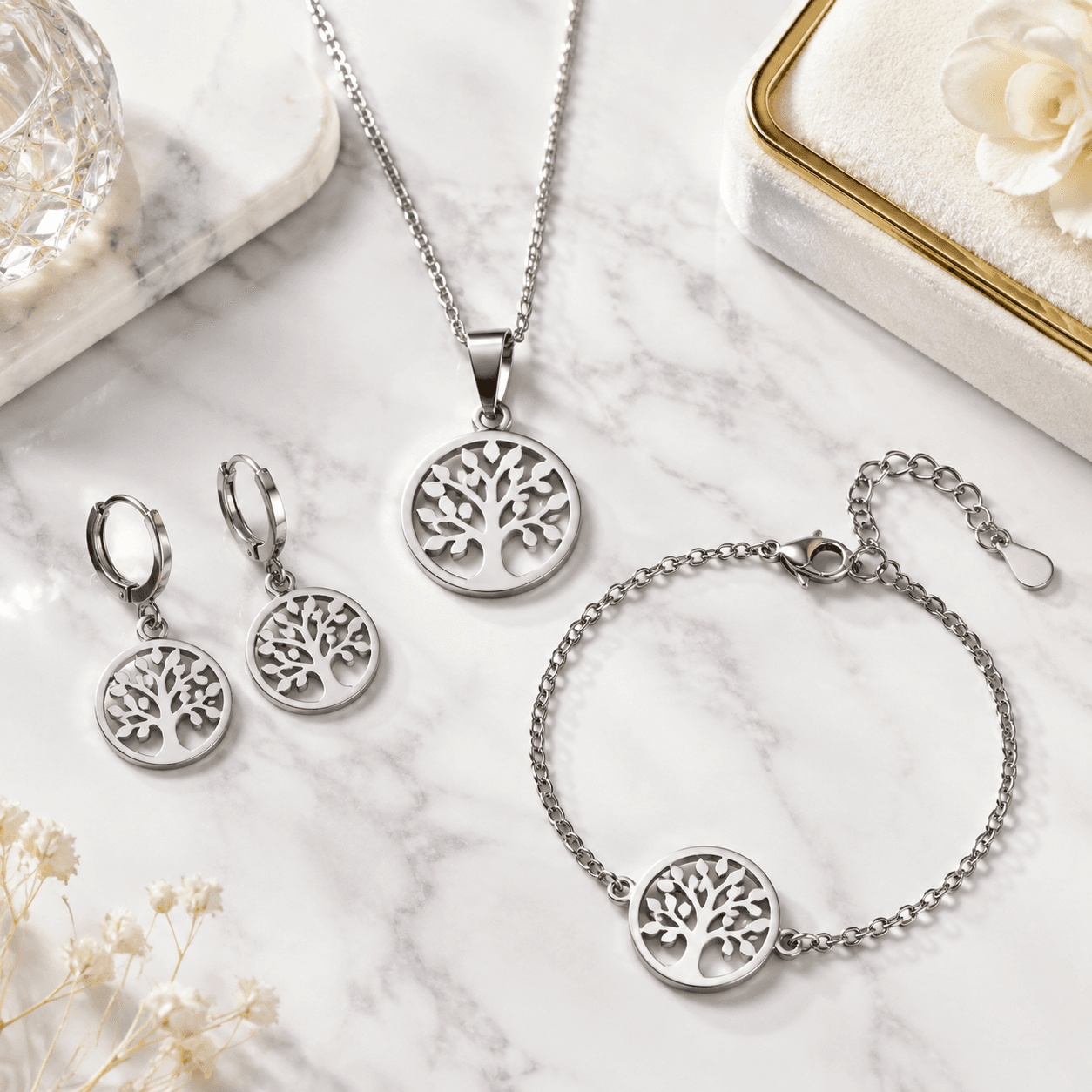
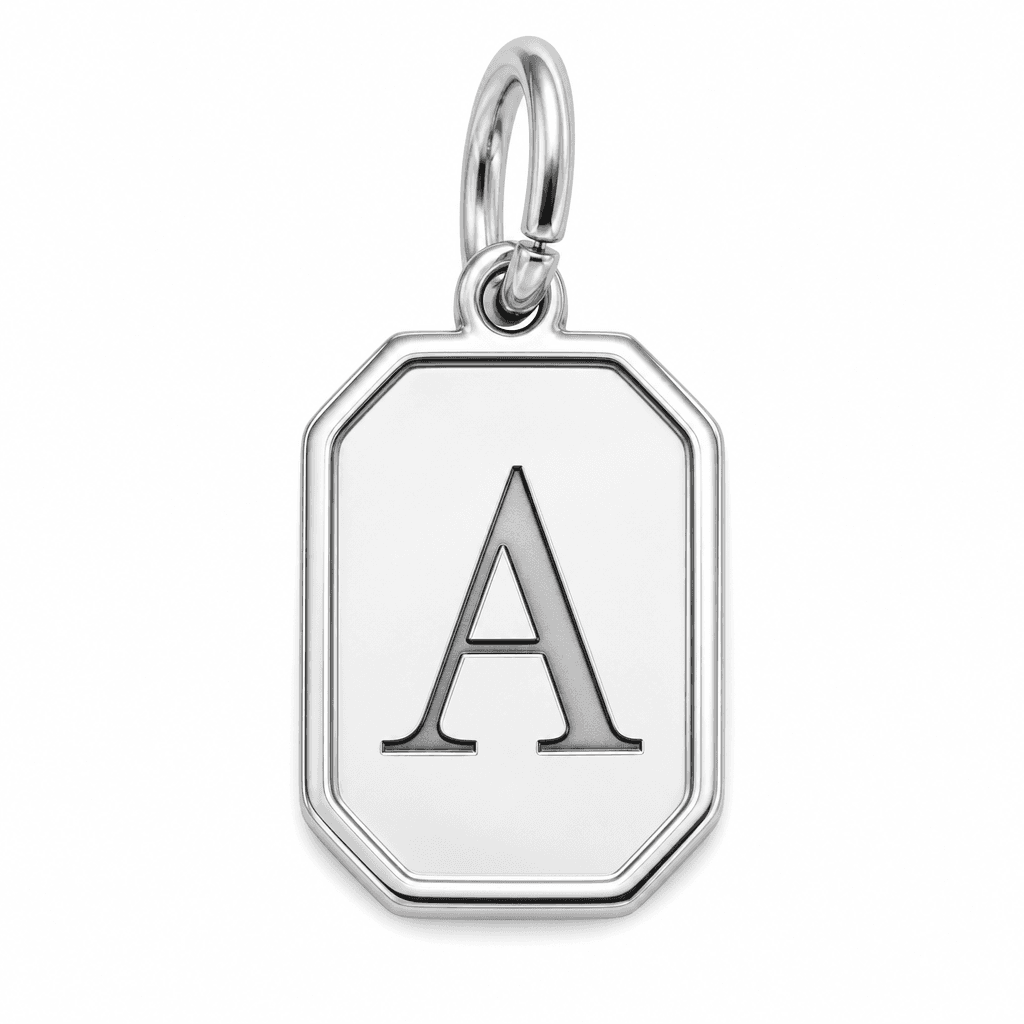
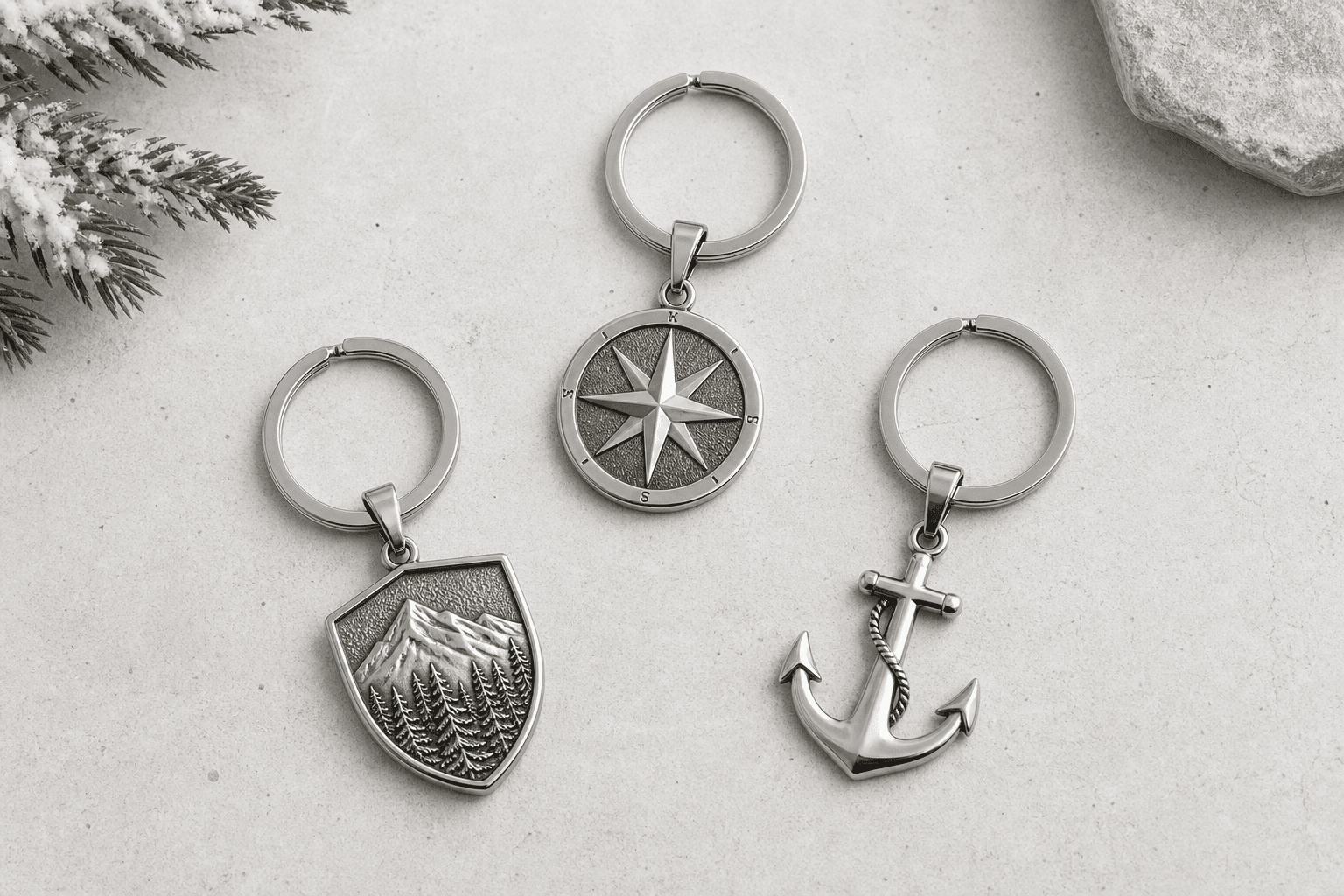
316L stainless steel is the baseline material for stainless steel charms used in keychains and related accessories, chosen for corrosion resistance, durability, and compatibility with precision finishing. The low carbon variant reduces sensitization during welding and polishing, helping maintain a consistent surface in high-volume runs. For product developers, this means fewer lead-time surprises when moving from prototype to production, and reliable performance across markets with humidity, sweat, and salt exposure.
Alloy composition and corrosion resistance
In practical terms, 316L stainless steel offers a balance of chromium for a passive oxide film, nickel for ductility, and molybdenum for enhanced pitting resistance in chloride-rich environments. While Lancy focuses on 316L stainless steel charms as the base material, understanding this chemistry helps forecast long-term color stability, wear resistance, and mechanical integrity during bail threading, enamel filling, or crystal inlays. Designers should consider wall thickness, hole tolerances, and radii to preserve structural integrity and finish quality across thousands of handling cycles.
Finishes: PVD plating, enamel, and crystals
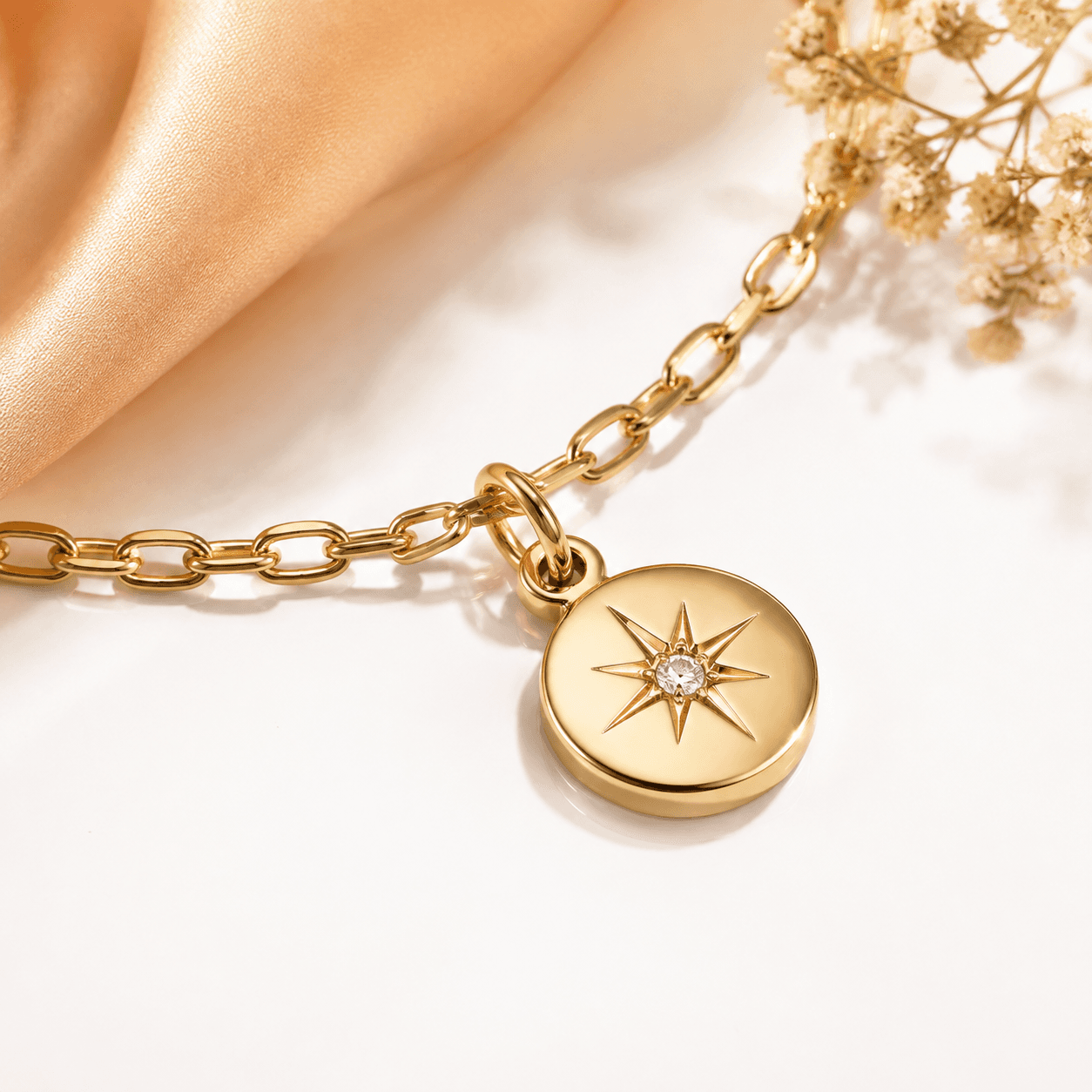
Finish choices add visual brand identity and functional performance. PVD plating yields durable gold, rose gold, or silver-tone surfaces with strong adhesion to 316L stainless steel. Enamel filling provides vibrant color accents, while crystal inlays offer premium sparkle. All finishes are suitable for 316L stainless steel charms when designs account for plating thickness, masking, and post-processing cleanups. When evaluating finishes for OEM or ODM projects, consider abrasion resistance, color stability under UV exposure, and compatibility with private-label packaging elements.
Benefits of Material Science for Private-Label Programs
Durability, biocompatibility, and market readiness
316L stainless steel offers robust durability under daily wear and repeated handling, essential for charm bars, gift programs, and private-label lines. Consistency in plating adhesion and color stability helps reduce return rates and support brand reputation across markets. Third-party certifications (RoHS, REACH, and nickel-release testing) provide assurance for cross-border sales and retailer acceptance. As a stainless steel charms manufacturer, Lancy emphasizes repeatable properties from lot to lot to support private-label success globally.
Consistency, compliance, and supply security
For multi-country programs, consistent plating quality and predictable supply chains matter. Our facility maintains controlled processes for CNC, laser cutting, laser marking, welding, and polishing to deliver uniform results for OEM and ODM projects. Compliance with nickel-release and surface finish standards helps ensure durability and safety across US, EU, UK, AU, CA, DE, FR, SP, NE, RU markets.
Detailed Analysis and Step-by-Step Guide
Step 1: Material selection and supply chain
Begin with a robust supply of 316L stainless steel base charms that meet shape, tolerance, and hole-size requirements. Tight material control reduces variability in molding, stamping, and post-processing steps. For private-label and wholesale programs, confirm lot-to-lot consistency and document material traceability for audits and RFQ responses. As a stainless steel charms manufacturer, Lancy can advise on suitable alloy chemistries and supplier qualification steps.
Step 2: Design for manufacturability
Engage in design-for-manufacturability reviews early. Radii, fillets, hole diameters, and bail geometry influence tooling wear, plating coverage, and finishing uniformity. Prototyping iterations help align design intent with production realities, reducing the sample-to-production gap and enabling smoother progress toward OEM or ODM milestones.
Step 3: Prototyping and sample development
Prototyping bridges concept and production. For private-label partners, a guided sample development path accelerates feedback cycles and reduces risk. Coordinate lead times with CNC, laser, and finishing teams to ensure prototype geometry aligns with final production tolerances. This stage often defines color, texture, and assembly compatibility for the chosen finishes. Lancy supports sample development as part of its private-label service.
Step 4: Finishing options: plating, enamel, and crystals
PVD plating enables durable gold plated, rose gold plating, or silver finishes on 316L stainless steel charms. Enamel color filling adds signature brand hues, while crystal inlays provide premium accents. When selecting finishes, evaluate scratch resistance, chemical resistance, and compatibility with packaging inks and retail display closures used in stores and gift programs.
Step 5: Quality control, testing, and certifications
Quality control spans dimensional checks, plating thickness verification, and post-processing stability tests. Third-party certifications for RoHS and REACH checks and nickel release testing help ensure cross-market safety and reliability for wholesale orders and private-label lines.
Step 6: Private-label packaging and branding
Packaging is an extension of the product. For private-label buyers, packaging should protect the finish during transit, support shelf appeal, and align with brand guidelines. Lancy can provide private-label packaging options that complement chosen finishes while maintaining MOQ-friendly production for boutique brands and retailers. Consider label inserts, anti-tarnish barriers, and tamper-evident packaging for gift programs.
Step 7: Production planning, MOQ, and lead times
Production planning for 316L stainless steel charms emphasizes stable lead times, repeatable quality, and manageable MOQs. Low MOQ charm production is a key value proposition for boutique brands exploring new designs without overcommitting capital. OEM and ODM partnerships with Lancy are designed to optimize sample development timelines, enable rapid scaling, and support bulk charm orders when demand increases.
FAQ
1. What makes 316L stainless steel ideal for charms?
316L stainless steel provides excellent corrosion resistance and ductility, with low carbon content that reduces hardening during processing. This supports durable finishes (PVD, enamel) and reliable performance across markets.
2. What finishes are available for 316L stainless steel charms and how do they affect lead times?
Finishes include PVD plating (gold, rose gold, silver), enamel color filling, and crystal inlay. Finishes influence lead times based on batch sizes, color selections, and testing needs; OEM/ODM workflows help align finish choices with production calendars and MOQs.
3. What is the typical MOQ for OEM/ODM private-label programs?
MOQs vary by design and finish, but Lancy offers low MOQ support to help boutique brands validate concepts before scaling to larger wholesale or bulk orders. Specific MOQ thresholds are defined in the RFQ process and tailored to each project.
4. How long does sample development take and how many iterations are typical?
Sample development timelines depend on geometry, finishes, and testing requirements. A typical cycle includes design validation, proto tooling, first samples, and refinements. Rapid iterations are supported to reduce development risk and accelerate time-to-market for new collections within the OEM/ODM framework.
Call to Action: Partner With Us
Partner with Lancy Jewelry for reliable private-label or OEM/ODM production of 316L stainless steel charms. We offer dedicated support for product developers seeking consistent plating quality, low MOQ, and fast sample development. Explore our OEM Service options, browse the catalog at All Products, or contact our team to start a quote. You can also initiate inquiries via Request a Quote or reach out directly through Contact.