Hook: If you’re sourcing stainless steel car charms wholesale, you need a reliable partner who can deliver consistent 316L stainless steel charms with private-label packaging, low MOQ, and fast sample development. This guide walks wholesale buyers through practical steps, backed by material science insights and proven supplier evaluation practices.
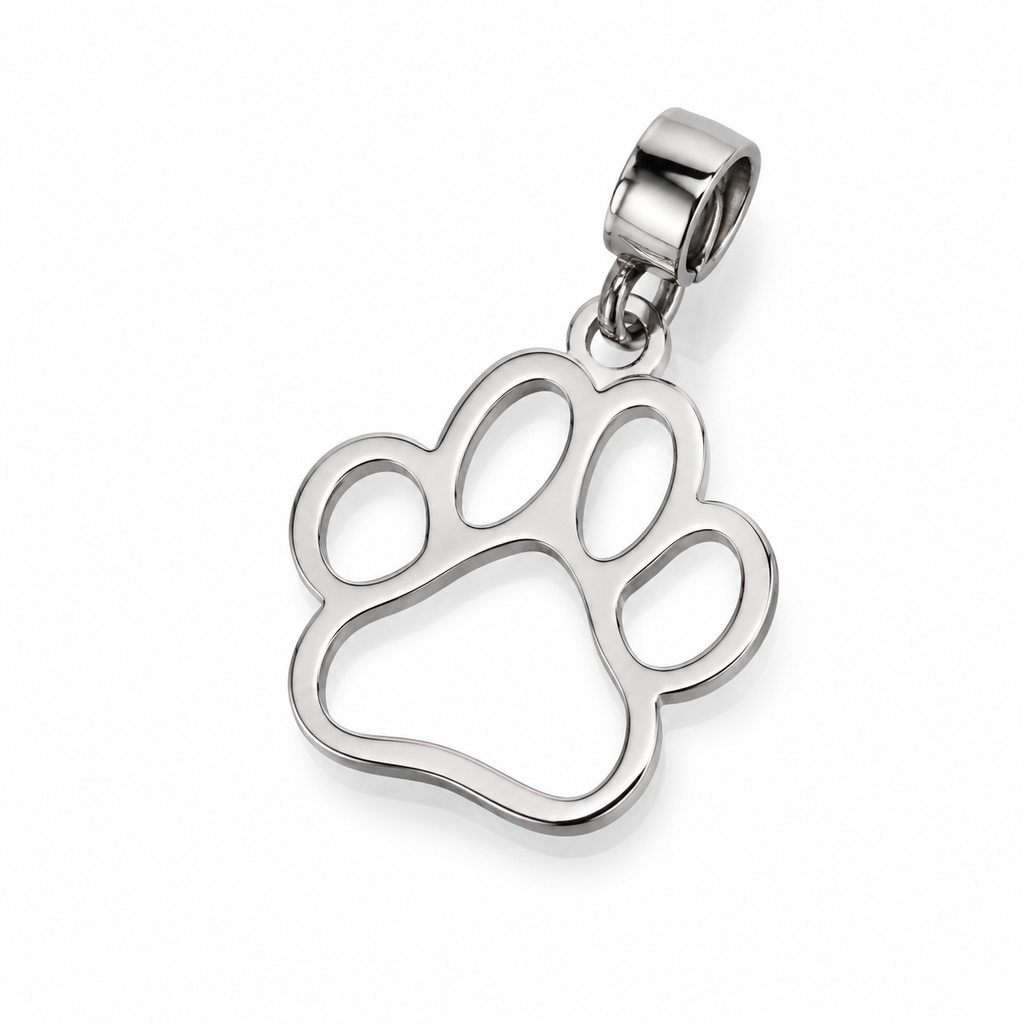
For boutique brands and private-label buyers, it’s essential to choose a partner who can align on material integrity, manufacturing capabilities, and scalable programs. As a stainless steel charms manufacturer, Lancy Jewelry offers OEM/ODM development, PVD plating, enamel color filling, crystal inlay, and packaged private-label solutions. This article frames a structured approach to sourcing stainless steel car charms wholesale that supports margin growth, consistent quality, and global reach. For readers seeking broader capabilities, explore our OEM service and learn how to initiate a formal RFQ with our team to support bulk charm orders or private label charms programs. You can also browse our catalog on All Products to see current 316L stainless steel charm options and finishes.
Stainless steel car charms wholesale: a sourcing guide
1) Define exact specifications and performance needs
The first step in sourcing car charms wholesale is to define precise specifications that your brand requires. Catalog the following attributes and translate them into a formal brief for suppliers:
- Material baseline: 316L stainless steel is the standard for durability, corrosion resistance, and biocompatibility in mass production contexts.
- Finish and plating options: PVD gold plating, silver finish, rose gold plating, enamel color filling, and crystal inlay for decorative accents.
- Surface treatment and tolerance: surface flatness, edge rounding, and plating thickness targets to ensure uniformity across large orders.
- Dimensions and weight: typical car charm silhouettes in the 8–25 mm range, with clear bail holes and proper threading for jump rings.
- Attachment mechanism: bail or jump ring compatibility, with evidence of real-hole threading and closed joins for reliability.
- Private-label packaging: branded packaging, inserts, and carton specs suitable for direct sale or distribution networks.
- Certifications and compliance: SGS certification coverage (RoHS, REACH, Nickel Release EN1811, Salt Spray 240H) to support cross-market sales.
Pro tip: When communicating with suppliers, frame your requirements as a formal RFQ (request for quotation) to obtain apples-to-apples comparisons. For Lancy Jewelry, you’ll find both OEM and ODM capabilities, designed to accelerate sample development and time-to-market for wholesale partners.
2) Evaluate supplier capabilities and reliability
In wholesale sourcing, supplier reliability translates directly to margins and delivery predictability. Key evaluation areas include:
- Manufacturing footprint: a modern facility with CNC, laser cutting, laser marking, welding, and polishing supports consistent finishes and tolerances.
- Process controls: robust QA steps, plating quality control, and test results (salt spray, corrosion resistance) documented for each batch.
- Capacity and lead times: ability to sustain large orders (bulk charm orders) while meeting low MOQ programs for new collections.
- Private-label and packaging: ability to deliver branded packaging with minimal lead times and scalable SKUs.
- Certifications: SGS certifications for RoHS, REACH, Nickel Release EN1811, and Salt Spray 240H demonstrate conformance for global markets.
As you compare options, request sample kits that include a PVD-plated 316L charm with enamel fill and, if possible, a crystal-inlay sample. This helps verify how the finish holds up under typical handling in wholesale channels. If you need a reference point, note that Lancy Jewelry is positioned as a dedicated stainless steel charms manufacturer with comprehensive OEM/ODM support and private-label packaging capabilities, including sample development.
3) Request quotes and compare total cost of ownership
Pricing for stainless steel car charms wholesale typically hinges on material baseline, finish options, complexity (enamel/crystal), and packaging requirements. Important factors to compare beyond unit price include:
- Minimum order quantity (MOQ) and pricing tiers tied to order size
- Lead times for samples, mass production, and any additional inspection steps
- Freight terms, incoterms, and responsibilities for import duties
- After-sales support, warranties, and replacement policies for damaged items
- Private-label packaging options and artwork approvals, including turn-around times
For global buyers, it is common to favor suppliers with experience across multiple markets and the ability to support unified standards across regions. A reputable supplier—such as a dedicated OEM charms manufacturer—will present clear documentation and a transparent cost structure that supports scalable growth.
Benefits of sourcing from a proven stainless steel charms supplier
Key benefits and why certifications matter
- Consistent plating and finish quality: PVD plating delivers durable color and wear resistance across large run quantities, ensuring a uniform boutique-ready look for car charms.
- Material integrity and health compliance: 316L stainless steel provides corrosion resistance in varied environments, while SGS-certified processes help ensure RoHS and REACH compliance.
- Global supply readiness: a capable factory supports OEM/ODM development, private-label packaging, and scalable production for global markets.
- Private-label and branding flexibility: branding-ready packaging, logo engraving, and custom decorative finishes support wholesale distribution channels and gift programs.
- Sample development speed and low MOQ options: fast samples and flexible MOQs reduce time-to-market for new collections and private-label launches.
These benefits translate into predictable margins, faster assortment cycles, and lower risk when integrating 316L stainless steel car charms into a broader product strategy. For a concrete path to achieving these benefits, consider the following steps and best practices, reinforced by our SGS-certified processes and modern manufacturing capabilities.
Detailed analysis and step-by-step sourcing guide
Step A: Align product specs with market needs
Begin with a precise spec sheet that covers the most impactful variables for wholesalers and retailers. Include target sizes, finishes, packaging preferences, and tolerance ranges. Map each spec to a supplier capability and confirm feasibility during the sampling phase. If you need a template, request a formal spec brief during your initial outreach and reference Lancy Jewelry’s hands-on experience as a stainless steel charms manufacturer that supports custom stainless steel charms and private-label programs.
Step B: Validate material and finish options
316L stainless steel is the baseline for longevity and color stability. When evaluating finishes, require documentation on plating thickness, adhesion tests, and color consistency. For decorative options, verify enamel fill uniformity and crystal-setting integrity. In addition to aesthetic considerations, confirm that the finish remains stable under typical consumer handling, including exposure to moisture and cosmetic products.
Step C: Inspect production capabilities and quality controls
Request details on the factory’s CNC, laser cutting, laser marking, welding, and polishing capabilities. A transparent QA protocol, including in-process checks and post-production tests, supports reliable bulk orders. Ask for recent test reports demonstrating salt spray resistance and nickel-release performance in accordance with EN1811 standards. Publishing these results helps establish trust with distributors and retailers across US, EU, UK, AU, CA, and other markets.
Step D: Pilot with samples and a staged ramp-up
Always start with a sample batch before committing to a larger order. The sample development phase should include dimensional checks, finish verification, and a short functional test for the bail/jump-ring assembly. Use the samples to validate packaging concepts and ensure that the private-label presentation aligns with your brand’s boutique positioning. As a reference, a reputable supplier will offer a streamlined path from sample to mass production and will handle low MOQ charm production when appropriate to support market testing.
Step E: Negotiate terms and finalize the RFQ
With verified specs and a positive sample result, negotiate pricing tiers, MOQs, lead times, and warranty terms. Treat the RFQ as a contractual anchor that clarifies expectations for both sides. Ensure the supplier can align with your global distribution plan and is comfortable providing product data sheets, test certificates, and packaging artwork for fast approvals. For ongoing partnerships, discuss potential for private-label programs and a ramp-up plan for seasonal collections.
Step F: Place the order and monitor performance
Place the initial PO with clear instructions for packaging, labeling, and delivery terms. Establish a regular cadence for quality feedback, component traceability, and forecast alignment to sustain a reliable supply chain. A capable supplier should provide ongoing support for reorders, new SKUs, and occasionally more advanced finishes like enamel color ranges or crystal accents, enabling you to refresh assortments without disrupting existing sell-through.
FAQ: Car charms wholesale sourcing questions
Q1: What is the typical MOQ for stainless steel car charms?
A typical MOQ varies by finish complexity and packaging requirements. Reputable suppliers offering private-label programs can accommodate low MOQs for pilot lines, while larger ranges may require higher MOQs to optimize production efficiency. When negotiating, emphasize long-term partnership potential and ongoing annual volume to secure favorable terms.
Q2: Which certifications should I look for when sourcing 316L stainless steel car charms?
Look for SGS certification coverage, including RoHS and REACH compliance, Nickel Release EN1811 testing, and Salt Spray testing (e.g., 240H) for durability and safety. These certifications help ensure cross-market acceptance and reduce regulatory risk for distributors and retailers.
Q3: How long does sample development typically take for new car charm designs?
Sample development timelines vary by design complexity and engraving or inlay requirements. In a well-supported program, basic samples (standard finishes) can be produced in 1–2 weeks, with more complex enamel or crystal inlays extending to 2–4 weeks. For private-label projects, schedule additional time for packaging artwork approvals and branding proofs.
Q4: What finishes are commonly available for stainless steel car charms?
Common finishes include PVD gold plating, silver finish, and rose gold plating, along with enamel color filling and crystal inlay for decorative accents. A reliable supplier will offer color-matched options, plating thickness controls, and consistent wear resistance across batches to maintain a boutique appearance in mass production.
Call to action: Partner with Lancy Jewelry for car charms wholesale
Partnering with a proven OEM/ODM stainless steel charms manufacturer ensures you have access to scalable production, reliable private-label packaging, and fast sample development. Lancy Jewelry supports bulk charm orders with low MOQs, consistent plating quality, and an established track record across global markets. If you’re ready to start a formal RFQ, you can reach us through our
contact page or request a quote via RFQ and inquiry. To explore our capabilities in depth, visit OEM service and browse our 316L stainless steel charm catalog at All Products. For ongoing collaboration with a trusted supply partner, consider Lancy Jewelry as your dedicated stainless steel charms manufacturer for car charms and related decorative accessories. We welcome opportunities to develop private label charms programs and to support your wholesale growth with confidently sourced materials and proven processes.