Choosing the right charm supplier requires more than reviewing product photos or checking surface appearance. For jewelry designers and private-label buyers, the foundation of a reliable collection is material consistency, manufacturing capability, and a supplier’s ability to translate creative concepts into stable production. Evaluating stainless steel wholesale jewelry charm supplies means understanding the material properties, production processes, quality controls, and customization support behind every finished charm.
For global boutique brands, selecting a specialized manufacturer can improve product reliability, development speed, and long-term collection planning. Lancy Jewelry focuses on 316L stainless steel charms manufacturing, supporting OEM and ODM projects with factory-direct development, finishing options, and private-label solutions.

How to Evaluate Stainless Steel Wholesale Jewelry Charm Supplies
Start with the material foundation: 316L stainless steel
The first evaluation point for charm supplies is the base material. 316L stainless steel is widely selected for jewelry applications because its carefully controlled elemental composition provides a strong balance of durability, corrosion resistance, and suitability for everyday accessories.
For designers creating collections for different markets, material stability directly affects customer experience. A dependable 316L stainless steel charm supplier should be able to explain material specifications, production standards, and testing procedures rather than only focusing on visual design.
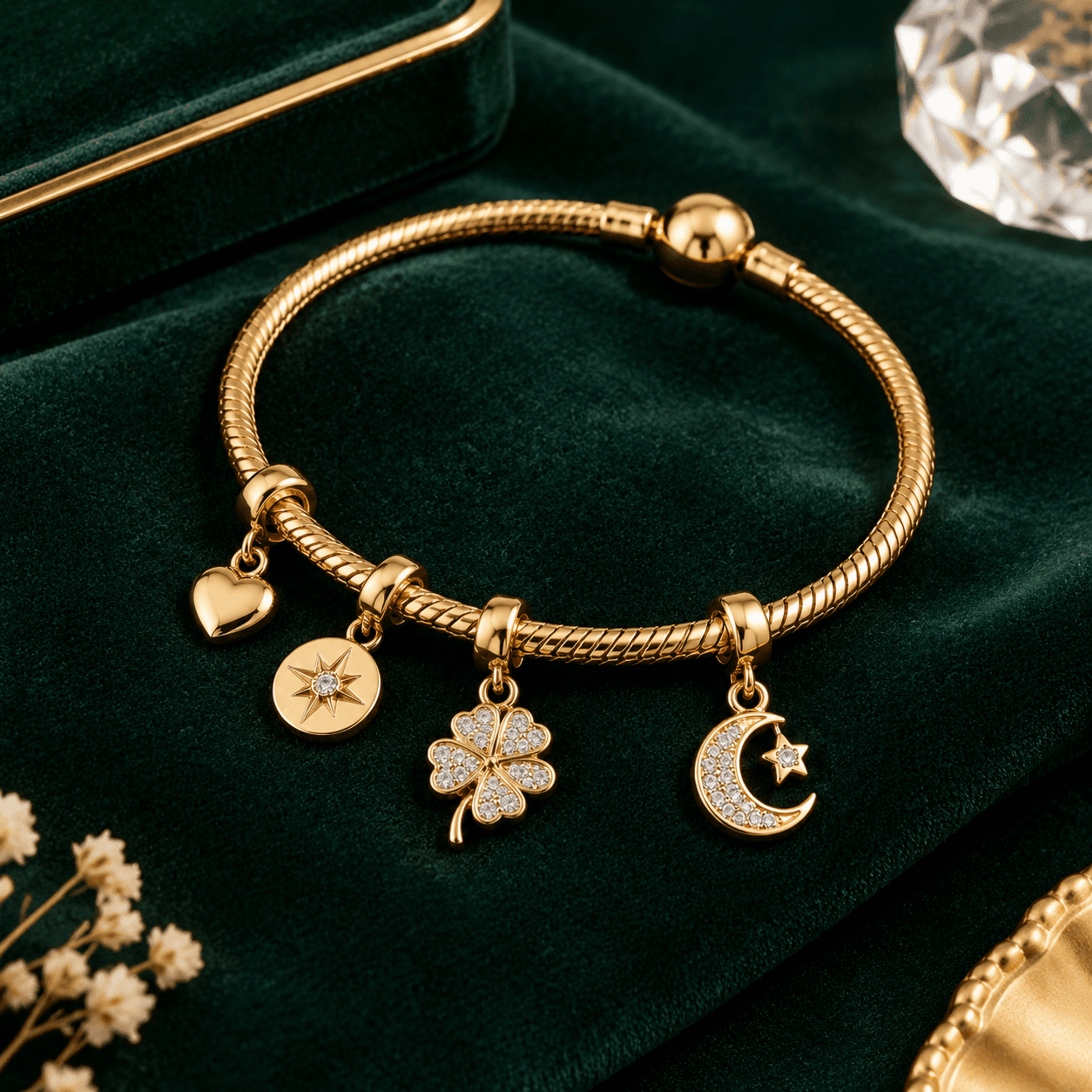
Lancy Jewelry develops 316L stainless steel charms with controlled manufacturing processes to support consistent appearance across repeated production runs. This approach helps buyers build coordinated collections including birthstone, alphabet, zodiac, symbol, ocean, heart, nature, and animal themed charm programs.
Review manufacturing capability and development support
A professional stainless steel charms manufacturer should provide more than ready-made products. Modern buyers often need customization, including shape adjustments, logo engraving, surface treatment, color application, and packaging development.
When evaluating a supplier, review whether the factory has the technical resources to manage the complete development cycle. Lancy Jewelry operates with CNC processing, laser cutting, laser marking, welding, and polishing capabilities to support detailed charm development from concept to production.
For brands building unique collections, working with an experienced OEM charms manufacturer can simplify communication between design requirements and manufacturing execution. A capable partner should provide sample development support, production feedback, and practical suggestions based on manufacturing experience.
Why Material Evaluation Matters for Charm Businesses
Consistency supports long-term collection planning
Charm businesses frequently expand collections through seasonal launches, themed series, and private-label programs. Consistency between production batches is essential because buyers need predictable sizing, finishing, and visual quality.
316L stainless steel provides a reliable foundation for designers who require durable accessory components with stable production characteristics. A supplier should maintain controlled procedures for shaping, polishing, surface treatment, and inspection to reduce variation during bulk charm orders.
Certifications provide quality assurance
Professional sourcing decisions should include verification of quality documentation. Lancy Jewelry supports quality evaluation through SGS certification testing, including RoHS, REACH, Nickel Release EN1811, and Salt Spray 240H testing.
These certifications help international buyers review material safety considerations and finishing durability requirements for different markets. A supplier that can provide documented testing demonstrates a stronger commitment to transparent manufacturing practices.
Finishing options expand creative possibilities
Material quality is only one part of charm development. Surface finishing allows designers to create differentiated collections while maintaining the 316L stainless steel foundation.
Available finishing solutions include PVD, gold plated finishes, silver finish, rose gold plating, enamel color filling, and crystal inlay details. These options allow brands to develop various visual directions while keeping production organized through one experienced manufacturing partner.
A Detailed Guide to Selecting a Reliable Charm Supplier
Step 1: Analyze supplier specialization
Not every accessory supplier has the same technical focus. Buyers should look for manufacturers that specialize in stainless steel charms and understand the requirements of small decorative components.
A qualified ODM charm supplier should understand design communication, technical drawings, sampling procedures, and production planning. Specialization reduces development risks and helps designers move from ideas to manufacturable products more efficiently.
Step 2: Evaluate customization capabilities
Customization is a major factor for boutique brands. Before selecting a supplier, confirm whether they support:
- Custom shapes and design adjustments
- Logo engraving and laser marking
- PVD surface finishing options
- Enamel color development
- Crystal inlay applications
- Private-label packaging solutions
These capabilities allow buyers to create collections that match their brand positioning while maintaining efficient production workflows.
Step 3: Confirm production flexibility and MOQ policy
MOQ requirements influence how easily a brand can test new concepts. Flexible low MOQ support can help emerging designers introduce new collections without excessive inventory pressure.
Lancy Jewelry provides low MOQ charm production support for qualified projects, allowing buyers to develop samples, validate designs, and organize future bulk orders with greater confidence.
Step 4: Review sample development procedures
Sample quality is a key indicator of production capability. Before placing larger orders, buyers should evaluate sample accuracy, surface quality, attachment points, and overall craftsmanship.
Effective sample development includes clear communication, technical review, and confirmation of final production standards. A supplier experienced in OEM and ODM projects should help identify manufacturing improvements before mass production begins.
Step 5: Examine production quality controls
Quality control should cover every production stage, including material preparation, forming, polishing, finishing, assembly inspection, and final packaging checks.
For global sourcing, consistent quality control reduces unexpected issues during distribution. A professional factory should have clear inspection procedures and the ability to maintain specifications across repeated orders.
Important questions for sourcing managers
When reviewing a potential supplier, ask about:
- 316L stainless steel material standards
- Available customization processes
- Production capacity and lead times
- Testing documentation
- Packaging options for private-label programs
- Support for international buyers
Strategic Advantages of Working With a Specialized Supplier
Partnering with a focused manufacturer creates advantages beyond product supply. A specialized supplier can support collection planning, recommend practical production solutions, and help brands maintain consistent quality as their business grows.
For companies sourcing wholesale stainless steel charms, the ideal partner combines manufacturing expertise with responsive communication. This combination supports efficient ordering, reliable product launches, and scalable accessory programs.
Lancy Jewelry provides B2B accessory supplier services for boutique brands, distributors, gift companies, and private-label buyers. With OEM, ODM, and customization support, buyers can develop charm collections aligned with their market requirements.
FAQ About Stainless Steel Wholesale Jewelry Charm Supplies
What should buyers check before ordering stainless steel charms?
Buyers should review the supplier’s material specifications, manufacturing capabilities, quality documentation, customization options, sample process, and MOQ requirements before placing orders.
Why is 316L stainless steel important for charm production?
316L stainless steel provides a dependable material foundation with strong corrosion resistance, stable production performance, and suitability for detailed charm manufacturing processes.
Can suppliers support custom logo charms and private-label projects?
Yes. Experienced manufacturers can support custom logo charms through processes such as laser engraving, design development, finishing selection, and private-label packaging preparation.
How can brands test new charm collections before large production?
Brands can begin with sample development to review design accuracy, finishing quality, and production feasibility before moving into larger wholesale orders.
Partner With Lancy Jewelry for Custom Charm Manufacturing
Selecting a reliable charm supplier is a strategic decision that affects product quality, customer satisfaction, and future collection growth. Lancy Jewelry combines 316L stainless steel expertise, OEM and ODM development capabilities, and factory-direct manufacturing support to help global buyers create dependable charm programs.
Whether you need custom stainless steel charms, PVD plated stainless steel charms, or private label charms with professional packaging support, Lancy Jewelry provides practical solutions for boutique brands and sourcing teams.
Explore our product catalog at /products, learn about custom manufacturing at /oem, or submit an RFQ through /cart to discuss your next collection.