Sourcing a stainless steel keychain bag charm program from China can be profitable, but only when the supplier's quality system is as consistent as its pricing. For wholesale buyers, every charm must survive daily handling, plating wear, and repeated attachment use while protecting brand reputation. This guide gives sourcing managers a practical checklist to evaluate a stainless steel charms manufacturer and secure durable, boutique-ready 316L stainless steel charms.
How to Evaluate a Stainless Steel Keychain Bag Charm Supplier in China
Start With the Base Material and Application
Before comparing prices, define the exact product: a 316L stainless steel charm designed for keychain, bag charm, gift program, or charm bar use. Keychain bag charms are handled frequently, so the base material must resist corrosion and deformation. Ask for material documentation that confirms 316L stainless steel, not a generic metal description. A reliable supplier should provide batch-level material certificates and explain how the charm will be finished, assembled, and inspected.
Because Lancy Jewelry focuses on 316L stainless steel charms, the material conversation should be direct: confirm grade, thickness, dimensions, and finish before an RFQ is issued. Universal buyers in the US, EU, UK, AU, CA, DE, FR, SP, NE, and RU should also confirm that the supplier can support market-specific documentation and labeling requirements.
Confirm Attachment Hardware and Physical Logic
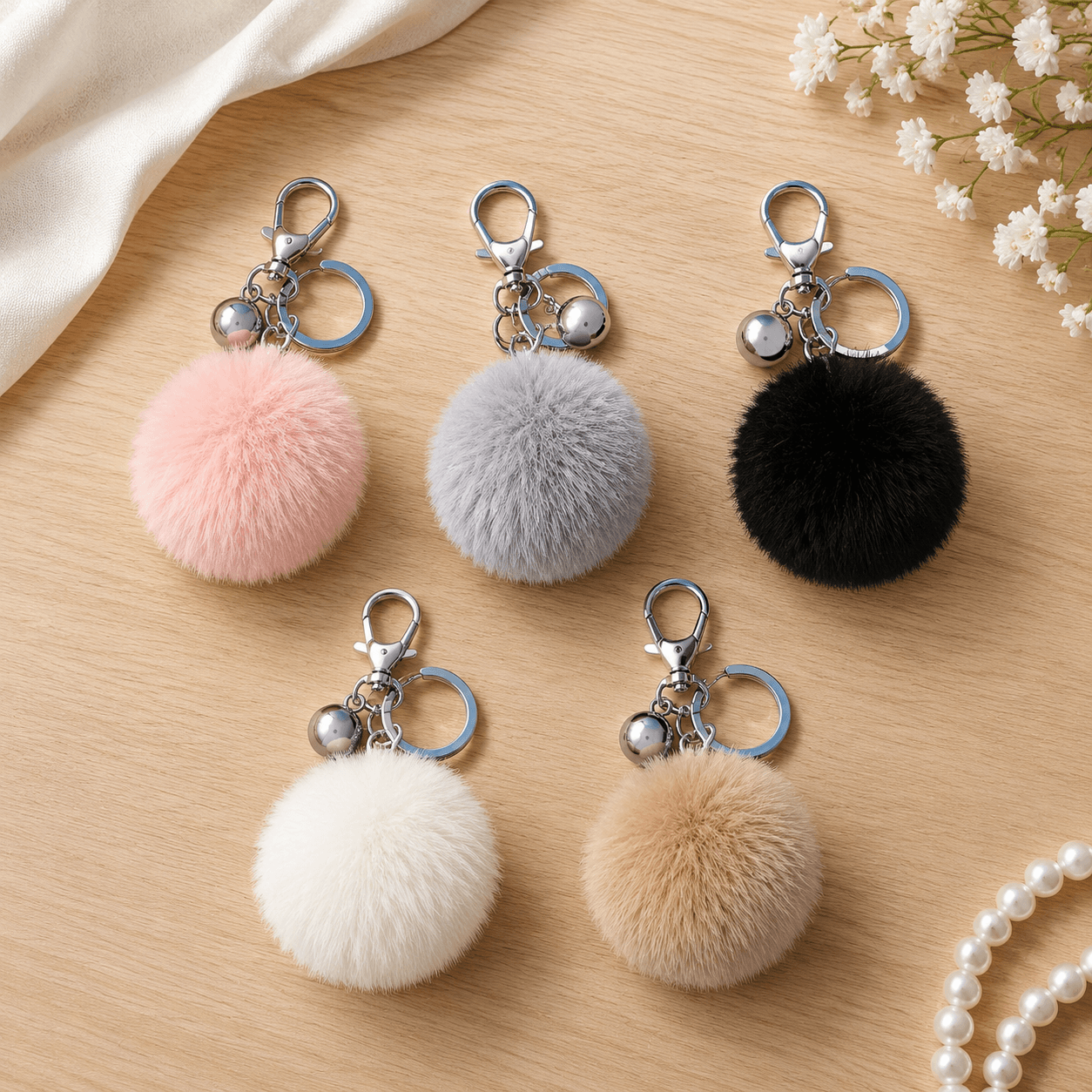
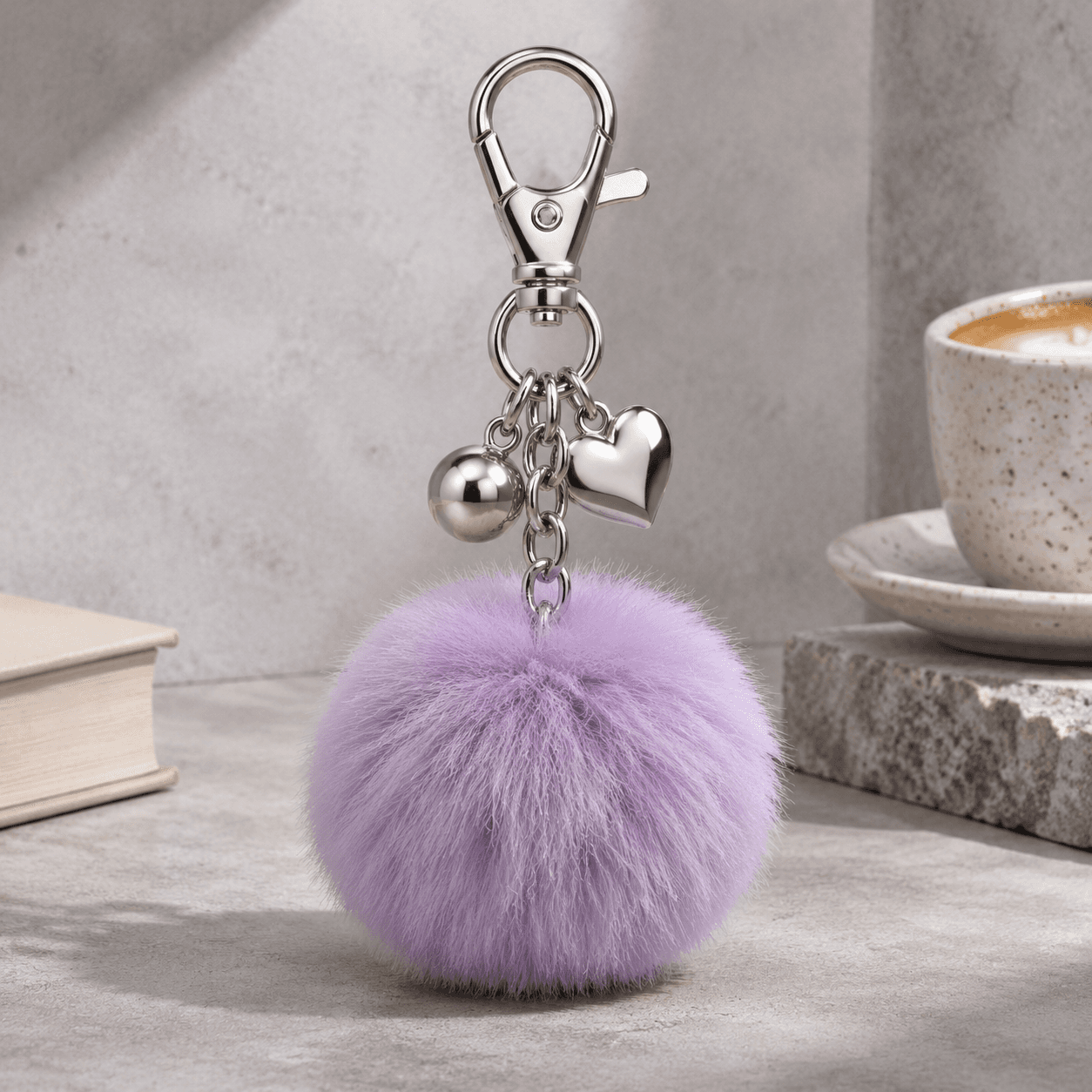
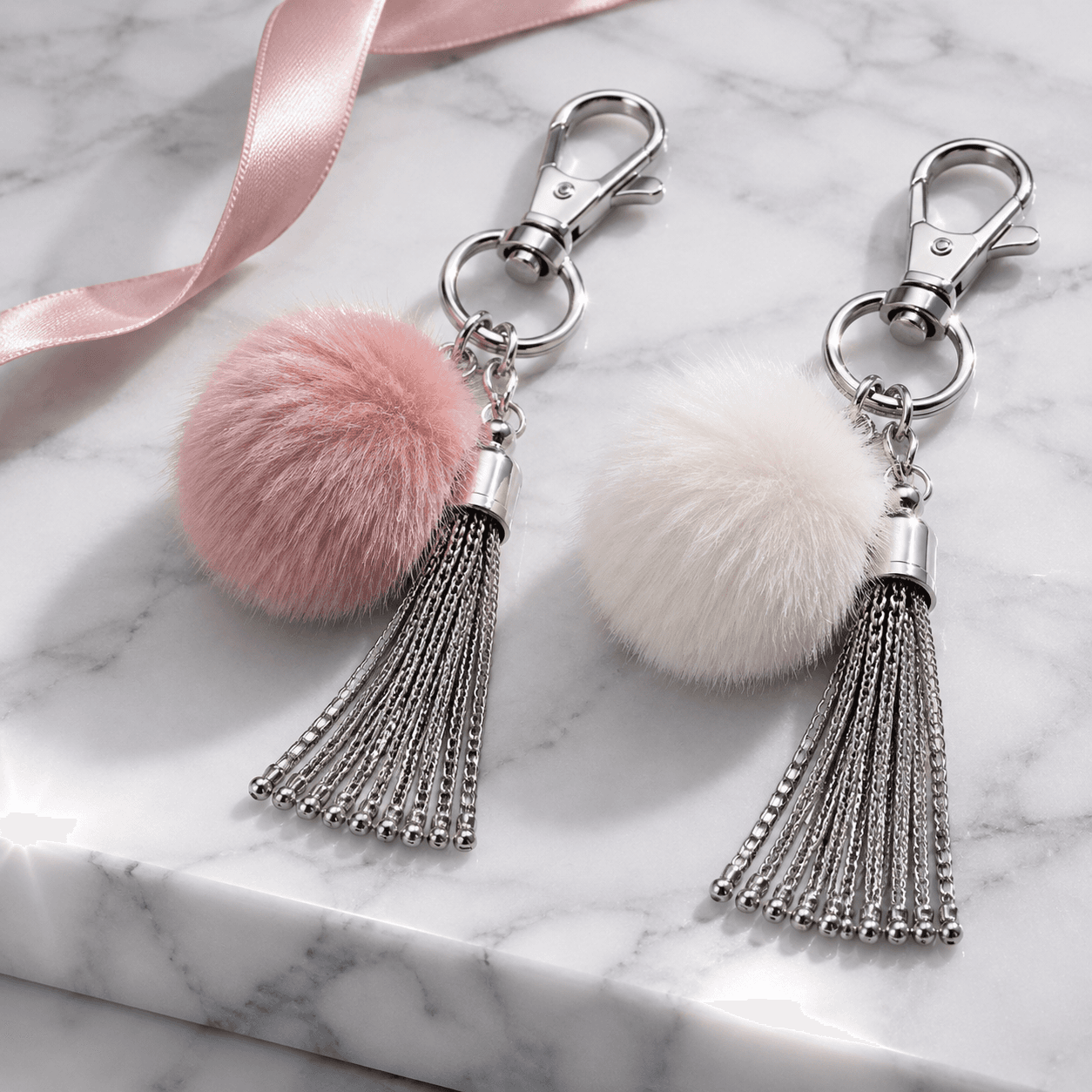
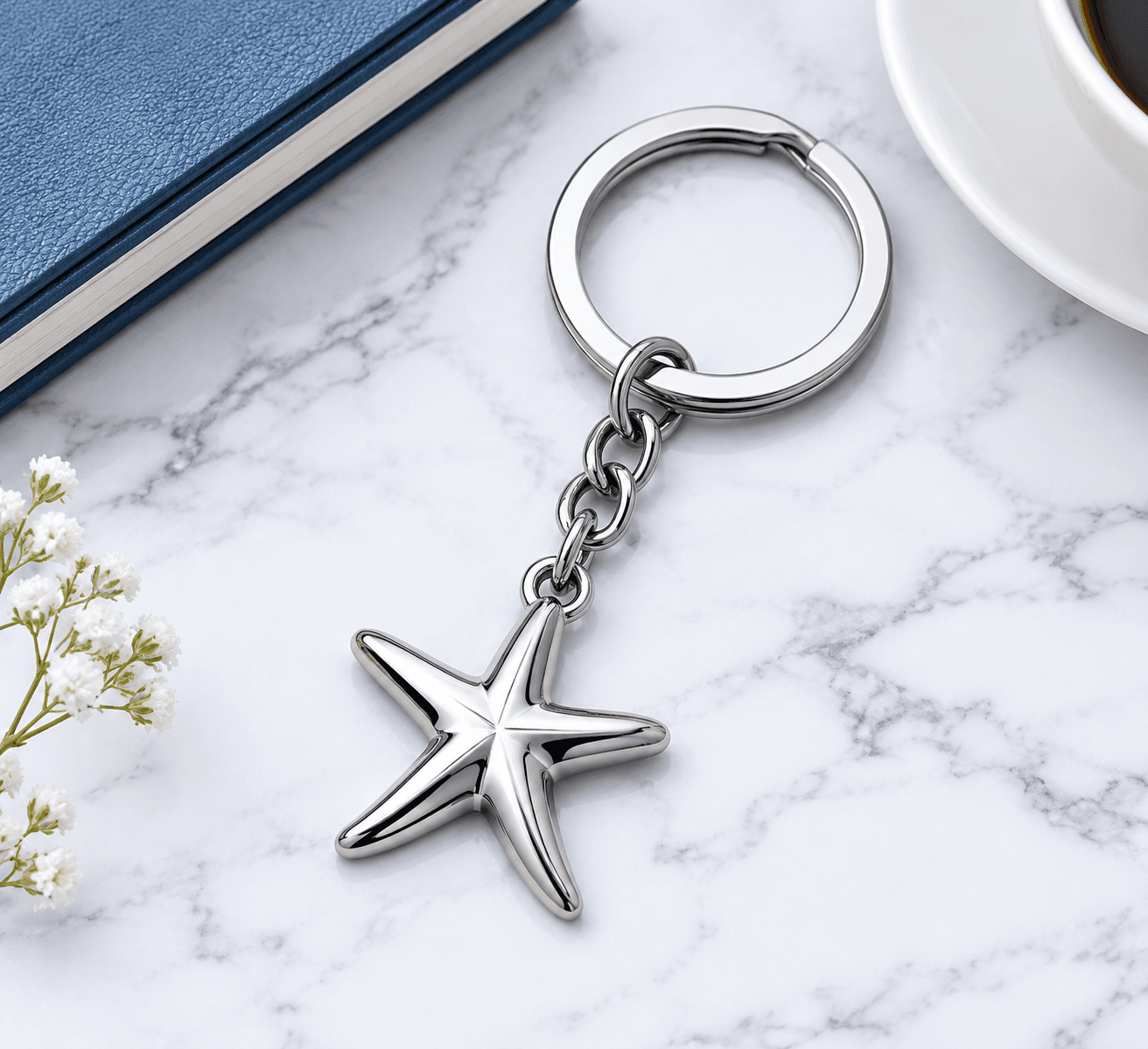
The attachment is often the first failure point on a keychain bag charm. Review the key ring, split ring, bail, jump ring, clasp, or connector in the sample. Hardware should be physically plausible, visibly threaded through a real hole or loop, and fully closed where applicable. Check ring gauge, spring tension, solder points, and whether the charm hangs straight under load. A supplier that cannot show clean connector geometry in a sample is unlikely to deliver consistent bulk charm orders.
Review Finish and Wear Resistance
For 316L stainless steel charms, finish quality determines perceived value and longevity. PVD gold plating, silver finish, and rose gold plating should be evaluated for color consistency, adhesion, and abrasion resistance. If the design includes enamel or crystal inlay, confirm that the filling is level, secure, and able to survive repeated handling. Ask for test data rather than visual claims alone.
Why Quality and Durability Matter for Wholesale Buyers
Certifications Reduce Compliance Risk
Quality is not only a production issue; it is a market-access issue. Lancy Jewelry is SGS certified for RoHS, REACH, Nickel Release EN1811, and Salt Spray 240H. These reports help wholesale buyers evaluate material safety, plating durability, and nickel release risk before launching a private label program. For EU and UK buyers, nickel release documentation is especially important; for US and global buyers, consistent salt spray results support claims about wear resistance and product longevity.
Margins Depend on Return Rates and Reorder Consistency
Bulk pricing is only useful when the reorder matches the first shipment. Inconsistent plating color, loose crystal inlay, or weak key ring attachments can increase returns, damage retail partnerships, and erode margins. A supplier with controlled sample development, documented inspection criteria, and stable PVD processes protects your category planning and makes repeat wholesale stainless steel charms orders more predictable.
Step-by-Step Supplier Quality Checklist
Step 1: Define the Product Specification Before RFQ
Create a written specification covering charm size, 316L stainless steel grade, finish type, enamel colors, crystal settings, attachment style, logo engraving, and packaging. Include the intended application, such as keychain, bag charm, gift accessory, or charm bar accessory. A precise RFQ reduces sampling cycles and helps the supplier quote a realistic MOQ and bulk price.
Step 2: Request Material and Test Documentation
Ask for a material certificate for 316L stainless steel and test reports for RoHS, REACH, Nickel Release EN1811, and Salt Spray 240H. Confirm that the reports apply to the specific finish and production process, not only to a generic material. If a supplier cannot explain the test scope, request a new sample test before placing bulk charm orders.
Step 3: Validate Attachment and Connector Quality
Inspect the key ring, split ring, bail, and jump ring under magnification. The opening should be clean, the closure should be secure, and the connector should pass through a real hole or loop without forcing. For keychain bag charm use, test the attachment under repeated light pulling. Reject samples with floating hardware, impossible connector overlap, or sharp edges that could catch fabric.
Step 4: Test Plating Wear and Surface Consistency
Compare multiple samples from the same batch and from different batches. Check PVD gold plating, silver finish, and rose gold plating for color drift, cloudiness, scratches, and edge coverage. Salt Spray 240H results provide a useful baseline, but practical handling tests also matter. Wipe samples with a soft cloth, simulate repeated contact, and review whether the finish remains uniform.

Step 5: Check Enamel and Crystal Inlay Durability
If the charm includes enamel color filling or crystal inlay, verify that the cavities are properly prepared and the filling is flush. Test with gentle pressure and visual inspection for gaps, bubbles, or loose stones. A durable inlay should remain secure after handling and should not chip at the edges during normal keychain or bag charm use.
Step 6: Compare MOQ, Bulk Pricing, and Lead Times
Request a price break table with clear MOQ tiers, tooling or setup costs, sample fees, and lead times. Low MOQ support is valuable for boutique brands testing a new series, while larger wholesale stainless steel charms buyers need predictable capacity. Compare total landed cost, not unit price alone, and confirm how delays are communicated before peak gifting seasons.
Step 7: Review Private Label and Packaging Readiness
For private label programs, confirm logo engraving, branded packaging cards, display trays, barcodes, and labeling requirements. Ask for packaging samples and check that the charm is protected during transit. Packaging should support the boutique presentation without hiding the bail, jump ring, or front design.
Step 8: Run a Sample Development and Pilot Order
Use sample development to confirm drawing accuracy, finish quality, attachment logic, and packaging. Then place a pilot bulk order and inspect against the approved sample. A supplier that manages this process smoothly is better positioned for long-term OEM and ODM cooperation.
Frequently Asked Questions
How can I verify that a supplier uses 316L stainless steel charms?
Request a material certificate, third-party test reports, and a production sample. Compare the documented grade with the RFQ specification and confirm that the same material is used in bulk production. Do not rely on visual appearance alone.
What MOQ should I expect for wholesale stainless steel charms?
MOQ varies by design complexity, finish, and packaging. Suppliers with low MOQ support can help boutique brands launch small series, while custom logo charms and private label packaging may require higher minimums. Always confirm MOQ per SKU and per finish.
How do I test PVD gold plated stainless steel charms for wear resistance?
Review Salt Spray 240H reports, compare color consistency across batches, and run practical handling tests on samples. Check edge coverage and surface hardness with the supplier's inspection data before approving bulk orders.
Can a supplier support private label keychain bag charm programs?
Yes, if the supplier offers logo engraving, packaging development, and sample approval. Confirm that packaging, labeling, and attachment hardware are included in the approved specification before production begins.
Partner With Lancy Jewelry for Reliable 316L Stainless Steel Charms
Lancy Jewelry is a B2B OEM/ODM 316L stainless steel charms manufacturer serving boutique brands, charm bar retailers, gift companies, private-label buyers, and distributors. Our facility supports CNC, laser cutting, laser marking, welding, and polishing, with SGS certified testing for RoHS, REACH, Nickel Release EN1811, and Salt Spray 240H. We support low MOQ, sample development, PVD plating, enamel color filling, crystal setting, and private-label packaging.
To build a durable keychain bag charm or wholesale stainless steel charms program, review our all products, explore OEM service, or request a quote. You can also contact our sales team for a specification review and sample plan.