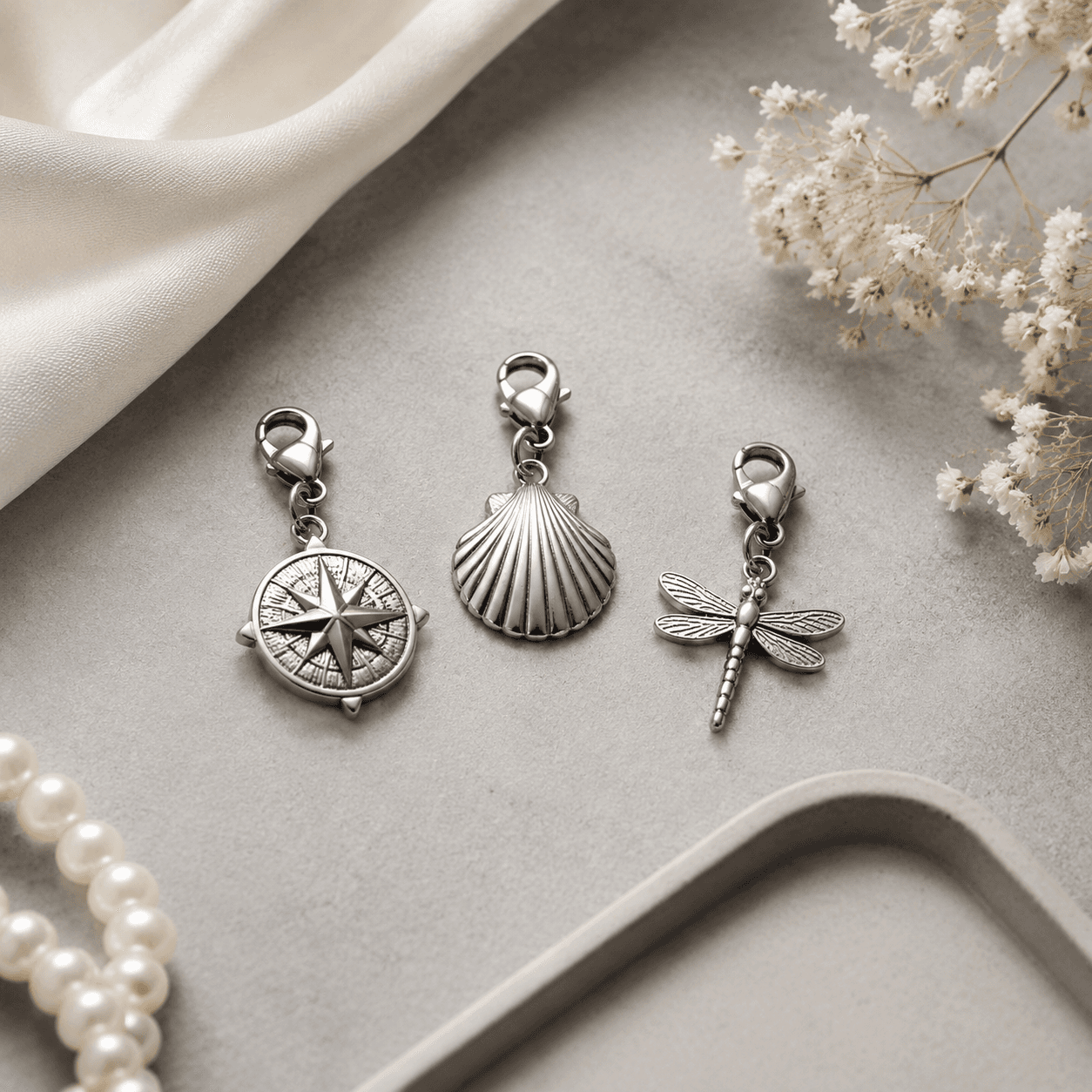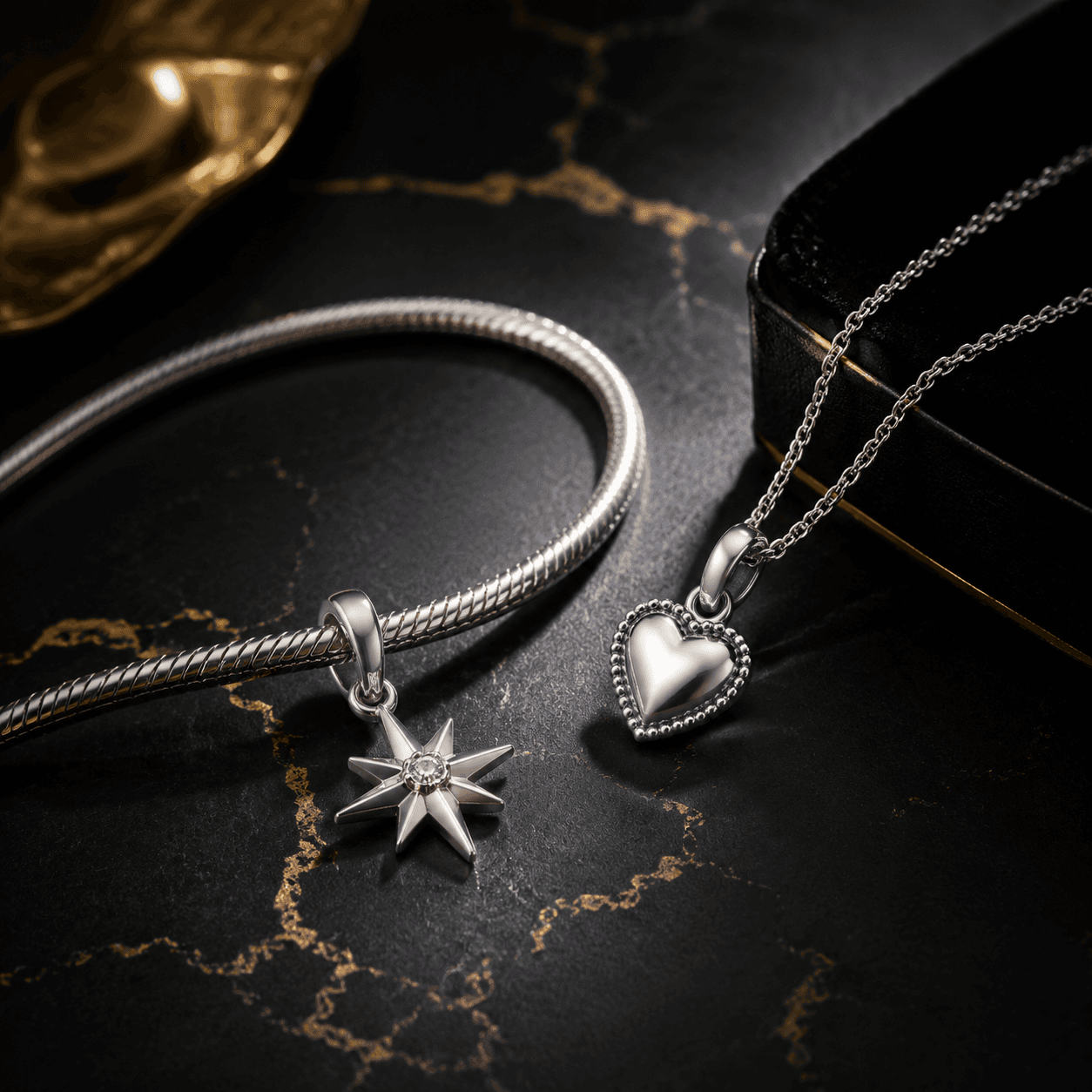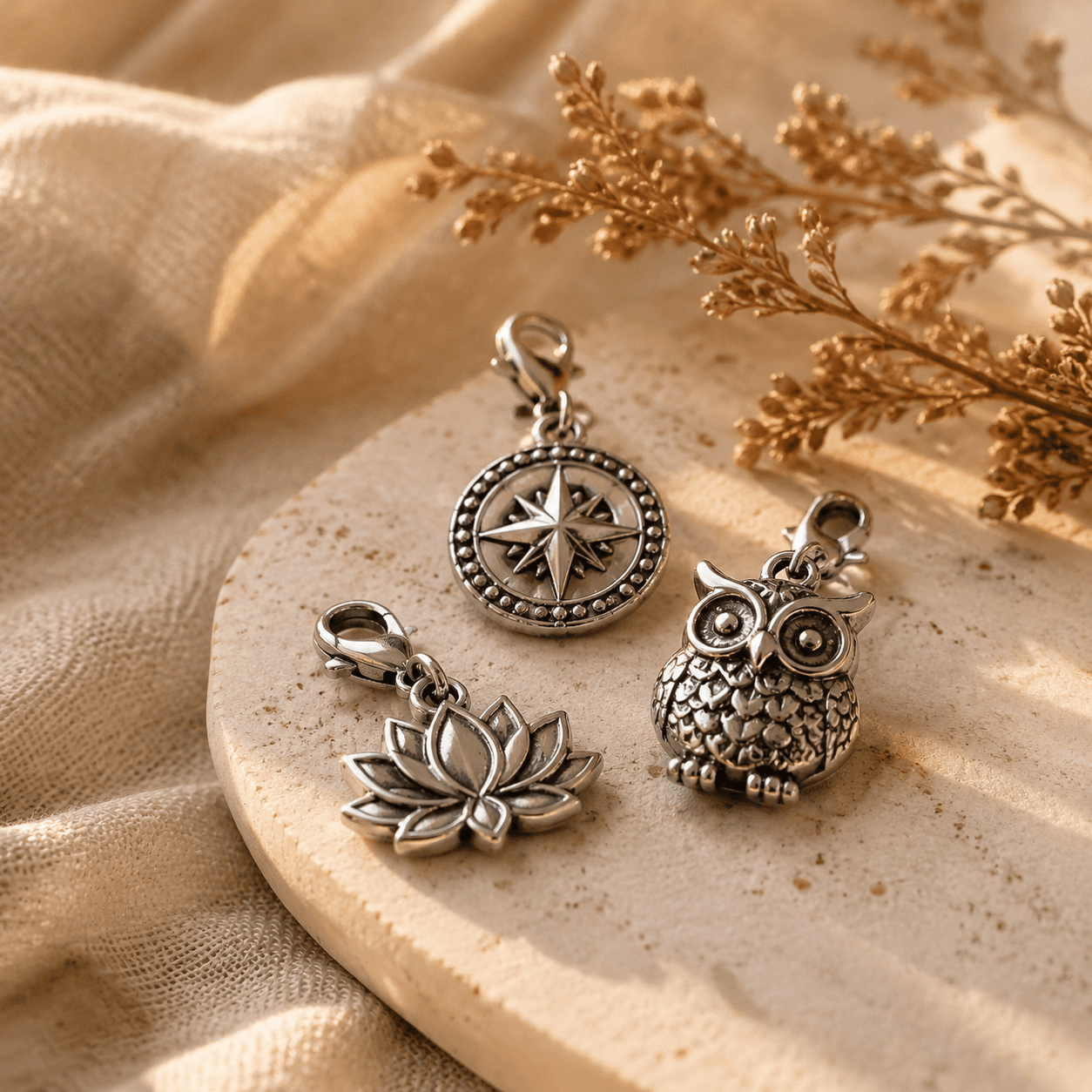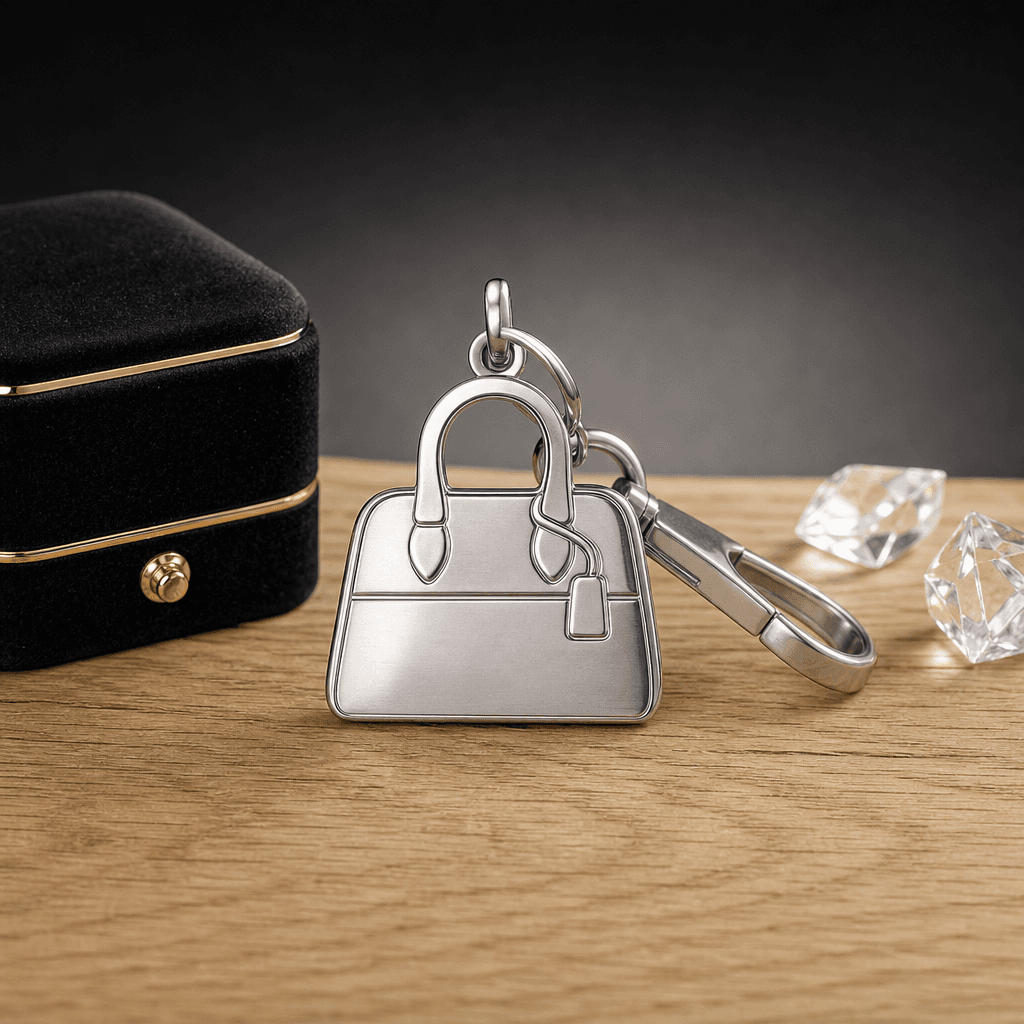
Securing the right partner for handbag keychain charms is a strategic decision for growing boutique programs. For sourcing teams seeking predictable performance, consistent finishes, and a flexible private-label program, engaging a dedicated 316L stainless steel charms manufacturer lays a solid foundation. This guide delivers practical, material-science-informed steps for evaluating suppliers, with a focus on 316L stainless steel charm applications that adorn bags, key rings, and gift programs. It explains how an OEM/ODM partner can deliver material integrity, plating reliability, and private-label packaging that aligns with brand standards. If you are assessing options now, begin with our OEM service details and sample-development program via OEM Service or request a quote through the RFQ process to start a private-label collaboration. For a broad catalog of products, explore All Products at /products.
316L Stainless Steel Handbag Keychain Charms: A Sourcing Guide
Why 316L Stainless Steel Charms Are Ideal for Handbag Accessories
- 316L stainless steel charms offer excellent corrosion resistance, a crucial property for items exposed to oils, sweat, and varying humidity on daily bags and key rings.
- Low carbon content in 316L reduces hardening during fabrication and improves formability for small, detailed designs such as logos, enamel fillings, or crystal inlays.
- 316L stainless steel is well suited to PVD plating, enabling durable gold, silver, or rose-gold finishes that resist wear over time in fast-moving accessory programs.
- End-use versatility: these charms support necklace, bracelet, bag charm, and gift-program applications, aligning with wholesale and private-label channels.
- Regulatory clarity: many 316L charms suppliers carry SGS certifications for RoHS, REACH, EN1811 nickel release, and Salt Spray tests, helping support risk management across markets.
Material Chemistry and Alloy Composition
Understanding the material science behind 316L stainless steel helps buyers set clear expectations with suppliers. 316L is an austenitic stainless steel alloy that typically contains chromium around 16-18%, nickel around 10-14%, and molybdenum around 2-3%. The molybdenum provides enhanced resistance to pitting and crevice corrosion in chloride environments, relevant for items exposed to sweat, rain, or salt air. The low carbon content (the “L” in 316L) minimizes carbide precipitation during welding and fabrication, supporting better formability and reducing embrittlement during processes such as CNC machining, laser cutting, and enamel filling. When evaluating a supplier, request a chemical composition chart and confirm alignment with finishing processes such as PVD plating, enamel color filling, or crystal inlay, and note any lead-time implications for post-processing steps.
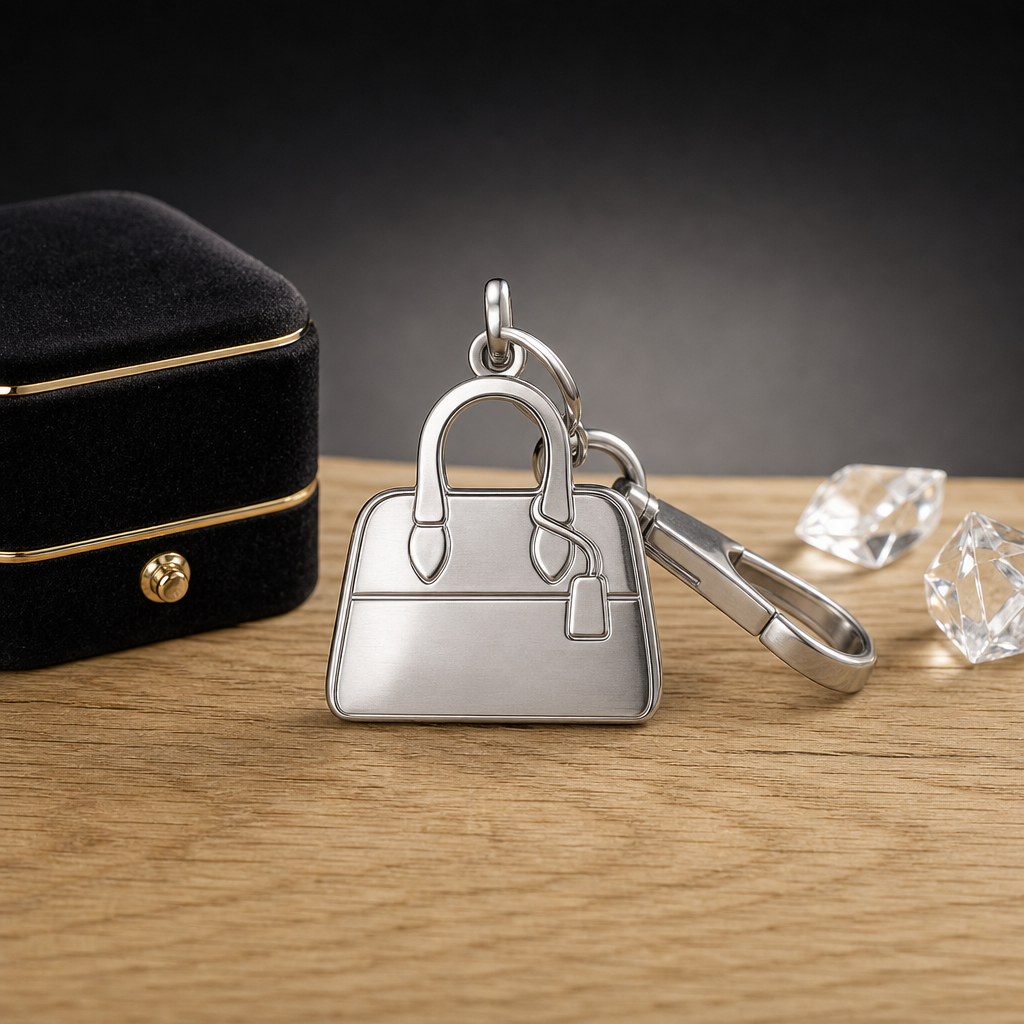
Finishes, Plating, and Cosmetic Stability
One key value proposition for handbag charms is the ability to sustain a boutique look across production runs. PVD (physical vapor deposition) plating is a common choice for achieving durable gold, silver, or rose-gold tones. Compared with traditional electroplating, PVD typically offers improved abrasion resistance, richer color stability, and better adhesion in multi-layer finishes. When discussing finishes with a supplier, specify plating thickness in microns and request a color-tolerance range for private-label packaging. Enamel fillings and crystal inlays add visual appeal but require careful process control to avoid chipping or air pockets. A reliable supplier will provide documented processes for enamel color filling, crystal setting, and final surface inspection to ensure consistency across production runs.
Benefits/Why It Matters
Key Benefits: Certifications, Consistency, and Private-Label Readiness
- Certifications: Look for SGS-certified facilities with RoHS, REACH, EN1811 nickel-release, and Salt Spray tests. These certifications help ensure regulatory compliance across markets such as the US, EU, UK, and AU, and reduce supply-chain risk for boutique brands and private-label buyers.
- Consistent plating quality: A reputable stainless steel charms manufacturer can deliver uniform PVD finishes across lots, with tight color tolerances and robust adhesion to the 316L base material.
- Private-label packaging and branding support: A capable partner offers private-label packaging options, logo engraving capabilities, and full ODM support for unique mix-and-match program designs.
- Low MOQ support: For designers testing new concepts or private-label lines, low MOQ charm production reduces risk and accelerates go-to-market timelines.
- Sample development: Fast, responsive sample development enables early validation of fit, finish, and functional compatibility (such as logo engraving or enamel color filling).
Step-by-Step Sourcing Guide for 316L Handbag Keychain Charms
Step 1: Define Technical Requirements
Begin with a clear specification package that covers base material (316L stainless steel), required finishes (PVD gold plated, silver finish, rose gold plating), enamel color options, and any crystal inlay. Include tolerances for wall thickness, drilled holes for jump rings, and the outer silhouette to ensure consistent fit with packaging and display hardware. As an OEM/ODM charms manufacturer, Lancy Jewelry can also define logo engraving and private-label packaging requirements early in the RFQ phase. For a streamlined path to private-label production, review OEM/ODM service details and sample development options during the RFQ process.
Step 2: Assess Supplier Capabilities and Equipment
A modern factory with CNC, laser cutting, laser marking, welding, and polishing capabilities is essential for high-volume, precise production. The ability to perform CNC machining for intricate logos, laser marking for branding, and precise welding and polishing ensures clean, boutique-ready surfaces with durable finishes. When evaluating suppliers, request case studies or a product sample that demonstrates engraving quality, edge finish, and the integrity of the bail/hole connection. If you plan a private-label line, verify packaging options and the ability to stamp branding on packaging cards or create custom header cards that reflect your brand identity.
Step 3: Material Chemistry Confirmation and Compliance
Confirm the metallurgical composition and finish compatibility: 316L base, copper-free composition, and ability to work with PVD plating. Ensure the supplier can provide chemical composition data and a nickel-release test report (EN1811) to mitigate nickel sensitivity concerns for end users. RoHS and REACH declarations should align with target markets, and Salt Spray tests provide a practical durability benchmark for color-fastness and corrosion resistance in daily use on handbags and key rings.
Step 4: Evaluate Plating Options and Color Stability
Discuss PVD thickness (in microns), color consistency, adhesion tests, and post-plating finishing steps. For retail-ready products, request color-matching samples across production lots to verify uniformity between batches. If enamel or crystal inlay is part of the design, confirm compatibility with the chosen base material and plating. In addition to technical specs, review color-tolerance documentation and return/repair policies for finishes that fail to meet your standard across shipments.
Step 5: Build a Sample Program and Timelines
Sample development is a critical risk-reduction step. A robust program should include a prototype sample (with logo engraving if applicable), a color/finish sample, a wear-test sample, and a packaging sample. Ask about lead times for initial samples and the cost impact of rush requests. Terms should align with your production calendar, and you may use a mix of standard 316L stainless steel charms and custom decorative charms to validate aesthetics and function before committing to bulk orders.
Step 6: Assess Private-Label and OEM/ODM Capabilities
For private-label buyers, packaging, labeling, and branding are as important as the core charm itself. Confirm whether the supplier can produce private-label packaging and provide logo engraving services. ODM charm suppliers may offer design support, allowing you to iterate on shapes, sizes (8-18 mm default; 16-25 mm for certain styles), and attachment mechanisms that are market-relevant common jump rings and clasps. A well-run ODM engagement often includes a design-to-manufacture workflow, ensuring that your creative concept translates smoothly into scalable production.
Step 7: Commercial Terms and Ordering Framework
Discuss MOQ expectations and pricing structures for 316L stainless steel charms. Seek transparent quotes for sample development, bulk charm orders, and long-term partnerships. Many suppliers offer low MOQ options to help you scale pilots into full programs, and some provide favorable terms for ongoing OEM/ODM collaborations. When finalizing terms, consider private-label packaging, packaging-card design, and any required certifications in the contract.
Step 8: Quality Assurance, Traceability, and Risk Management
Quality is a core obligation. Demand a quality-assurance plan that includes incoming material inspection, in-process checks for plating and enamel/crystal work, and final inspection with documented pass criteria. Ask for traceability data (lot numbers, batch IDs) for every shipment to support recalls or product-safety investigations if needed. Certifications such as SGS RoHS, REACH, EN1811 nickel release, and Salt Spray testing are practical safeguards for global market entry and retailer confidence.
Step 9: Logistics and Cross-Market Readiness
Plan logistics carefully for global markets. Packaging standards suitable for retail display, robust protective boxing for transit, and accurate HS codes matter for smooth customs clearance. Evaluate shipping lead times, duty/freight considerations, and packaging optimization to reduce damage rates. For cross-market programs, confirm market-specific requirements and ensure that the supplier can provide documentation in required languages and formats for onboarding retailers and charm-bar partners.
Step 10: Final Selection and Onboarding
After weighing technical specs, compliance, and commercial terms, formalize the supplier relationship with a detailed SOW or purchase agreement. Onboarding should cover sample sign-off, production calendars, private-label packaging approvals, and ongoing quality-control expectations. A trusted partner will maintain open lines of communication and provide ongoing support for new design iterations, color revisions, or batch-scale adjustments as the program grows.
FAQ: Frequently Asked Questions
Q1: What is 316L stainless steel, and why is it suitable for handbag keychain charms?
A1: 316L stainless steel is a low-carbon austenitic alloy with good corrosion resistance, especially in chloride environments. Its low carbon content minimizes sensitization during welding and fabrication, which helps produce consistent, high-quality charms. For handbag and keychain applications, 316L provides durability, a clean surface for finishes, and compatibility with PVD plating, enamel, and crystal inlays. This makes it a reliable base material for boutique-grade accessory programs.
Q2: What should I look for when evaluating a handbag keychain charm supplier?
A2: Look for: (1) material and finish expertise (316L base, PVD plating options, enamel/crystal capabilities), (2) manufacturing capabilities (CNC, laser, welding, polishing), (3) quality certifications (SGS RoHS, REACH, EN1811, Salt Spray), (4) sample development speed and cost, (5) OEM/ODM support and private-label packaging capabilities, (6) MOQ and pricing structure, and (7) a transparent quality-control process with traceability and after-sales support. A capable supplier should provide technical data, finish-color matching tolerances, and sample turnaround times before committing to larger orders.
Q3: How does private-label packaging work with Lancy Jewelry?
A3: Lancy Jewelry offers private-label packaging and logo engraving options as part of its ODM/OEM service. Designers can submit branding requirements, and the factory can produce packaging cards, labels, and display-ready presentation for charm bars or gift programs. This helps accelerate retailer onboarding and ensures brand consistency across private-label collections. You can initiate discussions through our OEM service channel to align on design, timelines, and minimums for packaging and branding.
Q4: What is the typical lead time for samples and bulk orders?
A4: Lead times vary by finish options and complexity (engraving, enamel, crystal inlay). Sample development is usually faster for standard finishes, while customized logo engraving or enamel colors may require additional iterations. Bulk orders follow the approved sample, with production scheduling based on current capacity and MOQ. For precise timelines and pricing, use the RFQ process via RFQ and reference SKU ranges such as BIR, ALP, ZOD, SYM, CRS, OCN, HRT, NAT, ANI, CHN, CLP, KEY to ensure accurate quoting.
Call to Action: Partner With Us
Ready to elevate your handbag charm program with a reliable stainless steel charms manufacturer? Lancy Jewelry provides OEM/ODM capabilities, low MOQ options, robust private-label packaging, and a proven track record in delivering consistent plating quality and rapid sample development. Partner with us to unlock scalable private-label opportunities, access a transparent supply chain, and accelerate time-to-market for your next collection. Learn more about our OEM/ODM services or start your inquiry today at OEM Service or Contact us for a tailored quote. For catalog references and product options, visit All Products at /products and explore our stainless steel charm collections to inform your design brief.