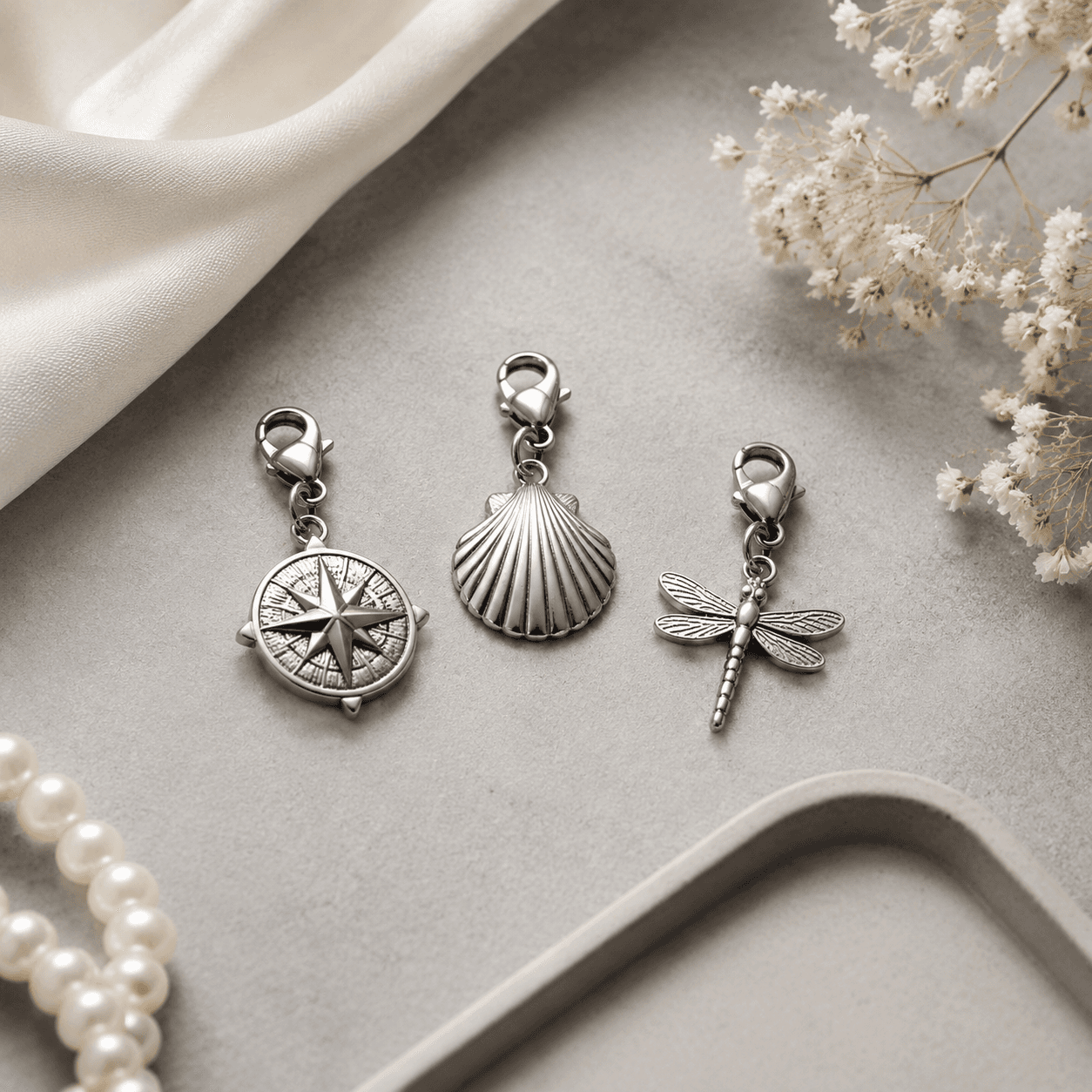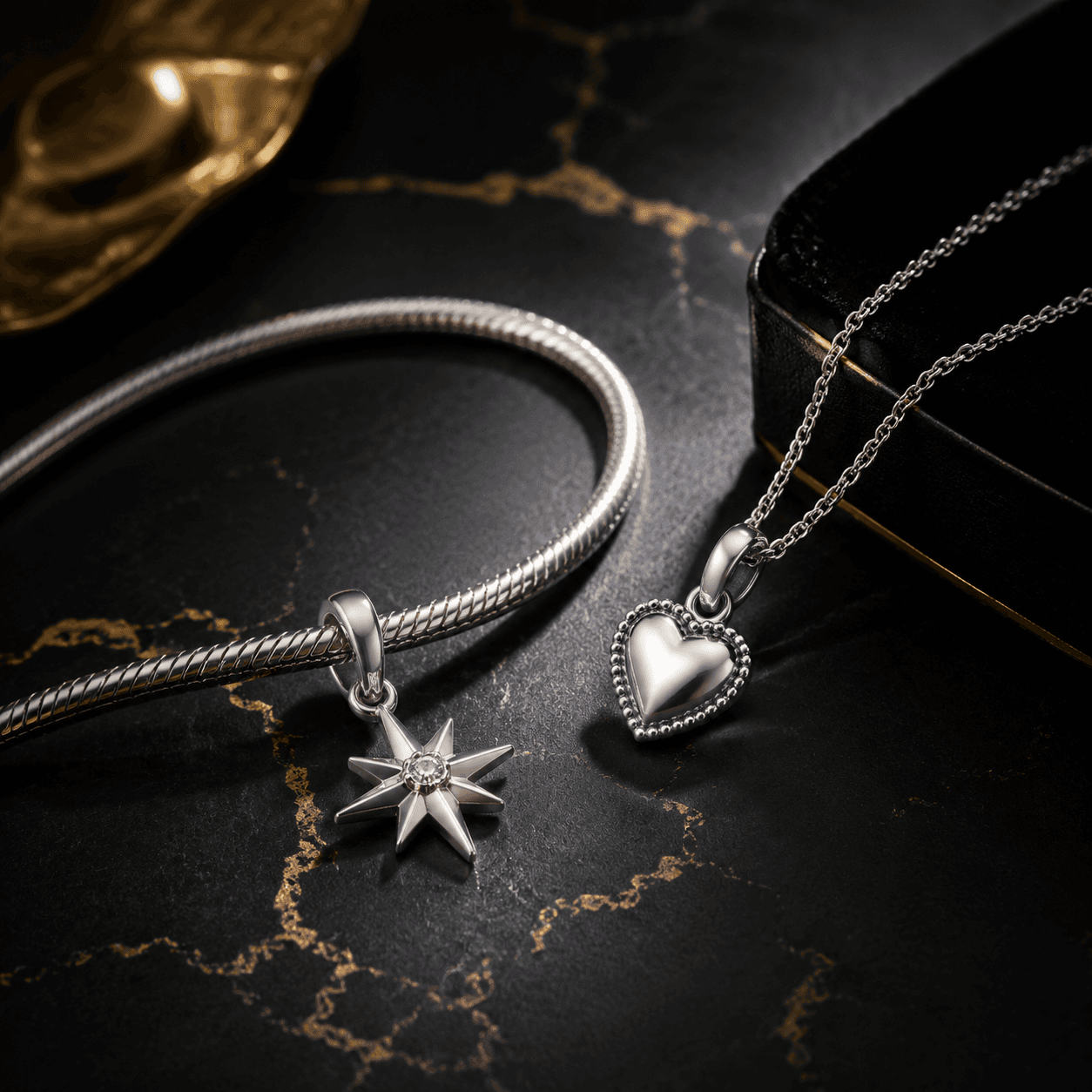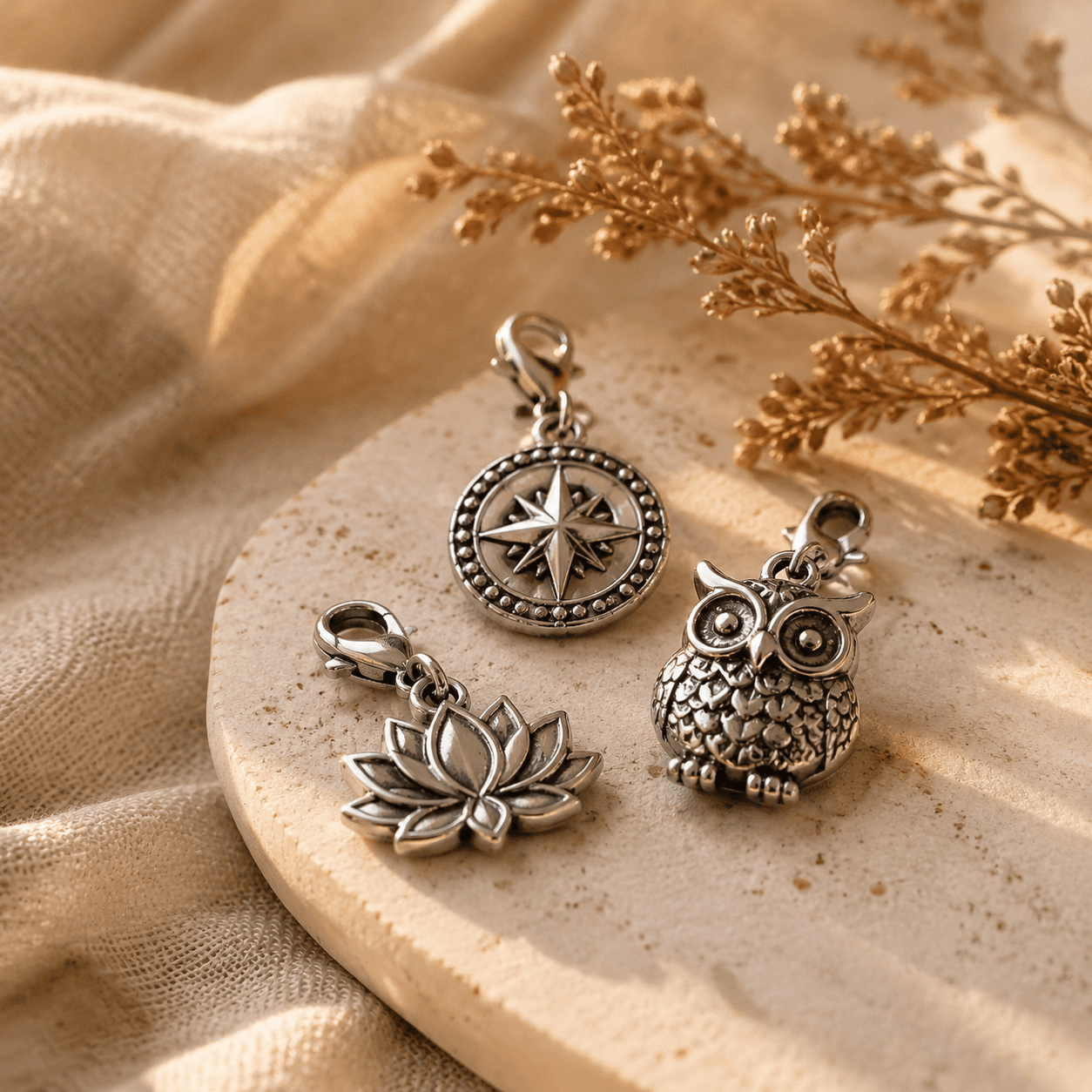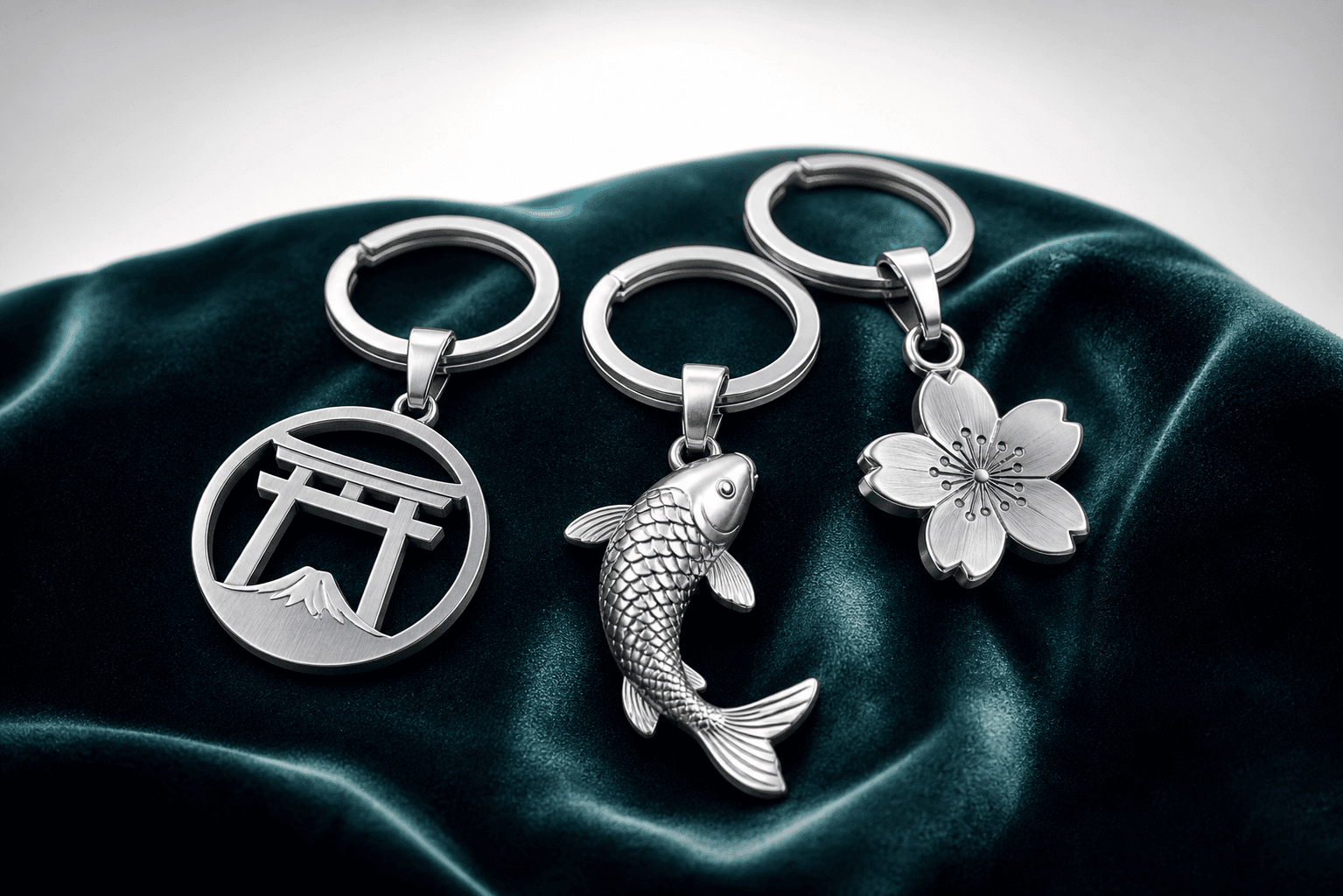
In a saturated market, the integrity of stainless steel Japanese keychain charms hinges on material science, supplier diligence, and rigorous documentation. This sourcing guide is written for procurement teams that must vet suppliers with a process-driven, compliant approach. At Lancy Jewelry, we align with boutique brands and private-label buyers by emphasizing 316L stainless steel fundamentals, robust certifications, and transparent OEM/ODM readiness. The goal is to help you move from supplier shortlists to a verified roster that consistently delivers corrosion resistance, stable plating, and predictable lead times.
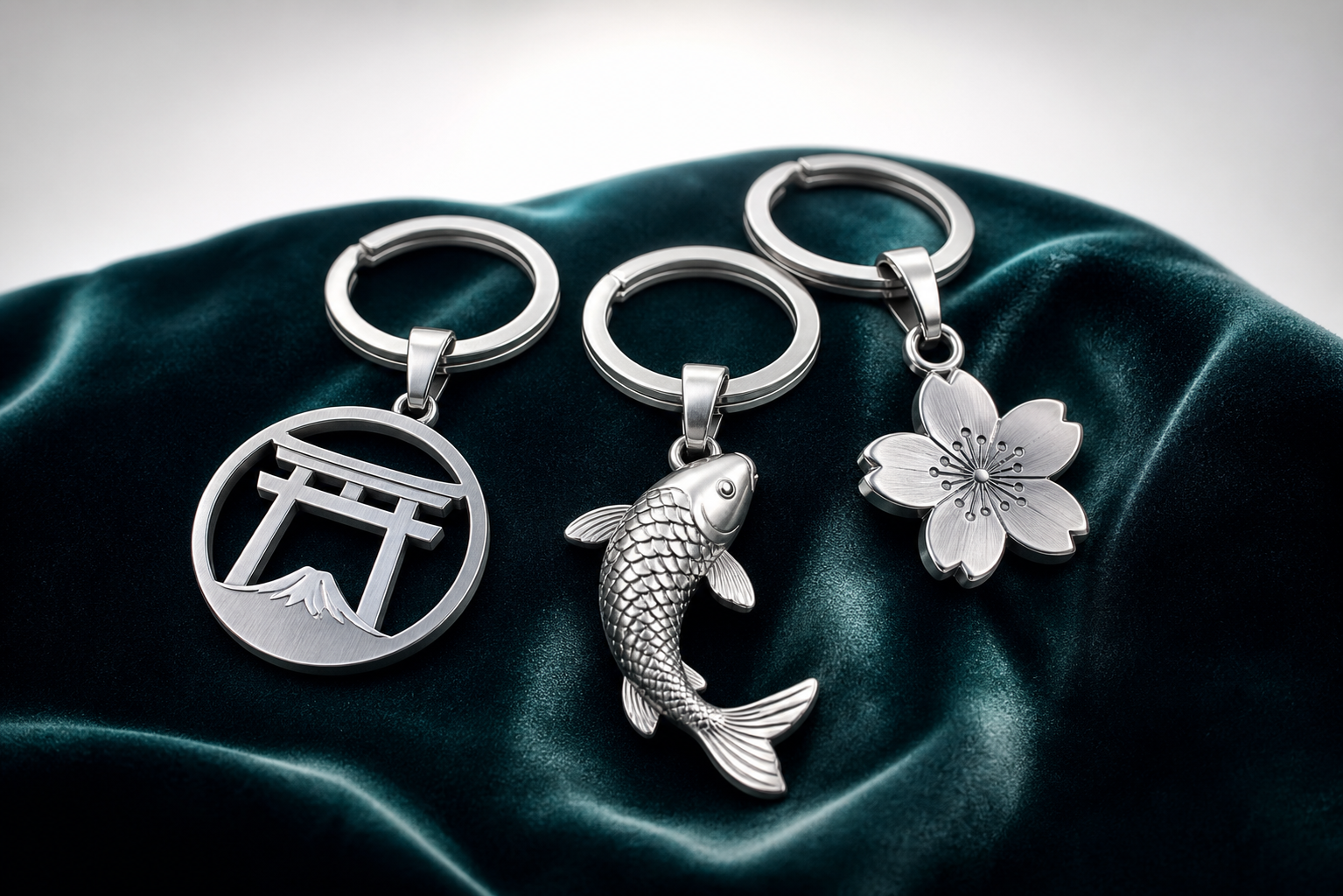
Stainless steel Japanese keychain charms: main topic
Why 316L stainless steel matters for keychain charms
316L stainless steel is the baseline material for 316L stainless steel charms due to its low carbon content, improved corrosion resistance, and enhanced weldability. The ’L’ denotes low carbon, which promotes better polishing, easier passivation, and thicker protective oxide layers during finishing processes like PVD (physical vapor deposition). For keychain charms that encounter frequent handling, moisture, and environmental exposure, the alloy composition translates into tangible performance advantages: improved pitting resistance in chlorides, sustained luster after electro-polishing, and a more stable substrate for color fills and crystal inlays. When evaluating a supplier, confirm the alloy as 316L and verify that the base material aligns with RoHS/REACH expectations and internal metallurgical specifications.
Key chemical considerations include chromium content for corrosion resistance, nickel for austenitic structure, and controlled carbon to minimize grain boundary precipitation during heat treatments. While exact proprietary chemistries vary, a reputable supplier will provide a material declaration that confirms 316L composition and adherence to EN standards relevant to stainless steel jewelry applications. This chemistry foundation supports reliable plating adhesion, consistent color finishes (gold, silver, rose gold), and stable heat resistance during enamel filling or crystal inlay processes.
Passivation, surface finish, and plating compatibility
Surface finish choices—PVD gold plating, silver finish, or rose gold plating—depend on a well-prepared iron-chromium-nickel matrix and an inert passivation layer. For PVD, the chromium-rich passive film on 316L steel provides a barrier that reduces ion diffusion and improves plating adherence. Before approving a finish, require plating process documentation, batch traceability, and post-plating inspection data (thickness uniformity, adhesion tests, and scratch resistance). Enamel fills and crystal inlays benefit from a clean, oxide-free surface; verify that surface preparation protocols include degreasing, micro-etching, and appropriate plasma cleaning prior to enclosure or filling operations.
Documentation you should request
A supplier should provide a material certificate (certificate of composition), RoHS compliance, EN1811 nickel release data, and Salt Spray (ASTM B117) results. For private-label or OEM programs, ensure the supplier can share a complete bill of materials, process controls, and factory QC check sheets. A compliant partner will also have a robust traceability system, enabling you to identify batch lots for any given charm, color finish, or enamel fill, which is essential for global markets with stricter document requirements.
Benefits / Why it matters
Quality assurance and certifications
Certifications such as SGS RoHS, REACH, Nickel Release EN1811, and Salt Spray 240H are standard expectations for 316L stainless steel charms used in private-label programs. These benchmarks reduce risk across cross-border orders and support compliance for US, EU, UK, AU, CA, DE, FR, SP, NE, and RU markets. Certification visibility, paired with traceability, enables procurement teams to audit suppliers without onsite visits and accelerates approval cycles for samples and larger orders.
Manufacturing capabilities aligned with private-label needs
A credible supplier should demonstrate capabilities aligned with OEM/ODM development, logo engraving, enamel color filling, crystal setting, private-label packaging, and fast sample development. The ability to scale from low MOQ charm production to bulk orders is a critical differentiator for brands pursuing boutique-ready series while maintaining price discipline for wholesale channels. Demonstrable facility skills—CNC, laser cutting, laser marking, welding, and polishing—underscore the supplier’s capacity to produce consistent, repeatable results across multiple finishes and themes.
Detailed analysis / Guide
Step 1: Define material and structural specs
Begin with a clear specification for 316L stainless steel, including: base diameter, thickness, bail or jump ring compatibility, and a target coating (PVD gold, silver finish, or rose gold). Specify enamel color options and crystal inlay requirements if applicable. Document intended product contexts (jewelry charms, key rings, bag charms) to ensure design-for-manufacture feasibility. Include tolerance ranges for hole diameters, thread dimensions, and overall charm silhouette to guarantee compatibility with standard jump rings and clasp hardware.
Step 2: Request supplier documentation and traceability
Ask for material declaration sheets, RoHS/REACH certificates, EN1811 nickel release data, and corrosion test results. Verify batch traceability from incoming material to finished charm, including enamel batch IDs and plating lot data. Require a demonstrable QA protocol covering plating thickness uniformity, adhesion tests, and finish stability after simulated wear and cleaning cycles.
Step 3: Evaluate plating and finish processes
Assess the plating line’s compatibility with 316L substrates, noting minimum plating thickness, adhesion tests, and process controls. For PVD, review chamber cleanliness, evaporation targets, and post-plating sealants. For enamel, confirm color-fastness and crack resistance. For crystal inlays, confirm setting methods, stone grade, and retention under vibration and impact conditions. A reliable supplier will present a documented correlation between finish specifications and performance test results, including age-related changes under typical consumer use.
Step 4: Assess OEM/ODM readiness and packaging
OEM/ODM readiness means more than a claim; it requires proven facilities for logo engraving, packaging customization, and private-label packaging. Request sample SKUs demonstrating your desired logo placements and packaging formats. Clarify minimums for private-label runs and packaging variants to avoid overcommitment or misalignment with forecasted demand. If you anticipate wholesale or large-batch programs, test-run private-label packaging to validate branding accuracy and regulatory labeling requirements.
Step 5: Sample development and lead times
Sample development is a critical early-stage risk control. Seek a defined timeline for prototypes, color tests, and finished-sample approval. Evaluate the supplier’s ability to deliver stopper-proof jump rings, proper bail threading, and fully closed connectors in the first sample set. Align sample lead times with your project timeline and factor buffer time for private-label or OEM packaging iterations. Consider establishing a short-term pilot with low MOQs to validate processes before scaling to bigger batch orders (bulk orders).
Step 6: Commercial terms and risk management
Negotiate MOQ, price breaks by volume, and lead times. Ensure RFQ/quotation processes are transparent and that the supplier can provide a clear payment schedule, quality acceptance criteria, and post-shipment support. For private-label or wholesale programs, confirm branding approvals, artwork drop-ins, and any regulatory disclosures needed for target markets. A disciplined sourcing approach includes risk controls for supply chain disruption, material price volatility, and lead-time variability across regions.
FAQ
Q1: What makes 316L stainless steel ideal for keychain charms?
A 316L stainless steel charm offers corrosion resistance, mechanical durability, and compatibility with a variety of surface finishes. Its low carbon content improves weldability and polishability, while maintaining strength under normal handling and environmental exposure. This makes it a dependable base material for private-label or OEM/ODM programs that require consistent performance across markets.
Q2: What documentation should I request from a supplier?
Request a material declaration, RoHS/REACH certificates, EN1811 nickel release data, Salt Spray test results, and batch traceability records. Also ask for process documentation covering plating thickness, finish adhesion, and enamel or crystal-inlay specifications if applicable. This documentation supports a compliant supply chain and speeds up supplier approvals.
Q3: How long does sample development typically take for OEM/ODM programs?
Sample development timelines vary by finish, complexity, and packaging. A typical short cycle might range from 2 to 6 weeks for initial samples, with additional iterations for color matching, logo engraving, or private-label packaging. Establish a defined SLA with the supplier and include milestones for color, finish, and dimensional conformity.
Q4: How does Lancy ensure consistent plating quality across volumes?
We maintain controlled plating baths, standardized thickness targets, and batch traceability. Our SGS-certified processes include regular QC checks, adhesion testing, and cross-sample comparisons to ensure uniformity from first sample to full production. We also provide post-production inspection reports and certifications to support cross-market compliance.
Call to action
Partner with Lancy Jewelry for reliable 316L stainless steel charms that scale from pilot runs to wholesale programs. If you’re evaluating private-label or OEM/ODM options, start with an RFQ through our OEM services page or request a quote to begin a structured supplier vetting process. Explore OEM/ODM services or Request a quote today, and you can also contact our sales team for in-depth discussions on your project scope. For catalog browse, visit All Products to review available base charm styles and finishes.