Hook: In the fast-moving world of boutique jewelry, enamel charms made from 316L stainless steel offer consistent performance, corrosion resistance, and design versatility. For wholesale buyers, getting the finish right—across enamel colors, PVD plating, and surface treatments—can determine margins and shelf appeal. This sourcing guide walks wholesale buyers through evaluating finishing techniques, supplier capabilities, and your private-label or OEM potential with a focus on 316L stainless steel charms. You’ll gain actionable steps to source smarter, reduce risk, and protect margins while keeping production scalable with a trusted manufacturer partner.
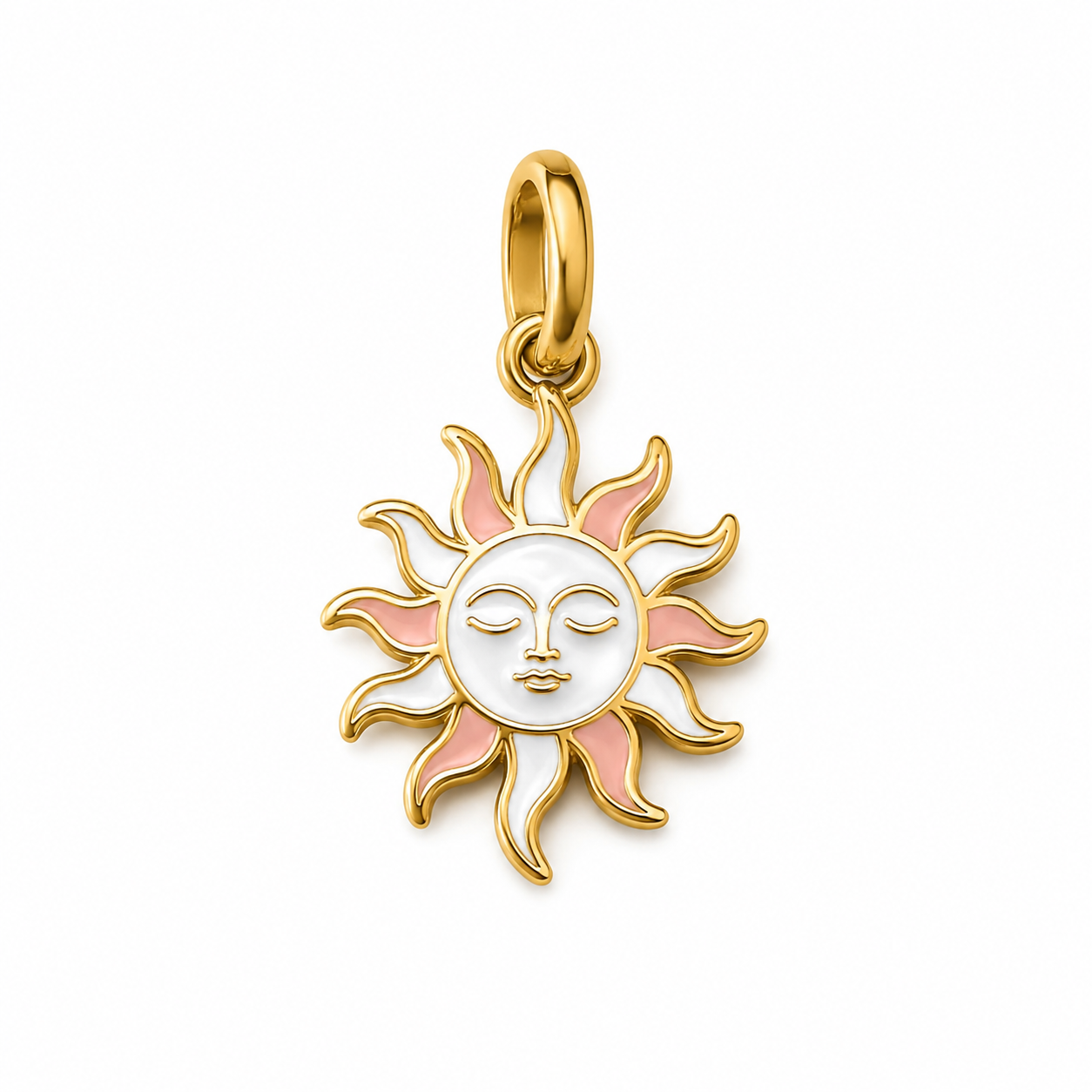
Stainless steel wholesale enamel charms: finishing-focused supplier evaluation
What makes enamel finishes on 316L stainless steel compelling for wholesale buyers
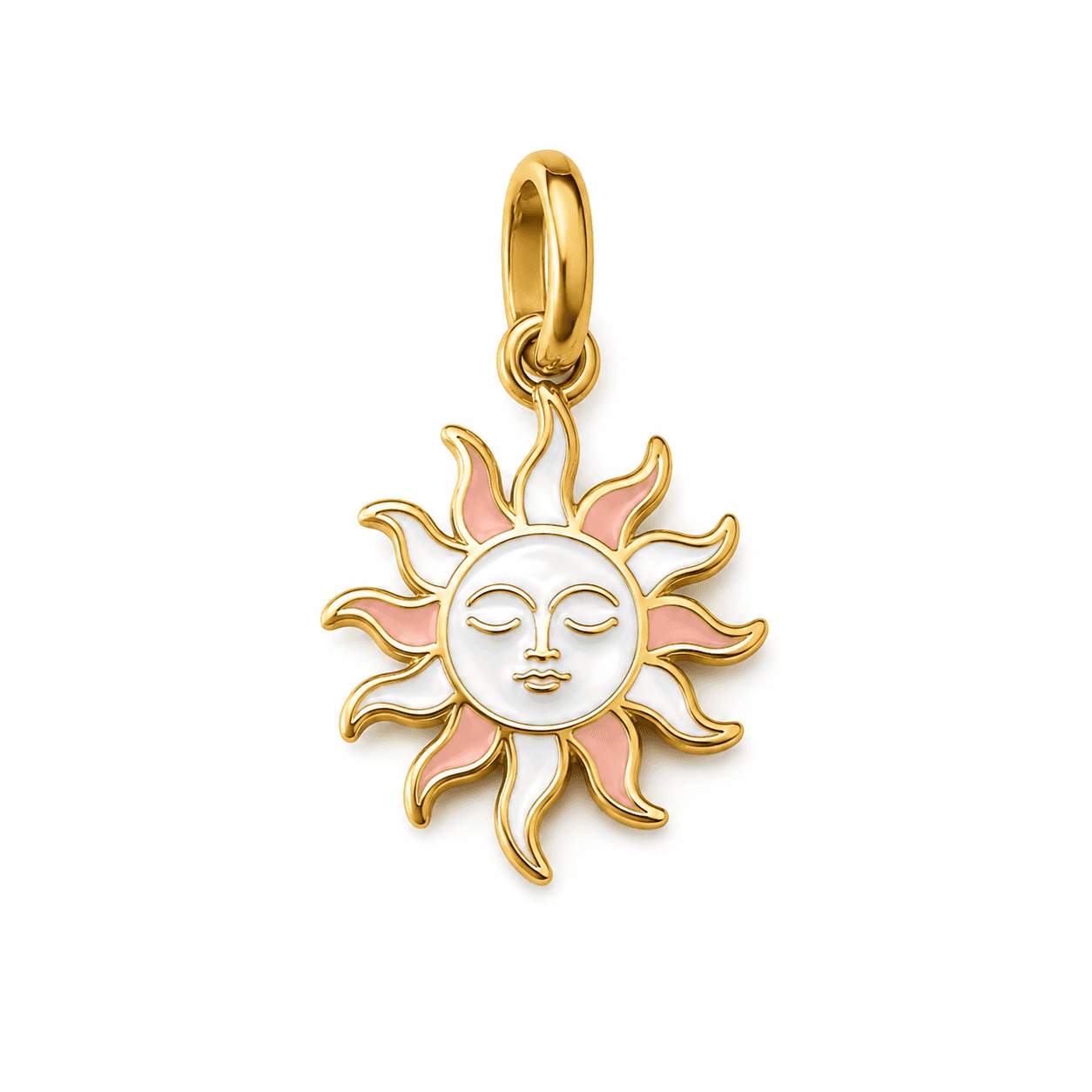
Enamel adds color, durability, and distinct differentiation to 316L stainless steel charms. For global buyers, enamel color accuracy, crack resistance, and long-term color stability matter as much as the base material itself. When evaluating suppliers, look for a track record of enamel filling that remains vibrant after plating and polishing, and for the ability to deliver consistent color across batches. A reputable supplier will pair enamel capabilities with 316L stainless steel substrate to ensure corrosion resistance, biocompatibility, and durability in multi-market usage.
Finishing options buyers should demand
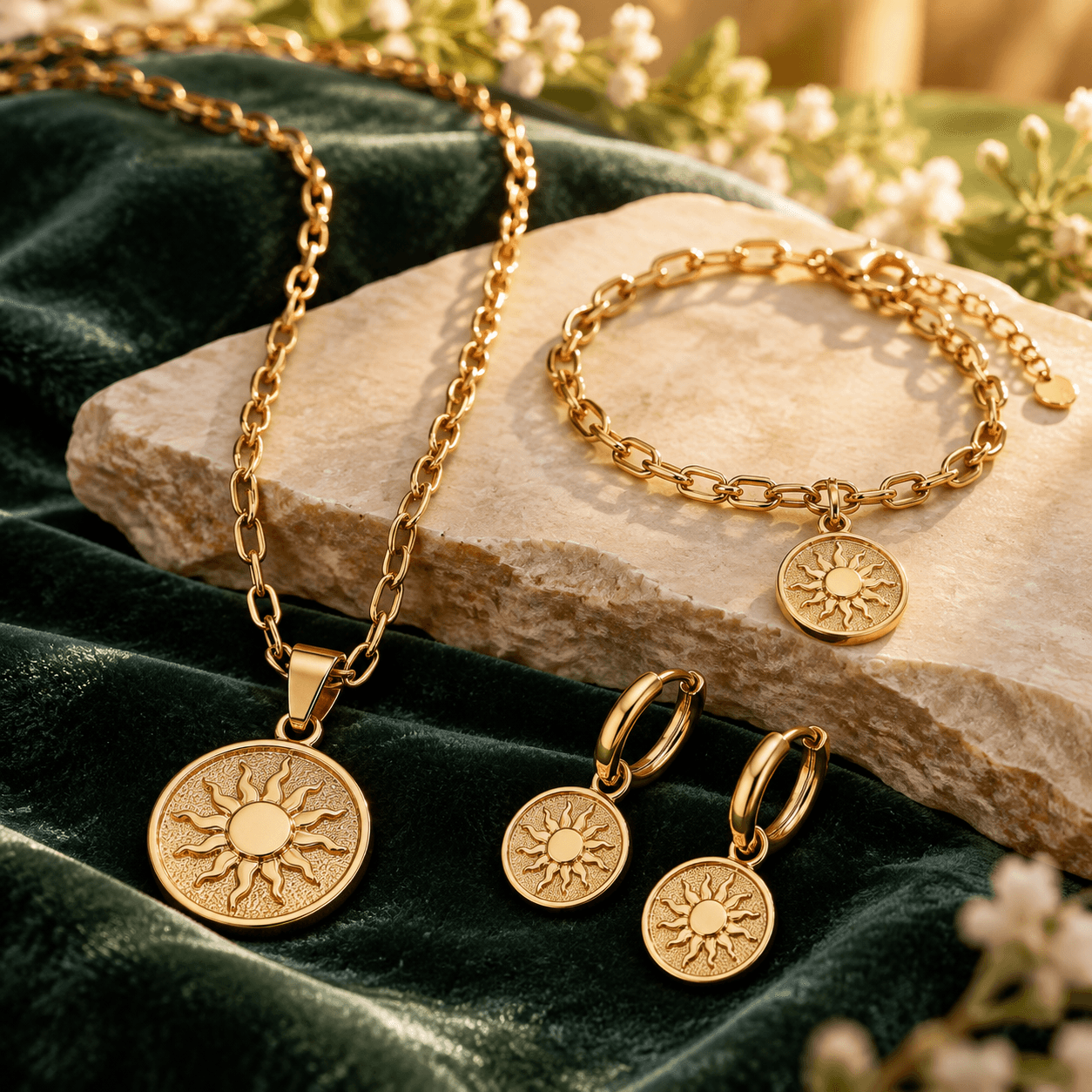
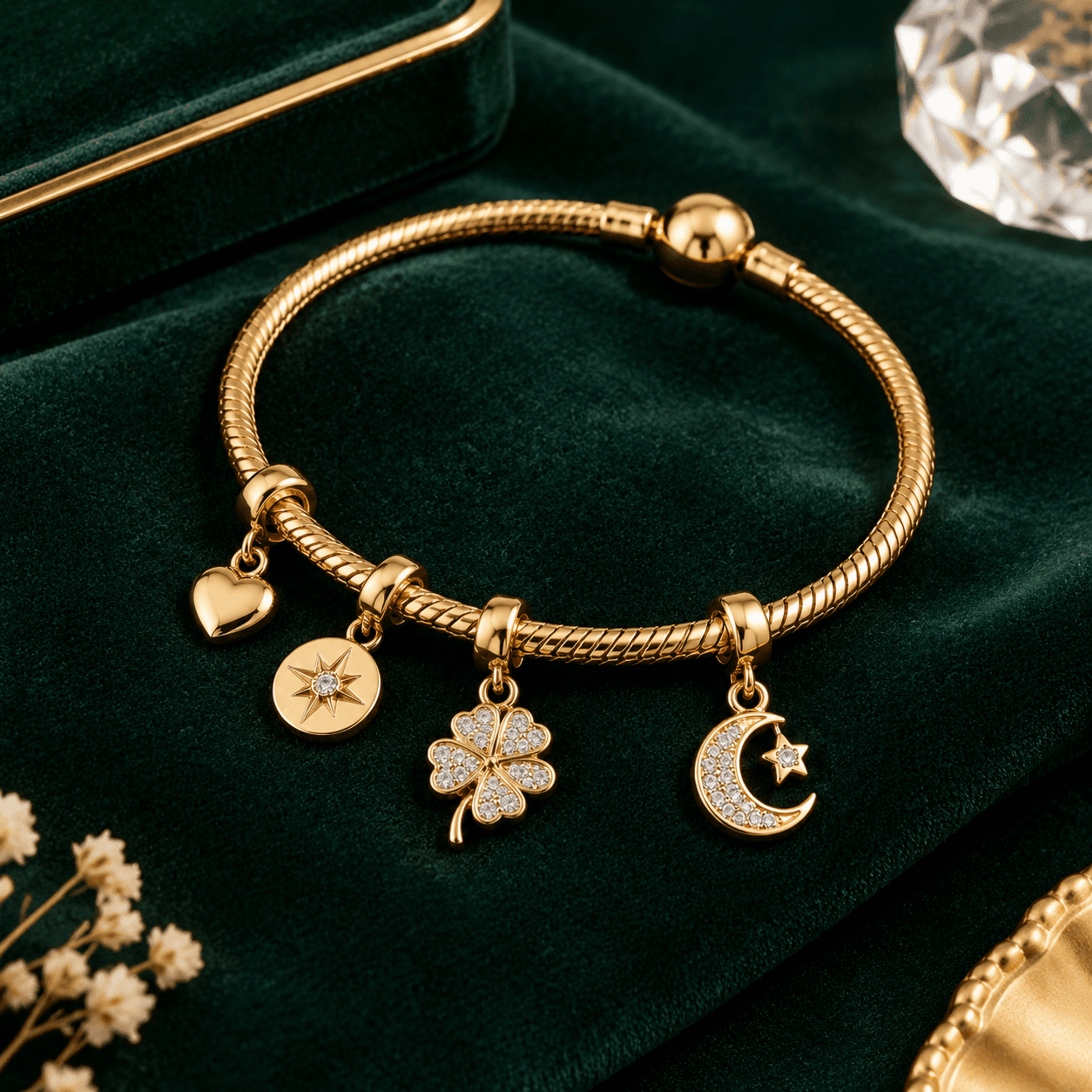
Key finishing options include: PVD plating in gold, rose gold, or silver tones; enamel color filling with precise boundaries; crystal inlay for sparkle; and polishing for mirror or satin surface effects. For international distribution, require color-matching documentation, EN1811 nickel-release testing results, and Salt Spray 240H resistance data. Look for a supplier that can combine OEM/ODM service with controlled tolerances on hole sizes, bail dimensions, and jump-ring compatibility to ensure reliable assembly in gift programs and charm bars.
Choosing a supplier with the right capabilities
Preferred suppliers should offer a modern factory setup with CNC machining, laser cutting, laser marking, welding, and polishing—operations essential to delivering consistent 316L stainless steel charms. Certification visibility matters: SGS-certified for RoHS, REACH, Nickel Release EN1811, and salt spray tests demonstrates commitment to global regulatory compliance. For wholesale and private-label programs, confirm that the partner can provide private-label packaging, sample development, and low MOQ charm production alongside scalable production planning.
Benefits/Why it matters for global wholesale programs
Reliable finish quality drives margins
PVD plating and enamel finishes create premium appearances that align with boutique brands. Consistent plating quality, repeatable color accuracy, and robust enamel fill minimize returns and protect retailer margins across markets. A dependable finish translates into higher SKU acceptance in gift retailers and charm bar concepts, reducing skews and simplifying merchandising.
Private-label and OEM/ODM unlock scalable growth
The ability to offer OEM charms manufacturing and ODM design support enables brands to differentiate with unique form factors, colorways, and packaging. For wholesale partners, private-label packaging and branding reduce non-value-added steps and accelerate time-to-market for seasonal launches. Lancy Jewelry positions itself as your partner for private-label programs, with low MOQ options and robust sample development to de-risk new product introduction.
Certifications as market access enablers
SGS certifications (RoHS, REACH, Nickel Release EN1811, Salt Spray 240H) validate compliance for US, EU, UK, AU, CA, and other markets. These certifications support retailer confidence and distributor eligibility, helping texture your product campaigns with credible quality assurance. See how a compliant supply chain supports global wholesale growth and reduces regulatory friction in new markets.
Detailed analysis/Guide: a step-by-step sourcing framework
Step 1 — Define finish strategy and material consistency
Begin with a precise finish plan: determine whether your core line uses PVD-coated stainless steel charms with gold, silver, or rose gold tones, and what enamel color palette will be offered. Specify acceptable variations in tone, brightness, and enamel fill depth. Confirm that all finishes are applied to the 316L stainless steel substrate only and that base-material compliance is clearly stated in supplier documentation. Include a requirement for a calibration process to ensure color consistency across lots, with documented color swatches and tolerance ranges.
Step 2 — Evaluate PVD and electroplating processes
Compare PVD plating methods (physical vapor deposition) versus traditional electroplating. For wholesale programs, PVD tends to offer superior color stability and wear resistance, which is critical for daily wear and gift-store handling. Request process controls, coating thickness targets (measured in microns), and adhesion tests to prove bond strength. For electroplated finishes, insist on uniform plating thickness, edge coverage, and surface brightness. Require documentation showing plating run charts and defect rates per batch to assess supplier reliability.
Step 3 — Enamel filling and surface integrity
Enamel finishes must be crack-resistant and color-stable under heat and humidity. Ask for enamel hardness ratings, scratch testing results, and color-fastness data across the expected service life. Inquire about color-matching protocols for multiple production lots and the ability to reproduce a specific pantone reference across batches. Ensure enamel is sealed to prevent chipping during packaging and transit. Include a quality gate for enamel fill depth, outline clarity, and border sharpness.
Step 4 — Surface finishing and polishing standards
Surface finishing affects tactile quality and perceived value. Define whether you want bright mirror finish, satin, or brushed textures, and require measurable brightness values (such as reflectance) and roughness metrics (Ra). The supplier should demonstrate repeatable polishing cycles and post-polish cleaning processes to avoid residue or discoloration on the final piece. Regular surface inspection checks should cover non-destructive testing, visual tolerance, and consistency across the entire order.
Step 5 — Quality assurance, testing, and certifications
Beyond SGS certification, specify testing regimes for salt spray corrosion, nickel release, and lead content (where applicable). Request traceability data from raw materials through to finished goods, including lot numbers, production date, and QC pass/fail records. A reliable supplier will provide certificates of conformity, test reports, and a clear non-conformance handling plan that protects wholesale buyers from receiving substandard batches.
Step 6 — Private-label packaging and branding readiness
For private-label programs, ensure packaging supports branding requirements: logo placement, packaging size, and protective inserts. Confirm whether the supplier can supply fully private-label packaging or if you will provide packaging designs. Clarify lead times for packaging changes, print proofs, and the minimal risk of SKU deltas due to packaging variations. A strong partner should integrate packaging with production planning to minimize internal touchpoints for a smoother supply chain.
Step 7 — MOQ, samples, and lead times
Low MOQ charm production is a cornerstone of minimizing risk when testing new lines. Request a defined MOQ, a plan for ramping up orders, and transparent lead times for samples, pilot runs, and full production. Sample development should include physical samples, color proofs, and dimensional checks, with a clear path to incremental order quantities. Ensure the supplier can support rapid iterations for design tweaks and color updates before committing to larger bulk orders.
Step 8 — Commercial terms and supplier reliability
Assess supplier reliability by evaluating on-time delivery rates, defect rates, and response times during RFQ and order placement. Confirm payment terms, incoterms, and warranty conditions. For wholesale partnerships, ensure there is a formal framework for change management, price protection, and escalation procedures if a quality issue arises. The right partner will present a transparent commercial model aligned with your bulk orders and private-label ambitions.
Optional cross-market considerations: given the global reach of 316L stainless steel charms, analyze regional preferences for finishes, color palettes, and packaging. Consider regulatory differences, such as packaging recycling requirements and country-specific labeling guidelines, and ensure your supplier can adapt to these needs without compromising lead times or quality.
FAQ
1. What is the typical MOQ for 316L stainless steel enamel charms when working with Lancy Jewelry?
MOQ varies by finish, packaging, and customization. Lancy supports low MOQ charm production for private-label and OEM programs, with sample development available to mitigate risk before committing to larger bulk orders.
2. Can I request private-label packaging and logo customization?
Yes. Lancy offers private-label packaging and OEM/ODM services, enabling brands to differentiate through custom logos, colorways, and packaging design as part of a scalable supply chain.
3. What are typical lead times for samples and first production runs?
Lead times depend on finish complexity, enamel color sets, and packaging. A structured sample development process typically precedes any bulk order, with milestones defined in an RFQ or contract. You can initiate this process via the RFQ channel to ensure precise timelines and cost estimates.
4. How does Lancy ensure plating consistency across orders?
Plating consistency is achieved through controlled process parameters, calibration routines, and batch documentation. SGS-certified facilities, traceable lot records, and inline QC checks help maintain uniform finish quality from sample to bulk production.
Call to action: Partner With Us
If you’re a wholesale buyer, boutique jewelry brand, or charm bar operator seeking a reliable stainless steel charms manufacturer with robust OEM/ODM capabilities, consider partnering with Lancy Jewelry. We specialize in 316L stainless steel charms and offer a comprehensive suite of finishing, enamel, and packaging options to support private-label programs and wholesale growth. Leverage our low MOQ, consistent plating quality, and sample development expertise to accelerate your product launches. Explore our OEM service at /oem, request quotes through /cart, or contact us directly at /contact to discuss your private-label strategy. See our product range and capabilities at /products and start building a scalable global program today.