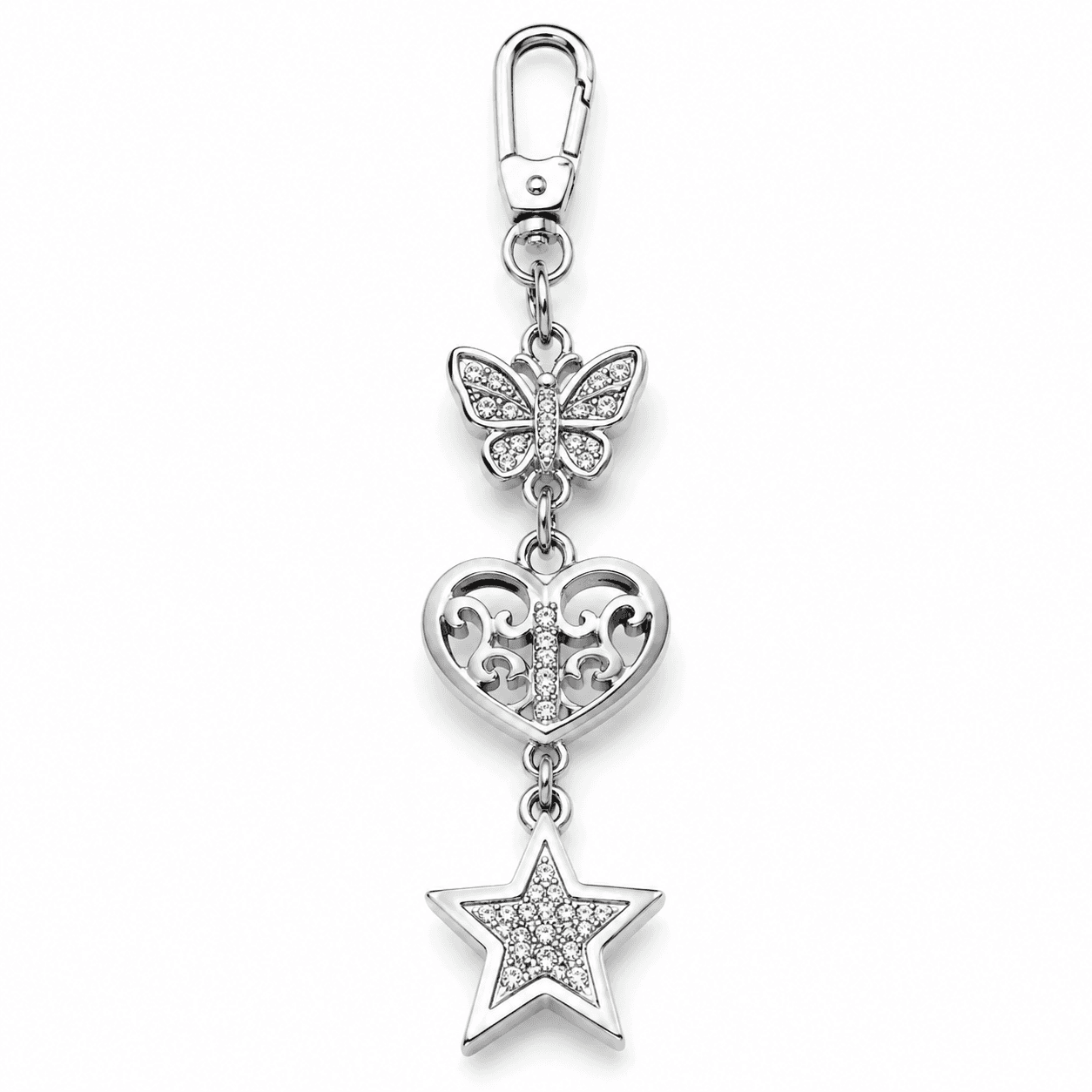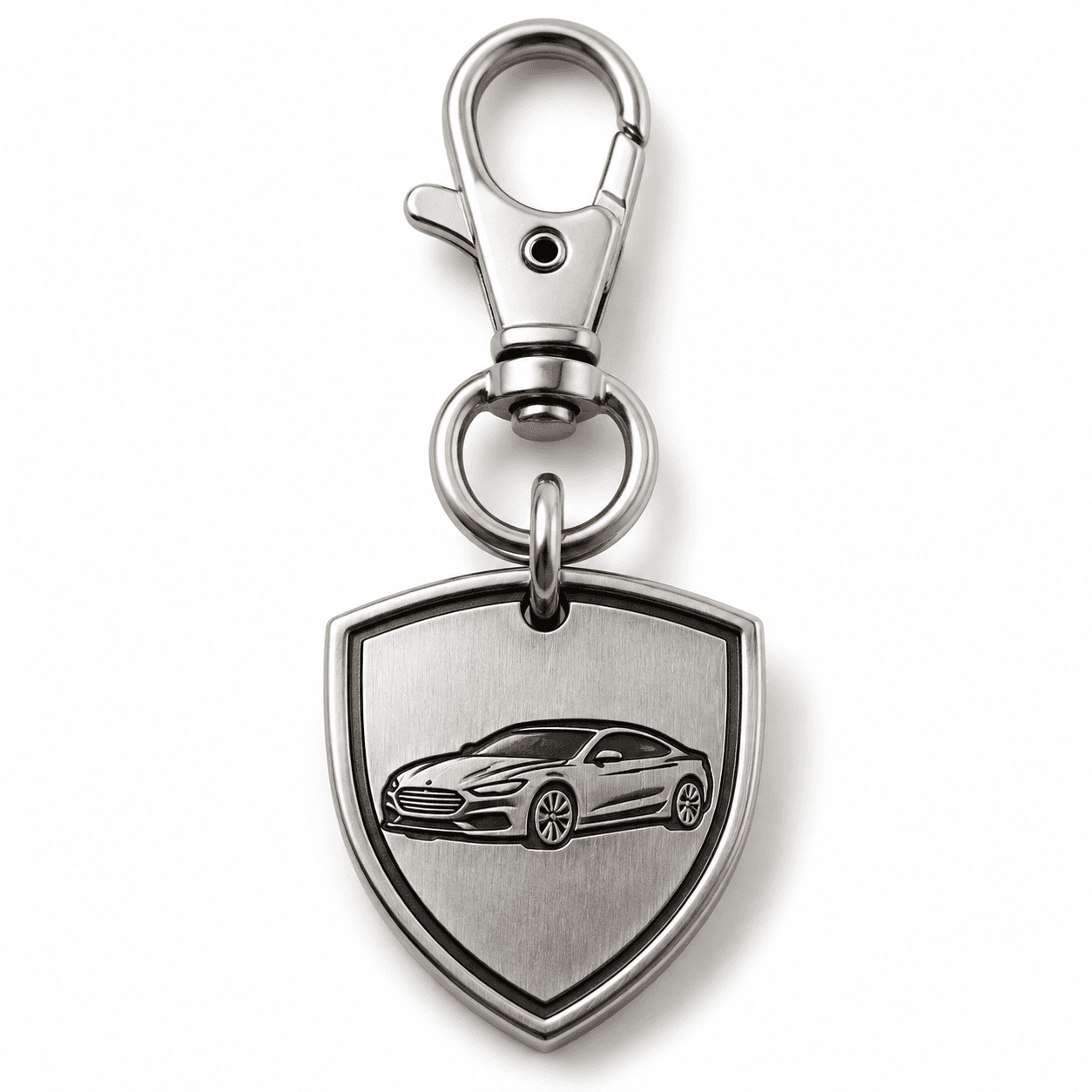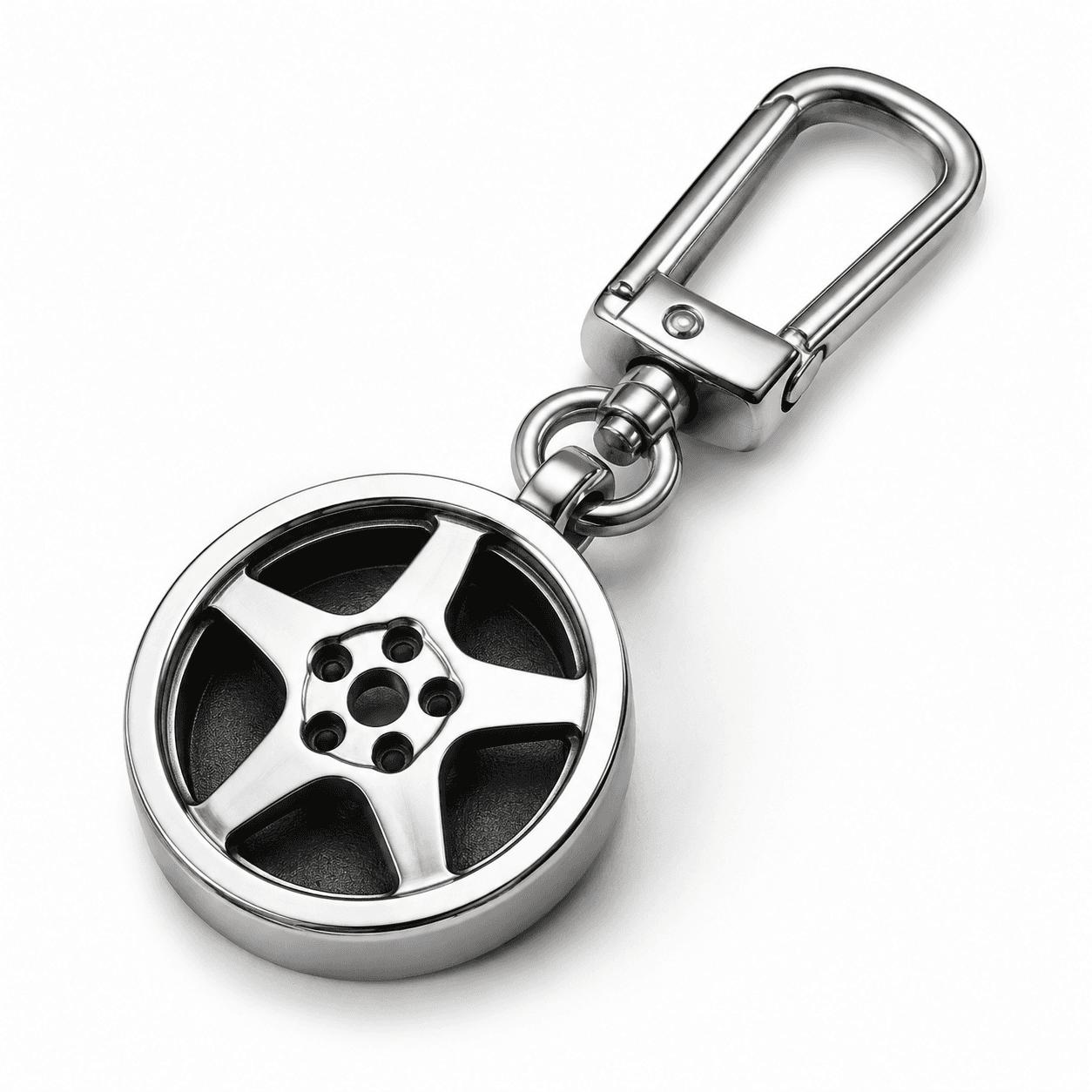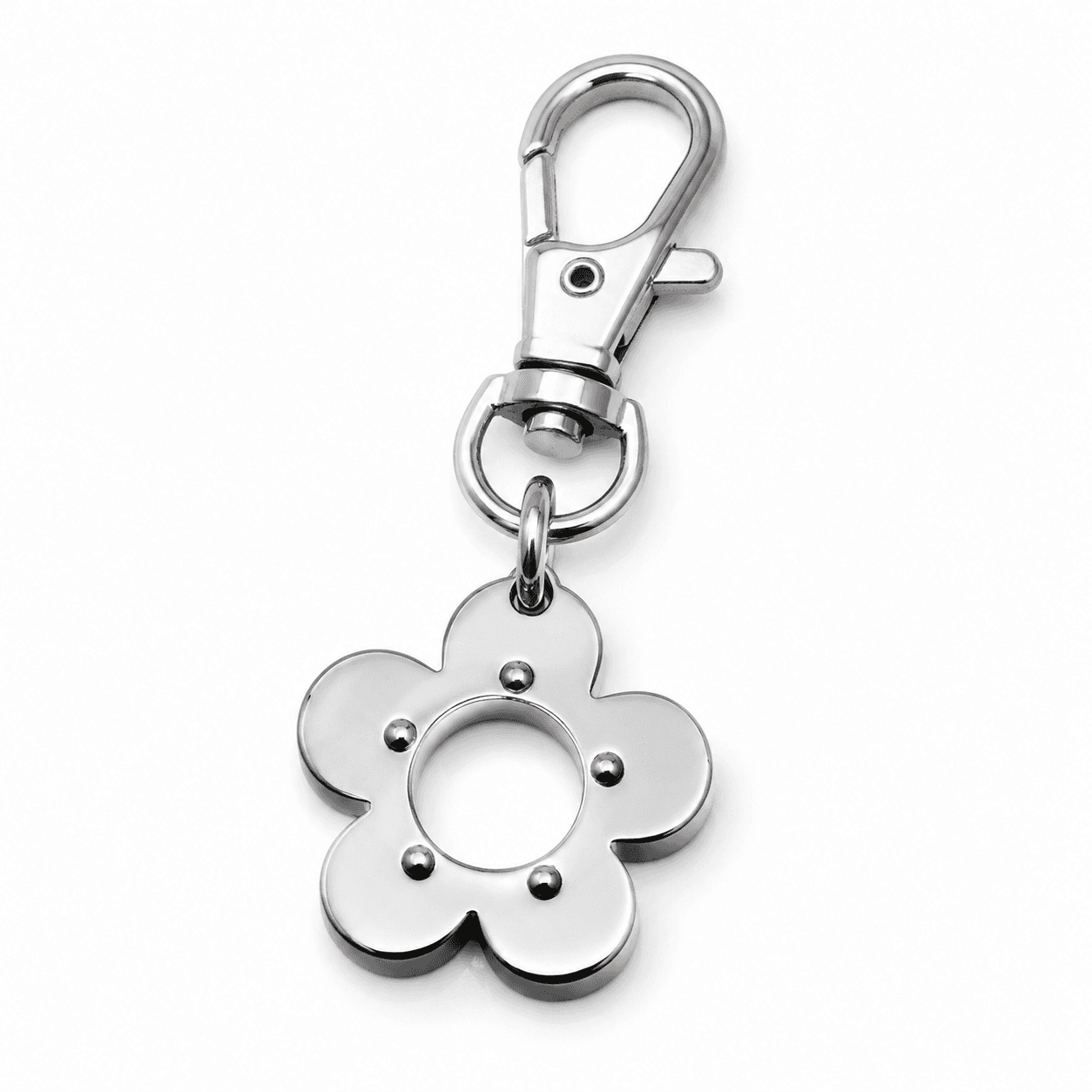
In global sourcing for belt bag charms and keychains, choosing the right supplier is as important as selecting the design. For procurement teams, a rigorous vetting process protects timelines, protects quality, and minimizes risk across markets. This guide targets buyers who need reliable, durable 316L stainless steel charms and wants a practical, auditable path to supplier selection. As a stainless steel charms manufacturer with a modern factory and SGS certifications, Lancy Jewelry understands the expectations of boutique brands and private-label buyers. The aim here is to provide a practical, checklist-style framework you can apply when evaluating potential vendors for the Everywhere belt bag charm and related keychain applications. In this guide you will see explicit QA expectations, testing standards, and documentation requirements that support durable, compliant, and scalable partnerships.
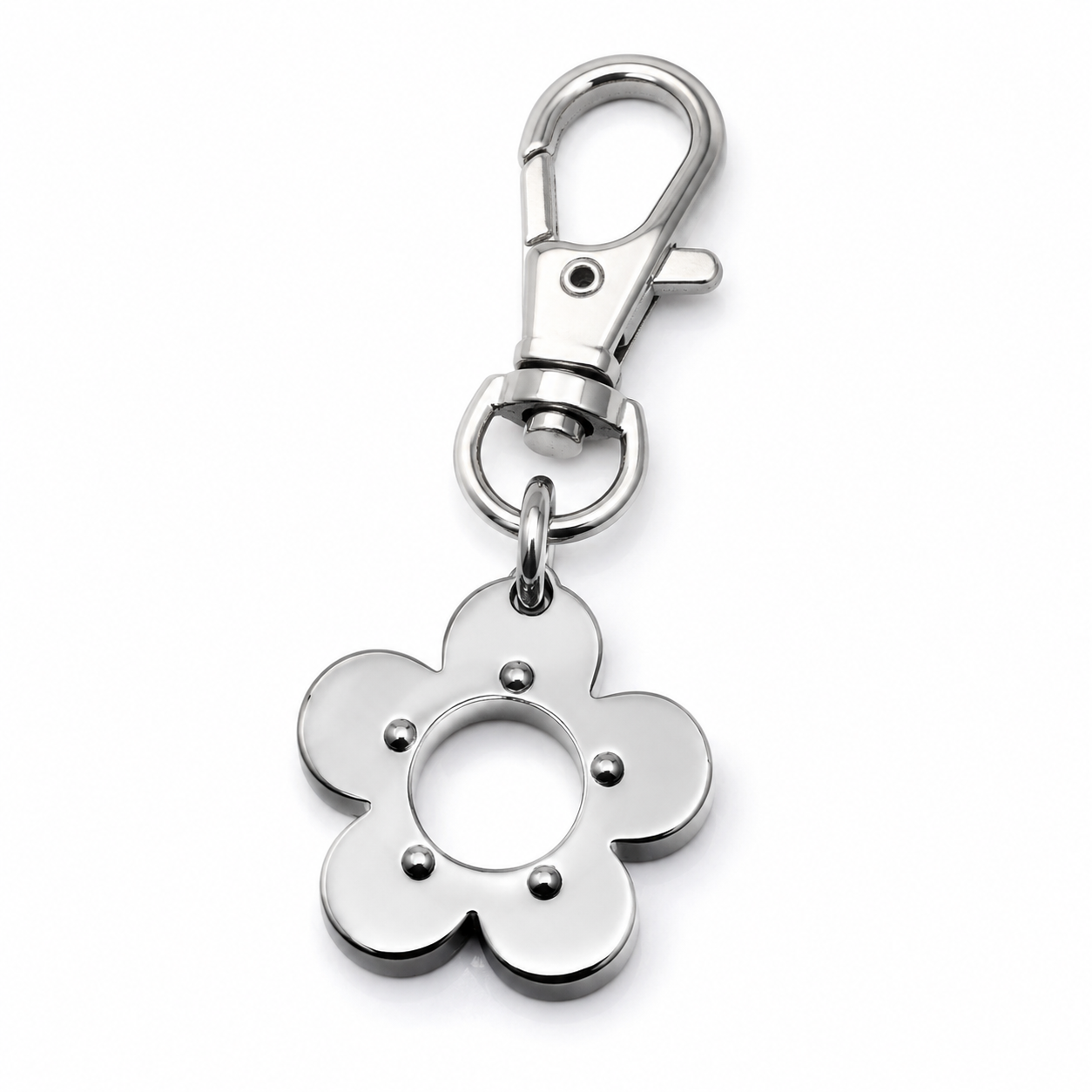
Stainless Steel Everywhere Belt Bag Charm Keychain Vendors: Vetting Guide
Checklist: Define baseline specs for 316L stainless steel charms
- Clearly specify base material as 316L stainless steel charms with documented chemical and physical properties.
- Define mechanical tolerances, hole/loop diameters, and bail compatibility for the Everywhere belt bag charm context.
- Confirm finish options (PVD gold plating, silver finish, rose gold plating, enamel, crystal inlay) and batch consistency expectations.
- Align on sizes (default 8-18 mm, with variations for sub-forms) and packaging requirements for private-label programs.
- Establish labeling, COA/documentation, and material declarations to satisfy cross-market compliance needs.
Checklist: Verify supplier credentials and certifications
- Validate SGS certification coverage: RoHS, REACH, Nickel Release EN1811, Salt Spray 240H, and related tests.
- Request current factory audit reports or third-party inspection summaries. Note: ISO9001 and BSCI are not required here, but confirm internal QA processes are robust.
- Confirm legal entity status, tax compliance, and ability to issue formal LOIs, NDAs, and IP protection where needed. '
Checklist: Assess manufacturing capabilities (Lancy reference)
- Confirm CNC, laser cutting, laser marking, welding, and polishing capabilities align with 316L stainless steel charm production needs.
- Verify PVD plating capacity and color-stability controls across lots; request plating process specifications and batch records.
- Validate enamel filling and crystal inlay capabilities; assess fill uniformity and adhesion tests.
- Confirm private-label packaging capabilities, plain or branded packaging, and carton-level traceability.
- Ensure sample development lead times and evidence of rapid iteration for private-label programs.
Checklist: Quality assurance and durability testing expectations
- Demand a documented QA plan covering incoming material inspection, in-process checks, and final acceptance criteria.
- Require corrosion resistance tests, including salt spray (240H) results for enamel, crystal, and plating finishes.
- Request Nickel Release EN1811 test reports and warning threshold documentation for cross-market compliance.
- Ask for wear resistance data: abrasion tests, bend/flex cycles, and impact resistance relevant to daily wear on belt bag charms and keychains.
- Obtain reliability data: long-term plating stability, discoloration risk, and finish wear under typical consumer handling.
Checklist: Sample development, lead times, and pilot orders
- Initiate a formal sample request to validate geometry, finish, and attachment mechanisms (bail, jump ring compatibility).
- Evaluate sample development timelines and cost; prefer vendors offering low MOQ sample runs and clear rework policies.
- Plan a pilot order (bulk charm orders) to test scale-up and QA consistency before full production.
- Require a sample testing report including plating thickness, hardness, and finish check results.
Checklist: Documentation, audits, and compliance
- Request a complete bill of materials (BOM), process flow, and supplier compliance declarations to avoid forbidden base materials.
- Obtain a certificate of conformity and material test results for the sample charms.
- Ensure packaging and labeling align with regional private-label requirements and branding guidelines.
- Confirm traceability: lot numbers, date codes, and chain-to-shell mapping where applicable.
Checklist: Commercial terms and partnership readiness
- Negotiate MOQ and pricing structure for ongoing OEM/ODM charm production, including private-label arrangements.
- Establish lead times, capacity guarantees, and penalties for missed milestones.
- Confirm payment terms, warranty coverage, and return/work-in-progress policies.
- Ensure clear avenues for ongoing communication, quality issue resolution, and post-sales support.
For reference on vendor capability and partnership models, see Lancy Jewelry's OEM Service and Request a Quote workflows. You can also review product availability in the All Products catalog and initiate a conversation via Contact.
Benefits: Why this vetting matters for 316L stainless steel charms
Key benefits you gain by rigorous supplier evaluation
- Consistent wear resistance and scratch protection across daily use in belt bag charm and keychain contexts.
- Predictable plating quality (PVD options) and long-lasting color, reducing replacement cycles for retailers and brand partners.
- Verified certifications and robust QA processes decrease compliance risk in US, EU, UK, AU, CA, DE, FR, SP, NE, and RU markets.
- Clean documentation supports private-label programs with fast sample development and scalable MOQ options.
- Access to OEM/ODM capabilities that align with multi-brand portfolios and wholesale channels.
Certification-backed quality as a standard
SGS certification coverage (RoHS, REACH, Nickel Release EN1811, Salt Spray 240H) is a strong indicator of baseline compliance for cross-market distribution. This is essential when evaluating partners for worldwide charm programs and ensures stability of performance across regions. For context, Lancy Jewelry operates a modern facility with CNC, laser cutting, laser marking, welding, and polishing, providing end-to-end capabilities to support reliable supply chains and consistent plating results across lots. To explore how these capabilities translate into your private-label program or wholesale orders, review our OEM/ODM services and sample development timelines.
Detailed analysis: Step-by-step supplier evaluation framework
Step 1: Define your universal 316L stainless steel charm requirements
Document material specs, finish options, dimensions, and attachment standards for belt bag charms and keychain use. Ensure the framework remains valid across global markets to simplify cross-border procurement. If you need ready-made templates or credible references, our team can provide alignment on specifications and testing expectations.
Step 2: Screen potential suppliers for material integrity and capabilities
Prioritize suppliers with certified material handling processes, robust finishing lines, and audit-ready QA procedures. Ask for example data on plating thickness, enamel fill consistency, and crystal setting adhesion. For OEM or ODM projects, verify that the supplier can support logo engraving, custom packaging, and private-label branding at scale.
Step 3: Verify test results, standards, and documentation cadence
Request test reports covering corrosion resistance (salt spray), wear tests, and EN1811 nickel-release data. Confirm the presence of a formal QA plan, acceptance criteria, and traceability records. Require a documented standard for plating consistency and a defined retest policy for any lot that fails to meet criteria.
Step 4: Assess pilot-order readiness and sample development cadence
Ask for a transparent sample development timeline, including iterations, tooling readiness, and cost for private-label orders. Ensure the vendor can deliver pilot runs with low MOQ and provide a clear path to bulk charm orders if performance meets expectations.
Step 5: Review packaging, labeling, and private-label readiness
For private-label charm programs, assess packaging integrity, anti-counterfeit features (where relevant), and branding compatibility with your line. Confirm carton-level traceability and the ability to deliver branded packaging in the required regional languages and formats.
Step 6: Conduct a risk assessment and select a short list for a pilot
Weigh supplier risk factors: geopolitical, supply-chain stability, lead times, and scalability. Run a controlled pilot order to validate process stability, QA responsiveness, and the continuity of supply under demand fluctuations. If everything checks out, move toward a long-term contract with clear SLA terms.
Step 7: Establish a review cadence and continuous improvement plan
Set quarterly reviews for quality metrics, pricing, and product performance. Use supplier scorecards to track defect rates, on-time delivery, and responsiveness to corrective actions. A mature program accelerates time-to-market for new 316L stainless steel charm series and supports private-label launches with confidence.
Step 8: Finalize contract terms and onboarding
Finalize MOQs, payment terms, and warranty coverage. Ensure IP protection, confidentiality, and a defined escalation path for any non-conformances. Onboarding should include factory access for periodic audits or virtual tours as part of ongoing risk management.
FAQ
Q1: How should we vet a stainless steel charms supplier for a private-label program?
A robust vetting process includes confirming material integrity (316L stainless steel), reviewing QA processes, requesting SGS-related test reports, evaluating sample development capability, and ensuring the supplier can provide OEM/ODM support and private-label packaging. Always verify lead times, MOQs, and the ability to scale with your demand.
Q2: What testing standards are most important for belt bag charm durability?
Key tests include salt spray (to assess corrosion resistance) and EN1811 nickel-release testing, which are part of SGS certifications. Wear resistance, coating adhesion tests, and plating thickness measurements are also essential to ensure long-lasting color and finish under daily wear.
Q3: How does private-label work with a stainless steel charms manufacturer?
Private-label arrangements typically cover branding, packaging, and product labeling while leveraging the manufacturer’s capabilities in OEM/ODM production. You should secure low MOQ options, ensure sample development is feasible, and agree on a clear timeline for scaling to bulk charm orders while maintaining consistent quality.
Q4: How do I initiate an OEM/ODM project with a trusted supplier?
Start with a formal RFQ and request a detailed proposal that includes material declarations, process capabilities, QA plans, and a sample development timeline. Review the supplier’s ability to engrave logos, provide PVD finishes, and support private-label packaging, then proceed with a pilot order to validate performance before committing to long-term production. For a seamless path, explore Lancy Jewelry’s OEM/ODM services and reach out through Contact.
Call to action: Partner with a proven stainless steel charms supplier
When you are ready to scale a consistent, durable private-label belt bag charm or keychain program, partner with a credible stainless steel charms manufacturer that offers OEM/ODM capability, robust QA, and transparent documentation. Lancy Jewelry combines a modern factory, comprehensive finishing options (PVD plating, enamel, crystal inlay), and strict adherence to testing standards to support wholesale stainless steel charms and private-label programs. Explore OEM/ODM options or Request a Quote to begin the collaboration. For catalog options and ready-to-order products, visit All Products and then engage with our team via Contact to align on your private-label program requirements.