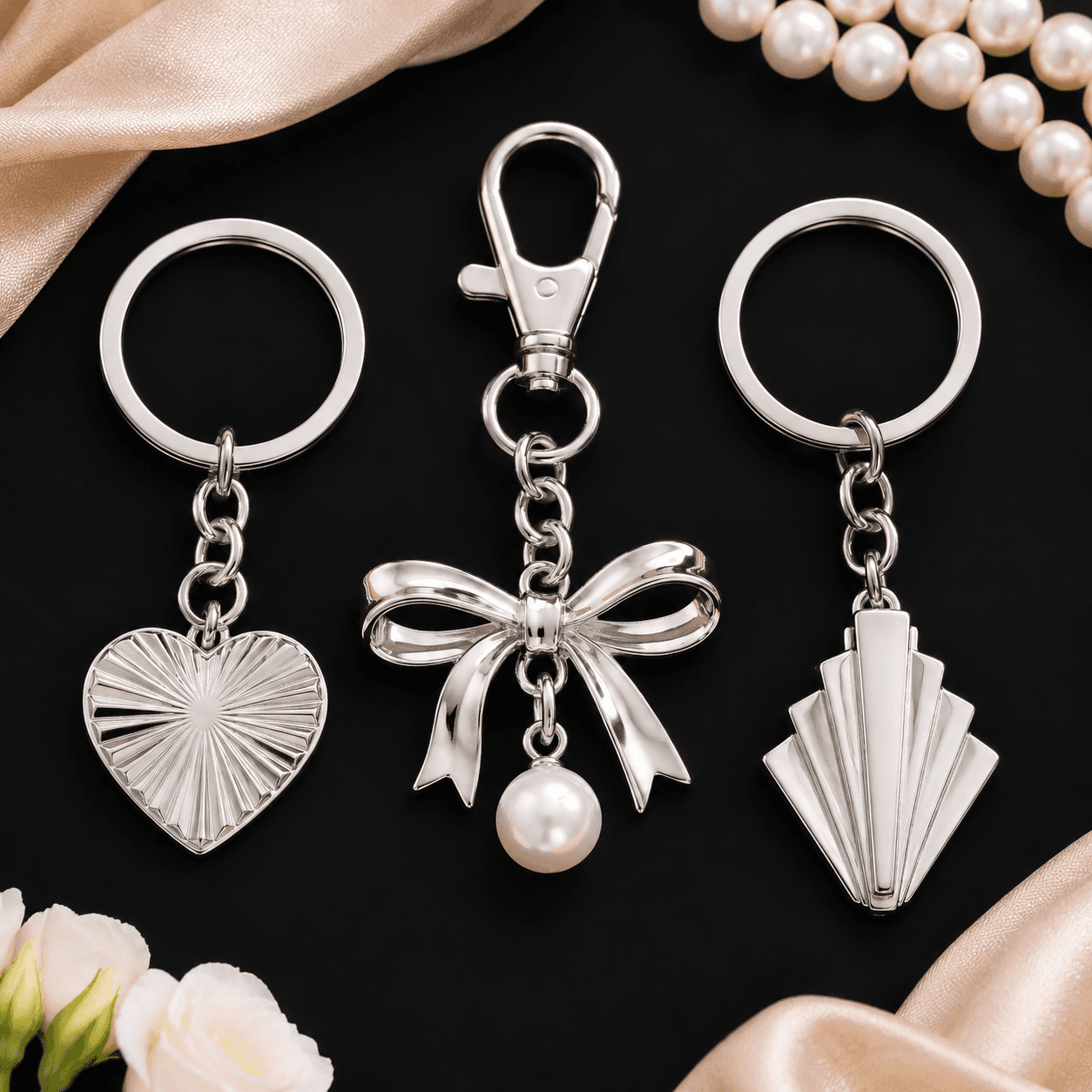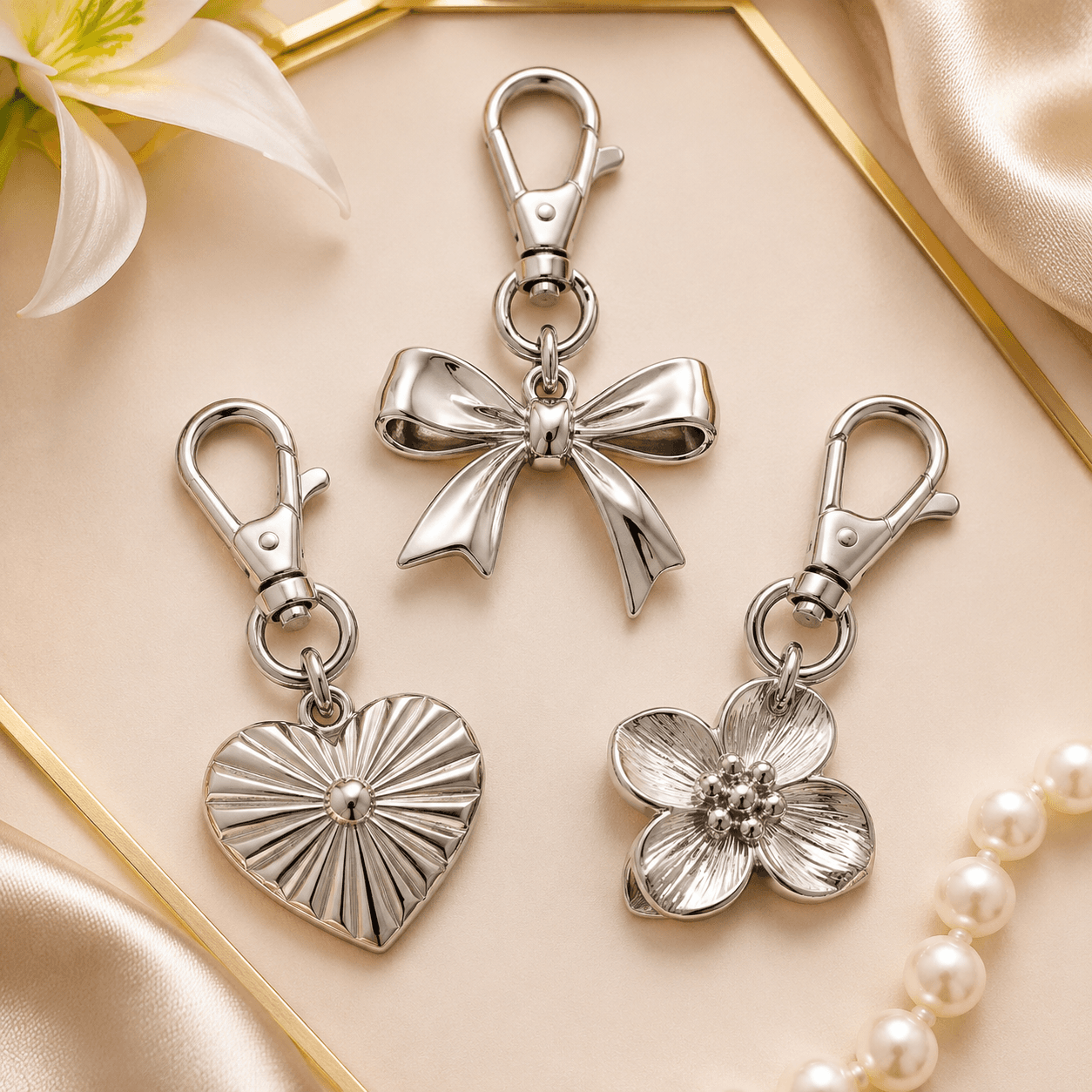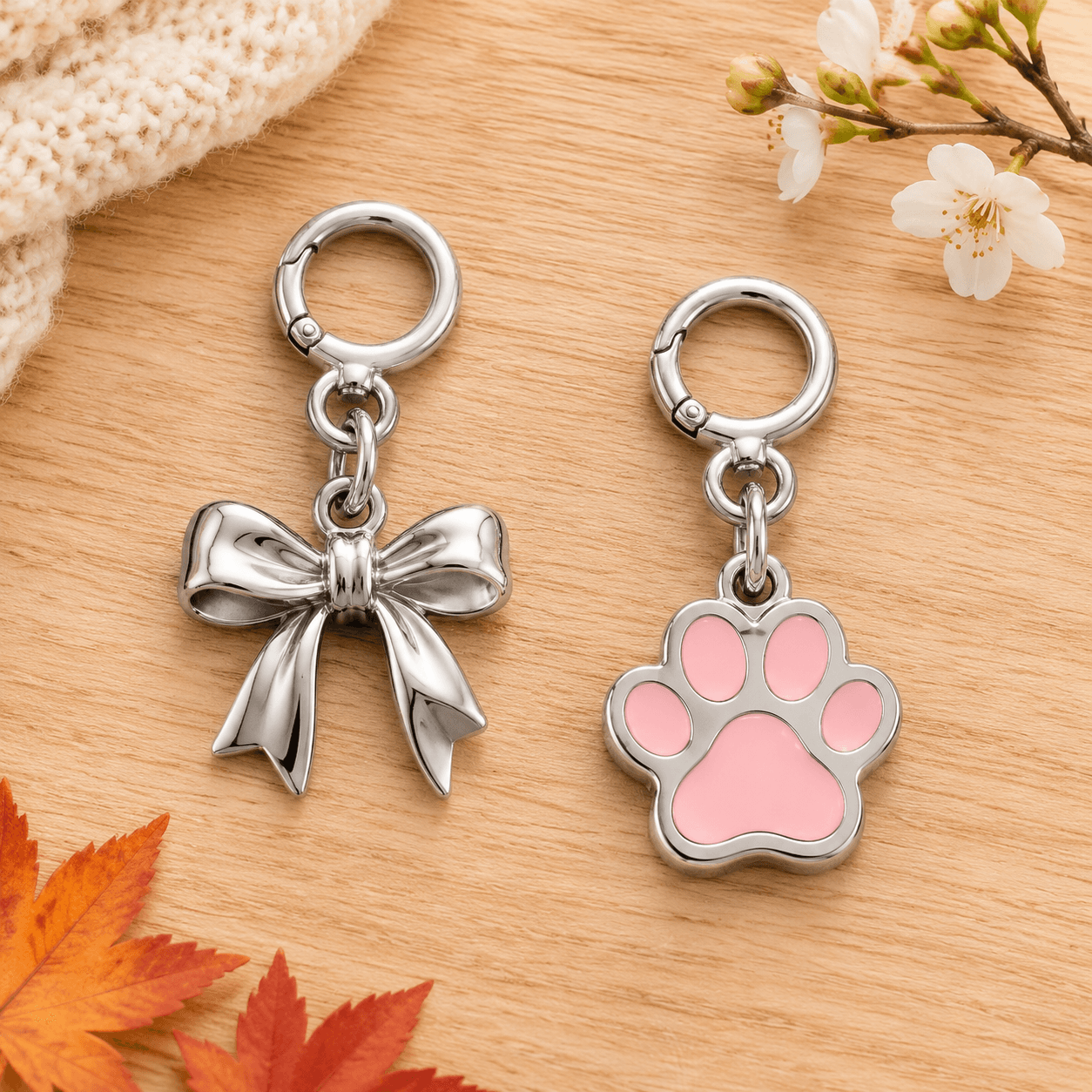
Choosing a stainless steel candy bag charm manufacturer requires more than reviewing product photographs, quoted prices, or sample appearance. Procurement teams must establish whether a supplier can consistently deliver verified 316L stainless steel construction, controlled surface finishing, reliable attachment hardware, documented compliance, and repeatable production quality. A decorative charm may be small, but its failure can create disproportionate consequences: customer complaints, product returns, damaged retail relationships, and costly inventory replacement.
For North American boutique brands, gift companies, and private-label buyers, supplier qualification should follow a documented process. Every important claim must be supported by measurable evidence, approved specifications, and production records. This guide provides an advanced sourcing checklist for evaluating manufacturers, assessing durability, reviewing compliance documentation, and controlling quality before authorizing bulk orders.
Stainless Steel Candy Bag Charm Manufacturer: Essential Quality Checklist
A candy-themed bag charm is a decorative accessory that may include shaped metal components, enamel details, crystal inlay, and a functional attachment point. Its appearance attracts customers, but its manufacturing quality determines whether the product remains suitable for retail after repeated handling and everyday use.
1. Verify the Manufacturer's Material Specification
Start by confirming the exact base material. Lancy Jewelry focuses exclusively on 316L stainless steel charms. Procurement teams should require a written material declaration identifying the specified stainless steel grade and the applicable material verification method.
- [ ] Confirm that 316L stainless steel is specified as the base material in the RFQ and purchase specification.
- [ ] Request a material declaration identifying the grade, applicable standard, and verification method.
- [ ] Review available material test reports and confirm that the tested sample corresponds to the proposed product specification.
- [ ] Establish traceability between incoming material records, production batches, and finished goods.
- [ ] Confirm that the supplier has a documented process for controlling material substitutions.
Do not accept a generic statement such as premium stainless steel as sufficient evidence. A procurement specification must identify the required grade, verification criteria, and documentation expectations. Where material composition testing is required, agree on an appropriate analytical method and acceptance criteria before production.
2. Evaluate Design and Attachment Engineering
Candy-themed designs often use small decorative details, rounded contours, raised surfaces, and multiple visual elements. The attachment system must support the intended application without creating weak connection points.
- [ ] Inspect the complete charm silhouette for sharp edges, burrs, and irregular finishing.
- [ ] Verify that the bail or jump ring passes through a genuine hole or closed loop.
- [ ] Check that the attachment hardware closes securely and does not interfere with movement.
- [ ] Examine soldered or welded connections for consistency and structural integrity.
- [ ] Confirm that decorative components remain securely positioned during handling.
- [ ] Approve dimensional drawings showing thickness, width, height, hole diameter, and critical tolerances.
Request a technical drawing before sampling. A visually attractive prototype is not an adequate substitute for a dimensionally controlled specification. Procurement teams should identify critical-to-quality characteristics and assign measurable acceptance limits to each one.
3. Inspect Surface Finishing and Decorative Details
Surface quality directly influences perceived value. A candy bag charm may require a polished silver finish, PVD gold plated finish, rose gold plating, or enamel color filling. The supplier must demonstrate that these processes are controlled rather than relying solely on visual inspection.
- [ ] Define the approved surface finish and reference sample for each SKU.
- [ ] Check plating uniformity across front surfaces, edges, recesses, and attachment areas.
- [ ] Specify acceptable color variation using an agreed reference and measurement method.
- [ ] Inspect enamel filling for incomplete coverage, uneven boundaries, bubbles, and visible defects.
- [ ] Examine crystal inlay for secure setting, alignment, and consistent positioning.
- [ ] Confirm that polishing does not obscure engraved details or reduce critical dimensions.
For PVD finishes, request process information and applicable coating test results. Buyers should not assume that a particular color or coating description automatically establishes a durability level. Performance must be demonstrated through agreed testing and documented acceptance criteria.
4. Assess the Manufacturer's Production Capabilities
A qualified stainless steel charms manufacturer should be able to explain how each production stage is controlled. The evaluation should cover equipment, process ownership, inspection checkpoints, and corrective action procedures.
- [ ] Review CNC machining and laser cutting capabilities for dimensional accuracy.
- [ ] Confirm laser marking and logo engraving consistency.
- [ ] Review welding controls and inspection procedures for connection points.
- [ ] Evaluate polishing standards and finishing inspection methods.
- [ ] Confirm that PVD processing and decorative operations have documented specifications.
- [ ] Ask how rejected components are identified, segregated, and recorded.
A factory tour, live production review, or documented manufacturing audit can help procurement teams distinguish genuine process capability from sales presentations. Ask the supplier to demonstrate the inspection process using actual production samples.
Why Supplier Quality and Durability Matter
For North American retail programs, quality problems affect more than individual units. They can disrupt seasonal launches, damage consumer confidence, and increase the operational cost of managing returns. A structured supplier qualification process helps buyers reduce these risks before committing to inventory.
Key Benefits of Verified Testing and Certifications
Independent testing provides evidence that a supplier's materials and finished products have been evaluated against specified requirements. Lancy Jewelry provides SGS certification and testing documentation covering RoHS, REACH, Nickel Release EN1811, and Salt Spray 240H.
- RoHS documentation: Supports assessment of applicable restricted-substance requirements. Buyers should confirm product scope and the specific report or declaration provided.
- REACH documentation: Supports chemical compliance assessment for relevant European market requirements. North American buyers serving international markets should retain applicable documentation for their distribution channels.
- Nickel Release EN1811: Provides a recognized testing framework for nickel release assessment in applicable articles intended for direct and prolonged skin contact.
- Salt Spray 240H: Provides evidence from a specified corrosion-resistance test exposure. Buyers should review the method, conditions, sample configuration, and acceptance criteria rather than treating exposure duration as a universal service-life guarantee.
Certification claims must be traceable to actual reports. Request report numbers, testing dates, sample descriptions, issuing laboratory details, and product scope. Verify that the documentation covers the relevant material, finish, and product construction. A report for one configuration should not automatically be applied to every SKU in a collection.
Benefits for Procurement and Retail Operations
- Lower sourcing uncertainty: Documented material and process requirements reduce ambiguity during supplier evaluation.
- More consistent product appearance: Approved color standards and finishing references help control repeat orders.
- Improved inventory planning: Stable specifications make replenishment and seasonal collection planning more predictable.
- Better compliance management: Organized test reports and declarations support internal review and customer documentation requests.
- Reduced quality disputes: Measurable acceptance criteria create an objective basis for resolving nonconformities.
Detailed Procurement Guide: How to Evaluate a Manufacturer
Step 1: Establish a Complete RFQ Specification
A professional RFQ should communicate more than a design concept and target price. It should define the product's physical, decorative, mechanical, and documentation requirements. This allows suppliers to quote against a consistent specification and reduces the risk of unexpected changes after sample approval.
- [ ] Provide approved artwork, reference dimensions, and technical drawings.
- [ ] Specify 316L stainless steel as the required base material.
- [ ] Identify the selected finish: PVD gold plating, rose gold plating, or silver finish.
- [ ] Define enamel colors, crystal inlay details, and decorative positioning where applicable.
- [ ] Specify attachment dimensions, closure requirements, and mechanical inspection criteria.
- [ ] State packaging requirements, labeling expectations, and private-label details.
- [ ] Request sample pricing, MOQ, production lead time, and bulk order pricing.
- [ ] List required testing reports, material declarations, and batch traceability records.
Include a clear revision number and issue date on every technical document. When artwork or specifications change, require formal revision approval. This prevents outdated drawings from being used during production.
Step 2: Conduct a Structured Supplier Audit
Supplier audits should assess the manufacturer's ability to control production, not merely the appearance of its facility. Procurement teams should examine the complete process from incoming material inspection to final packaging.
Production and Process Controls
- [ ] Verify that incoming 316L stainless steel materials are inspected and recorded.
- [ ] Review work instructions for CNC, laser cutting, welding, and polishing.
- [ ] Examine production equipment maintenance and process monitoring records.
- [ ] Confirm that plating and decorative finishing requirements are documented.
- [ ] Review in-process inspection frequency and operator responsibilities.
- [ ] Check whether nonconforming components are clearly identified and isolated.
Quality Management and Traceability
- [ ] Request an example of an incoming inspection record.
- [ ] Review a finished-product inspection report.
- [ ] Check how batch numbers are assigned and retained.
- [ ] Confirm that corrective and preventive actions are documented.
- [ ] Ask how complaints, returns, and recurring defects are investigated.
- [ ] Verify that outsourced processes have appropriate supplier controls and records.
A useful audit outcome is a written supplier assessment with findings classified by severity. Critical issues should prevent production approval until corrected. Minor observations should receive an owner, corrective action deadline, and verification requirement.
Step 3: Validate Wear Resistance and Mechanical Durability
Durability testing must reflect the product's actual application. A bag charm may experience movement, incidental impacts, friction against surrounding items, humidity, and repeated attachment or removal. Testing should therefore examine both decorative performance and structural reliability.
Surface and Corrosion Testing
- [ ] Review salt spray test documentation, including exposure conditions and acceptance requirements.
- [ ] Inspect finished samples for discoloration, corrosion indications, and surface irregularities.
- [ ] Define an abrasion evaluation method appropriate to the selected finish.
- [ ] Evaluate coating adhesion using an agreed method where applicable.
- [ ] Check color consistency before and after the agreed durability evaluation.
Salt spray exposure is a controlled laboratory test, not a direct prediction of years of consumer use. Buyers should not convert a 240-hour result into an unsupported lifetime claim. Establish separate requirements for abrasion, adhesion, color retention, and corrosion resistance according to the intended product and finish.
Mechanical and Functional Testing
- [ ] Evaluate attachment-point integrity using a defined load and acceptance protocol.
- [ ] Inspect jump rings, bails, and other connection components for deformation.
- [ ] Conduct an agreed repeated-handling or attachment-cycle evaluation.
- [ ] Check that decorative elements remain secure after the specified test sequence.
- [ ] Examine edges and surfaces for defects following mechanical evaluation.
Testing parameters must be established with the manufacturer before testing begins. Record the equipment, sample quantity, test conditions, inspection method, and pass/fail criteria. Do not rely on informal hand-pulling demonstrations as evidence of structural performance.
Step 4: Review North American Regulatory Considerations
US and Canadian procurement teams should determine applicable requirements according to the product's intended use, target consumer, marketing claims, distribution channel, and product construction. Compliance is not established simply because a factory holds a general certification.
United States Considerations
For products intended for children, assess applicable Consumer Product Safety Commission requirements, including relevant restrictions concerning lead and other regulated substances. Determine whether children's product rules, testing, certification, labeling, or tracking requirements apply to the specific product and intended age group.
For general consumer products, review applicable federal and state chemical restrictions, product safety obligations, and retailer-specific requirements. Do not assume that documentation for one market automatically satisfies every US jurisdiction or customer specification.
Canada Considerations
Canadian buyers should review applicable requirements under the Canada Consumer Product Safety Act and relevant regulations, including requirements concerning restricted substances and consumer product safety. Determine whether additional provincial, territorial, language, or retailer requirements apply to the product and its packaging.
FDA Scope and Product Positioning
FDA requirements primarily concern products and materials within the agency's statutory scope, including applicable food-contact uses. An ordinary decorative bag charm is not automatically an FDA-regulated food-contact product simply because its design resembles candy. However, if the product is marketed for food contact or another regulated intended use, buyers should assess the applicable FDA requirements separately. Never use food-safe or FDA-approved claims without an appropriate legal and technical basis.
Procurement teams should document the intended use and target age group in the product specification. Where regulatory interpretation is uncertain, obtain qualified compliance advice before approving commercial claims or market release.
Step 5: Approve Samples Using a Golden Sample Process
Sample development is a critical risk-control stage. Buyers should evaluate not only the first prototype but also whether the supplier can reproduce the approved result using the intended production process.
- [ ] Approve the artwork, dimensions, material specification, and attachment design.
- [ ] Inspect finish color and decorative details under consistent lighting.
- [ ] Conduct agreed dimensional and mechanical checks.
- [ ] Review applicable compliance and durability documentation.
- [ ] Sign and identify the approved golden sample.
- [ ] Retain a reference sample and controlled digital specification.
- [ ] Require written approval for any proposed deviation.
Where a production process changes after sample approval, the supplier should notify the buyer and determine whether requalification or additional testing is necessary. The golden sample must remain the reference for subsequent production inspections.
Step 6: Implement Bulk Production Inspection
Bulk production should operate under an agreed inspection plan. Procurement teams should define inspection stages, sampling levels, defect classifications, and acceptance criteria before issuing the purchase order.
- [ ] Incoming material inspection confirms the approved material specification.
- [ ] In-process inspection verifies dimensions, cutting quality, welding, and polishing.
- [ ] Finishing inspection checks color, surface consistency, and decorative details.
- [ ] Functional inspection checks attachment integrity and mechanical operation.
- [ ] Final inspection verifies product appearance, workmanship, and packaging.
- [ ] Batch records identify the production quantity, inspection outcome, and release authorization.
Use a documented sampling plan based on order size, defect severity, and product risk. Critical defects should have zero acceptance under the agreed quality plan. Major and minor defects should receive clearly defined acceptance limits. AQL sampling may support inspection planning, but the selected inspection level and limits must be agreed rather than assumed.
Step 7: Evaluate Long-Term Supplier Reliability
One successful sample order does not establish long-term manufacturing reliability. Procurement teams should monitor supplier performance using measurable indicators over multiple purchase cycles.
- [ ] On-time delivery rate.
- [ ] Incoming inspection acceptance rate.
- [ ] Defect rate by production batch and defect category.
- [ ] Repeat-order color and dimensional consistency.
- [ ] Corrective action closure time.
- [ ] Documentation completeness and report validity.
- [ ] Responsiveness to engineering changes and customer requirements.
Conduct periodic supplier reviews and maintain a documented performance history. If defect rates increase or finishing consistency deteriorates, initiate corrective action before expanding order quantities.
Common Supplier Evaluation Mistakes to Avoid
Choosing Based on Unit Price Alone
A low quotation can conceal inadequate inspection, inconsistent finishing, or incomplete documentation. Compare total sourcing cost, including sampling, testing, packaging, freight, potential rework, and inventory risk.
Accepting Generic Certification Claims
A supplier's certification statement is not a substitute for product-specific evidence. Request the actual reports, review their scope, and confirm that they correspond to the proposed material and finish.
Skipping Production-Representative Samples
A manually refined prototype may not represent normal production output. Require samples made using the intended manufacturing processes and finishing specifications.
Failing to Define Durability Guarantees
A guarantee should specify the covered characteristics, claim period, exclusions, evidence requirements, and corrective remedies. Avoid vague promises that a finish will last forever or remain unchanged under every condition. Instead, negotiate measurable performance requirements and a written warranty policy.
Frequently Asked Questions
1. What should procurement teams check when selecting a stainless steel candy bag charm manufacturer?
Verify 316L stainless steel material documentation, production capabilities, surface finishing controls, mechanical attachment quality, SGS testing reports, sample consistency, batch traceability, and final inspection procedures. A qualified supplier should provide documented evidence for each critical requirement.
2. Is Salt Spray 240H sufficient to guarantee long-term durability?
No. Salt Spray 240H indicates performance under specified laboratory exposure conditions. It does not independently establish a universal product lifespan. Buyers should also evaluate abrasion, coating adhesion, color retention, mechanical integrity, and actual application requirements.
3. What compliance documents should US and Canadian buyers request?
Request applicable material declarations, RoHS and REACH documentation where relevant, Nickel Release EN1811 reports when appropriate, salt spray results, and product-specific test records. Assess applicable US CPSC and Canadian consumer product safety requirements according to intended use and target age group. Additional documentation may be required by individual retailers.
4. Can Lancy Jewelry support OEM and private-label candy bag charm programs?
Yes. Lancy Jewelry supports OEM and ODM development, custom logo engraving, PVD finishing, enamel color filling, crystal setting, sample development, and private-label packaging. Buyers can submit artwork, technical requirements, target quantities, and documentation expectations for a manufacturing assessment and quotation.
Partner With Lancy Jewelry for Quality-Controlled Charm Manufacturing
Reliable charm sourcing starts with a manufacturer that understands material verification, production engineering, surface finishing, compliance documentation, and repeat-order consistency. Lancy Jewelry specializes in 316L stainless steel charms for boutique brands, gift companies, charm bar retailers, distributors, and private-label buyers.
Our modern manufacturing facility integrates CNC machining, laser cutting, laser marking, welding, and polishing to support controlled OEM and ODM development. Available services include custom logo engraving, PVD gold plating, rose gold plating, silver finish, enamel color filling, crystal inlay, sample development, and private-label packaging.
Our SGS certification and testing documentation covers RoHS, REACH, Nickel Release EN1811, and Salt Spray 240H. We support buyers seeking clear technical specifications, documented quality expectations, low MOQ discussions, and coordinated collection development.
Before placing your next bulk order, make supplier qualification part of the purchasing process. Share your product drawings, preferred finish, target order quantity, and testing requirements so our team can assess your project.
Explore our manufacturing capabilities: OEM and ODM Manufacturing Services.
Browse available product options: 316L Stainless Steel Charm Collections.
Start your sourcing discussion: Submit an RFQ and Request a Quote or Contact Lancy Jewelry.
Make quality measurable, documentation traceable, and supplier performance accountable. Choose a manufacturing partner that treats every charm as a controlled production component, not simply a decorative item.