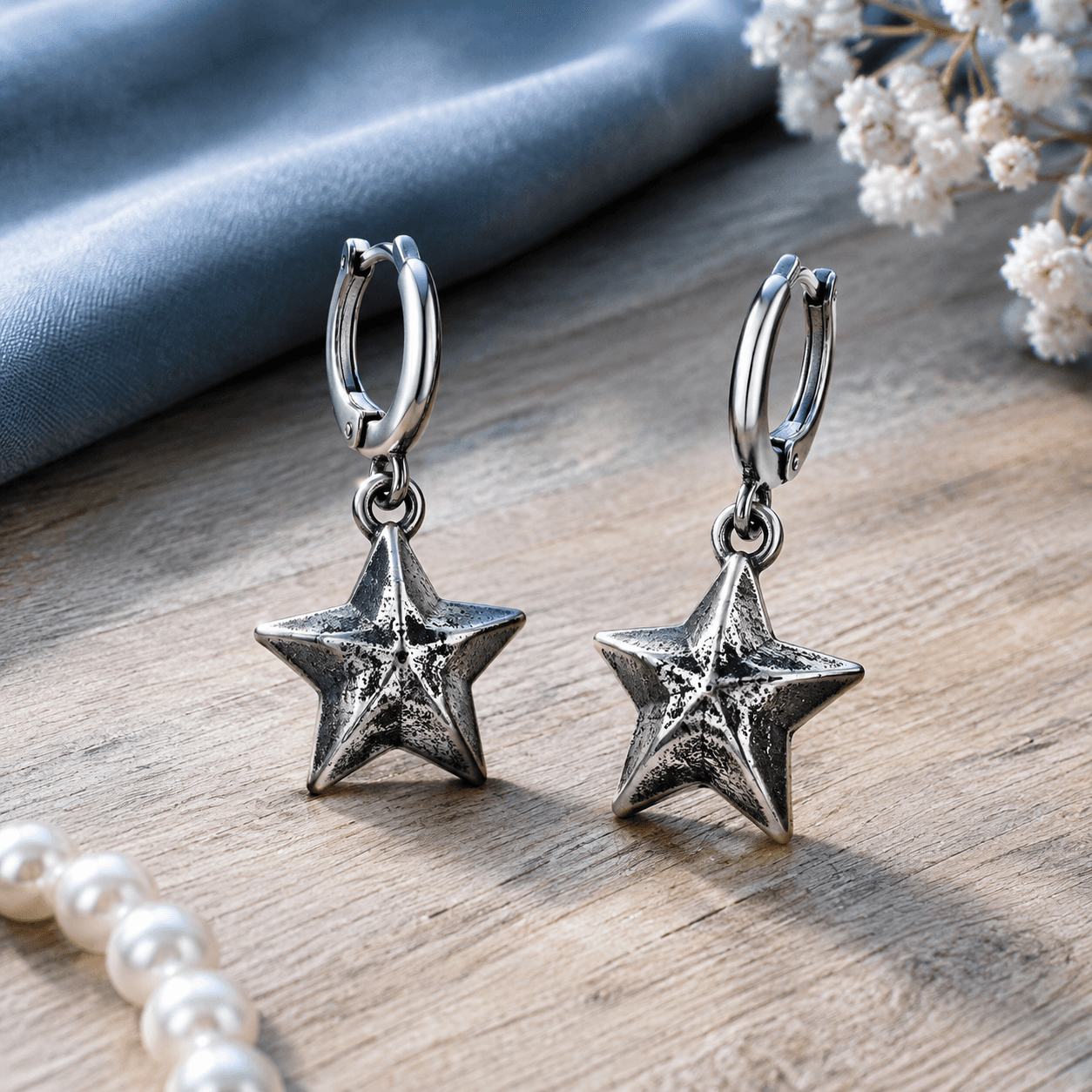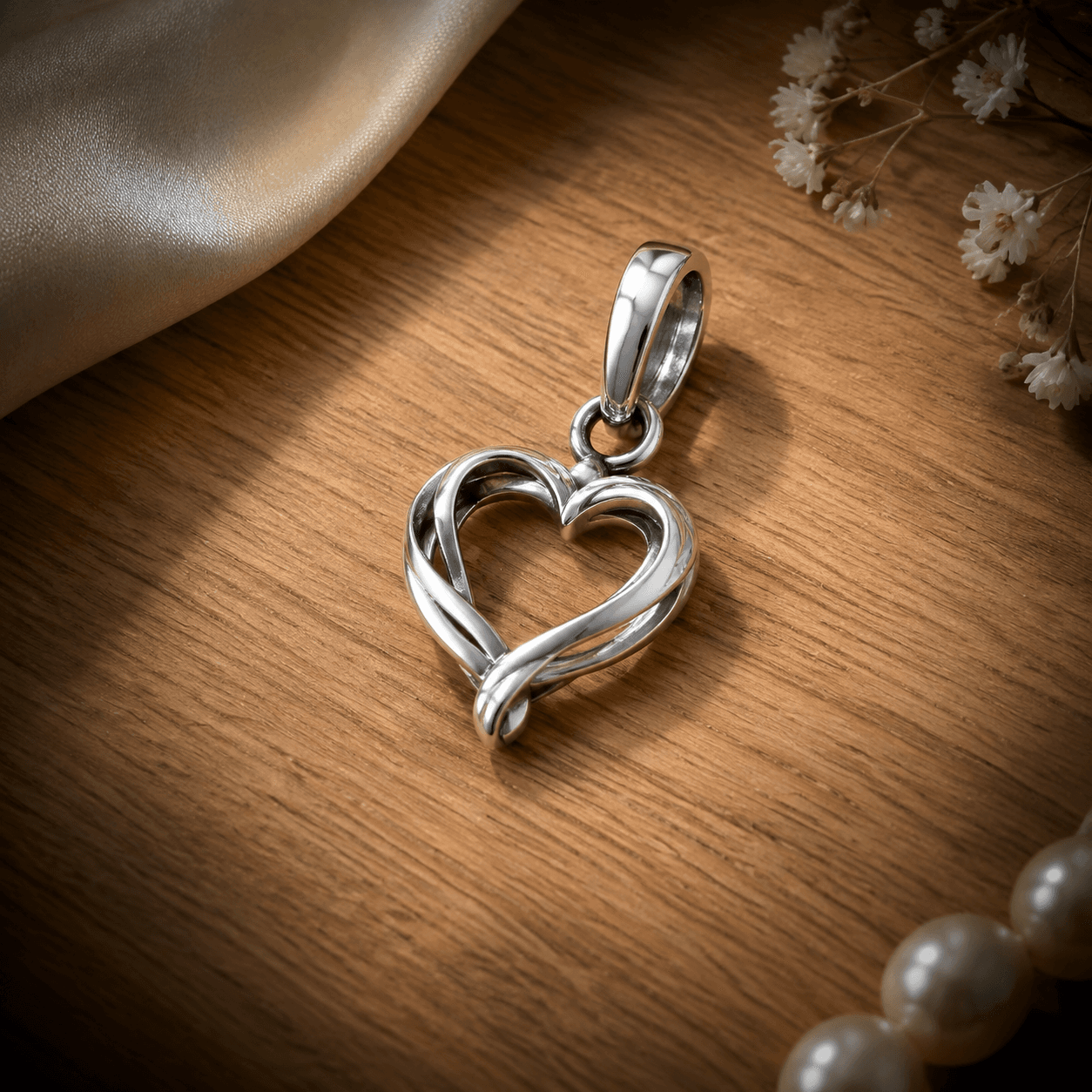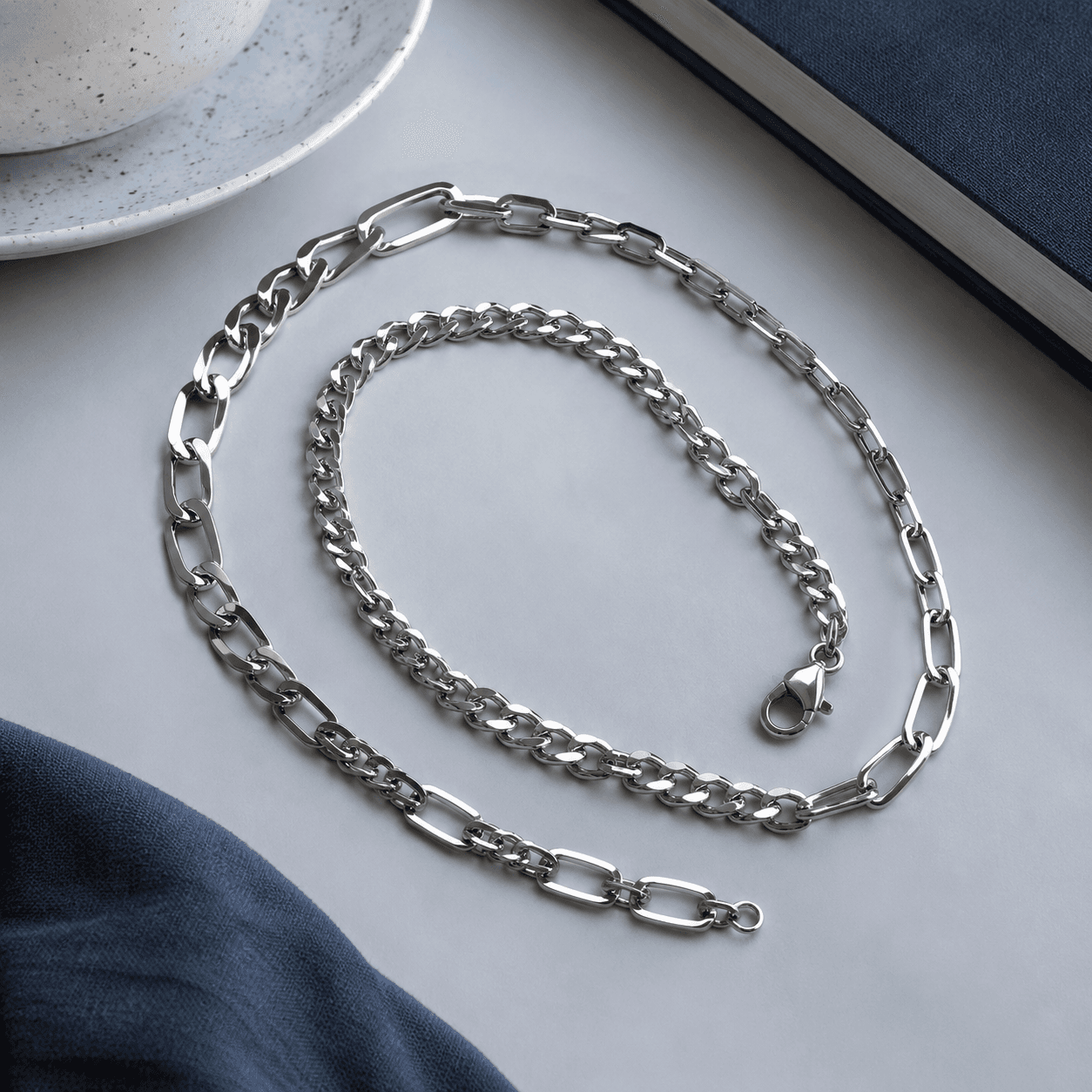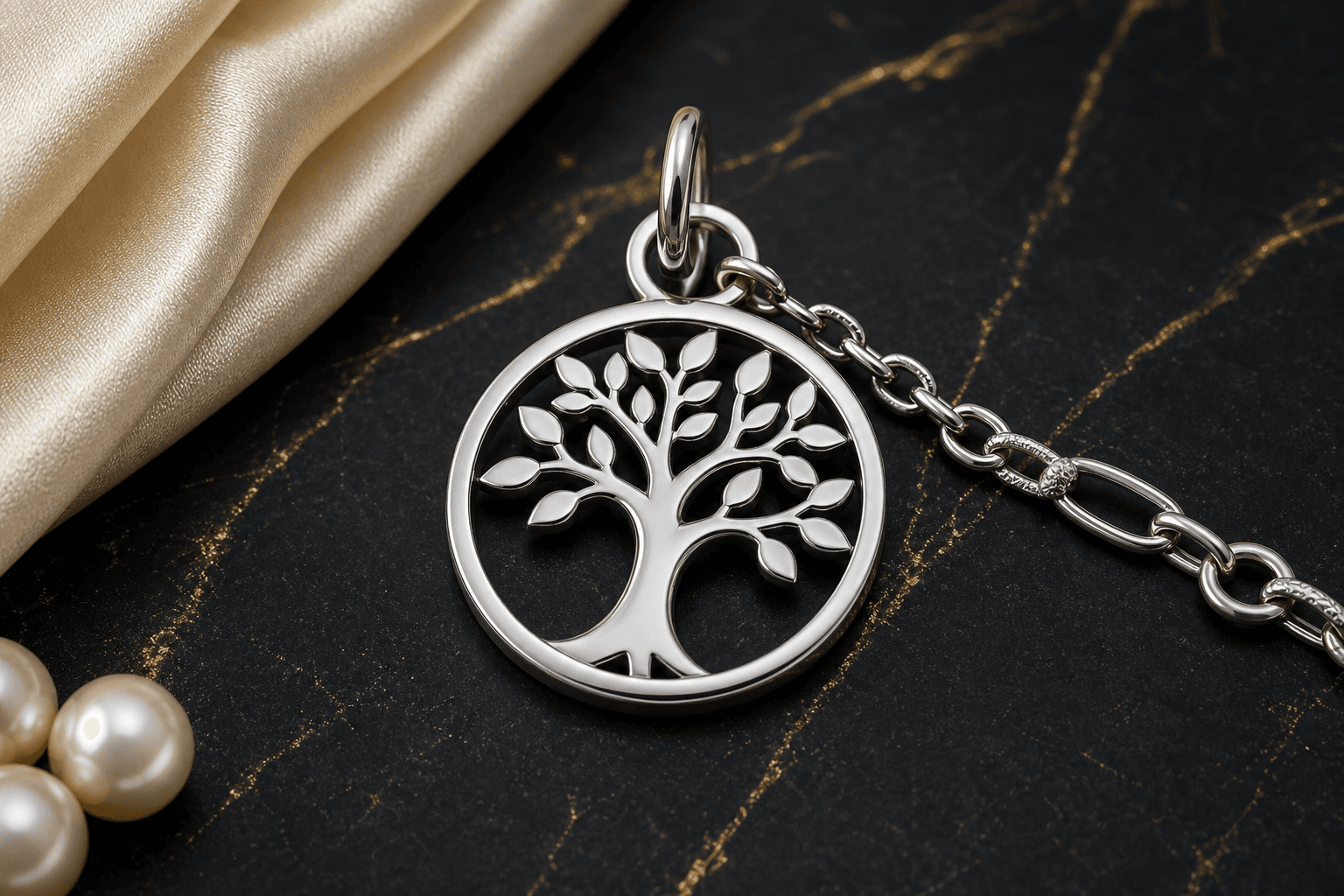
Designers and sourcing managers know that the connectors used for 316L stainless steel charms are more than a mechanical detail. Finishes, tolerances, and supplier reliability all shape the final product’s look, wear, and branding. This step-by-step guide helps you find and evaluate stainless steel charm connectors from a pragmatic, B2B perspective—balancing customization with consistent plating, private-label options, and efficient sample development. Whether you are building a boutique-brand line or private-label program, the right connector strategy accelerates time-to-market and protects your brand’s quality across markets.
stainless steel charm connectors
What they are and why they matter in 316L stainless steel charms
Charm connectors are the critical interfaces that join decorative elements to chains, clasps, or key rings. For 316L stainless steel charms, connectors must resist wear, corrosion, and color delamination while presenting a clean, uniform surface. The base material—316L stainless steel—provides excellent corrosion resistance and formability, making it the preferred foundation for OEM/ODM programs targeting the US, EU, UK, AU, CA, and other markets. When you source connectors, you are actually selecting a system that includes the charm itself, the attachment method, and the finish that ensures brand consistency across batches.
Finishing options you should understand
Finishes determine not just aesthetics but durability and maintenance. Common finishing approaches for stainless steel charm connectors include: PVD plating (gold, rose gold, silver finishes), electroplating for precise color tones, polishing for bright reflections, enamel color filling for vibrant hues, and crystal inlay for decorative accents. For many designers, PVD plating offers superior wear resistance and color stability under daily wear, while enamel and crystal inlays enable more expressive language in a private-label program. When evaluating options, ask about plating thickness, color consistency across lots, and compatibility with your selected enamels or crystals. To explore a range of finishes and to review how our private-label packaging supports brand differentiation, visit our OEM service page and catalog via OEM services or browse related product types on All Products.

Benefits/Why it matters
Key benefits
Choosing the right stainless steel charm connector influences durability, consistency, and brand perception across markets. Key benefits include: - Consistent plating quality and color across production lots, helping maintain a cohesive collection. - Compatibility with PVD and electroplating processes, enabling boutique-ready colorways without compromising base material integrity. - Easy integration with enamel color filling and crystal inlay for distinctive accents that elevate collection storytelling. - Strong supply chain support from a modern facility with CNC, laser cutting, welding, and polishing capabilities, enabling rapid sample development and mass production. - Certifications such as SGS (RoHS, REACH, Nickel Release EN1811, Salt Spray 240H) that bolster compliance in global markets. For designers, these advantages translate into predictable lead times, lower risk for private-label packaging, and clearer pricing for MOQ and bulk orders. Learn more about our factory capabilities at /oem and review samples through /cart or by contacting /contact.
Finish stability and compliance
Stable finishes are essential for long-term branding. PVD coatings, when applied to 316L stainless steel connectors, offer excellent adhesion and resistance to wear, making them suitable for daily-wear jewelry and gift programs. SGS-certified processes help ensure metal compatibility with skin contact standards in diverse markets. When evaluating a supplier, confirm the coating specification, test results, and any additional surface treatments, such as electroplating or enamel topping, that may affect color fastness or cleaning guidance. The combination of a reliable finish with a robust base material helps ensure your private-label jewelry performs consistently from sample to large batch production.
Detailed analysis/Guide
- Step 1: Define your project requirements — Clarify the target market, desired charm sizes (typical ranges: 8-18 mm for charm connectors), preferred finishes (PVD gold, rose gold, silver), and whether you need enamel or crystal accents. Confirm 316L stainless steel as the base material and align with the intended application contexts (jewelry charms, bag charms, key rings). Your plan should also include private-label packaging requirements and whether you will pursue OEM or ODM development. For a broad view of options, explore 316L stainless steel charms in our All Products catalog via All Products.
- Step 2: Compare finishing techniques — Evaluate PVD plating (color stability, thickness tolerance, and wear resistance) alongside electroplating and polishing. If enamel or crystal inlay is part of the design, request technical sheets and color-matching guidelines to ensure consistency across multiple production runs. Consider how finishes will pair with your brand’s packaging and labeling in private-label programs. If you are planning a private-label launch, coordinating with a supplier who can integrate your logo on packaging is a practical advantage; our OEM services support this capability. If you need samples for comparison, you can start the process with a formal RFQ via Request a Quote.
- Step 3: Research and shortlist suppliers — Look for a supplier with a modern facility and established capabilities: CNC, laser cutting, laser marking, welding, and polishing, plus private-label packaging and sample development. Verify SGS certifications (RoHS, REACH, Nickel Release EN1811, Salt Spray 240H) to ensure compliance across markets such as the US, EU, UK, AU, CA, and beyond. A robust supplier should provide transparent lead times, material declarations, and QA documentation. For a quick route to vetted manufacturing solutions, consider engaging a dedicated supplier with a track record in OEM/ODM projects. See how Lancy Jewelry can support your private-label needs at /oem.
- Step 4: Request samples and evaluate finishes — Ask for multiple samples across finishes to assess color consistency, plating thickness, enamel fill, and crystal inlay quality. Inspect for adhesion, edge finish, and absence of plating peel under light abrasion. Compare nickel release test results or other skin-safety data to validate suitability for customer-facing products. Our team can support rapid sample development to expedite your program, aligning with your short lead times and private-label packaging requirements. Start with a RFQ via cart and request a sample set for comparison.
- Step 5: Plan packaging and MOQ — Discuss private-label packaging options, barcodes or labeling requirements, and whether the supplier can meet a low MOQ while maintaining plating consistency across units. A controlled MOQ helps you manage initial assortments and market tests. Confirm packaging specs, labeling language, and any regulatory disclosures required in your target markets. This planning phase benefits from direct coordination with a manufacturer that offers OEM/ODM development and private-label packaging, such as the Lancy Jewelry team at /oem.
- Step 6: Run a pilot order and implement QA — Place a small pilot order to validate process control, packaging, and documentation. Use a simple QA plan that includes plating checks, dimensional tolerance verification, and finish adhesion tests. Monitor any deviations across batches and request corrective action where necessary. Pilot orders help you refine pricing, lead times, and logistics before committing to larger bulk orders.
- Step 7: Finalize supplier relationship and scale — After successful sampling and pilot testing, finalize the supplier relationship with a formal RFQ, BOM, and a clear agreement on price, lead times, warranty terms, and post-sale support. With a trusted partner, you can scale to wholesale stainless steel charms and large private-label programs with predictable quality and consistent finishes. If you want to explore a long-term OEM/ODM partnership, reach out to our team via Contact or start an RFQ through cart.
FAQ
- Q1: What is the base material used for these connectors? A: The connectors are built on 316L stainless steel, a corrosion-resistant and formable material suitable for global markets. This ensures durability and skin-friendly performance across product lines.
- Q2: What finishing options are available for charm connectors? A: Finishes include PVD plating (gold, rose gold, silver), electroplating, polishing, enamel color filling, and crystal inlay. Each option has tradeoffs in wear resistance, color stability, and cost.
- Q3: How should I evaluate potential suppliers? A: Look for a modern facility with CNC, laser cutting, welding, and polishing capabilities, a proven sample development workflow, private-label packaging support, and SGS certifications (RoHS, REACH, Nickel Release EN1811, Salt Spray 240H). Request references and sample sets to compare finishes and tolerances.
- Q4: What is the typical MOQ and how does sample development fit in? A: Many suppliers offer low MOQs to support boutique brands and private-label testing. Begin with sample development to verify finish, fit, and packaging before committing to bulk orders. You can initiate this process through /cart for a formal quote and through /contact for direct assistance.
Call to action
Partner with Lancy Jewelry for OEM/ODM 316L stainless steel charms connectors. We offer a modern, factory-direct environment with CNC/Welding/PVD capabilities, robust QC, and private-label packaging options. Learn more about our OEM services, request a quote for bulk orders, or contact us today to start sample development and build a reliable supply chain for your next collection.
Explore our catalog of 316L stainless steel charms and related components to design a coherent, globally scalable line: All Products. For direct collaboration and ongoing support, connect with our team through Contact.