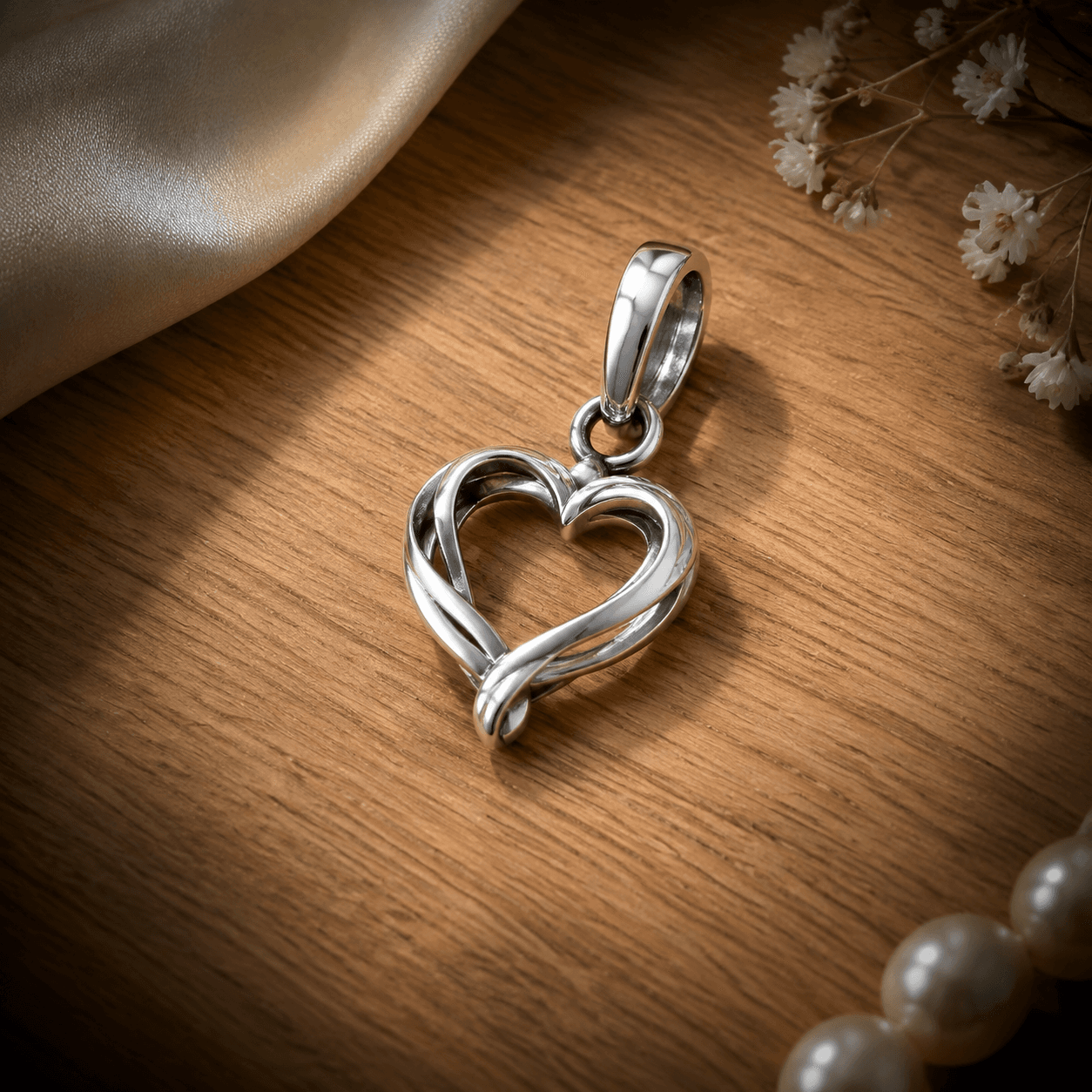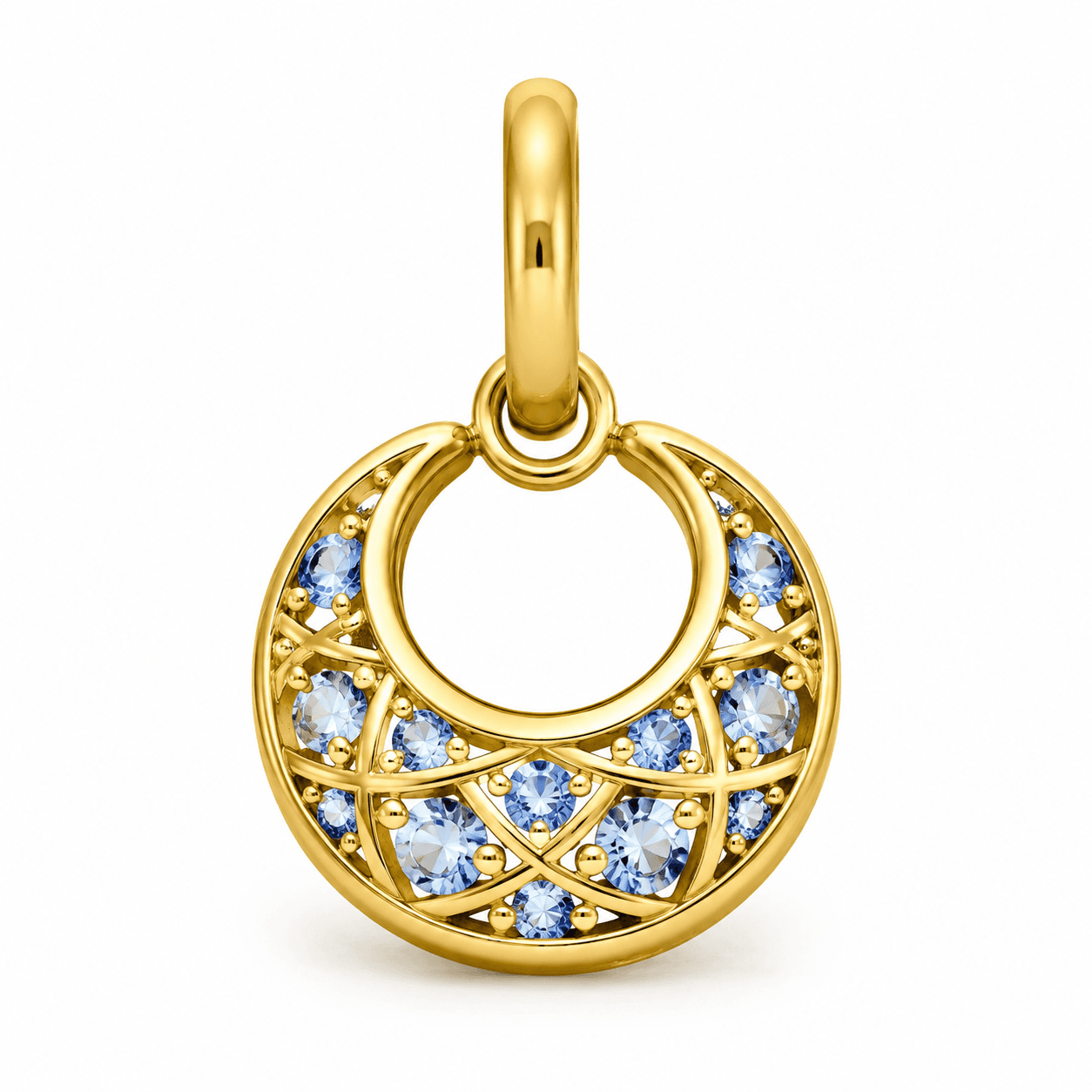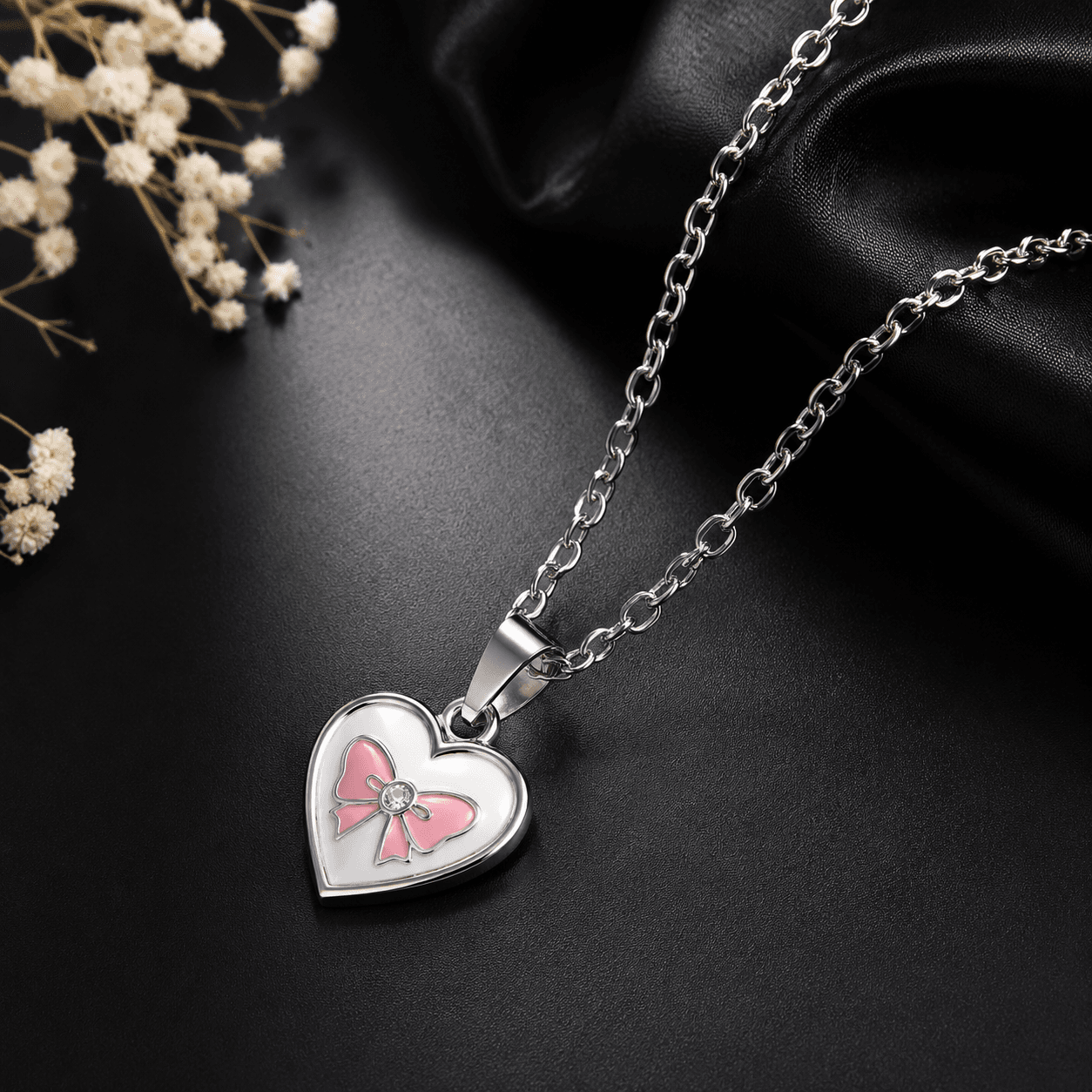
For jewelry designers and private-label buyers, the quality of stainless steel enamel necklace charms depends on much more than visual appeal. A successful charm collection requires consistent material performance, reliable finishing, accurate color application, and production controls that support long-term brand growth. Understanding how manufacturers test each stage helps buyers make better sourcing decisions and develop collections with confidence.
Lancy Jewelry focuses on producing 316L stainless steel charms with professional OEM and ODM support. Through controlled manufacturing processes, advanced finishing techniques, and certification-based quality checks, Lancy helps boutique brands create durable charm collections with stable production results.
Stainless Steel Enamel Necklace Charms Quality Testing: A Complete Manufacturing Guide
Why quality testing matters for enamel charm development
Stainless steel enamel necklace charms combine precision metal processing with decorative surface treatment. Because these products often become part of daily-wear jewelry programs, every production stage must be evaluated carefully. Buyers need confidence that the 316L stainless steel base, surface finish, enamel color, and decorative details meet consistent expectations.
As a stainless steel charms manufacturer, Lancy Jewelry applies structured inspection methods from initial sample development to bulk production. This approach supports OEM charms manufacturer projects, custom stainless steel charms programs, and private label charms collections that require dependable quality control.
Understanding the role of 316L stainless steel
The foundation of a quality charm is the material selection. Lancy produces charms using 316L stainless steel as the base material because it offers a strong balance of durability, corrosion resistance, and suitability for jewelry applications. The material allows designers to create detailed shapes while maintaining a stable surface for polishing, PVD treatment, enamel filling, and crystal inlay processes.
For jewelry designers developing new collections, material consistency is essential. A reliable 316L stainless steel base supports repeat production, helping maintain the intended appearance across samples and bulk charm orders.
Benefits of Professional Quality Control for Charm Production
Consistent finishing performance
Finishing quality strongly influences the final appearance of enamel stainless steel charms. Lancy uses controlled polishing, surface preparation, and PVD processes to create stable decorative results. PVD plated stainless steel charms require careful preparation before coating because surface condition affects color consistency, adhesion, and overall durability.
During production, technicians inspect surface smoothness, edge clarity, coating coverage, and decorative details. These checks help ensure that each charm maintains a professional appearance suitable for boutique collections and gift programs.
Reliable enamel color application
Enamel filling is a detailed process that requires accurate color placement and careful curing control. Quality testing includes checking color consistency, surface level, filling accuracy, and the connection between enamel areas and the surrounding stainless steel structure.
For designers ordering custom stainless steel charms, enamel inspection is especially important because small differences in color tone or filling quality can affect the visual consistency of an entire collection. Lancy supports sample development so buyers can review details before moving into production.
Certification-based quality assurance
Lancy Jewelry follows recognized testing requirements through SGS certification, including RoHS, REACH, Nickel Release EN1811, and Salt Spray 240H testing. These evaluations support quality verification for international markets and help buyers understand the performance standards behind each product.
Testing documentation provides useful information for brands entering different regions because jewelry requirements can vary between markets. A structured quality system gives sourcing teams clearer production visibility and supports confident purchasing decisions.
Detailed Quality Testing Process for Stainless Steel Enamel Necklace Charms
Step 1: Material inspection before production
The first quality checkpoint begins with the 316L stainless steel material. Manufacturers review material specifications, surface condition, and production suitability before machining begins. This prevents inconsistencies from affecting later stages such as polishing, engraving, and finishing.
Lancy combines modern manufacturing equipment with skilled production management, including CNC processing, laser cutting, laser marking, welding, and polishing capabilities. These technologies allow precise charm structures while maintaining repeatable production standards.
Step 2: Precision shaping and surface preparation
After material approval, the charm form is created through precision manufacturing processes. Surface preparation is a critical step because every later finish depends on a clean and smooth foundation.
Inspection teams evaluate:
- Shape accuracy and design details
- Edge smoothness and polishing quality
- Hole and bail positioning for practical attachment
- Surface condition before decorative finishing
Proper preparation improves the performance of PVD coating, enamel application, and other finishing techniques.
Step 3: PVD coating and surface treatment inspection
PVD finishing requires controlled processing to achieve stable decorative colors and surface protection. Quality checks focus on coating coverage, color consistency, adhesion performance, and visible surface defects.
For designers selecting gold plated, rose gold plating, or silver finish options, consistent surface treatment helps create coordinated collections. Professional inspection reduces variation and supports repeat ordering for growing brands.
Step 4: Enamel quality evaluation
Enamel inspection involves both visual and technical review. Production teams check whether colors are evenly filled, whether edges remain clean, and whether the enamel surface maintains the intended appearance after processing.
For custom decorative charms, these details are important because enamel often represents the key visual element of the design. Careful evaluation helps transform creative concepts into production-ready products.
Step 5: Final inspection before shipment
Before shipment, finished charms undergo final checks covering appearance, attachment points, surface quality, packaging condition, and quantity accuracy. This stage ensures that bulk orders meet approved sample standards.
For buyers planning wholesale stainless steel charms programs or private label charms collections, final inspection creates additional confidence that delivered products match expectations.
How Designers Can Improve Charm Quality During Development
Start with detailed sample development
A strong product development process begins with clear communication between designers and manufacturers. Providing artwork, dimensions, finishing preferences, and packaging requirements helps manufacturers create accurate samples.
Lancy supports sample development for brands that need to test designs before larger production runs. This approach is especially useful for collections involving multiple colors, symbols, or customized logo details.
Select finishing techniques based on collection goals
Different finishing methods create different visual effects. Designers should consider how PVD, enamel, polishing, and crystal inlay work together with the overall collection direction.
A professional ODM charm supplier can provide technical suggestions on design feasibility, production methods, and finishing combinations. This helps brands balance creativity with manufacturing reliability.
Consider production planning and MOQ requirements
For growing brands, production flexibility is an important factor. Low MOQ charm production allows buyers to test market response while maintaining professional manufacturing support.
Working with an experienced factory helps buyers plan collections efficiently, from initial concepts to repeat bulk charm orders.
Frequently Asked Questions About Stainless Steel Enamel Necklace Charms Quality Testing
What quality checks are important for enamel stainless steel charms?
Important checks include 316L stainless steel material verification, surface preparation inspection, PVD coating evaluation, enamel color consistency testing, attachment point review, and final appearance inspection.
Why is 316L stainless steel suitable for charm manufacturing?
316L stainless steel provides durability, corrosion resistance, and a stable foundation for jewelry finishing processes. It supports detailed manufacturing, polishing, PVD treatment, enamel filling, and long-term product performance.
Can Lancy support custom charm projects for boutique brands?
Yes. Lancy Jewelry provides OEM and ODM services, including custom logo charms, sample development, finishing options, and private-label packaging support for boutique brands and private-label buyers.
What certifications support Lancy quality standards?
Lancy quality verification includes SGS certification covering RoHS, REACH, Nickel Release EN1811, and Salt Spray 240H testing to support international buyer requirements.
Partner With Lancy Jewelry for Reliable Charm Manufacturing
Choosing the right manufacturing partner helps jewelry designers turn creative ideas into consistent commercial collections. Lancy Jewelry provides professional OEM and ODM manufacturing for 316L stainless steel charms, combining precision production, finishing expertise, quality testing, and flexible development support.
Whether you need custom stainless steel charms, PVD plated stainless steel charms, enamel stainless steel charms, or private-label packaging solutions, Lancy can support your project from concept and sample development through production.
Explore our stainless steel charm catalog, learn about our OEM manufacturing service, or submit an RFQ request to discuss your next collection.