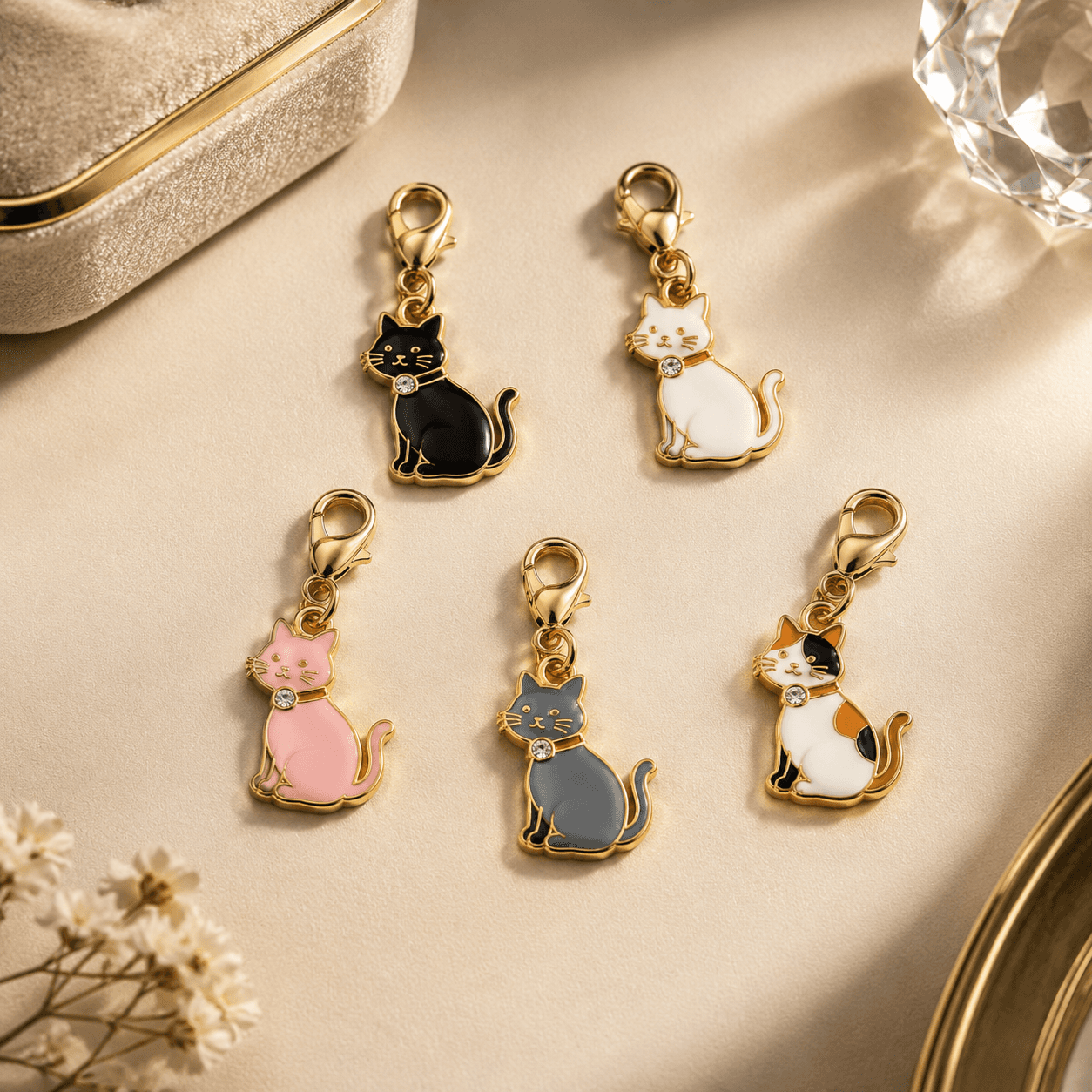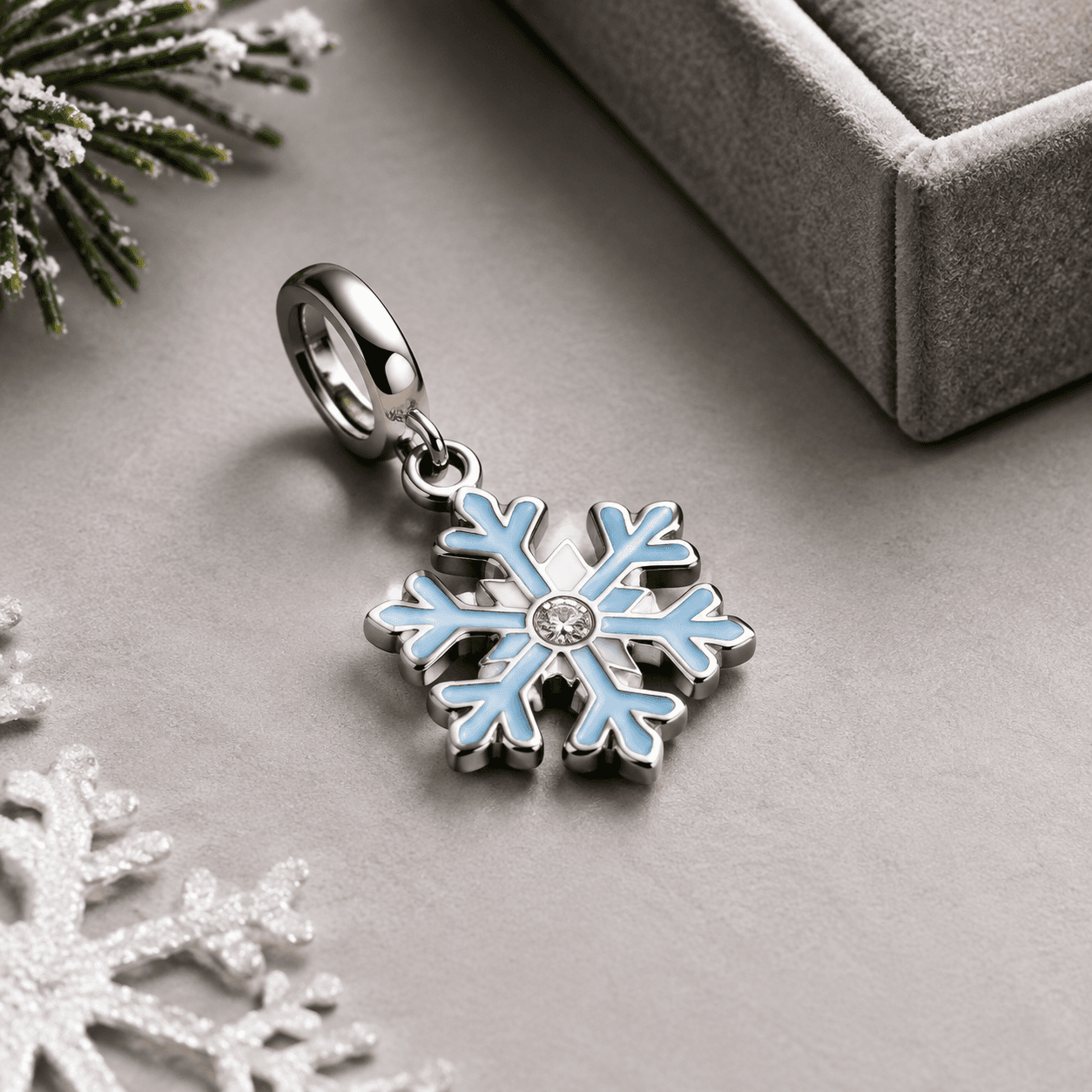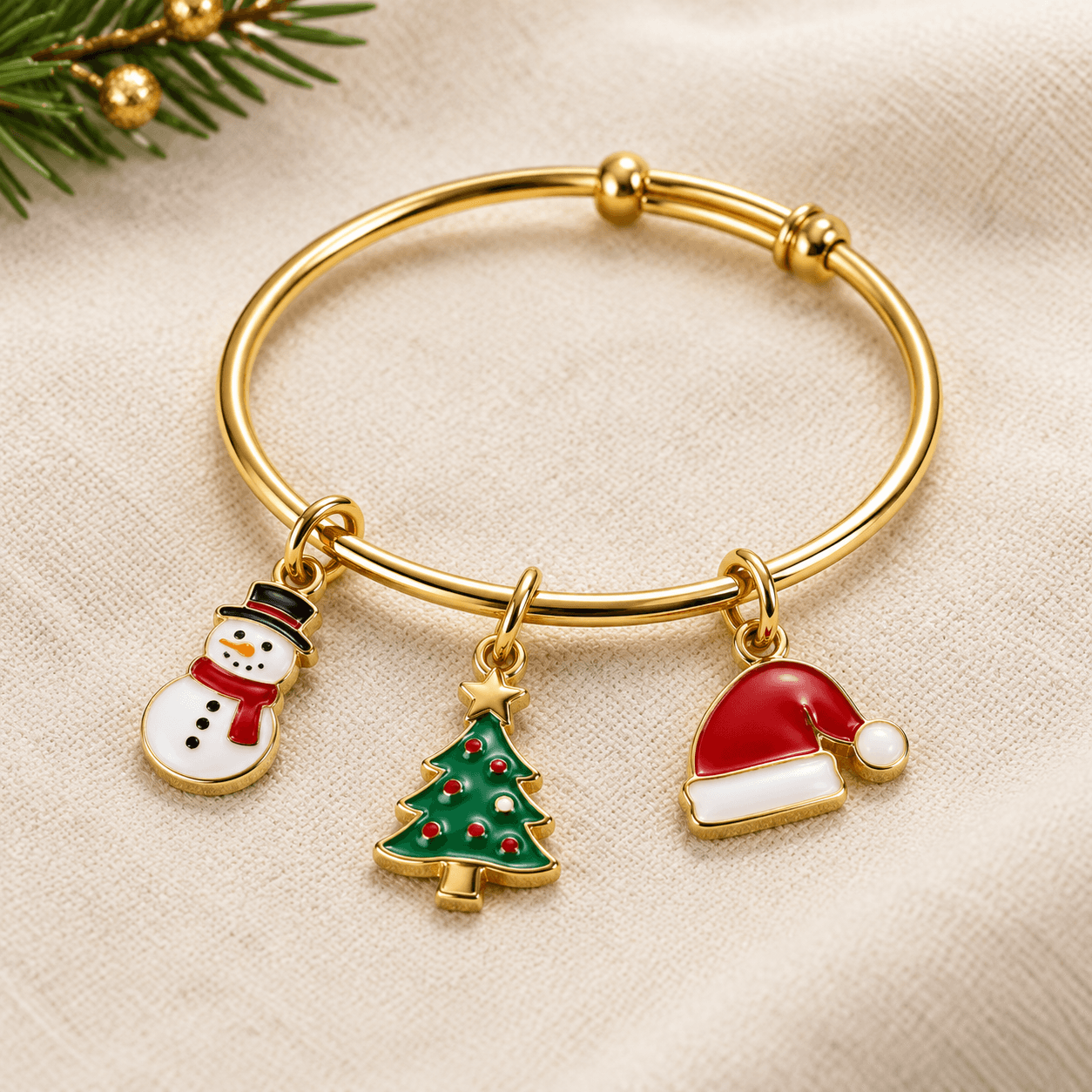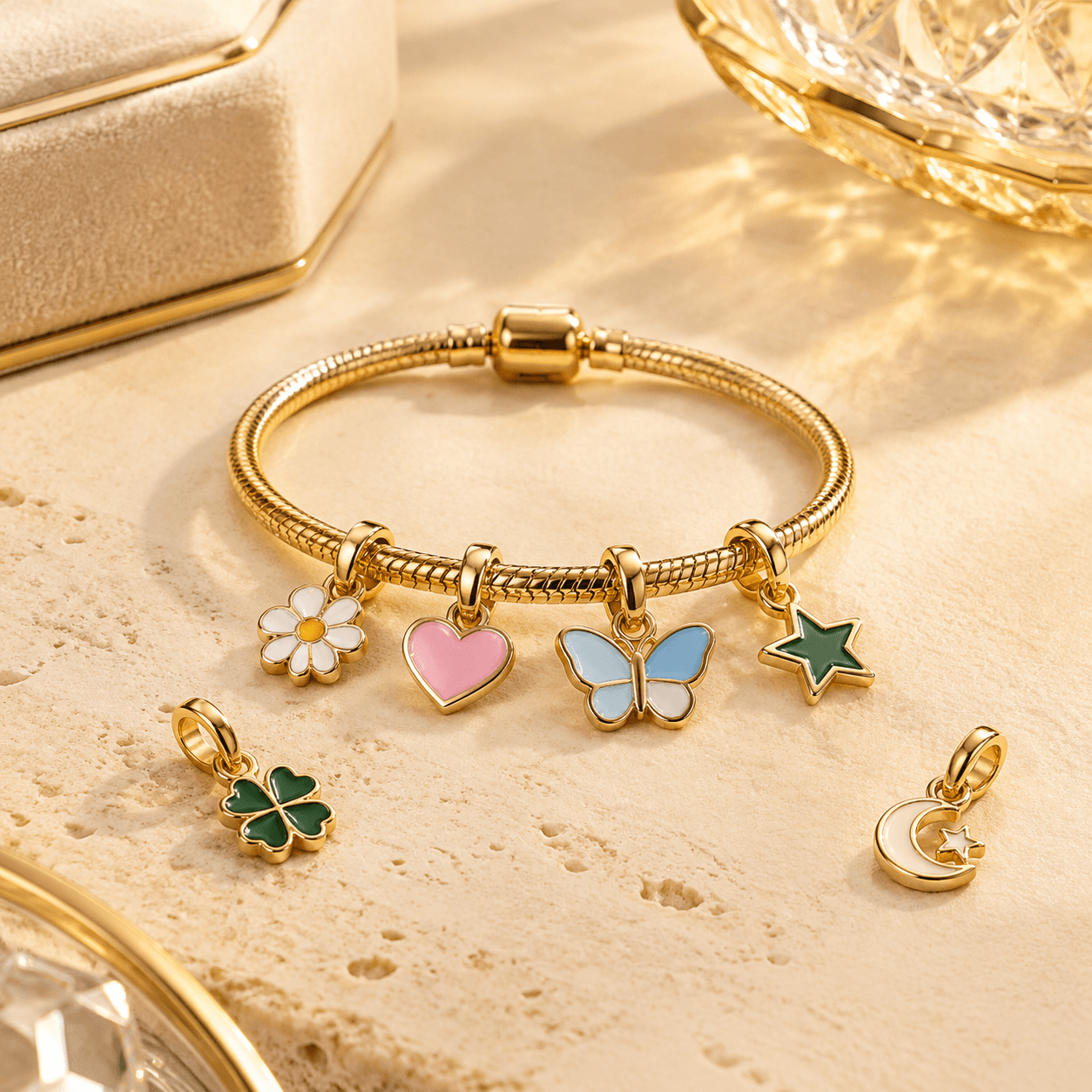
For procurement teams sourcing stainless steel enamel charms wholesale in Malaysia, an attractive sample is only the beginning of a reliable purchasing decision. Consistent material quality, enamel adhesion, surface durability, documented compliance, and repeatable production standards determine whether a supplier can support long-term commercial growth.
Price-sensitive markets require careful evaluation rather than choosing the lowest quotation. A small difference in unit price can be outweighed by inconsistent finishes, inspection failures, delayed replenishment, or customer returns. This checklist helps sourcing managers assess suppliers systematically, document approval decisions, and reduce quality risks before committing to bulk charm orders.
For buyers serving boutique jewelry brands, charm bar retailers, gift companies, and private-label programs, the goal is to establish measurable acceptance criteria before production begins. Each item below can be incorporated into a supplier questionnaire, sample approval record, or incoming quality inspection plan.
Stainless Steel Enamel Charms Wholesale Malaysia: Quality Checklist
Use the following checklist when reviewing a potential stainless steel charms manufacturer. Record evidence for each item instead of relying solely on verbal assurances or product photographs.
1. Verify the 316L stainless steel base material
- [ ] Request a material specification identifying 316L stainless steel as the base material.
- [ ] Confirm that the specification applies to the actual production batch and not only to a reference sample.
- [ ] Ask for supporting material documentation, such as a mill certificate, material declaration, or appropriate test report, where available.
- [ ] Check whether material identification procedures and batch traceability are documented.
- [ ] Confirm that the supplier can explain how incoming material is checked and how nonconforming material is isolated.
Material verification should be a documented purchasing requirement. Appearance alone cannot establish the grade of stainless steel. Where risk or contract requirements justify additional verification, discuss appropriate material analysis with a qualified testing provider.
2. Inspect enamel filling and adhesion
- [ ] Confirm the approved enamel colors, coverage areas, and design boundaries using a signed sample or approved digital specification.
- [ ] Inspect for pinholes, bubbles, uneven filling, visible gaps, contamination, and color variation.
- [ ] Check whether enamel edges are clean and consistent with the approved design.
- [ ] Ask the supplier to document its enamel curing or processing controls where applicable.
- [ ] Agree on an appropriate adhesion and wear evaluation method before production approval.
Enamel quality is affected by surface preparation, filling accuracy, processing conditions, and the geometry of the charm. Small decorative areas may require closer inspection because minor defects can be highly visible at retail display distance. Acceptance criteria should distinguish critical functional defects from cosmetic variations that fall within an agreed tolerance.
3. Evaluate surface finish and plating consistency
- [ ] Confirm the specified finish, including silver finish, gold plated, rose gold plating, or the approved combination of enamel and PVD.
- [ ] Compare the production sample against an approved reference under consistent lighting.
- [ ] Check for scratches, discoloration, uneven color, exposed base material, and visible polishing marks.
- [ ] Establish measurable color or appearance tolerances where repeat orders require close matching.
- [ ] Request process records or appropriate test reports for plating and surface durability claims.
For PVD finishes, clarify the process specification, inspection method, and applicable acceptance criteria. Do not assume that a finish is durable simply because it looks uniform on a new sample. A supplier should explain how finish consistency is monitored across production batches and what corrective action follows a failed inspection.
4. Check construction and attachment points
- [ ] Verify that every bail, hole, loop, and jump ring connection matches the approved drawing.
- [ ] Check for sharp edges, burrs, deformation, incomplete polishing, and irregular outlines.
- [ ] Confirm that attachment hardware passes through the intended hole or loop and closes correctly where applicable.
- [ ] Assess whether the design withstands reasonable handling for its intended jewelry or gift accessory application.
- [ ] Record the approved dimensions, weight where relevant, and critical functional tolerances.
Mechanical defects can undermine an otherwise well-finished charm. Procurement teams should evaluate the complete functional structure, including the connection point, rather than inspecting only the decorative face. For designs intended for frequent handling, request a documented assessment appropriate to the product's use.
Why a Structured Quality Checklist Matters
A documented sourcing process improves purchasing consistency, helps teams compare quotations on equivalent terms, and creates a clear reference for production approval. For Malaysian distributors and regional buyers, these controls are particularly valuable when product ranges expand or replenishment orders become more frequent.
Key benefits of supplier verification
More consistent quality between orders
Written specifications help reduce differences in dimensions, enamel placement, surface finish, and attachment construction. Approved reference samples and batch records provide a practical basis for investigating discrepancies when repeat orders arrive.
Better compliance documentation
Compliance requirements should be assessed against the destination market, intended use, applicable legislation, and the buyer's contractual requirements. Lancy Jewelry reports SGS certification or testing coverage for RoHS, REACH, nickel release under EN 1811, and a 240-hour salt spray test. Buyers should request the relevant reports or certificates and verify the product scope, tested configuration, issue date, and applicability to the order before relying on any result.
These records address different concerns. RoHS relates to restrictions on specified hazardous substances in products within its scope, while REACH obligations depend on the applicable chemical requirements and product circumstances. EN 1811 addresses nickel release testing for relevant articles. Salt spray testing evaluates corrosion behavior under defined laboratory conditions; a 240-hour result does not automatically establish universal corrosion resistance or a guaranteed service life.
Lower risk of returns and rework
Clear inspection standards help identify defects before shipment. Early detection is generally more manageable than resolving a quality dispute after products have reached retailers or end customers. Procurement teams should agree on responsibility for rework, replacement, retesting, and documented corrective action in the purchase terms.
Stronger private-label planning
Private label charms often require coordinated colors, consistent branding details, and dependable replenishment. An OEM charms manufacturer that documents approved artwork, production parameters, and packaging requirements can help purchasing teams manage product launches more systematically.
Detailed Supplier Evaluation and Quality Control Guide
Step 1: Define the purchase specification before requesting quotations
Prepare a product specification that identifies the design, dimensions, 316L stainless steel base material, enamel colors, surface finish, logo requirements, attachment details, and packaging needs. Include drawings or reference images that clearly identify important dimensions and decorative boundaries.
Separate mandatory requirements from preferences. Material grade, required compliance evidence, and functional attachment requirements may be mandatory, while minor visual preferences can be evaluated within defined tolerances. This separation allows suppliers to quote against the same requirements and helps prevent hidden differences between offers.
- [ ] Confirm the intended application and target retail market.
- [ ] Provide final artwork and measurable product dimensions.
- [ ] Specify the base material and each required finish.
- [ ] Define acceptable cosmetic variation and critical defect categories.
- [ ] List required documents, packaging details, and delivery milestones.
Step 2: Vet the supplier's manufacturing and traceability systems
Request an overview of the supplier's manufacturing capabilities, quality responsibilities, inspection stages, and subcontracting arrangements. A factory-direct supplier should be able to explain how cutting, marking, welding where applicable, polishing, finishing, and final assembly are controlled for the proposed product.
Lancy Jewelry operates a modern facility with CNC processing, laser cutting, laser marking, welding, and polishing capabilities. When evaluating any manufacturing partner, procurement teams should still verify which operations are performed in-house and which are outsourced for the specific order.
- [ ] Obtain the legal supplier identity and production-site information.
- [ ] Request a process flow or quality-control plan for the product.
- [ ] Confirm how production lots and inspection records are identified.
- [ ] Ask how changes to materials, artwork, processes, or subcontractors are approved.
- [ ] Review the supplier's documented approach to corrective and preventive action.
A remote or on-site audit should focus on evidence: actual production controls, equipment suitability, record completeness, defect handling, and staff responsibilities. A polished presentation is not a substitute for verifiable procedures.
Step 3: Approve samples and test the finished product
Sample development should establish whether the proposed design can meet the specification before a bulk order is released. Review the sample under normal inspection conditions, photograph important details, and record any required changes. Once approved, retain a reference sample or an equivalent controlled record.
- [ ] Confirm dimensions, outline, thickness, and attachment geometry.
- [ ] Compare enamel color, coverage, and surface appearance with the approved reference.
- [ ] Inspect the front, reverse, edges, and connection points.
- [ ] Agree on suitable adhesion, wear, corrosion, and mechanical tests according to intended use.
- [ ] Record test methods, conditions, acceptance criteria, and results.
- [ ] Obtain written approval before authorizing mass production.
Testing should be proportionate to the product's risk and intended application. For example, an enamel adhesion assessment can examine whether filling separates under a defined procedure, while a wear evaluation can assess finish changes under specified exposure. A corrosion test can compare samples under controlled conditions, but its result should not be translated directly into a precise number of years of everyday use.
Step 4: Establish realistic durability acceptance criteria
Terms such as scratch-resistant, corrosion-resistant, and long-lasting are meaningful only when linked to clear conditions and evidence. Procurement teams should ask suppliers to explain the test method, sample preparation, exposure conditions, evaluation criteria, and limitations of any durability claim.
For PVD plated finishes and enamel details, create a written testing matrix that reflects the expected use. Possible assessments include visual inspection before and after testing, defined abrasion or handling procedures, enamel adhesion evaluation, and corrosion testing when relevant. Select suitable methods with the supplier and a qualified laboratory where necessary rather than assuming that one test covers every failure mode.
Any longevity guarantee should state its scope, duration, exclusions, and remedy. It should also identify whether normal wear, misuse, chemical exposure, and unauthorized modifications are covered. Avoid treating a laboratory result as a blanket guarantee of performance in every environment.
Step 5: Define incoming inspection and sampling rules
Before issuing a purchase order, agree on how finished goods will be inspected. A risk-based sampling plan can help balance inspection effort and purchasing cost. Define the inspection level, sample size, defect classifications, and acceptance or rejection rules in advance. Use a recognized sampling framework where appropriate and ensure that the selected plan matches the lot size and risk.
- [ ] Classify critical, major, and minor defects in writing.
- [ ] Inspect material and product identification against the order specification.
- [ ] Check dimensions, enamel appearance, finish uniformity, and attachment integrity.
- [ ] Review the required compliance documents and batch records.
- [ ] Document inspection findings with photographs and lot references.
- [ ] Define escalation, sorting, rework, and retesting procedures for rejected lots.
Sampling reduces inspection workload but does not guarantee that every unit is defect-free. If a product has a high-risk functional feature or a history of recurring defects, consider enhanced inspection or additional process controls.
Step 6: Compare quotations and commercial terms fairly
For wholesale stainless steel charms, compare total purchasing cost rather than unit price alone. Consider sample charges, tooling or development fees, minimum order quantity, packaging, inspection, freight, duties, payment terms, and the cost of managing nonconforming goods. Confirm the quotation's validity period and whether the price changes with finish complexity, order volume, or artwork revisions.
Low MOQ charm production can help emerging Malaysian retailers test new designs without committing to excessive inventory. However, MOQ flexibility should not come at the expense of material verification, agreed testing, or essential quality controls. Ask whether the supplier can support an initial order followed by repeat production under the same approved specification.
- [ ] Compare quotations using identical technical requirements.
- [ ] Confirm MOQ, lead time, sample timeline, and production capacity.
- [ ] Clarify responsibility for rejected products and corrective action costs.
- [ ] Establish written change-control rules for subsequent orders.
- [ ] Confirm packaging, labeling, shipment, and document requirements.
Step 7: Monitor repeat orders and corrective actions
Quality approval should continue beyond the first shipment. Track defect rates, delivery performance, document completeness, and repeat-order consistency. A supplier scorecard helps procurement teams identify patterns before they become recurring commercial problems.
- [ ] Compare incoming results with the approved reference sample.
- [ ] Review complaints, returns, and inspection failures by production lot.
- [ ] Require documented root-cause analysis for recurring defects.
- [ ] Verify corrective actions through follow-up inspection or testing.
- [ ] Reassess the supplier when materials, finishes, production sites, or processes change.
These records support better forecasting and more reliable sourcing decisions as the product range grows. They also provide evidence for internal audits and supplier performance reviews.
Common Procurement Mistakes to Avoid
- Approving samples without written specifications: A visual sample alone may not define dimensions, finish tolerances, or acceptable defects.
- Accepting certificates without checking scope: Confirm the tested product, applicable standard, date, and report details rather than assuming one document covers every item.
- Relying on broad durability claims: Request test methods and defined acceptance criteria before accepting claims about wear or corrosion resistance.
- Choosing solely on unit price: Account for inspection, packaging, defects, lead times, and repeat-order consistency.
- Changing specifications without reapproval: Require documented approval for changes that may affect appearance, construction, or compliance.
- Leaving warranty terms undefined: Agree on coverage, exclusions, claim evidence, and remedies before purchase.
Frequently Asked Questions
What should Malaysian buyers verify when sourcing stainless steel enamel charms wholesale?
Verify the 316L stainless steel material specification, enamel quality, surface finish, attachment construction, relevant compliance documentation, and the supplier's quality-control procedures. Approve a production sample and define inspection criteria before releasing a bulk order.
Which tests are useful for evaluating enamel charm durability?
Depending on the design and intended use, useful assessments may include enamel adhesion, controlled wear evaluation, surface-finish inspection, mechanical handling, and corrosion testing. The testing method and acceptance criteria should be agreed in advance and should reflect the product's actual risks.
Does a 240-hour salt spray test guarantee long-term corrosion resistance?
No. A 240-hour salt spray result describes performance under specified laboratory conditions. It does not guarantee a particular service life or identical performance in every environment. Buyers should review the test method, sample configuration, results, and limitations before drawing conclusions.
Can Lancy Jewelry support OEM and private-label charm projects with low MOQ requirements?
Lancy Jewelry supports OEM and ODM development for 316L stainless steel charms, including logo engraving, PVD plating, enamel color filling, crystal setting, private-label packaging, and sample development. Buyers should submit their target design, estimated quantity, finish requirements, packaging needs, and destination market to confirm the appropriate MOQ, sample schedule, and production terms.
Partner With Lancy Jewelry for Quality-Focused Charm Sourcing
Reliable sourcing begins with clear specifications, appropriate testing, and a supplier that can explain its production controls. Lancy Jewelry serves boutique jewelry brands, charm bar retailers, gift companies, distributors, and private-label buyers seeking 316L stainless steel charms with coordinated finishes and documented quality expectations.
Our OEM and ODM capabilities include CNC processing, laser cutting, laser marking, welding, polishing, logo engraving, PVD plating, enamel color filling, crystal setting, and private-label packaging. Sample support helps buyers review design details and establish an approved reference before moving into production. MOQ, development timelines, testing requirements, and bulk order terms can be discussed according to project scope.
Explore the Lancy Jewelry product catalog to review available product categories, learn more about OEM and ODM manufacturing services, or submit an inquiry through Request a Quote. Include your target design, estimated order quantity, preferred finish, required documents, and delivery destination so the sourcing team can evaluate your requirements efficiently.
For Malaysian and wider Southeast Asian procurement teams, a structured quality checklist is a practical foundation for balancing cost, compliance, durability, and dependable replenishment. Document the requirements before ordering, verify evidence before approval, and monitor every production stage that affects the finished charm.