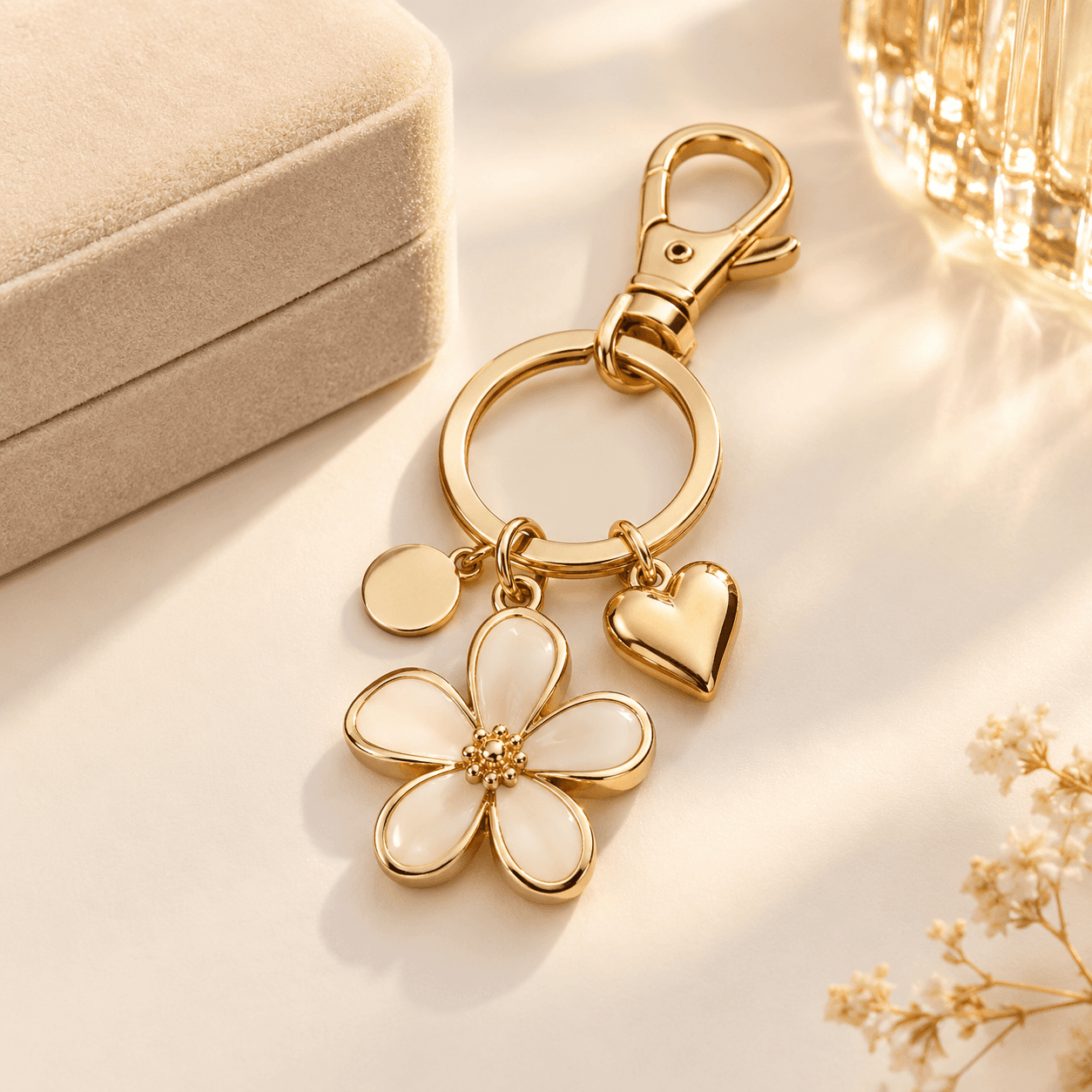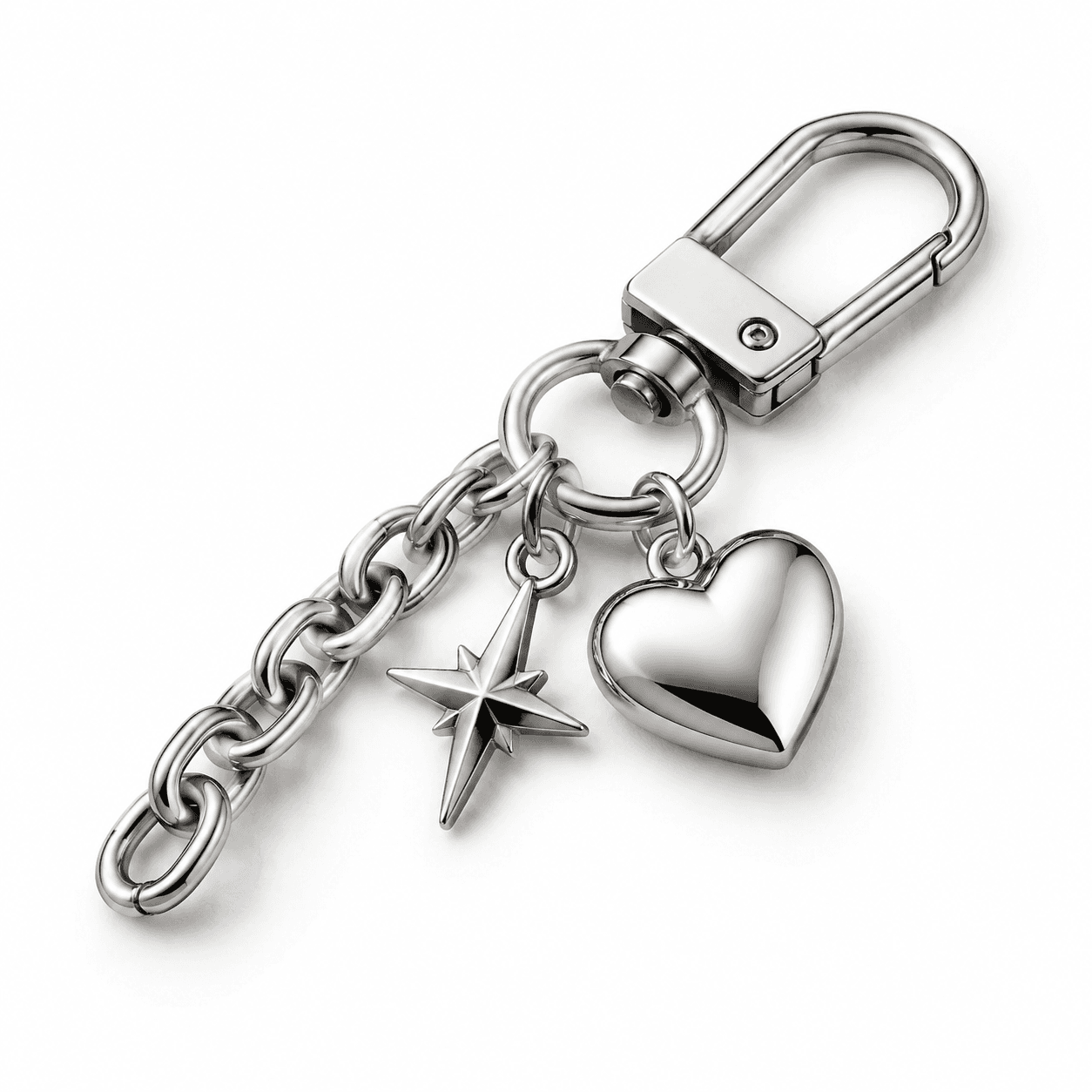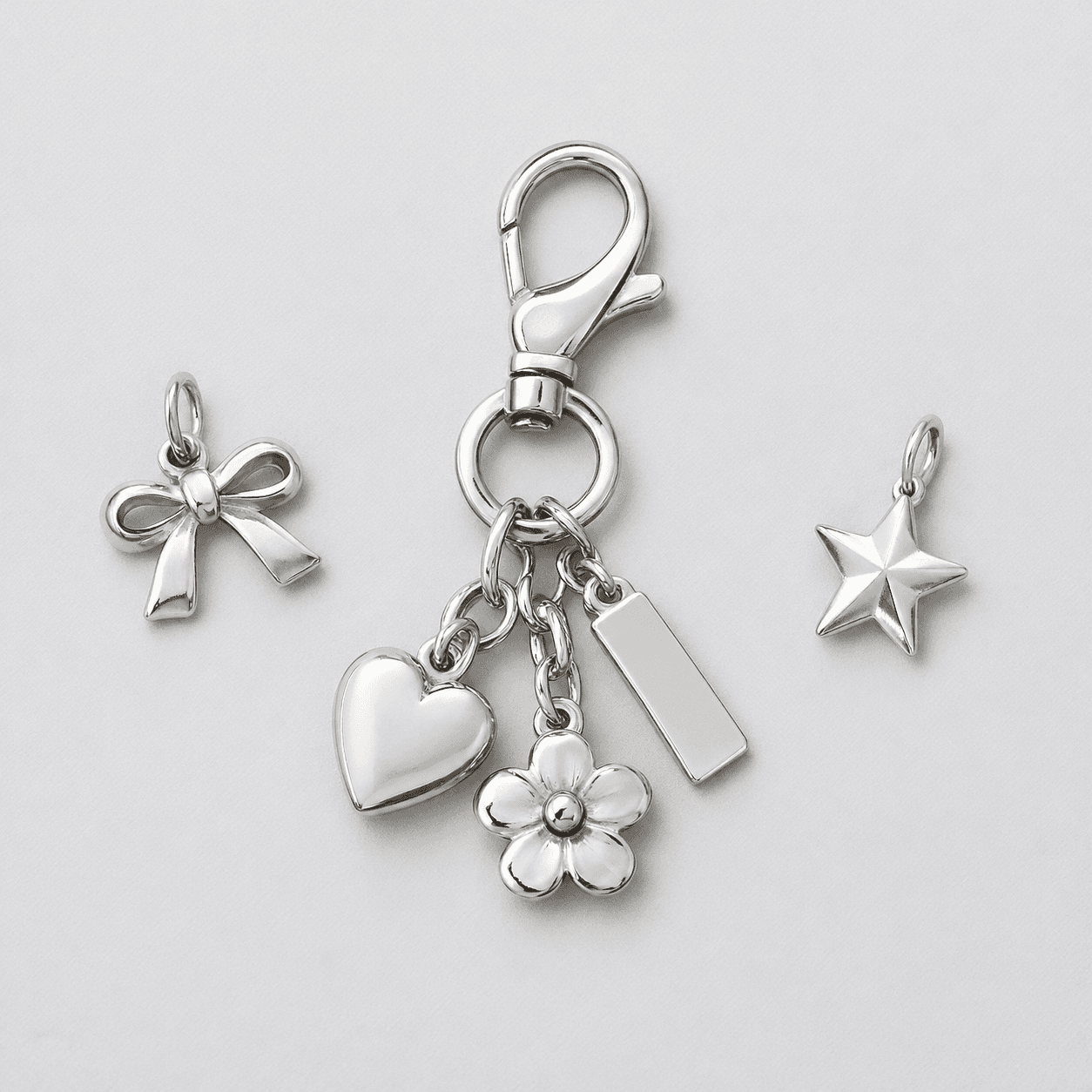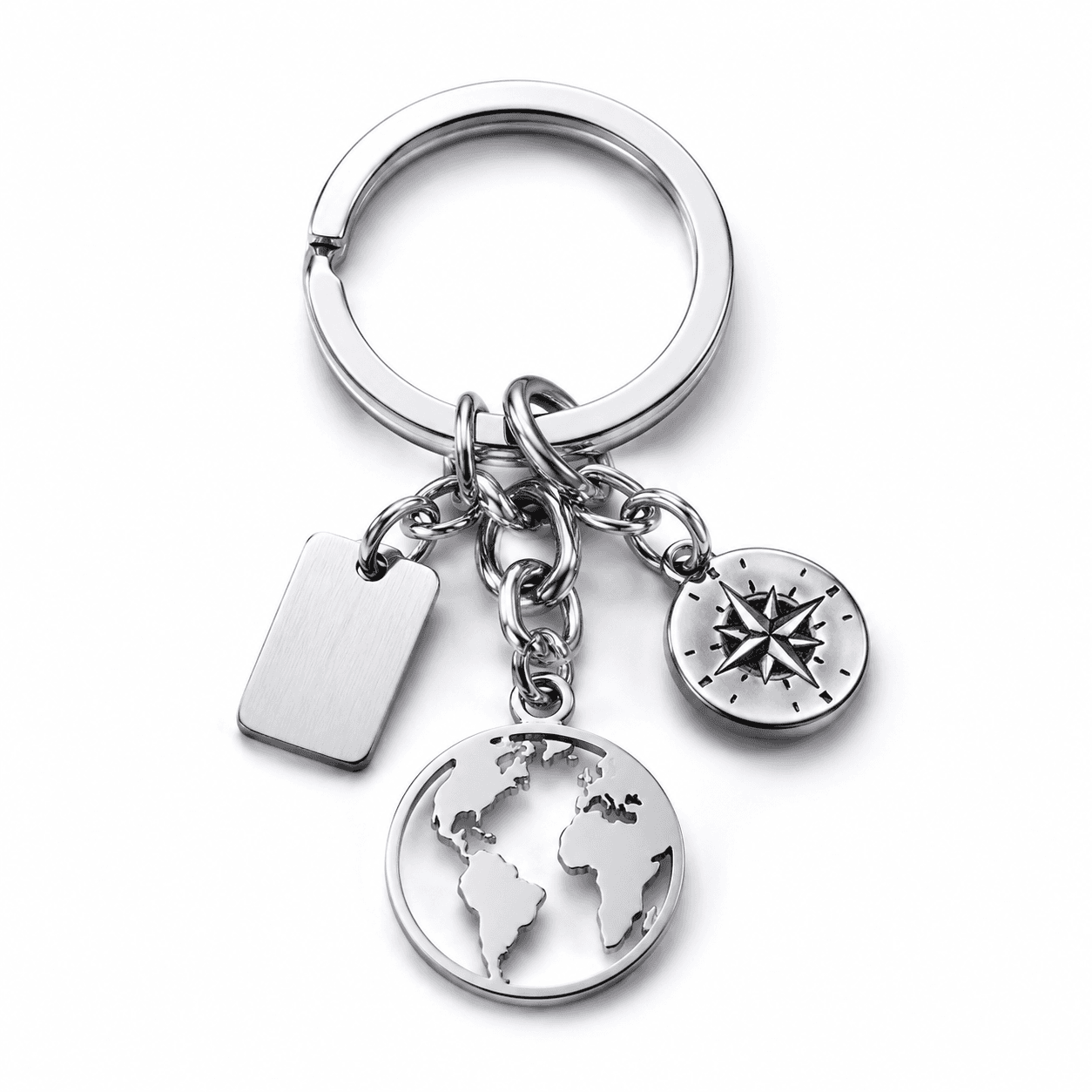
Finding a reliable supplier for stainless steel keychains with charms is more than price. It’s about consistent plating, scalable customization, and auditable compliance across markets. This sourcing guide helps procurement teams evaluate suppliers, document requirements, and build a private-label program with confidence.
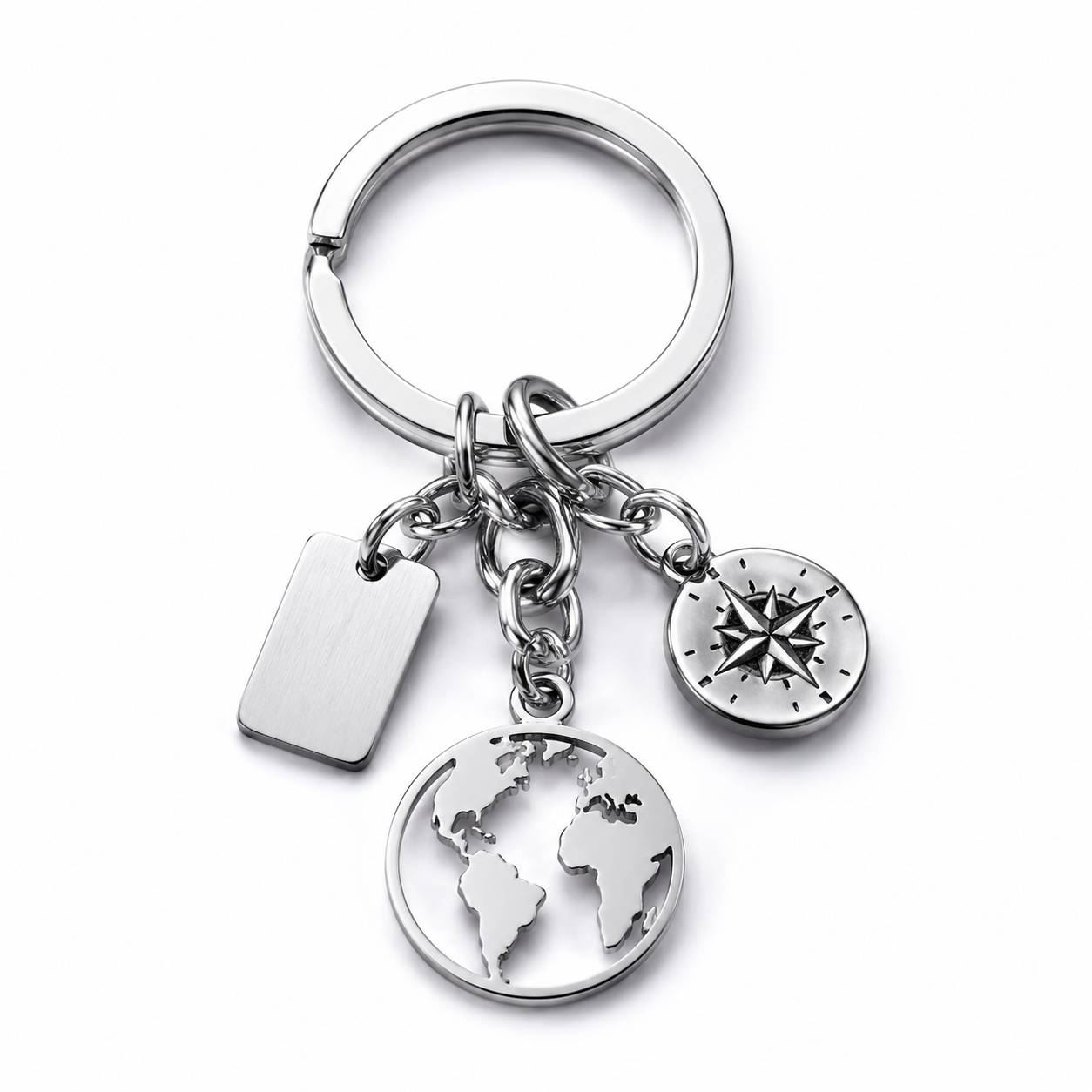
Stainless Steel Keychain with Charms: Sourcing Guide
As a baseline, focus on a 316L stainless steel base with proven finishing options such as PVD plating (gold, rose gold, or silver finishes), enamel color filling, or crystal inlay. A capable OEM/ODM partner can tailor design files, provide logo engraving, and support private-label packaging while meeting worldwide compliance standards. For a practical, supplier-focused journey, follow these steps and reference our OEM/ODM capabilities when evaluating candidates. For a direct-path option, consider engaging an established OEM/ODM partner like Lancy Jewelry, known for 316L stainless steel charms manufacturing and private-label programs. OEM/ODM services and Request a quote can help accelerate decisions. You can also explore our catalog at All Products to understand available finishes and customization options, then reach out via Contact to start the process.
1) Define your project scope
Clarify the core requirements before supplier outreach. Document base material (316L stainless steel) and acceptable finishes (PVD gold plating, silver finish, rose gold plating, enamel, crystal inlay). Specify allowable tolerances for charm dimensions, weight, and surface finish. Establish a target price range, desired MOQ, and lead-time expectations for initial orders and ongoing production. Identify whether you need full private-label packaging, custom logo engraving, or a ready-to-sell gallery of boutique-ready designs. This upfront scoping reduces back-and-forth and speeds up vendor vetting. When you define scope, clearly articulate the intended applications: jewelry charms, keychain charms, bag charms, or gift programs. This helps suppliers tailor their manufacturing plans and packaging options accordingly.
2) Identify potential suppliers with OEM/ODM capabilities
Seek suppliers who clearly advertise OEM/ODM services, sample development, and private-label packaging. Evaluate whether they operate a modern facility with CNC, laser cutting, laser marking, welding, and polishing capabilities, as described in Lancy Jewelry’s profile. Confirm that the base material is consistently 316L stainless steel, and review available finishes and customization options such as logo engraving, enamel color filling, and crystal setting. Request a capability overview and a short test project to verify process control, plating consistency, and finish durability. Remember to assess traceability, minimum order quantities, and the supplier’s ability to scale for wholesale orders. It’s also wise to verify SGS-certified processes (RoHS, REACH, Nickel Release EN1811, Salt Spray 240H) as part of due diligence. OEM/ODM capabilities and audits or certifications are common indicators of a reliable partner.
3) Request samples and perform a rigorous evaluation
Ask for representative samples that mirror your target finish and engineering. Evaluate: edge sharpness, bail/jump ring fit, hole tolerance, plating uniformity, and adhesion of enamel or crystal inlays. Confirm that all components attach and function plausibly, with jump rings or clasps threaded through real holes or loops. Review packaging options, including private-label packaging, labeling, and batch traceability. If the supplier charges for samples, confirm whether the cost is creditable toward a larger order. Demand test reports or performance data, such as corrosion resistance, salt spray results, and nickel-release testing, to ensure long-term durability in global markets. A robust sample development process reduces post-launch risk and accelerates time-to-market for private-label programs. Product catalog examples can help you compare finish options and tolerances when selecting a partner.
4) Review compliance, documentation, and sustainability
Compliance matters across US, EU, UK, AU, CA, DE, FR, SP, NE, and RU markets. Require documentation including product specifications, bill of materials, process controls, and factory certifications. A SGS-certified supplier can offer RoHS, REACH, Nickel Release EN1811, and Salt Spray 240H test results, which help support regulatory readiness and consumer safety claims. Insist on clear declarations about plating chemistry, enamel pigments, and crystal components, plus packaging declarations for private-label programs. Evaluate supplier quality systems, return policies, and change-control processes to prevent deviations that could impact brand perception. A transparent documentation package speeds supplier audits and buyer approvals. For ongoing partnerships, request a formal quality agreement or supplier approval checklist as part of your RFQ workflow.
5) Analyze commercial terms and supply-chain readiness
Assess pricing, MOQs, lead times, and the supplier’s ability to support wholesale stainless steel charms and private-label programs. Compare volume discounts, packaging costs, and the feasibility of low-MOQ charm production for pilot programs. Confirm whether the supplier can support logo engraving and PVD plating customizations at scale and maintain consistent plating quality across batches. Discuss intellectual property controls for logo usage, engraving permissions, and design files. Review payment terms, shipping options, and incoterms that align with your procurement policies. A capable partner will offer flexible terms, and the most reliable suppliers will provide a clear path to scale from pilot projects to bulk orders.
6) Pilot, validation, and contract finalization
Proceed with a controlled pilot order to validate all aspects: design fidelity, finish consistency, packaging readiness, and delivery reliability. Use the pilot to confirm the supplier’s ability to meet your private-label requirements, including packaging, labeling, and documentation. If successful, move to a formal contract or master supply agreement, detailing price bands, lead times, quality metrics, and change-management procedures. Ensure you have a robust onboarding plan that includes ERP-ready data exchange, a single point of contact, and a defined support cadence for ongoing production. For faster initiation, many buyers start with a small order under private-label terms and gradually increase volume as trust and performance stabilize.
Benefits/Why it matters
Partnering with a qualified 316L stainless steel charms manufacturer offers several strategic advantages for global buyers. Key benefits include consistent plating quality, scalable customization, and a clear path to private-label packaging. Working with OEM/ODM suppliers enables brand owners to tailor designs, finishes, and packaging to specific markets while maintaining strict compliance. In addition, SGS-certified processes provide third-party verification of RoHS, REACH, Nickel Release EN1811, and Salt Spray performance, which supports regulatory readiness and consumer safety across regions. A trusted supplier also offers low MOQ options, efficient sample development, and reliable lead times, helping brands manage cash flow and test-market new concepts without large upfront investments.
Detailed analysis/Guide (expanded)
Below is a deeper, step-by-step framework to execute a structured supplier qualification and onboarding process. This section aligns with best-practice procurement workflows and emphasizes due diligence, documentation, and scalable customization. For reference, your chosen partner should support an end-to-end program, including logo engraving, PVD plating, enamel color filling, crystal setting, private-label packaging, and robust sample support. Use this guide to build a trusted supplier relationship that can support wholesale orders and private-label programs globally.
Step A: Scope validation and design control
Confirm design files, technical drawings, and 3D models. Ensure that the base is 316L stainless steel and that tolerances, finishes, and engraving parameters are defined. Establish a signature form for artwork approval and a change-control process for future revisions. This step reduces misinterpretation and ensures that private-label branding remains consistent across batches.
Step B: Capabilities assessment and facility tour
Request a capability overview and, if possible, a virtual or in-person facility tour. Verify CNC, laser cutting, laser marking, welding, and polishing capabilities, plus a quality-control plan, inspection checkpoints, and batch traceability. Ask for a list of available finishes and customization options (PVD plating, enamel, crystal inlay) and confirm compatibility with your product roadmap. A strong capability profile helps procurement teams shortlist candidates that align with long-term growth plans.
Step C: Sample development and evaluation plan
Agree on a sample development timeline, including internal review milestones for logo engraving accuracy, plating uniformity, and assembly integrity. Define acceptance criteria for samples and a process for returning or revising samples if needed. This step is essential for private-label pilots and ensures you are testing the actual production-ready result, not an interim prototype.
Step D: Compliance and documentation package
Request a documentation package that includes material specifications, plating chemistries, and material safety data where applicable. Confirm SGS or equivalent third-party certifications for RoHS, REACH, Nickel Release EN1811, and Salt Spray 240H. In addition, ensure that the supplier provides packaging specs for private-label use, labeling instructions, and a bill of materials that aligns with your product data sheets.
Step E: Commercial terms and risk management
Negotiate pricing bands, MOQs, lead times, and payment terms. Establish a risk-management plan that covers supply disruption scenarios, inventory buffers, and escalation paths. Include a right-to-audit clause if you plan regular compliance verification. Confirm packaging design ownership, engraving rights, and any restrictions on artwork reuse across product lines. The goal is a transparent framework that protects both brands and manufacturers while enabling scalable growth.
Step F: Pilot execution and scale-up plan
Execute a pilot order under private-label terms with clearly defined acceptance criteria. After successful validation, transition to a phased scale-up plan that aligns with your wholesale or private-label program needs. Maintain ongoing communication channels, assign a primary supplier liaison, and establish performance dashboards for on-time delivery, defect rates, and customer feedback.
FAQ
-
Q: What makes a good OEM/ODM partner for stainless steel charms?
A good partner demonstrates robust manufacturing capabilities (CNC, laser cutting, welding, polishing), consistent plating quality, and a clear private-label packaging option. Look for SGS-certified processes, a transparent sample-development workflow, and a willingness to align with your product roadmap and geographic markets.
-
Q: How important is a low MOQ for private-label programs?
Low MOQ support is valuable for testing concepts, validating demand, and controlling initial investment. It enables more frequent design iterations and faster time-to-market, especially when launching limited runs or regional campaigns. A supplier with flexible MOQs can adapt as your private-label program scales.
-
Q: What should be included in the sample development phase?
Samples should mirror the final production finish and engraving quality, including logo placement, enamel color fidelity, and crystal setting. Request documentation on plating thickness, edge quality, and tolerance checks. A well-managed sample program accelerates risk-free decisions before committing to bulk orders.
-
Q: How does private-label packaging impact global distribution?
Private-label packaging aligns with regional branding requirements and helps ensure consistent consumer experience. Confirm packaging materials, labeling standards, and carton-level traceability. A packaging-first approach often improves brand perception in US, EU, UK, AU, CA, DE, FR, SP, NE, and RU markets.
Call to action
Ready to start your stainless steel charm program with a trusted OEM/ODM partner? Partner with Lancy Jewelry for 316L stainless steel charms manufacturing, private-label packaging, and comprehensive sample development support. Explore our OEM/ODM services, review our catalog of finishes, and contact our team to initiate a formal RFQ. You can also initiate a quick quote via Request a Quote and begin the journey toward a scalable private-label program and bulk orders with a certified supplier.