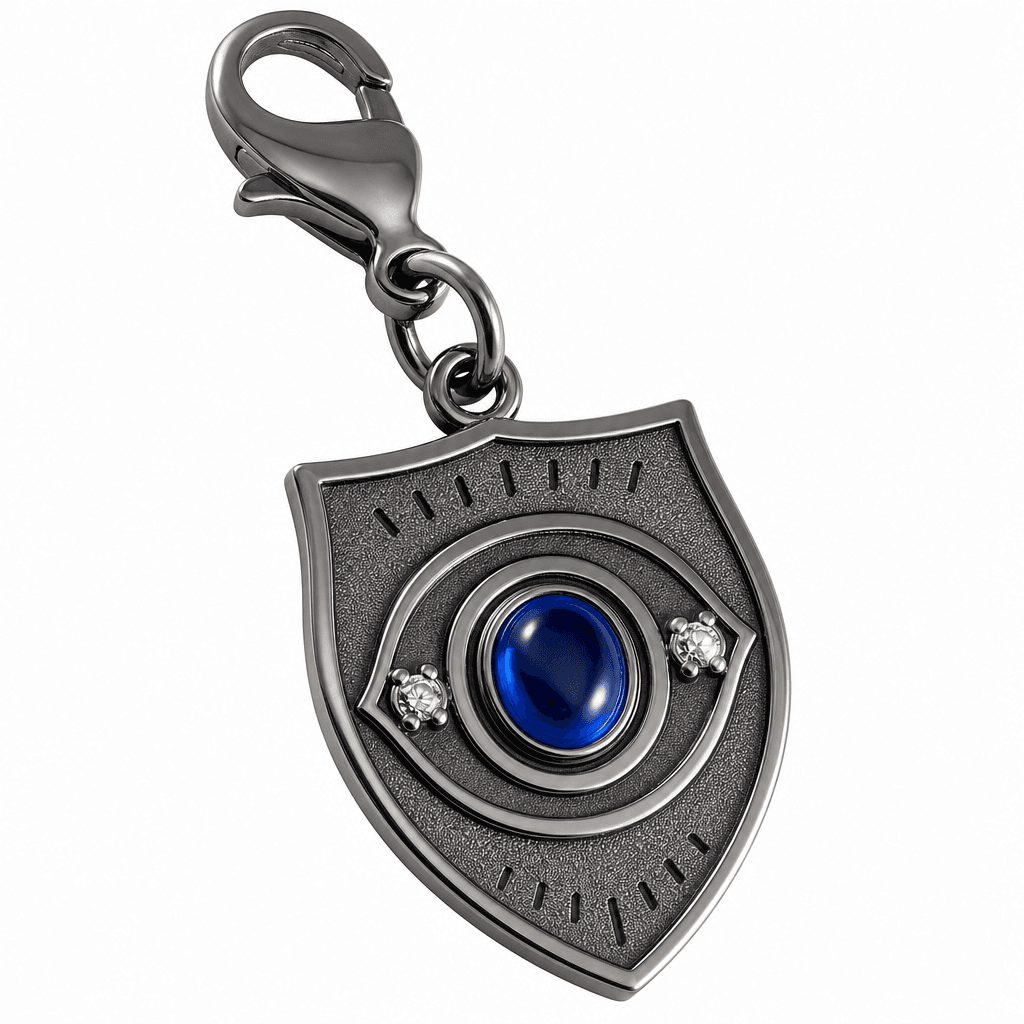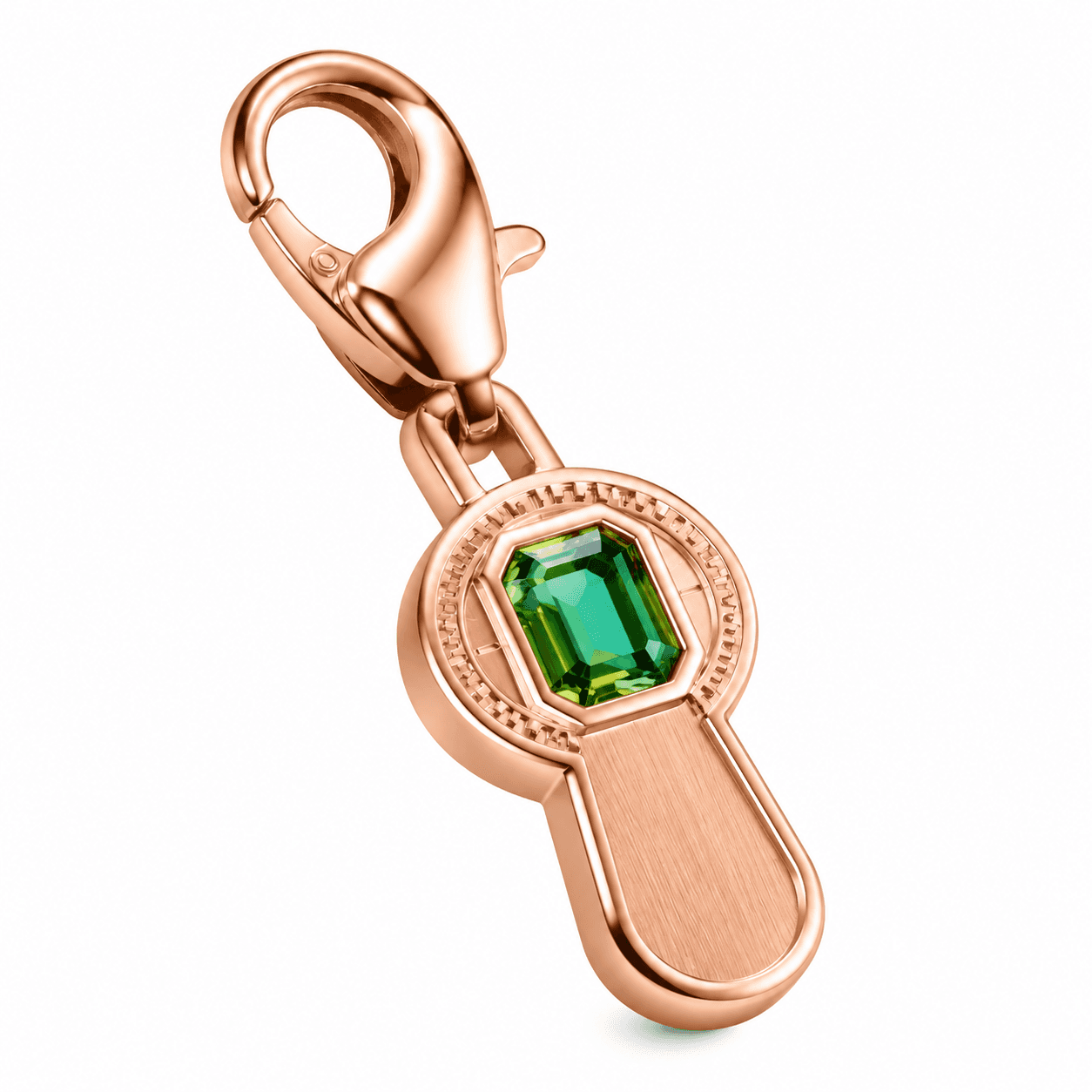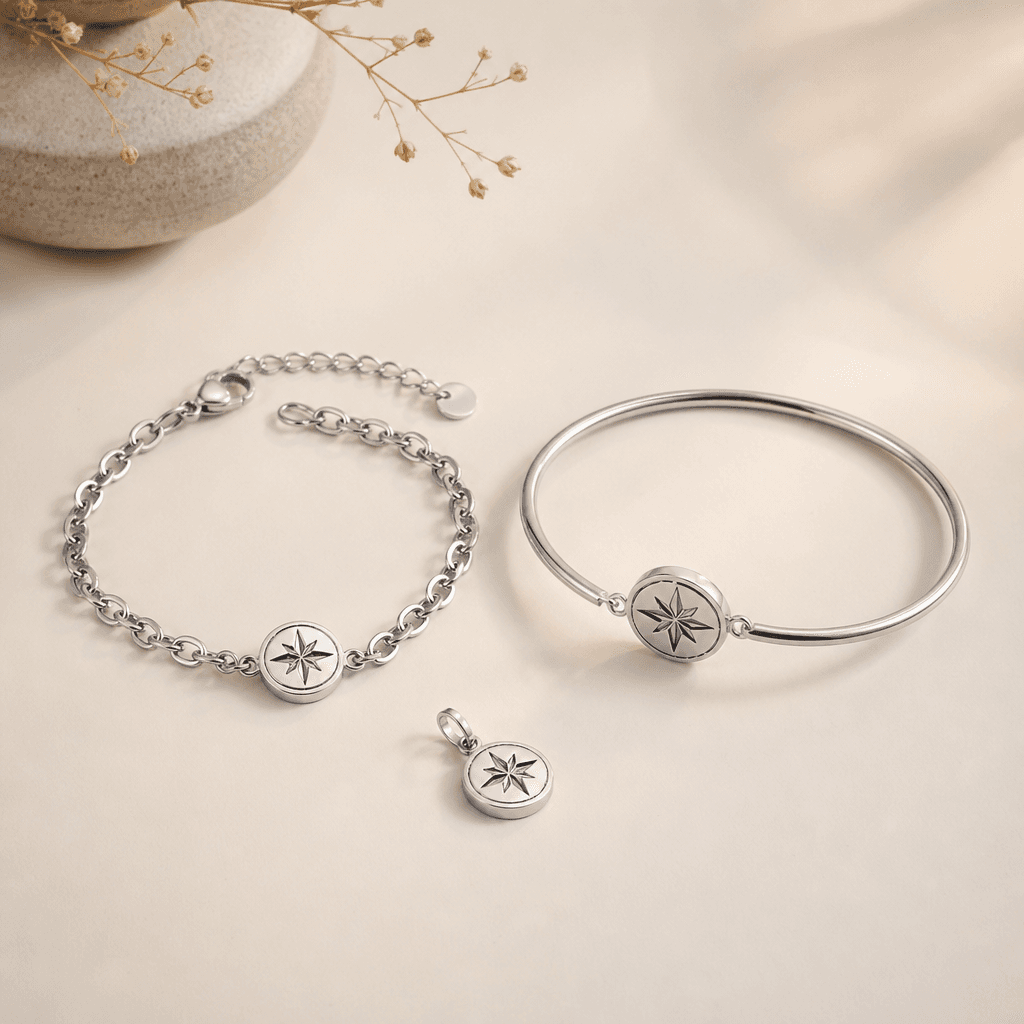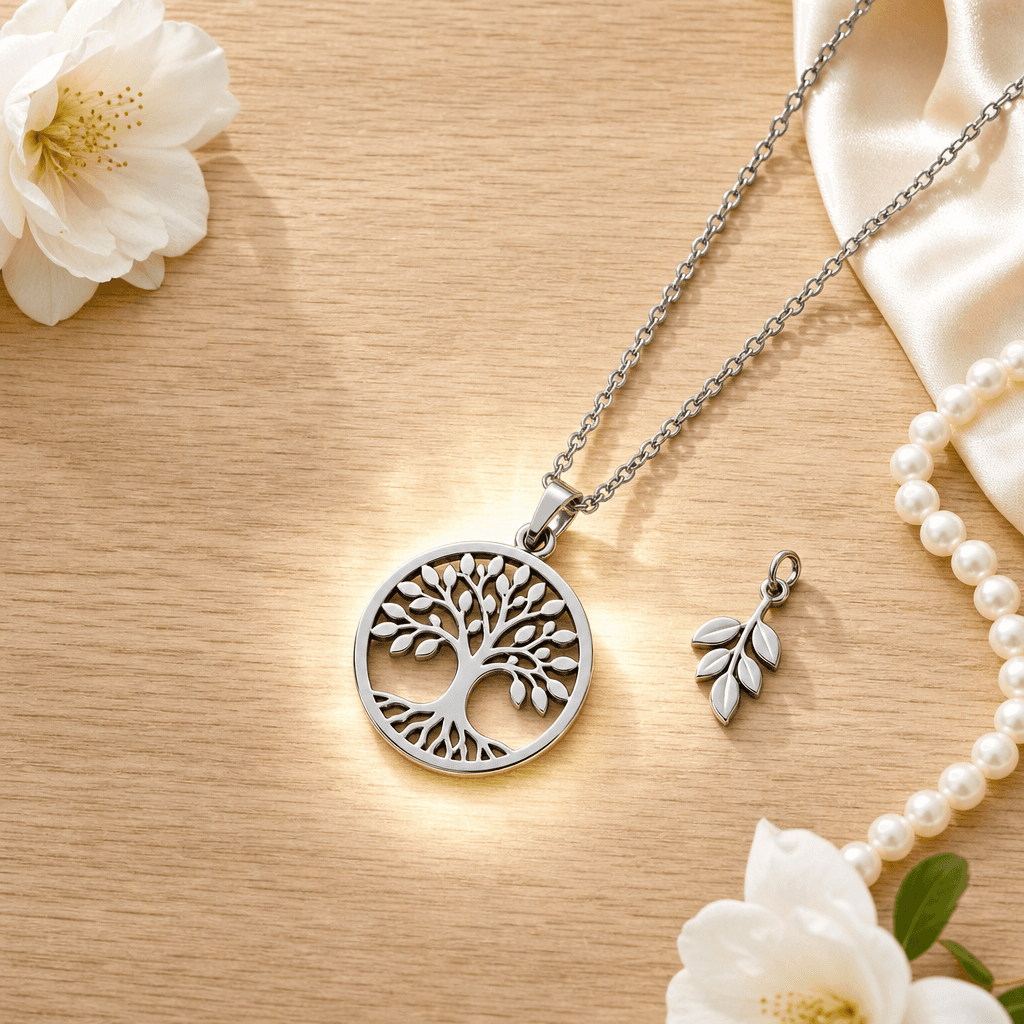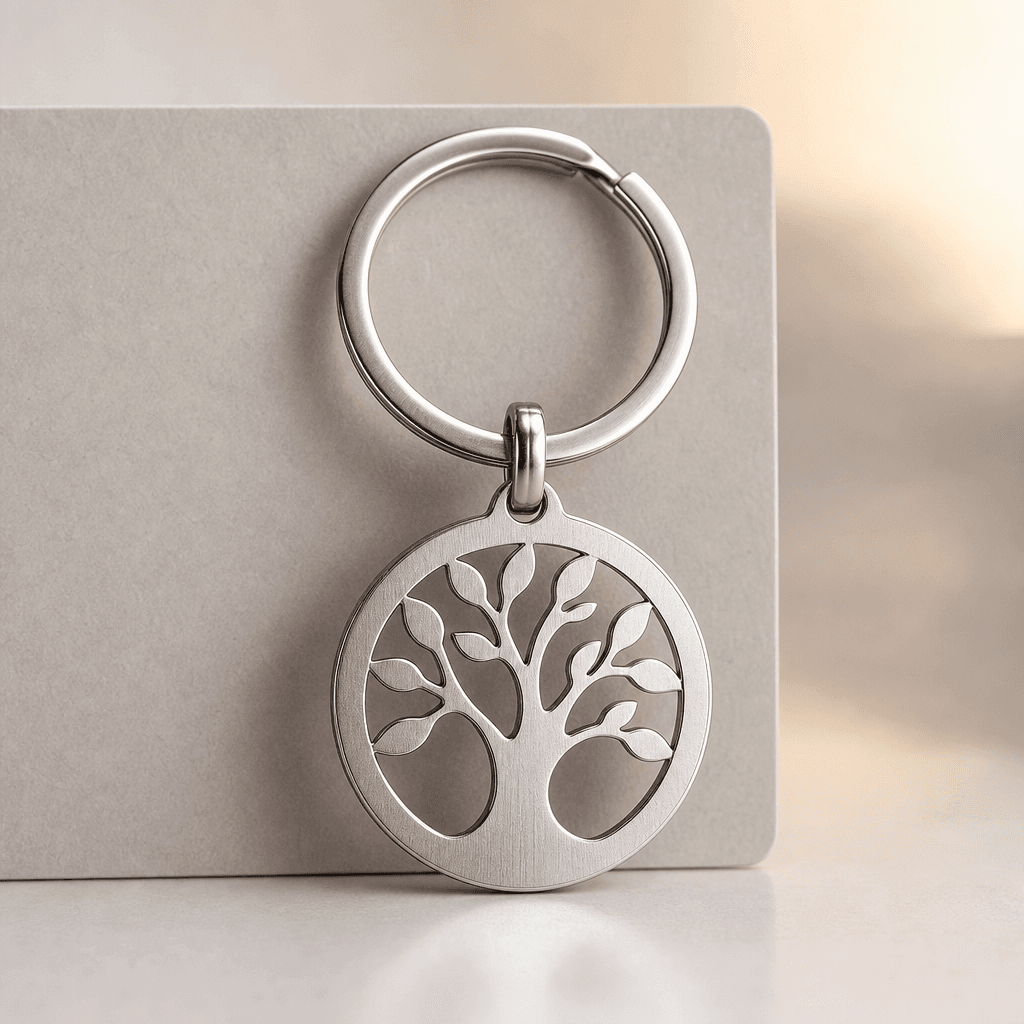
When you’re evaluating stainless steel keychain charms for a boutique program, the material and finishing process determine both appearance and long-term reliability. This guide breaks down how 316L stainless steel performs in daily handling, how PVD gold plating is engineered for consistent color, and how enamel and crystal inlay affect edge safety, adhesion, and batch-to-batch consistency.
For global OEM and ODM buyers, Lancy Jewelry supports low-MOQ charm production with factory-direct consistency, custom logo engraving, and private-label packaging. Use the comparison table and checklist-style guidance to validate specifications before you place bulk charm orders.
For compliance-focused sourcing, we also interpret common factory test expectations such as SGS certifications including RoHS, REACH, EN1811, and Salt Spray—so you can ask the right questions during RFQ and sample development.
Material Deep Dive for Stainless Steel Keychain Charms (316L + PVD + enamel)
“Stainless steel keychain charms” sourcing succeeds when your team treats the charm as a small engineered component, not just decorative hardware. Lancy Jewelry manufactures charms using 316L stainless steel as the only base material, selected for corrosion resistance and stable performance in frequent contact environments. For buyers designing charm bar accessories or gift programs, this base consistency reduces the variability you may see when materials differ by batch or supplier.
On top of the base, finishes define the market-ready look. PVD (Physical Vapor Deposition) enables controlled deposition of color layers for gold plated and other premium appearances. For high-visibility sections of a charm—front faces, borders, and cut edges—PVD process parameters matter for even coverage and durability. Where you choose enamel, you must confirm color filling uniformity and edge coverage so the charm remains clean under close retail viewing. If you use crystal inlay elements, buyers should validate seat design and retention stability, especially after handling and packaging stress.
Because you’re likely considering buying charms for customization, prototype testing is the fastest path to risk reduction. During sample development, request real production samples with your logo engraving and plating/finish combination. This aligns material properties, decorative requirements, and hardware compatibility—without relying on assumptions.
Comparison Table: Which finish path best fits your keychain charm program?
Use this table to compare finishing options for stainless steel keychain charms. It’s designed for sourcing managers and jewelry designers who need a decision helper for OEM and ODM planning, including customization steps like custom logo charms, plating, and enamel/crystal finishing. The goal is to match the finish path to your retail exposure level, color expectations, and durability requirements.
Note: Lancy focuses on charms with 316L stainless steel base material. Below, the comparison is about finishing layers and decorative methods, not changing the base metal.
| Finish / Build Option | Typical Use in Keychain Charms | Durability Signals to Ask For | Customization Flexibility | Validation Steps for Buyers |
|---|---|---|---|---|
| PVD gold plated (color layer) | Premium-looking faces, borders, and engraved logos | Salt Spray resistance, uniform color coverage, adhesion consistency | High (series planning, consistent batches) | Plate thickness tolerance + finish photos under retail lighting |
| Silver finish | Clean minimalist programs, reflective silhouettes | Surface clarity, resistance to dulling after handling | Medium-High (depends on texture/engraving) | Macro inspection + wear simulation expectation |
| Rose gold plating | Warm color collections and gift assortments | Color stability, even edge coverage around cutouts | High (series planning) | Color reference approval + batch sample check |
| Enamel color filling | Color blocks, icon clarity, themed charm bar accessories | Adhesion at edges, clean line control, chip risk at corners | High (multiple palette options) | Color match proof + adhesion/edge inspection of samples |
| Crystal inlay on 316L base | Eye-catching center elements for decorative accessories | Seat retention, safe finishing around the setting | Medium (design-dependent) | Check setting stability + test assembly/packaging handling |
When buyers consider wholesale stainless steel charms or private label charms, request a sample set that includes your exact plating + enamel/crystal combination. That turns a finish preference into an evidence-based decision.
Detailed analysis of each option for Stainless Steel Keychain Charms (what to verify in RFQ)
Below is a practical decision analysis for stainless steel keychain charms. Each subsection lists what to verify in your RFQ, because the “right” finish is usually the one that holds up under your retail and handling realities—shipping, repeated touches, and packaging constraints.
PVD gold plated / rose gold plating: confirm even deposition and adhesion
When you choose PVD plated stainless steel charms, verify that the plating is engineered for consistent plating quality across small surfaces and engraved areas. Ask your OEM charms manufacturer to show finish uniformity under neutral lighting and macro inspection. If your design includes thin borders or fine engraving, confirm that the PVD process maintains legible edges without patchiness.
For compliance and risk reduction, you can align expectations with SGS certifications such as RoHS, REACH, and durability-style tests like Salt Spray. In your RFQ, request test references for the finish system used in your specific order. This helps sourcing teams validate that the product will meet your program’s quality threshold in global markets (US, EU, UK, AU, CA, DE, FR, SP, NE, RU).
Silver finish: validate surface clarity after finishing
A silver finish can look premium when surface texture and polishing are controlled. For buyers running boutique collections, the key is clarity around edges, engraving depth, and cutout walls. During sample development, ask for photos and physical checks of the charm under typical retail lighting angles to ensure the final look matches your brand direction.
Even though the base material is constant at 316L stainless steel, final presentation can shift with surface preparation steps. Request that your factory confirms the finishing workflow and how it handles tight tolerances near the charm’s attachment loop or bail.
Enamel color filling: manage edge coverage and chip-risk on corners
Enamel stainless steel charms require more than color matching. You should verify line control, whether the enamel fully covers within the intended recess boundaries, and how the charm behaves at corner geometry where impact is most likely. In RFQ discussions, describe your design’s thin areas and ask how enamel is applied and cured for stable adhesion.
For compliance expectations, it’s common to pair finish materials with certification requests such as EN1811 for skin-contact-related safety expectations (depending on intended use and regional requirements). Include this in your buyer checklist if your keychain charm program is gift-forward and sees frequent handling.
Crystal inlay: confirm retention, safety finishing, and packaging handling
With crystal inlay, buyers should treat the setting as a functional engineered feature. Ask for evidence that the setting seats cleanly into the 316L base, with a safe, smooth finish around the entry area. During sample development, request a small proof run that includes your final hardware attachment and the exact crystal type used for your design.
Because charm bar accessories are often clipped, packed, and moved between bins, validate the charm after your standard packaging step. Private-label packaging should be planned so crystals and enamel faces are not stressed against hard inserts.
Recommendation: best-fit finish choices for OEM/ODM buyers of keychain charms
To recommend a finish path, decide first how your customers will interact with the charm: frequent touch and small impacts (gift sets and charm bar accessories) or display-focused use (low handling). Then select the finishing system that best aligns with your durability and visual priority.
Verdict for boutique-ready durability and consistent color
If your goal is long-term visual stability and a premium metal appearance, PVD plated stainless steel charms on a 316L stainless steel base is usually the strongest baseline. It supports series planning and consistent plating quality across bulk charm orders—especially when your OEM or ODM production requires repeatable results for multiple SKUs and colorways.
Verdict for high-impact color storytelling
If your design needs strong thematic color blocks and fast retail recognition, choose enamel. Enamel is ideal when color separation is essential, but your team should emphasize edge coverage and adhesion verification during prototyping. The recommendation is to run sample development that includes the exact enamel color palette and the exact engraving/logos you plan to use as custom logo charms.
Verdict for premium “sparkle” feature elements
If your charm concept relies on a decorative centerpiece, crystal inlay can deliver the highest visual attention. For procurement teams, the key recommendation is to validate retention stability and safe finishing around the setting. Plan packaging handling early because charm programs often ship in volume and experience repeated contact.
Across all options, your best sourcing practice is to request a finish-complete sample set (base + plating/enamel/crystal + logo engraving + private-label packaging). That approach reduces iteration cycles before you move from MOQ planning to bulk orders.
Frequently Asked Questions
Partner With Lancy Jewelry: request RFQ and sample development for keychain charms
Ready to buy stainless steel keychain charms with predictable quality? Send your RFQ to Lancy Jewelry so our team can confirm 316L stainless steel base specs, finishing options (PVD gold plated, silver finish, rose gold plating, enamel, crystal inlay), and your customization needs. We support OEM and ODM development with custom logo charms, low MOQ charm production, and private-label packaging designed for charm bar programs and gift accessory lines.
To move faster, include: your charm artwork for engraving, target size range, required finish colors, expected MOQ quantity, and packaging format. If you need validation, request sample development with the same finish stack you plan for bulk charm orders, and include any compliance documentation expectations such as SGS-style RoHS, REACH, EN1811, or Salt Spray references relevant to your market.
Next step: Use our OEM Service page for requirements scoping (OEM Service) or submit your inquiry for RFQ and sampling details via Request a Quote. If you prefer direct sourcing coordination, contact us at sales contact.