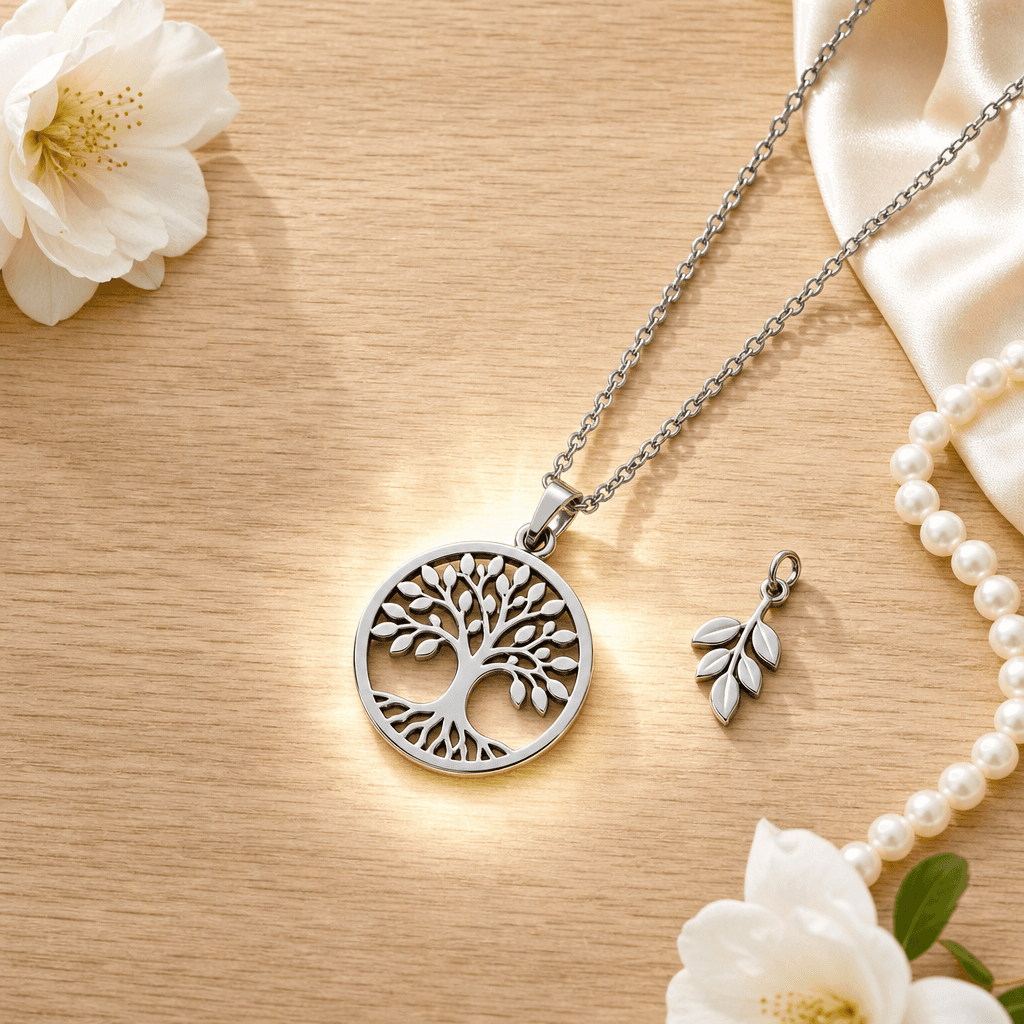
When you buy 316L stainless steel charms for a brand program, “looks good” is not a quality system. Procurement teams need defensible evidence: test reports, compliance declarations, and durability proof that holds up across audits and customer questions. Lancy Jewelry helps boutique and private-label buyers move faster with documentation-backed manufacturing and consistent finishing, backed by third-party SGS certification.
B2B 316L stainless steel charm manufacturer OEM ODM: Certification & Compliance Checklist
Use the checklist below to evaluate a stainless steel charms manufacturer during RFQ, vendor onboarding, and annual audits. This guide is built for cross-market expectations in the US, EU/UK, and global retail supply chains.
Verification checklist (tick what you can confirm)
Documentation you should ask for during RFQ
- SGS reports mapped to the exact product category (finish type, coating stack, and relevant risk profile).
- Nickel release test evidence with EN1811 reference and the tested condition details.
- RoHS and REACH documentation that procurement can forward to internal compliance and customer QA teams.
- Durability report for corrosion resistance (salt spray testing such as 240H) to support long-term finishing performance.
Manufacturer note: Lancy Jewelry is an OEM/ODM 316L stainless steel charms factory with modern CNC, laser cutting, laser marking, welding, and polishing workflows. Our compliance documentation is supported through SGS-certified testing, including RoHS, REACH, Nickel Release EN1811, and Salt Spray 240H.
Benefits/Why it matters: Compliance that survives audits and reduces returns
Key benefits for procurement teams
- Audit readiness: When you can show RoHS/REACH and nickel release evidence, compliance checks become a documentation exercise—not an emergency.
- Lower risk of material non-conformance: Nickel release and chemical compliance reduce the chance of regulatory or customer safety escalations.
- Durability confidence: Salt spray testing helps validate corrosion resistance and finish stability for plated and enamel variants.
- Consistent manufacturing: A supplier who controls 316L stainless steel base material and process steps improves repeatability across seasonal runs.
- Faster decisions: With ready documentation, you can approve samples sooner and move into bulk production with fewer revisions.
Compliance does not end at the lab report
Procurement teams should confirm that the tested product conditions match what you plan to sell: finish type (e.g., PVD or enamel), surface area exposure, and any post-processing differences. A strong vendor will align sample runs with production processes and provide documentation that corresponds to your intended charm program.
Detailed analysis/Guide: How to assess a supplier’s certification credibility
Step-by-step vendor vetting workflow (use for every new charm SKU series)
-
Define your compliance scope: identify whether your market requires RoHS/REACH evidence, nickel release expectations, and durability testing aligned to typical retail conditions.
-
Request certification package with product specificity: ask for SGS reports that state the finish stack and test scope. If your charm includes enamel or crystal inlay, confirm what was tested and under which conditions.
-
Match test samples to your design: ensure the tested sample represents the same manufacturing path (laser marking/engraving, polishing, plating steps, and any curing or setting processes).
-
Evaluate nickel release documentation: require EN1811-related evidence and verify that the supplier can explain how they manage surface contact risks through process control.
-
Assess corrosion and finish stability: confirm salt spray testing evidence (e.g., 240H) and ask how results translate to practical performance for retail distribution and wear.
-
Confirm material control for 316L: verify that the base material is consistently managed as 316L stainless steel to reduce variability across batches and minimize compliance drift.
-
Run sample development aligned to bulk: require sample development runs that follow the production workflow. This is where procurement protects timelines—if samples are off, bulk quality will likely drift.
-
Document packaging and traceability: ensure private label packaging is robust and protected for plated/enamel surfaces. Ask whether batch traceability is available for compliance follow-ups.
What “good” looks like in supplier answers
- Responses cite specific compliance categories (RoHS, REACH, Nickel Release EN1811) and durability testing (Salt Spray 240H).
- Supplier can connect testing to process: how finishing steps are controlled and how samples represent production.
- Supplier offers OEM/ODM development with repeatable output—so your bulk charm orders are consistent with certified samples.
Common procurement red flags
- Generic compliance claims without product-specific test scope.
- Nickel release not addressed with EN1811 reference where required.
- Durability testing is missing or unclear, especially for plated or enamel variants.
- Supplier cannot align sample development with the production process plan.
FAQ: Quality certifications for OEM/ODM 316L stainless steel charms
1) What certifications should we request for 316L stainless steel charms?
For procurement-ready due diligence, request SGS-backed documentation covering RoHS, REACH, Nickel Release (EN1811), and durability evidence such as Salt Spray 240H, mapped to the charm’s finish stack.
2) Why does nickel release testing matter for charm programs?
Nickel release documentation supports consumer safety expectations and helps procurement reduce regulatory and customer quality escalations. A supplier who can provide EN1811-related evidence and explain their surface control is typically easier to audit.
3) Should we verify that sample development matches bulk production?
Yes. Certification credibility increases when sample development uses the same process controls intended for bulk charm orders. Ask the supplier to confirm finishing steps and to provide samples that mirror production conditions.
4) How do corrosion tests like salt spray relate to real-world durability?
Salt spray testing (e.g., 240H) provides comparative evidence on corrosion resistance and finish stability. Procurement teams can use it as a risk-reduction tool for wear expectations and distribution environments.
Partner With Us: Get compliant 316L charm documentation and reliable OEM/ODM output
If you’re sourcing stainless steel charms manufacturer support for boutique brands, charm bar accessories, gift programs, or private label charms, Lancy Jewelry is ready to support your next RFQ with certification-backed quality. We support OEM and ODM development on 316L stainless steel charms, including custom logo engraving, PVD plated finishing, enamel color filling, and crystal setting—along with sample development and private-label packaging.
Next step: Prepare your requirements and request a quote to align documentation, sample development, and bulk charm production timelines.
OEM Service | Request a Quote | Contact | All Products