Stainless Steel Silver Enamel Charms Guide: Quality Tests
For jewelry designers and private-label buyers, charm quality is determined long before a finished product reaches the market. A successful charm collection requires reliable material selection, controlled surface treatment, stable color performance, and consistent production standards. Stainless steel silver enamel charms combine a clean silver finish appearance with detailed enamel decoration, making quality testing an essential part of product development.
As a professional stainless steel charms manufacturer, Lancy Jewelry focuses on 316L stainless steel charms production for boutique brands, distributors, and private-label buyers. Through OEM and ODM development, designers can create customized charm concepts supported by controlled manufacturing processes, sample development, and quality inspection systems.
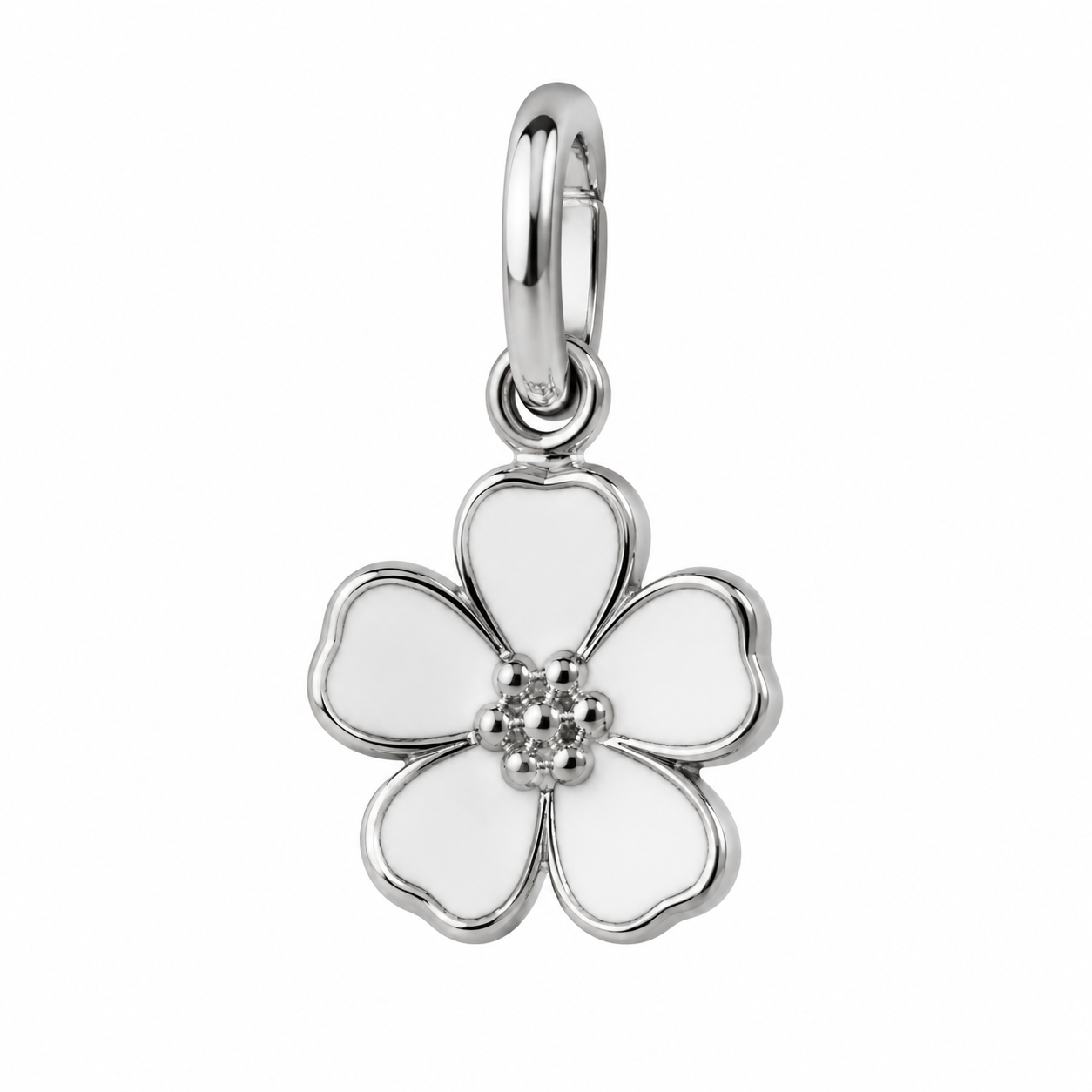
Stainless Steel Silver Enamel Charms Quality Testing Overview
Quality evaluation for stainless steel silver enamel charms involves multiple stages, from raw material verification to final appearance inspection. A professional charm factory must control every production step because small variations in polishing, enamel filling, or surface finishing can influence the final customer experience.
316L Stainless Steel Material Verification
The foundation of each charm is 316L stainless steel. This material provides strong corrosion resistance, durability, and a suitable surface for advanced finishing techniques. Before production begins, material checks help confirm that the stainless steel meets required specifications for jewelry applications.
Lancy Jewelry uses SGS certified testing support covering RoHS, REACH, Nickel Release EN1811, and Salt Spray 240H testing. These evaluations help buyers understand product safety, surface durability, and long-term performance expectations when planning international collections.
Enamel Filling Quality Control
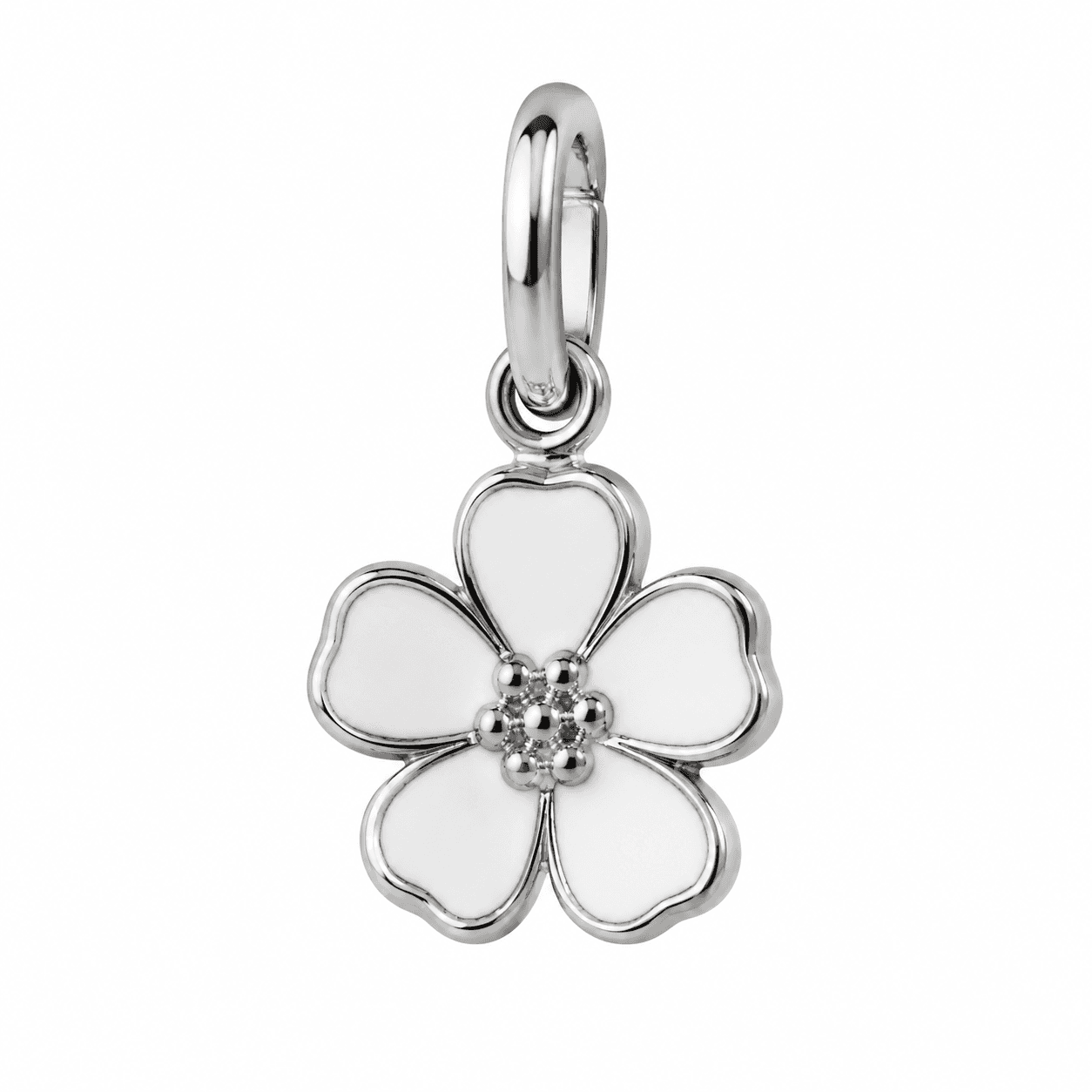
Enamel decoration creates visual depth and allows designers to introduce color themes into custom stainless steel charms. Quality control focuses on color consistency, smooth filling, edge accuracy, and surface cleanliness.
During inspection, experienced teams check whether enamel areas are evenly applied and whether the boundaries between enamel and stainless steel surfaces remain clear. For boutique collections, consistent enamel execution is important because repeated designs must maintain the same visual standard across bulk orders.
Why Quality Testing Matters for Jewelry Designers
Professional testing gives designers confidence when developing collections for different markets. A reliable production partner helps reduce unexpected issues and supports better planning for wholesale stainless steel charms programs.
Key Benefits of Controlled Manufacturing
1. Consistent finishing results: Surface treatment directly affects the appearance of a charm. Controlled polishing, PVD coating, and finishing inspection help maintain stable results across production batches.
2. Better customization confidence: Designers using an OEM charms manufacturer need assurance that creative concepts can be reproduced accurately. Testing during sample development helps refine details before bulk production.
3. Improved durability expectations: Testing processes such as salt spray evaluation provide useful information about surface resistance. Lancy Jewelry applies quality checks to support reliable private label charms production.
4. Global market readiness: Buyers from different regions often require documented quality standards. SGS certified testing provides additional support for international sourcing decisions.
Detailed Guide to Finishing Quality Analysis
Step 1: Surface Preparation and Polishing Inspection
Before decorative finishing begins, stainless steel charm surfaces must be properly prepared. CNC processing, laser cutting, laser marking, welding, and polishing are carefully controlled to create accurate shapes and smooth surfaces.
Polishing quality inspection checks for uniform brightness, clean edges, and proper surface texture. A well-prepared surface allows later treatments, including PVD and enamel application, to achieve stronger visual results.
Step 2: PVD and Surface Treatment Evaluation
PVD coating is an important finishing technique for creating durable decorative surfaces. During inspection, manufacturers evaluate coating consistency, color stability, adhesion, and overall appearance.
For designers developing gold plated, rose gold plating, or other finish options, PVD process control helps maintain a premium appearance. Surface treatment evaluation is especially valuable for ODM charm supplier projects where unique collections require repeatable production results.
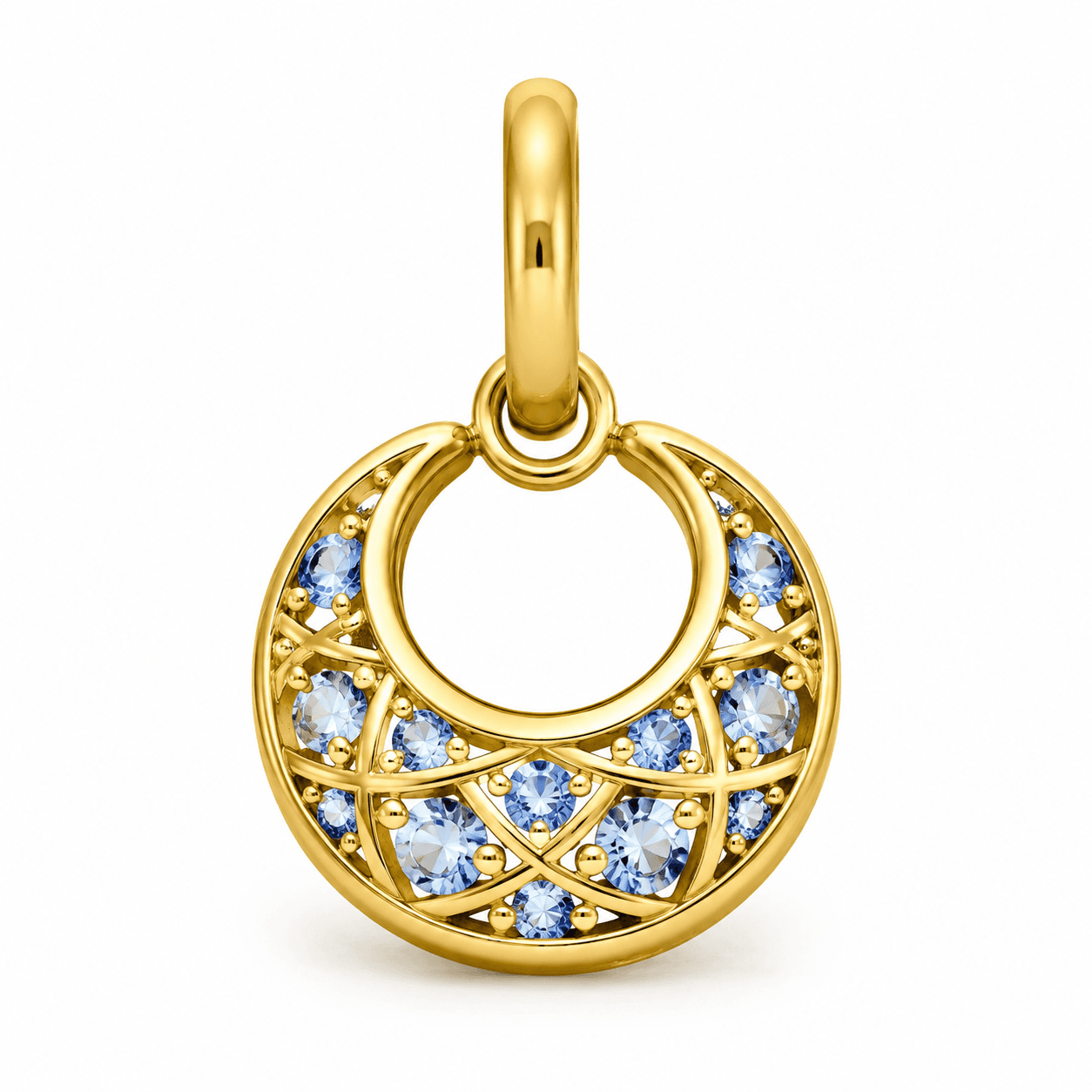
Step 3: Enamel and Crystal Inlay Detail Inspection
Decorative elements require detailed examination. Enamel stainless steel charms are inspected for accurate color placement, smooth surfaces, and strong visual contrast. When crystal inlay details are included, positioning accuracy and secure setting are also reviewed.
These checks help ensure that decorative features remain aligned with the original design concept. For jewelry designers, this step supports efficient approval during sample development and reduces adjustments before production.
Step 4: Functional Structure and Attachment Check
A charm must be designed with practical connection points. Inspectors verify that the bail or jump ring is properly formed and mechanically realistic. The attachment area should support normal jewelry assembly requirements while maintaining the intended appearance.
Lancy Jewelry pays attention to functional details during development because a visually attractive charm must also perform reliably in finished jewelry applications, gift programs, and charm bar accessories.
Step 5: Final Inspection Before Bulk Orders
Before shipment, final inspection reviews appearance, dimensions, surface condition, and packaging requirements. This stage is important for bulk charm orders because consistent quality across larger quantities directly affects buyer satisfaction.
A structured inspection process allows brands to scale collections with greater confidence. It also helps manufacturers identify improvement opportunities for future OEM and ODM projects.
How Buyers Can Evaluate a Charm Production Partner
Choosing the right supplier requires more than checking product images. Buyers should review manufacturing capabilities, testing methods, customization support, and communication efficiency.
A qualified B2B accessory supplier should provide clear information about materials, finishing options, sample procedures, and production timelines. Lancy Jewelry supports buyers through flexible MOQ solutions, private-label packaging, and professional development assistance.
When selecting a supplier, designers should consider whether the factory can manage complete processes from initial concept to finished production. Access to laser marking, polishing, enamel application, PVD finishing, and quality inspection creates a more efficient development pathway.
FAQ
What makes 316L stainless steel charms suitable for enamel designs?
316L stainless steel provides a durable foundation with a smooth surface suitable for decorative treatments. With controlled polishing and enamel processes, designers can achieve detailed and consistent charm collections.
How does PVD finishing improve charm quality?
PVD finishing supports stable decorative surfaces with controlled appearance and durability. Proper inspection of coating adhesion and color consistency helps maintain reliable production quality.
Can Lancy Jewelry support custom charm development?
Yes. Lancy Jewelry provides OEM and ODM services, including concept development, sample support, logo engraving, finishing selection, enamel color filling, crystal setting, and private-label packaging.
What quality tests are available for international buyers?
Lancy Jewelry supports SGS certified testing including RoHS, REACH, Nickel Release EN1811, and Salt Spray 240H evaluations to help buyers review product performance requirements.
Partner With Lancy Jewelry for Quality-Focused Charm Production
Reliable charm production begins with accurate material control, professional finishing techniques, and experienced manufacturing support. Lancy Jewelry helps boutique brands and private-label buyers develop 316L stainless steel charms with consistent quality, flexible customization, and practical production solutions.
Whether you need custom logo charms, enamel designs, or a complete private label charms program, our team can support your project from sample development to bulk orders. Explore our product catalog, learn about our OEM service, or submit an RFQ to discuss your next collection.