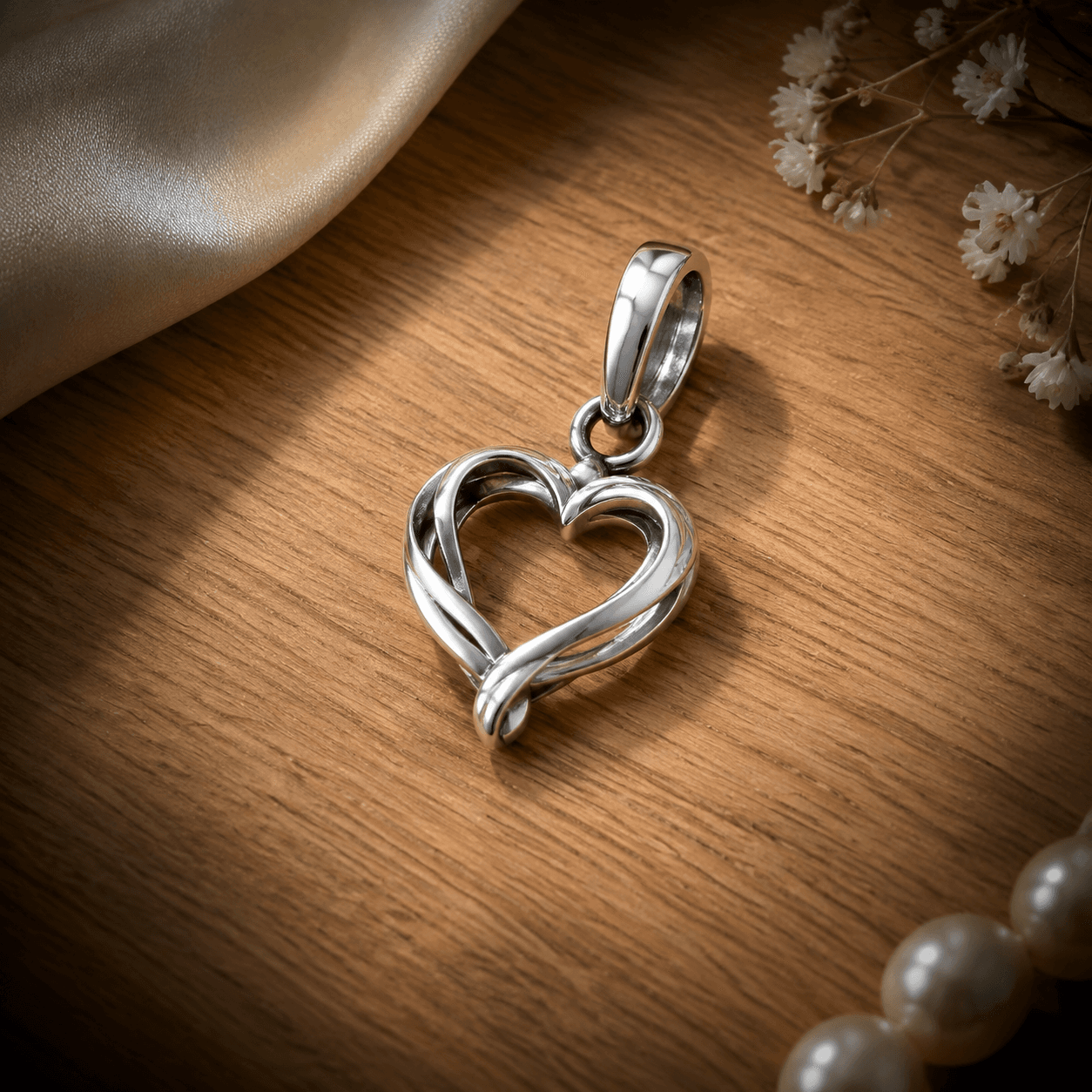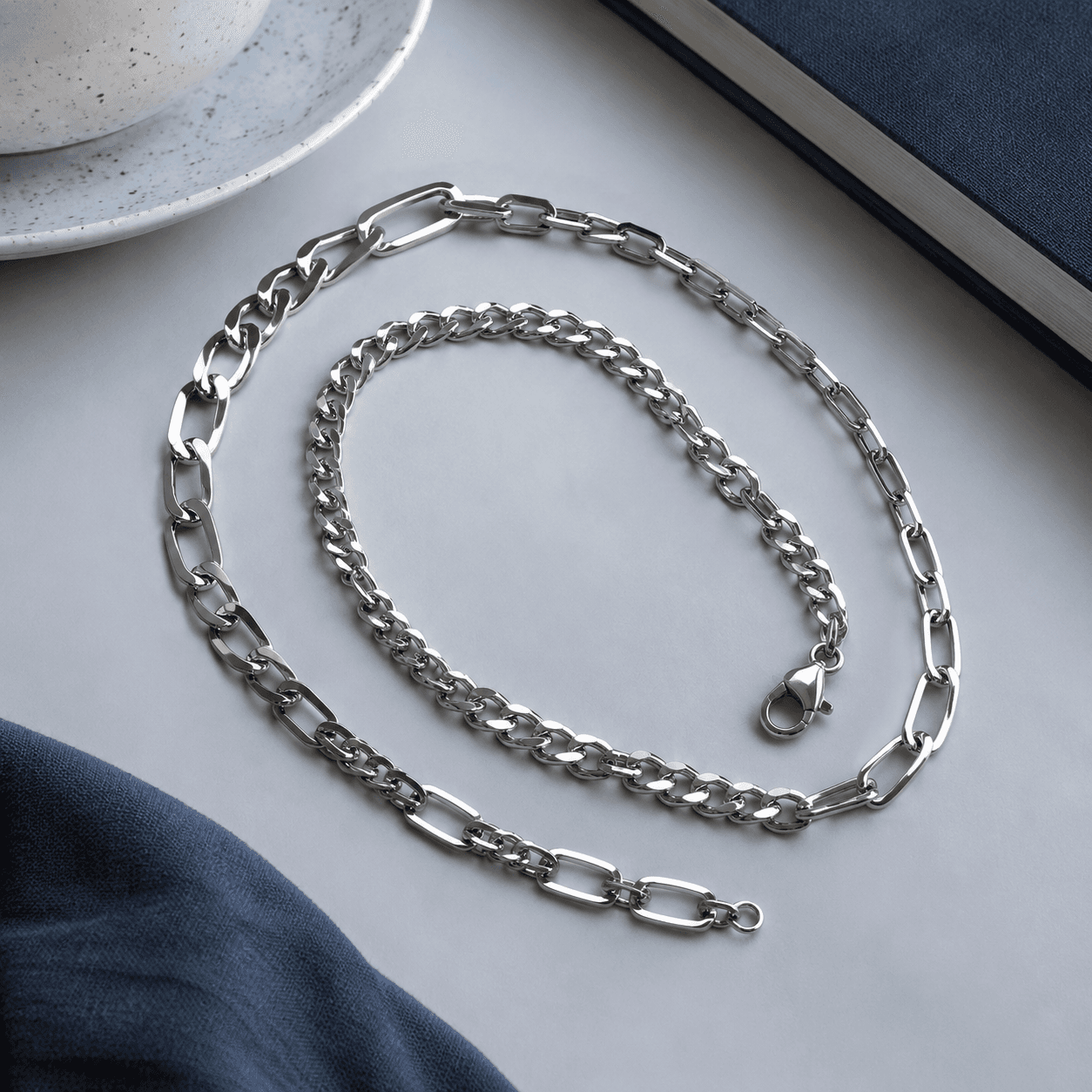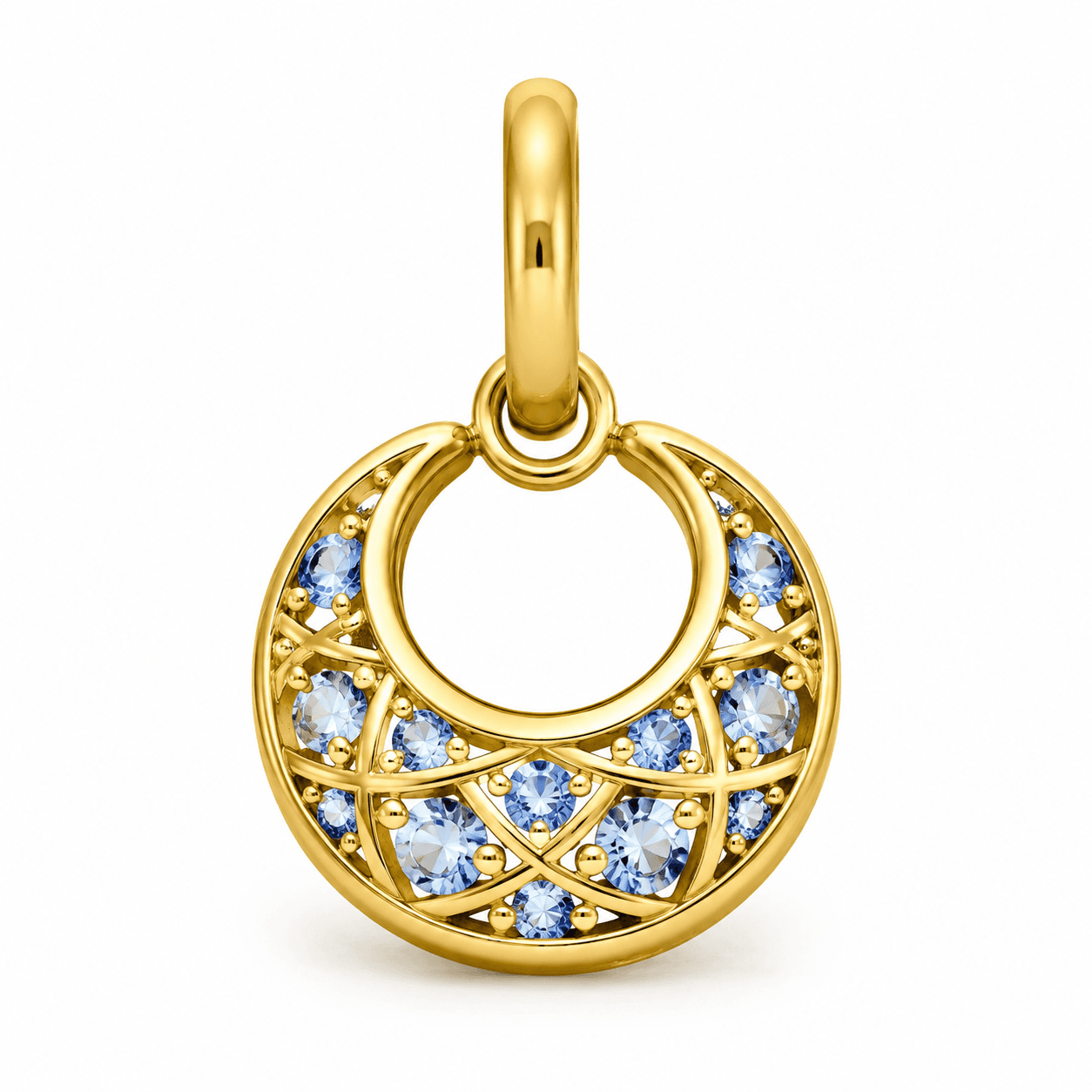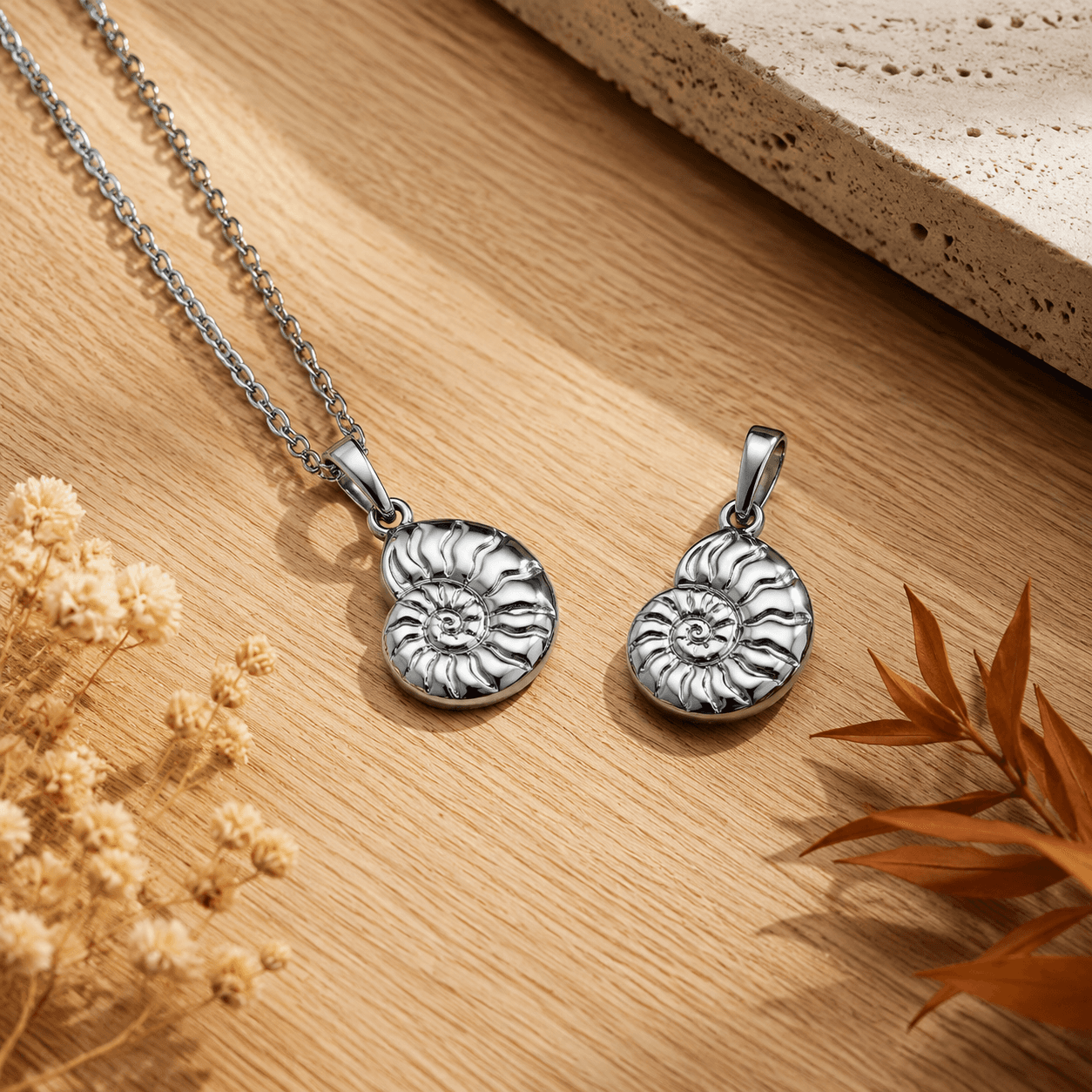
For jewelry designers and private-label buyers, surface quality is one of the most important factors that determines how a charm looks, performs, and represents a collection. A carefully controlled polishing stage does more than create a smooth appearance. It prepares the surface for reliable finishing, improves consistency between production batches, and supports long-term durability for stainless steel charms.
At Lancy Jewelry, polishing is treated as a critical manufacturing process within a complete OEM and ODM workflow. From CNC forming and laser processing to surface treatment and inspection, every stage influences the final performance of 316L stainless steel charms. Understanding polishing quality helps designers make better decisions when developing custom collections, seasonal series, and private-label programs.
Why polishing stage quality matters for stainless steel charms
The polishing stage is the foundation of a premium surface finish. Before PVD coating, gold plated finishing, silver finish treatment, rose gold plating, enamel application, or crystal inlay work, the stainless steel surface needs proper preparation. Any inconsistency at this stage can affect appearance, coating adhesion, and overall product reliability.
Surface preparation creates a stronger finishing foundation
316L stainless steel is selected by many jewelry brands because it provides stable performance, corrosion resistance, and a suitable surface for detailed charm designs. However, the material quality alone does not determine the final result. Precision polishing removes minor surface irregularities created during machining and helps create a uniform foundation for additional treatments.
For designers developing custom stainless steel charms, this means more predictable results across different shapes, symbols, and decorative details. A controlled polishing process allows manufacturers to maintain consistent reflections, smooth edges, and clean transitions between design areas.
Polishing supports better PVD and surface treatment results
PVD finishing requires a properly prepared surface. When polishing quality is controlled, the coating process can achieve a more even appearance and better visual consistency. This is especially important for collections that include multiple finishes, such as gold plated options combined with silver finish or rose gold plating variations.
A professional stainless steel charms manufacturer evaluates polishing parameters together with finishing requirements. This approach helps ensure that surface treatment is not viewed as an isolated step but as part of a complete production system.
Benefits of high-quality polishing control for jewelry designers
Consistent appearance across production batches
Jewelry designers often need collections with multiple models that share the same visual language. Reliable polishing quality helps maintain consistency from the first sample to bulk charm orders. This is valuable for boutique brands, distributors, and gift companies that require stable product presentation.
Lancy Jewelry uses professional production equipment and quality inspection procedures to support consistent manufacturing results. The facility includes CNC processing, laser cutting, laser marking, welding, and polishing capabilities designed for detailed 316L stainless steel charms production.
Improved durability and quality verification
Durability evaluation is an essential part of professional charm manufacturing. Lancy Jewelry products are supported by SGS certification testing, including RoHS, REACH, Nickel Release EN1811, and Salt Spray 240H testing. These assessments provide additional confidence for buyers evaluating long-term performance and international market requirements.
Polishing quality contributes to durability because a well-prepared surface supports stable finishing performance. Combined with appropriate material selection and controlled production methods, it helps create charms suitable for jewelry programs, gift accessories, and decorative accessories.
Detailed analysis: how the polishing stage is managed
Step 1: Reviewing design requirements
Every custom project begins with understanding the intended design. Factors such as engraving details, enamel areas, crystal inlay positions, and final finish requirements influence the polishing approach. An experienced ODM charm supplier considers these details before production begins.
For example, a charm with fine engraved elements may require careful polishing control to preserve sharp design lines. A charm intended for PVD coating may require a different surface preparation standard compared with a design focused on a textured appearance.
Step 2: Mechanical polishing and edge refinement
Mechanical polishing improves the surface smoothness of 316L stainless steel charms while refining edges and transitions. Skilled technicians control the process to maintain the original design shape while improving the overall touch and appearance.
This stage is especially important for custom logo charms because the surface needs to remain clean around engraved or marked areas. Proper polishing helps ensure that decorative details remain clear after additional finishing steps.
Step 3: Surface inspection before finishing
Quality inspection before PVD or other surface treatments helps identify issues early. Manufacturers review surface condition, consistency, and design accuracy before moving products to the next production stage.
This inspection process supports efficient sample development and reduces unnecessary adjustments during production. For buyers requesting low MOQ charm production, strong process control is particularly valuable because each production run must maintain reliable quality even at smaller quantities.
Step 4: Matching polishing with final finishing requirements
Different collections may require different visual effects. A smooth polished surface can enhance the appearance of PVD plated stainless steel charms, while carefully controlled preparation can support enamel stainless steel charms with clean color separation.
The goal is not simply to create a shiny surface. The goal is to create a reliable base that supports the designer's creative direction while maintaining manufacturing stability.
Strategic value for OEM and private-label jewelry programs
For buyers sourcing from a charm factory, manufacturing expertise is a key factor in product success. A reliable production partner should understand how material properties, polishing methods, and finishing technologies work together.
Lancy Jewelry supports brands through OEM charms manufacturer services, ODM development, sample support, logo engraving, PVD processing, enamel color filling, crystal setting, and private label charms packaging solutions. These capabilities allow buyers to develop collections with controlled quality and flexible customization options.
When planning a new collection, designers can benefit from discussing surface requirements early. Clear communication about finish preferences, design details, and target markets helps create better samples and smoother production processes.
FAQ about polishing quality in stainless steel charms production
Why is polishing important before PVD finishing?
Polishing creates a more uniform surface foundation before PVD finishing. A controlled surface helps improve visual consistency and supports reliable finishing results for 316L stainless steel charms.
How does polishing affect custom stainless steel charms design?
Polishing helps preserve design details, refine edges, and create consistent surfaces for engraving, enamel, crystal inlay, and other customization requirements. It allows designers to achieve clearer and more professional results.
What quality certifications support Lancy Jewelry production?
Lancy Jewelry supports quality verification through SGS certification testing, including RoHS, REACH, Nickel Release EN1811, and Salt Spray 240H testing. These evaluations help buyers understand product quality and market suitability.
Can buyers request samples before bulk orders?
Yes. Sample development support allows buyers to review design details, polishing quality, finishing results, and production feasibility before moving into larger orders.
Partner with Lancy Jewelry for quality-focused charm manufacturing
Choosing the right manufacturing partner helps jewelry designers transform creative ideas into reliable commercial products. High-quality polishing, advanced finishing technology, and controlled production processes are essential for creating durable 316L stainless steel charms.
Lancy Jewelry provides professional OEM, ODM, and private-label manufacturing support for boutique brands, retailers, distributors, and gift companies. From initial concept development to final production, our team focuses on consistent quality, flexible MOQ support, and dependable manufacturing solutions.
Explore our full catalog at All Products, learn more about custom development through our OEM Service, or submit an RFQ to discuss your next stainless steel charms project.