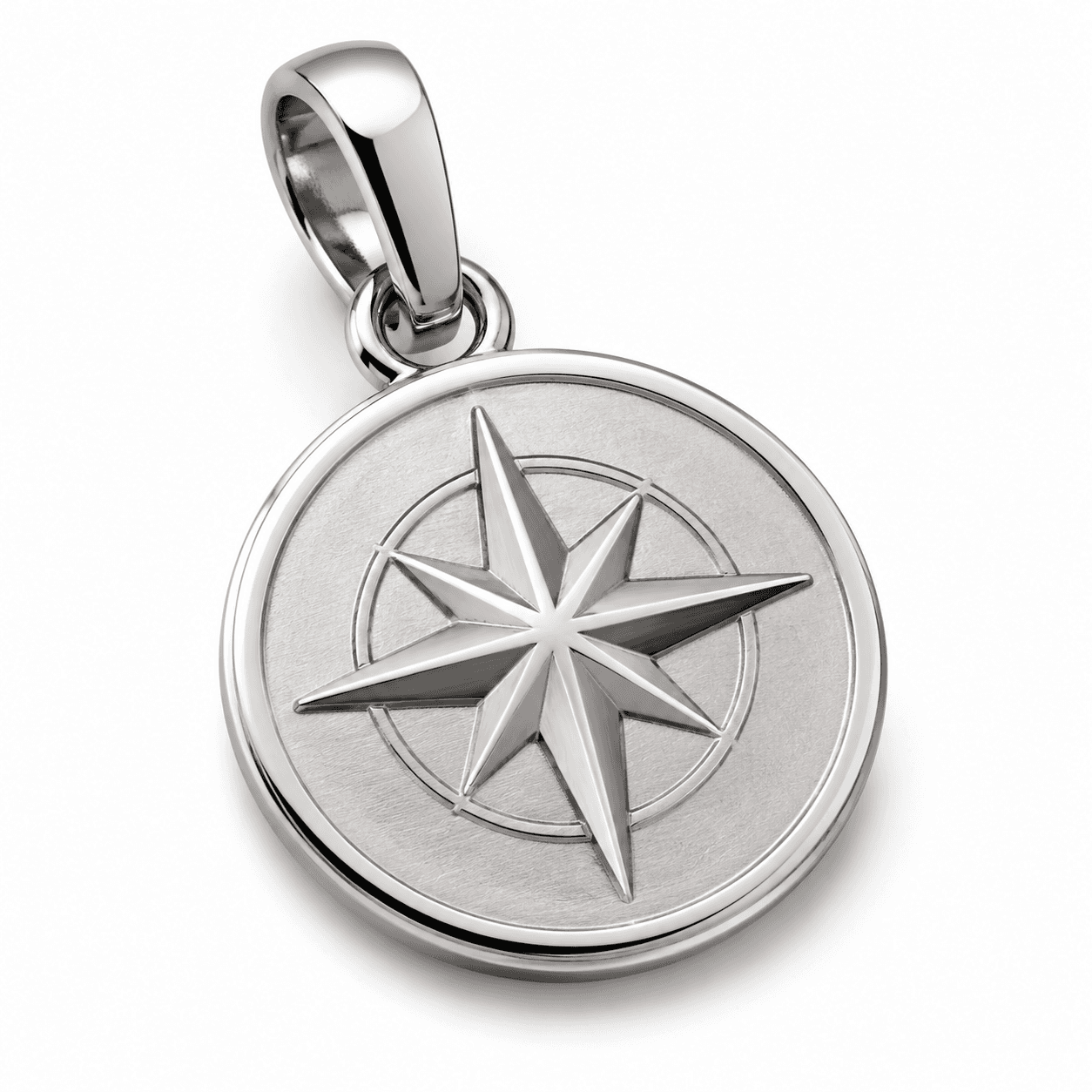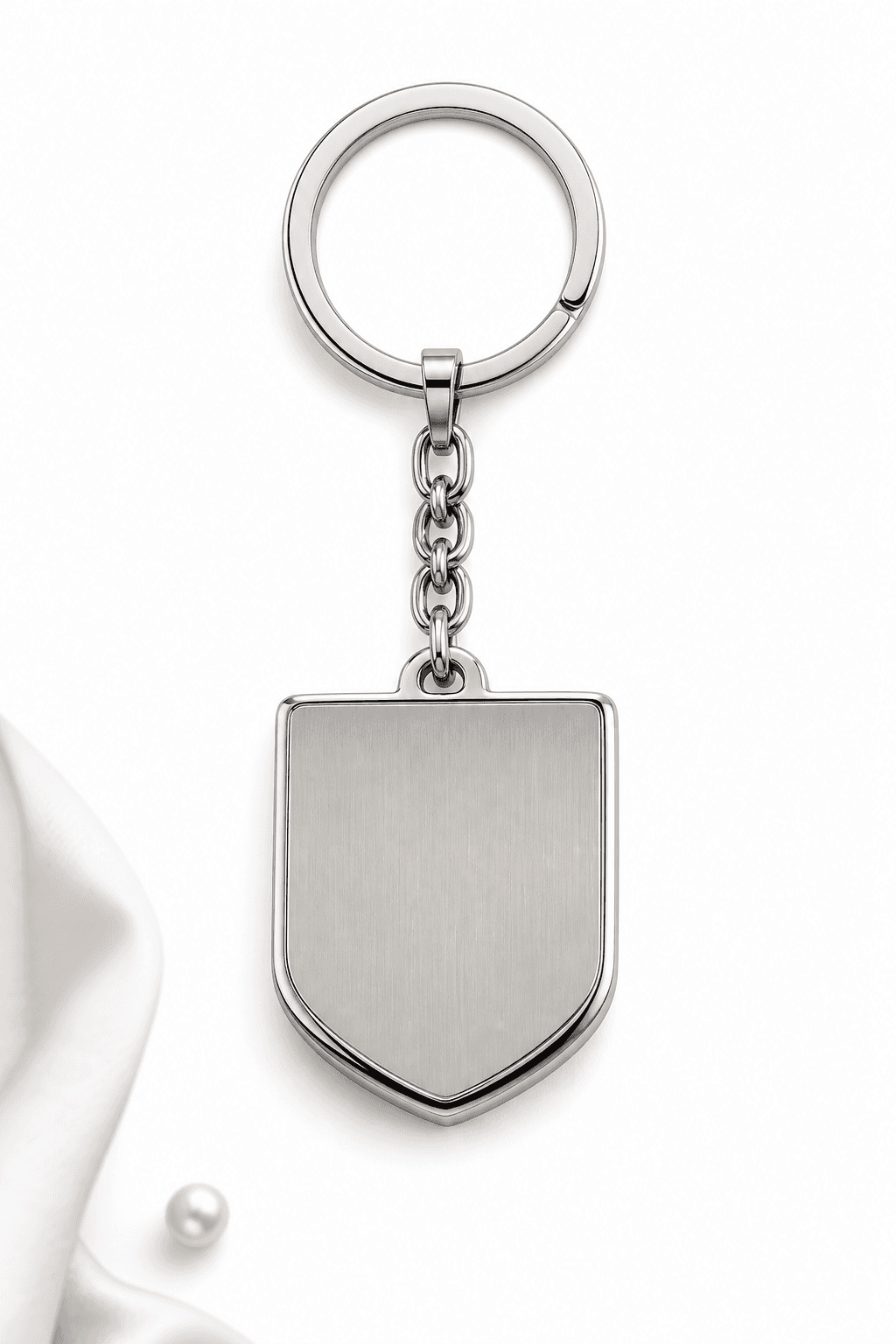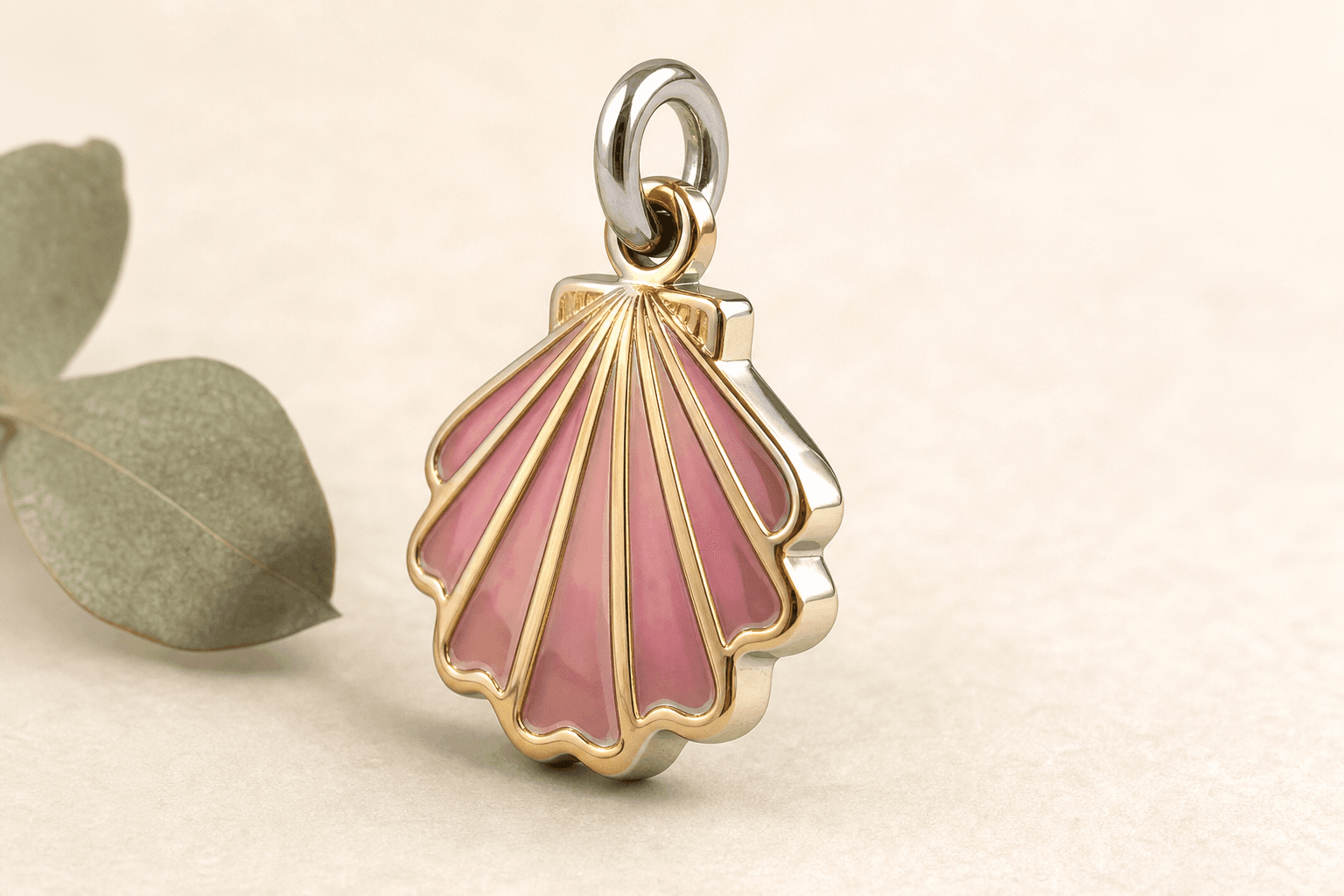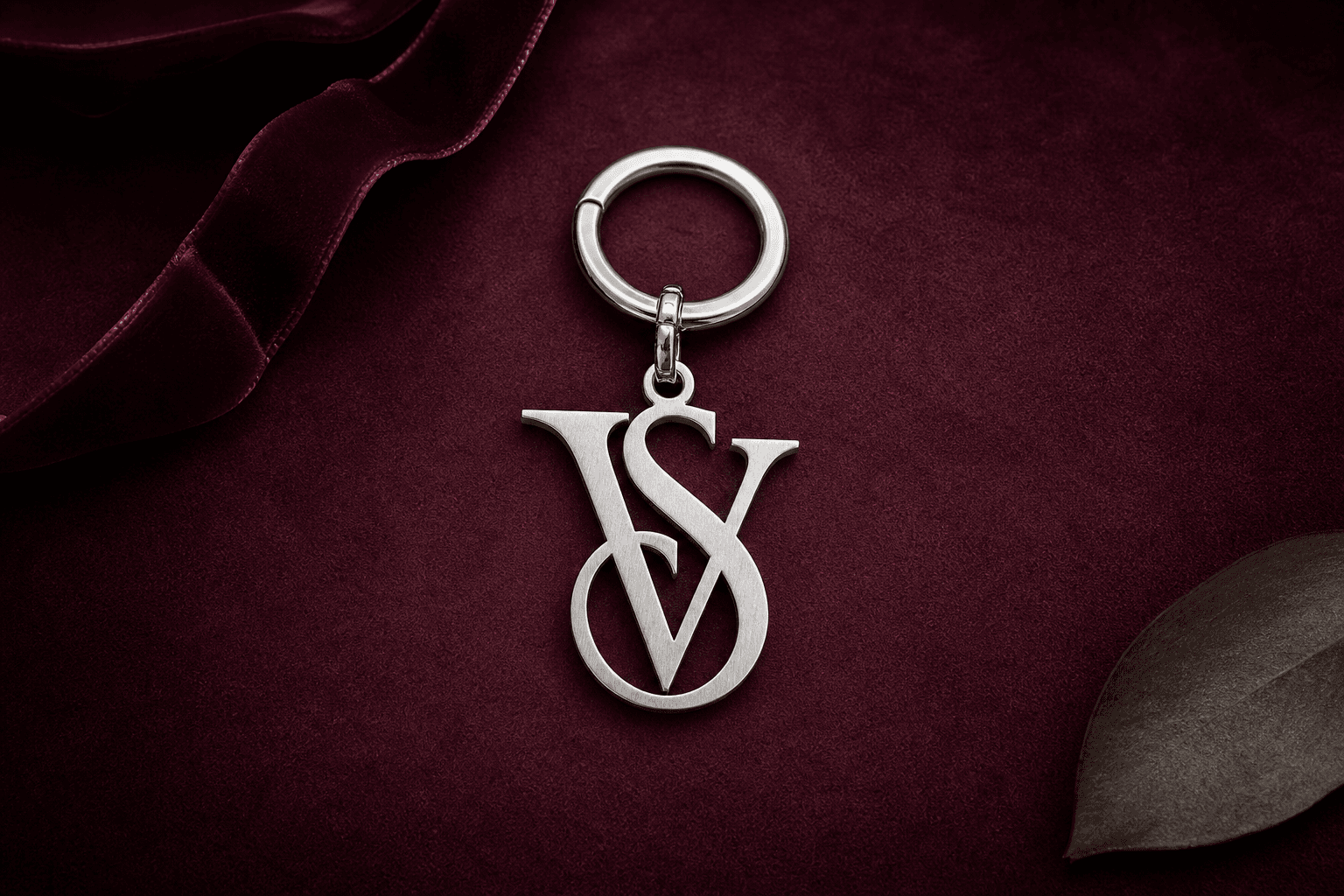
For boutique charm programs, the base material drives longevity, finish, and cross-market performance. 316L stainless steel is the benchmark for durable, fashion-focused keychain charms designed for daily handling and global distribution. This guide outlines material science, processing controls, and practical steps for OEM/ODM teams partnering with a stainless steel charms manufacturer to deliver reliable, scalable products.
316L stainless steel keychain charms: core material advantages
316L stainless steel provides corrosion resistance, low carbon content that improves weldability, and ductility for small, detailed geometries. This makes it ideal for keychain charms that see moisture, sweat, and frequent handling. As a stainless steel charms manufacturer, we emphasize traceability and batch consistency to support private-label and wholesale programs.
Why 316L matters for charm programs
- Corrosion resistance: The Mo-containing microstructure helps resist chloride-induced degradation in humid environments and everyday wear.
- Formability and finish: The austenitic structure remains ductile for laser engraving, enamel filling, and delicate motifs without cracking.
- Weldability and assembly: Low carbon content reduces sensitization risk during joining steps, preserving surface integrity for plating and finishes.
Global programs benefit from a stable base that supports consistent aesthetics across markets such as the US, EU, UK, AU, CA, DE, FR, ES, NE, and RU. As a leading stainless steel charms manufacturer, we provide full material traceability to support private-label documentation and RFQ dossiers.
PVD plating on 316L: adhesion, thickness, and color control
Physical Vapor Deposition (PVD) plating is a standard method to achieve color and finish variety on 316L charms — from gold to rose gold and silver-like tones. The substrate's ductility and careful surface preparation enable robust coating adhesion. Key considerations include:
- Surface preparation: Degreasing, polishing, and ion cleaning ensure active sites for coating deposition.
- Coating thickness and adhesion: Controlled thickness (often in the micron range) balances wear resistance with detail preservation for engraving and enamel fills.
- Coating performance: PVD finishes offer strong color stability and resistance to wear, with proper QA cycles across batches.
For OEM/ODM programs, partnering with a factory that delivers repeatable plating quality at scale is critical. Our facility supports CNC, laser cutting, laser marking, welding, and polishing to ensure consistent plating outcomes across BOMs and runs.
Surface finishes: enamel, crystal inlay, and color plating
Finish choices extend the perceived value and marketability of a 316L stainless steel charm. Each option interacts with the base material differently:
- Enamel color filling: Vibrant hues require thorough engraving depth and surface preparation. Multi-step curing and sealing help resist chipping and color migration over time.
- Crystal inlay: Sparkle adds appeal but requires precise seat design and robust edge definition. The 316L substrate aids seat integrity during assembly and wear.
- PVD color plating: Durable gold, rose gold, or silver tones provide uniform finishes. Ensure engraving lines remain sharp after plating to preserve detail.
From a design perspective, consider how each finish influences tactile feel, reflectivity, and perceived value. For supply chains, a consistent finish specification and batch traceability are essential for multi-market programs.
Mechanical properties and manufacturability
316L stainless steel is valued for machinability, strength, and corrosion resistance. When producing small charms with detailed engravings or inlays, manufacturers should plan for:
- Machinability: Stable cutting parameters and tool materials minimize burrs and work-hardening during engraving.
- Heat treatment: Post-forming annealing may relieve residual stresses but must be market-relevant plating and enamel steps.
- Welding and assembly: If parts are joined (e.g., bail or jump ring integration), welding must avoid distortion of motifs and maintain surface finish for plating.
- Tolerances: Tight tolerances ensure compatibility with standard jump rings, clasps, and hardware in multi-part assemblies.
By planning these interactions at the design stage, private-label programs can minimize rework and accelerate go-to-market timelines, delivering reliable lead times for wholesale and private-label buyers.
Benefits and why it matters for your program
Key benefits (with certifications)
- Global compliance: RoHS and REACH alignment supports worldwide distribution, with documentation to verify batch compliance.
- Material integrity: 316L stainless steel’s low carbon content supports plating adhesion and long-term appearance retention.
- Manufacturability and scale: Modern facilities with CNC, laser, welding, and polishing deliver repeatable outcomes from prototype to bulk orders.
- OEM/ODM readiness: Low MOQ options, fast sample development, and private-label packaging support align with boutique brands and private-label buyers seeking speed to market.
Supply chain reliability and global production fit
Consistency across markets is essential for global brands. The 316L base, combined with controlled finishing and plating, enables uniform aesthetics for key regions worldwide. A rigorous QA regime, traceable BOMs, and batch-specific test results (salt spray, nickel release, etc.) support confident RFQs and supplier dossiers for wholesale and private-label programs.
Prototyping and production: practical steps for success
Step-by-step: material choice, design, and testing plan
Step 1 — Define alloy spec and tolerance
Establish a clear specification for the 316L stainless steel base: maximum carbon content, allowed impurities, and surface finish targets. Set tight tolerances for critical dimensions (hole diameter for jump rings, bail thickness, silhouette, engraving depth) to ensure compatibility with standard hardware. Documentation should include chemical composition certificates and raw-material traceability to support private-label and OEM documentation.
Step 2 — Prototyping and sample development
Develop initial prototypes using CNC and laser processes to verify form, tolerance, and surface integrity. Include an initial plating test (PVD) to verify adhesion and color uniformity. For enamel or crystal-inlay variants, run small pilot lots to assess fill quality, crack resistance, and edge finishing. Ensure engraving depth and line-work survive plating and finishing without loss of detail.
Step 3 — Finishing and plating selection
Choose plating and finish strategies aligned with market expectations. For PVD, specify coating type, thickness, and target color. For enamel, define fill materials, curing temperatures, and gloss level. For crystal inlays, verify seat geometry and adhesive compatibility with stainless steel substrates. Document the process parameters to enable batch-to-batch reproducibility.
Step 4 — Testing and validation
Adopt a robust test plan that includes:
- Nickel release testing (EN1811) to verify low nickel migration in consumer-contact areas.
- Salt spray (ASTM B117) or equivalent corrosion testing with declared cycle counts.
- Adhesion tests for enamel and crystal inlays, and coating adhesion tests for PVD finishes.
- Mechanical durability tests for jump rings and clasps to ensure functional reliability under repeated handling.
Step 5 — Private-label packaging and QA
Define private-label packaging requirements (branding, inserts, instructions) and implement QC checkpoints at each stage: incoming material, in-process plating or enamel fill, final assembly, and packaging. Document lot traceability and post-production inspection criteria for wholesale or bulk orders, enabling confident RFQs and reorders.
FAQ
Q1: Why is 316L stainless steel preferred for keychain charms?
A1: 316L stainless steel offers excellent corrosion resistance, especially in chloride environments, and its low carbon content supports better weldability and reduced carbide precipitation. This makes it well-suited for small, intricate charms that undergo finishing, plating, and enamel fills while maintaining structural integrity over time.
Q2: How does PVD plating affect wear and color stability on 316L charms?
A2: PVD plating provides a hard, adherent surface with excellent color stability and wear resistance. With proper pre-plating surface preparation and controlled deposition parameters, 316L substrates achieve uniform color across complex shapes. Regular quality checks help maintain consistency across batches.
Q3: What is the typical lead time for an OEM/ODM private-label charm program?
A3: Lead times vary by scope but typically range from prototype development (2–4 weeks) to small-batch production (4–8 weeks) and bulk orders (8–14 weeks), depending on design complexity, finish options, and packaging requirements. Working with a partner that offers fast sample development and low MOQ can accelerate time-to-market for boutique brands.
Q4: What certifications or tests should I look for in a supplier’s documentation?
A4: Look for RoHS and REACH compliance, EN1811 nickel-release testing results, and salt spray data. Material certificates, process control records, and batch-specific test results support RFQs and regulatory needs across markets.
Call to action: Partner with us
If your team seeks a reliable, technically proficient partner for 316L stainless steel keychain charms, consider Lancy Jewelry as your OEM/ODM source. Our modern facility supports CNC, laser cutting, laser marking, welding, and polishing, with a proven track record in private-label packaging, sample development, and scalable production. We help you define material specs, establish finish strategies, and implement rigorous QA to meet cross-market demands. Reach out to discuss custom manufacturing, private-label opportunities, or bulk orders via our OEM service page at /oem, or request a formal quote through /cart. You can also contact us directly for partnership inquiries at /contact.
For ongoing catalog browsing and product ideas, explore our collections and related components at /All Products and our accessory ranges in the Chains, Clasps, and Key Rings sections: /collections/chains, /collections/clasps, /collections/key-rings.