Procurement teams sourcing character-themed keychain charms for private-label programs face a demanding checklist: material integrity, supplier risk, and time-to-market. This guide, grounded in material science and rigorous vendor vetting, helps you navigate the supply ecosystem for 316L stainless steel character charm keychains with confidence. The emphasis is on publicly verifiable properties of 316L stainless steel, factory capabilities, and compliant documentation that supports risk-managed sourcing across markets.
Stainless Steel Character Charm Keychain: Vetting Suppliers for 316L Charms
Define your sourcing scope and critical specs
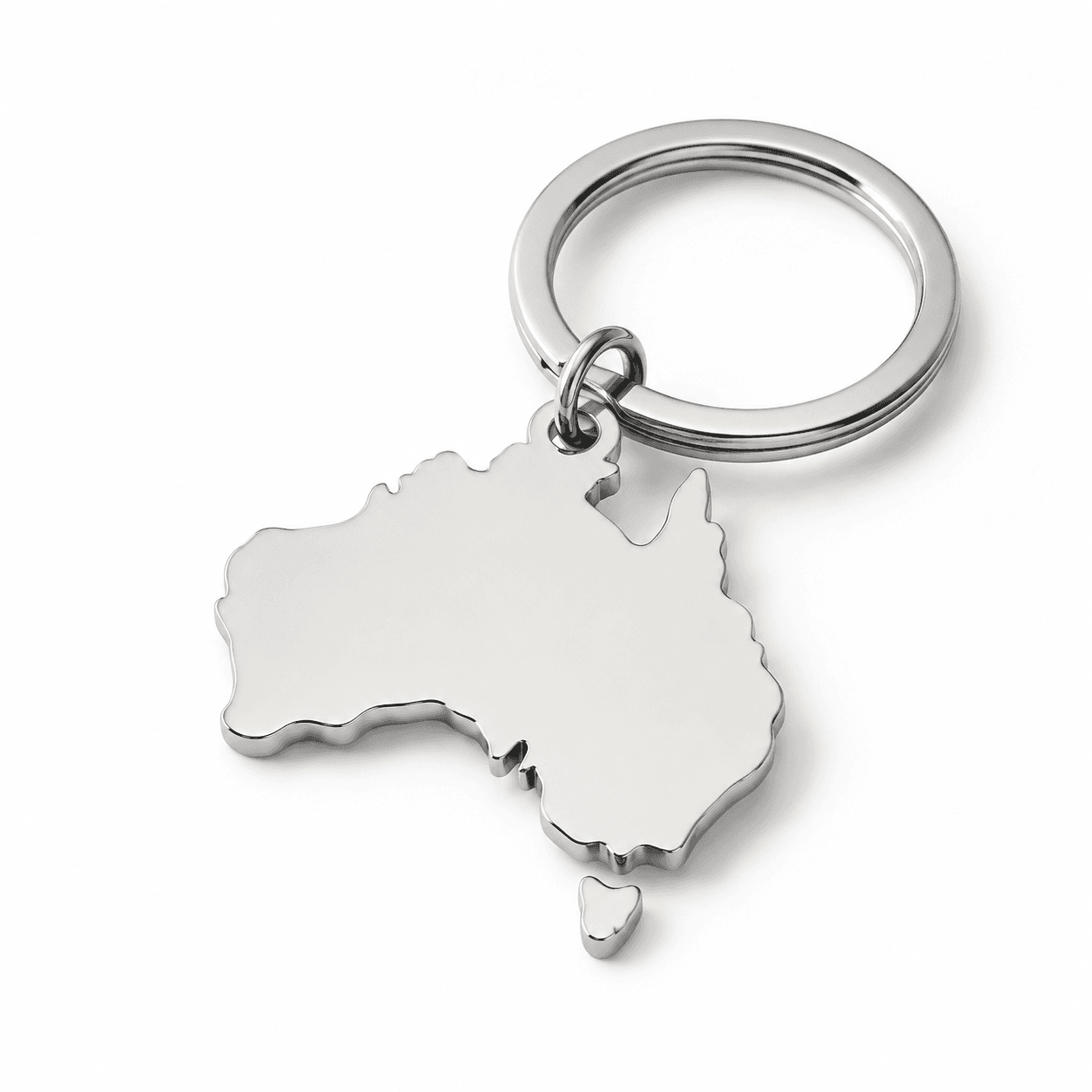
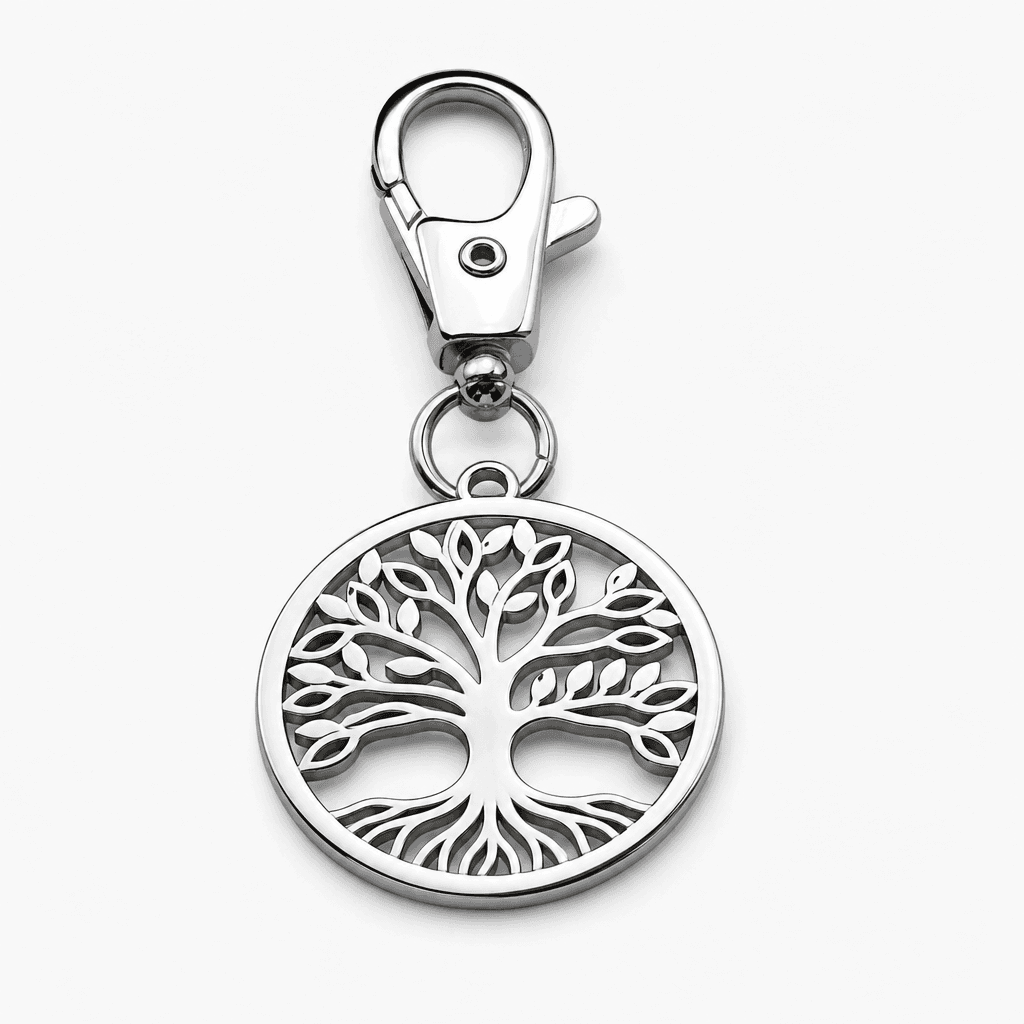
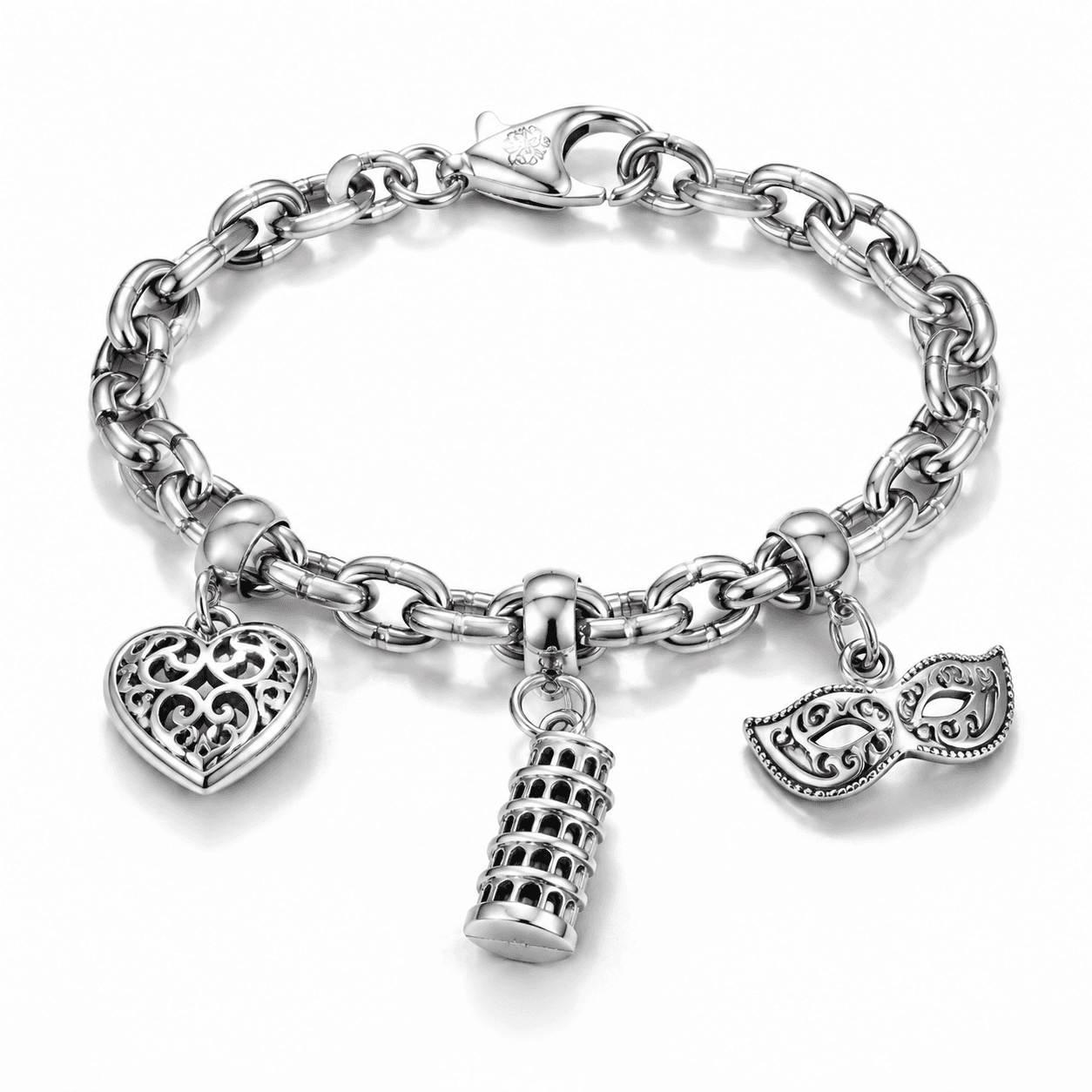
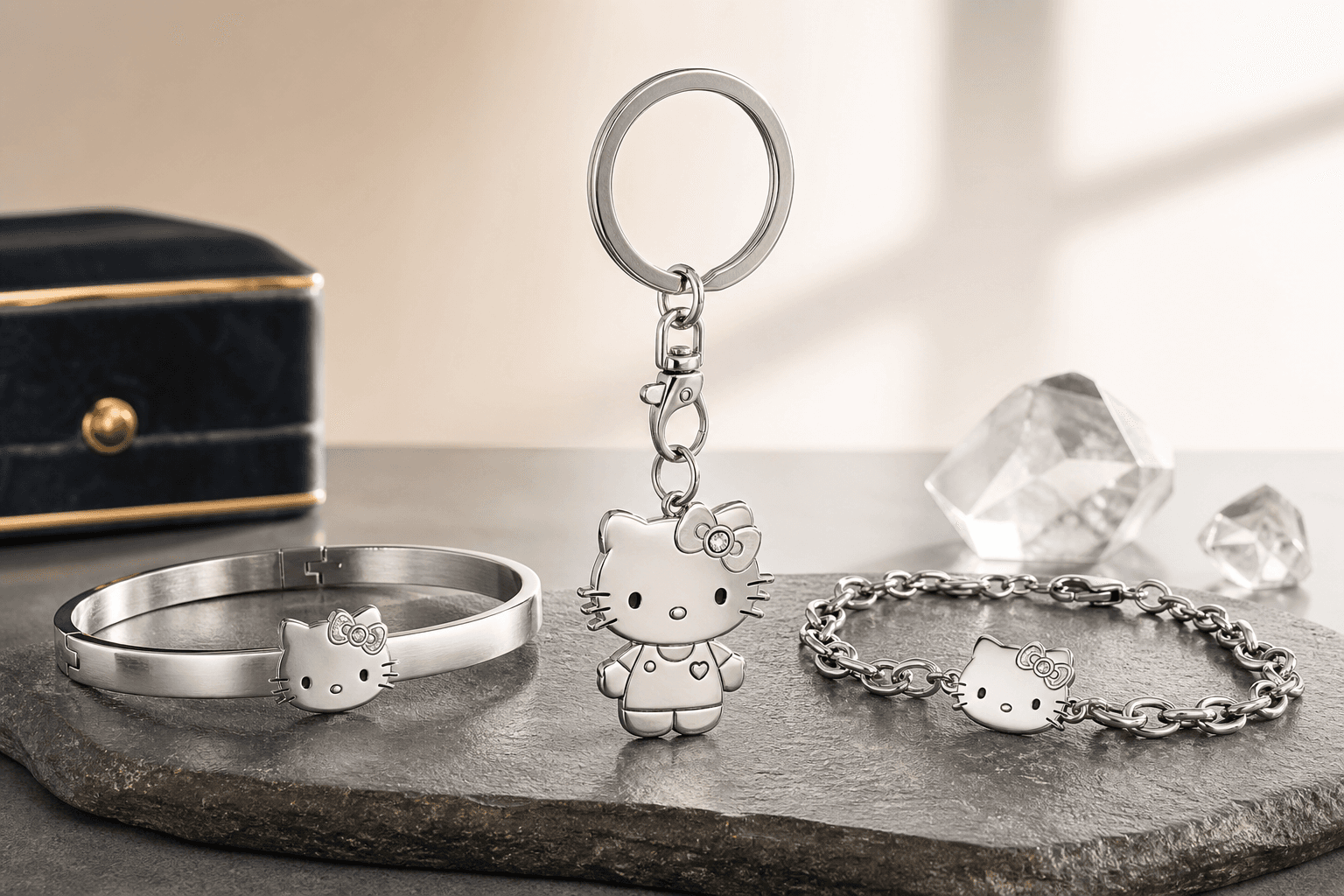
Begin by translating product goals into concrete specifications. Document dimensional ranges (8–18 mm typical charm size), finish options (PVD gold plating, silver finish, rose gold plating, enamel, crystal inlay), and functional requirements (bail/jump ring compatibility, hole diameter, and plating thickness targets). Clarify private-label packaging needs, sample cadence, and lead times to align with global procurement calendars. As a baseline, specify that all base components must be 316L stainless steel charms, with a clear statement of non-negotiable regulatory and performance requirements. For supplier outreach, reference OEM/ODM capabilities and private-label packaging as core competencies in the supplier brief, ensuring they understand your private-label program expectations. For potential partners, direct them to our OEM service page for a formal capability comparison and RFQ process: OEM Service and Request a Quote.
Assess material chemistry and 316L properties
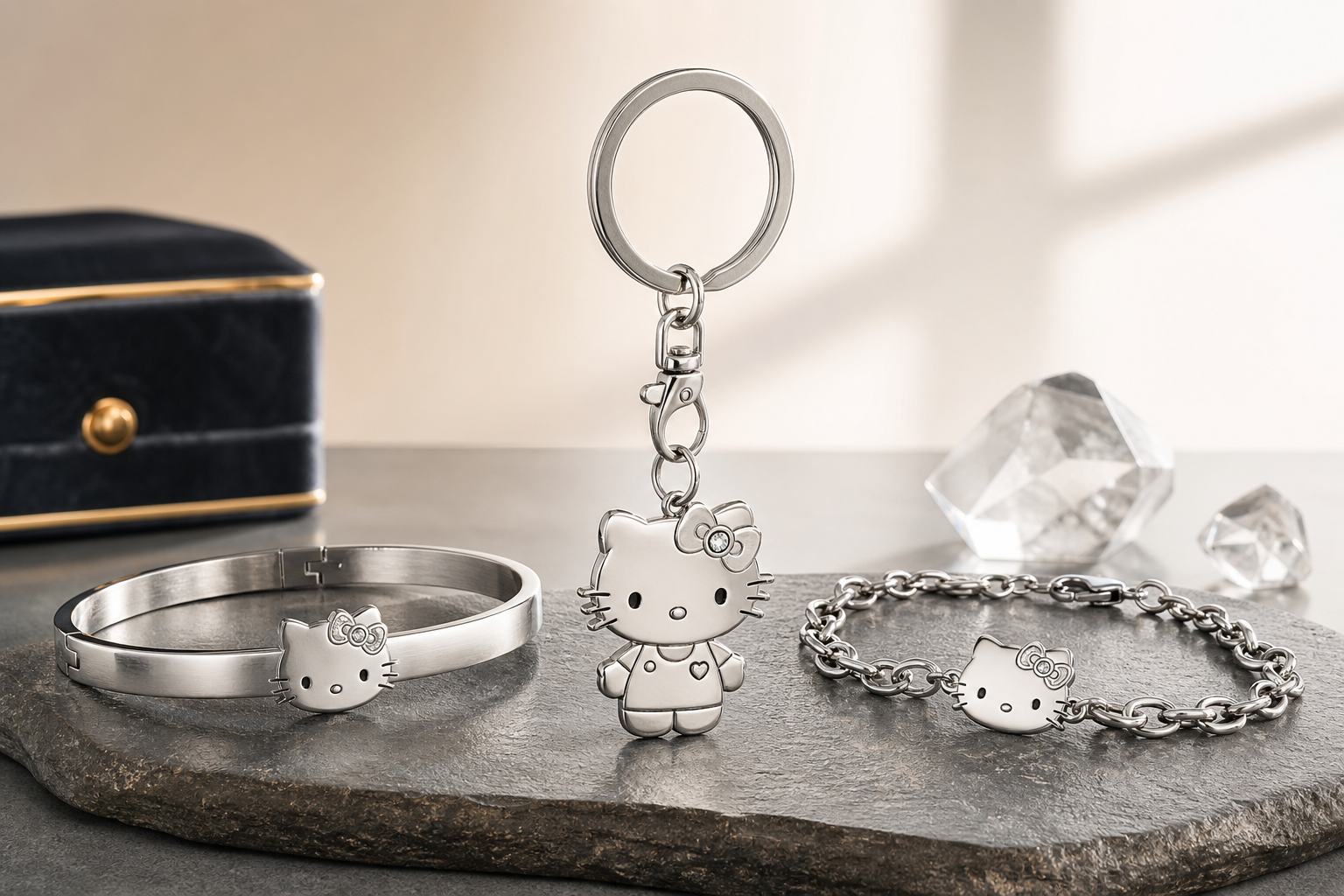
316L stainless steel is chosen for its corrosion resistance, biocompatibility, and formability. Request precise alloy composition data, heat treatment history, and mechanical properties for the produced base charms. Look for low-carbon 316L to minimize sensitization and ensure consistent weldability during laser cutting, welding, and finishing. The supplier should demonstrate stable chemistry and solid metallurgical controls across heat cycles and surface finishing processes. Pay particular attention to nickel release controls and compliance with EN1811 nickel release testing when applicable, as this directly impacts cross-market acceptance and consumer safety. Tie material science expectations to finishing options like PVD plating thickness, enamel fill density, and crystal-setting durability, which together determine performance in daily wear and long-term use. For reference on compliance, verify SGS certifications (RoHS, REACH, Nickel Release EN1811, Salt Spray 240H) are current and traceable to the production lot.
Request documentation and compliance evidence
Urgently request a Material Data Sheet (MDS), Mill Test Reports (MTRs), process flow diagrams, and quality-control plans. Verify that the supplier maintains traceability from raw material receipts to finished charm packaging. A thorough documentation package includes: material chemistry, coating or plating specification, process control limits, test certificates, and safety data sheets. Cross-check that the MDS aligns with your internal compliance requirements and cross-market regulations. For privacy and security, ensure data access is governed by non-disclosure agreements and formal RFQs. If you need guidance on documentation, consult our OEM services portal and proceed with a formal RFQ via the cart: Request a Quote or review capabilities at OEM Service.
Evaluate manufacturing capabilities and finishing options
Advanced 316L stainless steel charm production relies on a modern facility with CNC machining, laser cutting, laser marking, welding, and polishing—precisely the capabilities described in our factory profile. Assess whether the supplier can deliver the required finishes (PVD plating, enamel color filling, silver finish, rose gold) with reproducible thickness and uniform appearance across batches. Confirm their ability to perform logo engraving for private-label branding and ensure that the plating system maintains thickness and adhesion under rolling wear and cleaning processes. A critical test is plating consistency across a sample set and batch runs, including adhesion, wear resistance, and corrosion performance. If a supplier cannot demonstrate consistent plating across a representative sample, consider escalating to another vetted partner. For potential partners, visit our OEM service page to understand private-label packaging and sample development workflows: OEM Service.
Plan the sample development and testing cycle
Sample development is the fastest way to validate design intent and manufacturing readiness. Define target lead times (e.g., 2–3 weeks for first samples, with subsequent iterations shorter) and establish acceptance criteria for dimensional tolerance, finish quality, and structural integrity of the bail and loop connections. The sample package should include the base charm plus one or more variant finishes (PVD gold, silver, rose gold; enamel fills; crystal inlays) to confirm visual consistency and functional performance. Tie this stage to a formal BOM (bill of materials) and a test plan covering corrosion resistance, salt spray exposure, and mechanical wear. For buyers seeking scale, emphasize that Lancy supports low MOQ charm production and rapid sample development, aligning with global sourcing timelines. When ready, route sample requests through our RFQ process at Request a Quote and review related capabilities at OEM Service.
Quality control, testing, and risk management
Quality control is the backbone of reliable supply. Demand a formal QC plan that includes in-process checks, final inspection criteria, and batch-level traceability. Key tests should cover dimensional accuracy, plating thickness uniformity, adhesion, and finish durability under standard cleaning cycles. Nickel release tests and salt-spray corrosion tests offer additional assurance for multi-market acceptance. Ensure the supplier adheres to a documented corrective-action process and maintains a non-conformance log with defined response times. From a risk-management perspective, require supplier audits, site visits, and third-party inspection options for high-volume, private-label deployments. Our platform supports manufacturers and suppliers with structured VOCs in the supply chain, aligning with global compliance needs. For next steps, engage with our private-label capabilities through the OEM channel and request formal documentation via Request a Quote or Contact for direct supplier assessments.
Commercial terms, MOQ, and logistics
Part of vetting is aligning on economics and delivery terms. Seek clarity on MOQs, price bands, unit costs for private-label packaging, and any setup fees for custom shapes or finishes. Evaluate logistics options, including lead times for manufacturing, plating, and packaging, plus shipping terms (FOB, CIF) and incoterms familiarity. If your program demands frequent reordering, negotiate favorable MOQ reductions and tiered pricing aligned to forecasted annual volumes. A reputable supplier should offer transparent pricing structures and a clear path to scale via OEM or ODM engagement. For streamlined collaboration, explore our private-label packaging solutions and sample development workflows in the OEM space: OEM Service and plan orders with a formal quote at Request a Quote.
Conduct site audits and finalize supplier selection
Site audits remain a decisive step in risk mitigation. If travel is constrained, substitute with remote audits supported by audit questionnaires, process videos, and third-party inspection reports. Focus areas include process controls for CNC cutting, laser finishing, metal finishing, and final packaging workflows. Confirm that the facility’s certifications align with the product’s market targets (SGS RoHS/REACH, Nickel Release EN1811, Salt Spray 240H) and that traceability records map to batch-level data. After completing audits and confirming sample approval, finalize the contract with well-defined IP protection, NDA clauses, and a robust change-control process for any future design or finish updates. When you’re ready to move into production, our platform’s OEM/ODM capabilities and private-label packaging services are designed to support seamless scale: OEM Service and Request a Quote.
Benefits/Why it matters
Material reliability and corrosion resistance
The core advantage of sourcing 316L stainless steel character charm keychains lies in material stability under varied environments. 316L’s low carbon content improves weldability and reduces carbide precipitation, contributing to predictable mechanical properties during machining, plating, and finishing. This stability, combined with proper heat treatment and controlled plating processes, yields consistent surface finishes that resist tarnish and corrosion across markets with diverse humidity and salt exposure. When evaluating suppliers, prioritize those with documented 316L discipline, plating consistency, and process controls that protect from micro-cracking and delamination under daily wear. Our factory setup supports these capabilities with CNC, laser cutting, welding, and polishing, delivering uniform results across batches while maintaining the aesthetic integrity of finishes like PVD gold plating and enamel fills. For private-label launches, these material attributes translate into reliable product performance across regional markets and brand-consistent color finishes.
Regulatory compliance and traceability
Regulatory alignment across US, EU, UK, AU, CA, DE, FR, SP, NE, RU markets necessitates robust documentation. SGS-certified RoHS, REACH, Nickel Release EN1811, and Salt Spray 240H attest to compliance and durability. A compliant supplier will provide a materials-and-process trail that enables easy audits and reduces vendor risk during vendor qualification. Traceability enables batch-level recall if needed and supports private-label branding by ensuring consistent batch data accompanies each lot. Integrate these certificates into supplier scorecards and vendor review templates, reinforcing procurement decisions with objective evidence rather than opinion. Our governance framework emphasizes such certifications as a baseline for long-term partnerships with OEM/ODM capabilities and private-label packaging alignment. For procurement workflows, reference the OEM service and RFQ processes to formalize documentation and testing sequences: OEM Service and Request a Quote.
Private-label readiness and packaging integration
Private-label programs demand packaging, branding, and documentation that align with partner expectations. A capable supplier offers logo engraving, enamel color options, crystal inlay choices, and bespoke packaging that matches your brand language. Ensure the supplier can scale from sample development to bulk orders with consistent color fidelity, plating quality, and packaging integrity. Private-label readiness reduces time-to-market and improves buyer confidence in cross-market launches. Leverage our proven private-label packaging capabilities and sample-development support to accelerate your program lifecycle. For a direct route to these services, explore our OEM/ODM offerings at OEM Service and begin with a targeted quote at Request a Quote.
Certifications as risk mitigators
Certification presence is a practical risk-control lever for global buyers. SGS-certified RoHS, REACH, Nickel Release EN1811, and Salt Spray 240H demonstrate that the supplier maintains compliance across product design, materials, and finishing processes. These credentials reduce the compliance burden on procurement teams and facilitate faster approvals within multinational supply chains. In addition to certifications, insist on routine third-party inspection and transparent quality records for ongoing production. The combination of 316L stainless steel chemistry, controlled finishing processes, and verifiable certifications forms a robust foundation for scalable, private-label charm programs. To engage suppliers with these capabilities, initiate the process via our RFQ portal and connect with the OEM service team for tailored solutions: Request a Quote and OEM Service.
Detailed analysis/Guide
-
Step 1 — Define requirements and product scope
Capture the exact charm form factor (8–18 mm typical), bail/jump ring compatibility, and finish variants required for the program. Align on packaging, labeling, and branding needs for private-label deployment. Create an RFQ narrative that highlights 316L stainless steel as the base material, PVD/plating options, enamel and crystal features, and the necessity of SGS-certified compliance. Include a request for OEM/ODM capabilities and private-label packaging options to ensure scalability. For supplier outreach, reference our OEM capabilities and private-label packaging as part of the evaluation framework: OEM Service and Request a Quote.
-
Step 2 — Confirm material chemistry and alloy composition
Request exact 316L chemical composition, including chromium, nickel, molybdenum, carbon content, and ferrite content specifications. Validate corrosion resistance, weldability, and heat-treatment history. Correlate material data with plating processes to anticipate adhesion and coating stability. Ensure that the supplier can demonstrate consistent 316L base material characteristics across multiple production lots. Tie this to your finish strategy (PVD, enamel, crystal inlay) to prevent mismatch between substrate and surface layer. The goal is predictable performance in a globally distributed private-label program. For reference and next steps, discuss options via our OEM service team and begin formal documentation through Request a Quote.
-
Step 3 — Review documentation and compliance evidence
Evaluate the completeness and currency of MDS, MTRs, test certificates, and process flows. Ensure the supplier’s documentation covers RoHS and REACH declarations, EN1811 nickel-release data, and salt-spray test results. Verify that certificates map to the production lots you will source. Establish a documentation control plan for ongoing supply, including versioning and change notification procedures. If a supplier cannot provide the required documents on demand, deprioritize them. Use the OEM/ODM documentation pathways and RFQ processes to formalize this relationship: OEM Service and Request a Quote.
-
Step 4 — Assess manufacturing capabilities and finishing controls
Audit the factory’s CNC, laser-cutting, welding, and polishing capabilities. Inspect plating systems for consistency, adhesion, and color fidelity across finishes (PVD gold plating, silver finish, rose gold plating). Validate that enamel and crystal-inlay processes achieve uniform depth, opacity, and durability. Confirm engraving capabilities for private-label logos and ensure that branding does not compromise structural integrity. If possible, review process-control charts, plating thickness specifications, and post-process inspection procedures. Ensure that the supplier can support low MOQs with scalable production as demand grows, aligning with wholesale or private-label channel needs. For a guided path, connect with our OEM service team to align on capabilities and packaging: OEM Service.
-
Step 5 — Plan sample development and testing cycles
Define the sample package, anticipated lead times, and acceptance criteria. Include base charm samples in multiple finishes, along with a control sample for dimensional and surface-quality benchmarks. Create a test plan covering mechanical wear, plating adhesion, corrosion resistance, and nickel-release performance. Align sample development with the private-label packaging and branding needs so the first production run can immediately feed into marketing assets. Use the sample phase to verify compatibility with your chosen private-label packaging and engraving options. Initiate sample development through the RFQ channel and pursue formal confirmation via Request a Quote if timing is critical.
-
Step 6 — Conduct site visits or remote audits
Plan for on-site audits or rely on remote assessments when travel is restricted. Focus on cleanliness, process controls, quality teams, and data traceability. Ensure that the facility’s capabilities align with your private-label packaging and branding standards. Prepare a supplier audit checklist that maps to your risk tolerance and market requirements. Post-audit, request corrective-action plans for any gaps identified and track closure within agreed timelines. For global procurement teams, this is a critical step before finalizing vendor selection and moving into larger-volume production via OEM/ODM channels: OEM Service.
-
Step 7 — Negotiate terms and finalize the contract
Agree on pricing tiers, MOQs, lead times, packaging specifications, and branding rights. Include a formal change-control and IP protection clause to safeguard private-label assets. Define the acceptance criteria for initial lots, establish a clear return policy for non-conforming units, and set milestones for scale-up. Ensure that the contract references applicable certifications and a robust quality-assurance framework. For procurement teams seeking a trusted partner, initiate discussions with Lancy’s private-label and OEM/ODM capabilities through our formal channels: OEM Service and Request a Quote.
-
Step 8 — Monitor performance and sustain supplier relationships
After kickoff, implement regular performance reviews, quality metrics, and supply-chain risk indicators. Maintain ongoing documentation, audit compliance, and certification updates. Establish a cadence for requalification and continuous improvement, ensuring that 316L stainless steel charm keychains retain their specification and aesthetic across seasons. Leverage the vendor network for long-term partnerships that support wholesale and private-label expansion, with ongoing access to sample development and early-access private-label packaging options via our OEM services: OEM Service and Request a Quote.
FAQ
What defines 316L stainless steel for charms?
316L is a low-carbon austenitic stainless steel grade known for excellent corrosion resistance, formability, and weldability. It contains chromium, nickel, and molybdenum to resist chlorides and other aggressive environments. For charms, 316L provides a stable substrate that supports precise finishing processes (PVD plating, enamel filling, crystal inlays) while maintaining structural integrity through repeated handling and wear. Use of 316L as the base material aligns with global market expectations for durable, non-reactive base metals in giftable accessories. Suppliers should provide detailed chemical specs and a clear traceability path from raw material to finished product, supported by SGS or equivalent certifications where applicable.
How do I verify supplier compliance with RoHS, REACH, and related standards?
Request current certificates and test reports, then perform cross-checks against your internal compliance matrix. RoHS declarations confirm restricted hazardous substances, REACH compliance ensures chemical safety for the EU market, and EN1811 nickel-release testing specifically addresses potential irritation risks. Salt spray tests demonstrate corrosion resistance in saline environments common in coastal markets. The combination of these documents and test results provides a reliable basis for approving supplier performance in a global multi-market program. For ongoing compliance, maintain a rolling dossier with updated certificates tied to production lots and enforce a schedule for revalidation at defined intervals. If you need a vetted supplier for these criteria, our OEM service offering and private-label packaging options are designed to streamline this process: OEM Service and Request a Quote.
What MOQs and sample-development timelines should I expect?
Low MOQ support is a key value proposition for boutique brands and private-label buyers. Typical sample development cycles range from 1–3 weeks for initial concepts to 2–4 weeks for comprehensive finish variants and engraved logos. MOQs vary by finish complexity and packaging, but many qualified suppliers align MOQs with private-label programs to enable market testing and small launches. When planning global sourcing, align MOQs with quarterly volume forecasts and build in lead-time buffers for private-label packaging and engraving work. For assistance with private-label and OEM programs, engage our OEM service team and start the RFQ process via /cart.
How quickly can I move from supplier qualification to production?
With a competent 316L stainless steel charm supplier that has established private-label and OEM capabilities, a well-documented vetting process can transition to production within 4–8 weeks after a successful sample approval and contract signing. The timeline depends on sample acceptance, packaging finalization, and alignment on branding assets. To accelerate this path, use our documented OEM/ODM workflow and initiate formal quotes through Request a Quote or connect with our team via Contact for direct program discussion.
Call to action
Partner with Lancy Jewelry for a reliable, factory-direct solution to private-label and OEM stainless steel character charm keychains. Our modern facility supports CNC, laser cutting, welding, polishing, and finishing with plating, enamel, and crystal options. We offer SGS-certified compliance, low MOqs, rapid sample development, and scalable private-label packaging to help your brand launch or expand globally. Begin with a formal RFQ at Request a Quote, explore detailed capabilities at OEM Service, and reach out through Contact to schedule a supplier evaluation.