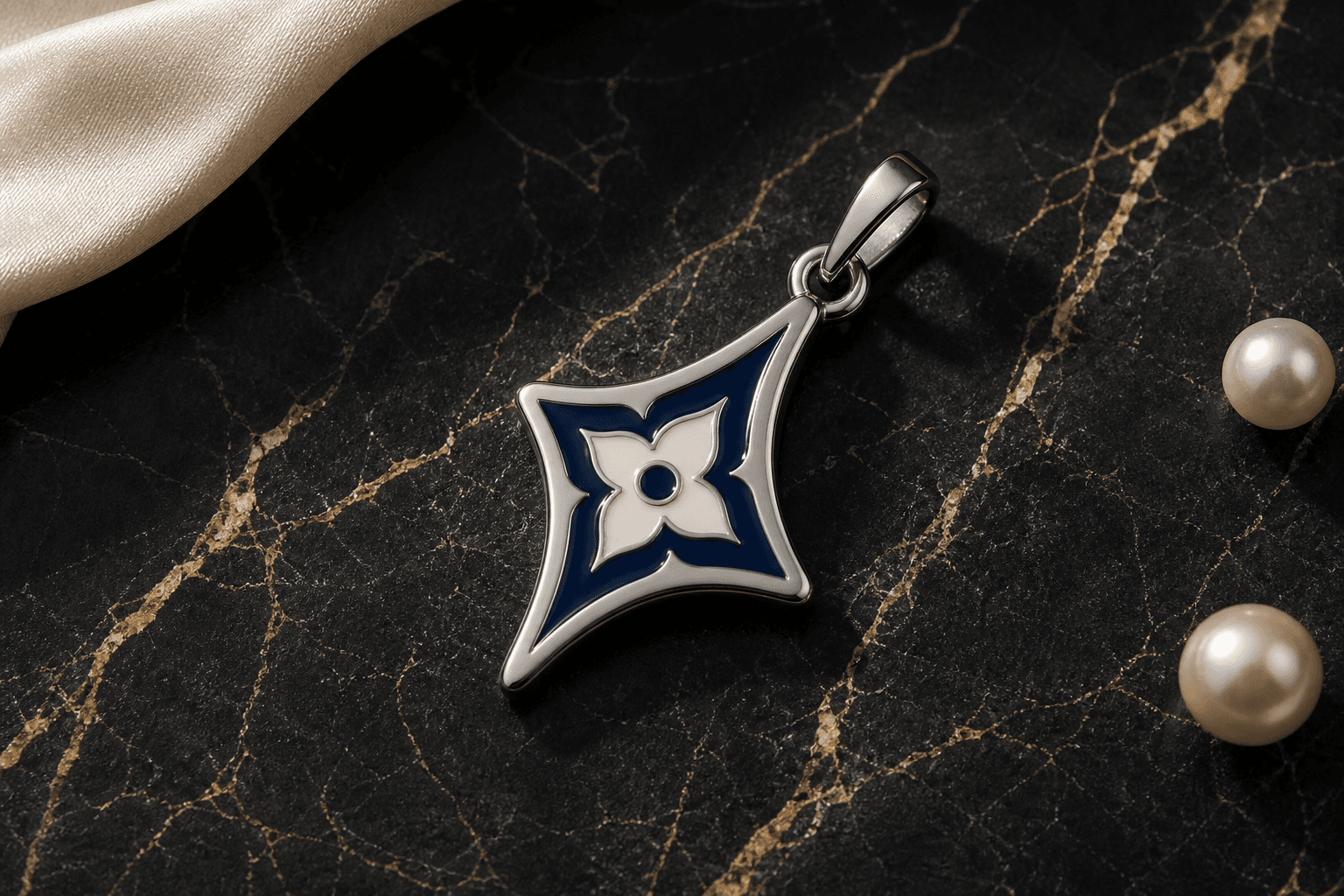
In the boutique charm space, material science determines whether an enamel design survives the rigors of daily wear while delivering consistent color and finish for private-label programs. This technical deep dive focuses on stainless steel enamel charms built on 316L stainless steel, a base material chosen for corrosion resistance, formability, and process compatibility. As a stainless steel charms manufacturer, Lancy Jewelry combines metallurgical insight with manufacturing discipline to support global brands from concept to private-label packaging. The discussion integrates alloy chemistry, enamel chemistry, plating science, and the practical workflows that enable reliable OEM and ODM production. For readers evaluating technical feasibility, we also highlight certifications such as SGS RoHS, REACH, Nickel Release EN1811, and Salt Spray tests that underpin cross-market acceptance. If you are designing enamel charms for OEM/ODM programs, consider this guide a framework for translating design intent into repeatable, scalable production. For ongoing collaboration, explore our OEM service page or initiate a private-label program through a quote request linked here Request a Quote or contact our team Contact for tailored guidance.
Stainless steel enamel charms: a technical deep dive into 316L properties and enamel integration
316L stainless steel chemistry: foundation of durability
316L stainless steel is an austenitic alloy designed for robust corrosion resistance in chloride-rich environments, a key consideration for jewelry intended for US, EU, UK, AU, CA, and other markets. The typical composition includes chromium around 16–18%, nickel around 10–14%, and molybdenum around 2–3%, with carbon limited to 0.03% or less. This combination yields a face-centered, non-magnetic matrix that forms a passive chromium oxide layer on exposure to air and moisture. For designers, the implications are straightforward: 316L provides a stable substrate for heavy enamel fills and for subsequent surface finishes, from PVD plating to silver or rose gold tones, without compromising core integrity. As a manufacturer, we emphasize stringent control over surface preparation, passivation, and cleaning to promote uniform enamel adhesion and long-term performance. In SGS-certified facilities, RoHS and REACH compliance are maintained in tandem with EN1811 nickel-release testing and Salt Spray durability to assure cross-market suitability.
Enamel compatibility with 316L base: matching colors to chemistry
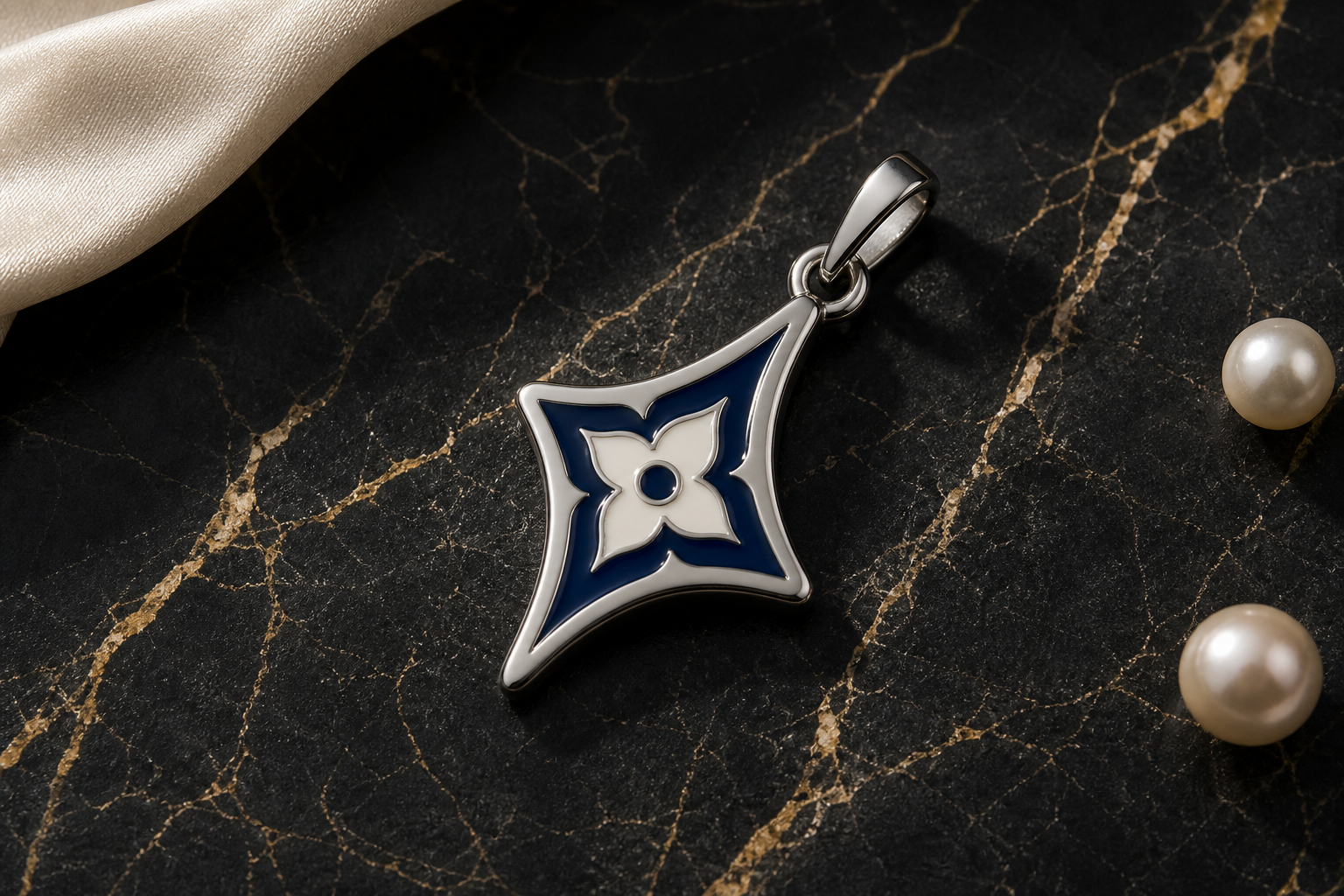
Enamel used on 316L charms is typically vitreous (frit-based) enamel applied in a controlled deposition and fired to fuse with the metal surface. The critical challenge is thermal expansion compatibility and adhesion stability through repeated thermal cycles during firing and future wear. Designers should consider the coefficient of thermal expansion (CTE) differences between glass enamel and 316L steel; overly aggressive mismatches can lead to micro-cracking, crazing, or edge chipping where enamel meets metal edges. The processing approach—pre-treatment, metallurgical oxides on the surface, and the enamel thickness—drives the final color fidelity and glaze smoothness. We guide color studies with standardized firing profiles and repeated cycle testing, ensuring that a given palette remains color-stable across batches. In our practice, logo engraving and enamel fills are harmonized to maintain legibility and color density even at the rim, ensuring that brand motifs translate cleanly across private-label runs.
PVD plating and color options on 316L enamel charms: finishing with control
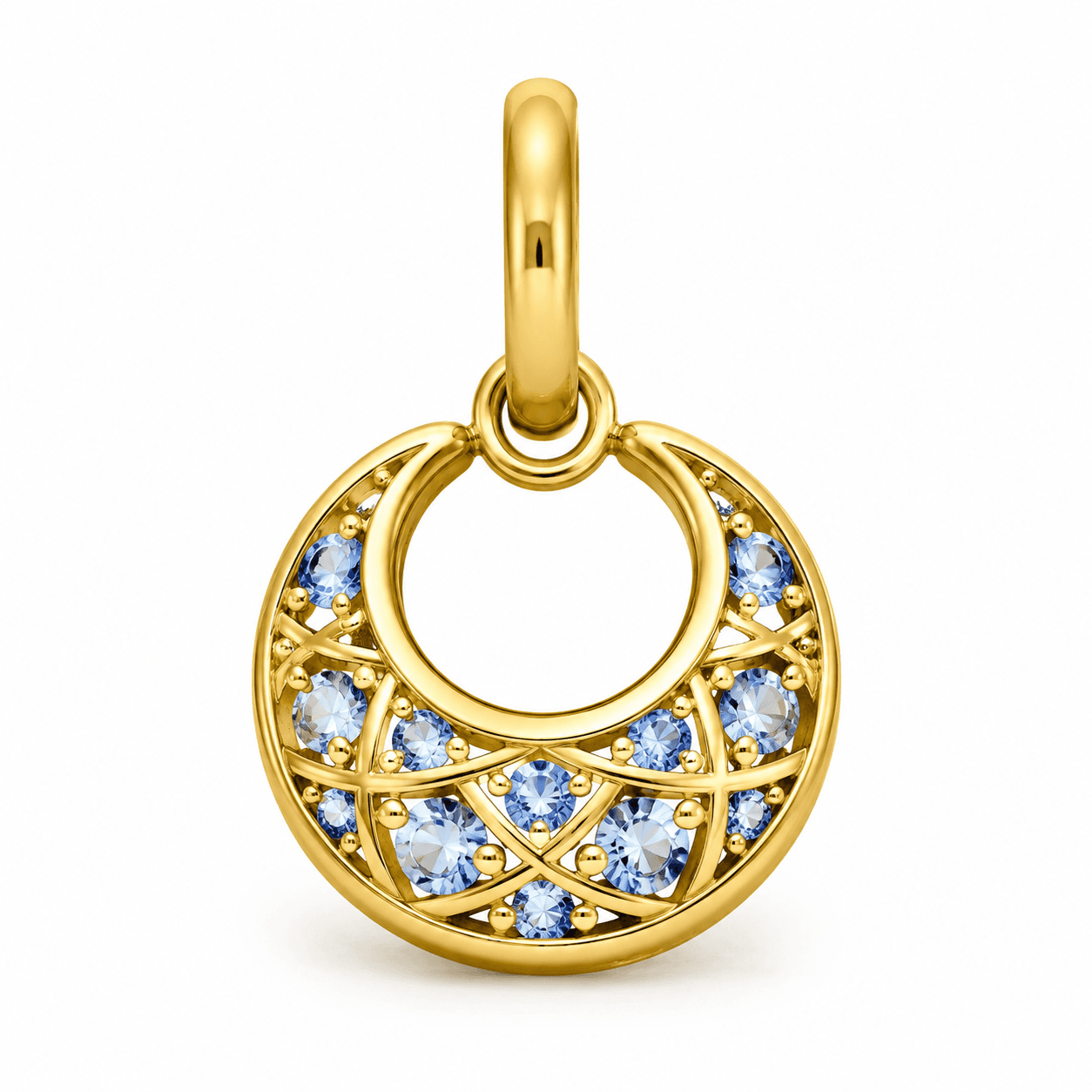
PVD (physical vapor deposition) plating provides durable color finishes (gold, rose gold, silver, and custom tones) on 316L stainless steel components. When enamel sits adjacent to plated surfaces, edge coverage and adhesion become critical. Our process sequences often apply PVD to clean, pre-engraved, and pre-polished substrates before enamel fills or after, depending on the design. Plating thicknesses in the micron range (varied by color and part geometry) deliver consistent tone while preserving enamel surface integrity. Good process control includes masking where appropriate, careful polishing of high-relief areas, and post-plating inspection to detect micro-scratches that could trap moisture or oils. The result is a color-stable aesthetic that maintains brightness through many cycles of handling and cleaning typical in wholesale stainless steel charms programs.
Quality controls, certifications, and implications for manufacturing fidelity
Quality control is essential for cross-market acceptance. SGS-certified facilities enable RoHS and REACH compliance, Nickel Release EN1811 testing, and Salt Spray durability that collectively verify safety and corrosion resistance for mass production. Our approach combines clinical cleaning, degreasing, passivation, and traceable process documentation with inline inspection at multiple stages: post-enamel fill, post-plating, and post-assembly. This multi-stage verification reduces the risk of delamination, color shift, or plating inconsistency in the final product. For designers, the assurance translates into predictable supplier performance, reliable private-label packaging, and smoother onboarding of OEM/ODM relationships.
Benefits/Why it matters for designers and brands
Key benefits for 316L enamel charms
- Exceptional corrosion resistance and formability of 316L stainless steel support long-lasting enamel aesthetics and wear resistance.
- Flexible finishing options via PVD plating, enabling boutique tones suitable for gift programs and private-label lines.
- Reliable enamel performance through controlled firing, thickness management, and adhesion strategies approved in SGS-certified facilities.
- Logo engraving and laser marking support for branding on 316L bases without compromising enamel integrity.
- Ready-made pathways for OEM and ODM development, low MOQ support, and fast sample development for private-label programs.
Certification readiness and cross-market confidence
Certifications matter when selling into US, EU, UK, AU, CA, and other regulated markets. SGS certification for RoHS, REACH, Nickel Release EN1811, and Salt Spray 240H demonstrates compliance with global safety and durability expectations, reducing the risk of regulatory friction during distribution and retail onboarding. For brands pursuing wholesale stainless steel charms, these certifications accelerate supplier qualification and enable smoother domestic and international fulfillment.
Detailed analysis/Guide: designing with enamel charms in a global OEM/ODM context
Step 1 — define design constraints and branding strategy
Begin with a clear brief: motif design, color palette, scale, and branding touchpoints such as a laser-engraved logo. On 316L bases, engraving can be executed before or after enamel fills depending on risk of enamel loss in high-relief areas. For logo fidelity, we recommend laser marking on clean areas with reserved pathways to avoid interference with enamel fills. Consider the target market’s preferences for matte versus polished metal and the tolerance for slight color shifts across batches. As a stainless steel charms manufacturer, we support customizable strategies that align with private-label packaging and MOQ constraints.
Step 2 — enamel color strategy and palette management
Enamel color strategies range from opaque, translucent to transparent hues. The choice influences firing profiles and the risk of color bleed at junctions with metal edges. Our approach emphasizes controlled color management, validated through colorimetric tests and repeatable firing cycles. We maintain a curated palette with documented batch-to-batch color matching, enabling reliable private-label outcomes for global markets.
Step 3 — firing cycles, thickness control, and edge integrity
Firing cycles must fuse enamel without causing deformation of the 316L substrate. Enamel thickness is carefully controlled to avoid edge overfill, which could chip during handling. We implement standardized thickness targets and use inline measurement tools to verify uniformity across production lots. This discipline is essential when delivering low-MOQ charm production and consistent sample development for private-label needs.
Step 4 — finishing: plating, polishing, and assembly
Post-enamel finishing typically involves polishing to create a uniform surface, followed by PVD plating or other finishing options. When plating adjacent to enamel, masking and edge attention minimize color border inconsistencies. Assembly considerations — including bail, jump rings, or connectors — require mechanical compatibility with the enamel thickness and the hole geometry. Our processes ensure full visibility of the hardware and a robust mechanical fit that supports daily wear in gift programs and charm bar contexts.
Step 5 — branding, packaging, and private-label readiness
Private-label packaging is part of our end-to-end capability. Engraving-ready surfaces, reliable color finishes, and packaging templates are coordinated to enable quick go-to-market for new lines. The private-label workflow emphasizes traceability from material sourcing to finished goods, helping brands scale from sample development to bulk orders with predictable lead times.
Step 6 — compliance, testing, and supplier qualification
Compliance is not a checkbox; it is an ongoing process. We maintain SGS-certified facilities and robust QA protocols to support cross-border distribution. Nickel-release testing, RoHS/REACH compliance, and corrosion testing are part of standard supplier qualification. Brands seeking long-term partnerships benefit from documented test results, process controls, and clear communication channels with our OEM/ODM teams.
FAQ
Q1: What makes 316L enamel charms suitable for OEM/private-label programs?
A1: 316L stainless steel offers corrosion resistance, ductility for fine engraving, and compatibility with enamel fills and PVD finishes. When coupled with SGS-certified production and controlled firing, these charms deliver consistent color, robust surface finishes, and reliable branding opportunities for OEM/ODM and private-label projects. The combination of low MOQ support and fast sample development accelerates private-label timelines.
Q2: How does PVD plating interact with enamel on 316L steel?
A2: PVD plating provides durable color layers on 316L bases and can be applied before or after enamel fills, depending on design. Edge masking and careful surface preparation help ensure enamel edges remain clean and plating adheres uniformly. The result is a multi-layered charm with color stability and a premium appearance suitable for wholesale stainless steel charms programs.
Q3: What are typical lead times and MOQ for enamel charms?
A3: Lead times vary by volume and complexity, but our programs emphasize low MOQ options, fast sample development, and scalable production. For private-label launches, we commonly provide sample turnarounds within weeks and production timelines that align with regional distribution requirements. Specific timelines are confirmed during a formal RFQ with our team.
Q4: How can I ensure colorfastness and regulatory compliance?
A4: Enamel colorfastness is influenced by enamel type, firing profile, and substrate preparation. Our SGS-certified facilities provide RoHS, REACH, and EN1811 nickel-release testing, plus Salt Spray durability, to validate performance across markets. Partnering with a dedicated supplier ensures ongoing quality and regulatory alignment for global distribution of enamel charms.
Call to action: Partner with Lancy Jewelry
As a leading stainless steel charms manufacturer and supplier, Lancy Jewelry offers end-to-end OEM and ODM capabilities for 316L enamel charms, with low MOQs, reliable color finishes, and scalable sample development. If you’re designing a new private-label collection or expanding a gift program, we invite you to engage with our team to align on design feasibility, material sourcing, and production planning. Explore our OEM service for custom manufacturing, request a formal quote via Request a Quote, or contact us directly through Contact to discuss your private-label goals and production timelines. For a quick catalog view, you can also browse our All Products page here to see related 316L stainless steel charm options and component families.