The finishing of 316L stainless steel charms is a strategic differentiator for private-label and OEM/ODM programs. This practical, structured guide provides design teams and sourcing managers with field-tested methods to achieve durable finishes that perform across markets. As a 316L stainless steel charms manufacturer, Lancy Jewelry supports private-label packaging, logo engraving, and fast sample development to help you scale your programs.
Advanced Finishing Techniques for 316L Stainless Steel Charms
-
Step 1 — Baseline prep and material consistency
Begin with a fingerprint-free, uniformly polished surface. Ensure all charms originate from a controlled 316L stainless steel platform and undergo mechanical cleaning, degreasing, and a precise passivation protocol. This baseline reduces adhesion variability for subsequent finishes and supports consistent plating and coating performance across batches. Maintain tight process-control records to support OEM and ODM collaborations and private-label programs.
-
Step 2 — Surface activation and contamination control
Apply a calibrated cleaning cycle using ultrasonics or controlled chemical baths to remove polishing residues, oils, and passivation films that can impair coating adhesion. Inspect with visual and magnified checks to confirm uniform micro-surface roughness (Ra targets depend on the final finish but should be tight for reliable coating).
-
Step 3 — PVD coating strategy for color and durability
PVD (physical vapor deposition) delivers robust, color-stable finishes such as gold, rose gold, or silver tones with superior wear resistance. Plan coating thickness (typical ranges: 1.5–6 μm depending on color and wear expectations) and ensure good electrical grounding and chamber cleanliness. Consider multi-layer stacks for gradient effects or decorative textures. For designers, PVD provides a boutique-ready option that remains consistent through bulk orders and long-term supply stability.
-
Step 4 — Electroplating and electrostatic deposition
Electroplating remains a versatile path for achieving warm tones, high luster, and precise color matches. Specify plating baths, current density, temperature, and plating time to hit target thicknesses. For sensitive designs, combine with subsequent passivation and rinse steps to minimize zinc or copper uptake during use. Always validate adhesion after plating with standardized tape tests and peel tests as part of supplier QA alignment with OEM and ODM expectations.
-
Step 5 — Enamel color filling for detail and brand identity
Enamel filling adds vivid color and durable, chip-resistant surfaces. Use transparent or opaque enamel suitable for 316L stainless steel substrates, ensuring proper blockage of micro-cracks through preheating, careful curing, and post-cure polishing. Use color-matched palettes that align with private-label branding while maintaining cross-market legibility and colorfastness under light exposure and humidity.
-
Step 6 — Crystal inlay and decorative accents
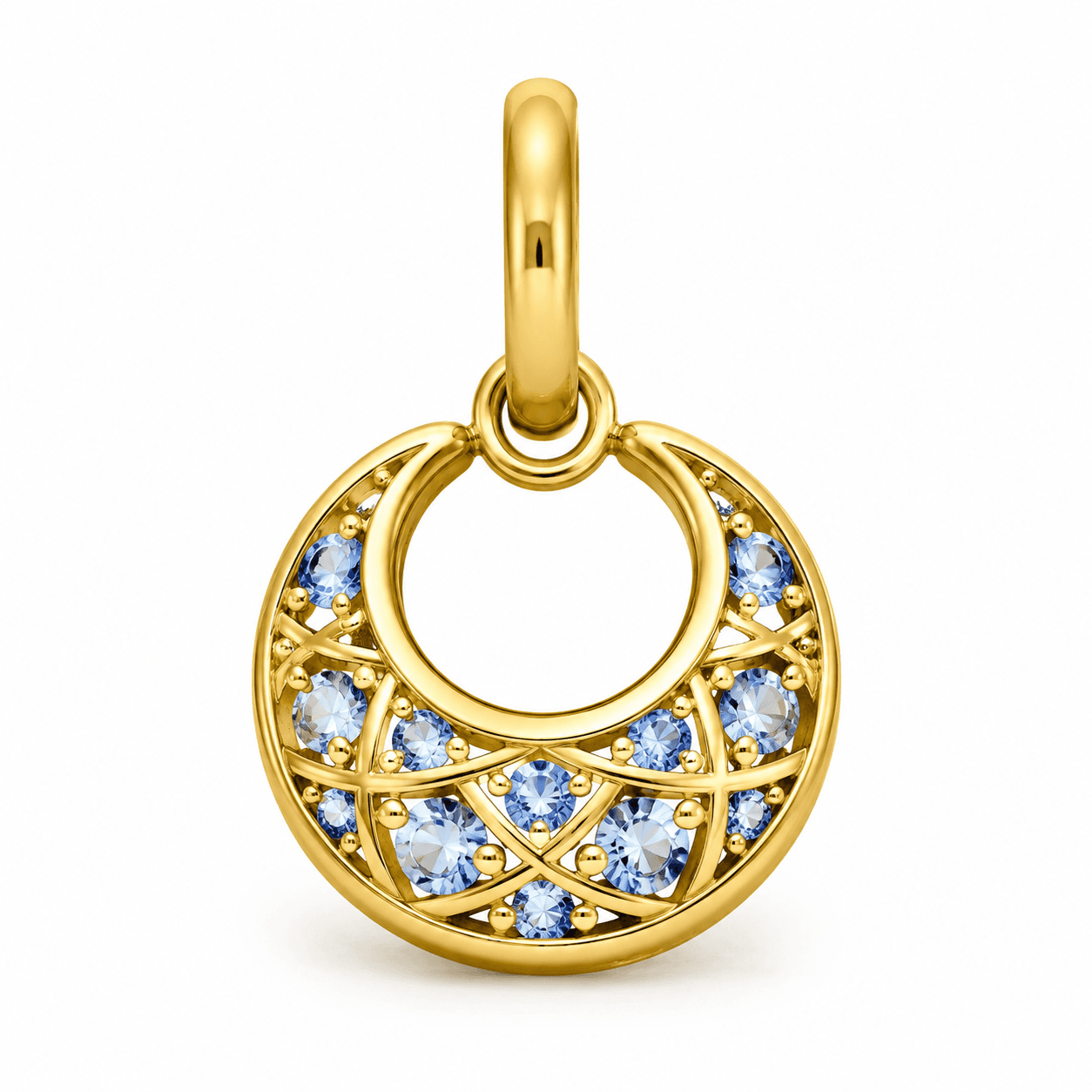
Crystal inlay and precision setting can elevate a charm’s perceived value. Select crystals with compatible hardness and chemical resistance. Use micro-sprue-free setting methods and support with protective clear sealants to prevent moisture ingress. Document the process to guarantee repeatability across multiple production runs and to support bulk charm orders for distribution partners.
-
Step 7 — Mechanical polishing and finish refinement
Polishing sequences range from mechanical pre-polish to final stage high-gloss or matte finishes. For 316L stainless steel, choose abrasive grades that minimize micro-scratches and maintain edge integrity on fine details. Use optional buffing compounds suitable for stainless steel to achieve consistent luster without altering design geometry.
-
Step 8 — Passivation, corrosion resistance, and nickel compliance
Passivation improves corrosion resistance and ensures a consistent, biocompatible surface. Align the passivation cycle with recognized certification requirements to reinforce compliance for global markets. Maintain a traceable record of chemical suppliers and batch numbers to support QA audits for OEM and ODM partnerships.
-
Step 9 — Surface protection and QA checkpoints
Apply protective topcoats or sealants where appropriate for additional scratch resistance, especially in enamel or crystal-filled designs. Implement inline and end-of-line inspection protocols, including visual checks for color consistency, adhesion tests, and hardness measurements where feasible. Use calibrated gauge tools or ruler references in images to verify scale and detail in packaging and marketing assets for private-label programs.
-
Step 10 — Documentation, packaging, and traceability
Document process parameters, coating thickness, color codes, and batch numbers. Prepare private-label packaging that aligns with brand guidelines while keeping the finishing data accessible for QA and regulatory audits. This traceability supports wholesale stainless steel charms programs and ensures a reliable supply chain for bulk charm orders.
Benefits and Why Finishing Matters
Key benefits
Finishing distinguishes a generic charm from a boutique-ready product. For designers and product developers, the right finishing strategy translates into durable, color-stable appearances that withstand daily wear and global distribution; consistent plating or PVD results across large production lots, reducing rework and returns; enhanced branding opportunities through enamel accents, crystal inlays, or multi-layer coating stacks; clear alignment with OEM and ODM workflows, enabling scalable production, private-label packaging, and rapid sample development; and compliance confidence, given certified processes that address applicable tests and regulatory expectations.
As a partner, Lancy Jewelry can support private-label programs and OEM/ ODM collaborations with transparent process documentation and QA-ready finished goods. For designers exploring manufacturing partnerships, we also provide BOM-level recommendations and finish selection guidelines that align with market expectations.
To explore how finishing options fit your product roadmap, visit our OEM service page or browse All Products at /products. For sample development or to discuss bulk orders, reach out via Contact or add a RFQ to your cart at /cart.
Detailed Analysis and Practical Guidance
Process integration and cross-market considerations
Global markets demand robust, maintenance-friendly finishes. When designing for cross-market appeal, plan for colorfastness (for PVD variants), enamel durability, and crystal-set integrity under varied humidity and temperature. Consider packaging and branding implications, ensuring that color codes and finish names translate to manufacturing specs across regions.
Quality assurance and certifications
Certified processes underpin confidence during supplier selection and ongoing production. Documented procedures for cleaning, plating, enamel filling, and final inspection support risk management for wholesalers and private-label customers. Transparent QA data helps maintain private-label positioning and reduces time-to-market in new collections.
Material and finish strategy alignment with design intent
Match the finish to the design language. A minimalistic line may benefit from a high-polish PVD gold tone for legibility, while a nature-inspired motif could pair well with enamel or crystal accents for depth. Working with a 316L stainless steel base ensures corrosion resistance and long-term color stability, supporting reliable performance across markets.
FAQ
1) What finishing options work best for 316L stainless steel charms in a private-label program?
Popular options include PVD gold or rose gold coatings for durability and premium aesthetics, enamel color filling for detailed designs, and crystal inlays for accent points. A layered approach—PVD base followed by enamel fill and a protective topcoat—often yields durable, color-stable results suitable for private-label branding.
2) How do you ensure consistency across large production runs?
Consistency comes from baseline material prep, controlled coating processes, inline QA checks, and batch traceability. Using certified procedures and documented process parameters helps reduce variation across lots, supporting wholesale stainless steel charms programs and bulk orders.
3) What is the typical timeline from concept to sample development?
Timeline varies by finish complexity. A baseline 316L stainless steel charm with a single PVD color and enamel fill typically advances from concept review to a sample in 2–4 weeks, depending on coating schedule, enamel color matching, and crystal inlay complexity. For multi-step finishes and private-label packaging, plan 4–8 weeks for first article approval and subsequent runs.
4) How does Lancy support OEM/ODM and MOQ considerations?
As a manufacturer with OEM/ODM capabilities, Lancy supports private-label packaging, logo engraving, and custom decorative charms with a focus on low MOQ charm production. Our processes are designed to scale from pilot samples to bulk charm orders, with flexible MOQs aligned to project scope and production capacity.
Call to Action — Partner With Us
Whether you are launching a new collection, expanding a charm bar program, or evaluating a reliable private-label supply partner, Lancy Jewelry offers a modern facility with CNC, laser cutting, laser marking, welding, and polishing capabilities to deliver consistent 316L stainless steel charms. We provide transparent OEM/ODM collaboration, sample development, and private-label packaging support to help you bring designs to market faster. Partner with a true 316L stainless steel charms manufacturer that understands cross-market needs and volume flexibility.
Connect with us to discuss your finish specifications, optimize your BOM, and align on private-label packaging and labeling requirements. Explore our OEM service and read more about our sample development process via OEM or start a conversation through Contact. To review our current product catalog and finish options, browse All Products at /products, and consider placing a formal RFQ or bulk order inquiry anytime through /cart.