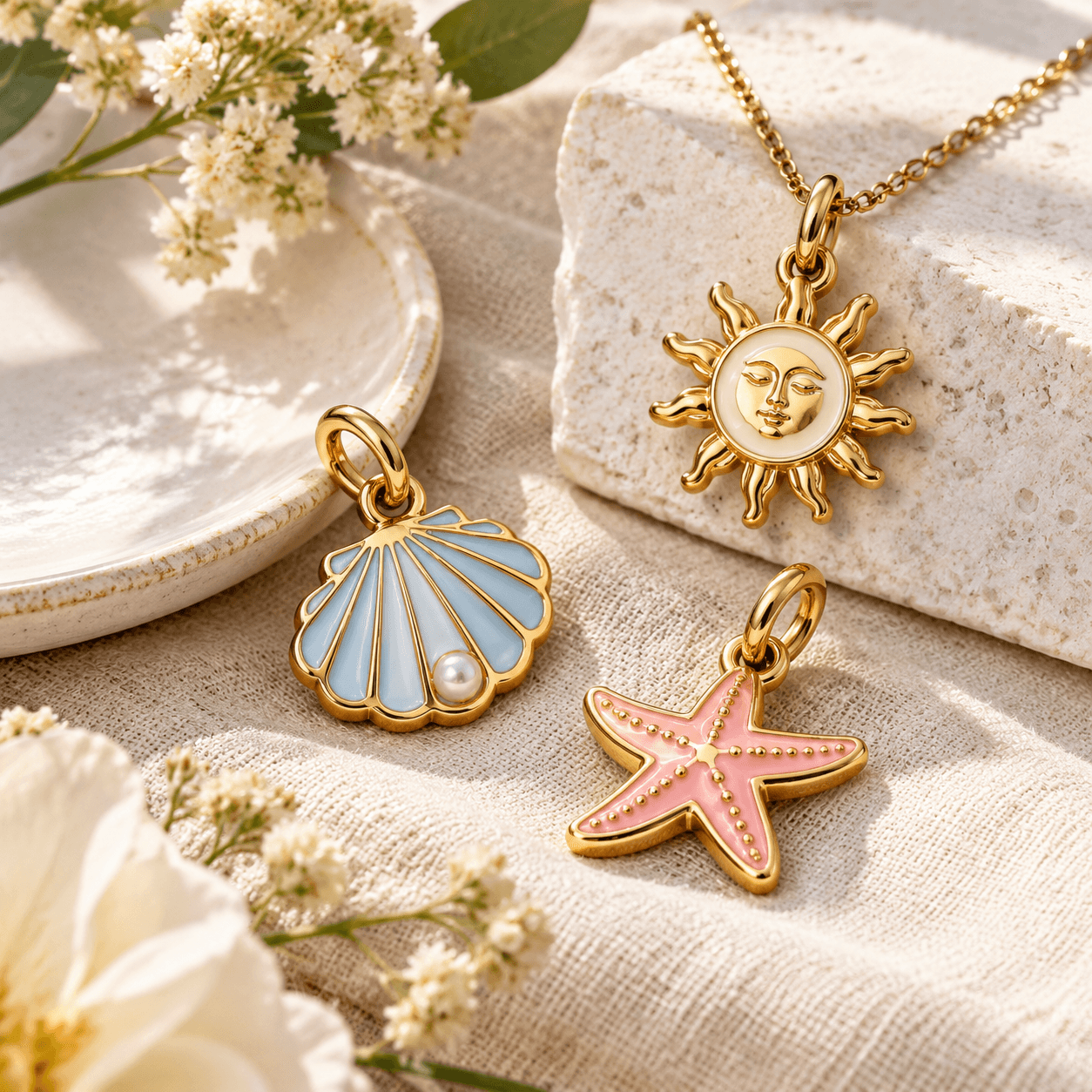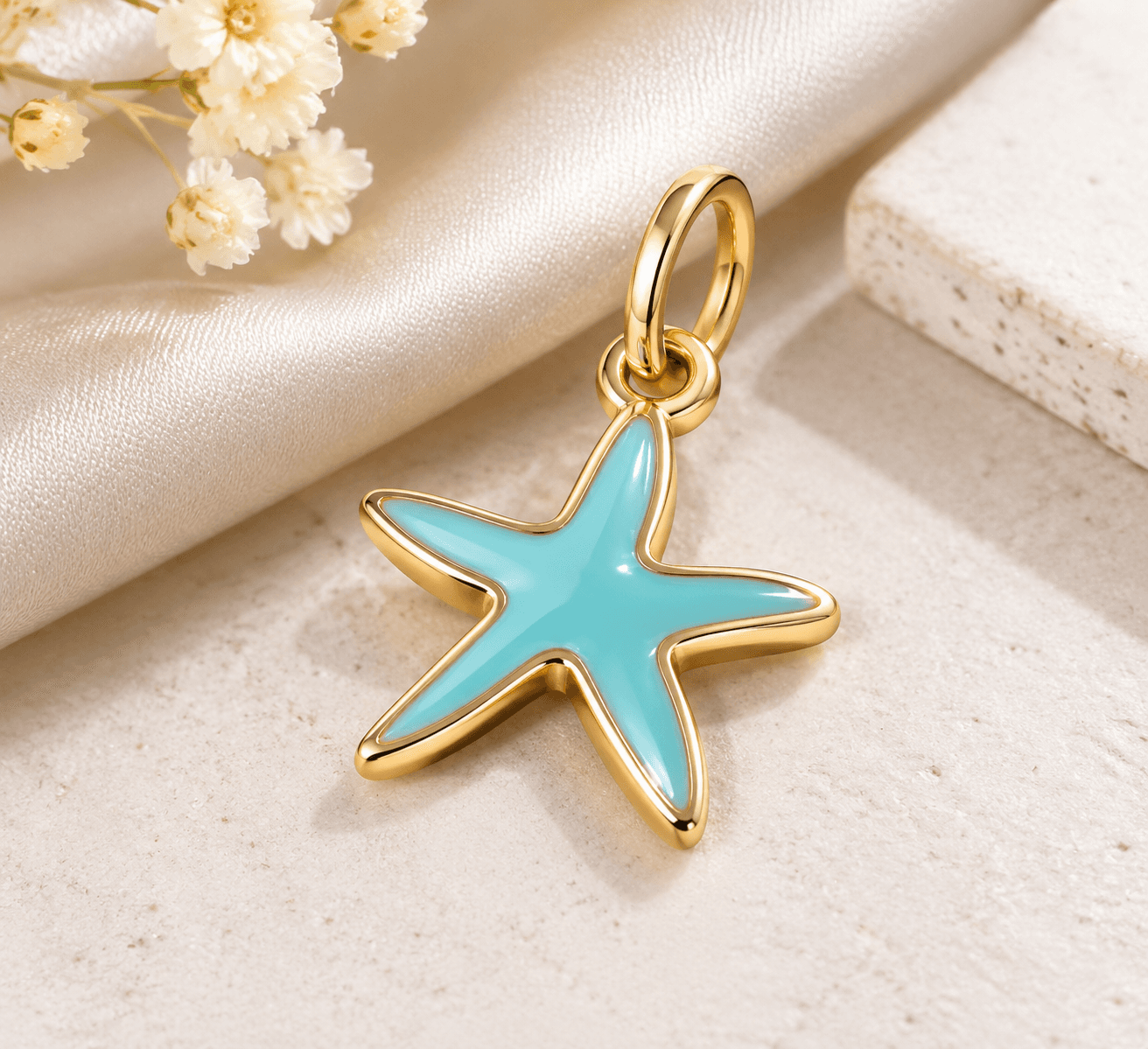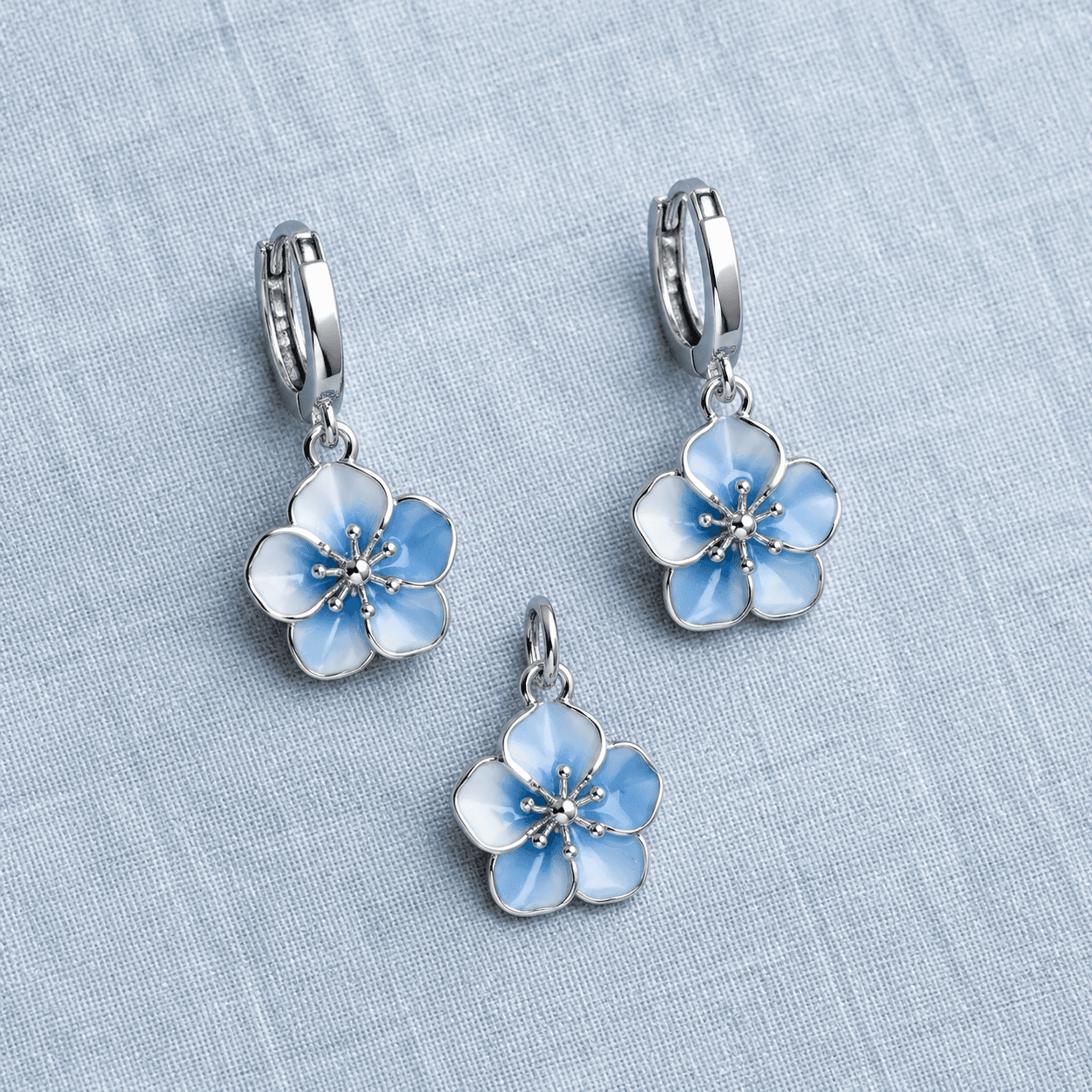
Custom enamel charms can strengthen a boutique collection, support seasonal gift programs, and create a consistent product offering across retail locations. However, a visually attractive sample is not sufficient evidence of manufacturing quality. Procurement teams need documented material specifications, repeatable production controls, appropriate laboratory testing, and clear acceptance criteria before authorizing bulk production. Without these controls, seemingly minor variations in enamel adhesion, surface finish, attachment integrity, or corrosion resistance can become expensive sourcing problems.
This guide provides an advanced supplier-evaluation checklist for North American buyers sourcing custom enamel charms. It explains how to assess a stainless steel charms manufacturer, interpret relevant test reports, establish measurable quality requirements, and document approval decisions. The objective is straightforward: qualify the supplier, validate the product, and make commercial commitments only when the evidence supports them.
Custom Enamel Charms Sourcing: The Essential Quality Checklist
For procurement teams, quality assurance should be treated as a documented process rather than a final visual inspection. A qualified supplier must demonstrate control over material identity, design execution, enamel application, finishing, assembly, and batch consistency. Buyers should apply the following checklist before approving a new supplier or releasing a purchase order.
1. Verify the base material and product specification
- Obtain a written specification identifying 316L stainless steel as the sole base material.
- Confirm the product dimensions, thickness, weight tolerance, attachment-hole dimensions, and acceptable dimensional variation.
- Document the required finish, including PVD gold plating, silver finish, or rose gold plating where applicable.
- Define enamel colors using approved physical samples or documented color references.
- Confirm that the technical drawing, sample, purchase order, and inspection plan describe the same approved configuration.
Material verification matters because appearance alone cannot establish grade. Ask the supplier to identify the material verification method and provide traceable supporting records. Where the risk profile warrants it, use independent material analysis to confirm the specified grade. The verification method should be appropriate to the question being tested; a surface screening instrument may not independently establish every element of a material specification.
2. Evaluate enamel application and surface integrity
- Inspect the enamel for complete coverage, uniform filling, clean boundaries, and consistent color.
- Reject samples with visible pinholes, bubbles, cracks, contamination, exposed unintended areas, or irregular edges.
- Check the interface between enamel and surrounding metal under magnification.
- Verify that polishing and finishing operations have not damaged the enamel or softened critical design details.
- Require documented inspection criteria for both first samples and production batches.
Enamel quality depends on the selected process, geometry, surface preparation, curing or firing conditions where applicable, and process control. A supplier should explain the actual process used rather than offering a generic durability claim. Small recessed areas, narrow color boundaries, and detailed decorative features deserve particular attention because defects may be concentrated in these locations.
3. Confirm attachment and mechanical integrity
- Inspect every bail, jump ring, hole, loop, and connector for correct dimensions and secure construction.
- Check that attachment hardware passes through a real opening and moves as intended without interference.
- Define an appropriate mechanical test for the intended use, such as a controlled pull test or repeated movement test.
- Inspect the enamel after mechanical testing for cracking, chipping, or separation.
- Record failures, corrective actions, and retest results before approval.
Mechanical acceptance criteria must reflect the actual product design. A delicate jewelry charm and a decorative bag accessory do not necessarily experience the same forces. Buyers should agree on the test fixture, load or movement conditions, sample quantity, and acceptance threshold before testing begins. A supplier should never substitute an informal hand-pull demonstration for a documented test when a measurable result is required.
Why Quality Testing Matters for North American Buyers
For US and Canadian procurement teams, a supplier's quality program influences more than the appearance of the finished item. It affects product consistency, consumer safety assessments, retailer requirements, returns, inventory reliability, and the ability to investigate complaints. A well-defined qualification process also helps purchasing teams compare suppliers using evidence instead of relying on quotations or verbal assurances.
Key benefits of a documented quality program
- Lower batch-to-batch variation: Approved specifications and reference samples give production teams a consistent target.
- Fewer avoidable defects: Process checks identify enamel and finishing problems before the entire order is completed.
- Stronger compliance documentation: Traceable test reports help buyers evaluate applicable chemical, surface, and product-safety requirements.
- More predictable commercial planning: Agreed acceptance criteria reduce disputes during inspection and shipment release.
- Better product longevity: Testing under defined conditions provides evidence about performance during intended use.
Use certifications and test reports appropriately
Lancy Jewelry supports B2B sourcing with SGS certification and testing documentation covering RoHS, REACH, nickel release under EN 1811, and salt spray testing for 240 hours. These records can support supplier qualification, but procurement teams should verify the scope and applicability of each document before relying on it.
Ask whether a report identifies the exact product, material, finish, test method, specimen, date, and laboratory. Confirm whether the tested sample represents the current specification and whether subsequent changes to the base material, PVD finish, enamel process, or production site require reassessment. A report for one configuration should not automatically be treated as proof for every variation in a product family.
Salt spray exposure, for example, provides information about corrosion behavior under a defined test environment. A 240-hour result is not a universal guarantee of years of real-world performance. Similarly, a chemical compliance report addresses the substances and conditions within its stated scope; it does not establish every aspect of product safety or durability.
Understand US and Canadian compliance responsibilities
For US sales, determine whether the intended product and its claims trigger requirements administered by relevant federal or state authorities. FDA requirements are particularly important when an item is intended for a regulated use, makes relevant health or therapeutic claims, or falls within an FDA-regulated product category. Ordinary decorative jewelry charms are not automatically FDA-regulated simply because they are sold to consumers. Procurement teams should assess the actual product, intended use, marketing claims, and applicable rules rather than requesting an FDA certificate as a universal jewelry requirement.
For Canadian sales, assess applicable federal consumer product safety and chemical restrictions, including requirements relevant to jewelry and products intended for children. The intended user, accessibility of components, foreseeable exposure, and applicable product classification can change the compliance assessment. Obtain qualified regulatory advice when product design or target age creates uncertainty.
In both markets, supplier documentation is supporting evidence, not an automatic transfer of the buyer's legal responsibilities. Keep the applicable regulatory checklist, test reports, approved specifications, and final production records together in the product file.
Advanced Supplier Evaluation: A Step-by-Step Procurement Guide
Step 1: Audit manufacturing capability and process control
- Confirm that the supplier can develop custom designs and maintain controlled technical drawings.
- Review relevant capabilities such as CNC machining, laser cutting, laser marking, welding, and polishing.
- Ask how enamel filling, PVD finishing where specified, cleaning, assembly, and final inspection are controlled.
- Request a process flow identifying inspection points, responsible personnel, and records retained.
- Determine how nonconforming products are isolated, investigated, corrected, and prevented from recurring.
A supplier audit should establish whether quality controls are embedded in routine production. Ask for examples of how the supplier handles a failed test, a color deviation, or a dimensional issue. Strong suppliers can explain their containment process, root-cause investigation, corrective action, and verification of effectiveness. Procurement teams should distinguish documented procedures from informal assurances.
When remote assessment is necessary, request current process documentation, representative inspection records, and a live or recorded walkthrough of relevant operations where practical. For higher-risk programs, an independent audit may provide additional assurance.
Step 2: Define a practical durability test matrix
There is no single test that establishes the overall durability of every enamel charm. Build a test matrix around the product's construction, finish, exposure conditions, and intended application. Agree on methods and acceptance limits before testing so that the results can support a purchasing decision.
- Material identity: Verify that the base material conforms to the agreed 316L stainless steel specification using suitable records and, where necessary, independent analysis.
- Corrosion resistance: Review applicable salt spray testing, including the documented 240-hour result where relevant. Record the exposure conditions and post-test acceptance criteria.
- Nickel release: Request relevant EN 1811 results where the product and market requirements make them applicable. Confirm that the test covers the actual finished article or a technically justified representative sample.
- Enamel adhesion and integrity: Agree on a suitable method for assessing adhesion, edge durability, and resistance to chipping. Document any adaptation required for the geometry of the charm.
- Finish wear: Define controlled abrasion or handling tests appropriate to the specified surface finish, including PVD gold plating or rose gold plating where applicable.
- Mechanical strength: Specify pull, bending, movement, or connector-retention tests according to the design and anticipated loads.
- Color stability: Where relevant, assess color consistency and resistance to the environmental exposures reasonably expected during intended use.
- Dimensional conformity: Measure critical features against the approved drawing using calibrated or verified measuring equipment.
Each test should identify the method, specimen quantity, conditioning requirements, equipment, acceptance limit, and reporting format. A test result without a defined acceptance criterion is difficult to use consistently. For example, saying that enamel must be durable is not an enforceable requirement. A written protocol should define the observable failure conditions and how many failures, if any, are permitted within the sampling plan.
Step 3: Validate the sample before mass production
- Approve a production-representative sample, not merely a hand-finished development piece.
- Compare the sample against the final drawing, approved color reference, and surface-finish specification.
- Complete the agreed dimensional, visual, mechanical, and chemical evaluations.
- Retain a signed or otherwise traceable golden sample as the reference for future inspections.
- Document all changes and require reapproval when a change could affect quality or compliance.
Sample development is a critical control point for an OEM charms manufacturer because it converts design intent into an inspectable product standard. The approved sample should represent the intended production route, including the relevant finishing and enamel operations. If a development sample uses different process conditions from bulk production, the sample alone cannot demonstrate production capability.
For multi-color designs, record each color reference and identify acceptable variation. For products with PVD finishing, document the required finish and inspect high-contact edges and recessed details. Where a charm contains several decorative elements, assess their alignment and consistency individually as well as the overall appearance.
Step 4: Review traceability and supplier documentation
- Obtain a controlled product specification and revision history.
- Request applicable material declarations, laboratory reports, and compliance records.
- Confirm that report identifiers and product descriptions match the item under review.
- Establish lot or batch identification for production and finished goods.
- Require written change notification for material, finish, process, or manufacturing-site changes that may affect conformity.
- Maintain a record of inspection results, deviations, corrective actions, and final release authorization.
Documentation should create a traceable connection between the approved sample, production lot, test evidence, and shipped goods. Procurement teams should be able to determine which specification was used for a particular order and whether any approved deviation occurred. This is especially important for recurring private label charms programs in which product consistency must be maintained over several replenishment cycles.
Step 5: Establish measurable incoming inspection criteria
Before placing a bulk order, agree on the inspection plan and defect classification. Critical defects may include a sharp or hazardous edge, a failed attachment, or a compliance issue that makes the product unsuitable for release. Major defects may include significant enamel damage, incorrect dimensions affecting use, or substantial finish inconsistency. Minor defects may include limited cosmetic variation that does not affect function or agreed appearance. The precise classifications should be documented for each product.
Choose the sampling method and acceptance quality limit, where appropriate, according to the order size, defect risk, product complexity, and customer requirements. Acceptance quality limits are sampling-plan parameters, not promises that a batch contains a specific defect percentage. High-risk characteristics may require tighter controls or additional inspection rather than relying on general visual sampling.
- Define the sampling standard and inspection level before production is complete.
- Inspect dimensions, enamel appearance, finish consistency, attachment integrity, and packaging requirements.
- Record defect counts, photographs, measurements, and the final pass-or-fail decision.
- Specify the process for rework, reinspection, replacement, or rejection.
- Authorize shipment only after the required quality and documentation checks are complete.
Step 6: Put durability commitments into the purchase agreement
A longevity guarantee is meaningful only when its scope and conditions are clear. Avoid relying on statements such as premium quality, long-lasting color, or corrosion-proof construction without supporting criteria. Instead, document the specific performance commitments the supplier is prepared to make.
- Identify covered defects, including enamel separation, unacceptable finish deterioration, and manufacturing-related attachment failures where applicable.
- Define the warranty period, starting point, and required evidence for a claim.
- Specify reasonable exclusions for misuse, abnormal exposure, unauthorized modification, or conditions outside the agreed intended use.
- Set response times and remedies, such as investigation, replacement, rework, or credit, according to the commercial agreement.
- Define how disputed samples will be assessed and whether an independent laboratory may be used.
- Confirm who pays for retesting and corrective action when a confirmed manufacturing nonconformity occurs.
Laboratory results and warranty language serve different purposes. Testing provides evidence under defined conditions; a warranty establishes contractual responsibilities. Neither should be represented as an unconditional prediction of service life. Buyers should ensure that the written agreement reflects the product's actual performance requirements and intended use.
How to Compare Suppliers Before Awarding an OEM or ODM Order
Procurement teams can use a weighted scorecard to make supplier decisions more consistent. The following framework is a starting point; adjust the weighting according to product risk and commercial priorities.
| Evaluation area | Suggested weighting | Evidence to review |
|---|---|---|
| Material and regulatory documentation | 25% | 316L stainless steel specification, applicable test reports, traceability |
| Enamel and finish durability | 25% | Approved samples, test matrix, documented acceptance results |
| Manufacturing and process control | 20% | Process flow, inspection records, corrective-action system |
| Sample development and change control | 15% | Production-representative samples, revision control, approval records |
| Commercial reliability | 15% | MOQ, lead-time commitments, packaging controls, agreed remedies |
Score each category using documented evidence rather than sales presentations alone. A supplier that offers a low MOQ or an attractive quotation should not receive a higher quality score unless its technical and process evidence supports the decision. Likewise, a large test-report package is not sufficient if the documents cannot be linked to the actual product configuration.
Lancy Jewelry provides OEM/ODM development for B2B buyers seeking custom stainless steel charms, including enamel color filling, logo engraving, PVD finishing, crystal inlay, and private-label packaging. Its manufacturing workflow incorporates CNC, laser cutting, laser marking, welding, and polishing capabilities. Buyers can review the available OEM manufacturing service, browse the product catalog, and request a project-specific assessment before placing bulk orders.
Frequently Asked Questions
1. Which tests should buyers request for custom enamel charms?
Start with material verification, visual and dimensional inspection, enamel integrity assessment, appropriate corrosion testing, relevant nickel release testing, and mechanical testing of attachment points. Add finish-wear or color-stability testing when the product specification and intended use justify it. The supplier and buyer should agree on methods and acceptance limits before testing begins.
2. Does a 240-hour salt spray report guarantee long-term corrosion resistance?
No. A 240-hour salt spray result describes performance under a defined laboratory exposure and evaluation method. It does not directly predict a fixed number of years in everyday use. Buyers should review the report scope, tested configuration, acceptance criteria, and relationship to the intended environment.
3. Do custom enamel charms automatically require FDA certification in the United States?
No. Ordinary decorative jewelry charms are not automatically subject to FDA certification solely because they are sold in the United States. FDA requirements depend on the product category, intended use, claims, and applicable regulations. Buyers should separately assess relevant consumer product safety requirements, chemical restrictions, and any rules applicable to products intended for children.
4. How can procurement teams verify a supplier's quality claims before a bulk order?
Request a production-representative sample, controlled technical specifications, applicable laboratory reports, traceable inspection records, and a written quality agreement. Verify that documents identify the correct product and finish, define acceptance criteria, and support the claims being made. For higher-risk programs, consider an independent audit or third-party testing before shipment approval.
Partner With Lancy Jewelry for Quality-Focused Custom Enamel Charms
Reliable sourcing begins with clear specifications, verifiable evidence, and a supplier that understands the demands of repeatable B2B production. Lancy Jewelry works with boutique jewelry brands, charm bar retailers, gift companies, distributors, and private-label buyers to develop 316L stainless steel charms with controlled finishes, custom enamel details, and packaging options suited to commercial programs.
When preparing an RFQ, provide your target dimensions, enamel colors, finish requirements, intended application, estimated order volume, packaging needs, target market, and any required compliance tests. Identify the performance characteristics that are essential for approval, and request confirmation of the supplier's ability to document those requirements.
For low MOQ projects, new collection launches, or repeat bulk charm orders, an early technical review can help identify design risks before they affect production timing. Ask for sample development, a clear approval process, and written quality criteria so both parties understand what constitutes an acceptable finished product.
Ready to discuss your sourcing requirements? Visit the OEM/ODM service page or contact Lancy Jewelry to discuss custom development, sample evaluation, quality documentation, and a manufacturing plan tailored to your business.