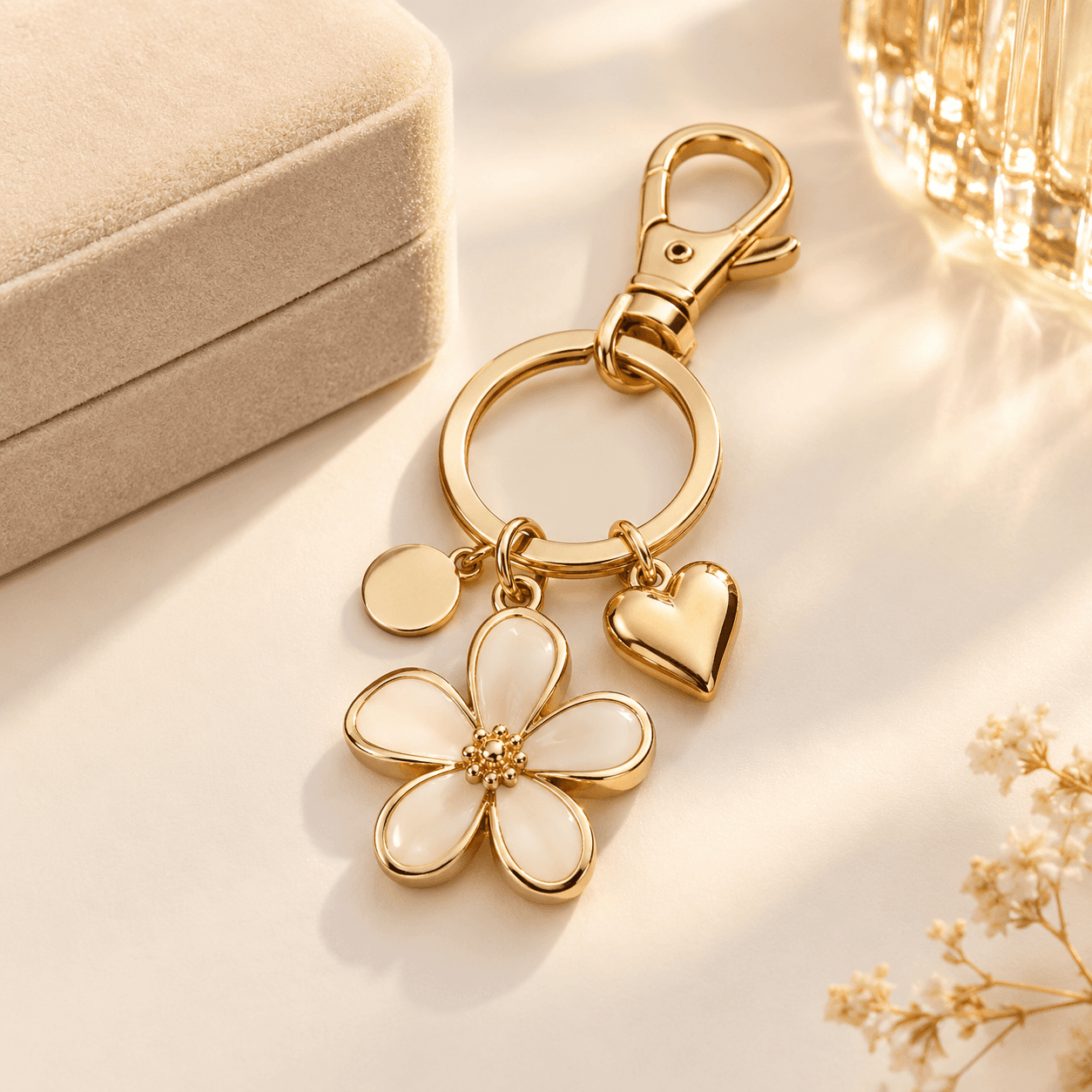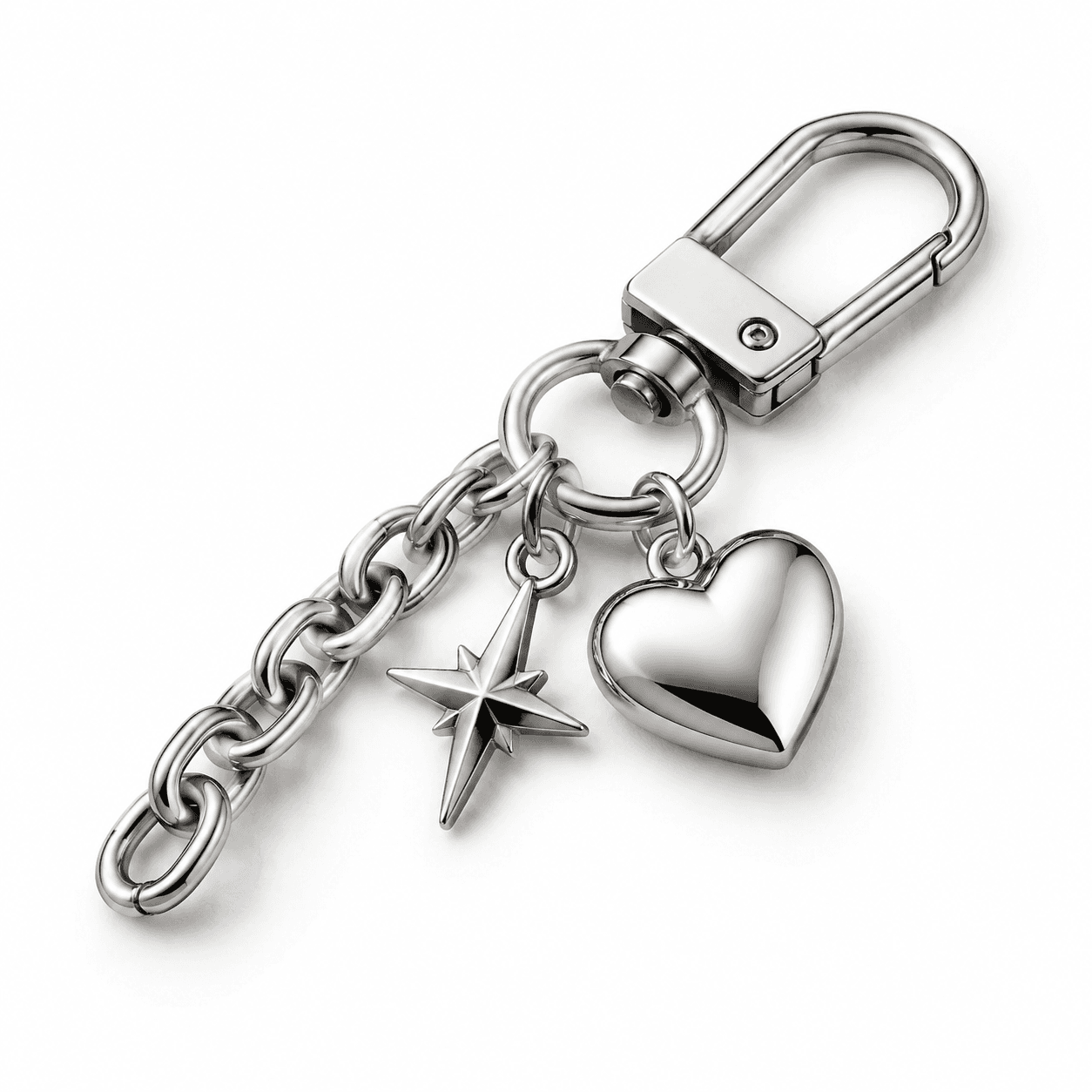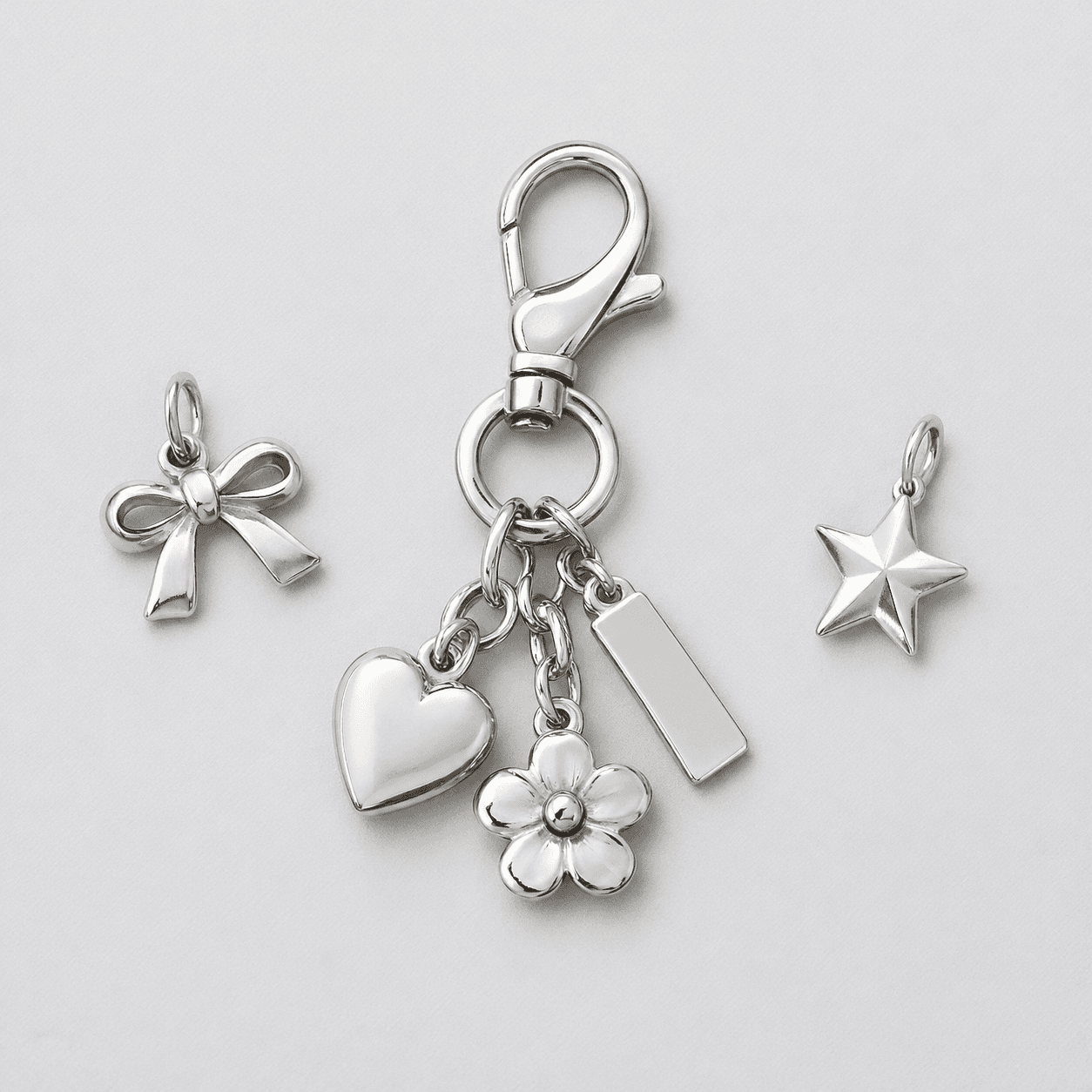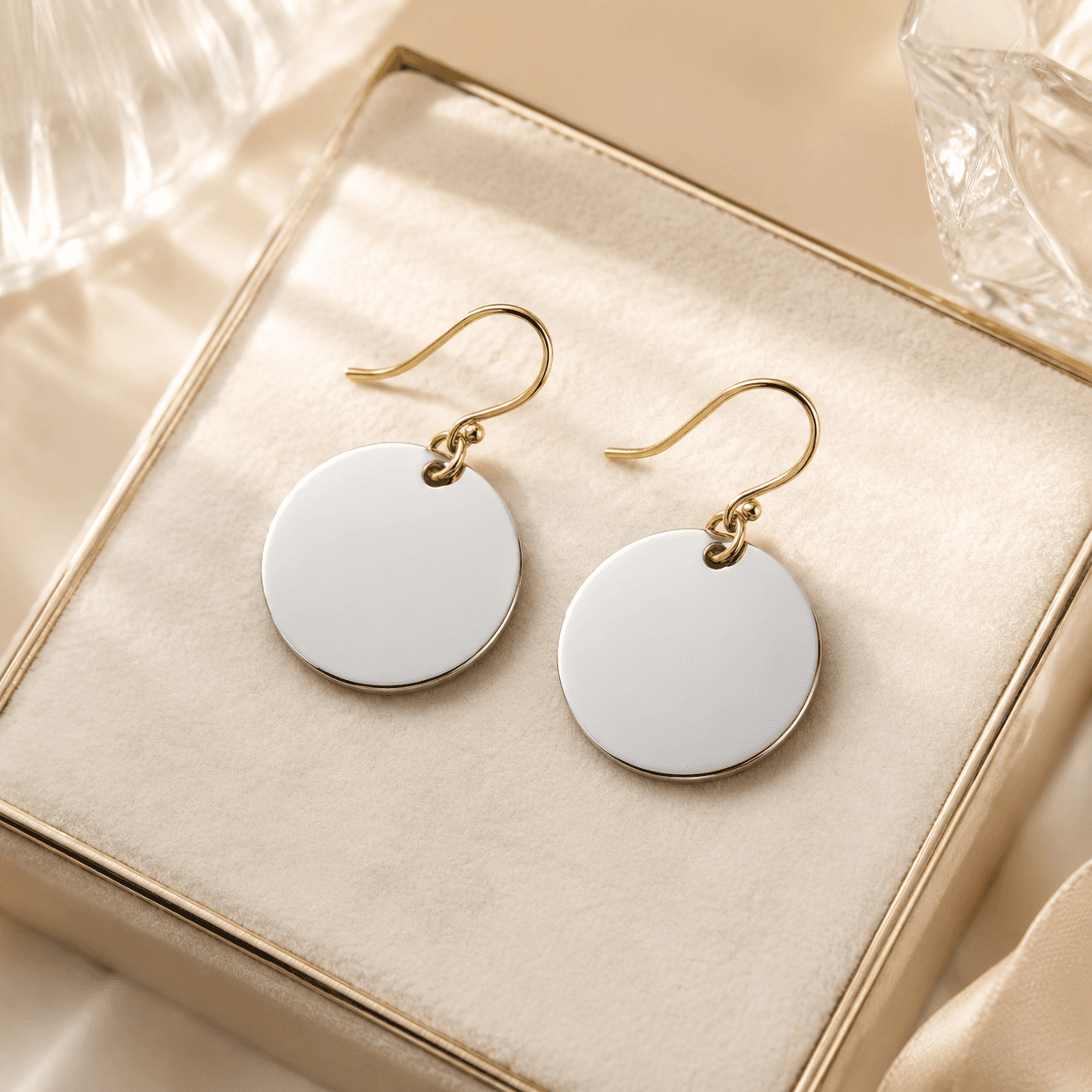
Vet Factory-Direct Stainless Steel Charms for Custom Engraving: A Practical Sourcing Guide
In today’s global procurement environment, boutique brands and private-label buyers rely on factory-direct partners to deliver consistent finishing, precise engraving, and auditable documentation. This guide outlines how to evaluate 316L stainless steel charms suppliers with a practical focus on engraving capabilities, finishing techniques, and compliant processes. The aim is to help you identify partners who can support OEM/ODM development, provide private-label packaging, and meet brand standards. For quick reference, explore our capabilities at our partner pages: All Products, OEM Service, and Contact for tailored consultations.
Main Topic: Factory-Direct Stainless Steel Charms for Engraving
Step-by-Step Vetting Process
Step 1 — Define Engraving and Finish Requirements
Before reaching out to suppliers, clearly document engraving tolerances, maximum character depth, line width, logo placement, and any enamel or crystal inlays. Decide on acceptable finishing options such as PVD plated stainless steel charms, yellow or rose gold-toned plating, silver finishes, enamel color filling, or crystal accents. Establish plating thickness targets, engraving depth limits for logos, and surface finish categories (mirror, satin, brushed). A well-structured spec sheet reduces back-and-forth and accelerates quotes. This is critical for companies pursuing reliable OEM/ODM programs and private-label packaging readiness.
Step 2 — Vet Potential Suppliers (Documentation and Audits)
Compile a concise shortlist of manufacturers with proven OEM/ODM capabilities and a track record in 316L stainless steel charms. For each supplier, request:
- Factory overview and equipment list (CNC, laser cutting, laser marking, welding, polishing)
- Material certificates and batch traceability records
- Quality management documentation and inspection plans
- List of certifications and test reports demonstrating compliance and QA rigor
- Lead times for samples and initial production, plus MOQs
- Private-label packaging capabilities and branding options
- Information on engraving, enamel filling, and crystal inlay capabilities
As you assess documentation, look for consistency between process descriptions and actual capabilities. A credible partner will provide clear, auditable QA procedures and a transparent bill of materials showing 316L stainless steel as the base and the finishing layers as separate, trackable items.
Step 3 — Evaluate Finishing Techniques and Equipment
Finishing is the heart of a charm’s aesthetics and durability. Prioritize suppliers with documented capabilities in:
- PVD plating and electroplating for gold, rose gold, and silver tones, with plating thickness control, adhesion testing, and wear-resistance data
- Polishing and surface treatments to achieve consistent luster and smoothness, including mirror, satin, and brushed finishes
- Enamel color filling for durable, vibrant hues with good adhesion to stainless steel after plating
- Crystal inlay for decorative accents with secure stone settings and long-term retention
- Engraving, laser marking, and logo application with traceable laser settings and repeatable results
Request factory tours or video demonstrations to observe polishing belts, plating lines, and QC stations. A modern facility with CNC, laser cutting, laser marking, welding, and polishing tends to deliver consistent results across runs.
Step 4 — Request and Assess Samples (Sample Development)
Sample development is a critical gauge of supplier responsiveness and capability. Require samples that reflect your intended engraving, plating, enamel, and crystal configurations. Evaluate:
- Engraving legibility and tolerance
- Finish uniformity across multiple samples
- Color accuracy and enamel stability
- Adhesion strength for plating and enamel
- Dimensional accuracy against your spec sheet
Ask for a formal sample development timeline, including pre-production checks, pigment matching, and final acceptance criteria. If a supplier offers low MOQ charm production and flexible sample terms, this can be a meaningful advantage for new programs and private-label launches. Many OEM/ODM projects begin with sample development on a small run to validate process stability before scaling.
Step 5 — Private-Label Packaging and Branding Readiness
Private-label programs require packaging that aligns with your brand guidelines. Confirm packaging options, including blank packaging, branded inserts, hang tags, anti-tarnish liners, and packaging materials that protect during shipping. Assess labeling accuracy, SKU readability, and the ability to include your private-label branding consistently across batches. A supplier with a structured private-label program minimizes time-to-market and branding risks.
Step 6 — Compliance and Risk Mitigation
Beyond material compliance, ensure the supplier maintains robust QA checkpoints, traceability from incoming materials to final packaging, and clear defect-rate targets. For cross-border distribution across markets, verify that testing and documentation satisfy local regulatory expectations and retailer requirements. Certification-backed reports are a practical starting point for risk management during RFQ reviews and audits.
Step 7 — Commercial Framework and Relationship Management
Define the commercial terms that support a scalable program: MOQs, unit pricing tiers, lead times, warranty terms, and a structured change-control process for design updates. Establish a documented process for change requests (for example, new plating color, logo modification, or packaging redesign) and ensure the supplier can accommodate future accessory lines or seasonal collections without sacrificing consistency.
Step 8 — Documentation Pack for a Smooth RFQ to PO Transition
Prepare an RFQ package that includes: your technical spec sheet, master artwork and logo files, required certifications, sample acceptance criteria, packaging requirements, and an estimated production timeline. A complete package speeds evaluation and reduces cycles. When engaging with a partner that offers OEM and ODM capabilities, emphasize meticulous documentation and traceability to maintain alignment throughout the program lifecycle.
FAQ
1. How do I verify a stainless steel charms supplier's material compliance?
Start with official certifications and material test reports. Request material certificates for the base 316L stainless steel and a batch traceability record. Where possible, review independent lab results and confirm QA processes align with your internal compliance checklist.
2. What finishing options should I expect from a factory-direct supplier for 316L stainless steel charms?
Expect options including PVD plating (gold, rose gold, silver tones), electroplating, and various surface treatments (polishing, satin, brushed). In addition, enamel color filling and crystal inlay provide decorative versatility. A reputable supplier should provide plating thickness data, color-matching tolerances, and durability test results.
3. What is a typical timeline for MOQ and sample development in OEM/ODM projects?
Sample development typically ranges from 2–6 weeks depending on complexity. MOQs vary by supplier, but many factory-direct partners offer flexible MOQ terms to accommodate private-label and pilot runs. Confirm lead times for both samples and initial production, plus any re-order timelines for ongoing programs.
4. How can a private-label program be started with a factory-direct supplier?
Prepare a private-label brief with logo placement, packaging design, colors, and labeling requirements. Share artwork files and packaging specs, and verify the supplier can translate branding into production-ready artifacts and packaging workflows with change-control procedures for future updates.
Call to Action: Partner With Us
Partner with Lancy Jewelry for a reliable, factory-direct path to custom stainless steel charms. As a modern OEM/ODM manufacturer, we offer a robust production ecosystem featuring CNC, laser cutting, laser marking, welding, and polishing. Our processes adhere to widely recognized standards, with documentation supporting RoHS, REACH, Nickel Release testing, and surface verification to ensure your private-label programs meet global requirements. We support OEM charms manufacturer and ODM charm supplier engagements, flexible MOQ structures, sample development, and private-label packaging to accelerate your go-to-market strategy. Explore our capabilities and start a conversation at OEM Service, or request a formal quote at Request a Quote, and reach out to our team via Contact for a tailored consultation.
Key internal resources for procurement teams include our product catalog and customization options. Browse our product catalog to identify compatible designs, then connect with us to discuss bespoke engraving, finishing, and packaging options that align with your brand standards. With Lancy Jewelry, you gain a partner that emphasizes custom stainless steel charms with consistent quality, transparent documentation, and scalable production readiness.