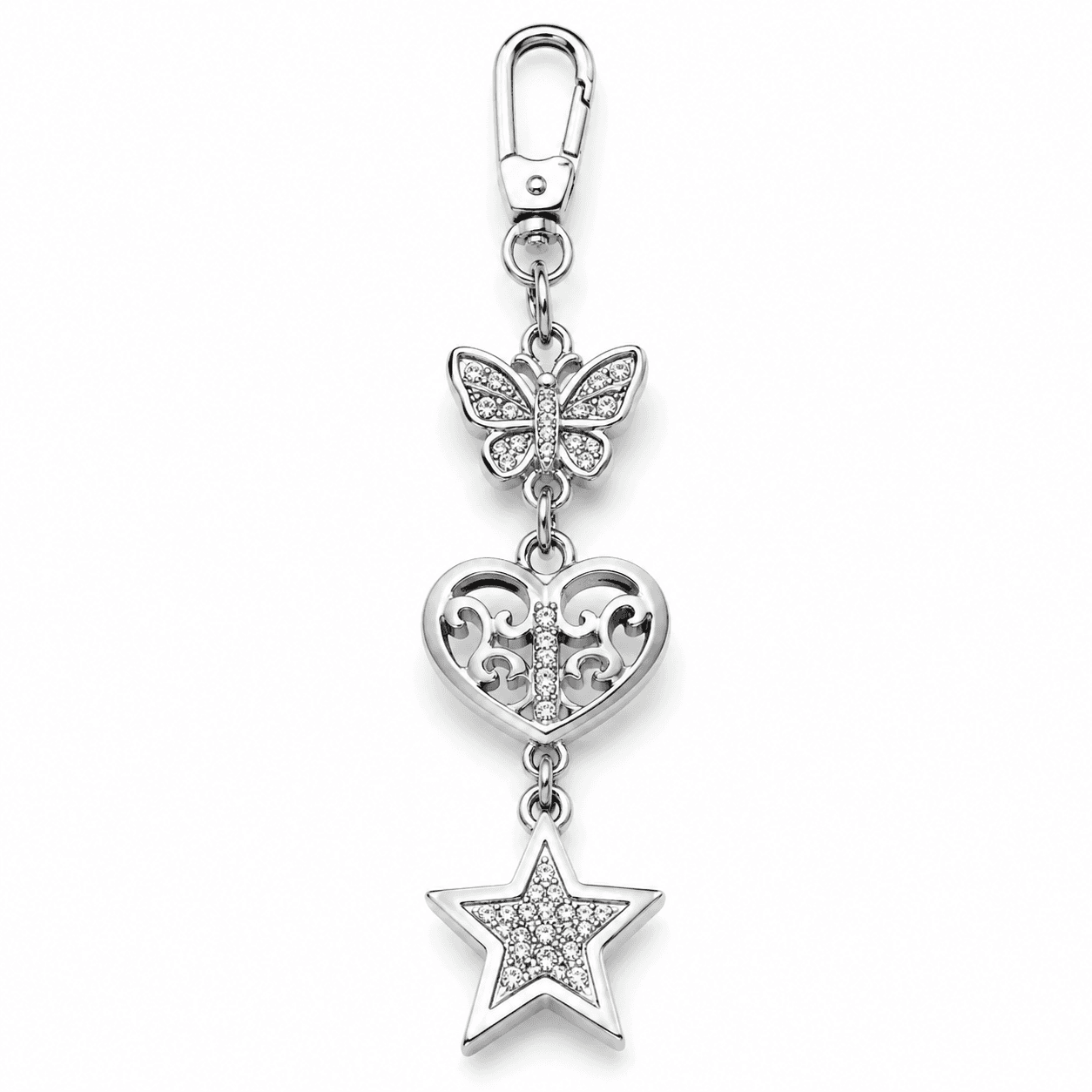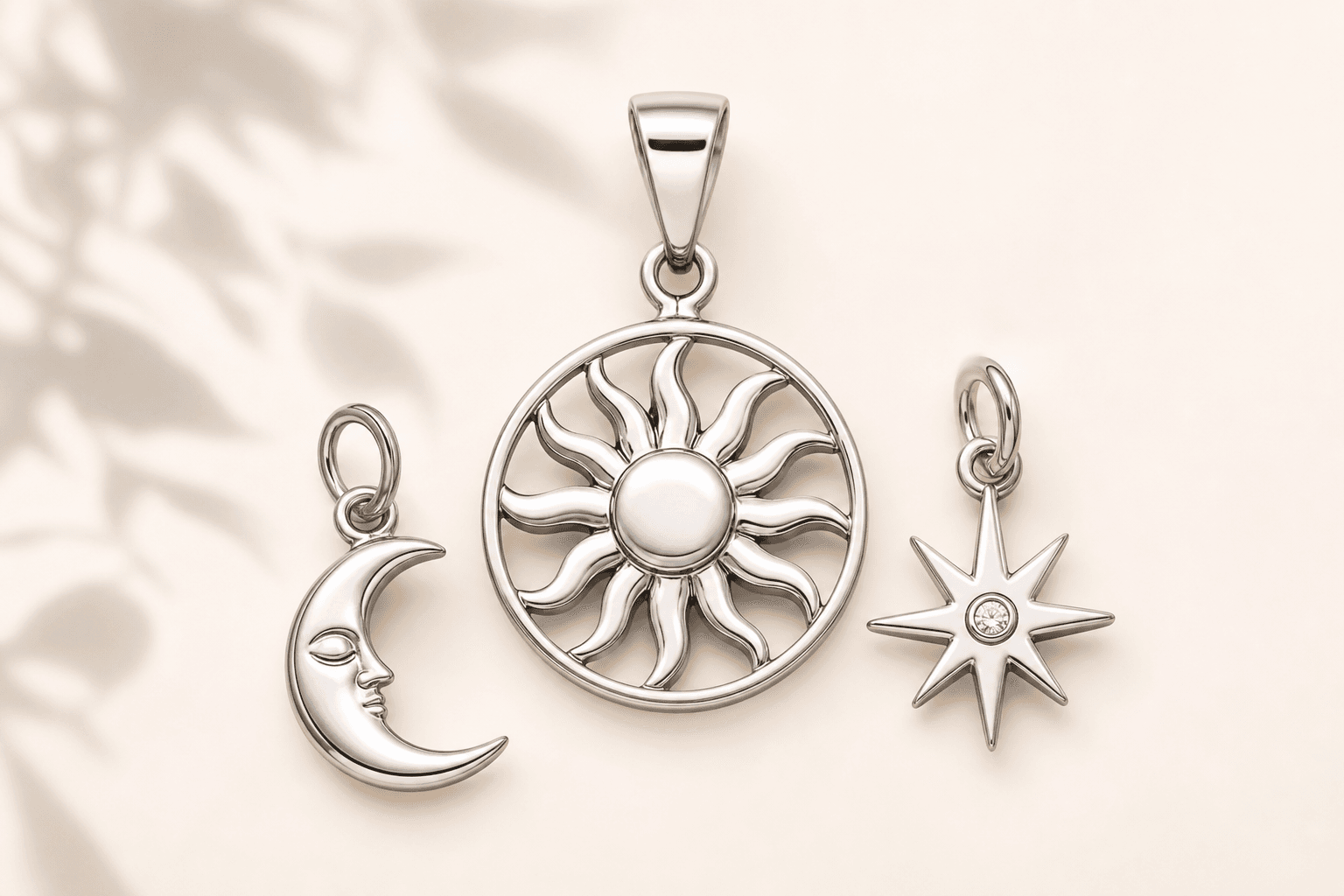
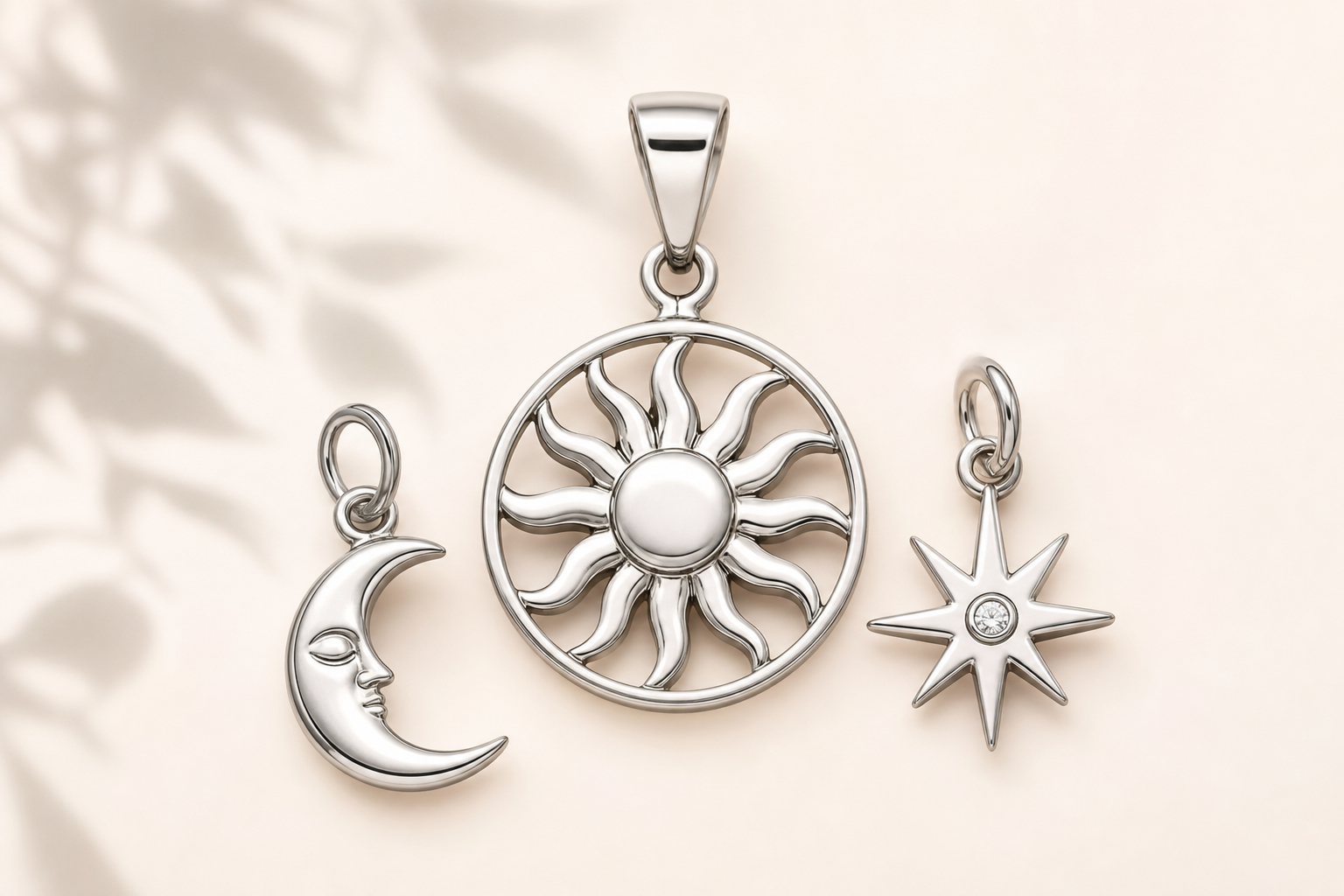
In the dynamic world of boutique brands, gift programs, and private-label programs, wholesale buyers require a reliable partner who can supply 316L stainless steel charms with consistent quality and scalable lead times. This sourcing guide from Lancy Jewelry outlines a practical, factory-focused approach to identifying and working with suppliers that meet the demanding requirements of global markets. With a modern manufacturing setup featuring CNC and laser processing, finishing lines, and strict process controls, Lancy aligns material science, manufacturing discipline, and supply-chain reliability to help you scale with confidence.
Stainless steel charms wholesale: A practical sourcing guide for wholesale buyers
Understanding 316L stainless steel charms: composition, properties, and testing
316L stainless steel charms are produced from a low-carbon austenitic alloy designed for durability and corrosion resistance. The key elements—chromium, nickel, and molybdenum—contribute to passivation, mechanical stability, and long-term performance in varied climates. For wholesale programs, buyers look for:
- Corrosion resistance and passivation behavior across markets with different exposure profiles.
- Biocompatibility and low nickel release verified through third-party testing and EN1811 standards.
- Stable base chemistry and tight lot-to-lot consistency to minimize finish variation.
- Predictable mechanical properties under normal consumer handling and wear.
Typical qualification metrics include chemical composition verification, salt spray resistance, nickel release testing, and finish adhesion tests. When evaluating suppliers, request documentation that demonstrates compliance and material integrity across batches. At Lancy, we provide controlled testing data and traceability to reinforce confidence in material performance across global markets.
Material science and finishes that influence durability
Finish durability depends on base-material compatibility with plating systems, finish thickness, and surface preparation. For 316L charms, common finishes include:
- PVD plating (gold, rose gold, silver) for durable color and wear resistance.
- Enamel fills for color accents with strong adhesion.
- Crystal inlays for decorative elements requiring precise setting and secure retention.
Understanding these finishes helps buyers anticipate lifecycle costs, re-plating needs, and maintenance schedules. Request batch-level finish samples and controlled lot results to ensure consistency before bulk production.
Plating and finishes: expectations from a supplier
PVD plating is the standard for premium 316L stainless steel charms due to hardness, color stability, and wear resistance. Typical finishes include:
- PVD gold plating (yellow or rose) for a premium look with excellent tarnish resistance.
- Silver finish with bright tone and high reflectivity.
- Rose gold plating for a modern, fashion-forward aesthetic.
- Enamel fills and crystal inlays for accent detailing on high-contrast designs.
When sourcing, verify finish thickness specifications (microns) and uniformity across the run. Confirm color-matching capabilities for enamel fills and consistent tone across lots.
Manufacturing capabilities you should verify
Beyond material quality, a supplier’s manufacturing ecosystem affects lead times, customization options, and scale. Essential capabilities include:
- OEM/ODM development for custom logos, shapes, and branding elements.
- Logo engraving and laser marking for traceability and brand depth.
- PVD plating with robust process controls and color consistency.
- Enamel color filling and crystal setting for premium decorative charms.
- Private-label packaging and flexible packaging configurations for private-label buyers.
- Sample support and rapid iteration cycles to minimize time-to-market.
At Lancy, we blend CNC and laser-based workflows with meticulous polishing and assembly processes to ensure boutique-ready quality. We also support private-label packaging, helping you present a consistent brand experience across channels.
Quality control, certifications, and reliability
Quality control is a critical factor in wholesale engagements. Buyers should request:
- Material verification certificates and batch traceability documentation.
- Process controls for plating thickness, color consistency, and adhesion.
- Salt spray and corrosion test results to gauge long-term resistance.
- Nickel-release testing documentation to confirm consumer safety and regulatory compliance.
With SGS-certified processes and a facility committed to precision finishing, Lancy offers a reliable foundation for scalable, global supply. Explore our OEM/ODM capabilities and initiate an RFQ to align with procurement timelines.
Benefits and why it matters for wholesale programs
Key benefits for wholesale buyers
- Low MOQ charm production enables gradual ramp-up and risk-managed expansion.
- Consistent plating quality across lots minimizes post-purchase rework and returns.
- Boutique-ready series planning supports seasonal launches and capsule collections.
- Private-label packaging options streamline branding and in-store presentation.
- Fast sample development accelerates decision cycles and reduces time-to-market.
These benefits translate into healthier margins by reducing overhead, lowering defect risk, and enabling more predictable inventory planning. When evaluating suppliers, prioritize those with proven OEM/ODM capabilities, robust QC protocols, and transparent communication—elements that protect margins and brand integrity.
Certification-driven reliability
Certifications matter for cross-border rollouts. SGS-certified processes and EN1811 nickel-release testing demonstrate a commitment to safety and performance. This assurance supports regulatory compliance in the US, EU, UK, and other markets, helping wholesale buyers navigate import screening and retailer requirements with confidence.
Detailed analysis and guide: step-by-step supplier evaluation
Step 1 — Define your technical spec and branding requirements
Begin with a crystal-clear spec package that includes:
- Base material: 316L stainless steel, with no alternative base materials in scope.
- Finish preferences: PVD gold, rose gold, and silver; enamel color options; crystal inlay requirements.
- Size ranges: baseline 8–18 mm with tolerance bands.
- Weight and balance targets for wear durability.
- Branding requirements: logo engraving depth, laser marking standards, and packaging preferences.
A well-defined spec reduces iteration cycles and supports accurate RFQ responses from OEM/ODM suppliers.
Step 2 — Assess supplier capabilities and capacity
Request a capability sheet covering:
- Manufacturing suite: CNC, laser cutting, laser marking, welding, polishing, finishing lines.
- Finishing options: PVD thickness ranges, color stability data, enamel catalog, and crystal-setting capabilities.
- Packaging options: private-label packaging choices, carton sizing, labeling.
- Quality control procedures: in-line and final inspections, defect-rate targets.
- Supply chain risk mitigations: multi-sourcing, safety stock, lead-time commitments.
Ask for demonstrations of process controls and access to CNC and laser marking facilities to verify accuracy. A factory tour can provide additional confidence in capability alignment.
Step 3 — Request samples and conduct lightweight testing
Samples enable hands-on evaluation of material feel, finish, and packaging compatibility. Use a structured test plan that includes:
- Finish uniformity across multiple samples.
- Engraving/laser marking legibility and durability.
- Enamel fill integrity and color consistency across batches.
- Nickel-release testing readiness or documentation readiness.
- Basic mechanical tests: bend resistance, wear, and impact under simulated conditions.
Record results and compare with internal acceptance criteria. Suppliers like Lancy can support efficient sample development cycles to minimize decision latency.
Step 4 — Evaluate pricing, MOQs, and commercial terms
Cost typically includes base price, finish premiums, tooling charges (if any), and freight. Key terms to clarify include:
- Minimum order quantity (MOQ) and scalability for seasonal launches.
- Pricing tiers tied to volume and lead times.
- Private-label packaging costs and lead times for branded packaging.
- Lead times for standard vs. custom designs and rush options.
- RFQ process, payment terms, and warranty/repair policies.
Seek suppliers offering stable pricing with predictable delivery windows and a clear path to scale for bulk orders. This aligns with wholesale business needs and reduces supply risk during growth.
Step 5 — Verify certifications, compliance, and after-sales support
Beyond the raw material, ensure the supplier’s compliance posture supports cross-border sales. Review:
- Material and finish certifications (SGS, EN1811 nickel release, RoHS/REACH).
- Traceability and lot-level documentation for each production run.
- Customer support responsiveness, replacement policies, and defect remediation timelines.
- Warranty terms on finishes and plating integrity for wholesale programs.
Partnering with a supplier that demonstrates proactive transparency, robust testing, and reliable post-sale support can significantly improve margins and retailer confidence across markets.
Step 6 — Align on logistics, packaging, and launch readiness
Consider geographic coverage and carrier options to minimize transit times. Coordinate packaging design, labeling, and branding assets early. For private-label programs, ensure packaging milestones align with product releases. Lancy supports private-label packaging and can coordinate packaging development in parallel with charm production to streamline launches. Access our OEM service page for a structured path to customization and RFQ submission, or contact our team via Contact to begin discussions.
FAQ
Q: What is a typical MOQ for 316L stainless steel charms in wholesale programs?
MOQs vary by design and finish, but reputable OEM/ODM suppliers offer low MOQ options to support boutique launches and private-label programs. It’s common to negotiate MOQs that fit initial assortments and scale pricing as volumes grow.
Q: How long does sample development take for custom logos and finishes?
Sample development typically takes 1–2 weeks for initial samples, with an additional 1–2 weeks for adjustments and final approval. Lancy prioritizes fast sample cycles to enable rapid decision-making in wholesale cycles.
Q: What finishes and colors are available for 316L stainless steel charms?
Available finishes include PVD gold plating, silver finish, rose gold plating, and enamel fills with crystal inlays for decorative accents. Review color swatches to ensure brand palette alignment.
Q: How does Lancy support private-label packaging and branding?
We offer private-label packaging options and a structured OEM/ODM development path, enabling a cohesive brand experience across product and packaging. Learn more about our OEM service and packaging capabilities on the linked pages.
Call to action: Partner with Lancy Jewelry
Whether you’re launching a new collection, expanding an existing line, or building a private-label program, Lancy Jewelry provides a reliable partner for 316L stainless steel charms with OEM/ODM capabilities, flexible MOQs, and robust quality controls. Our modern facility supports CNC, laser processing, finishing, PVD plating, enamel fills, and crystal settings, backed by SGS-certified compliance. If you’re ready to explore wholesale opportunities, request a quote or start a conversation with our team:
- Explore our catalog and capabilities at All Products.
- Learn about our OEM service and ODM options for custom designs.
- Submit an RFQ or request samples via Request a Quote.
- Contact our sales team at Contact for personalized support.
Partner with Lancy Jewelry today to establish a scalable, compliant, and design-forward supply chain for 316L stainless steel charms. We support global brands and private-label buyers from concept to full-scale production.