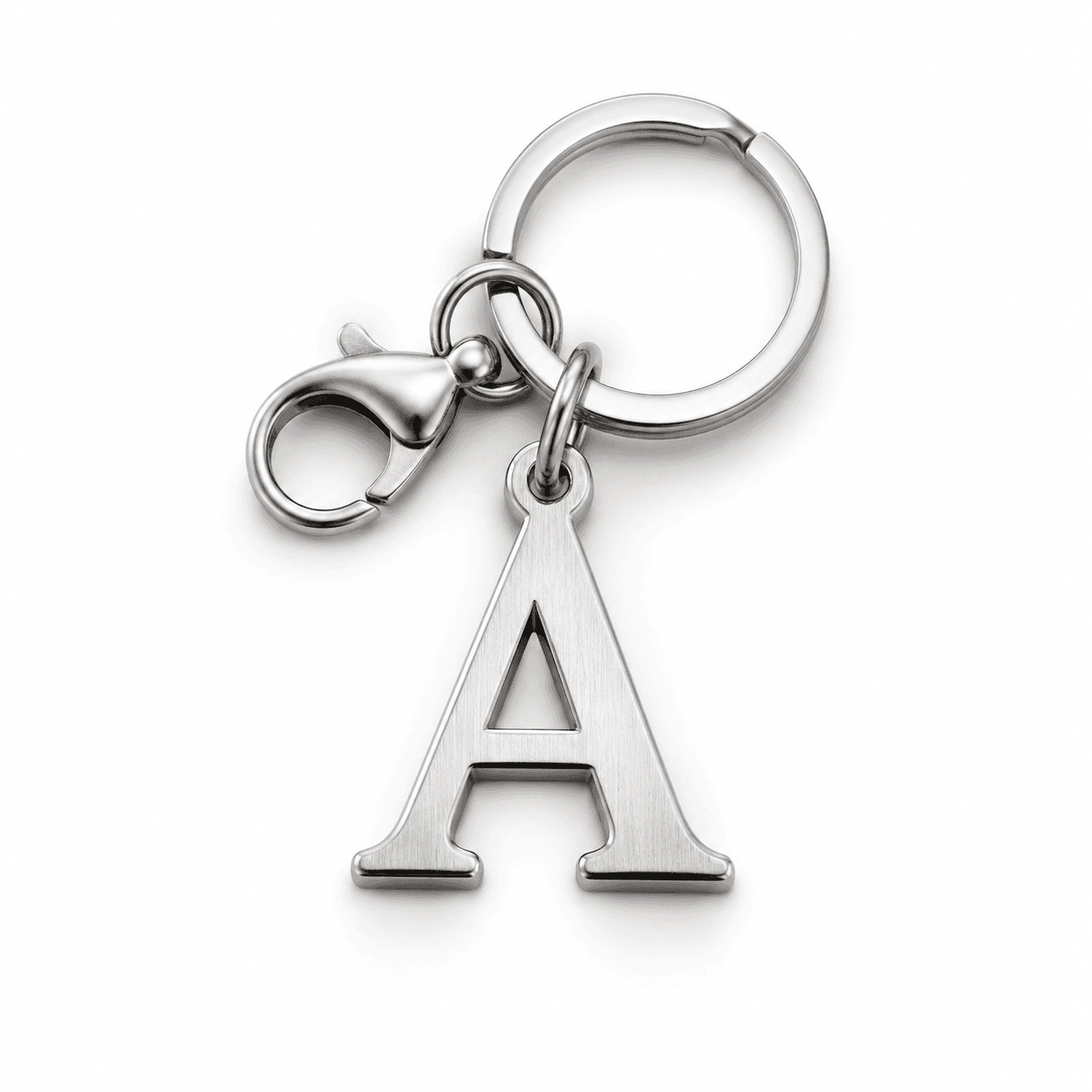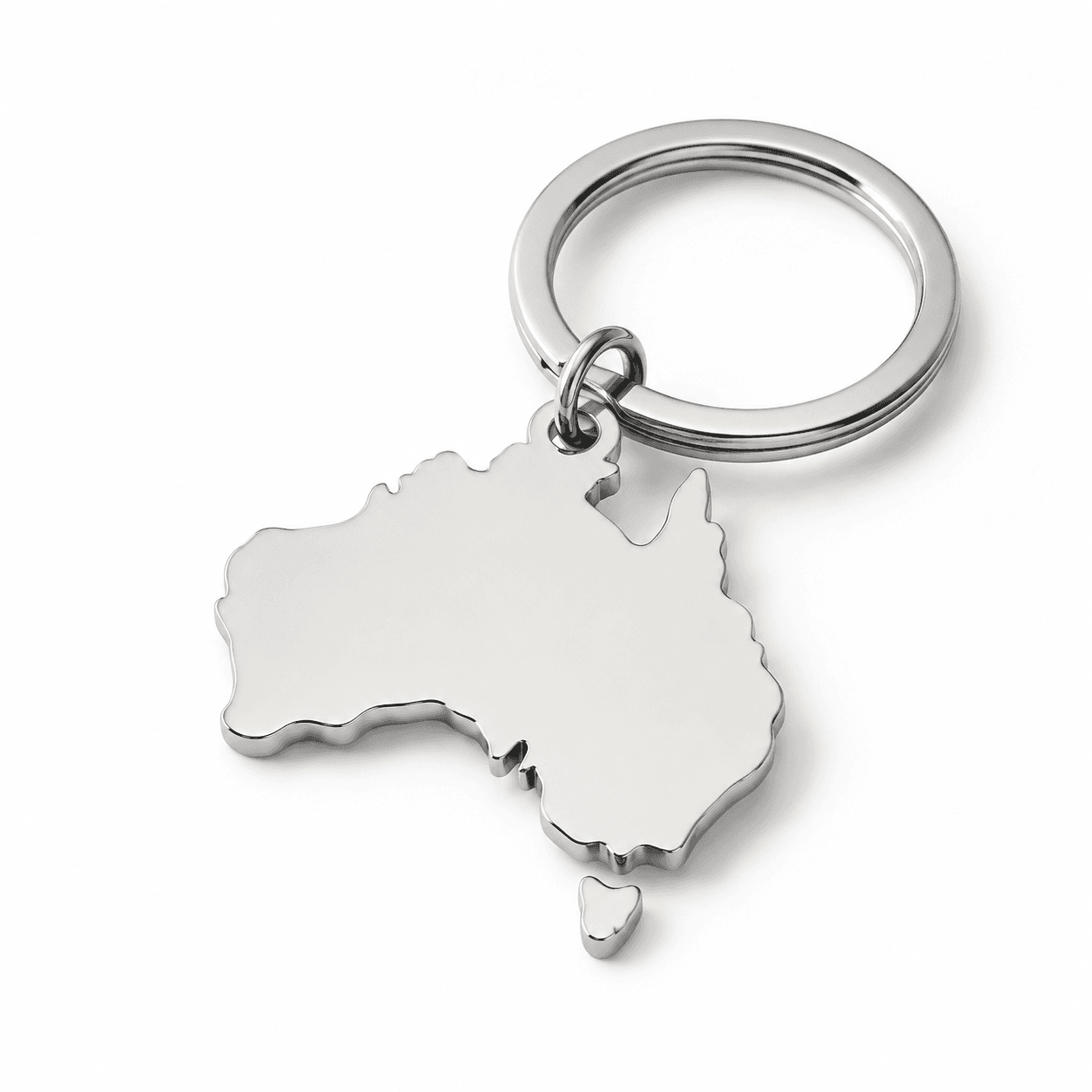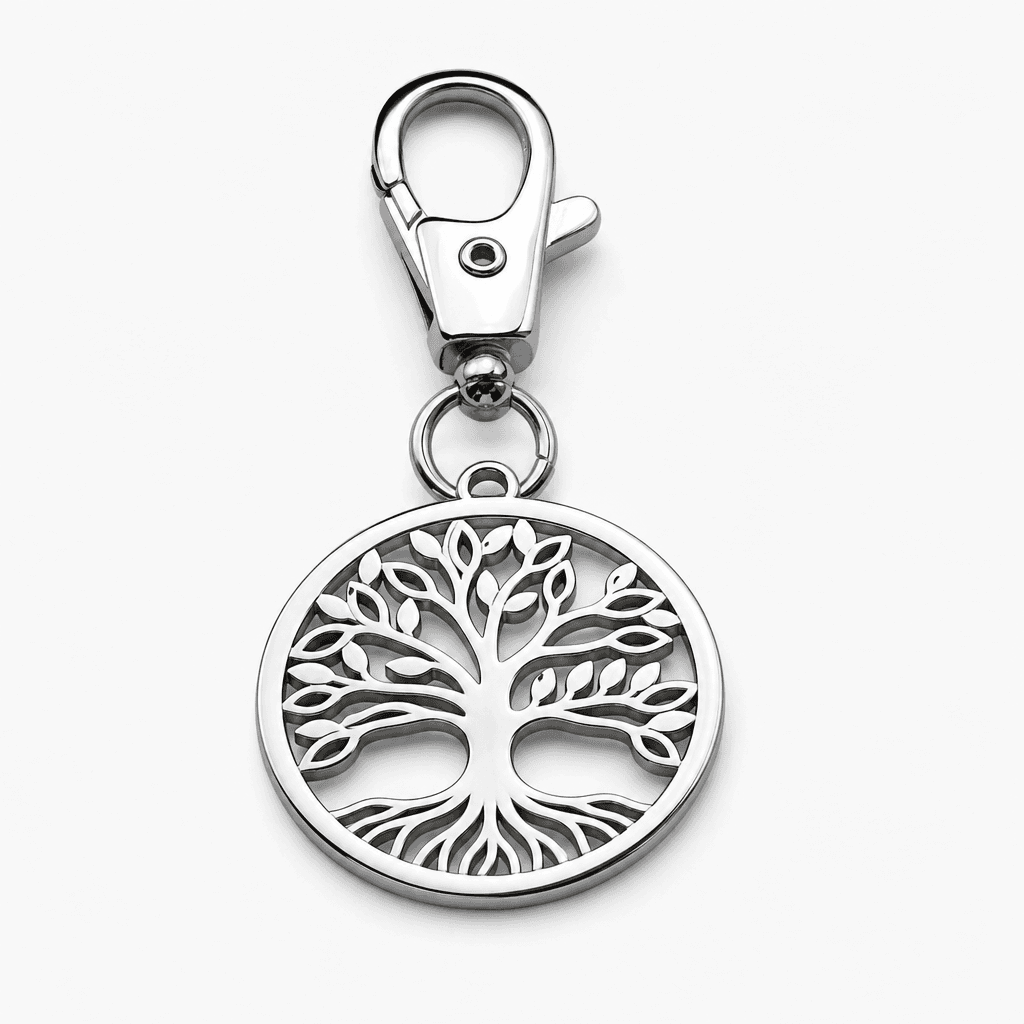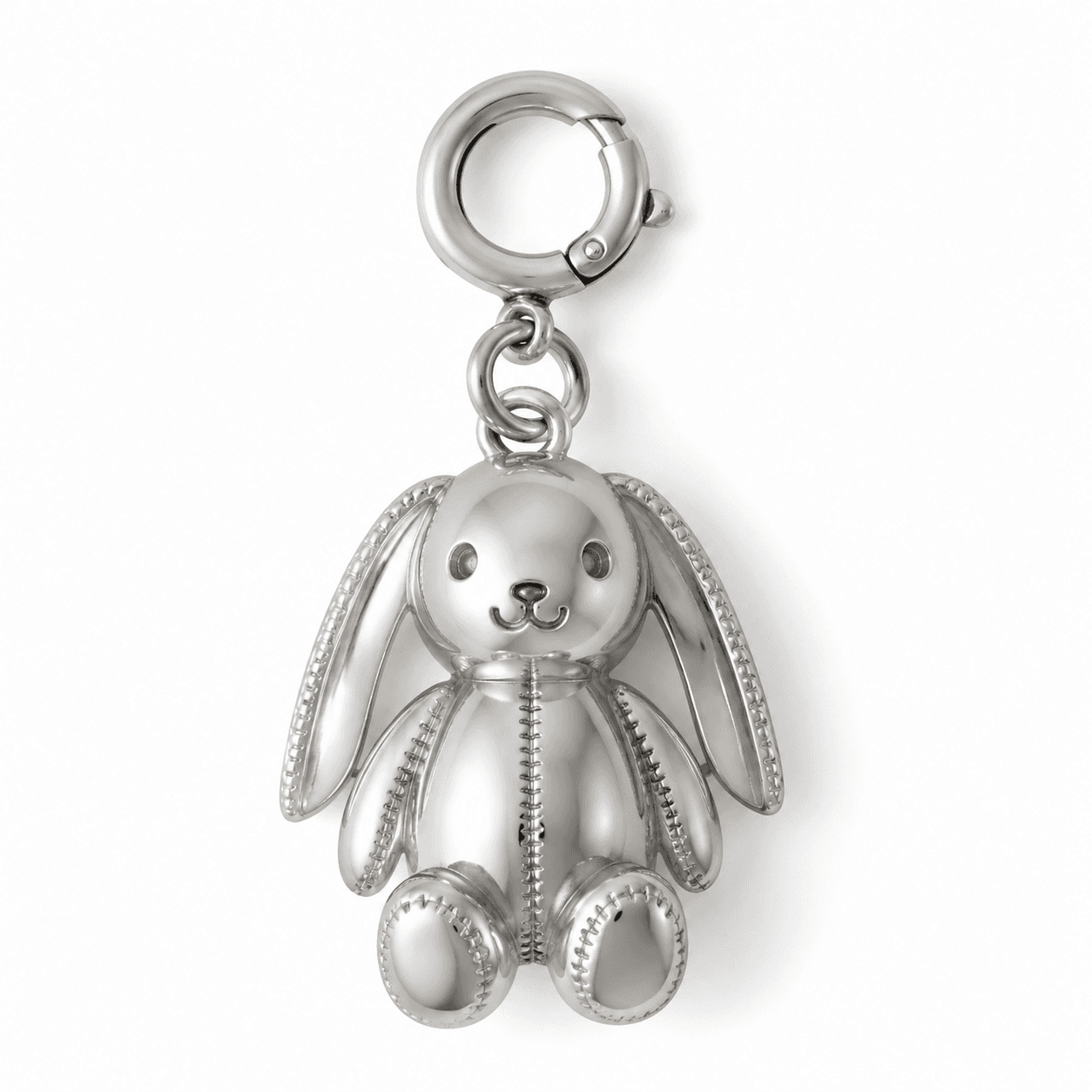
In the boutique charm program ecosystem, rigorous sourcing drives a compliant, scalable supply. This guide focuses on 316L stainless steel charms for keychains, translating alloy properties into supplier evaluation, documentation, and audit-ready processes. If your team handles private-label or OEM programs, these insights help you build a robust vetting framework, shorten time-to-market, and protect quality across cross-market orders. For next steps, explore our OEM service and request a quote via the pages linked below. OEM Service • Request a Quote • Contact for direct collaboration.
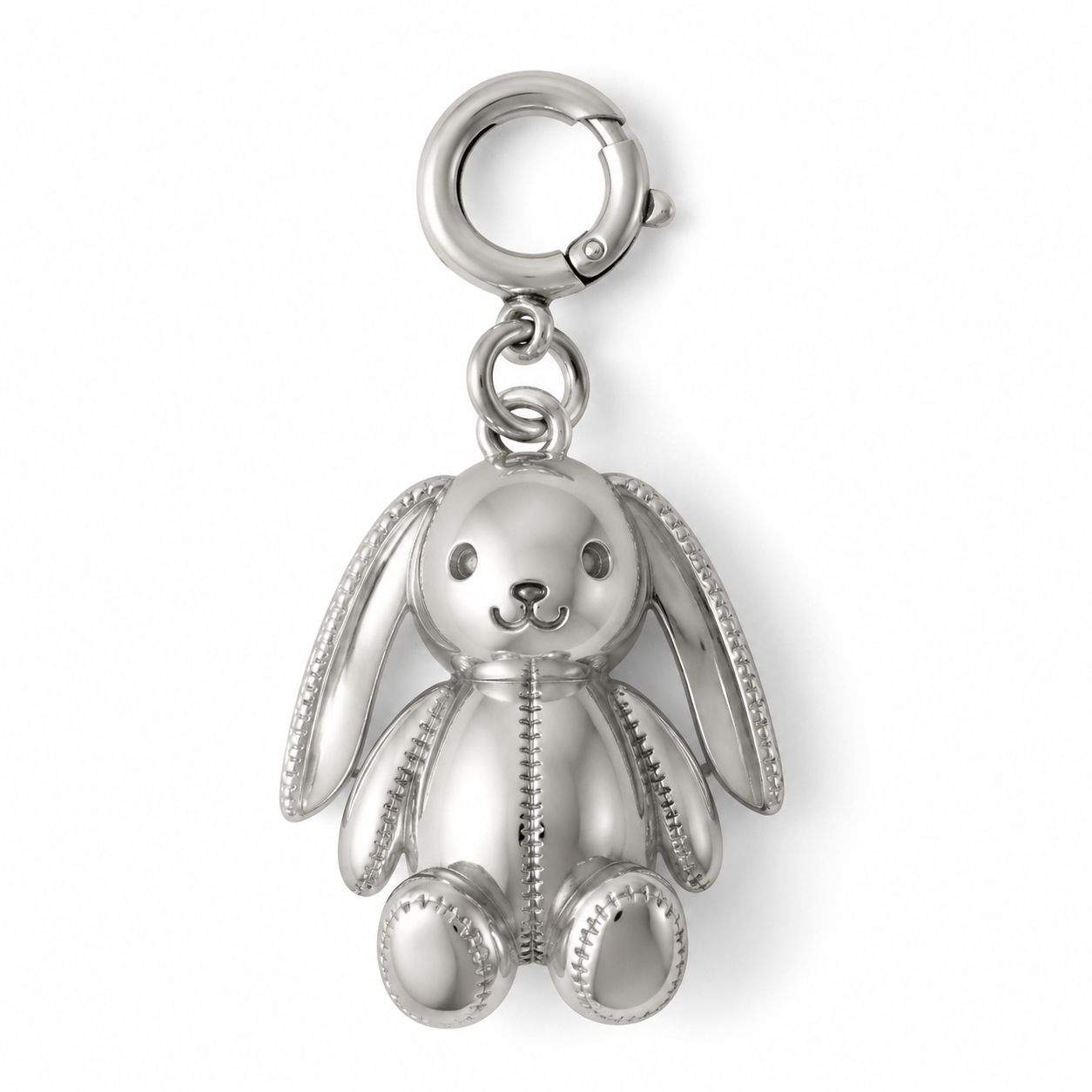
316L stainless steel charms keychain sourcing: 316L insights
316L stainless steel composition and why it matters for keychain charms
316L stainless steel remains the industry-standard base for durable, corrosion-resistant charms. Its low carbon content (<0.03%) minimizes carbide precipitation during welding and fabrication, preserving corrosion resistance when heat-affected zones are present during machining, engraving, or plating. Typical composition ranges include chromium around 16-18%, nickel 10-14%, and molybdenum 2-3%, with iron as the balance. The lower carbon content reduces grain-boundary carbide formation, enabling reliable weldability and improved plating adhesion—crucial for long-term wear in moisture-prone keychain environments. As a stainless steel charms manufacturer, we emphasize a stable 316L chemistry to support cross-market use and standardize supplier audits.
Finishes, plating, and decorative options for 316L
One of the strengths of 316L-based charms is their ability to pair with a range of finishes that suit boutique brands and private-label programs. Finishes such as PVD gold plating, silver finish, and rose gold plating are commonly applied to 316L substrates with strong adhesion and durability. Enamel color filling and crystal inlays are additional features that can be incorporated post-plating, provided the bonding surfaces are prepared to specification. When evaluating suppliers, confirm plating thickness targets, adhesion tests, and the consistency of surface texture across lots. A reputable supplier should provide data on plating thickness distribution, warranty terms for finish wear, and salt-spray performance to demonstrate corrosion resistance under typical consumer use.
Manufacturing capabilities you should expect
Beyond core material and finishes, the ability to support OEM/ODM projects is essential for private-label buyers. Look for capabilities such as logo engraving, enamel filling, crystal setting, and private-label packaging. A modern facility with CNC, laser cutting, laser marking, welding, and polishing ensures consistent dimensional accuracy and repeatability. Suppliers with SGS certifications offer additional confidence that RoHS, REACH, and Nickel Release EN1811 standards are tested and verified. For procurement teams, this combination—material stability, plating discipline, and packaging readiness—drives a smoother, audit-friendly supply chain. Lancy Jewelry operates as a 316L stainless steel charms manufacturer with these capabilities, offering low MOQ options and fast sample development to accelerate private-label programs.
Evaluation criteria for prospective suppliers
Effective supplier vetting combines technical, operational, and compliance dimensions. Key criteria include: materials specification alignment (316L composition and carbon content), plating compatibility and process controls, engraving/marking capabilities, packaging options, and private-label readiness. Documentation should cover material certificates, RoHS/REACH compliance, EN1811 nickel-release testing results, and salt-spray testing data. Confirm audit readiness, production capacity for bulk orders, and sample turnaround timelines. A structured RFQ packet helps you compare bids on a like-for-like basis, reducing the risk of late changes or hidden costs. For global teams, ensure the supplier has experience servicing multiple markets and can support cross-border regulatory packaging requirements.
Benefits/Why it matters
Why 316L stainless steel is ideal for keychain charms
316L provides strong corrosion resistance in salt air, moisture, and everyday abrasion common to keychain usage. Its low-carbon chemistry supports reliable fabrication, clean welding, and compatibility with protective coatings like PVD. This combination translates to longer lifecycles for charms, fewer returns due to plating failure, and more predictable performance across diverse climates and consumer handling. For global buyers, the universality of 316L helps standardize sourcing across markets, easing documentation and conformity checks while enabling consistent customer experiences.
Certifications and compliance you should verify
Compliance is a critical gatekeeper for procurement success. Look for SGS-certified suppliers with RoHS and REACH conformance, EN1811 nickel-release testing results, and Salt Spray 240H performance data. These certifications support cross-market acceptance and help guard against regulatory and warranty risks. When reviewing candidates, request current certificates and ensure they remain valid for the duration of your contract. Partnering with a supplier that maintains ongoing testing and transparent reporting reduces the overhead of supplier audits and enables faster onboarding for new programs.
Value propositions that impact total cost of ownership
Private-label packaging, reliable plating quality, and low MOQ support are powerful levers in total cost of ownership. A supplier who can deliver consistent plating thickness, process controls, and repeatable finishes minimizes rework and returns. Low MOQ options help protect cash flow during the early stages of a program, while fast sample development accelerates time-to-market for new collections. When combined with a robust RFQ and a clear private-label strategy, these capabilities create a resilient supply base for boutique brands and distributors alike.
Detailed analysis/Guide
Step 1 — Define your specs with precision
Begin with a formal specification sheet that covers material: 316L stainless steel, with carbon content targets and trace element allowances. Define finishes: PVD gold, rose gold, or silver; enamel color options and any crystal inlay requirements. Include tolerance bands for bail holes, ring inner diameters, and overall charm silhouette. Establish whether laser engraving will be used for logos or serial marks and specify engraving depth and font compatibility. Attach a sample card or drawing to minimize interpretation gaps during quoting.
Step 2 — Vet suppliers against capability criteria
Shortlist candidates who demonstrate end-to-end capabilities: CNC machining, laser marking, welding, polishing, and post-processing (plating, enameling, setting). Confirm their experience with OEM/ODM projects, private-label packaging, and the ability to provide logo engraving and sample development. Request factory visit availability or remote audit readiness documentation to assess production controls, cleanliness, and worker safety measures. A strong candidate should offer a clear production flow, traceable lot numbers, and a robust quality management approach without the need for external brand references.
Step 3 — Documentation and audits
Prepare a due-diligence package that includes: material test reports (composition and impurities), RoHS/REACH declarations, EN1811 nickel-release data, and Salt Spray test results. Ask for process certifications where applicable and ensure your supplier can provide ongoing test results for the lifetime of the contract. Align on packaging labels, private-label branding guidelines, and any regulatory labeling requirements for target markets (US, EU, UK, AU, CA, DE, FR, SP, NE, RU). Document control plans, change-notice procedures, and a clear rejection protocol for non-conforming lots.
Step 4 — RFQ and sample development workflow
The RFQ should specify all technical and packaging requirements with a requested lead time, price breaks by volume, and MOQs. Ask for a sample development window (often 1-3 weeks) and a confirmable quotation covering setup, tooling, and any engraving costs. Evaluate samples for finish consistency, engraving legibility, hole sizes, and plating adherence. Use a controlled dimensional check against the spec sheet and request a small test batch if you plan a private-label rollout. A supplier capable of rapid sample development and transparent cost breakdowns supports faster decision-making and fewer post-sourcing surprises.
Step 5 — Quality assurance and pilot orders
Before committing to large-scale production, run a pilot order to validate quality in real-market conditions. Establish acceptance criteria across appearance, wear resistance, and finish uniformity. If available, perform salt-spray aging, corrosion tests, and enamel-cracking checks on representative lots. Track yield, defect rates, and any process deviations; require corrective action plans if variances exceed defined thresholds. A cross-market supplier should accommodate regional packaging preferences and ensure that labeling and branding meet the regulatory expectations of each target market.
Step 6 — Packaging, labeling, and scale-up
Private-label packaging is a meaningful value-add. Define packaging formats (blister cards, jewelry pouches, or carton display trays), labeling conventions, and any anti-tamper or barcode requirements. Confirm the ability to scale from pilot volumes to bulk charm orders, with clear lead times and pre-agreed price adjustments based on volume tiers. Documentation should include a packaging spec, carton markings, and supplier declarations that packaging components comply with your target markets’ regulatory frameworks.
FAQ
Q1: What is 316L stainless steel and why is it used for charms?
A1: 316L stainless steel is a low-carbon variant known for strong corrosion resistance and weldability, making it ideal for durable charms used as keychains. Its compatibility with protective finishes and reliable plating adhesion supports consistent, market-ready products.
Q2: What documents should I request when vetting a stainless steel charms manufacturer?
A2: Request current material certificates (composition and impurity profiles), RoHS and REACH declarations, EN1811 nickel-release testing results, and Salt Spray 240H performance data. Also seek process controls, quality management documentation, traceability records, and a clear packaging specification. If possible, obtain a recent supplier audit report or a summary of remediation actions for any past non-conformances.
Q3: How long does sample development take and what is typically included?
A3: Sample development typically ranges from 7 to 21 days, depending on engraving, enamel filling, or crystal-setting requirements. A thorough sample should include the base charm in the requested finish, a logo engraving proof (if applicable), and sample packaging. Ensure the sample includes dimensional checks against the spec sheet and a small set of performance tests where feasible to validate finish adhesion and fit with typical jump rings or clasps.
Q4: Do you offer private-label packaging and low MOQs?
A4: Yes. A reputable stainless steel charms manufacturer can offer private-label packaging options and support low MOQs to align with catalog launches, seasonal campaigns, or pilot programs. When negotiating MOQs, balance unit price with setup costs and future volume projections. For many boutique brands, the combination of private-label packaging, low MOQs, and reliable plating quality delivers a faster, less risky pathway to market.
Call to action — Partner With Us
Whether you’re a boutique brand, charm bar, or distributor seeking a reliable OEM/ODM partner, Lancy Jewelry offers a modern manufacturing foundation for 316L stainless steel charms with private-label potential. From logo engraving and PVD finishes to enamel filling and crystal setting, our closed-loop capabilities support both sample development and bulk charm orders. Explore our OEM service and start with a formal RFQ via Request a Quote. For direct guidance on spec sheets, compliance documentation, or private-label packaging options, contact us at Contact and let’s craft a scalable sourcing plan together.