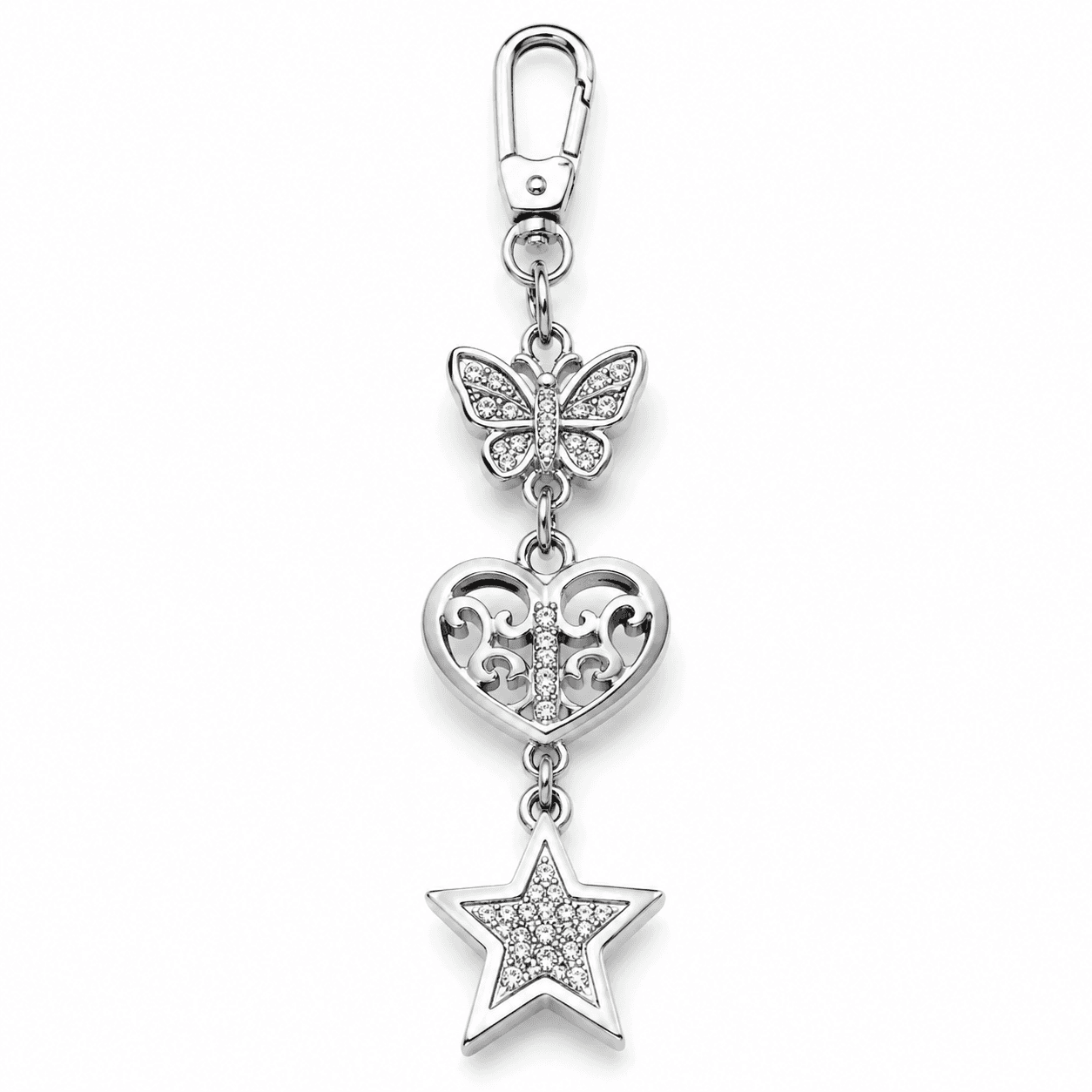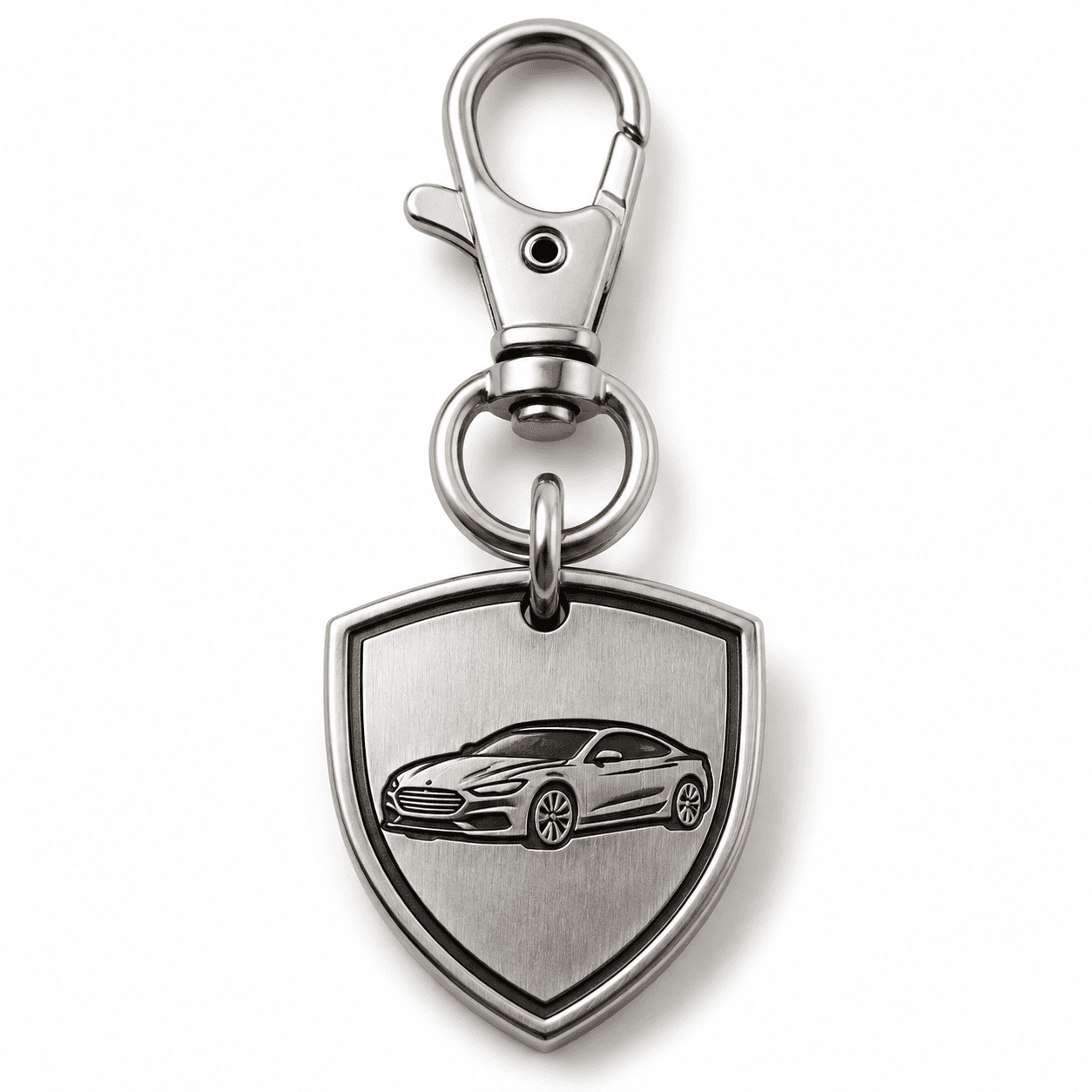
In global procurement for boutique brands and private-label programs, sourcing stainless steel keychains and bag charms requires more than price. Buyers must align on material science, supplier capabilities, and rigorous documentation to ensure consistent quality across volumes and markets. This guide from Lancy Jewelry — a stainless steel charms manufacturer focused on 316L stainless steel and related finishes — walks procurement teams through a structured, step-by-step evaluation. We emphasize material chemistry, process controls, and auditable data to minimize risk from initial supplier selection through full-scale production. The framework is designed for cross-market applicability and can scale from pilot runs to bulk charm orders while supporting private-label programs and low MOQ needs. For reference, Lancy’s modern facility leverages CNC, laser cutting, laser marking, welding, and polishing capabilities, with SGS certifications including RoHS, REACH, Nickel Release EN1811, and Salt Spray 240H to underpin supplier trust. To begin or continue a sourcing journey, explore our OEM service options at /oem, browse the catalog at /products, or request a quote via /cart or contact the team at /contact.
Stainless steel keychains backpack charms: a sourcing guide for 316L
When the target product is a charm intended for bags, keys, or as a charm bar accessory, the baseline material must be 316L stainless steel. This alloy delivers corrosion resistance, biocompatibility, and stable plating performance, which are essential for daily wear and frequent handling. The goal of this section is to translate material specifications into actionable supplier questions and acceptance criteria that procurement teams can use in RFQs, POs, and supplier audits. You will see how 316L chemistry, process controls, and finish options drive lifecycle performance—from raw material receipt to finished goods with PVD plating, enamel fills, or crystal inlay. This is not just about the metal; it is about the entire manufacturing ecosystem that supports private-label programs and OEM/ODM engagements with low MOQs and reliable sample development.
Step 1: Define material specifications and performance targets
Begin with a precise material baseline: 316L stainless steel, ensuring the base geometry accommodates capsule holes and jump rings used in key rings and bag charms. Require supplier data on chemical composition: low carbon content, controlled nickel levels, and balanced chromium, manganese, and molybdenum to promote corrosion resistance and plating compatibility. A well-documented 316L specification supports predictable plating adhesion for PVD gold, rose gold, or silver finishes and reduces the risk of plating delamination after handling or abrasion. Specify the acceptable range for nickel release in EN1811 testing and ensure Salt Spray (ISO 9227) results meet your internal durability targets (for instance, 240 hours or better). For documentation, insist on material certificates (COC) and supplier data sheets that align with SGS expectations, reinforcing RoHS and REACH compliance for cross-market distribution. This step lays the groundwork for the entire vendor vetting and QA process.
Step 2: Assess supplier technical capabilities and equipment readiness
Evaluate whether the supplier’s factory has the capabilities to produce 316L stainless steel charms at the required scale. Key capabilities include CNC machining, laser cutting, laser marking, welding, and precision polishing—benefits you can verify against equipment inventories and process flow diagrams. For charm applications, confirm that the facility can support delicate bail holes, consistent link tolerances, and robust joint integrity when connecting jump rings. Review process controls that ensure plating uniformity, such as PVD chambers with in-situ thickness monitoring, controlled deposition parameters, and test coupons used to validate color and adhesion of gold/platinum finishes. Enamel color filling and crystal inlay require controlled environment workhouses with proper curing times and defect inspection plans. If a supplier also offers private-label packaging and branding, document their capability in a packaging spec sheet to ensure label accuracy and tamper-evidence requirements.
Step 3: Vet documentation, certifications, and quality systems
Documentation is a cornerstone of supplier trust. Request current SGS certifications and ensure the scope covers RoHS, REACH, Nickel Release EN1811, and Salt Spray 240H. Verify factory audit reports, material test reports, and QC checklists for incoming material, in-process, and final inspection. Look for traceability data: lot numbers, batch records, and the ability to trace a finished charm back to the specific melt and plating batch. For private-label or OEM programs, insist on a documented change-control process, artwork approval workflows, and a printed packaging standard that aligns with your brand identity. In practice, you should obtain a ready-to-validate QA package that includes sampling logs, non-conformance reports, and corrective action plans. This reduces the risk of miscommunication between engineering teams, production, and packaging, and it is essential for those pursuing global distribution.
Step 4: Design for sampling: sample development and first runs
Sample development is where theory becomes praxis. Request samples that demonstrate the three core aspects: material baseline (316L stainless steel), finish (PVD plating options and enamel fills), and assembly integrity (bail, jump rings, and connectors). Evaluating a sample lot lets you assess plating color stability after handling, the uniformity of enamel fills, and the accuracy of tolerances around small holes. A robust sample plan includes a pilot lot with documented acceptance criteria, a controlled environment for assembly, and a clear timeline for delivery. Check whether the supplier can support low MOQ charm production and private-label packaging for your first launch. A reliable supplier will provide a detailed test plan and a straightforward path to mass production, including a timeline and a price ladder that scales with volume.
Step 5: Test finish quality, plating chemistry, and durability
Finish quality directly affects consumer perception and return rates. Evaluate plating thickness, color uniformity, and adhesion across multiple samples and surfaces. Enamel fillings require precise pigment compatibility, curing, and dimensional stability under UV exposure and temperature cycling. For crystal inlay or decorative stones, verify hardness, anchorage, and wear performance. The chemistry of PVD plating—its adhesion to 316L steel, potential interactions with cleaning agents, and long-term color retention—should be validated with accelerated aging tests. A disciplined supplier will maintain a materials library for color references and deliver test certificates that accompany every batch, so your QA team can compare results against baseline specifications consistently.
Step 6: Terms, pricing, and commercial readiness
Commercial terms must translate the technical capabilities into a reliable supply chain. Confirm MOQs align with your private-label or wholesale strategy, and ensure the supplier offers flexible terms for low MOQ orders when you are starting a new line. Clarify lead times for samples and production runs, and lock in packaging specifications, labeling rights, and branding collateral. A disciplined supplier will present a transparent pricing ladder, including setup charges, plating surcharges, and any costs associated with changes in design or packaging. For manufacturers and distributors, ensure the contract includes a robust warranty clause, clear defect allowances, and a remediation path for any non-conforming lots. This is also the stage to confirm a mutual understanding of logistics, incoterms, and quality-related penalties if performance diverges from the agreed plan.
Benefits / Why it matters
- Strategic material engineering: 316L stainless steel provides corrosion resistance, formability, and long-term plating compatibility essential for 316L stainless steel charms used as keychains or bag charms.
- Global certification coverage: SGS certifications (RoHS, REACH, Nickel Release EN1811, Salt Spray 240H) reduce market-entry friction and support cross-border compliance.
- Supply-chain resilience: A vetted charm factory with CNC, laser, welding, and polishing minimizes production risk and accelerates private-label programs.
- Low MOQ and sample development focus: Flexible production planning supports pilot programs, enabling private-label launches with controlled costs.
- Packaging and branding integration: Private-label packaging capabilities ensure brand consistency from factory-to-shelf, with packaging specs aligned to market requirements.
Detailed analysis / Guide: turning evaluation into action
Putting theory into practice requires a repeatable process, including documented steps, checklists, and data-driven decision frameworks. Below are practical actions that procurement teams can execute with confidence, drawing on Lancy Jewelry’s capabilities as a reference point for material science, process control, and OEM/ODM readiness.
Step 7: Build an evaluation checklist for RFI/RFQ
Develop a supplier evaluation checklist that covers material chemistry, manufacturing capabilities, plating capabilities, dimensional tolerances, and packaging options. Include sections for required certifications, test reports, supplier audit history, and traceability documentation. Use a scoring rubric to quantify each criterion, enabling transparent comparisons across multiple suppliers. Your RFI/RFQ should request specific 316L stainless steel chemistry data, plating thickness targets, enamel formulation details, and crystal inlay tolerances. Align the checklist with your internal QC criteria, and ensure responses map to measurable acceptance criteria for sample development and first production orders.
Step 8: Validate cross-market readiness and regulatory alignment
Global markets demand consistent compliance across RoHS, REACH, and nickel release regulations. Create a regulatory matrix that matches your target regions with the supplier’s certifications and test reports. If your program includes markets with unique packaging or labeling requirements, ask for packaging compliance documentation and a labeling spec sheet. Verify that the plating chemistry remains stable across environmental conditions typical of your distribution network and consumer usage. A credible supplier should provide aligned documentation and a clear path to expansion into additional markets without repeating regulatory due diligence for every new SKU.
Step 9: Plan for ongoing quality assurance and supplier development
Quality is a moving target in mass production. Establish ongoing QA protocols that include incoming material inspection, in-process checks, and post-production sampling. Schedule periodic audits or remote QC visits and require non-conformance reporting with corrective action plans. Encourage a collaborative supplier development program to continuously improve plating consistency, enamel fill uniformity, and connector reliability. For private-label ventures, ensure a formal process for artwork approvals, packaging validation, and branding alignment before each production cycle. This approach minimizes disruption to wholesale channels and reduces the likelihood of late-stage design changes.
Step 10: Finalize the vendor selection and secure a production agreement
With data-driven insights, select a partner that demonstrates technical mastery, auditable documentation, and a shared commitment to reliability. Finalize commercial terms (MOQ, sample development timelines, lead times, and order cadence) and ensure the agreement includes clear service levels, warranties, and escalation processes. For teams pursuing a global distribution footprint, secure a production-ready supply chain that can scale from initial private-label launches to bulk charm orders across regions. A well-structured agreement enables predictable cost modeling and a seamless transition from pilot runs to full-scale fulfillment.
FAQ
1. What is 316L stainless steel and why is it chosen for keychains and backpack charms?
316L stainless steel offers excellent corrosion resistance, biocompatibility, and compatibility with durable finishes like PVD plating. For charms and small hardware connectors, 316L provides reliable performance under daily handling, humidity, and minor abrasion—critical for long-life keychains and bag charms used in multiple markets.
2. What documents should I request during supplier vetting?
Request material certificates (COCs), SGS-compliant test reports (RoHS, REACH, Nickel Release EN1811, Salt Spray), process capability data, and QC checklists. Require traceability for each batch (lot numbers, melt IDs) and evidence of a documented change-control process. Also ask for a sample development log and a packaging spec sheet if private-label packaging is planned.
3. How do I assess plating consistency and finish across batches?
Assess plating thickness uniformity, color stability, and adhesion through standardized tests and cross-sectional plating measurements on multiple sample pieces. Review the supplier’s process controls for PVD plating, including chamber uniformity, target-to-substrate distance, and post-deposition sealing if applicable. For enamel and crystal inlay, evaluate pigment consistency, cure stability, and wear resistance under simulated consumer handling. A reliable partner provides a reproducible plating specification and documented acceptance criteria for every batch.
4. How can Lancy Jewelry support OEM/ODM projects with low MOQ and sample development?
Lancy Jewelry offers OEM/ODM capabilities with flexible MOQs, dedicated sample development support, and private-label packaging options. Our facilities enable rapid prototyping and scalable production for private-label programs, with a clear path from concept to mass production. If you are evaluating multiple suppliers, consider how we align on material science, process control, and documentation to minimize risk and accelerate time-to-market. Learn more about our OEM service at /oem or start with a quotation through /cart.
Call to action — Partner With Us
For procurement teams seeking a reliable stainless steel charms manufacturer that specializes in 316L stainless steel with PVD finishes, enamel options, and crystal inlay, consider Lancy Jewelry as your trusted partner. We offer OEM/ODM capabilities, low MOQ options, and robust sample development support to accelerate your private-label launches. If you are ready to begin a compliant, transparent sourcing journey, contact our team or request a quote today. Explore our catalog at All Products, discuss OEM service at OEM Service, or initiate RFQ inquiries via Request a Quote and Contact sales for tailored solutions.