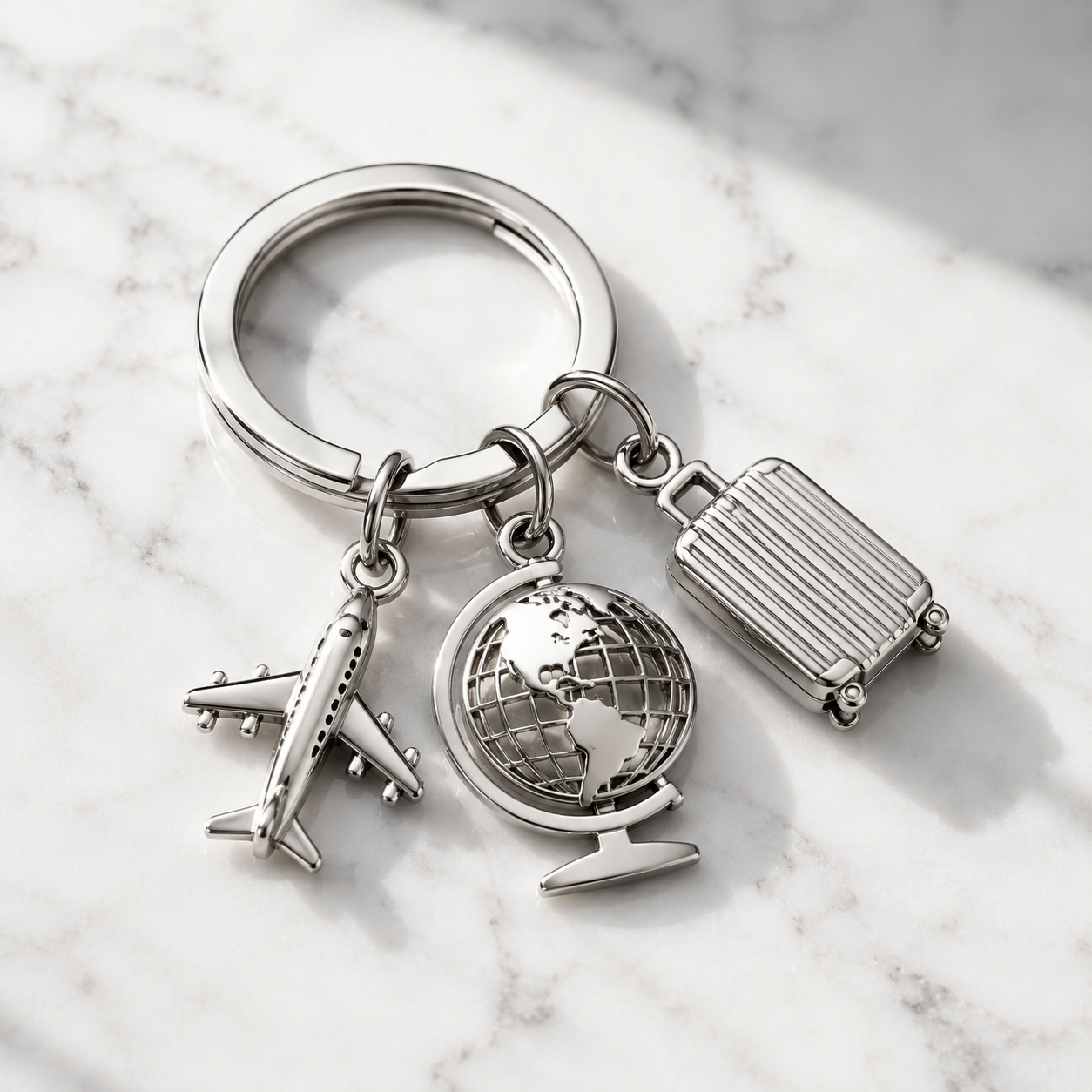
In today’s global procurement landscape, boutique brands and gift companies seek reliable partners who can deliver consistent 316L stainless steel travel charms keychains from design to packaging. This step-by-step guide helps procurement teams evaluate suppliers, verify material chemistry, and lock in private-label or OEM/ODM arrangements with confidence. Backed by a modern facility and stringent QC processes, Lancy Jewelry supports private-label packaging, low MOQs, and fast sample development to accelerate your sourcing timeline.
Sourcing stainless steel travel charms keychain
Understand the core material: 316L stainless steel
316L stainless steel serves as the robust base for travel charms used on keychains, bags, and gift programs. The alloy blends chromium, nickel, and molybdenum to offer excellent corrosion resistance, good formability, and strong mechanical properties in diverse environments. Typical compositions include chromium around 16–18%, nickel around 10–14%, and molybdenum around 2–3%. This chemistry supports resistance to chloride corrosion, making 316L a dependable base metal for markets across the US, EU, UK, AU, CA, and more. When evaluating a partner, request a material declaration and, if available, a certificate of conformity that confirms the base material is 316L stainless steel and that no forbidden base materials are used in production. A reputable supplier should also provide a nickel-release assessment (EN 1811) and RoHS/REACH documentation to support safety claims across regions.
Define product specs for travel charms
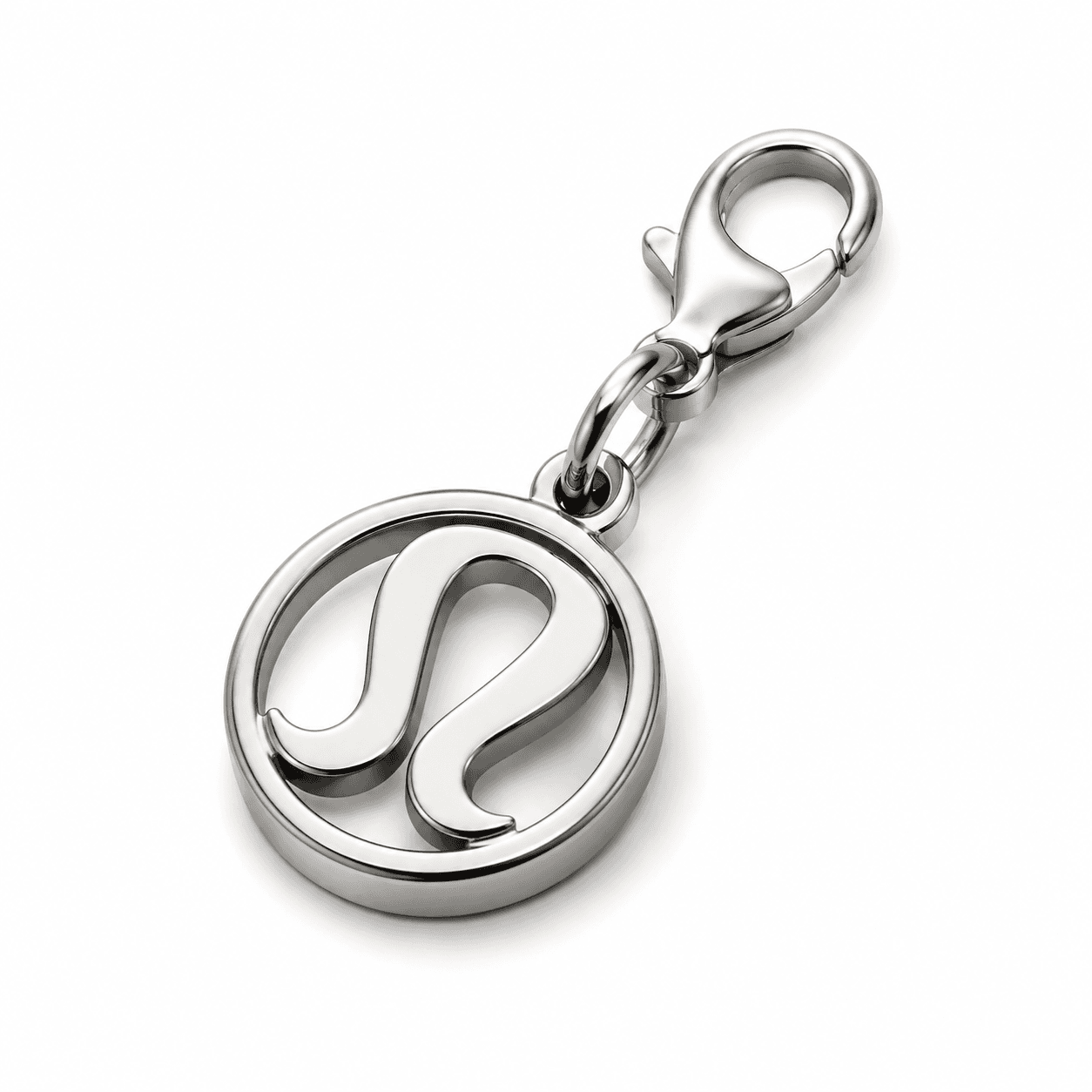
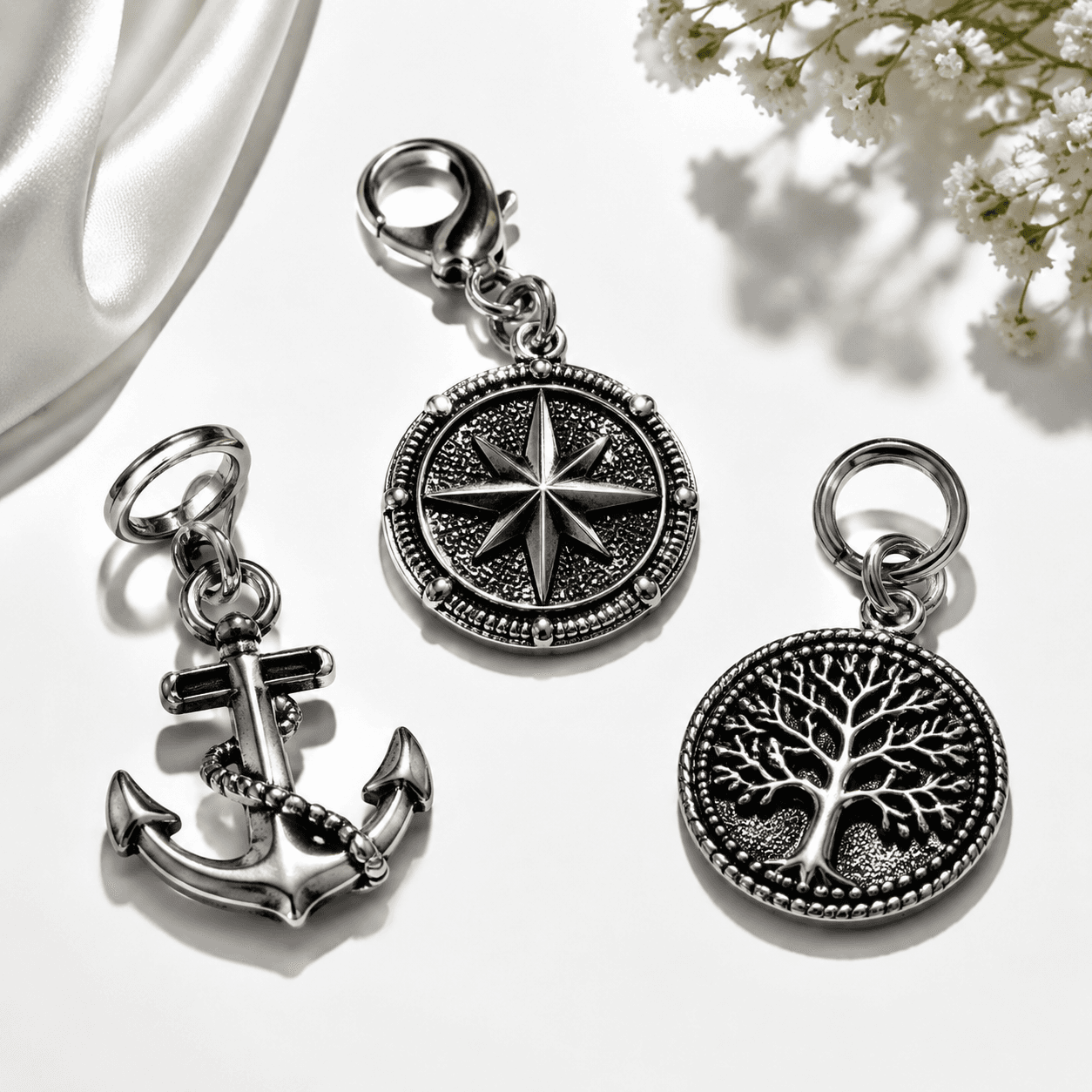
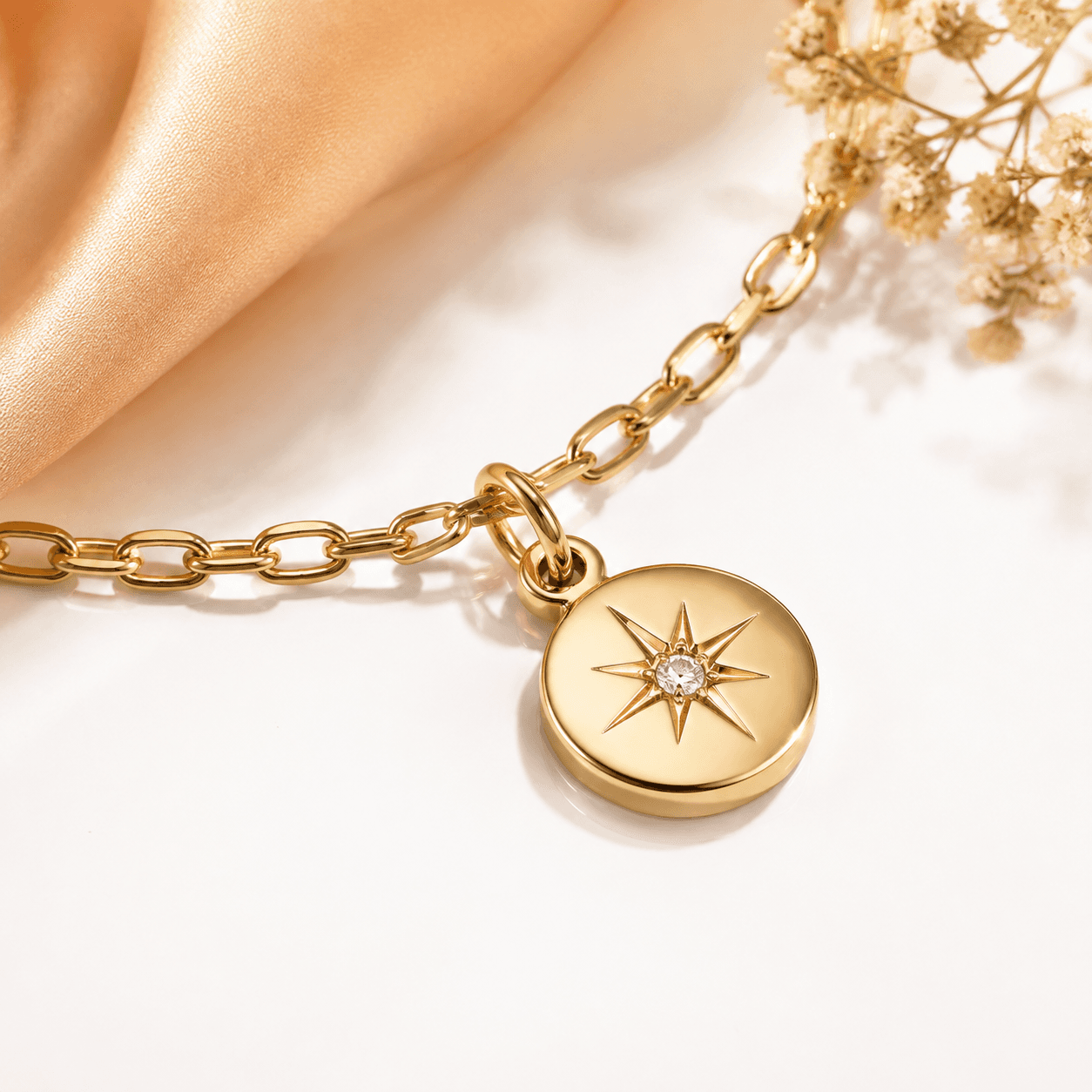
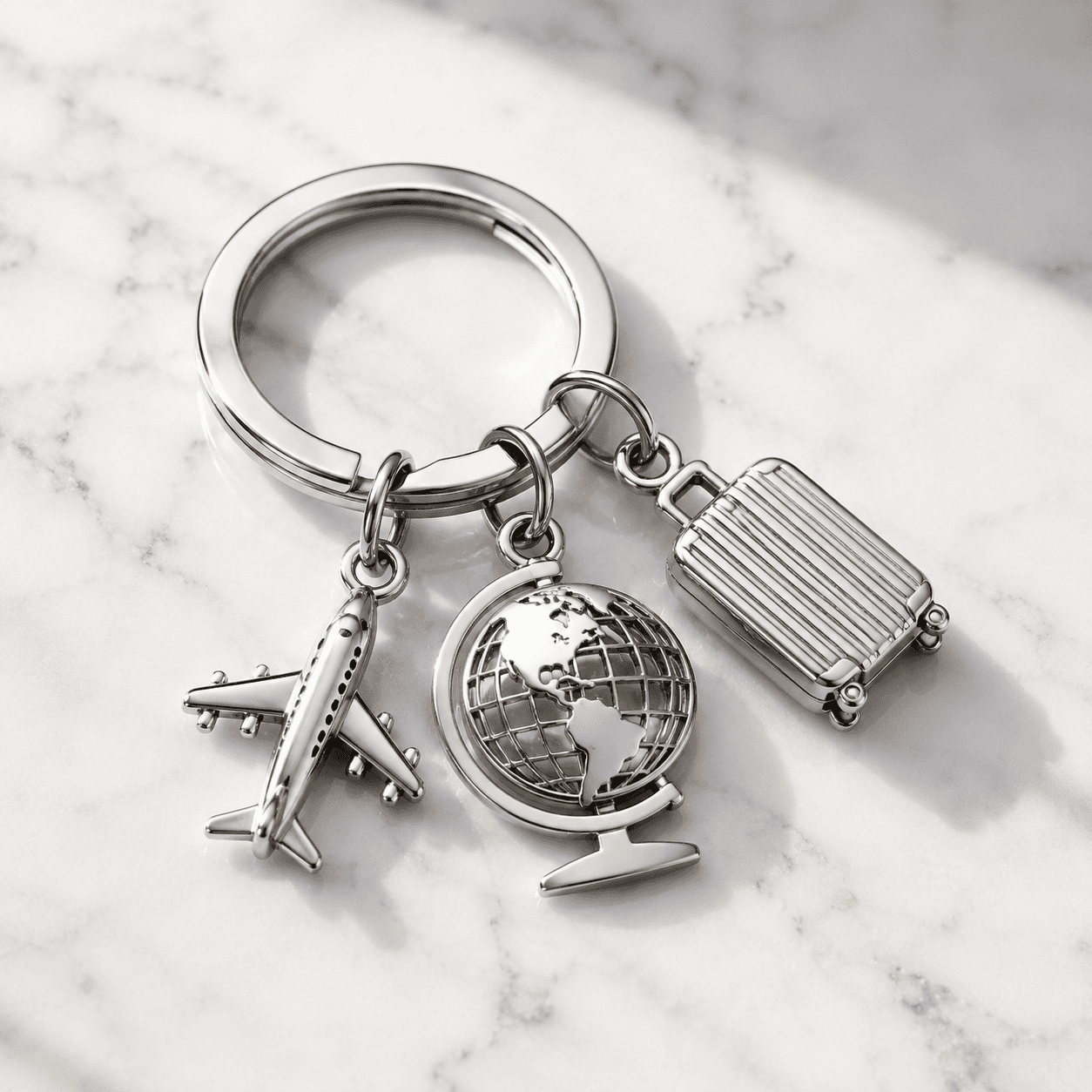
Clear specifications prevent miscommunication and post-production changes. For travel charms, define: diameter or length (typical 8–18 mm for travel charms), profile (solid vs hollow), attachment type (bail or jump ring), finishes (PVD plating in gold, rose gold, or silver; enamel fill; crystal inlay), and surface treatments (polish grade, deburring, rust protection). Confirm that the base is 316L stainless steel and ensure any aesthetic treatments (PVD plating, enamel, or crystal setting) are suitable with the base material and meet market expectations. Also specify packaging needs for private-label or wholesale programs, including branding elements and labeling requirements. If logo engraving is planned, outline font style, size, and location on the charm or packaging. For consistency across regions, request a sample set that includes variants with plating and enamel options to compare colorfastness and adhesion under real-world conditions.
Evaluate supplier capabilities
Assess the supplier’s manufacturing capabilities: CNC machining, laser cutting, laser marking, welding, and polishing are essential for 316L stainless steel charms. Verify that they offer OEM/ODM development, logo engraving, PVD plating, enamel filling, crystal setting, and private-label packaging. Check lead times, quality control procedures, and post-production testing. Look for a factory setup that can handle sample development quickly and provide a clear path to scale, including low MOQ options, consistent plating quality, and a dedicated private-label program. Use a balanced vendor shortlisting approach: shortlist a few candidates with reliable production cycles and robust documentation, including work-in-progress samples and manufacturing traceability.
Validate quality & compliance documentation
Regulatory and safety documentation streamlines cross-border sourcing. Request documentation covering RoHS, REACH, EN1811 nickel-release testing, and Salt Spray tests. For 316L stainless steel, ensure the supplier can provide a material declaration, process certifications, and a bill of materials (BOM) for traceability. Also verify that the plating process (PVD) adheres to specified thickness ranges and that colorfastness and adhesion tests have been performed, especially for enamel-filled or crystal-set designs. A transparent lab dataset and test records accelerate RFQ evaluations and reduce risk during audits.
Prototype and sample development
The sample development phase is critical for evaluating aesthetics, fit, and finish. Request the supplier’s standard sample development timeline and costs, and specify requirements for logo engraving and packaging proofs. A capable supplier should deliver a physical sample set within a defined period, enabling you to verify dimensions, bail/jump ring compatibility, and the mechanical fit of attachments. For private-label or wholesale programs, ensure that the supplier can supply compliant branding proofs and that packaging artwork aligns with brand guidelines. The ability to scale from sample to bulk orders is a strong indicator of a reliable partner. Consider partnering with a charm factory that emphasizes low MOQ charm production and consistent material performance across batches.
Negotiate commercial terms
Commercial terms balance cost efficiency with risk management. Discuss MOQs, unit pricing for different finishes, and lead times for both samples and production runs. For private-label or wholesale programs, specify packaging requirements and any labeling or branding constraints. Confirm terms such as confidentiality and warranty expectations. Inquire about sample development timelines and whether the supplier can accommodate bulk charm orders with consistent plating quality across batches. Ensure the contract includes quality acceptance criteria, inspection frequencies, and remedies for non-conforming lots.
Finalize contract and risk management
Final contract details should cover product specifications, packaging, labeling, delivery terms, and escalation paths for supply disruptions. Build in quality audits and traceability, and align on documentation delivery timelines for compliance. If ongoing collaboration is desired, confirm that the supplier supports ongoing product development, re-orders, and private-label packaging updates. The right partner will demonstrate proactive risk management, including material sourcing transparency, supplier audits, and contingency planning for global logistics.
Step-by-step actions for rapid sourcing
- Define exact product specs: size, finish, attachment type, and packaging needs.
- Identify potential partners with proven OEM/ODM capabilities and a track record in 316L stainless steel charms manufacturing.
- Request material declarations and RoHS/REACH documentation; verify EN1811 nickel-release compliance.
- Evaluate plating options (PVD) and finishing quality; request enamel and crystal sample sets for color and adhesion checks.
- Order development samples and prototypes; assess logo engraving feasibility and packaging proofs.
- Negotiate MOQs, price tiers, and lead times; confirm private-label packaging options and labeling requirements.
- Perform a formal supplier audit or remote review if possible; verify manufacturing controls and QA processes.
- Place a pilot order (bulk charm orders) to validate production stability and on-time delivery.
Benefits/Why it matters
Key benefits for procurement teams
- Consistent material performance: 316L stainless steel provides corrosion resistance and structural integrity across markets.
- Transparent compliance: RoHS, REACH, EN1811, and Salt Spray tests support multi-region approvals.
- Factory-direct efficiency: Access to OEM/ODM development, logo engraving, PVD plating, enamel filling, crystal setting, and private-label packaging.
- Flexible commercial terms: Low MOQ options, sample development support, and scalable production for bulk orders.
- Packaging and branding alignment: Private-label packaging capabilities streamline market entry for boutique brands.
Detailed analysis/Guide (practical steps)
- Define product specs — List dimensions (default 8–18 mm), finish choices (PVD gold, silver finish, rose gold plating, enamel, crystal inlay), and attachment style. Confirm 316L stainless steel as the base material and specify any branding or engraving requirements.
- Shortlist suppliers — Look for a stainless steel charms manufacturer with OEM/ODM capabilities and a track record of private-label projects. Prioritize factories with CNC, laser cutting, welding, and polishing assets, plus private-label packaging and sample support.
- Material chemistry and compliance — Request a material declaration for 316L stainless steel and confirm compatibility with all finishes. Verify RoHS, REACH, EN1811 nickel-release testing, and salt-spray performance reports.
- Finish and assembly validation — Evaluate plating thickness, adhesion tests, and enamel/crystal-setting reliability. Ensure color consistency across batches and verify that attachments (bail, jump ring) are threaded through real holes and function safely.
- Prototype & sample development — Initiate a controlled sample development workflow. Review engraving vectors, packaging proofs, and a small batch of finished samples for metrics such as scale, weight, and fit.
- Quality control framework — Establish acceptance criteria, inspection frequency, and test methods. Align on remedies for non-conforming lots and set up documentation flow for audits and compliance checks.
- Commercial terms — Lock in MOQs, price tiers, lead times, and payment terms. Confirm private-label packaging options and ensure branding rights are clearly defined in the agreement.
- Supply-chain risk management — Map critical suppliers, identify alternative sources, and confirm contingency plans for logistics disruptions to protect timelines.
FAQ
- What is 316L stainless steel and why is it preferred for travel charms?
- 316L stainless steel is a low-carbon variant of stainless steel with excellent corrosion resistance and formability. Its nickel and molybdenum content enhances resistance to chlorides and general wear, making it a reliable base for durable travel charms designed for private-label and OEM/ODM programs.
- What documentation should I expect from a supplier?
- Look for a material declaration confirming 316L stainless steel as the base, RoHS and REACH compliance, EN1811 nickel-release testing, and Salt Spray results. Certifications from third-party labs help support cross-market approvals and reduce compliance risk.
- What is the typical lead time for samples and bulk orders?
- Lead times vary by finish and complexity, but reputable OEM/ODM partners typically provide 1–3 weeks for samples (including engraving proofs) and 4–8 weeks for initial bulk production, depending on finishes and packaging needs. Always confirm a firm schedule in the RFQ and maintain traceability of milestones.
- Do you offer private-label packaging and logo engraving?
- Yes. A capable private-label program supports logo engraving, custom packaging, and branding proofs aligned with your market strategy. Partners offering private-label capabilities can streamline go-to-market timelines and ensure brand consistency across gift programs and charm bars.
Call to action
Ready to evaluate a reliable partner for 316L stainless steel travel charms keychains? Consider Lancy Jewelry, a B2B OEM/ODM charms manufacturer, to begin your private-label or OEM project. Explore our OEM service options, or request a quote to start RFQ and secure a pilot run. For direct assistance, contact our team via Contact and discuss your product specs, packaging, and timeline with a sourcing expert. See how we can support All Products and tailor a solution that fits your market needs and private-label goals.