Stainless Steel Bulk Keychain Charms: A Sourcing Guide for Procurement Teams
In today’s global supply landscape, procurement teams face the challenge of vetting stainless steel bulk keychain charms suppliers who can deliver consistent quality, compliant documentation, and reliable supply chains. For buyers focused on long-term partnerships, 316L stainless steel charms offer reliable corrosion resistance, formability, and processability across varied market segments. This guide presents a systematic approach to supplier evaluation, rooted in material science and reinforced by factory capabilities, certifications, and documented QA processes. For buyers exploring OEM/ODM partnerships, consider how a potential vendor aligns with private-label programs, low MOQ strategies, and rapid sample development. Navigate to our OEM service page to understand how Lancy Jewelry supports private-label and ODM needs, and browse our All Products catalog for baseline options.
Stainless Steel Bulk Keychain Charms: Main Topic and Keyword Context
The core topic is sourcing and vetting stainless steel bulk keychain charms. This involves understanding 316L stainless steel chemistry, evaluating plating and finish integrity, and validating supplier capabilities for scalable production. The focus is universal: cross-market applicability, consistent metal performance across geographies, and well-documented QA that withstands salt spray, temperature variations, and abrasion common to gift and promo programs. While evaluating suppliers, maintain a clear boundary around base materials and plating technologies, and insist on documentation that demonstrates material compliance and process stability. For procurement teams seeking scalable options, the right supplier should deliver not only parts but a reliable manufacturing relationship that supports OEM and ODM workflows, private-label packaging, and a clear path to sample development and bulk orders.
Sub-points: Material Science Foundation, Finishes, and Manufacturing Capabilities
316L stainless steel is the standard base material for high-volume keychain charms due to its low carbon content and corrosion resistance. The alloy typically features chromium in the 16–18% range, nickel around 10–14%, and a molybdenum content near 2–3% to improve pitting and crevice corrosion resistance. The low carbon designation (L) minimizes carbide precipitation during welding or heat treatment, which helps maintain formability and weld integrity across complex shapes. For procurement teams, a supplier’s ability to confirm 316L composition, provide material certificates, and demonstrate low nickel release is critical. SGS-certified RoHS and REACH compliance, plus EN1811 nickel-release testing, are strong indicators of supplier reliability and regulatory alignment. A credible supplier should also offer durable finishes that remain stable under typical wear and environmental conditions consistent with gift programs and charm bar use.
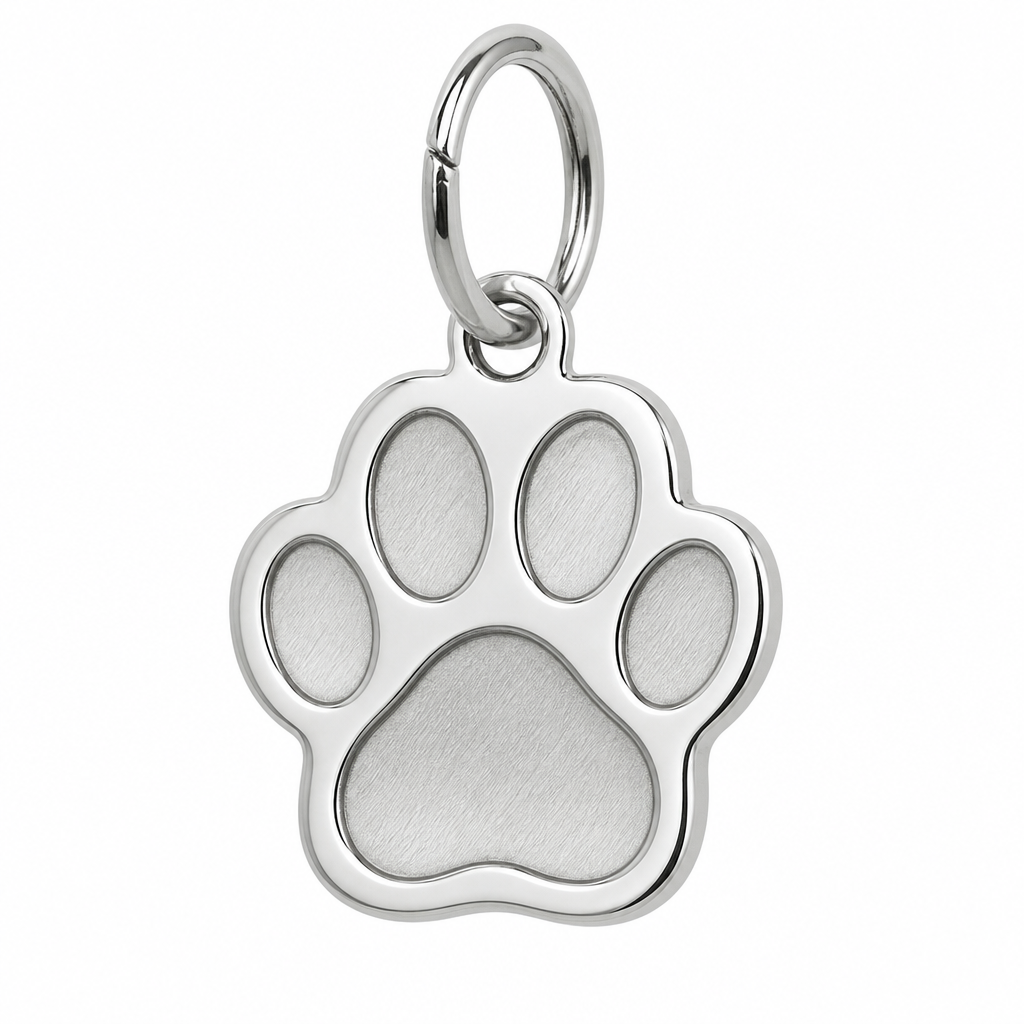
Finishes and treatment options extend the 316L base beyond aesthetics. Common finishes include PVD gold plating, silver finish, rose gold plating, enamel fills, and crystal inlay. For private-label or wholesale programs, ensure the supplier can deliver consistent plating thickness, minimal color variation, and reliable enamel fill that resists chipping. The ability to perform engraving of logos or custom marks can be a decisive factor for boutique brands and charm bar retailers. When evaluating capabilities, confirm whether the factory supports a full range of finishes in-house or relies on vetted partners, and request plating process data, color-matching specs, and coating adhesion tests.
From a manufacturing perspective, consider these capabilities as evaluative benchmarks: CNC machining, laser cutting and laser marking, precision welding, and surface polishing. For packaging-forward programs, private-label packaging design and packaging quality control are essential. A factory with robust sample support and a documented private-label program reduces time-to-market for new SKUs and seasonal launches. See our OEM/ODM service capabilities to understand how such processes translate into scalable output.
Why This Matters: Benefits of Rigorous Vetting and Certification
Why should procurement teams invest in rigorous vetting for stainless steel bulk keychain charms suppliers? Because consistent material chemistry, durable finishes, and documented QA directly impact product performance, brand trust, and bottom-line costs. Certifications provide a baseline of compliance and risk management: SGS certification, RoHS and REACH compliance, EN1811 nickel-release testing, and Salt Spray 240H resistance collectively signal a supplier’s quality discipline and readiness for global markets. Engaging a factory that can maintain plating consistency across large orders and support low MOQ charm production helps buyers avoid supply gaps while enabling private-label programs and rapid scale. A compliant supplier also reduces regulatory risk in cross-border shipments and enhances traceability for every batch, which is critical when presenting to stakeholders in the US, EU, UK, AU, CA, DE, FR, SP, NE, and RU markets.
Key benefits in practice include predictable lead times, reliable sample development cycles, and a clear path to bulk orders that align with seasonal launches and promotional campaigns. For teams seeking long-term partnerships, the combination of a modern manufacturing facility (CNC, laser, welding, polishing), SGS-certified processes, and a private-label packaging capability creates a compelling value proposition. To explore how a trusted partner can support ongoing programs, review our OEM service and request a quote for a tailored BOM and private-label plan.
Detailed Analysis and Practical Guide to Vetting Suppliers
The following structured approach helps procurement teams systematically assess stainless steel bulk keychain charms suppliers. It is designed to be actionable, repeatable, and aligned with global sourcing realities.
Step 1: Define Specs and Compliance Requirements
Start with a documented spec sheet that defines size ranges (typical charm sizes 6–25 mm; most 10–16 mm for mid-range applications), hole geometry, weight tolerance, and anticipated finishes. Specify that 316L stainless steel is the base material and require a material declaration with composition ranges consistent with industry norms (Cr ~16–18%, Ni ~10–14%, Mo ~2–3%, C ≤ 0.03% in 316L). Demand RoHS and REACH declarations, EN1811 nickel-release test results, and Salt Spray 240H test reports. Include a request for an SGS certificate or equivalent third-party test reports. This stage ensures the supplier can meet global compliance expectations across markets and helps avoid last-mile quality surprises.
Step 2: Assess Chemistry and Documentation
Beyond the declared composition, ask for production traceability data, lot-specific test certificates, and process control plans. A reputable stainless steel charms manufacturer will provide COAs for incoming alloy materials and finished goods, plus batch-level traceability for each lot. For electroplating or PVD finishes, request plating thickness specs, adhesion test results, and color-matching tolerances. For enamel and crystal inlays, confirm color-fastness tests and bonding strength to the 316L substrate. When evaluating supplies, inquire about their ability to support private-label packaging and how finishing tolerances are controlled on high-volume runs.
Step 3: Verify Finishes, Plating Consistency, and Aesthetic Stability
Finish uniformity is a common source of post-sale complaints. Ask for plating thickness ranges (for PVD and electroplating), color consistency across batches, and defined wear-resistance metrics. Request representative cross-sections or macro images showing how plating behaves at critical edges and holes. For enamel or crystal-inlay options, require adhesion tests and documentation of curing processes. A strong supplier will provide repeatable finish data across multiple production lots and a color-control plan aligned with your brand guidelines. Include private-label packaging considerations to ensure the final presentation meets boutique standards.
Step 4: Sampling, Lead Times, and Process Transparency
Sample development is the bridge from specification to mass production. A capable factory should deliver samples quickly, with clear costs and a defined path to bulk production. Clarify lead times for sample requests and the minimum viable order for a new SKUs. The ability to scale from pilot samples to bulk orders without significant re-qualification reduces project risk. Ensure the supplier can provide a clear RFQ flow and a dedicated point of contact for sample-related inquiries. If your program requires private-label packaging, include packaging proofs and unit-counts in the sample package for a realistic preview.
Step 5: Vendor Vetting, Audits, and Compliance Track Record
Conduct a structured vendor audit to verify manufacturing capabilities, quality management practices, and worker safety policies. While the topic prohibits certain brand comparisons, auditing practices can include review of production workflows, facility cleanliness, and calibration records for CNC machines and laser equipment. Evaluate the supplier’s ability to maintain consistent output across multiple shifts and varied production loads. Confirm that the factory has the necessary certifications (such as SGS) and can provide current compliance documentation. A robust audit with corrective action tracking demonstrates a supplier’s commitment to continuous improvement and reliable partnership for OEM/ODM workflows.
FAQ: Quick Answers for Sourcing Stainless Steel Bulk Keychain Charms
Q1: How do you validate supplier capability for OEM/ODM and private-label programs?
A1: Validate capability through a combination of factory tours (or virtual tours), a detailed capability statement, sample development timelines, and a formal RFQ response. Confirm the supplier’s ability to support private-label packaging, engraving options, and scalable production. Review certifications (SGS RoHS, REACH, EN1811 nickel release, Salt Spray 240H) and ensure documentation aligns with your cross-market requirements. For a practical starting point, explore our OEM/ODM service capabilities and request a quote for a pilot order that includes private-label packaging and logo engraving.
Q2: What tests verify 316L stainless steel compliance and performance?
A2: Key tests include RoHS and REACH declarations, EN1811 nickel-release testing, and corrosion resistance assessments (Salt Spray testing up to 240 hours). Additionally, material declarations for chromium, nickel, and molybdenum content should be provided, along with COAs for finished goods. SGS-certified documentation is highly credible for cross-market validation.
Q3: What is the typical MOQ and private-label support for bulk orders?
A3: Reputable manufacturers in this space offer low MOQ support to help private-label programs iterate and scale. When negotiating, focus on a staged ramp approach: pilot sample development, short-run private-label packaging, and broader bulk orders. Ensure pricing reflects volume tiers and that lead times remain stable as orders scale. For program planning, consider engaging a dedicated team through our OEM/ODM service to align on private-label packaging and customization.
Q4: How long does sample development typically take?
A4: Sample development timelines vary by finish and engraving complexity, but a well-structured process typically ranges from 2–6 weeks for initial samples, with faster cycles available for standard finishes. Align expectations early and request a formal sample development schedule as part of the RFQ process. You can start this process by submitting an inquiry through Request a Quote and coordinating with our dedicated support team.
Call to Action: Partner With Lancy Jewelry for Reliable 316L Stainless Steel Charms
For procurement teams seeking a proven stainless steel charms manufacturer with OEM/ODM capabilities, Lancy Jewelry offers a modern factory environment with CNC, laser cutting, laser marking, welding, and polishing. Our SGS-certified processes, low MOQ support, and private-label packaging programs are designed to accelerate private-label launches and international distribution. If you’re evaluating suppliers for bulk orders and private-label charm programs, initiate a formal RFQ with our team and request sample development to validate finishes and tolerances. Start by exploring our OEM/ODM service, browse the All Products catalog to establish baseline options, and reach out via Contact to discuss your requirements in detail. For a quick quote, you can also use Request a Quote to begin the process.