Dans le paysage B2B de l'approvisionnement en bijoux de boutique, transformer un concept en un prototype fiable pour des charms en acier inoxydable émaillés nécessite une combinaison disciplinée de science des matériaux, de contrôle des procédés et de gestion de projet pratique. Pour les chefs de produit et les responsables des achats, le prototypage est l'endroit où l'intention de conception rencontre la faisabilité de fabrication. Chez Lancy Jewelry, une installation OEM/ODM moderne avec des capacités incluant le remplissage d'émail, la finition PVD, la gravure de logo et l'emballage en marque privée, nous alignons la chimie des matériaux avec l'ingénierie des procédés pour livrer des charms émaillés qui répondent aux normes mondiales et aux programmes de marque privée. Ce guide technique décrit le comportement de l'acier inoxydable 316L, la chimie de l'émail et un plan rationalisé pour le prototypage rapide qui réduit les risques et accélère les délais. Si vous évaluez des fournisseurs pour des charms en acier inoxydable en gros ou des programmes de charms décoratifs personnalisés, vous trouverez des conseils opérationnels sur les tolérances de conception, les tests et les options évolutives. Notre préparation du service OEM et la disponibilité du catalogue soutiennent des cycles de prototypage efficaces. Vous pouvez initier une demande de renseignements ou des échantillons via notre flux RFQ ou nous contacter via Contact.
charms émaillés en acier inoxydable personnalisés
Propriétés du matériau de base 316L
Le matériau de base des charms émaillés est l'acier inoxydable 316L, un alliage austénitique à faible teneur en carbone connu pour sa résistance à la corrosion et sa fiabilité en usage quotidien. Les plages chimiques typiques pour le chrome, le nickel et le molybdène contribuent à la formabilité et à la soudabilité, avec une réduction du carbone pour faciliter le traitement. La base 316L soutient des performances robustes sur les marchés. Ce cadre matériel guide les propriétés mécaniques qui influencent l'adhérence de l'émail, la géométrie des arêtes et la finition post-découpe lors du prototypage. Il indique également comment les couches de finition, y compris le PVD et la gravure du logo, interagiront avec la surface. Le 316L est adapté aux régimes standard de passivation et de nettoyage utilisés dans nos procédés certifiés.
Remplissage et cuisson de l'émail
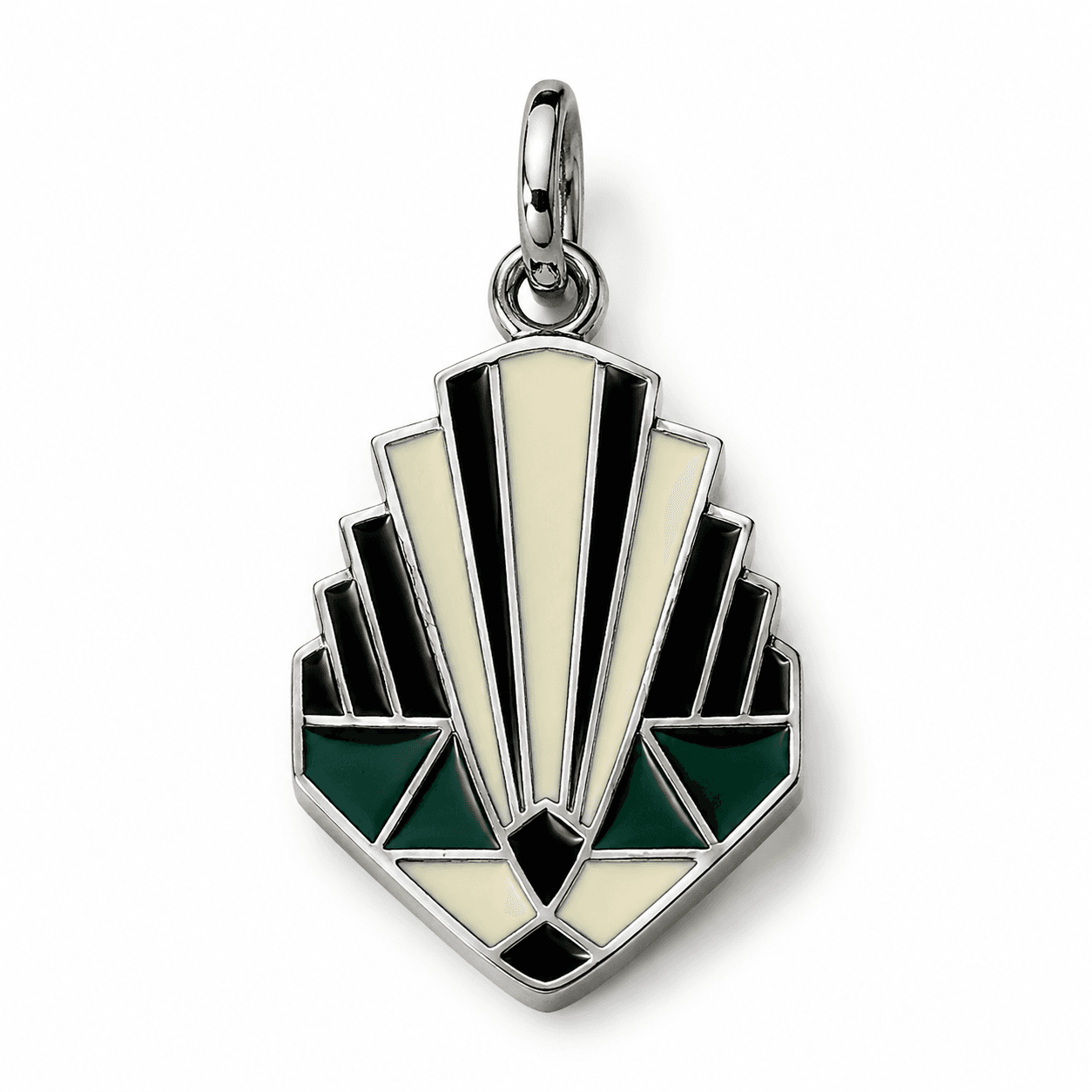
Le remplissage de couleur émaillée repose sur des systèmes d'émail vitreux durables qui peuvent être cuits dans des fours contrôlés. Le procédé commence par une préparation rigoureuse de la surface — surfaces propres et exemptes d'oxydes, sablage micro-précis au besoin, et élimination des résidus de polissage. La couleur émaillée est appliquée par étapes en couches pour obtenir profondeur, opacité ou translucidité selon le design. Chaque couche est cuite à des températures et atmosphères de cuisson spécifiques pour assurer la stabilité de la couleur et l’adhérence. Les émaux modernes utilisés dans notre pratique offrent une haute résistance au pelage et au rayage, avec une stabilité de couleur sous l'usure normale. Les avantages du prototypage incluent des tests rapides des combinaisons de couleurs, l'itération des remplissages émaillés pour obtenir des teintes exactes et la vérification de l'intégrité de l'émail au cours des cycles thermiques. Lors de la conception de motifs multicolores, prévoyez une épaisseur uniforme afin de minimiser les décalages d'enregistrement qui pourraient affecter l'esthétique finale. Le processus d'émail interagit également avec les finitions ultérieures, y compris le placage PVD et la gravure du logo. Voyez comment cette capacité soutient l'emballage sous marque privée et la documentation OEM/ODM en coordonnant les fichiers de conception, les échantillons de couleur et les spécifications de finition dans un seul ensemble de développement.
Flux de travail du placage PVD
Les surfaces post-émaillage peuvent recevoir un revêtement PVD protecteur ou décoratif. Le placage PVD sur des charms en acier inoxydable 316L offre des options de couleur durables—finitions plaqué or, or rose ou argent—tout en préservant les zones émaillées. Le prétraitement de surface est crucial : dégraissage, décapage et un nettoyage fin favorisent l’adhérence. Le procédé PVD dépose un revêtement mince et dur qui résiste à l’usure, à l’oxydation et à la corrosion. Nous concevons des flux de travail pour empêcher que les régions émaillées soient affectées par le placage, en utilisant le masquage ou le dépôt sélectif. Les épaisseurs typiques varient de 0,5 à 5 microns, équilibrant la profondeur de couleur et la résistance à l’abrasion. La couleur du placage, la qualité d’adhérence et l’uniformité entre les lots de production sont validées par des contrôles en cours de procédé et des tests post-processus pour soutenir des commandes en vrac répétables et des programmes à marque privée. Cette stratégie s’aligne sur nos certifications et garantit que les clients OEM/ODM reçoivent des finitions fiables sur l’ensemble des séries de production.
Certifications qualité et conformité
Notre production opère selon des processus certifiés avec RoHS, REACH, et tests de libération de nickel, plus des tests de résistance à la corrosion par spray salin. Ces certifications se traduisent par une confiance accrue pour les programmes inter-marchés — US, EU, Royaume-Uni, AU, CA, DE, FR, SP, NE, RU — où la sécurité des consommateurs et les exigences réglementaires comptent. Les tests de libération de nickel valident la biocompatibilité et réduisent l’exposition potentielle aux allergènes. Les tests de spray salin évaluent la résistance à la corrosion dans des environnements hostiles, simulant l’usure à long terme. Ensemble, ces certifications soutiennent un profil fournisseur robuste pour les charms en acier inoxydable OEM/ODM ou en gros, en particulier lorsque l’emballage à marque privée est intégral à l’intégrité de la marque. En intégrant les résultats des tests dans les fichiers de conception et la documentation QA, les concepteurs de produits peuvent défendre les choix de matériaux et valider les délais lors des conversations RFQ avec les fournisseurs et les fabricants sous contrat.
Avantages / Pourquoi c'est important
Principaux avantages (avec certifications)
- Les charms 316L en acier inoxydable offrent une résistance à la corrosion, une résistance mécanique et une formabilité pour un travail précis de l'émail et des finitions durables.
- L'adhérence de l'émail permet des accents de couleur vibrants et durables qui restent intacts sous l'usure quotidienne sans compromettre l'intégrité du métal.
- Le placage PVD élargit les options esthétiques (or, or rose, argent) tout en préservant le substrat et les couches d'émail.
- Une production certifiée QA garantit la conformité RoHS/REACH et les performances validées de libération de nickel, facilitant l'accès au marché mondial.
- Un faible MOQ et des programmes de développement d'échantillons accélèrent les cycles de prototypage, permettant aux marques de valider les concepts avant des engagements à grande échelle.
- L'emballage en marque privée et une documentation approfondie rationalisent les lancements prêts sur le marché pour les marques boutique et les détaillants de charms bar.
Du point de vue des achats, cette approche réduit les reconceptions, clarifie les fiches techniques et assure des délais de livraison fiables pour les chaînes d'approvisionnement transfrontalières. La combinaison de la chimie 316L, de la technologie de l'émail et des flux de travail disciplinés de revêtement rend les charms en acier inoxydable émaillés adaptés aux programmes de charms en acier inoxydable en gros et aux collaborations en marque privée. Pour les lecteurs qui évaluent des fournisseurs, mettez l'accent sur l'intégrité du matériau, le contrôle des procédés et la documentation QA traçable comme indicateurs d'un partenaire direct d'usine capable de répondre aux exigences OEM/ODM. Pour explorer des options ou demander un prototype, visitez notre page de service OEM ou entamez une conversation via Contact.
Analyse détaillée / Guide
Étape 1 : définir les tolérances de conception
Commencez par un cahier des charges précis, incluant le nombre d'unités, les gammes de tailles (defaultSize 8–18 mm pour les charms), la disposition, la palette de couleurs de l'émail et les tolérances pour l'alignement des trous, le diamètre du bail et l'épaisseur des parois. Un plan de tolérance bien défini réduit les retouches en fin de processus et accélère la rampe prototype-vers-production. Pour les charms 316L, les tolérances typiques autour de 0,05–0,15 mm dans les caractéristiques critiques sont courantes, selon la complexité de la silhouette et les régions d'émail. La documentation doit inclure les fichiers CAD, les notes de fabrication et les exigences de finition pour PVD et l'émail. Pour les projets en marque privée, anticipez les contraintes d'emballage et les superpositions de marque afin de garantir que le produit final respecte les directives de la marque.
Étape 2 : préparation du matériel et plan de fabrication
En utilisant le 316L comme base, nous optimisons la séquence de fabrication pour minimiser la déformation et garantir l’intégrité de l’émail. Les étapes de fraisage CNC, découpe au laser et soudure sont coordonnées pour obtenir une géométrie des arêtes propre et un alignement des trous cohérent pour les anneaux sauteurs ou les attaches de bélière. L’ébavurage et le finissage de surface sont planifiés avant l’application de l’émail afin de réduire les micro-rayures qui pourraient piéger l’air ou nuire à l’adhérence de l’émail. Comprendre la réaction de l’alliage à la chaleur et aux contraintes mécaniques aide à déterminer si des tolérances serrées post-coupe sont nécessaires ou si un lissage post-assemblage est suffisant avant l’application de l’émail.
Étape 3 : stratégie de couleur de l’émail et processus de remplissage
La stratégie de couleur commence par des échantillons et une palette définie. Après la préparation de la surface, les couleurs d’émail sont appliquées par couches, en veillant à confiner les couleurs aux bords pour éviter les débordements. Le cycle de cuisson doit être ajusté pour préserver l’intégrité de l’émail et éviter les micro-fissures dans les designs à fort relief. Pour les motifs multicolores, prévoyez des remplissages séquentiels avec une répartition uniforme de l’épaisseur afin de maintenir une brillance constante sous l’éclairage des présentoirs de boutique. La documentation doit capturer les codes couleur, les températures de cuisson et les additifs de pigments utilisés pour une traçabilité en cas de retouche de couleur future.
Étape 4 : finition post-émail et inspection
La finition post-émail comprend le nettoyage de surface, le micropolissage et l’inspection de l’écaillage ou de la fissuration de l’émail. L’inspection visuelle, les mesures au micromètre et les contrôles de dureté vérifient l’intégrité de l’émail et la qualité de la surface du métal de base. Lors de la préparation pour le placage, une étape de passivation contrôlée garantit que la surface du métal de base est prête à l’adhérence du revêtement, réduisant le risque de délamination. Un protocole QA robuste enregistre les taux de défauts, les identifiants de lot et les actions correctives — informations précieuses pour les clients OEM/ODM qui suivent la cohérence entre les lots lors du développement d’échantillons et des petites séries.
Étape 5 : options de placage et de finition
Les options de placage s’alignent sur l’esthétique de la marque et les attentes du marché. Le processus PVD permet des finitions plaquées or, plaquage or rose et argent tout en préservant la brillance de l’émail et la fidélité des couleurs. Les stratégies de masquage protègent les zones d’émail pendant le placage pour garantir que la définition des bords reste nette. Chaque lot reçoit une inspection instrumentée de l’uniformité de l’épaisseur du revêtement et de la résistance d’adhérence. Cela garantit que le gravage ultérieur du logo ou l’emballage en marque blanche ne compromettent pas la couche de placage ou les surfaces d’émail.
Étape 6 : gravure du logo et emballage sous marque privée
Gravure du logo peut être réalisée par marquage laser ou gravure mécanique, avec les tolérances, choix de police et hauteur des caractères définis dans les spécifications. L'emballage sous marque privée nécessite des solutions d'emballage sécurisées et étiquetées de marque, ainsi que la documentation et l'étiquetage conformes aux exigences réglementaires et du marché. La coordination des graphismes d'emballage avec les spécifications du produit améliore le délai de mise sur le marché pour les commandes en gros et les programmes sous marque privée.
Étape 7 : délais et développement des échantillons
Les délais dépendent de la complexité du design, de l'approvisionnement en matériaux et des options de finition. Notre programme de développement d'échantillons accélère les cycles de validation, permettant une itération rapide tout en préservant des contrôles de processus stricts. Pour les nouveaux clients, un premier lot de prototypes démontre la forme, l'ajustement et la finition, suivi d'une petite série de production pour confirmer les tolérances et la constance du placage avant des commandes plus importantes. Cette approche est essentielle pour les clients OEM/ODM recherchant des chaînes d'approvisionnement fiables et des MOQs évolutifs pour les projets sous marque privée.
FAQ
Q1 : Quel est le délai typique pour un prototype de breloque émaillée ?
Le délai typique de prototypage varie de 2 à 6 semaines, en fonction de la complexité du design, de la palette de couleurs et des options de finition (couleur PVD, couches d'émail, gravure du logo). Notre programme de développement d'échantillons raccourcit cette fenêtre en fournissant des étapes définies, des échantillons de couleur approuvés et une liste de contrôle QA claire. Pour les projets urgents, nous proposons un prototypage accéléré avec un chef de projet dédié via notre service OEM/ODM.
Q2 : Quels tests effectue Lancy pour les breloques émaillées en 316L ?
Nous effectuons des tests de libération de nickel EN1811, des contrôles de conformité RoHS/REACH et des tests de durabilité par brouillard salin pour simuler l'exposition à long terme. De plus, nous vérifions l'adhérence de l'émail, l'uniformité de l'épaisseur du revêtement et l'intégrité mécanique par des tests d'impact, de flexion et de micro-rayures dans le cadre de notre protocole standard d'assurance qualité (QA). Les documents de certification sont conservés pour chaque lot afin d'assurer la traçabilité pour les commandes en gros et en marque privée.
Q3 : Pouvons-nous commander de petites MOQs pour un programme sous marque privée ?
Oui. Nous prenons en charge la production de charms à faible MOQ pour aider les marques à tester des concepts, à minimiser l'investissement initial et à gérer les risques lors des lancements privés de marque à un stade précoce. Les MOQs évoluent à mesure que les commandes mûrissent, avec des plans de production alignés sur la demande prévisionnelle et les délais des marques privées. La discussion des MOQs peut être intégrée au processus RFQ via notre flux Demander un devis ou lors des échanges sur notre page de service OEM.
Q4 : Quelles finitions et options d'émail sont disponibles ?
Les finitions disponibles incluent des options plaquées PVD telles que plaqué or, plaqué or rosé et finitions argent. Les options d'émail couvrent un large spectre de couleurs avec des remplissages solides et translucides, y compris l'incrustation en cristal en option comme accent. Le processus prend en charge les conceptions d'émail multicolores et, lorsque nécessaire, des accents en cristal pour ajouter de la texture. Les choix de finitions sont documentés dans le cahier des charges du projet et informés par les résultats d'assurance qualité afin de garantir une apparence uniforme entre les lots de production.
Appel à l'action
Si vous développez une nouvelle ligne de charms en émail ou élargissez un programme de marque privée, collaborez avec Lancy Jewelry pour accéder à un partenaire dédié OEM/ODM axé sur les charms en acier inoxydable 316L. Nous proposons un soutien en ingénierie robuste, une expertise en science des matériaux et des capacités de fabrication de bout en bout — de la collaboration de conception et de la gravure du logo jusqu’aux remplissages d’émail, à la finition PVD et à l’emballage en marque privée. Commencez par une demande formelle pour discuter de votre cahier des charges de conception, ou parcourez notre catalogue de produits pour aligner votre projet sur des formes standard existantes. Pour une conversation directe sur vos besoins de prototype, contactez-nous via Contact ou déposez une RFQ formelle via Demande de devis pour lancer le développement des échantillons et les tests en phase précoce. Passons du concept au produit prêt pour le marché avec des délais prévisibles et une fabrication évolutive.