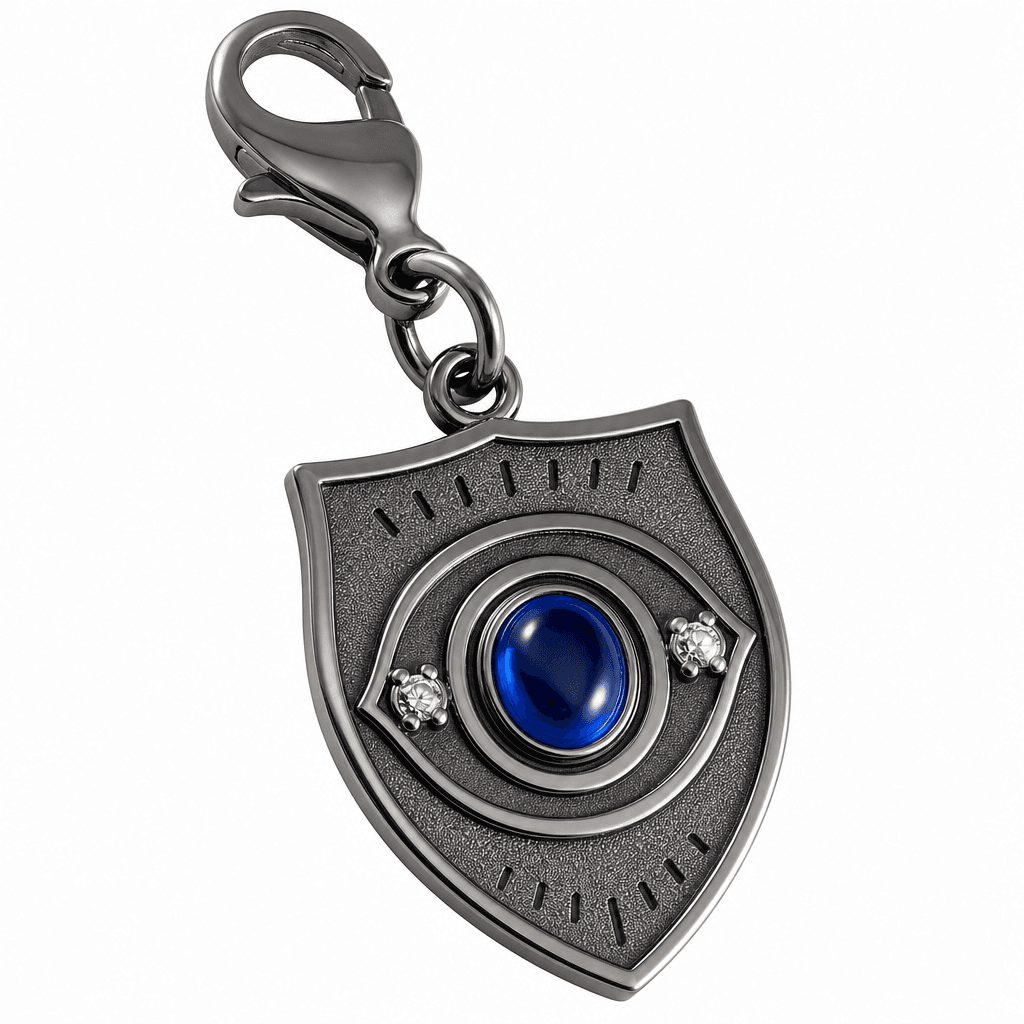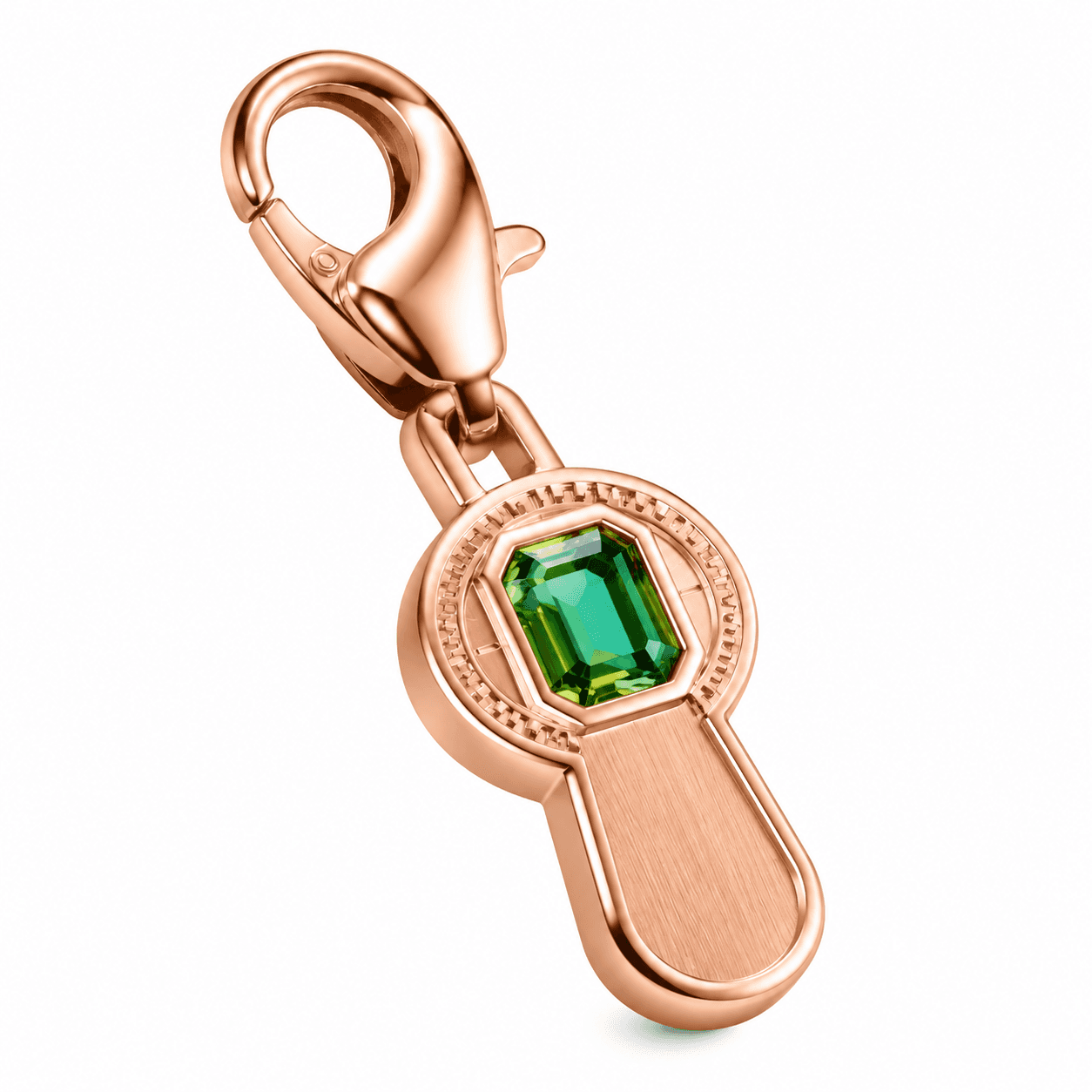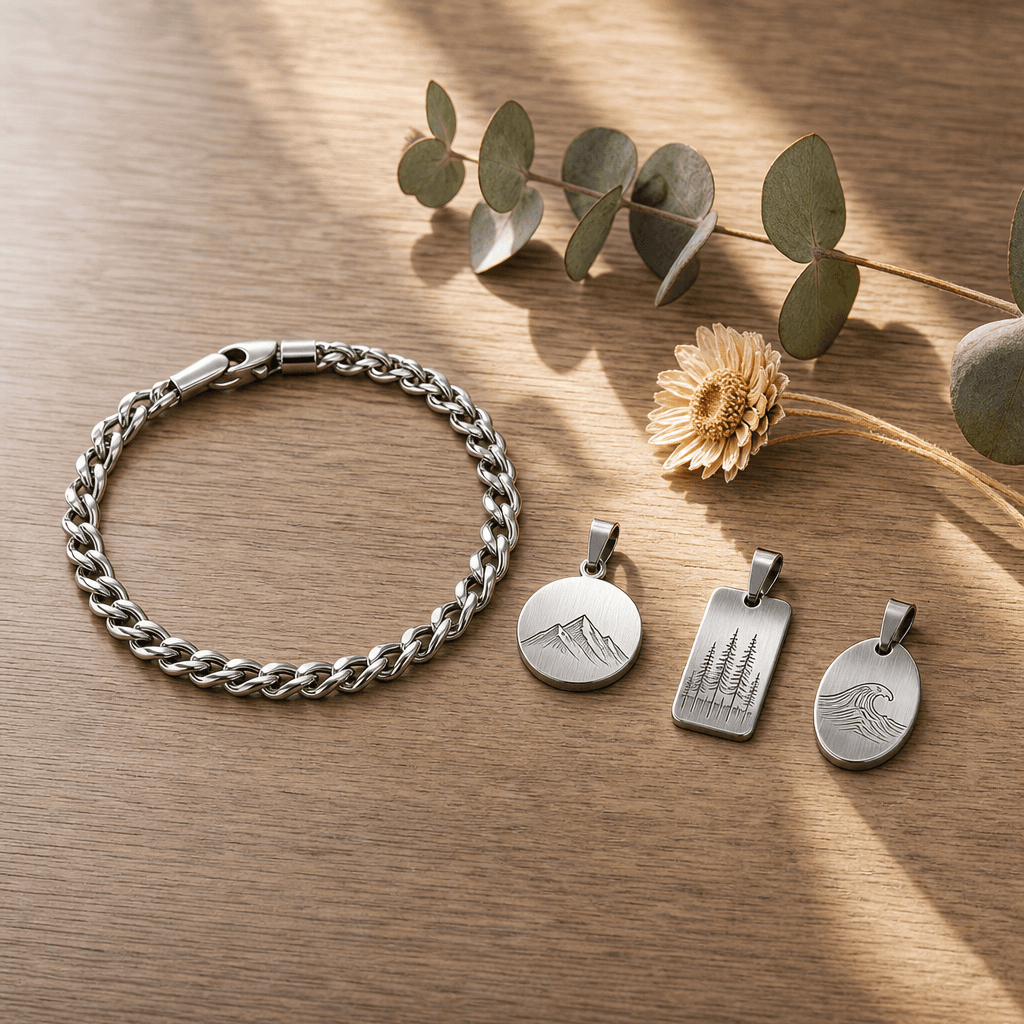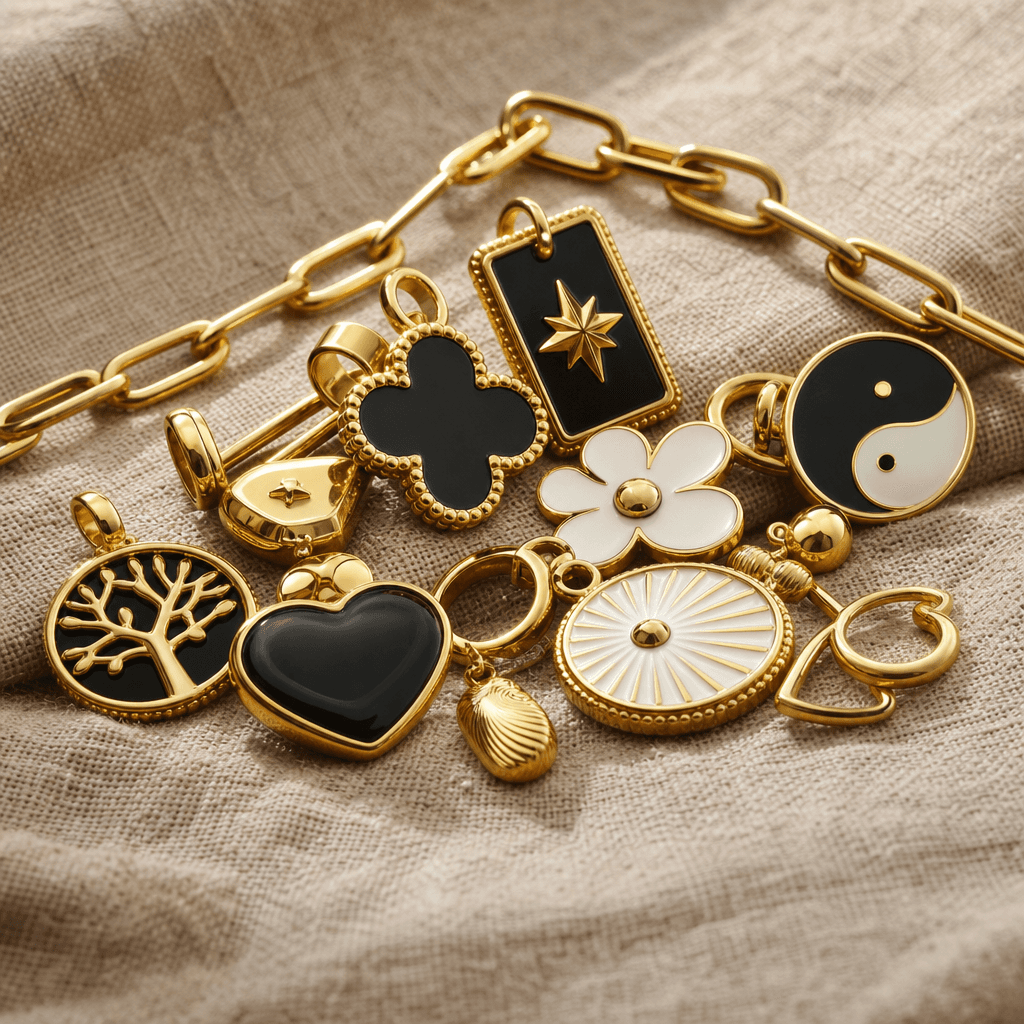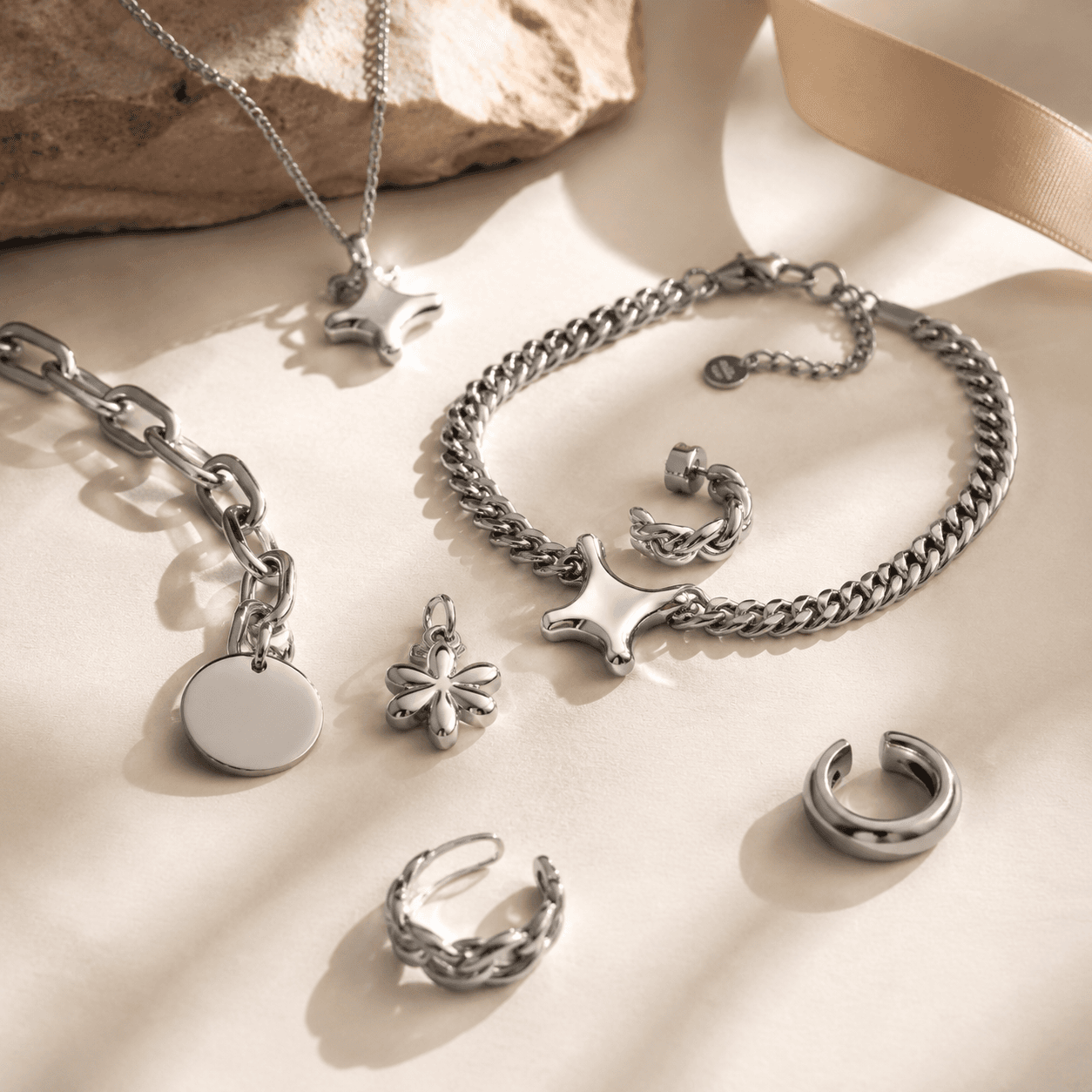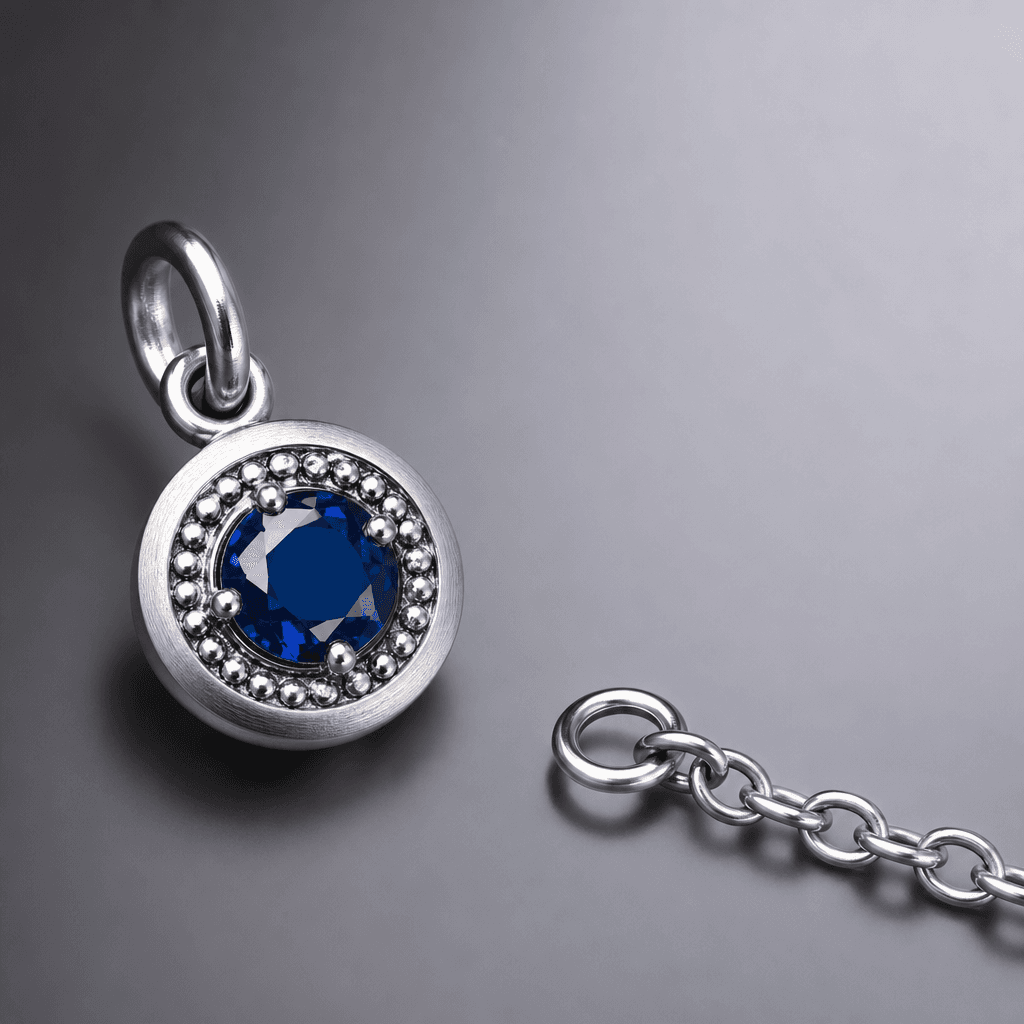
Les charms de pierres de naissance sont un moyen pratique pour les marques de développer des programmes de bijoux personnalisés, de cadeaux, de porte-clés, de charms de sac et d’accessoires décoratifs, sans créer une structure de produit entièrement nouvelle pour chaque mois. Pour les acheteurs B2B, le défi d’approvisionnement ne consiste pas uniquement à choisir les couleurs des pierres ; il s’agit de maîtriser la qualité de l’acier inoxydable 316L, la régularité du plaquage, la taille des charms, la compatibilité des fixations, l’emballage, le MOQ et la stabilité des commandes récurrentes.
Ce guide explique comment planifier des programmes de gros B2B de charms de pierres de naissance en acier inoxydable 316L avec une approche pensée pour un approvisionnement direct depuis l’usine. Il se concentre sur les normes de matériaux, la logique d’assortiment mois par mois, l’approbation des échantillons, les contrôles qualité et les détails RFQ qui aident les acheteurs à passer du concept à la production en volume avec moins de révisions.
Why birthstone charms work for B2B accessory programs
Birthstone charms give buyers a clear reason to create a wider assortment while keeping the core product format consistent. A brand can offer twelve monthly color stories, combine initials or zodiac motifs, and build seasonal gift sets without changing the attachment system or packaging workflow. This makes the category useful for boutique jewelry brands, charm bar retailers, gift accessory programs, keychain collections, and private-label buyers that need personalization at manageable MOQ.
For Lancy-style stainless steel charm sourcing, the main product should remain a charm rather than a complete necklace, bracelet, or earring. Necklace, bracelet, bag, car, and keychain terms should be treated as application contexts. The charm itself needs a complete bail, loop, or jump-ring-ready hole so it can be attached to chains, clasps, key rings, zipper pulls, or display cards during final assembly.
A strong wholesale plan normally starts with a focused assortment instead of every possible stone shape. Round, heart, rectangle, oval, and bezel-set styles are easier for buyers to merchandise because they show color clearly and fit different price tiers. If a buyer needs a premium line, PVD 14K or 18K gold color, polished steel, and two-tone options can be approved as separate finish families.
Material and finish standards for 316L stainless steel birthstone charms
316L stainless steel is a practical base for birthstone charms because it supports polished surfaces, PVD color finishes, and stable everyday wear. For B2B programs, buyers should confirm that the factory is quoting 316L stainless steel as the production base, not an unspecified mixed metal. The material statement should appear in the RFQ, sample label, production confirmation, and final product specification sheet.
Finish control is especially important for birthstone programs because the stone color and metal tone must work together. Silver tone, PVD gold, rose tone, and black PVD each change how the gemstone color is perceived. Buyers should approve finish chips or real charm samples under neutral light before mass production. For monthly color assortments, the factory should keep a reference board so repeat orders match the approved standard.
Quality checks should cover stone seating, adhesive overflow, bezel symmetry, edge polish, jump ring closure, plating color, and visible scratches. If the charm is designed for keychain, bag, or car accessory use, the attachment point should be tested more strictly because the product may face more pulling and friction than a delicate necklace charm.
How to define size, attachment, and application context
Small charms can easily look oversized in AI images, catalogs, or sample photos if the visual scale is not controlled. For birthstone charm programs, a practical default size range is often about 8-18 mm depending on shape and usage. Earring or ring accent charms may sit closer to the smaller end, bracelet and anklet charms often use medium sizing, while necklace pendant-style charms can be larger if the buyer wants a statement look.
Every design should specify both the charm body size and the attachment size. A jump ring, bail, or top loop must be large enough for the intended chain, clasp, key ring, zipper pull, or bag hardware. The connection should be physically plausible: the ring must pass through a real hole or loop, and the components should not appear fused, floating, or disconnected in product photos. This rule matters for generated product images as much as for real samples.
When preparing product visuals, use at least one size-reference image. A neutral ruler grid, packaging card, chain link, key ring, or display tray can help buyers understand scale without using misleading body proportions. For small birthstone charms, the main product should be large enough to show stone detail but not fill the entire frame like a large pendant.
RFQ details buyers should send before sampling
A quote-ready RFQ should include the target month colors, charm shapes, size range, metal color, stone or crystal style, logo requirements, packaging format, target quantity, market requirements, and intended use context. If the charms will be used on chains, bracelets, keychains, bags, or car accessories, that information should be included because it affects jump ring thickness, pull strength, and packaging decisions.
Buyers should also clarify whether the collection is a fixed wholesale assortment or a mix-and-match charm bar program. A fixed assortment may need SKU-level packaging and barcode labels. A charm bar program may need bulk compartment packaging, display cards, and reorder-friendly color naming. The same charm design can require different packing and inspection rules depending on the sales model.
For OEM/ODM projects, a good supplier should review design feasibility before sample production. The factory should flag stone sizes that are hard to source, shapes that may trap polish residue, loops that are too thin, or enamel/color combinations that may not remain stable after repeated production. This early feedback reduces wasted sample rounds and helps the buyer launch faster.
Quality inspection checklist before bulk shipment
Before approving shipment, buyers should inspect both appearance and function. Appearance checks include stone color accuracy, consistent setting depth, smooth metal edges, clean polish, no glue marks, no visible pitting, and finish color matching the approved sample. Functional checks include jump ring closure, bail alignment, pull resistance, and compatibility with the intended chain, clasp, or key ring.
For regulated markets, buyers may request RoHS, REACH, EN1811 nickel release, or salt spray references depending on the sales channel. The exact test requirement depends on destination market and product use, but the buyer should decide this before mass production. If packaging claims mention stainless steel, PVD finish, or hypoallergenic positioning, the documentation should support those claims.
A practical inspection plan separates first-article approval, in-process checks, and final random inspection. Birthstone programs have many color variants, so the inspection sheet should list every month or color code. This prevents one low-volume color from being missed during packing or quality review.
Send a complete birthstone charm RFQ
To request a practical OEM quote, send your target birthstone colors, charm shapes, size range, metal finish, attachment method, quantity, packaging format, and application context. If you already have drawings or reference photos, include them with notes about what should be changed for your private-label program. Lancy can review feasibility, prepare sample recommendations, and help build a 316L stainless steel birthstone charm assortment for wholesale buyers.