Stainless steel charm keychain sourcing checklist
For procurement teams tasked with sourcing stainless steel charm keychains, achieving consistent material quality, documented compliance, and scalable production is essential. This step-by-step guide focuses on 316L stainless steel charms, material science considerations, and practical diligence for OEM/ODM engagements. Partnering with a capable supplier helps ensure private-label programs and wholesale orders meet expectations across global markets.
Note: This guide emphasizes 316L stainless steel charms as the base material, with attention to PVD plating, enamel, and crystal inlay options commonly used in boutique brands. It also highlights how to vet suppliers for core capabilities, certifications, and private-label packaging readiness. For supplier options and formal collaborations, explore our OEM service and Request a quote workflows, or contact our sales team via Contact.
1. Define exact specs and compliance requirements for the stainless steel charm keychain
1.1 Establish material and finish targets
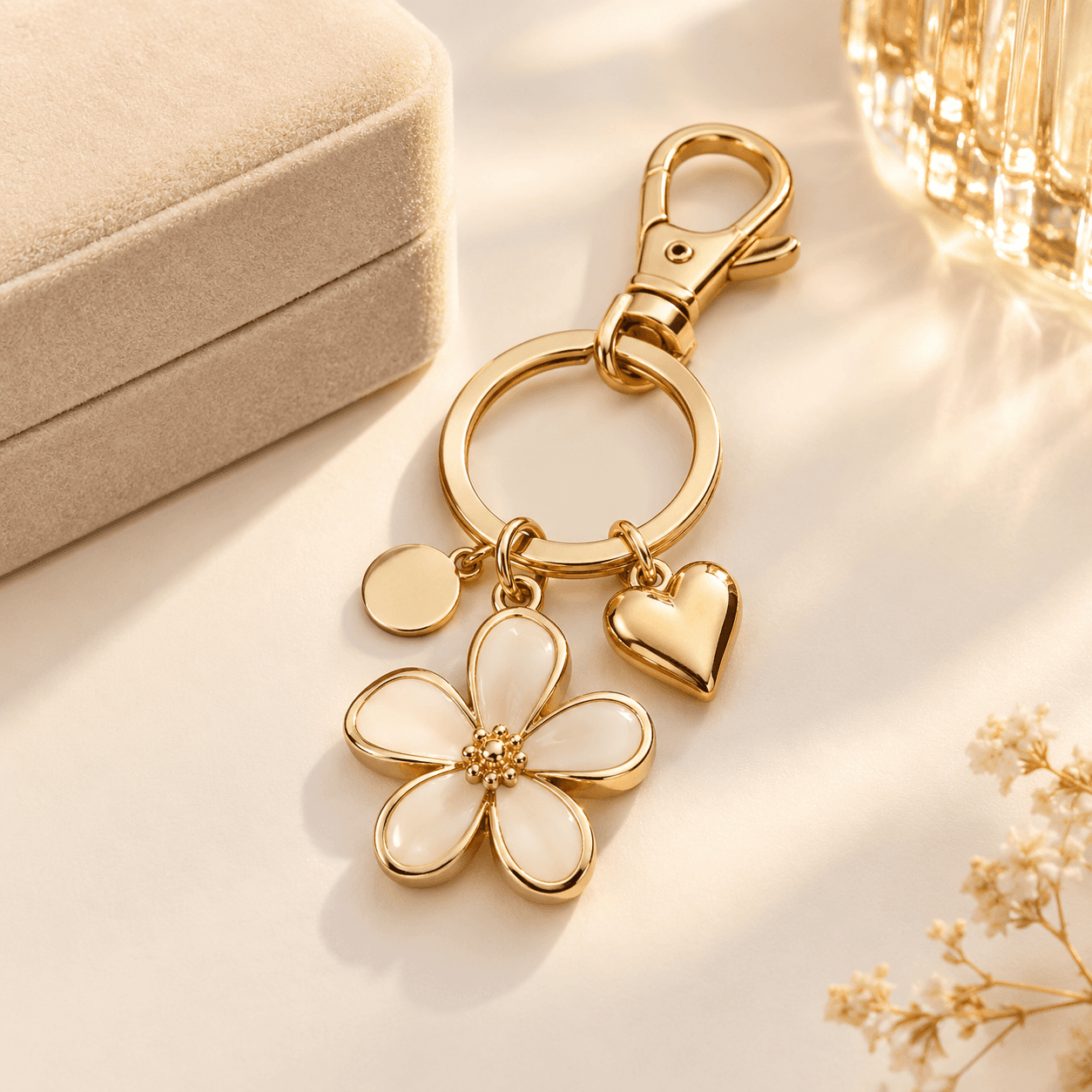
Specify 316L stainless steel as the base material, with options for PVD plating (gold, rose gold), silver finish, or enamel/crystal inlay. Document allowable finishes and color tolerances, and confirm compatibility with plating processes and color-filling methods. Clarify whether the program requires enamel filling, crystal inlay, or plain metal with a protective coating. As an OEM/ODM supplier, Lancy Jewelry supports custom stainless steel charms with private-label packaging and sample development.
1.2 Define alloy and chemistry expectations
For 316L stainless steel, outline typical alloy chemistry targets (Cr ~16–18%, Ni ~10–14%, Mo ~2–3%, C ≤ 0.03%). Emphasize the importance of low carbon content (L) to improve weldability and reduce sensitization. Request supplier documentation that confirms the 316L specification and consistency across production lots.
1.3 List required certifications and testing
Required certifications include SGS (RoHS, REACH, Nickel Release EN1811, Salt Spray 240H). Include expectations for material testing, plating thickness uniformity, and surface finish stability. Include any country-specific regulatory needs for your markets (US, EU, UK, AU, CA, DE, FR, SP, NE, RU) and ensure the supplier can provide traceability for batches.
2. Build a supplier target list with practical vetting criteria
2.1 Identify OEM/ODM-capable manufacturers
Create a shortlist of suppliers positioned as OEM charms manufacturer or ODM charm supplier with experience in 316L stainless steel charms. Prioritize those with modern facilities (CNC, laser cutting, laser marking, welding, polishing) and demonstrated capability for PVD plating, enamel filling, and crystal setting.
2.2 Check production capabilities and capacity
Assess facility capabilities and capacity to handle private-label packaging, sample development, and bulk charm orders. Look for documented processes that ensure plating consistency and finish stability across large runs.
2.3 Review certifications and quality controls
Confirm SGS certification status and evidence of RoHS/REACH compliance, Nickel Release testing, and salt spray performance. Ask for third-party test reports and a clear waste/chain-of-custody policy for materials and finishes.
3. Assess materials science and metallurgy engineering aspects
3.1 Understand 316L stainless steel behavior
316L offers excellent corrosion resistance, reasonable mechanical strength, and good formability. It’s preferred for charms due to its balance of weldability and durability. Discuss how the base metal behaves under plating, enamel, or crystal inlay processes, and how diffusion or color migration is managed at different temperatures.
3.2 Plating compatibility and finish stability
Evaluate how PVD plating interacts with 316L substrates, including adhesion, coating thickness, and color stability under wear. For gold or rose gold plating, confirm plating thickness specifications and process controls to minimize flaking or dulling over time.
3.3 Finish options: enamel and crystal inlay
Enamel filling requires compatible resin or glass pigments and proper curing cycles. Crystal inlay demands precise seating and secure bonding. Ensure processes are documented and that quality checks cover color matching, fill consistency, and chip resistance.
4. Detailed due diligence: evaluation plan and actions
4.1 Request samples and lead-time planning
Initiate sample development to verify weight, color, finish uniformity, and the appearance of plated surfaces. Plan for multiple samples (with and without finishes) to gauge consistency. Benefit: private-label packaging readiness and small-run testing as part of the sample development phase, aligning with your project timeline.
4.2 Verify process controls and QC checkpoints
Ask for finishing process specs, plating parameters, dimensional tolerances, and surface defect criteria. Require visual inspection criteria and, if possible, non-destructive testing data to confirm coating adherence and edge integrity.
4.3 Evaluate pricing, MOQs, and capacity commitments
Discuss unit costs by finish, expected lead times, and scalable production plans. Confirm MOQ flexibility for low-volume programs and private-label orders, and outline terms for bulk charm orders and reorders.
4.4 Confirm packaging and branding options
Review private-label packaging options, labeling, and packaging card design. Ensure packaging supports boutique-brand presentation and that packaging materials meet regulatory requirements for your target markets.
5. Request quotes and negotiate terms
5.1 Craft a clear RFQ package
Provide your exact specs, required finishes, certifications, sample timelines, and packaging requirements. Include expectations for OEM and ODM capabilities, as well as the ability to support private label programs and low MOQ production.
5.2 Compare proposals and select a short list
Evaluate suppliers on total cost of ownership, including upfront tooling if applicable, lead times, quality assurance terms, warranty, and post-sale support. Prioritize partners with proven private-label success and robust sample development support.
6. Audit, verify, and finalize supplier onboarding
6.1 Conduct a documentation check and initial audit
Review quality manuals, process flow diagrams, and test reports. Verify registration of materials for RoHS/REACH compliance and confirm Nickel Release results meet targets. Validate the supplier’s ability to deliver consistent plating quality and finish control across batches.
6.2 Finalize contractual terms and onboarding steps
Solidify lead times, MOQs, payment terms, warranty coverage, and private-label packaging rights. Establish a clear escalation path for any quality issues and a formal acceptance protocol for first-run production.
7. Start production and maintain ongoing collaboration
7.1 Kick off with controlled pilot run
Begin with a controlled pilot to verify process stability, finish consistency, and packaging readiness. Use feedback from this run to adjust tolerances or process parameters before full-scale production.
7.2 Implement ongoing quality management
Set up periodic audits, batch traceability, and ongoing material test requirements. Maintain open channels with the supplier to address any drift in plating thickness, color, or finish performance.
Benefits and why this matters (with certifications)
Key benefits
A rigorous sourcing checklist reduces risk of supply delays, regulatory non-compliance, and quality defects. Partnering with a certified supplier helps ensure traceability and consistent plating quality for 316L stainless steel charms across markets. Certifications like SGS, RoHS, REACH, Nickel Release EN1811, and Salt Spray testing provide confidence in material integrity and finish durability. This approach supports reliable OEM/ODM collaboration, private-label programs, and scalable wholesale orders.
FAQ
Q1: What makes 316L stainless steel ideal for charm keychains?
A: 316L offers excellent corrosion resistance, good mechanical strength, and weldability, making it a dependable base for finishes like PVD plating, enamel, and crystal inlay. Its low carbon content improves weldability and reduces carbide precipitation, which is important during fabrication and plating.
Q2: What should I expect in sample development timelines?
A: Sample development typically ranges from a couple of weeks to a few weeks depending on finish options and customization. When you partner with an experienced OEM/ODM supplier, you can request iterative samples to verify color, weight, and finish uniformity before approving mass production.
Q3: How do I verify supplier certifications?
A: Request third-party test reports and certificates (e.g., SGS RoHS/REACH, Nickel Release EN1811, Salt Spray testing). Verify batch traceability, raw material declarations, and process control documentation. A reputable supplier will provide accessible QA records and test results for review.
Q4: Can you support private-label packaging and low MOQs?
A: Yes. A qualified OEM/ODM partner can offer private-label packaging options and low MOQ charm production to help boutique brands test and scale their gift programs. Discuss packaging specs, branding, and label requirements during negotiations.
Call to action: Partner with Lancy Jewelry
Ready to start sourcing 316L stainless steel charms with consistent plating, enamel, or crystal options? Explore our OEM/ODM manufacturing capabilities, request a formal RFQ, or contact our sales team to discuss private-label packaging, sample development, and bulk charm orders. Let us help you build a reliable supply chain for boutique brands and private-label buyers. Contact for a tailored sourcing plan, or Request a quote to begin.