Developing a successful custom car charm requires more than an attractive design. For boutique brands, gift companies, and private-label buyers, the real purchasing decision involves material consistency, attachment reliability, surface durability, production repeatability, and dependable delivery schedules. A charm that looks impressive in a prototype but loses its finish or develops structural problems during use can create avoidable returns and damage customer confidence.
For product developers, selecting the right manufacturing partner means evaluating the entire development process, from material verification and engineering drawings to prototype testing and bulk production controls. This guide explains how to choose the best custom car charms, why 316L stainless steel is a practical manufacturing choice, and which technical criteria should determine your OEM purchasing decision.
How to Choose the Best Custom Car Charms in Stainless Steel
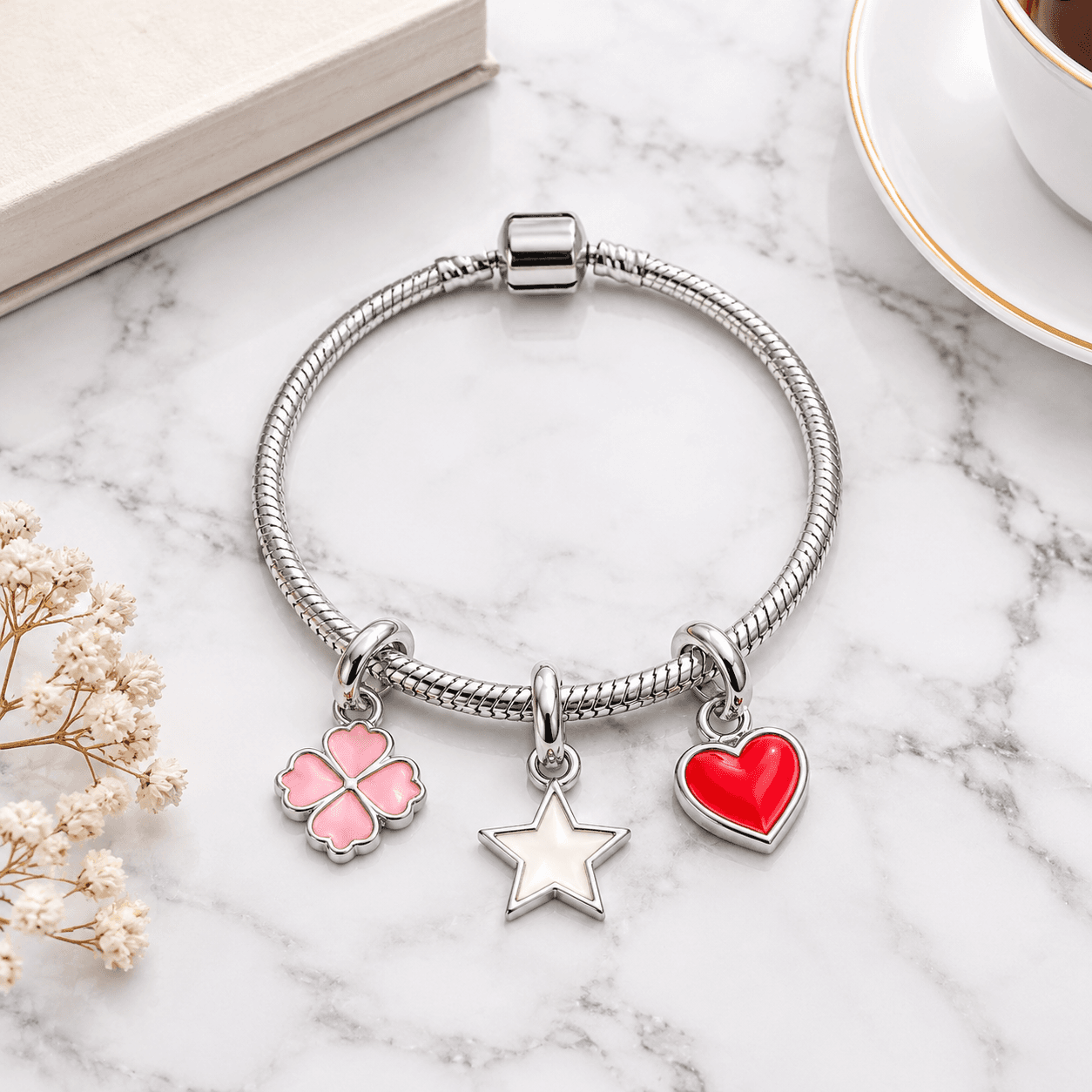
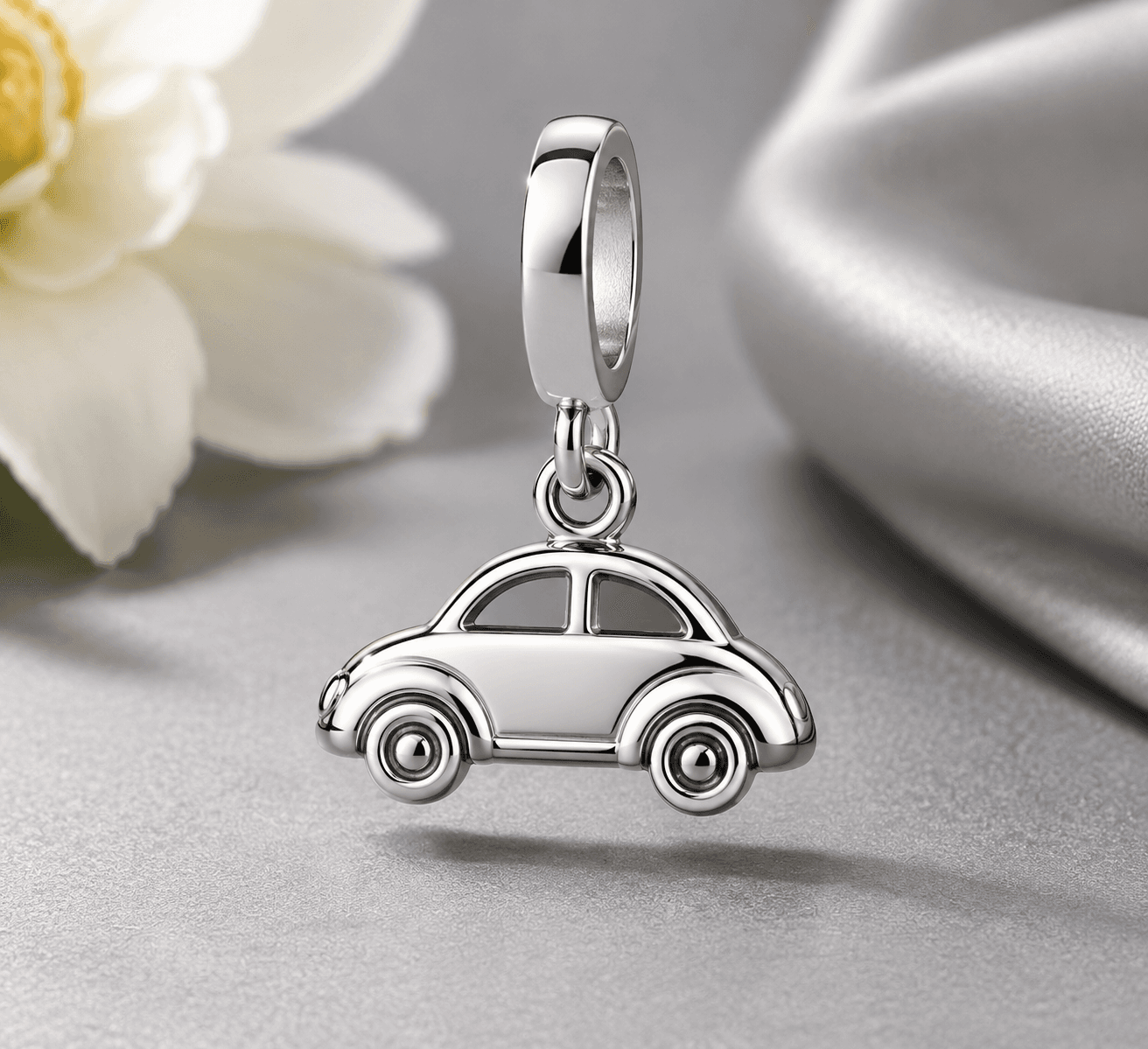
Custom car charms are decorative accessories designed for automotive-themed gift programs, personalized collections, and lifestyle accessory ranges. Their designs may feature initials, symbols, hearts, stars, zodiac motifs, or other decorative details. For B2B development, the best design is not necessarily the most complicated. It is the one that balances visual appeal, mechanical reliability, production feasibility, and commercial value.
1. Evaluate the Base Material Before the Design
Material selection establishes the foundation for product performance. Lancy Jewelry focuses on 316L stainless steel charms, offering buyers a consistent base material for custom decorative accessories.
316L stainless steel is valued for its corrosion resistance, structural strength, and suitability for products requiring regular handling. Its chromium-rich protective surface helps resist corrosion under appropriate conditions. However, actual performance depends on the finished product, manufacturing quality, environmental exposure, and maintenance practices.
For product developers, material evaluation should include documented material specifications, supplier traceability, surface inspection, and appropriate performance testing. Do not approve a design solely because its initial sample looks attractive.
2. Assess Design Complexity and Mechanical Reliability
A custom car charm may include a decorative body, a bail, a jump ring, or another attachment feature. Every functional component must be designed around its actual application.
- Outer profile: Confirm that the silhouette is smooth, symmetrical, and free from sharp edges.
- Attachment structure: Ensure that the hole, loop, or connection point has sufficient structural integrity.
- Thickness: Select a thickness that balances appearance, weight, and mechanical performance.
- Decorative details: Check whether engraving, enamel filling, or crystal inlay can be produced consistently.
- Surface treatment: Define the required finish and acceptable visual variation before sampling.
Design teams should review a technical drawing before approving the first physical prototype. This reduces the risk of discovering dimensional or connection problems after tooling and production preparation.
3. Compare Finishes According to Application Requirements
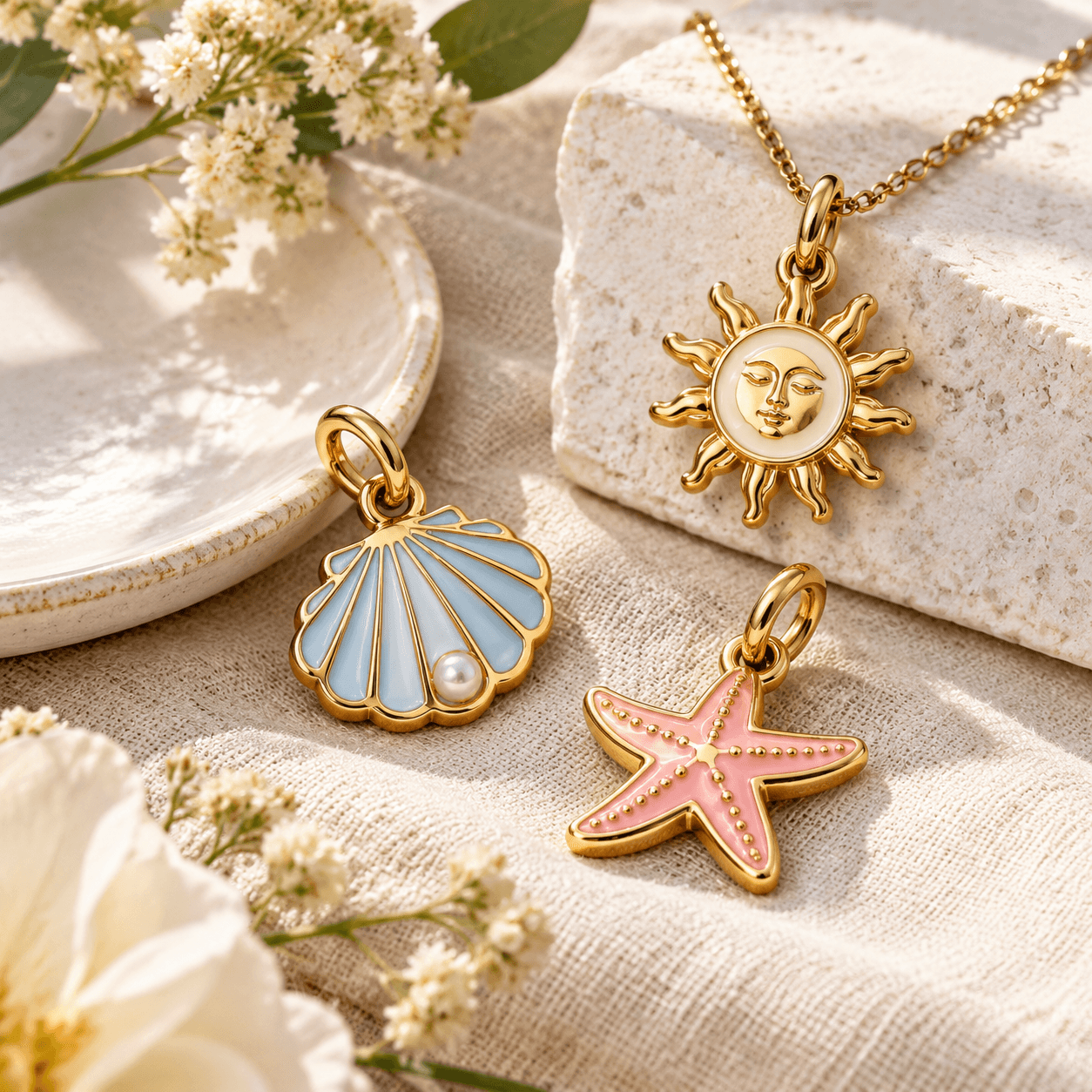
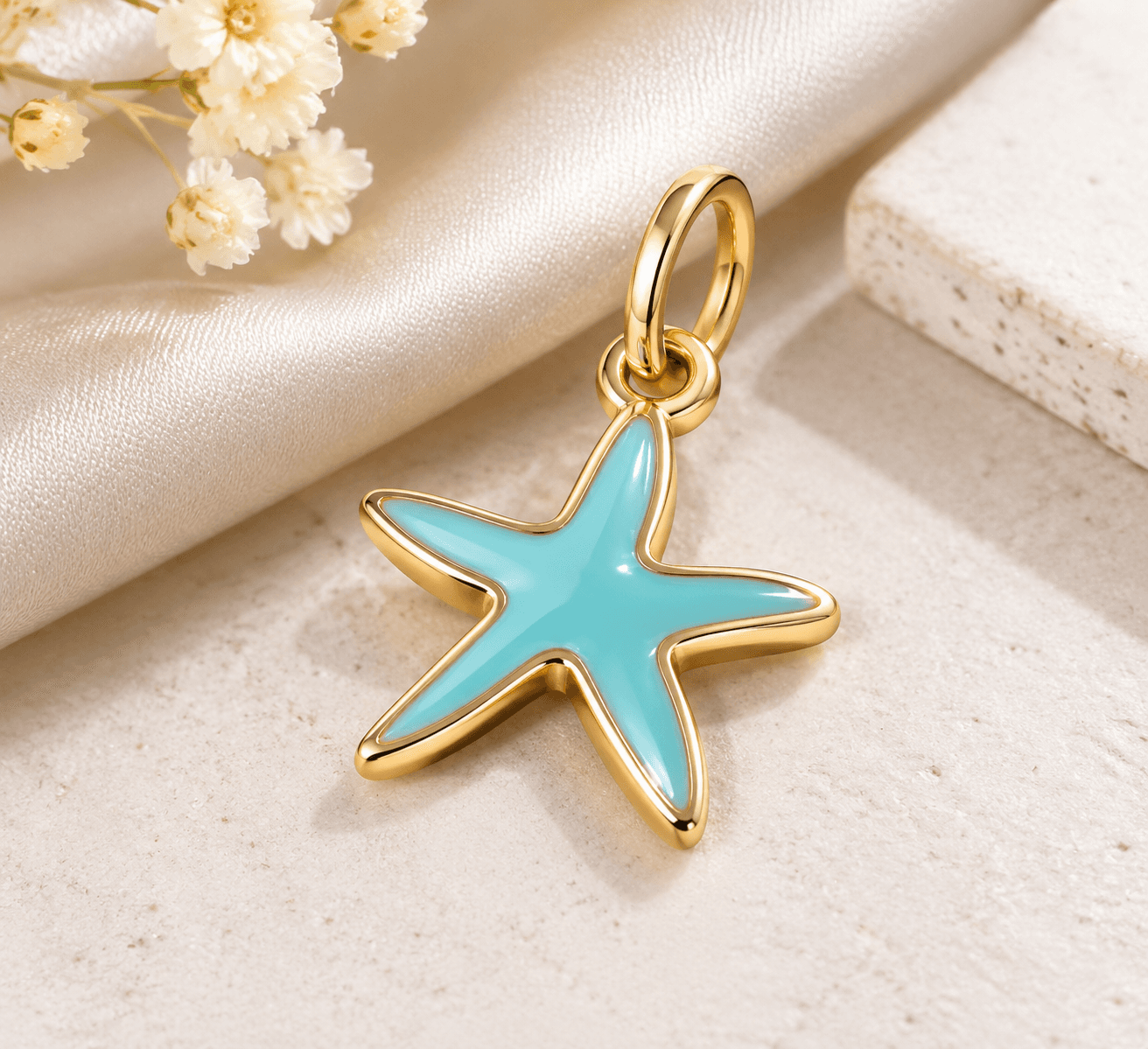
Surface finish affects product identity, visual consistency, and long-term appearance. Lancy supports several finishing directions for 316L stainless steel charms, including PVD gold plating, rose gold plating, silver finish, enamel, and crystal inlay.
The right selection depends on the intended design, target retail positioning, expected handling conditions, and quality requirements. PVD is particularly relevant when buyers require a controlled decorative finish and repeatable production specifications.
Why 316L Stainless Steel Matters for Car Charm Programs
For international B2B buyers, product durability is a commercial consideration rather than simply a technical feature. Reliable material selection can help reduce quality complaints, support consistent collections, and improve confidence when planning repeat orders.
Key Benefits of 316L Stainless Steel Charms
| Evaluation factor | Buyer benefit | What to verify |
|---|---|---|
| Corrosion resistance | Supports long-term appearance under suitable conditions | Material documentation and corrosion testing |
| Structural strength | Supports detailed designs and functional attachment points | Dimensions, thickness, and connection integrity |
| Surface consistency | Helps maintain a coordinated collection appearance | Polishing standards and finish inspection |
| Design flexibility | Supports engraving, enamel, and decorative detailing | Prototype accuracy and production capability |
| Repeatability | Supports consistent replenishment programs | Approved reference samples and batch inspection |
Certifications and Testing Documentation
Technical documentation should be part of supplier evaluation. Lancy Jewelry is SGS certified for the following testing and compliance areas:
- RoHS: Supports the evaluation of restricted substances in applicable product requirements.
- REACH: Addresses relevant chemical substance requirements for applicable markets.
- Nickel Release EN1811: Provides a standardized testing framework for nickel release from relevant articles intended for direct and prolonged skin contact.
- Salt Spray 240H: Provides an accelerated corrosion-resistance evaluation under specified test conditions.
These credentials offer useful evidence for supplier qualification, but buyers should distinguish between factory-level capabilities, material documentation, and test reports covering a particular finished product. A certification or test result should not automatically be interpreted as a universal performance guarantee for every design or production batch.
For global distribution, confirm the applicable requirements in each destination market. US, EU, UK, Australian, and Canadian buyers may have different documentation, labeling, and product compliance responsibilities. Establish the required testing scope before mass production.
Detailed Buyer Guide: Comparing Custom Car Charm Options
Product developers should compare design and manufacturing options using measurable criteria. The following tables provide a practical framework for evaluating specifications before submitting an RFQ.
1. Compare Decorative Design and Manufacturing Methods
| Design method | Visual characteristics | Development considerations | Suitable applications |
|---|---|---|---|
| Laser engraving | Precise lines, lettering, and fine details | Artwork resolution, engraving depth, and positioning | Initials, logos, symbols, and personalized designs |
| Laser cutting | Defined silhouettes and openwork details | Minimum feature dimensions and edge finishing | Geometric motifs and decorative outlines |
| Enamel filling | Distinctive color sections and visual contrast | Color matching, filling depth, and curing consistency | Color-focused themed collections |
| Crystal inlay | Reflective decorative accents | Setting security, alignment, and inspection | Gift-oriented and premium decorative programs |
| PVD finishing | Controlled metallic color appearance | Surface preparation, process control, and adhesion testing | Coordinated gold plated and rose gold collections |
These methods can be combined where the design allows. However, additional processes introduce more inspection points and may extend development time. Buyers should prioritize the details that contribute meaningfully to the final product rather than adding complexity without a clear commercial purpose.
2. Compare Surface Durability Requirements
| Test or inspection | What it evaluates | Recommended buyer action |
|---|---|---|
| Salt spray testing | Corrosion behavior under specified accelerated conditions | Define exposure duration and acceptance criteria |
| Coating adhesion evaluation | Resistance of the decorative finish to separation | Agree on a suitable test method for the finish |
| Abrasion evaluation | Resistance to surface wear under defined contact conditions | Set an appropriate test cycle and inspection standard |
| Dimensional inspection | Consistency of critical dimensions and tolerances | Approve a technical drawing and measurement plan |
| Connection integrity testing | Mechanical stability of attachment structures | Define application-specific loading and acceptance limits |
| Visual inspection | Scratches, polishing marks, finish variation, and decorative defects | Establish approved reference samples and defect limits |
Testing must reflect the intended product application. For example, a charm used primarily as a decorative gift accessory may have different mechanical requirements from one exposed to frequent handling and movement inside a vehicle. Neither application should be approved using visual inspection alone.
3. Select the Right Attachment Configuration
Attachment engineering deserves particular attention in car charm development. The connection should be secure, visually appropriate, and mechanically suitable for the intended mounting arrangement.
During prototype evaluation, examine the following:
- Whether the bail or jump ring passes through a real, correctly sized opening.
- Whether the connection closes fully and remains correctly aligned.
- Whether the attachment point has adequate material around the opening.
- Whether the finished charm moves naturally without creating excessive stress.
- Whether the complete assembly can be installed and removed as intended.
- Whether movement, vibration, and environmental exposure have been considered in the application-specific test plan.
For vehicle applications, buyers should also consider installation location, visibility, movement, and applicable local safety requirements. Product positioning must not obstruct the driver's view or interfere with vehicle controls. The final installation method should be evaluated separately from the decorative charm itself.
OEM Development: From Concept to Bulk Production
Choosing a qualified stainless steel charms manufacturer is essential when developing a differentiated car charm collection. A capable manufacturing partner should offer more than production capacity. It should provide technical feedback, sampling support, documented specifications, and reliable quality controls.
Step 1: Prepare a Complete Product Brief
Begin with a clear development brief containing the design concept, intended application, dimensions, thickness, surface finish, decorative requirements, attachment structure, target quantity, and packaging preferences.
Provide vector artwork where possible. Include color references for enamel and a clear description of any engraving or crystal inlay requirements. If the product includes a custom logo, provide the approved artwork and specify its location, size, and orientation.
Step 2: Conduct Engineering and Feasibility Review
Before sampling, the factory should review design geometry, manufacturing tolerances, minimum feature dimensions, finishing requirements, and assembly feasibility.
Lancy Jewelry operates a modern manufacturing facility equipped with CNC processing, laser cutting, laser marking, welding, and polishing capabilities. These processes support custom stainless steel charms development from initial engineering review through production preparation.
At this stage, request feedback on any design feature that could affect manufacturing stability. A small adjustment to a connection hole, edge profile, or engraving position may significantly improve production consistency.
Step 3: Develop and Approve Physical Samples
Sample development is the most important opportunity to identify design and performance problems before bulk production. Buyers should not approve samples based on appearance alone.
A structured sample approval checklist should include:
- Material specification and documented identification.
- Overall dimensions, thickness, and dimensional tolerances.
- Weight and attachment configuration.
- Surface smoothness and edge quality.
- Color consistency and decorative finish appearance.
- Engraving accuracy and logo positioning.
- Enamel filling quality or crystal setting security, where applicable.
- Relevant mechanical and surface durability test results.
Keep an approved reference sample and a corresponding technical specification. This reference becomes the baseline for subsequent production inspections and repeat orders.
Step 4: Confirm MOQ, Lead Times, and Production Planning
MOQ and production lead times should be discussed early, not after the design is finalized. Customization complexity, sample approval, finishing processes, packaging requirements, and order quantity all influence the production schedule.
For boutique brands and smaller product programs, low MOQ support can make it easier to validate demand before expanding a collection. Nevertheless, buyers should understand that custom development, special finishing, and packaging may have separate minimum requirements.
Request a written production schedule covering artwork confirmation, sample preparation, sample approval, production, quality inspection, packaging, and dispatch. This creates realistic expectations for global sourcing teams and reduces uncertainty around launch dates.
Step 5: Establish Bulk Production Quality Controls
Once samples are approved, the factory should maintain consistent production specifications. A documented control plan should identify critical dimensions, finish requirements, attachment standards, inspection frequency, and acceptable defect levels.
For bulk charm orders, request clear inspection records and agree on the sampling procedure before manufacturing begins. Where a particular test is critical to product acceptance, define the test method, sample quantity, and pass criteria in writing.
Repeatability matters. A successful first order is not enough if later batches differ in dimensions, color, polishing quality, or logo positioning. A disciplined OEM production process should preserve the approved reference standard throughout replenishment.
How to Compare OEM Suppliers for Long-Term Value
Supplier selection should consider total purchasing value rather than unit price alone. A lower quotation may not represent better commercial value if it excludes testing, sample revisions, packaging, or important inspection procedures.
| Supplier evaluation criterion | Questions to ask | Priority |
|---|---|---|
| Material control | Can the supplier document 316L stainless steel specifications? | Critical |
| Engineering capability | Can the team review drawings and identify manufacturing risks? | High |
| Surface finishing | Can the supplier maintain consistent PVD and decorative finishes? | High |
| Testing documentation | Are relevant test methods and reports available? | Critical |
| MOQ flexibility | Can production quantities accommodate the planned launch? | High |
| Sample development | Can the supplier support physical prototypes and revisions? | High |
| Private-label support | Can logos and packaging specifications be implemented accurately? | Medium to high |
| Delivery planning | Are milestones, inspection stages, and dispatch schedules documented? | High |
A strong OEM charms manufacturer should be able to explain not only what it can produce but also how it verifies product consistency. Technical transparency is an important indicator of manufacturing maturity.
Global Market Considerations for Custom Car Charms
Custom car charm programs can serve different customer groups across the US, EU, UK, Australia, and Canada. However, market expectations and compliance obligations should be assessed individually.
For North American buyers, emphasize clear product specifications, reliable packaging, and consistent replenishment. European buyers should pay particular attention to applicable chemical compliance and documentation requirements. UK buyers should confirm the relevant domestic requirements, while Australian and Canadian buyers should review applicable import, consumer product, and labeling obligations.
Across markets, personalization remains a useful product development direction. Initials, meaningful symbols, seasonal themes, and coordinated color combinations can help retailers create differentiated collections without relying on excessive design complexity.
Private label charms programs can also benefit from coordinated packaging and product identification. Buyers should establish packaging dimensions, branding artwork, barcode requirements, and shipping protection before final production approval.
Common Purchasing Mistakes to Avoid
Prioritizing Appearance Over Performance
An attractive sample does not demonstrate mechanical reliability or finish durability. Require appropriate inspection and testing before approving production.
Ignoring Attachment Engineering
A poorly designed opening or connection can compromise the entire product. Confirm attachment dimensions and structural requirements during the engineering stage.
Changing Specifications After Sample Approval
Uncontrolled design changes can create differences between the approved sample and the finished order. Document every revision and obtain written approval for specification changes.
Using Vague Quality Requirements
Terms such as premium quality or excellent finish are insufficient for manufacturing agreements. Define measurable requirements for dimensions, appearance, coating performance, and mechanical integrity.
Accepting Unsupported Durability Guarantees
Durability depends on design, processing, usage, exposure, and maintenance. Request evidence-based test results and agree on any warranty period, coverage, exclusions, and claim procedure in writing. A testing result is not automatically a guarantee of unlimited service life.
Frequently Asked Questions
1. Why is 316L stainless steel a good choice for custom car charms?
316L stainless steel offers corrosion resistance, structural strength, and a stable foundation for decorative finishing. It is suitable for custom charm programs requiring consistent manufacturing specifications and attractive long-term appearance under appropriate conditions. Actual performance depends on design, processing, environment, and maintenance.
2. Can Lancy Jewelry manufacture custom car charms with logos?
Yes. Lancy Jewelry supports OEM and ODM development, including custom logo engraving, laser marking, PVD finishing, enamel color filling, crystal setting, and private-label packaging. Buyers can submit artwork and product specifications for a manufacturing feasibility review.
3. What tests should buyers request before placing bulk orders?
Relevant evaluations include material documentation, salt spray testing, coating adhesion, abrasion resistance, dimensional inspection, visual inspection, and attachment integrity testing. The exact test plan should reflect the product's intended application and the applicable requirements of the destination market.
4. How can buyers reduce sample development and production lead times?
Prepare complete vector artwork, confirmed dimensions, finish references, attachment specifications, packaging requirements, and target quantities before submitting an RFQ. Consolidating feedback into one revision list and approving a documented reference sample can also reduce unnecessary development cycles. Actual lead times depend on design complexity, sampling requirements, and production capacity.
Partner With Lancy Jewelry for Custom Car Charm Manufacturing
Choosing the best custom car charms requires a manufacturing partner that understands material performance, design engineering, surface finishing, and production consistency. Lancy Jewelry supports boutique brands, gift companies, distributors, and private-label buyers with factory-direct OEM and ODM manufacturing focused exclusively on 316L stainless steel charms.
From initial concept evaluation to sample development and bulk production, our capabilities include CNC processing, laser cutting, laser marking, welding, polishing, PVD plating, enamel filling, crystal setting, logo engraving, and private-label packaging.
We also support low MOQ production planning and coordinated product development for buyers building new decorative accessory collections. Our goal is to help product developers move from a design concept to a production-ready specification with clear technical expectations and controlled quality standards.
Explore our 316L stainless steel product catalog to review available product directions, or learn more about our OEM and ODM manufacturing services. When your design specifications are ready, request a quote (RFQ) with your artwork, target quantity, finish requirements, and preferred delivery schedule.
Work with Lancy Jewelry to develop custom stainless steel charms that combine distinctive design, dependable manufacturing, and consistent quality for international markets.