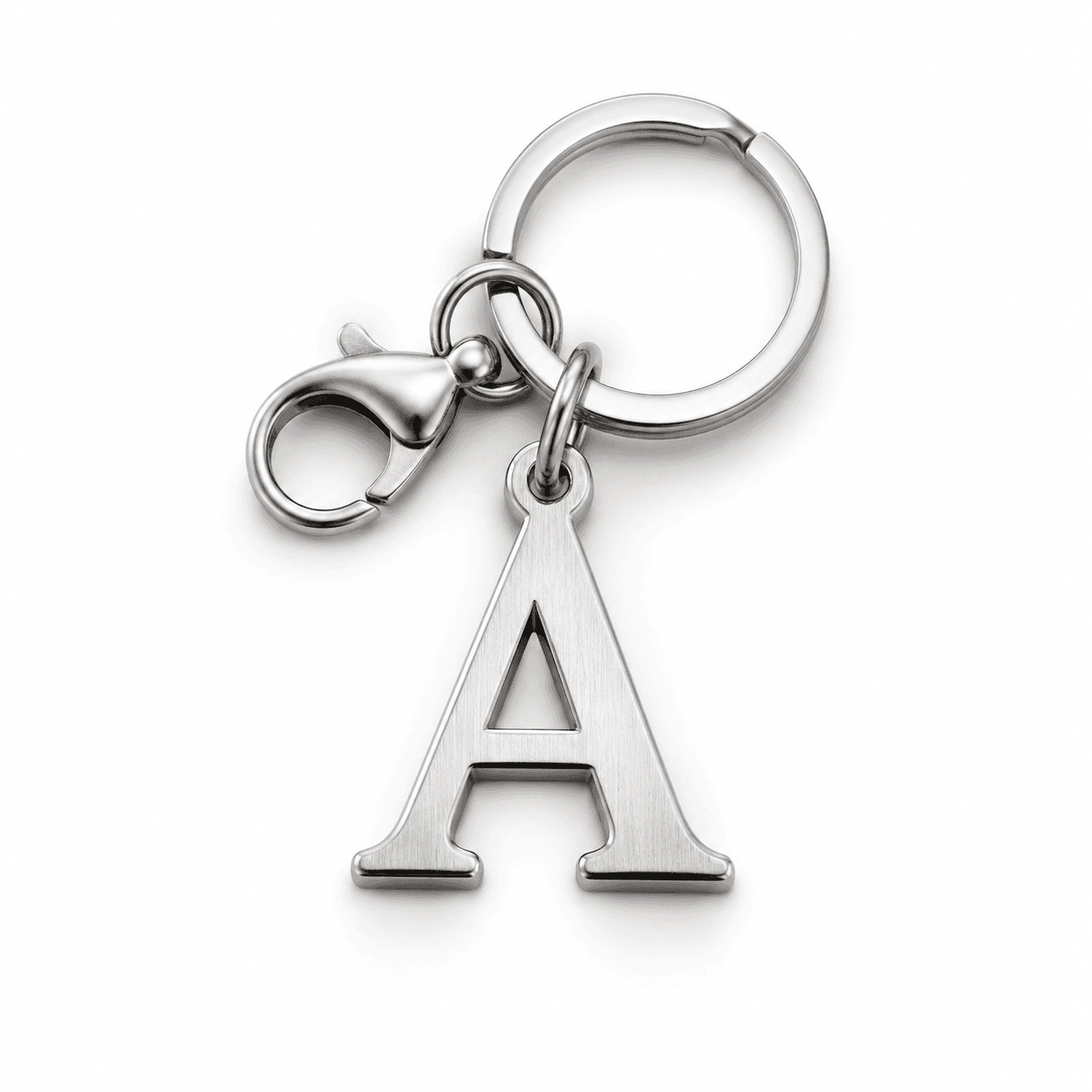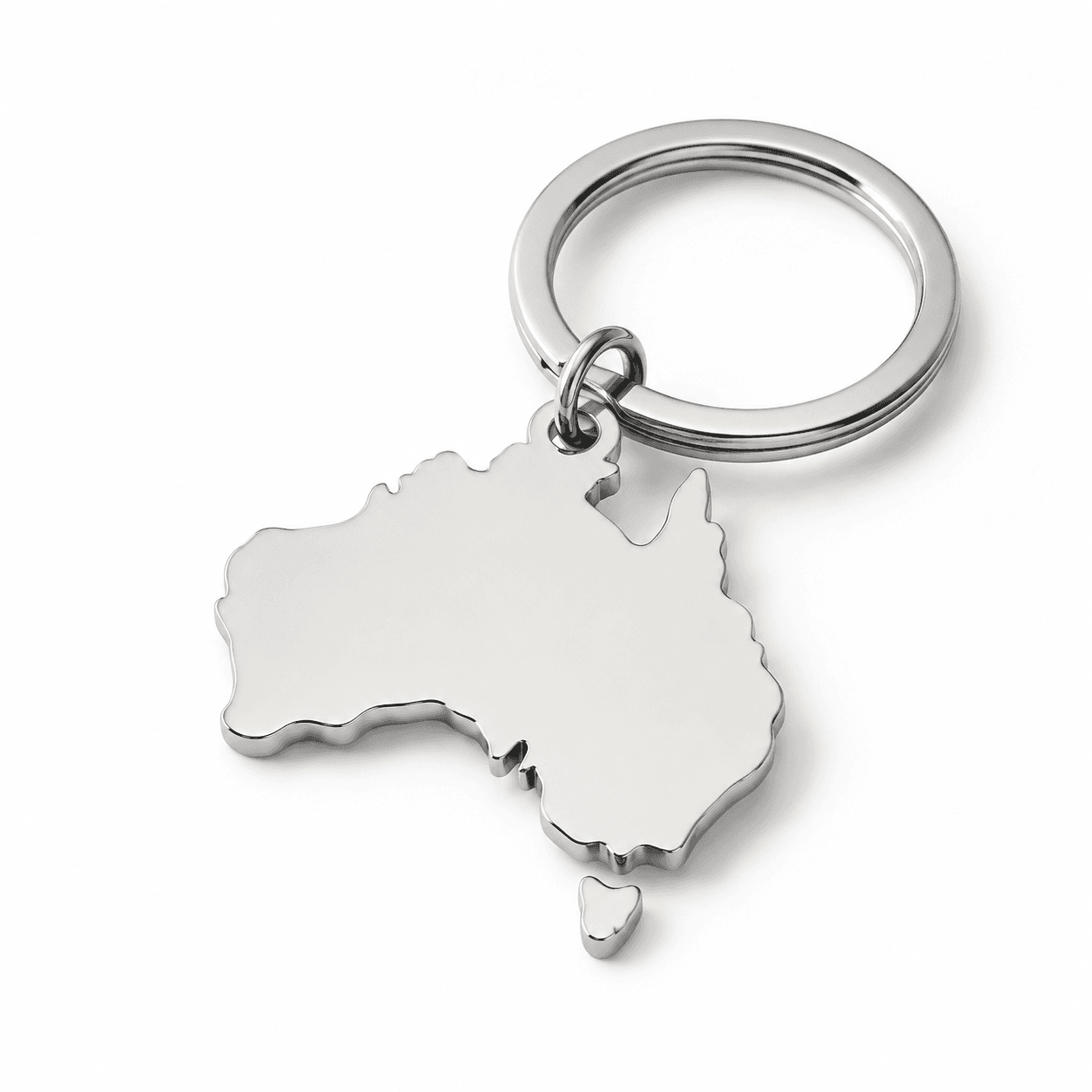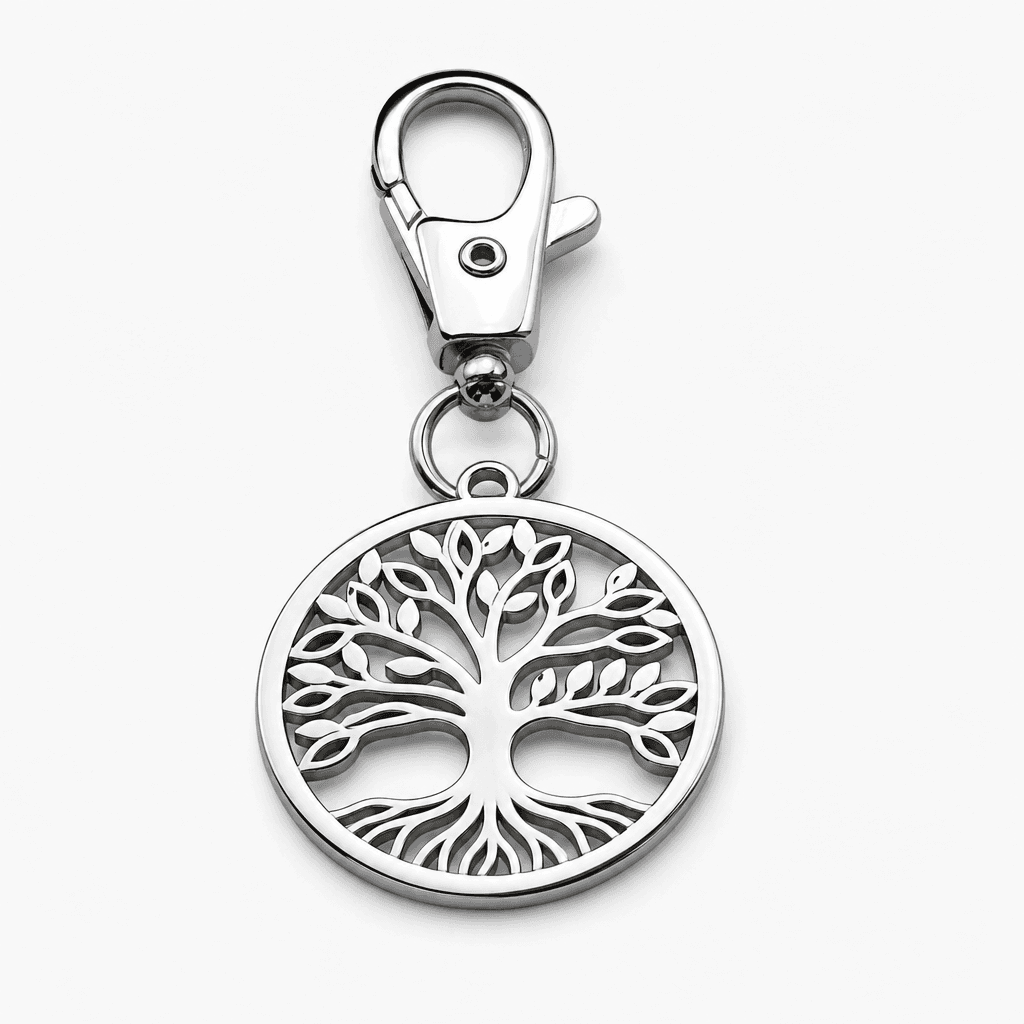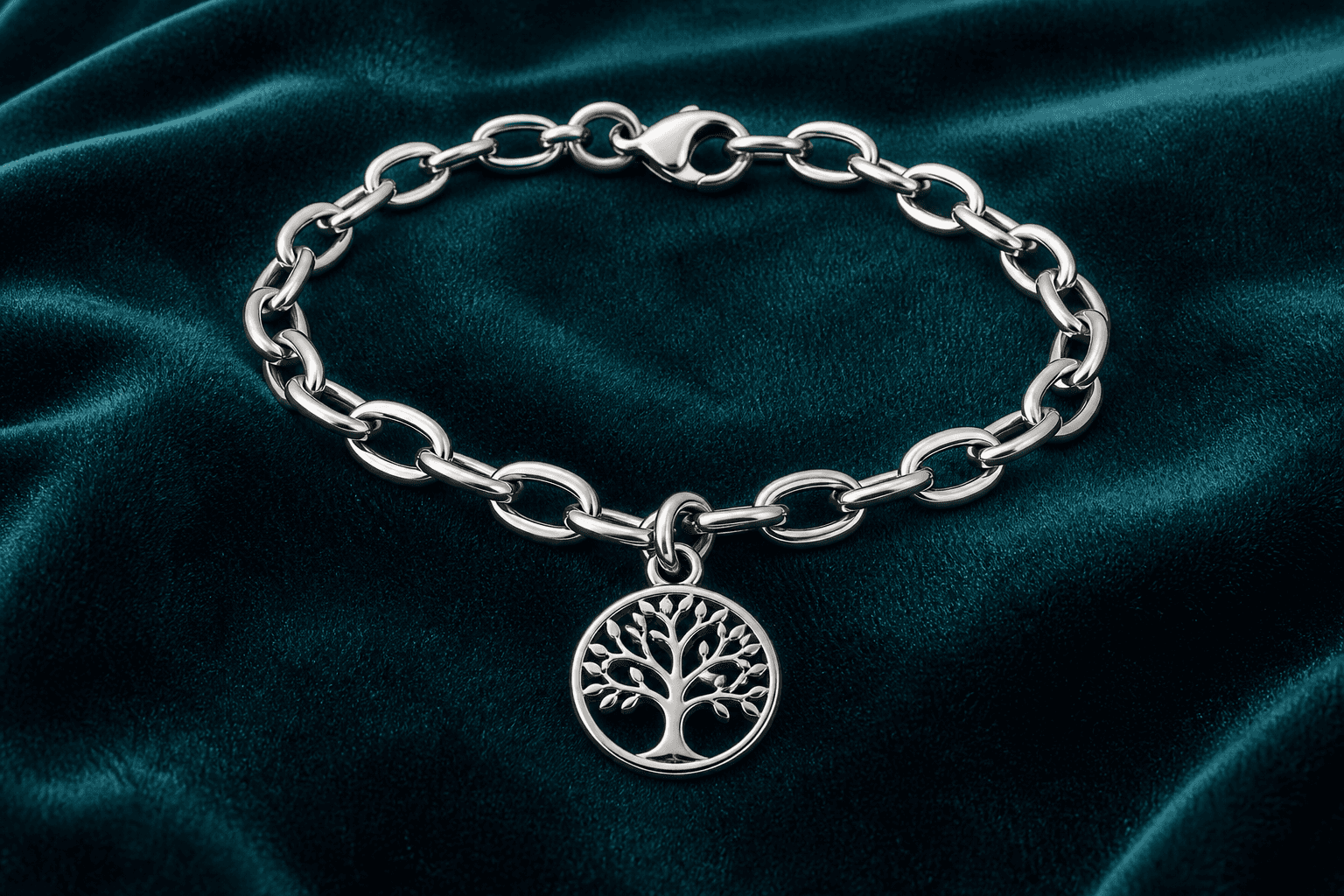
In global jewelry sourcing, securing a reliable supplier for 316L stainless steel charms is the difference between healthy margins and cost headaches. For boutique brands, charm bars, gift companies, and private-label buyers, understanding the material science behind 316L stainless steel—paired with disciplined supplier evaluation—empowers smarter sourcing decisions. This guide helps wholesale buyers locate, validate, and partner with trusted manufacturers to achieve consistent quality, scalable MOQs, and fast sample development.
Sourcing 316L Stainless Steel Charms: A Practical Guide
What to consider before you start
- 316L stainless steel charms deliver corrosion resistance and support for a range of finishes such as PVD plating in gold tones, silver-like finishes, rose gold plating, enamel color filling, and crystal inlay.
- Understanding alloy chemistry helps you compare supplier capabilities, plating stability, and long-term wear across markets including the US, EU, UK, AU, CA, DE, FR, ES, RU.
- OEM/ODM development pipelines, logo engraving, and private-label packaging are standard services, enabling faster time-to-market for private-label programs.
Understanding 316L stainless steel charms
316L is an austenitic stainless steel grade known for its corrosion resistance, low carbon content, and compatibility with a wide range of finishes. Its chromium content forms a stable passive layer that protects against rust in ambient and mildly aggressive environments. For charm applications that see frequent handling, 316L offers predictable performance and reliable plating adhesion when paired with modern finishes such as PVD. When evaluating a supplier, validate their ability to consistently source 316L base material and to maintain chemistry control during forging, welding, and finishing processes.
Finishes and capabilities buyers should expect
The most common finishes for 316L stainless steel charms include: PVD plating in gold tones, silver-like finishes, rose gold plating, enamel color filling, and crystal inlay. A robust supplier should document plating thickness, adhesion testing, and color fastness, as well as capabilities for enamel filling and precise crystal setting. For cross-market appeal, confirm color ranges, finish tolerance (e.g., ±0.1–0.2 μm for plating), and process controls that prevent hydrogen embrittlement or discoloration after aging or salt spray exposure.
Manufacturing capabilities to verify
Look for a modern facility with CNC machining, laser cutting, laser marking, precision welding, and high-grade polishing. In addition, verify:
- OEM/ODM development pipelines and research & development support
- Logo engraving capabilities with scalable production
- Private-label packaging options and labeling compliance
- Prototype/sample support with fast turnaround
- Quality assurance protocols and certifications such as third-party testing
Red flags when evaluating suppliers
- Unclear or missing material certifications for 316L base material
- Inconsistent plating quality or recurring plating failures across batches
- Non-transparent MOQs or unreasonably long lead times without rationale
- Limited customization options or lack of private-label packaging
MOQs, pricing, and samples
Wholesale buyers should seek suppliers offering low MOQs for charm production without compromising quality, coupled with transparent tiered pricing. A strong supplier will provide a clear sample development timeline, without sacrificing finish integrity. Use samples to validate color consistency, engraving fidelity, and the reliability of PVD finishes under end-use conditions. A good partner will also provide a streamlined RFQ process and a clear path to bulk charm orders once the pilot succeeds.
Benefits and Why it Matters
Key benefits for wholesale buyers
- Material reliability: 316L stainless steel charms deliver uniform performance across markets, reducing returns and warranty claims.
- Finishes you can trust: PVD plating, enamel, and crystal inlays with controlled thickness and adhesion improve boutique appeal and consistency.
- Compliance and durability: Access to test data and third-party certifications demonstrates readiness for global markets.
- Low MOQ support: Flexible MOQs enable private-label launches or limited collections without locking you into excessive initial inventory.
- Private-label packaging: End-to-end branding options align with private-label strategy and retailer requirements.
- Sample development speed: Fast prototyping accelerates time-to-market and reduces development risk for new lines.
Detailed Analysis and How-To Steps
Step 1: Define charm specs and compliance needs
Begin with a formal spec sheet covering base material (316L stainless steel), allowable finishes (PVD gold, silver, rose gold; enamel; crystal inlay), dimensions, weight, and tolerance ranges. Define applicable standards (RoHS, REACH, Nickel Release EN1811, Salt Spray) and specify regulatory or labeling requirements for target markets. Align with internal teams on packaging, branding, and quality metrics before outreach.
Step 2: Probe material chemistry and supply-chain integrity
Request composition ranges for the 316L base material and traceability documentation from raw material suppliers. Compare sourcing complexity, impurity controls, and consistency across heat lots. This reduces the risk of joint weaknesses, plating failures, or color shifts after wear in various markets.
Step 3: Evaluate capabilities and process controls
Assess the factory’s tooling, capacity, and quality controls. Key questions include: Do they have in-house CNC, laser cutting, laser marking, welding, and polishing? Can they execute logo engraving, PVD plating, enamel filling, and crystal setting at a scale market-relevant your program? Do they document process controls, SPC data, and first-article approvals for new items?
Step 4: Request samples and run a pilot program
Initiate with a small batch of samples that mirror target finishes. Assess plating thickness uniformity, adhesion, wear resistance, and color stability after accelerated aging. Validate both visual appeal and mechanical fit with intended usage, such as jump rings passing through real holes. Use this phase to confirm private-label packaging readiness and any branding requirements.
Step 5: Verify finish stability and quality assurance
Conduct a quality assessment across multiple sample lots to ensure consistent color, hardness, and corrosion resistance. Request test data for salt spray adherence, nickel-release performance, and dimensional tolerances. Confirm the supplier’s certifications and test report availability for each batch or lot. This reduces post-purchase risk in cross-border programs.
Step 6: Confirm packaging, labeling, and regulatory readiness
Private-label buyers should demand packaging options that support branding, SKU labeling, and retailer display requirements. Ensure packaging materials comply with applicable regulations for target markets. Confirm any anti-tamper or serial-number labeling for traceability if your program requires it.
Step 7: Negotiate MOQs, lead times, and incentives
Secure a price ladder tied to volume with clearly defined lead-time commitments. Discuss payment terms, early-order discounts, and quality-related penalties. If your plan includes ongoing replenishment, negotiate stable lead times and a predictable schedule. Consider assigning a dedicated account manager and a defined escalation path for issue resolution.
Step 8: Pilot to scale with confidence
Use the pilot results to finalize private-label packaging, branding, and SKU structure. Once the pilot validates quality and logistics, transition to bulk orders with confidence. Maintain ongoing QA and supplier scorecards to monitor performance, and keep lines of communication open for continuous improvement.
Global insights for cross-market execution
Global demand for consistent, well-finished 316L stainless steel charms is rising in major markets. Buyers increasingly favor partners who can demonstrate robust material science understanding, precise finishing capabilities, and reliable supply-chain discipline. A capable OEM/ODM partner should support not only base charm production but also scalable private-label packaging and a clear path for future product extensions, maintaining consistency across collections and seasons.
FAQ
Q1: What makes 316L stainless steel suitable for charms?
A: 316L stainless steel provides excellent corrosion resistance, stability across finishes, and biocompatibility, making it ideal for frequent handling and long-term wear in jewelry charms.
Q2: What should I look for in a 316L stainless steel charms supplier?
A: Look for material certifications, a transparent manufacturing footprint (CNC, laser, welding, polishing), plating process details (PVD capabilities, thickness ranges, adhesion tests), and a robust QA program. Certifications reassure compliance and durability. Also evaluate MOQs, sample turnaround, private-label packaging options, and the ability to support OEM/ODM development with logo engraving and scalable production.
Q3: What is a typical MOQ for OEM/ODM stainless steel charms?
A: MOQs vary by supplier and project scope. Look for low MOQs to begin with, then scale as your private-label program and demand mature.
Q4: How long does sample development take?
A: Sample timelines depend on finish and complexity, but expect a few days to a few weeks. Fast-track options are often available for priority programs.
Call to Action
Partner with Lancy Jewelry, a modern stainless steel charms manufacturer dedicated to boutique brands and private-label buyers. We offer low MOQ charm production, consistent plating quality, and a private-label packaging program backed by robust process controls. To start your private-label journey, explore our OEM service at /oem or initiate a fast RFQ to accelerate your project at /cart. For direct sales inquiries or to discuss sample development timelines, contact our team at /contact.