For corporate procurement teams buying bulk stainless steel charms wholesale in 2026, the “material” decision is not just aesthetic—it determines compliance documentation, finishing stability, plating consistency, and long-term durability testing readiness. This guide explains how factory-direct sourcing for 316L stainless steel charms is managed when requirements include PVD, enamel filling, and crystal inlay.
Lancy Jewelry focuses exclusively on 316L stainless steel charms as the base material, helping buyers standardize vendor management and reduce risk in approvals. We support OEM/ODM development, custom logo engraving, and private-label packaging, backed by quality processes that align with buyer needs such as RoHS and REACH controls.
Use this decision helper to compare common finishing paths and what each one requires in procurement files—then request samples or an RFQ using our OEM/ODM workflow at /oem or inquiry at /cart.
Material Deep Dive: Why 316L Stainless Steel Matters for Bulk Charms Wholesale
When you purchase bulk stainless steel charms wholesale, the base metal selection drives everything downstream: plating adhesion, enamel color stability, corrosion behavior during transport, and how easily you can maintain consistent approval outcomes across seasons. Lancy Jewelry manufactures only 316L stainless steel charms, which is a practical choice for corporate procurement because it supports predictable finishing results under standard buyer testing regimes.
From a material technology perspective, buyers typically face two procurement challenges: (1) ensuring the metal is suitable for PVD plated stainless steel charms and other decorative processes, and (2) collecting documentation needed for compliance review. Lancy’s material approach is built around 316L stainless steel compatibility with PVD, enamel, and crystal inlay workflows, so your vendor management stays focused on one base-spec instead of handling multiple base-metal variants.
For sourcing managers, this matters because “bulk orders” must ship with repeatable surface quality. Lancy supports OEM and ODM development, including custom logo charms via engraving, and can align production batches to boutique-ready series planning. If you need fast onboarding, we also support sample development to confirm finish color and texture before bulk charm orders begin.
Comparison Table: Finishing Paths for PVD, Enamel & Crystal Inlay on 316L
The most common purchasing decision in bulk stainless steel charms wholesale is not the charm theme—it’s the finishing system. Below is a procurement-friendly comparison to help you select a finishing path that matches your compliance documents, durability expectations, and visual requirements for custom stainless steel charms.
This comparison is designed for corporate procurement teams sourcing from a stainless steel charms manufacturer that runs consistent processes for 316L stainless steel charms. Terms like RoHS, REACH, and salt-spray exposure show up in supplier reviews because they correlate with buyer acceptance criteria for plated and decorated accessories.
| Finishing Path (on 316L base) | Typical Visual Output | Procurement Documentation Focus | Durability Testing Alignment | Best For |
|---|---|---|---|---|
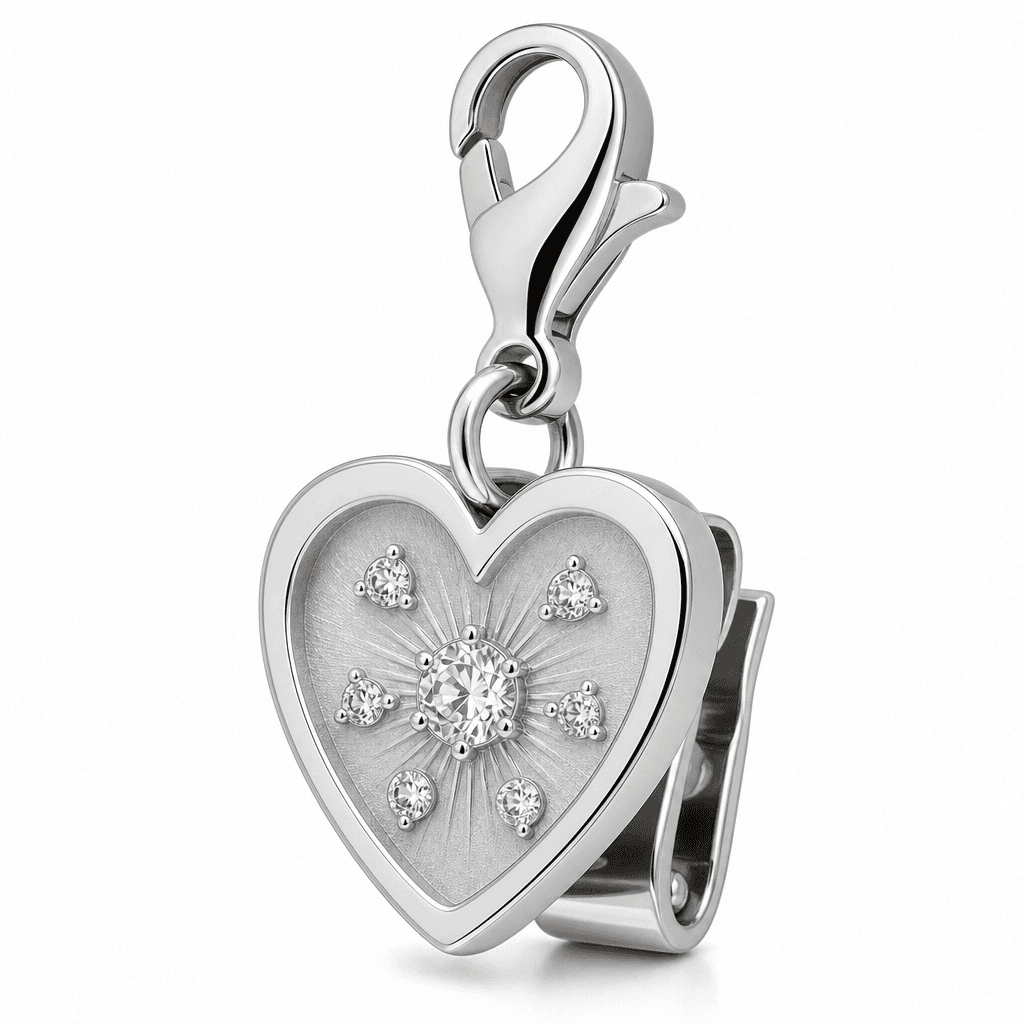
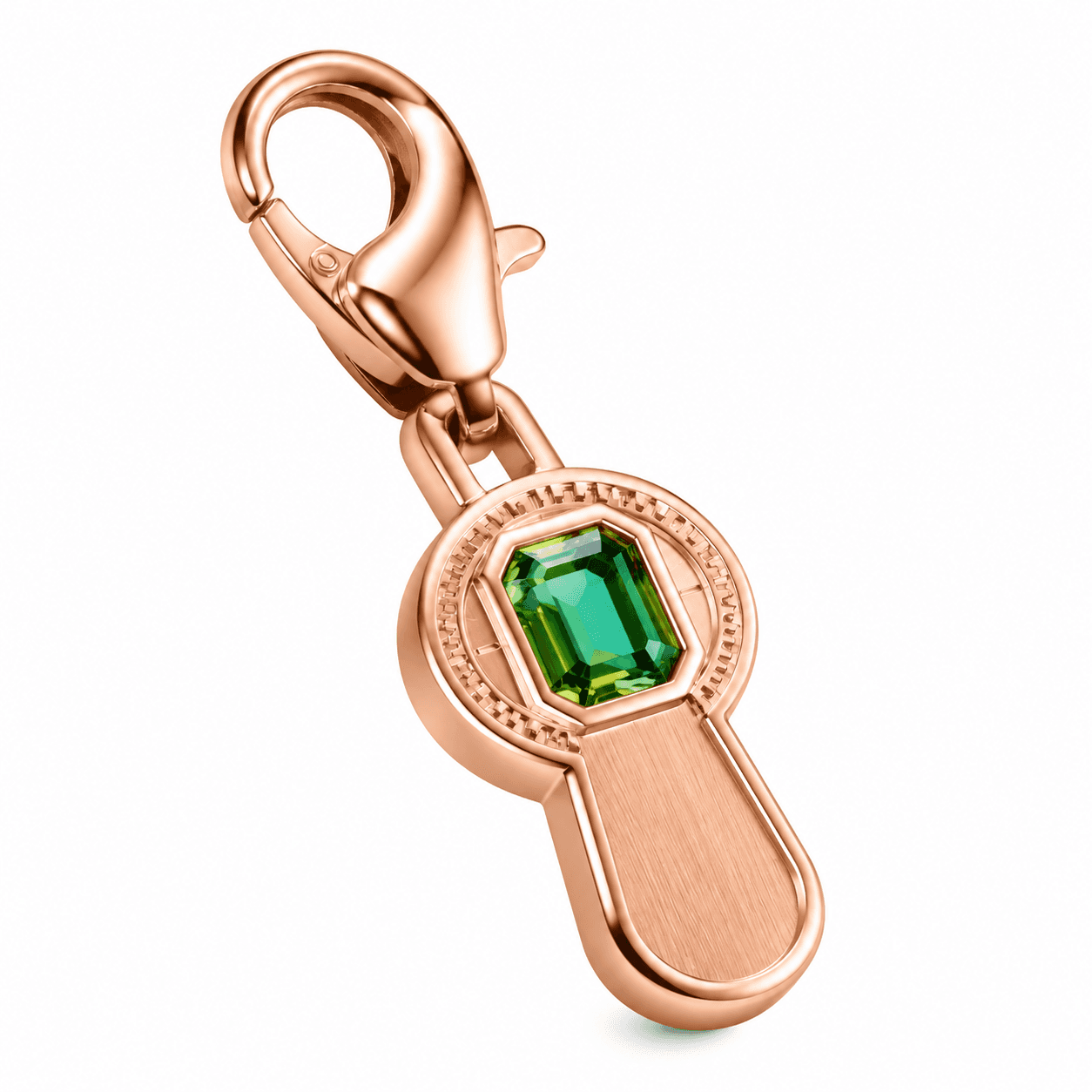
| PVD (gold plated / silver finish / rose gold plating) | Uniform metallic color, controlled sheen | Material compliance files for restricted substances (RoHS & REACH) | Salt spray readiness for metal surface stability | High-throughput charm bars, consistent color series |
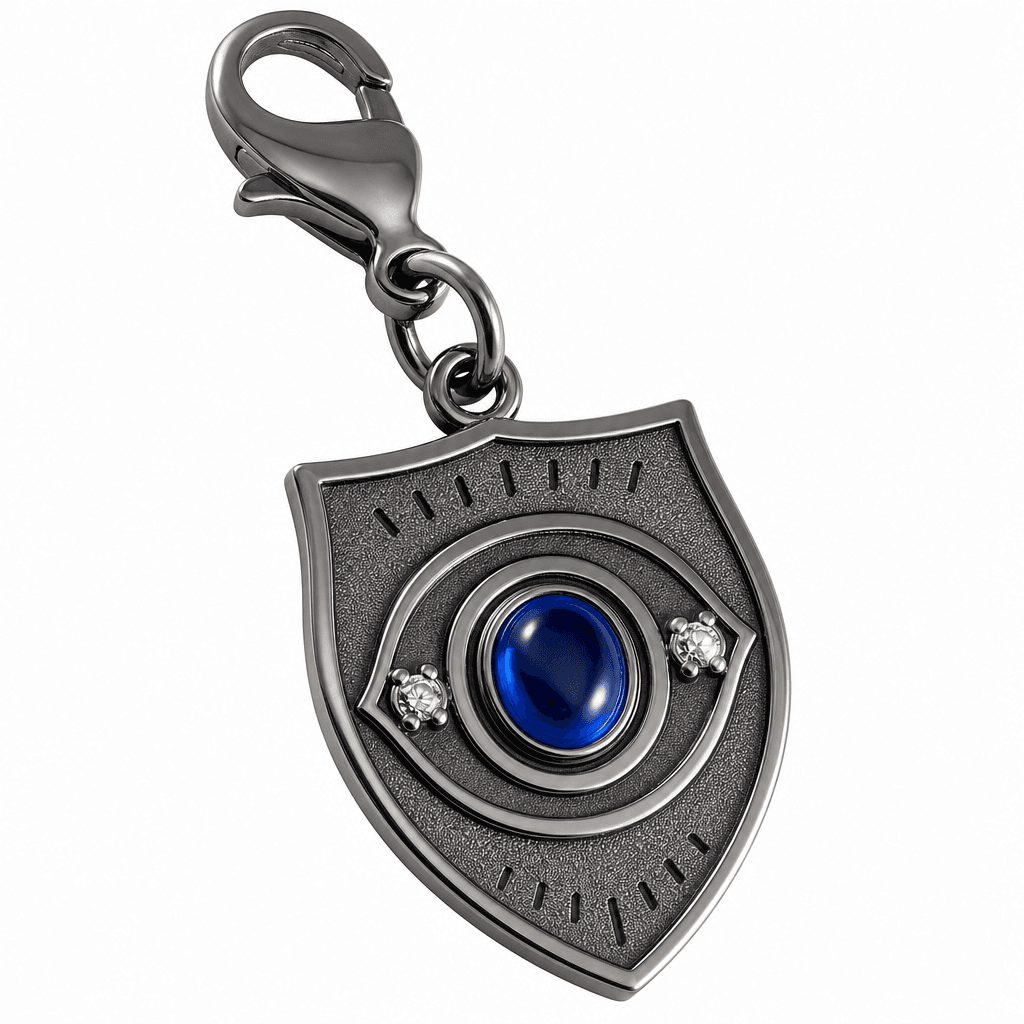
| Enamel (color filling over 316L) | High-contrast color fields, clean color separation | Finish chemistry documentation + acceptance tolerances | Adhesion stability and abrasion tolerance review | Birthstone programs, themed symbol sets |
| Crystal inlay (set into charm design) | Added sparkle and dimensional highlight | Inlay setting method confirmation + quality control checklist | Retention and surface integrity during handling | Premium-looking gifts and seasonal limited runs |
| Mixed finish (e.g., PVD + enamel or PVD + crystal) | Layered aesthetic, more design depth | Combined finish process documentation + inspection plan | Multi-factor inspection: plating + enamel/crystal retention | Private label charms with strict QA requirements |
Use this table as a baseline, then align your RFQ with the exact finish combination, target size (commonly 8–18 mm for many charm applications), and required test standards.
Detailed Analysis: What Buyers Should Verify for Each Material Option
Once you shortlist a finishing path for 316L stainless steel charms, the procurement success factor is verification. For a 316L stainless steel charms workflow, buyers typically request proof for plating quality, enamel finish behavior, and inlay setting retention—especially when ordering bulk stainless steel charms wholesale quantities.
1) PVD plated stainless steel charms (gold plated / silver finish / rose gold plating): Ask how color consistency is maintained between batches, whether production batches are tuned for stable sheen, and what inspection steps confirm plating adhesion after handling. Lancy’s factory process supports PVD as a controlled plating route on the 316L base, supporting series consistency for boutique charm programs. Compliance-wise, many buyers require restricted substance controls; Lancy supports documentation aligned with RoHS and REACH expectations and can reference testing such as Salt Spray used to assess surface stability.
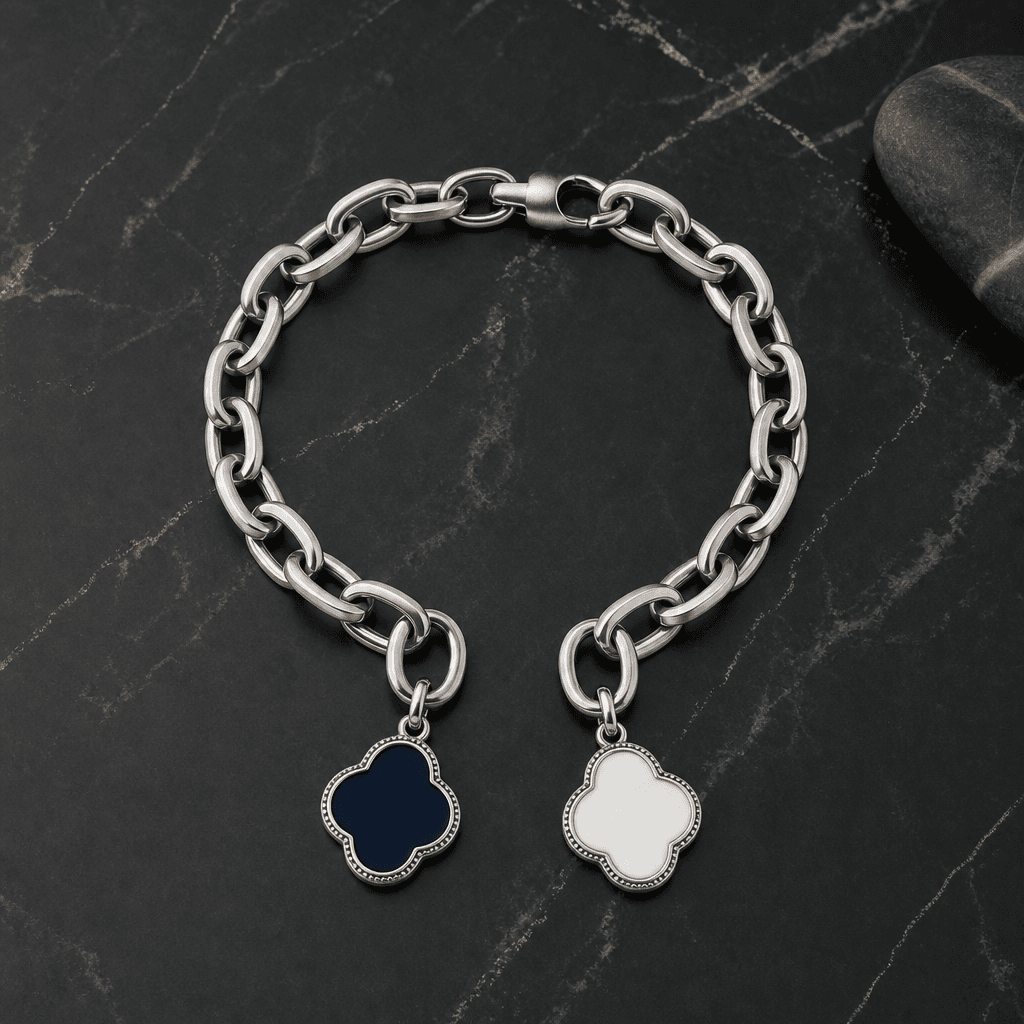
2) Enamel stainless steel charms: Enamel color selection is only the visible part of the spec. Procurement teams should confirm enamel color fill tolerance, edge cleanliness, and curing/finish handling so color doesn’t smear or degrade under routine wear. Lancy supports enamel color filling on 316L and includes quality checkpoints that match buyer acceptance criteria for decorative accessories. When you request samples, include the target enamel shade, acceptable variation range, and the use context (charm bar accessories, gift accessories, bag charms, car charms, or other allowed contexts).
3) Crystal inlay: For crystal inlay charms, require confirmation of the setting method and a retention-focused QC check. Buyers should specify whether they need a tight tolerance on crystal alignment, and ask for confirmation of mechanical stability under packing and distribution. Lancy’s crystal setting process is built to keep inlay retention reliable across repeated production runs.
4) Mixed finish (PVD + enamel and/or crystal): Mixed finishes require the most disciplined QA planning. Procurement should request an inspection plan covering both the plating layer and the decorated features. This is where consistent base metal specification matters: because Lancy uses 316L stainless steel as the only charm base, the supplier documentation and process control can be kept coherent across your SKU family, reducing approval friction in vendor management.
Recommendation: Which Finish to Choose for Bulk Orders with Low Procurement Risk
If your goal is a steady rollout of bulk stainless steel charms wholesale SKUs with predictable approvals, start with the finishing system that best matches your compliance and durability risk tolerance. For most corporate procurement teams, the safest path is selecting a finishing system with the cleanest documentation and the most repeatable surface behavior.
Recommended baseline: Choose PVD on 316L stainless steel as your primary series finish when you need color consistency and stable metallic appearance across large charm lineups. PVD is also the most straightforward to standardize for color series planning in private label charms. For documentation readiness, align your requirements to RoHS, REACH, and corrosion-related checks such as Salt Spray.
When to add enamel: If your brand strategy depends on high-contrast theming (for example birthstone-focused charm programs), enamel is effective—just make sure your RFQ includes shade confirmation and acceptance tolerances. Enamel specs should be validated through sample development before bulk charm orders, because decorative detail drives perceived quality and brand trust.
When to add crystal inlay: Use crystal inlay when your offer requires dimensional sparkle and gift-readiness. Ask for retention-focused QC confirmation and ensure that packaging protects the inlay during distribution. For multi-finish designs, require an inspection plan that covers each layer, not just the final visual.
Operational guidance: Lancy supports OEM and ODM development with custom logo charms and private-label packaging. If you are managing many SKUs, request a planned series approach (your target finishes, plating colors, enamel colors, crystal choices) so the supplier can maintain consistency and reduce variability across shipments. For low procurement risk, clarify MOQ expectations in advance and use samples to lock specs early.
Frequently Asked Questions
Request Your Quote for Bulk Stainless Steel Charms Wholesale (With Samples)
To move from spec to production smoothly, send your RFQ details so our OEM/ODM team can confirm material, finishing, and compliance readiness for bulk stainless steel charms wholesale. Use /cart to submit an inquiry and reference your target theme, finish, and compliance needs.
Include the following in your message: (1) base material confirmation that you require 316L stainless steel charms, (2) desired finish path—PVD (gold plated / silver finish / rose gold plating), enamel stainless steel charms, and/or crystal inlay, (3) plating/enamel color targets, (4) approximate charm size range (common range 8–18 mm unless your design requires otherwise), (5) quantity for bulk charm orders and any MOQ constraints, and (6) your private-label packaging requirements. If you need sample development, request a sample set so your procurement team can approve the exact look before production.
Supplier-side onboarding is easiest when you also tell us which compliance checks you expect (for example RoHS and REACH documentation, plus finish durability references such as Salt Spray). Lancy Jewelry is factory-direct for sourcing managers, and we maintain customer service and quality documentation processes to support purchase approvals.